


Dermatology is evolving faster than almost any other medical specialty. If you have followed developments in biologic therapy, laser technology, or digital diagnostics, you will already have seen how rapidly the field has progressed. By 2026, several innovations are expected to reshape how skin disease is diagnosed and treated.
However, not every emerging technology is equally transformative. Some advances will meaningfully change patient outcomes, while others remain experimental or niche. Understanding the difference helps you set realistic expectations.
In this guide, we explore the ten most important dermatology advances anticipated in 2026. We assess what is genuinely groundbreaking, what remains in early development, and what you can realistically expect to see in clinical practice. Precision, integration, and personalisation are central themes shaping the future.
Next-Generation Biologics With Greater Selectivity
Biologic therapy has already changed the way conditions like psoriasis and atopic dermatitis are treated. By 2026, newer agents that target narrower immune pathways are expected to improve how well you respond to treatment. With increased selectivity, these drugs may reduce the risk of affecting other parts of your immune system, making therapy safer for you.
Dual-pathway inhibitors are also gaining attention. These drugs target two specific cytokines at the same time, which could be especially helpful if you’ve had only partial response to previous treatments. Early trials are showing that this approach may offer longer-lasting results and better control of symptoms.
What’s truly transformative is the focus on precision. Instead of broadly suppressing your immune system, treatment is becoming increasingly customised to your needs. This means you can expect therapies that are more targeted, effective, and with improved safety profiles.
Microbiome-Based Skin Therapies
The skin microbiome is a key player in maintaining your skin’s barrier function and regulating immune responses. By 2026, therapies that modulate the microbiome are expected to become more widely used, especially for conditions like eczema and acne. Instead of wiping out microbes indiscriminately, these treatments aim to restore the natural balance of bacteria on your skin, supporting healthier function.
Researchers are exploring approaches such as topical bacterial transplantation and formulations that enhance beneficial microbes. Early studies suggest these strategies can improve barrier stability and reduce inflammation, helping your skin respond better to environmental and immune triggers.
While the early results are encouraging, the long-term durability of these therapies is still being studied. Scientists are working to understand how lasting the effects are and how best to maintain microbial balance over time.
This field is still evolving, but it’s a promising area for the future of dermatology. Over time, you may see more microbiome-informed skincare options becoming mainstream, with truly personalised treatments tailored to your unique skin microbial profile.
Precision Laser Technologies
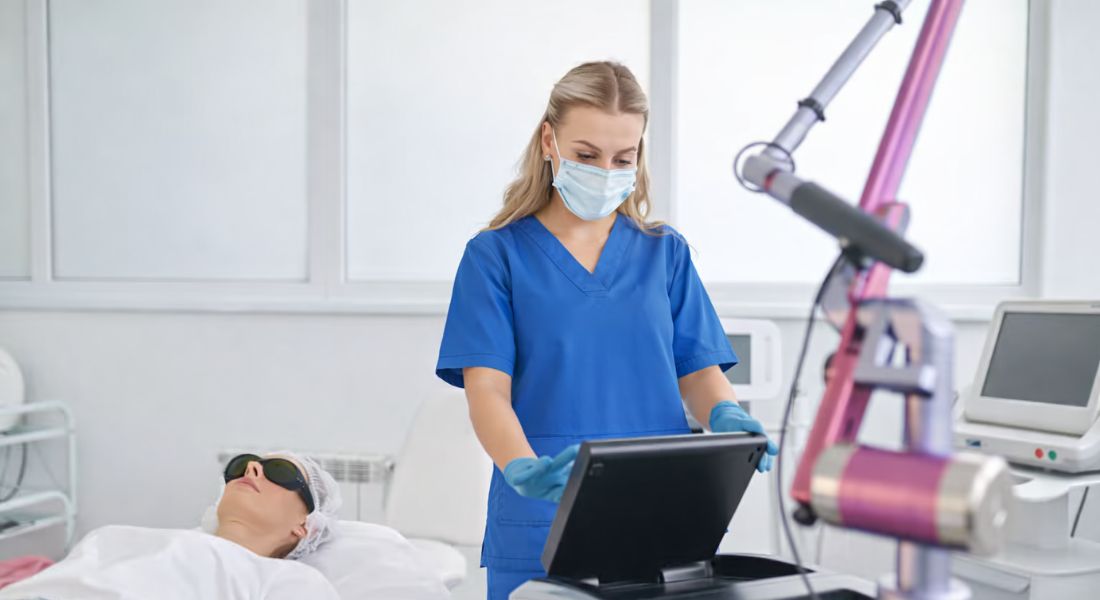
If you’re looking into laser treatments, you’ll notice that the technology is becoming increasingly refined and precise. By 2026, fractional and picosecond lasers are expected to give your clinician even greater control over how energy is delivered and how deeply it penetrates tissue.
1. Refined and selective laser devices: Modern lasers are designed to target specific tissue layers without affecting surrounding areas. This selectivity allows for safer, more predictable outcomes, whether you’re treating acne scars, sun spots, or blood vessels.
2. Precision mapping for customised energy delivery: Advanced systems can map your skin and deliver energy exactly where it’s needed. Real-time feedback ensures that the laser doesn’t over-treat any area, which enhances safety and consistency.
3. Shorter recovery times: Because modern lasers are more precise, your skin experiences less collateral damage. This translates into quicker healing and fewer side effects compared with older, less targeted devices.
4. Integration with biologic modulation: Combining laser therapy with biologic or regenerative treatments can further improve results. For example, microneedling or growth factor applications after laser sessions can accelerate healing and enhance collagen production.
In short, today’s laser innovations focus on precision rather than sheer power. For you, this means better outcomes, faster recovery, and treatments that are tailored specifically to your skin’s needs. As technology evolves, laser therapy is becoming an even more effective tool in modern dermatology.
AI-Assisted Diagnostic Support
Artificial intelligence is becoming more integrated into dermatology diagnostics, helping you and your clinician identify issues more quickly and accurately. Advanced image analysis tools can spot suspicious moles, track changes, and even detect subtle inflammatory patterns. By 2026, these AI systems are expected to become even more sophisticated, offering greater support during assessments.
It’s important to remember that AI won’t replace your dermatologist. Instead, it acts as an assistant, enhancing early detection of skin cancer and helping prioritise cases that need urgent attention. In doing so, it may improve diagnostic accuracy, particularly in primary care settings where specialist expertise isn’t immediately available.
You may come across AI-enhanced screening tools in clinics, whether for routine mole checks or monitoring chronic skin conditions. These tools can provide valuable insights and help guide your care, but they don’t make the final decisions about diagnosis or treatment.
Ultimately, AI is there to support both you and your clinician. Specialist judgement remains central, and AI serves as a powerful aid rather than an autonomous decision-maker. By combining technology with expert oversight, you get more thorough, accurate, and timely dermatology care.
Genomic-Guided Personalised Dermatology

Genomic analysis is starting to play a role in how dermatology treatments are planned for you. Many inflammatory skin conditions have genetic factors that influence how you respond to therapy. By 2026, targeted genomic profiling may help your clinician choose the most suitable biologic, rather than relying on a trial-and-error approach.
Matching therapy to your specific immune and genetic profile can reduce unnecessary exposure to treatments that might not work for you. This personalised approach improves efficiency and makes care more precise. While still an emerging field, genomic-guided dermatology is transforming treatment into a more predictive science, aiming to get the right drug to the right patient you included.
Regenerative Dermatology and Growth Factors
Regenerative dermatology is making strides with techniques like platelet-rich plasma and growth factors, which help your skin repair itself more effectively. By 2026, combining these approaches may allow more controlled collagen remodelling, improving outcomes for scars and ageing skin. These strategies aim to enhance tissue repair in a precise and predictable way.
Researchers are also exploring stem-cell signalling pathways to further boost wound healing and skin regeneration. Early clinical trials are testing structured regenerative protocols, but careful regulation remains important to ensure safety and effectiveness.
For you as a patient, this means that safer, more standardised regenerative treatments may become more widely available. The emphasis is shifting towards evidence-based approaches rather than marketing hype, so the therapies you receive are backed by scientific validation and proven results.
Advanced Treatments for Hair Disorders
Research into hair restoration has picked up pace in recent years. Targeted immune inhibitors for conditions like alopecia areata are now entering later-stage trials, and they may provide meaningful hair regrowth for some patients. These therapies focus on addressing the underlying immune triggers rather than just the symptoms.
Beyond immune targeting, scientists are exploring ways to activate follicular stem cells. By 2026, refined protocols may help improve hair density more predictably, though it’s important for you to keep expectations realistic. Not every treatment will produce full restoration, and outcomes can vary.
Innovation in hair disorder treatments is promising but still developing. You can expect more targeted medical options becoming available, while surgical restoration continues to play a complementary role. Combining approaches may give the best results depending on your individual situation.
Combination Protocols for Scar Management
Scar therapy is moving away from single-device treatments towards more layered, integrated protocols. Instead of relying on just one approach, your clinician may combine laser resurfacing, microneedling and antifibrotic agents to target both the physical structure of the scar and the biological signalling that drives abnormal healing. By 2026, more evidence-based combination regimens are expected to become standard practice, with improved timing and sequencing to enhance results and reduce recurrence risk.
For you, this means scar treatment is likely to feel more personalised and strategically planned. Rather than isolated, one-off sessions, therapy may be delivered in carefully phased stages. This integrated approach aims to improve texture and tone more effectively, supporting smoother and more durable long-term outcomes.
Digital Monitoring and Remote Dermatology

You’ve probably noticed how much telemedicine has grown recently, and dermatology is no exception. Teledermatology has expanded significantly, making it easier for you to access specialist advice without always needing to attend in person. By 2026, digital monitoring platforms may allow ongoing tracking of chronic skin conditions, giving you and your clinician a clearer picture of how your skin behaves over time.
1. Secure image uploads and remote review: Many platforms now allow you to upload high-quality images securely for professional assessment. This means flare-ups, treatment responses, or new concerns can be reviewed promptly. For chronic conditions, regular digital check-ins may reduce unnecessary clinic visits while maintaining close supervision.
2. Wearable technology and real-time monitoring: Emerging wearable devices may help you track UV exposure, skin hydration, or environmental triggers. If certain thresholds are exceeded, you could receive early alerts, prompting protective measures before a flare develops. This shifts care from reactive treatment to proactive prevention.
3. Data integration for early intervention: When your uploaded images, symptom logs, and wearable data are integrated, patterns become easier to identify. Clinicians may detect subtle deterioration before it becomes clinically obvious. Early intervention can prevent worsening inflammation and reduce the need for stronger treatments later.
4. Improved accessibility and continuity: Digital dermatology can make specialist care more accessible, especially if you live far from a clinic or have mobility constraints. Ongoing monitoring also improves continuity, as your progress is documented and reviewed consistently.
That said, in-person examination remains essential for complex assessments, procedures, or when diagnostic uncertainty exists. Digital tools are designed to enhance your care, not replace face-to-face expertise. When used thoughtfully, technology gives you greater access, earlier intervention, and a more connected approach to managing your skin health.
Precision Anti-Ageing Strategies
Anti-ageing dermatology is moving well beyond purely surface-level treatments. Instead of simply smoothing the top layer of your skin, newer strategies aim to influence collagen signalling pathways and reduce oxidative stress at a molecular level. By 2026, you’re likely to see more combination approaches that pair regenerative therapies with energy-based devices to stimulate controlled, high-quality collagen remodelling.
Customised skin mapping is also becoming more central to planning. Rather than treating the entire face uniformly, your clinician may target specific ageing zones that need support. This avoids unnecessary intervention and allows for a more measured, precise approach tailored to your skin’s individual patterns.
For you, the result should feel subtle and natural rather than dramatic or overdone. The goal isn’t overcorrection, but optimisation helping your skin function and age better over time. Increasingly, aesthetic decisions are being guided by science, giving you outcomes that look balanced and sustainable.
What Is Truly Transformative?
When you look at what’s truly transformative in dermatology, it’s the advances that improve precision and predictability. Next-generation biologics and genomic-guided therapy stand out because they directly influence how well your condition is controlled and how consistently you respond. Instead of broad suppression or trial-and-error prescribing, treatment becomes far more tailored to you.
AI-assisted diagnostics also hold significant promise, particularly in the early detection of skin cancer. For you, that could mean earlier intervention and better outcomes. That said, AI remains a support tool rather than an independent decision-maker. Its strength lies in working alongside specialist expertise, not replacing it.
By contrast, combination therapies and regenerative strategies represent thoughtful evolution rather than outright revolution. They refine techniques, improve texture, enhance healing and optimise collagen quality but they build on foundations that already exist. The gains are meaningful, just not disruptive in the same way as molecular targeting or genomic matching.
Keeping expectations realistic is important. True transformation comes from measurable improvements in safety, durability and disease control not from marketing language. When innovation is grounded in evidence and precision, that’s when you genuinely benefit.
What Remains Experimental?
Some of the most talked-about innovations like microbiome transplantation, advanced stem-cell modulation, and certain gene-editing techniques are still firmly in the experimental stage. While the science is exciting, long-term safety data remain limited. If you come across these options being discussed, it’s sensible to approach them with measured caution rather than immediate enthusiasm.
Research headlines can sometimes sound dramatic, especially when early trial results look promising. But moving from laboratory success to routine clinical treatment takes time. Regulatory approval, larger studies, and long-term follow-up are all essential before you can be confident a therapy is both safe and effective.
Staying informed is wise, but it’s equally important not to overinterpret early data. Truly transformative treatments go through rigorous testing before becoming standard care. Responsible innovation isn’t about speed it’s about ensuring that when new therapies reach you, they’re backed by solid evidence and a strong safety profile.
What Can Patients Realistically Expect in 2026?
By 2026, you can realistically expect your treatment plan to feel more personalised than ever. Diagnostics are likely to become increasingly data-driven, with imaging, biomarkers and possibly even genomic input shaping decisions. Biologic therapies will continue to become more precise, meaning you’re less likely to be placed on a broad, one-size-fits-all regimen.
If you’re considering laser or scar treatments, you may notice a shift towards combination protocols rather than single-session approaches. AI tools could assist with early screening particularly for skin cancer and digital follow-up systems may make monitoring more convenient. In practical terms, that could mean fewer uncertainties and more structured progression in your care.
That said, not every clinic will adopt every innovation straight away. Specialist centres often implement advances first, while broader uptake takes time. No matter how advanced the technology becomes, careful assessment and clinical judgement will remain central to making sure your treatment is safe, appropriate and effective.
FAQs:
1. What are the most significant dermatology advances expected in 2026?
You’re likely to see the biggest impact from next-generation biologics, AI-assisted diagnostics, precision laser systems, and more personalised treatment planning. These advances focus on targeting disease more accurately rather than simply suppressing symptoms. For you, that means safer therapies, better predictability, and results that are tailored more closely to your individual skin profile.
2. How will next-generation biologics improve treatment outcomes for you?
Newer biologics are designed to target narrower immune pathways, which means your treatment can be more precise. Instead of broadly dampening your immune system, these therapies aim to block the exact signals driving your condition. If you’ve previously had partial responses or side effects, you may find these newer options more effective and better tolerated.
3. Will AI replace your dermatologist in 2026?
No, and that’s important to understand. AI is expected to support your dermatologist, not replace them. It can analyse images, flag suspicious lesions, and track subtle changes over time. However, final diagnosis and treatment decisions will still rely on clinical expertise. You benefit most when technology and specialist judgement work together.
4. What role will genomic testing play in your treatment plan?
Genomic-guided dermatology may help your clinician choose treatments based on how your immune system is wired. Instead of trial-and-error prescribing, therapy could be selected according to your predicted response. For you, that means fewer unnecessary medication switches and a more streamlined path to disease control.
5. Are microbiome-based treatments ready for mainstream use?
Microbiome therapies are promising, especially for eczema and acne, but they’re still evolving. You may begin to see more products designed to restore bacterial balance rather than eliminate microbes completely. However, long-term data is still developing, so it’s sensible to view these as emerging rather than fully established treatments.
6. How will laser treatments become more advanced by 2026?
Laser systems are becoming more selective and data-driven. Your clinician may use devices that map your skin and deliver energy with greater precision, reducing downtime and improving consistency. For you, this could mean safer treatments, quicker recovery, and results that feel more refined rather than aggressive.
7. What improvements can you expect in scar treatment?
Scar management is moving towards combination protocols rather than single devices. Instead of just resurfacing the skin, your treatment may include layered approaches that address collagen signalling and inflammation. This structured strategy can give you more durable and natural-looking improvements over time.
8. Will hair loss treatments become more effective?
Targeted immune therapies for conditions like alopecia areata are progressing through trials and may offer meaningful regrowth for some patients. You might also see developments aimed at stimulating follicular stem cells. That said, outcomes will still vary, and complete restoration won’t be guaranteed in every case.
9. How will digital dermatology change your experience as a patient?
You may find it easier to access care through secure image uploads and remote follow-ups. Digital platforms could allow your clinician to track flare patterns and treatment response more closely. For you, this means greater convenience and earlier intervention, though in-person visits will still be essential for complex assessments.
10. Which innovations are truly transformative and which remain experimental?
The most transformative advances are those improving precision, such as selective biologics and genomic-guided therapy. These directly affect how reliably your condition can be controlled. By contrast, areas like advanced microbiome transplantation or stem-cell modulation are still experimental. It’s wise for you to stay informed but grounded, focusing on treatments backed by solid evidence rather than early-stage hype.
Final Thoughts: Precision and Personalisation Are Shaping Your Future Skin Care
As you look ahead to 2026, the most meaningful advances in dermatology are not simply about new devices or trending treatments. They are about precision, integration and personalisation. Whether it is next-generation biologics, AI-assisted diagnostics, genomic-guided prescribing or refined laser systems, the common thread is clear: your treatment is becoming more tailored to your individual biology and long-term skin health.
You can realistically expect safer therapies, more predictable outcomes and earlier intervention when problems arise. At the same time, it is important to stay grounded. Not every innovation will be immediately available, and some highly publicised developments remain experimental. True progress is measured by improved safety, durability and evidence-based results not headlines.
If you’re considering a consultation with a dermatologist in London, you can get in touch with us at London Dermatology Centre. Expert guidance ensures your care plan reflects the latest advances while remaining carefully tailored to your specific skin needs.
References:
1. Utti, V., Bikias, T., Agarwal, A.A., Bikia, V., Zhou, A.Y., Shah, M.M., Daneshjou, R. (2025) Artificial Intelligence in Dermatology Research and Drug Discovery. https://pubmed.ncbi.nlm.nih.gov/41093479/
2. Fliorent, R., Fardman, B., Podwojniak, A. et al. (2024) Artificial intelligence in dermatology: advancements. https://pubmed.ncbi.nlm.nih.gov/38444331/
3. Lee, C.H., Min, M., Jin, S.S. and Sivamani, R.K. (2025) Skin Microbiome Shifts in Various Dermatological Conditions, Journal of Clinical Medicine, 14(17), 6137. https://www.mdpi.com/2077-0383/14/17/6137
4. Liscano, Y., Muñoz Morales, D., Suarez Daza, F. et al. (2025) Microbial Interventions for Inflammatory Skin Diseases: A Systematic Review and Meta-Analysis of Atopic Dermatitis and Psoriasis. https://www.mdpi.com/2076-2607/13/11/2416
5. Raza, M.L.I., Ali, S.I., Bhojani, A. et al. (2025) Microbiome modulation in dermatological disorders: Current insights and therapeutic prospects. https://www.sciencedirect.com/science/article/abs/pii/S0882401025006655