



You may first notice subtle signs such as shorter, broken hairs or slight recession around the temples. These early changes are often overlooked, which allows the condition to progress quietly.
At this stage, the damage is usually still reversible if you reduce tension and switch to looser styles. Ignoring these warning signs, however, can lead to ongoing stress on the follicles.
Over time, prolonged pulling can cause permanent follicle damage, resulting in lasting hair loss. Making small, early adjustments to your styling habits can significantly protect your hairline.
What Is Traction Alopecia?
Traction alopecia is a type of hair loss caused by repeated pulling or tension on the hair. It develops gradually and is linked to styling habits rather than hormones or underlying medical conditions.
When hair is consistently worn in tight styles, the follicles experience ongoing stress and mild inflammation. This weakens their ability to produce strong, healthy strands over time.
In the early stages, the follicle may recover if the tension is reduced. However, prolonged strain can cause lasting damage, eventually stopping hair growth altogether.
This condition can affect anyone who regularly wears tight hairstyles. Recognising the early signs allows you to act quickly and prevent permanent hair loss.
How Hair Follicles Respond to Tension
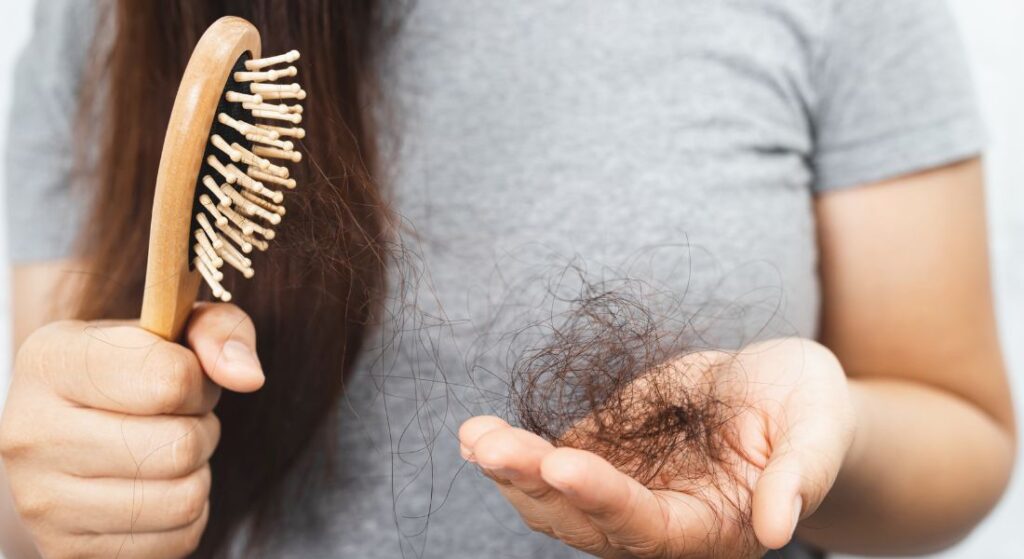
Traction alopecia is a form of hair loss caused by repeated pulling or tension on the hair. It develops gradually and is driven by styling habits rather than hormones or underlying medical conditions.
When hair is regularly worn in tight styles, the follicles are placed under constant stress, leading to low-grade inflammation. Over time, this weakens their ability to produce healthy, strong strands.
In the early stages, reducing tension can allow the follicles to recover. If the strain continues for long enough, however, the damage can become permanent and hair growth may stop altogether.
This condition can affect anyone who frequently wears tight hairstyles. Spotting the early signs gives you the chance to intervene and prevent long-term hair loss.
Hairstyles That Increase Risk
Certain hairstyles are more commonly linked to traction alopecia, particularly those that pull tightly on your hairline and create constant strain at the roots. Styles such as tight braids, cornrows, high ponytails, slick-back buns, and heavy extensions repeatedly stress the same follicles, especially around the temples and edges.
The key issue isn’t wearing these styles occasionally, but the combination of tightness and frequency. When your hair is kept under continuous tension, follicles don’t get the chance to recover, which gradually weakens them and leads to thinning or breakage over time.
It’s also worth paying attention to smaller, everyday habits. Tight clips, bands, or even frequently worn headscarves can contribute if they consistently apply pressure in the same areas, slowly adding to cumulative damage without obvious warning signs.
Giving your scalp regular breaks is one of the most effective ways to reduce risk. Opting for looser styles, reducing tension around the hairline, and rotating hairstyles can make a noticeable difference in protecting your follicles long term.
Why the Hairline Is Most Affected
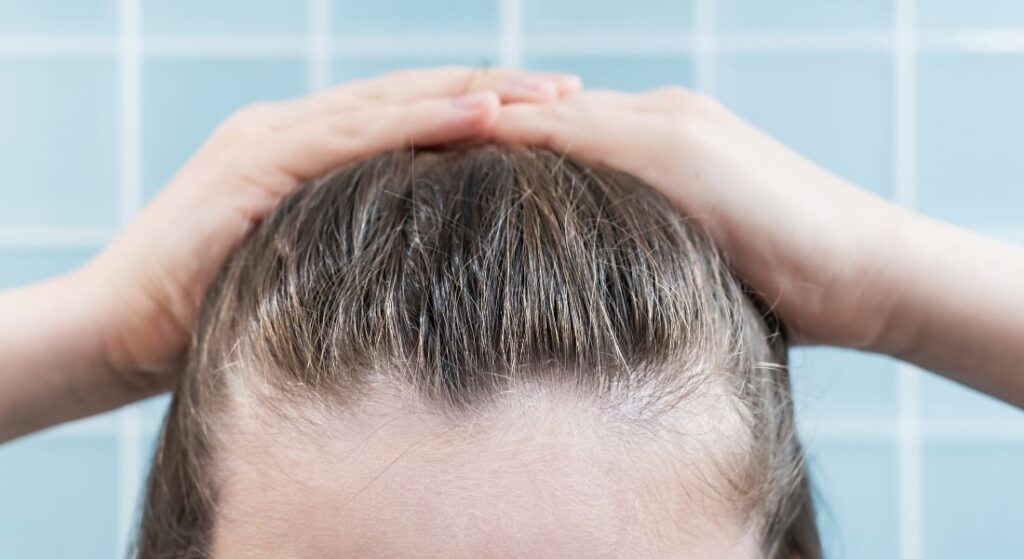
The hairline is structurally and behaviourally more vulnerable than other scalp regions. Finer calibre hairs, repeated styling tension, and cumulative low-grade trauma make this area the first to show visible change. What looks like gradual thinning is often a patterned response to sustained mechanical stress rather than random loss.
- Finer, structurally weaker hairs: Hairline follicles produce thinner shafts with less resilience to traction and friction. Under repeated stress, these fibres fail earlier than the denser, terminal hairs found deeper within the scalp.
- Chronic mechanical tension from styling habits: Tight hairstyles, frequent pulling for shaping, and repetitive grooming create consistent traction at the frontal margin. Over time, this low-level force disrupts follicle stability and accelerates shedding in a very localised pattern.
- Temple-first recession pattern: The temples often show thinning first because they experience concentrated directional tension. Patients commonly notice recession that mirrors how hair is parted, tied, or styled daily.
- Distribution that maps to stress zones: The pattern of loss typically aligns with areas under the greatest mechanical load. This predictable mapping is a clinical clue, allowing differentiation from diffuse or autoimmune-driven hair loss conditions.
- Diagnostic value of pattern recognition: Recognising this tension-based distribution helps identify traction alopecia early. Accurate diagnosis ensures the focus shifts to behavioural modification and protective strategies before permanent follicular damage occurs.
Early recognition changes the trajectory. If you reduce mechanical stress at the right stage, progression can often be slowed or halted before scarring becomes established.
Early Warning Signs to Watch For
Tenderness along your hairline is often the first sign something isn’t right. You may notice soreness when you take your hair down, especially after tight styles, along with mild redness or small bumps.
You might also see shorter, broken hairs around the edges or a slight drop in density compared to the rest of your scalp. These early changes are easy to overlook but signal stress on the follicles.
If you act at this stage, recovery is usually possible. Reducing tension early can allow the follicles to recover before permanent damage sets in.
Ignoring these signs allows the condition to progress. Acting promptly makes a clear difference in protecting your hairline.
The “Fringe Sign” Explained
A thin line of short hairs along the very front of your hairline is known as the fringe sign. These hairs tend to remain because they’re too short to be pulled into tight styles, so they avoid the constant tension affecting the rest of your hairline.
This pattern is a strong and useful indicator of traction alopecia. It helps you and your clinician distinguish it from other types of hair loss, where the hairline is usually affected more evenly without this preserved edge.
Noticing this early gives you a clear advantage. It’s a visible sign that your current styling habits are placing repeated stress on nearby follicles, even if overall thinning still seems mild.
If you spot this feature, it’s important to act straight away. Loosening your hairstyles and reducing tension can stop progression early and significantly improve your chances of full recovery.
When Does Damage Become Permanent?
A thin line of short hairs along the very front of your hairline is called the fringe sign. These hairs remain because they’re too short to be pulled into tight styles, so they avoid the repeated tension affecting the rest of your hairline.
This pattern is a strong and clinically useful indicator of traction alopecia. It helps distinguish it from other types of hair loss, where thinning tends to be more uniform and doesn’t leave this preserved edge of shorter hairs.
Noticing this early gives you a clear advantage. It’s a visible signal that your current styling habits are placing ongoing stress on surrounding follicles, even if the overall thinning still appears mild or gradual.
If you spot this feature, it’s important to respond straight away. Loosening your hairstyles, reducing tension around the hairline, and giving your scalp regular breaks can stop further damage and significantly improve your chances of full recovery.
Differences from Hormonal Hair Loss
Traction alopecia is driven by external tension, while hormonal hair loss such as androgenetic alopecia follows a genetic pattern that isn’t linked to styling habits. With traction, the thinning appears exactly where the hair is being pulled.
You’ll often notice broken hairs, edge thinning, or tenderness with traction alopecia. Hormonal hair loss tends to be more gradual and diffuse, without discomfort or obvious mechanical damage.
The progression also behaves differently. If you reduce tension, traction alopecia can stabilise or even reverse early on, whereas hormonal hair loss usually continues without targeted medical treatment.
Getting the diagnosis right matters. Each condition requires a different approach, so a proper assessment ensures you’re managing the cause rather than just the symptoms.
Can Hair Grow Back?
The hairline is structurally and behaviourally more vulnerable than other scalp regions. Finer calibre hairs, repeated styling tension, and cumulative low-grade trauma make this area the first to show visible change. What appears as gradual thinning is often a patterned response to sustained mechanical stress rather than random loss.
- Finer, structurally weaker hairs: Hairline follicles produce thinner shafts with lower tensile strength, making them less resistant to traction and friction. Under repeated stress, these fibres break down earlier than the denser terminal hairs located deeper within the scalp.
- Chronic mechanical tension from styling habits: Tight hairstyles, repeated pulling, and daily grooming routines create consistent traction at the frontal margin. Over time, this sustained low-grade force destabilises follicles, increases shedding, and gradually weakens regrowth capacity in the same zones.
- Temple-first recession pattern: The temples are usually affected first because they experience concentrated directional tension. Thinning often mirrors styling habits, with recession patterns aligning closely to how hair is parted, tied, or pulled on a daily basis.
- Distribution that maps to stress zones: Hair loss in this context is rarely random. The pattern typically corresponds exactly to areas under the greatest mechanical load, creating a clear visual map of where stress has been applied over time.
- Diagnostic value of pattern recognition: This predictable distribution allows clinicians to distinguish traction alopecia from diffuse shedding or inflammatory conditions. Early identification shifts management toward behavioural correction and follicle protection before irreversible damage occurs.
Early recognition changes the trajectory. If mechanical stress is reduced at the right stage, progression can often be stabilised, preserving follicular integrity and preventing transition into permanent scarring loss.
The Role of Inflammation
Inflammation sits at the core of how traction alopecia damages your hair. Repeated pulling creates micro-injury around the follicle, and your body responds with an inflammatory reaction to that ongoing stress.
In the early stages, this inflammation is usually temporary and reversible. If you reduce or remove the tension in time, the follicle can recover and return to producing stronger, healthier strands.
However, when the strain continues, the inflammatory response remains active. Over time, this begins to weaken the follicle’s structure, disrupt normal growth, and increase the risk of long-term or permanent damage.
Reducing tension is what breaks this cycle. Once inflammation settles, you give your follicles the best possible environment to recover, maintain growth, and prevent further hairline loss.
Treatment in Early Stages
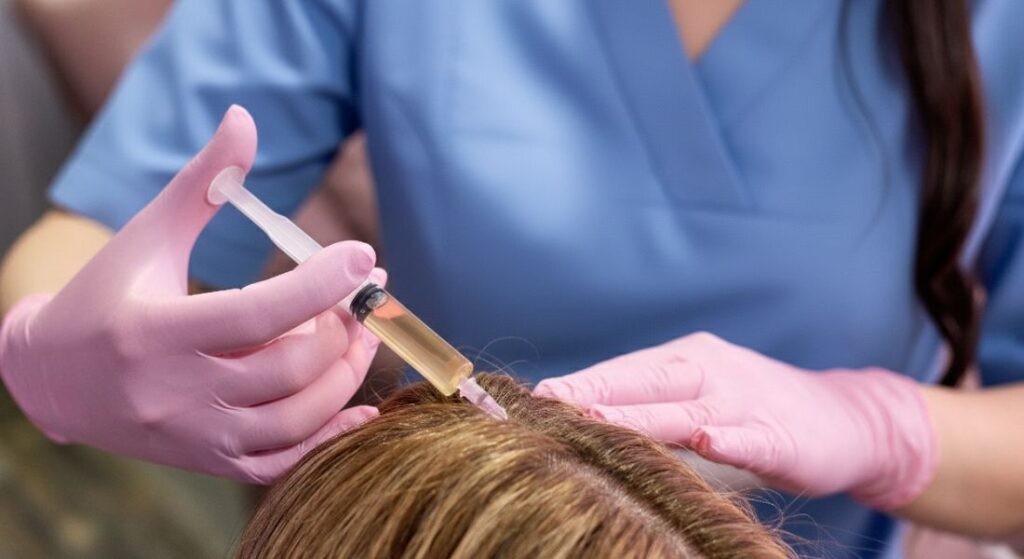
In the early stages of traction alopecia, treatment focuses on removing the source of tension and calming inflammation before permanent damage occurs. Repeated pulling creates micro-injury around the follicle, which triggers an inflammatory response that weakens hair growth over time.
At this point, the process is still reversible. If you act early by loosening hairstyles and reducing strain on the hairline, the follicles can recover and return to producing healthy strands.
You may also benefit from supportive treatments such as topical anti-inflammatory products to help settle irritation more quickly. These can improve the scalp environment while your follicles recover.
Consistency is key at this stage. By reducing tension and supporting scalp health, you give your hair the best possible chance to regrow and prevent progression to permanent loss.
Managing Scarring Alopecia
Once scarring alopecia develops, the priority shifts to stabilising the condition rather than trying to regrow lost hair. Treatment focuses on reducing inflammation and protecting the remaining healthy follicles.
You may be advised to use medical therapies to keep the condition inactive. This helps prevent further progression and preserves the hair you still have.
In carefully selected cases, hair transplantation can be considered, but only when the disease has remained stable for a sustained period. A thorough specialist evaluation is always required before proceeding.
It’s important to keep expectations realistic, as not all scarring hair loss can be reversed. The main goal is long-term control and maintaining the best possible cosmetic outcome.
Children and Traction Alopecia
Once scarring alopecia develops, the focus moves from regrowth to stabilising the condition and preventing further loss. The key priority is controlling inflammation to protect the follicles that are still intact.
You’ll usually be advised to follow a medical treatment plan designed to keep the disease inactive. This helps slow progression and maintain the hair you currently have.
In selected cases, hair transplantation may be an option, but only after the condition has been stable for a sufficient period. Careful assessment is essential to ensure the scalp can support successful results.
It’s important to approach treatment with realistic expectations. While lost hair cannot always be restored, long-term control and preserving existing hair can still achieve a strong cosmetic outcome.
Extensions and Added Weight
Hair extensions introduce sustained downward force on the follicle. This added weight increases traction at the root, particularly along the hairline and parting zones where anchoring is most visible. What feels secure cosmetically often translates to continuous mechanical load at a microscopic level.
- Increased follicular tension from added mass: Extensions amplify the gravitational pull on each anchored strand. Heavier bundles create greater force at the attachment point, accelerating stress on follicles that are not structurally designed to تحمل prolonged load.
- Cumulative damage with prolonged wear: Continuous use without recovery periods prevents follicles from resetting. Over time, this leads to progressive weakening, increased shedding, and reduced regrowth capacity in repeatedly stressed areas.
- Application technique does not eliminate risk: Even when professionally fitted, extensions still apply tension. Technique may distribute force more evenly, but it cannot remove the underlying mechanical stress placed on the follicle.
- High-risk zones: hairline and parting: Areas with finer, less dense hair are less able to added weight. These zones tend to show early signs of thinning, particularly when extensions are anchored close to the frontal margin.
- Load management through styling variation: Alternating lighter styles, reducing extension density, and scheduling breaks lowers cumulative stress. This approach helps preserve follicular integrity while maintaining aesthetic flexibility.
Balance determines outcome. When weight and duration are controlled, risk becomes manageable. When ignored, traction accumulates quietly until thinning becomes clinically visible.
Cultural and Styling Considerations
Protective hairstyles often carry cultural significance and practical value, and they can absolutely support hair health when done correctly. The problem isn’t the style itself, but the level of tension applied during styling.
You need to find the balance between protection and traction. Choosing looser braiding techniques and avoiding excessive pulling helps reduce stress on the follicles without compromising the style.
Clear communication with your stylist matters more than most people realise. Asking for less tension, especially around the hairline, can prevent long-term damage.
You don’t need to give up cultural styling. With thoughtful adjustments, you can maintain both your hair health and your preferred look.
Psychological Impact
Protective hairstyles can be a valuable part of your routine, both culturally and practically, and they can support hair health when applied correctly. The problem usually isn’t the style itself, but the level of tension placed on the hair during styling.
You need to strike the right balance between protection and traction. Opting for looser braids, avoiding excessive pulling, and varying your styles can significantly reduce stress on the follicles over time.
Clear communication with your stylist makes a real difference. Asking for less tension, particularly around the hairline and temples, helps prevent gradual damage that often goes unnoticed until it progresses.
You don’t need to abandon cultural or protective styling altogether. With thoughtful adjustments and consistent awareness, you can maintain your preferred look while protecting your hair from long-term harm.
Prevention Strategies
Avoid hairstyles that cause pain or noticeable tension. If a style feels tight or uncomfortable, it is already placing excessive stress on your follicles. That early discomfort is a clear warning sign you shouldn’t ignore.
You should also rotate your hairstyles regularly. Repeating the same tight style day after day concentrates stress on the same areas, increasing the risk of damage over time.
Giving your scalp regular breaks is just as important. Periods of loose styling or leaving your hair natural allow follicles to recover and reduce ongoing inflammation.
Prevention is about consistency, not drastic changes. Small, mindful adjustments in how you style and care for your hair can protect your hairline and deliver long-term results.
When to Seek Specialist Advice
If your hair thinning continues despite loosening your hairstyles, it’s time to seek specialist advice. Ongoing loss suggests the follicles may already be under significant stress or damage. Early evaluation gives you a clearer picture of what’s happening.
A dermatologist can assess whether your follicles are still viable. This helps determine if the condition is reversible or progressing towards permanent loss. Acting at this stage can make a meaningful difference.
Scalp imaging or dermoscopic examination may be used to check for early signs of scarring. This step is important because it directly influences your treatment plan and expectations.
Seeking help early protects your long-term outcomes. Delaying assessment can reduce your options and increase the risk of irreversible hair loss.
FAQs:
1. What is traction alopecia?
Traction alopecia is hair loss caused by repeated tension on the hair from tight hairstyles such as braids, ponytails, or buns. Over time, this strain weakens the hair follicles and leads to thinning.
2. Which hairstyles are most likely to cause traction alopecia?
Tight braids, cornrows, high ponytails, slick buns, and heavy hair extensions are the most common causes, especially when worn frequently without breaks.
3. What are the earliest signs of traction alopecia?
Early signs include tenderness along the hairline, small bumps, broken or shorter hairs, and slight thinning around the temples or edges.
4. Is traction alopecia reversible?
Yes, in the early stages. If you reduce tension and switch to looser styles, the follicles can recover and hair may regrow.
5. When does traction alopecia become permanent?
If the tension continues for a prolonged period, it can damage follicles permanently, leading to scarring alopecia where hair cannot grow back.
6. What is the “fringe sign” in traction alopecia?
It’s a thin line of short hairs at the very front of the hairline that remain unaffected because they are too short to be pulled into tight styles.
7. Can hair extensions cause traction alopecia?
Yes. Extensions add extra weight and tension to the hair, especially at the roots, increasing the risk of follicle damage over time.
8. How is traction alopecia different from hormonal hair loss?
Traction alopecia is caused by external pulling and appears where tension is applied, while hormonal hair loss is genetic and usually more diffuse.
9. What treatments help in early traction alopecia?
Reducing tension is the most important step. You may also use topical anti-inflammatory treatments to calm the scalp and support recovery.
10. When should I see a specialist?
If thinning continues despite changing your hairstyle, or if you notice persistent hairline recession or scalp discomfort, you should seek specialist evaluation early.
Final Thoughts: Stop Letting Styling Habits Decide Your Hairline
Traction alopecia is one of the few hair loss conditions where you have direct control over the outcome, yet it’s often ignored until the damage becomes visible. You might prioritise appearance in the short term, but repeated tension quietly compounds in the background, weakening follicles long before you notice clear thinning. By the time your hairline starts to shift, the process has usually been building for months or even years.
What makes the difference is how early you respond. If you adjust your styling habits at the first signs tenderness, breakage, or subtle recession you give your follicles a realistic chance to recover and return to normal growth. If you continue with the same tension patterns, you’re effectively training your hairline to recede in a very predictable way.
Long-term results come down to consistency, not drastic change. Rotating styles, reducing tension at the hairline, and allowing recovery periods are practical decisions that protect follicle health without forcing you to abandon your preferred look. This is about control and awareness, not restriction. If you’re thinking about alopecia treatment in London, you can contact us at London Dermatology Centre to book a consultation with one of our specialists.
References:
1. Abdallah, S., Hassan, A.A., Alotaibi, M.K. & Adam, I., 2025. Prevalence and Associated Factors of Traction Alopecia in Women in North Sudan: A Community‑Based, Cross‑Sectional Study. Medicina, 61(2), p.195. https://www.mdpi.com/1648-9144/61/2/195
2. Oladele, D.B., 2024. The Genomic Variation in Textured Hair and its Role in Traction Alopecia. Cosmetics, 11(6), p.183. https://www.mdpi.com/2079-9284/11/6/183
3. Billero, V. & Miteva, M., 2018. Traction alopecia: the root of the problem. Clinical, Cosmetic and Investigational Dermatology, 11, pp.149‑159. https://pmc.ncbi.nlm.nih.gov/articles/PMC5896661/
4. Akingbola, C.O. & Vyas, J., 2017. Traction alopecia: A neglected entity in 2017. Indian Journal of Dermatology, Venereology and Leprology, 83(6), pp.644‑649. https://pubmed.ncbi.nlm.nih.gov/29035284/
5. Balazic, E. et al., 2023. Traction alopecia: assessing the presentation, management and outcomes in a tertiary clinic. Journal of Dermatology Studies, 66(4), pp.445. https://pubmed.ncbi.nlm.nih.gov/37098178/