


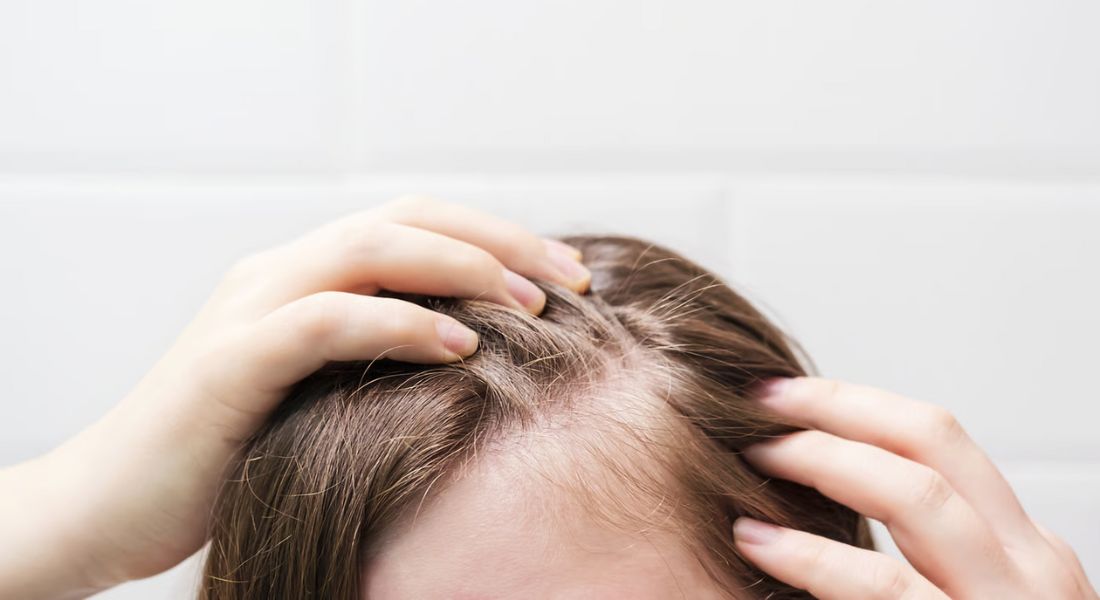
Hair loss is more than just a cosmetic concern; it can have a profound emotional impact and affect self-confidence. For those experiencing alopecia, understanding the cause of hair shedding can feel confusing and overwhelming. While traditional approaches like clinical examination or scalp biopsy provide valuable information, they sometimes miss subtle changes that could be crucial for diagnosis.
This is where trichoscopy comes in as a game-changer. By using a dermatoscope, dermatologists can examine the scalp and hair at high magnification, revealing patterns that are invisible to the naked eye. These detailed observations can distinguish between scarring and non-scarring hair loss, assess disease activity, and even hint at how well a patient might respond to treatment.
The value of trichoscopy goes beyond just identifying the type of alopecia. It allows for earlier detection of hair follicle changes, which can help guide treatment decisions more precisely. In many cases, it can reduce or even replace the need for invasive scalp biopsies, making the diagnostic process quicker and less stressful for patients.
In this article, I will guide you through the key trichoscopic signs, explain how they influence diagnosis, and show why this tool is becoming an essential part of modern alopecia management. By understanding these patterns, patients and clinicians alike can make informed decisions, improving both outcomes and confidence for anyone seeking alopecia treatment in London.
Understanding Alopecia: Scarring vs Non-Scarring
Before examining the scalp with tools like trichoscopy, it’s important to understand the two main categories of hair loss: scarring (cicatricial) and non-scarring alopecia. Recognising the type of hair loss helps guide prognosis, treatment decisions, and monitoring.
- Non-scarring alopecia: In non-scarring forms, the hair follicle structure remains intact. Follicles may produce thinner or shorter hair, or temporarily stop growing hair. Common examples include alopecia areata, telogen effluvium, and androgenetic alopecia.
- Scarring alopecia: Scarring alopecia destroys hair follicles and replaces them with scar tissue. Once follicles are lost, regrowth is usually impossible without interventions like hair transplantation. Classic examples include lichen planopilaris and frontal fibrosing alopecia.
- Clinical importance: Differentiating between scarring and non-scarring types influences prognosis and treatment. Scarring alopecia often requires early and aggressive management to prevent permanent loss, whereas non-scarring forms may respond to medications or topical therapies.
Traditionally, a scalp biopsy was the gold standard for diagnosis. Today, trichoscopy often provides the same detailed information without the need for invasive procedures, making assessment quicker and more comfortable for patients.
What Is Trichoscopy?
Trichoscopy is a non-invasive imaging technique that uses a dermatoscope to closely examine the scalp and hair. This device magnifies the scalp anywhere from 10x to 70x, revealing details that are invisible to the naked eye. By providing this high level of detail, it helps dermatologists understand the underlying changes in the scalp and hair more clearly.
One of the main benefits of trichoscopy is its ability to assess hair shaft abnormalities. It also allows doctors to examine the openings of hair follicles and check for any changes around them. Additionally, trichoscopy can identify subtle scalp changes and early signs of inflammation that may not be obvious during a regular examination.
Trichoscopy is not only useful for initial diagnosis but also for monitoring progress over time. By capturing and analysing images, dermatologists can track whether treatments are effective or if the disease is evolving. This ongoing assessment provides a clearer picture of hair health and helps guide future treatment decisions.
In essence, trichoscopy acts as a window into the microscopic landscape of the scalp. It gives both doctors and patients a better understanding of hair and scalp conditions. By revealing hidden patterns and early changes, it has become an essential tool in modern hair loss management.
Key Trichoscopic Patterns in Non-Scarring Alopecia
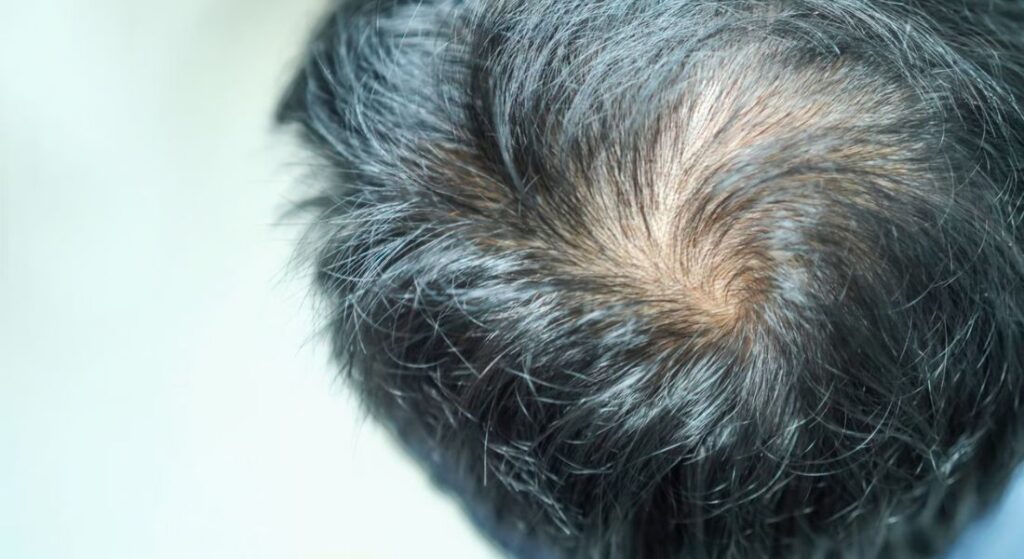
Non-scarring alopecia often shows clear patterns under trichoscopy, which can help make a precise diagnosis. Recognising these signs early can reduce uncertainty and avoid unnecessary procedures. Trichoscopy allows dermatologists to see subtle scalp and hair changes that are not visible to the naked eye.
Alopecia areata is an autoimmune condition where the immune system attacks hair follicles. Trichoscopic features include exclamation mark hairs, black dots, and yellow dots, which help differentiate it from other patchy hair loss causes. In clear cases, these signs may remove the need for a scalp biopsy.
Telogen effluvium is a diffuse hair loss caused by sudden stress or illness, shifting hairs into the resting phase. Trichoscopy shows uniform hair shafts and empty follicles, while follicular openings remain intact. These findings reassure patients that hair regrowth is likely once the trigger resolves.
Androgenetic alopecia, or pattern baldness, shows hair shaft miniaturisation and variation in hair diameter, called anisotrichosis. Perifollicular pigmentation may also appear, indicating early follicle changes. Identifying these patterns helps guide treatment choices such as topical minoxidil or oral finasteride.
Trichoscopic Signs of Scarring Alopecia
Scarring alopecia can be harder to spot in its early stages because hair loss may be subtle at first. Patients might not notice anything unusual, but the follicles could already be under attack. Trichoscopy helps detect these early changes before they become obvious on a regular examination.
One key sign is the loss of follicular openings, which is a hallmark of scarring alopecia. Dermatologists may also see perifollicular scaling or redness, commonly associated with conditions like lichen planopilaris or discoid lupus. These patterns give clues about the type and activity of the disease.
Another important trichoscopic feature is the presence of fibrotic white dots, which indicate irreversible follicle damage. Tufted hairs, where multiple hairs grow from a single follicular opening, may appear in cases such as folliculitis decalvans. Recognising these early signs is crucial for proper diagnosis.
Early detection through trichoscopy allows dermatologists to start treatment sooner, helping prevent permanent hair loss. By identifying patterns before damage progresses, patients have a better chance of maintaining hair and achieving improved long-term outcomes.
Why Trichoscopy Can Replace Scalp Biopsy
For many years, scalp biopsy was considered the gold standard for diagnosing alopecia. While it remains a valuable tool, it has certain limitations that can make it less practical for routine assessment.
- Invasiveness: Biopsies create a small wound and carry minor risks such as infection, bleeding, or scarring. This can be uncomfortable and may worry some patients.
- Sampling error: A single punch biopsy examines only a tiny area of the scalp, which may miss focal lesions or provide incomplete information.
- Delay in results: Histopathology analysis can take days to weeks, delaying diagnosis and treatment decisions.
Trichoscopy offers a non-invasive, repeatable alternative that provides immediate visual insights into hair and scalp health. In many cases especially when classic patterns are present dermatologists can make confident diagnoses without a biopsy. When a biopsy is required, trichoscopy helps identify the best site, improving diagnostic accuracy and efficiency.
Trichoscopy in Monitoring Disease Activity

Trichoscopy is not only useful for diagnosis but also for monitoring how hair loss progresses over time. By regularly examining the scalp, dermatologists can track subtle changes that indicate whether a condition is improving or worsening. This makes follow-up more precise and meaningful.
In alopecia areata, a reduction in exclamation mark hairs or black dots seen under trichoscopy can signal that the disease is entering remission. Patients and clinicians can see tangible evidence that treatment is working.
For scarring alopecia, stability in follicular openings and the absence of inflammation suggest that therapy is effective. Trichoscopy allows early detection of ongoing damage, helping doctors adjust treatment before permanent hair loss occurs.
In pattern hair loss, monitoring changes in hair shaft diameter over several months can show how well treatments are working. This real-time feedback supports personalised care and keeps patients informed about their progress.
Practical Tips for Patients Undergoing Trichoscopy
If you are planning a trichoscopy consultation, it helps to know what to expect. The procedure is painless and usually takes only 10–15 minutes. Most patients find it quick and comfortable, with no need for sedation or special equipment.
No special preparation is required, but having clean, dry hair can make the images clearer. This ensures the dermatologist can see details of the scalp and hair more accurately.
High-resolution images may be taken during the session for future comparison. These images allow both the patient and clinician to track changes over time and monitor how well treatments are working.
It also helps to bring information about any recent triggers for hair loss, medications you are taking, or relevant family history. When combined with a detailed clinical examination, trichoscopy provides a complete view of scalp and hair health, guiding more effective management.
Case Examples: How Trichoscopy Changed Management
Hair loss can be distressing, and understanding its cause is often challenging. Trichoscopy is a simple, non-invasive tool that lets dermatologists examine the scalp and hair in detail, revealing patterns invisible to the naked eye. This technique helps diagnose different types of alopecia, monitor disease activity, and guide effective treatment decisions.
Case 1: Patchy Hair Loss
A patient came in with small, round patches of hair loss. While clinical examination suggested alopecia areata, telogen effluvium was also a possibility. Trichoscopy revealed exclamation mark hairs and black dots, confirming alopecia areata. Early treatment with topical corticosteroids preserved hair growth and avoided the need for systemic therapy.
Case 2: Diffuse Thinning
A middle-aged patient noticed gradual thinning across the crown of the scalp. Trichoscopy showed miniaturised hairs and peripilar signs, confirming androgenetic alopecia. This allowed the clinician to begin treatment early, improving outcomes and reducing anxiety for the patient.
Case 3: Early Scarring Alopecia
Another patient reported slow hairline recession. Trichoscopy detected perifollicular scaling and white fibrotic dots, signs of frontal fibrosing alopecia. Prompt systemic treatment stabilised hair loss, highlighting how early microscopic detection can change management.
These examples show how trichoscopy helps refine diagnosis and guide treatment decisions. By revealing subtle patterns invisible to the naked eye, it allows clinicians to personalise care and prevent unnecessary procedures.
Limitations of Trichoscopy
While trichoscopy is a powerful tool for evaluating hair and scalp disorders, it does have some limitations. Its accuracy depends heavily on the clinician’s training and experience, as subtle findings can be misinterpreted without proper expertise.
Another limitation is its depth trichoscopy only visualises the surface and superficial layers of the scalp. Deep follicular structures or dermal changes cannot be fully assessed, meaning some conditions may require additional imaging or testing to get a complete understanding.
Trichoscopy should also be viewed as an adjunct rather than a standalone diagnostic method. In certain cases, a scalp biopsy, laboratory tests, or other investigations are still necessary to confirm a diagnosis. Being aware of these limitations helps both clinicians and patients have realistic expectations and ensures the technique is used appropriately.
Integrating Trichoscopy into Comprehensive Care
For anyone seeking alopecia treatment in London, trichoscopy often plays a central role in the diagnostic process. When combined with a thorough clinical evaluation, patient history, and laboratory tests, it allows dermatologists to get a complete picture of hair and scalp health.
This approach helps differentiate scarring from non-scarring alopecia accurately and detect early signs of disease activity. It also enables clinicians to tailor treatment plans to each patient’s specific needs, improving the effectiveness of therapies.
By using trichoscopy as part of a comprehensive care strategy, unnecessary biopsies can often be avoided. This integration makes alopecia management more proactive, helping patients maintain hair health while boosting confidence and reassurance.
Patient Empowerment Through Trichoscopy

An often-overlooked benefit of trichoscopy is its role in patient education and engagement. By viewing high-magnification images of their scalp and hair, patients can see the changes underlying their hair loss, making the diagnosis much more tangible and understandable.
This visual insight often helps patients feel more in control of their treatment journey. They can track improvements over time, see how their scalp responds to therapy, and gain confidence in the steps being taken. It also fosters realistic expectations, which is particularly important for conditions where hair regrowth is gradual, partial, or unpredictable.
By involving patients in this way, trichoscopy enhances communication between clinician and patient, supports shared decision-making, and improves adherence to treatment plans. It transforms hair loss management from a passive experience into a collaborative process, giving patients both clarity and reassurance.
Emerging Trends and Research
Trichoscopy is continuously evolving, with new technologies improving its accuracy and accessibility. Digital dermoscopy combined with AI analysis can now detect subtle patterns and even help predict disease activity, supporting earlier and more precise interventions.
Videodermoscopy offers higher magnification and video capture, allowing clinicians to track changes over time and monitor treatment response more effectively. At the same time, teledermatology integration enables remote trichoscopic assessment, making specialist care accessible to patients who may not be able to attend in person.
As research and technology advance, trichoscopy is likely to become an even more central tool in alopecia management. These innovations promise earlier intervention, better prognostic clarity, and more personalised care for patients experiencing hair loss.
FAQs
1. What is trichoscopy and how does it work?
Trichoscopy is a non-invasive imaging technique that uses a dermatoscope to examine the scalp and hair at high magnification. It reveals details invisible to the naked eye, helping dermatologists diagnose different types of hair loss and monitor treatment progress.
2. Is trichoscopy painful?
No, trichoscopy is completely painless. The procedure usually takes 10–15 minutes, requires no sedation, and does not involve any cutting or injections.
3. How can trichoscopy help with diagnosing alopecia?
Trichoscopy allows doctors to see subtle hair and scalp changes, such as hair shaft abnormalities, follicular openings, and early inflammation. These patterns can differentiate between scarring and non-scarring alopecia and guide treatment decisions.
4. Can trichoscopy replace a scalp biopsy?
In many cases, yes. Trichoscopy is non-invasive and provides immediate insights. It can sometimes replace a biopsy, although a biopsy may still be needed for unclear cases or deep follicle assessment.
5. How does trichoscopy benefit patients?
Patients can see high-magnification images of their scalp, making hair loss more understandable. This visual insight improves engagement, sets realistic expectations, and supports shared decision-making with their doctor.
6. What trichoscopic signs indicate scarring alopecia?
Key signs include loss of follicular openings, perifollicular redness or scaling, fibrotic white dots, and tufted hairs. Early detection of these features is essential to prevent permanent hair loss.
7. How does trichoscopy help monitor hair loss treatment?
Trichoscopy allows clinicians to track subtle changes over time, such as hair regrowth, reduction of inflammation, or improvement in hair shaft thickness. This helps adjust treatments and measure effectiveness.
8. Do I need to prepare for a trichoscopy appointment?
No special preparation is required. Clean, dry hair is preferred for clearer imaging. Bringing information about recent triggers, medications, or family history of hair loss can also help the dermatologist.
9. Can trichoscopy show early hair loss that I might not notice?
Yes. Trichoscopy can detect early follicular changes and subtle scalp inflammation, even before hair loss is visible, allowing for earlier intervention and better outcomes.
10. Are there any limitations of trichoscopy?
Trichoscopy is limited to the scalp’s surface and superficial layers. Deep follicular or dermal changes may not be visible, and accuracy depends on the clinician’s expertise. It is best used alongside clinical assessment and, if needed, other tests.
Final Thoughts: The Role of Trichoscopy in Hair Loss Management
Trichoscopy has transformed how dermatologists diagnose and monitor alopecia, offering a non-invasive window into the scalp that reveals patterns invisible to the naked eye. By distinguishing between scarring and non-scarring hair loss, detecting early disease activity, and tracking treatment response over time, it allows clinicians to make more precise, personalised decisions. Patients also benefit from seeing these microscopic changes, which helps set realistic expectations and fosters active involvement in their care.
If you’re looking for Alopecia treatment in London, you can reach out to us at the London Dermatology Centre to book a consultation with one of our specialists. Integrating trichoscopy into a comprehensive evaluation ensures timely, accurate diagnosis and supports the most effective management strategies for maintaining hair health.
References
- Rudnicka, L., et al. 2023. The dermatoscope in the hair clinic: Trichoscopy of scarring and nonscarring alopecia. Journal of the American Academy of Dermatology. https://pubmed.ncbi.nlm.nih.gov/37591567/
- Rakowska, A., et al. 2023. Trichoscopy of androgenetic alopecia: A systematic review. Journal of Clinical Medicine . https://pubmed.ncbi.nlm.nih.gov/38610726/
- Katoulis, A.C., et al. 2025. A three‑step diagnostic algorithm for alopecia: pattern analysis in trichoscopy. Journal of Clinical Medicine (MDPI). https://www.mdpi.com/2077-0383/14/4/1195
- Signer, B., et al. 2026. Publicly available large language models for trichoscopy. Diagnostics (MDPI). https://www.mdpi.com/2075-4418/16/1/169
- Pirmez, R. 2023. Trichoscopy of scarring and nonscarring alopecia. Journal of the American Academy of Dermatology. https://www.sciencedirect.com/science/article/pii/S0190962223007314