


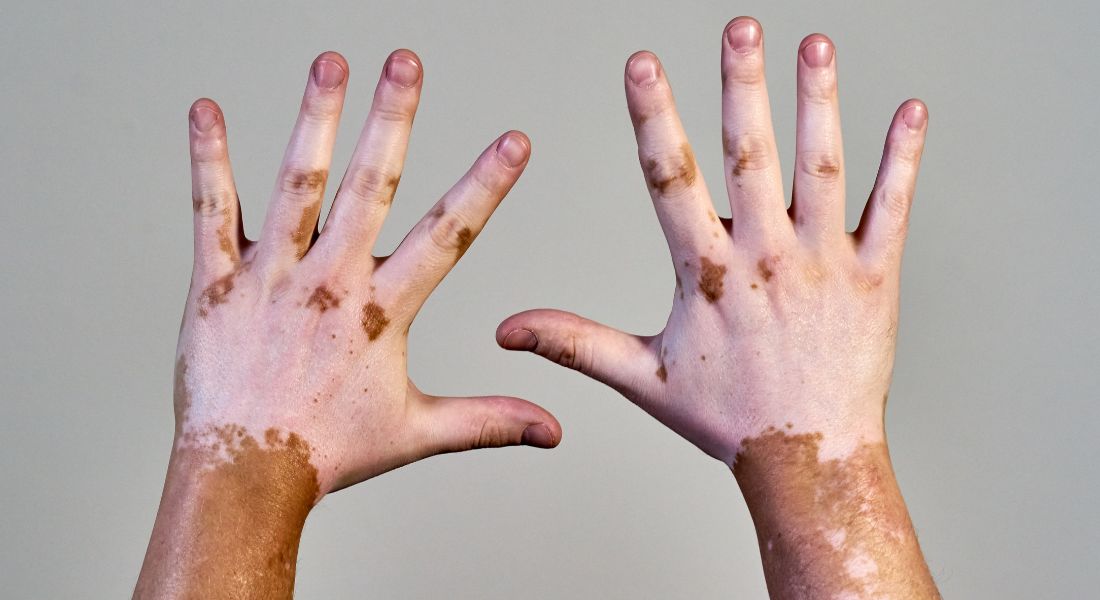
Vitiligo is a long-term skin condition that causes patches of skin to lose their natural pigment. If you have vitiligo, the condition can affect your appearance and emotional wellbeing, especially when visible areas such as the face and hands are involved. For many years, treatment options were limited, and achieving significant repigmentation was often challenging.
The development of targeted therapies has changed the approach to vitiligo care. Ruxolitinib cream became an important advance as the first approved topical JAK inhibitor for vitiligo, targeting immune signalling pathways involved in pigment loss. Its effectiveness was demonstrated through the TRuE-V1 and TRuE-V2 Phase 3 clinical trials, which showed that many patients with non-segmental vitiligo achieved meaningful repigmentation.
Published in the New England Journal of Medicine in 2022, the TRuE-V1 and TRuE-V2 studies provided strong evidence supporting ruxolitinib cream as a new treatment option for vitiligo. The findings have influenced dermatology practice and expanded choices available to patients and specialists. This article explores the study design, key results, and how ruxolitinib cream has changed modern vitiligo treatment.
Understanding Non-Segmental Vitiligo
Non-segmental vitiligo is the most common form of vitiligo and often affects both sides of the body, although the distribution and pattern can vary if you have this type of vitiligo, white patches may appear gradually over time as the condition progresses and affects different areas of the skin.
The condition develops when your immune system mistakenly targets melanocytes, the specialised cells responsible for producing skin pigment. As these pigment-producing cells are damaged or lost, areas of skin become lighter or completely depigmented, resulting in the characteristic white patches associated with vitiligo.
Research has shown that immune signalling pathways play a central role in the development of non-segmental vitiligo. Understanding these pathways has helped researchers develop targeted treatments, such as ruxolitinib cream, which aims to interrupt the immune processes involved in pigment loss and support repigmentation.
Why New Treatments Were Needed
Traditional treatments for vitiligo have included topical corticosteroids, calcineurin inhibitors, and phototherapy. If you have vitiligo, these treatments may help restore some pigment, but the level of improvement can vary from person to person. Some affected areas may respond well, while others may show limited repigmentation despite ongoing treatment.
Many patients experience incomplete repigmentation or notice that pigment loss returns after treatment is discontinued. Because vitiligo is driven by immune system activity that affects melanocytes, researchers recognised the need for therapies that could target key immune signalling pathways involved in the condition rather than only treating its visible effects.
This led to the development of topical Janus kinase (JAK) inhibitors, including ruxolitinib cream. If you are considering treatment for vitiligo, this newer approach may offer an additional option by targeting specific immune pathways involved in pigment loss and helping support repigmentation. The development of JAK inhibitors represents an important advancement in modern vitiligo care.
What Is Ruxolitinib Cream?
Ruxolitinib cream is a topical medicine that belongs to a group of treatments known as JAK inhibitors. If you are living with vitiligo, this treatment works by blocking specific immune signalling pathways that contribute to the destruction of pigment-producing cells, known as melanocytes. By targeting these pathways, it helps address one of the key processes involved in the development of white patches on the skin.
Reducing this immune signalling may allow repigmentation to develop gradually over time with consistent use, you may see gradual repigmentation of affected areas, although the level of improvement can vary from person to person. The treatment is designed to support the natural recovery of pigment rather than simply covering the appearance of vitiligo.
Ruxolitinib cream stands out because of its targeted mechanism of action compared with many traditional vitiligo treatments. Instead of using a broader approach, it focuses on specific immune pathways involved in the condition. This more precise method may offer you a newer option for managing vitiligo while reducing unnecessary effects on surrounding skin.
Purpose of the TRuE-V1 and TRuE-V2 Studies
The TRuE-V1 and TRuE-V2 studies were designed to find out whether ruxolitinib cream could be a safe and effective treatment option if you have non-segmental vitiligo. Researchers wanted to see whether applying the cream regularly could help restore lost skin pigment and improve the appearance of white patches.
During the studies, researchers compared people using ruxolitinib cream with those applying a placebo cream. This helped them understand how well the treatment worked and whether you could achieve noticeable improvements in repigmentation with consistent use.
The trials also focused on the safety of using ruxolitinib cream over a longer period. By monitoring treatment responses and possible side effects, researchers aimed to provide a clearer picture of how this therapy could support you in managing vitiligo.
Phase 3 Clinical Trial Design
The TRuE-V1 and TRuE-V2 studies were large Phase 3 clinical trials that used a randomised, double-blind, vehicle-controlled design. This approach is considered one of the highest standards in medical research because it helps you get more reliable and accurate information about how well a treatment works.
During the studies, you were randomly assigned to receive either ruxolitinib cream or a non-medicated comparison cream. Neither you nor the researchers knew which treatment you were using during the blinded phase, helping to prevent expectations from affecting the results.
This careful study design helped researchers minimise bias and provide a clearer understanding of the treatment’s benefits and safety. By using this method, the trials were able to show how ruxolitinib cream could potentially help you manage non-segmental vitiligo more effectively.
Evidence Note: What Did the Trials Actually Find?
TRuE-V1 and TRuE-V2 enrolled a total of 674 adults and adolescents with non-segmental vitiligo.
At week 24, 29.8% of participants using ruxolitinib cream achieved F-VASI75 in TRuE-V1, compared with 7.4% using vehicle cream. In TRuE-V2, the corresponding figures were 30.9% and 11.4%.
F-VASI75 means at least a 75% improvement from baseline in the Facial Vitiligo Area Scoring Index. It is therefore a measure of substantial improvement in facial involvement rather than complete clearance of vitiligo.
For patients who used ruxolitinib continuously for 52 weeks, response rates continued to increase. Approximately half achieved F-VASI75 by one year, showing an important practical point: vitiligo repigmentation can be gradual, and the full treatment response should not be judged after only a few weeks.
Who Took Part?
The TRuE-V1 and TRuE-V2 studies included hundreds of people with non-segmental vitiligo from multiple research centres around the world. If you have vitiligo, you may recognise that the condition can affect different areas of your body, and the participants in these studies had depigmented patches in various locations, including the face.
The inclusion of facial vitiligo was particularly important because changes in facial appearance can have a significant emotional impact for many people. By studying a wide range of affected areas, researchers were able to better understand how ruxolitinib cream could help you achieve repigmentation where it matters most.
The trials included adults and adolescents from centres in North America and Europe and evaluated outcomes across a range of demographic and clinical subgroups. However, as with any clinical trial, the findings should be interpreted in the context of the population that was studied.
Treatment Schedule
During the TRuE-V1 and TRuE-V2 studies, participants applied the study cream twice daily over a specific treatment period. If you were taking part in the trial, following the application schedule consistently was important to help researchers accurately measure how well the treatment worked.
Regular follow-up visits allowed researchers to monitor your progress, including changes in repigmentation, overall skin response, and any possible side effects. They used standardised photographs and clinical scoring systems to track improvements in a consistent way.
Maintaining a regular treatment routine helped ensure that the results were reliable and easier to compare between participants. This approach allowed researchers to better understand how ruxolitinib cream could support you in managing non-segmental vitiligo.
How Ruxolitinib Cream Is Used and Reviewed
| Treatment Consideration | Practical Approach | Why It Matters |
| Patient suitability | Treatment is considered for eligible adults and adolescents aged 12 years and over with non-segmental vitiligo involving the face | Ruxolitinib cream is intended for a defined patient population rather than every type of vitiligo |
| Specialist supervision | Treatment should be started and supervised by a doctor experienced in diagnosing and treating non-segmental vitiligo | Specialist assessment helps confirm suitability and allows treatment response and safety to be reviewed |
| Application frequency | The cream is applied to affected areas twice daily | Consistent use according to the prescribed schedule is important when assessing treatment response |
| Treatment area | The cream should not be applied to more than 10% of the body surface area at one time | Treatment-area limits are an important part of appropriate use |
| Time to response | Repigmentation may develop gradually and treatment may be needed for more than six months | Lack of rapid improvement during the first few weeks does not necessarily mean that treatment will be ineffective |
| Ongoing review | Progress should be reviewed over time, including the degree of repigmentation and any adverse effects | Regular assessment helps determine whether continuing treatment remains appropriate |
| One-year assessment | The treatment response should be reassessed if satisfactory improvement has not been achieved after prolonged use | Long-term treatment decisions should be based on documented response and specialist advice |
Ruxolitinib cream should be used according to the prescribed treatment plan rather than by increasing the amount or frequency of application. Because vitiligo repigmentation is often gradual, realistic expectations and regular specialist follow-up are important parts of treatment.
Measuring Treatment Success

One of the main goals of the TRuE-V1 and TRuE-V2 studies was to measure improvement in facial repigmentation. If you have facial vitiligo, you may understand how noticeable changes in this area can be and how they can affect confidence and emotional wellbeing.
Researchers used validated scoring systems to assess changes in skin pigmentation in an objective and consistent way. These tools helped them compare results between people using ruxolitinib cream and those using the comparison cream.
Facial improvement became one of the key measures of treatment success because visible repigmentation in this area can have a meaningful impact on you. The results helped show how effectively ruxolitinib cream could support the restoration of facial skin colour.
Significant Improvement in Facial Repigmentation
The TRuE-V1 and TRuE-V2 studies showed that more people using ruxolitinib cream achieved noticeable facial repigmentation compared with those using the placebo cream. If you have facial vitiligo, these findings may offer hope that a targeted treatment could help restore pigment in areas that are often difficult to manage.
Many participants experienced gradual improvements over several months of consistent treatment. As you continue using the treatment as directed, repigmentation may increase over time, with some people seeing further progress with longer use.
These results marked an important step forward in vitiligo care by providing evidence for a treatment that targets the underlying immune processes involved in the condition. For you, this could mean access to a more advanced option for improving skin colour and managing the visible effects of vitiligo.
Improvements Beyond the Face
Although facial repigmentation was one of the main focuses of the TRuE-V1 and TRuE-V2 studies, researchers also observed improvements in other areas of the body. If you have vitiligo affecting areas beyond your face, these findings suggest that ruxolitinib cream may also help support pigment recovery in different parts of your skin.
Response can vary according to anatomical site. Facial areas often respond more favourably than some non-facial areas, while sites such as the hands and feet can be more difficult to repigment. This means you may need to be patient and maintain a consistent routine to see the full benefits over time.
The results highlighted the importance of treatment persistence when managing vitiligo. By continuing your prescribed treatment, you may have a better chance of achieving ongoing repigmentation and improving the appearance of affected areas.
Importance of Continued Treatment
One important finding from the TRuE-V1 and TRuE-V2 studies was that repigmentation often continued to improve when treatment was maintained over a longer period. If you are using ruxolitinib cream, it is important to understand that visible changes may take time and improvements may happen gradually.
Researchers found that people who continued treatment for longer periods often achieved greater pigment recovery compared with those assessed at earlier stages. This highlights why following your treatment plan consistently can play an important role in achieving the best possible results.
Vitiligo treatment requires patience because your skin needs time to restore pigment production. By staying consistent with your prescribed therapy and attending follow-up appointments, you can give the treatment the best opportunity to work effectively.
Safety Findings
The safety results from the TRuE-V1 and TRuE-V2 studies were encouraging, showing that ruxolitinib cream was generally well tolerated by people using it for non-segmental vitiligo. If you are considering this treatment, understanding its safety profile can help you feel more informed about what to expect.
Most treatment-emergent adverse events were mild or moderate. Local reactions reported during the clinical programme included application-site acne and application-site pruritus. Serious treatment-emergent adverse events were uncommon, and the pivotal trial publication did not identify treatment-related serious adverse events.
Overall, the findings showed that ruxolitinib cream had a favourable safety profile when used as directed. With regular monitoring and guidance from your dermatologist, you can make informed decisions about whether this treatment is suitable for your vitiligo management.
Why the Results Were So Important
The TRuE-V1 and TRuE-V2 studies were a major breakthrough in vitiligo research because they were among the first large Phase 3 trials to show that a targeted topical treatment could provide meaningful benefits. If you are affected by vitiligo, these findings offer a more hopeful outlook by introducing a treatment approach that focuses on the key immune signalling pathways involved in pigment loss
The studies provided strong evidence that targeting specific immune pathways can help support the recovery of pigment-producing cells in your skin. By understanding how your immune system contributes to vitiligo, researchers have been able to develop treatments that work in a more precise and focused way.
These results have changed the way doctors approach vitiligo management and have influenced modern treatment strategies. With therapies like ruxolitinib cream, you now have access to options that are designed to address the condition more directly and may help you achieve better long-term outcomes.
How Ruxolitinib Differs from Older Treatments
Ruxolitinib differs from older vitiligo treatments because it targets specific immune signalling pathways rather than broadly suppressing inflammation. This more focused mechanism may support repigmentation in suitable patients, although treatment choice still depends on individual clinical factors.
- Targeted JAK Inhibition: Ruxolitinib inhibits JAK1 and JAK2 signalling pathways involved in immune activity associated with vitiligo.
- Different from Corticosteroids: Corticosteroids suppress inflammation more broadly, while ruxolitinib takes a more targeted approach.
- Supports Repigmentation: By acting on pathways linked with pigment loss, ruxolitinib may help support repigmentation in selected patients.
- Not Suitable for Everyone: Treatment choice depends on vitiligo location, extent, disease activity, previous treatment, and medical history.
Overall, ruxolitinib offers a more targeted approach than several older vitiligo treatments. However, this does not mean it is automatically the best choice for every patient. Your dermatologist will consider your individual condition and medical background before recommending the most appropriate treatment.
Ongoing Research
Researchers are continuing to explore how ruxolitinib cream may work alongside other treatments, including phototherapy, to improve outcomes for people with vitiligo. If you are looking for better repigmentation results, combination approaches may offer additional benefits in selected cases.
Early research suggests that using different treatment methods together could potentially enhance pigment recovery by targeting vitiligo through multiple pathways. However, further clinical studies are needed to understand which combinations may work best and who is most likely to benefit.
The field of vitiligo research remains highly active, with scientists constantly looking for new ways to improve treatment options. As research develops, you may see more personalised approaches that combine different therapies to achieve better long-term results.
Long-Term Follow-Up Studies
Long-term extension studies are helping researchers understand how ruxolitinib cream performs over extended periods of use. If you are considering or using this treatment, these studies provide important information about whether repigmentation can be maintained and how your skin may respond over time.
Researchers are monitoring people over several years to assess the durability of treatment results and track any long-term safety concerns. This ongoing follow-up helps doctors understand whether continued therapy can support lasting improvements for you.
Long-term evidence is essential because vitiligo is a chronic condition that often requires ongoing management. By studying treatment outcomes over time, researchers can continue improving care approaches and help you make more informed decisions about your treatment options.
What This Means for Patients
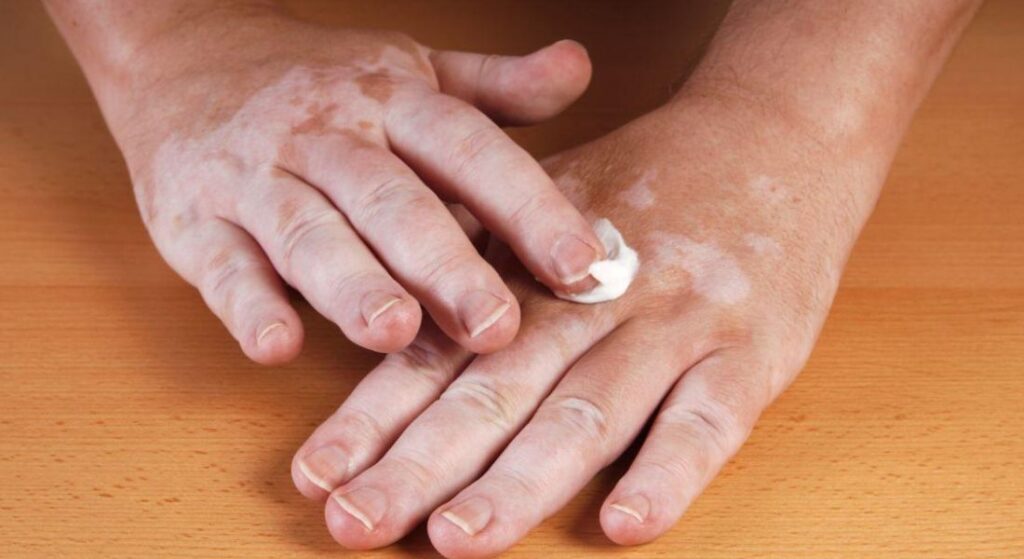
For many people living with non-segmental vitiligo, the availability of a targeted topical treatment like ruxolitinib cream offers a more hopeful approach to managing the condition. If you have vitiligo, these developments mean you may now have access to a treatment option that focuses on the immune processes involved in pigment loss.
Everyone responds differently to treatment, but the TRuE-V1 and TRuE-V2 studies showed that meaningful repigmentation may be achieved in some suitable patients, although treatment response varies with proper guidance and regular monitoring from your dermatologist, you can better understand what results you may expect.
Early specialist assessment remains important because it allows you to explore suitable treatment options before the condition progresses further. By working closely with your healthcare team, you can develop a personalised plan that supports your individual needs and treatment goals.
Long-Term Research Note
Longer-term research has provided additional information beyond the original 52-week TRuE-V1 and TRuE-V2 trials.
In a long-term extension, selected patients who had not achieved near-complete facial repigmentation at the end of the parent studies could continue open-label ruxolitinib treatment. Among patients who had used ruxolitinib from the beginning and continued into this extension cohort, approximately 66% achieved F-VASI75 and approximately 34% achieved F-VASI90 at week 104.
For you as a patient, these results support the idea that repigmentation may continue after the first year of treatment and that a slow initial response does not necessarily mean that further improvement is impossible.
However, the extension findings should be interpreted differently from the original randomised vehicle-controlled results. The later extension was not simply another two-year blinded comparison between ruxolitinib and vehicle, and the researchers acknowledged limitations including the rollover design and analysis of observed data.
UK Clinical Practice Note
UK access to ruxolitinib cream changed significantly in March 2026.
NICE now recommends ruxolitinib cream as an NHS treatment option for non-segmental vitiligo with facial involvement in people aged 12 years and over when topical first-line treatments have not worked or are not suitable, subject to the agreed commercial arrangement.
This means ruxolitinib cream should not be presented as the automatic first treatment for everyone with vitiligo. In UK practice, suitability depends on your vitiligo type, facial involvement, age, previous topical treatment and individual clinical circumstances.
Current UK product information recommends applying a thin layer twice daily, at least eight hours apart, to affected areas covering no more than 10% of body surface area. Treatment response may continue beyond 24 weeks, and if there is less than 25% repigmentation in treated areas at week 52, discontinuation should be considered.
For you, the practical message is that ruxolitinib cream is now an important evidence-based treatment option in the UK, but treatment still requires specialist assessment, appropriate patient selection and review of response over time.
The Future of Vitiligo Research
The success of the TRuE-V1 and TRuE-V2 studies has encouraged researchers to continue exploring new targeted treatments for vitiligo. If you are affected by this condition, these advances offer hope that future therapies may become even more effective and personalised.
Scientists are now investigating additional immune pathways and combination treatment approaches that could improve repigmentation results. By understanding more about how vitiligo develops, researchers aim to create therapies that are better matched to your specific needs.
Innovation in vitiligo care is continuing to grow, with new discoveries shaping the future of treatment. As research progresses, you may benefit from more advanced options that provide better control of the condition and improved long-term outcomes.
Lasting Impact of the TRuE-V1 and TRuE-V2 Studies
The TRuE-V1 and TRuE-V2 trials are now considered landmark studies in the field of dermatology because they changed the way researchers and doctors understand vitiligo treatment. If you are living with non-segmental vitiligo, these studies represent an important step towards more targeted and effective care options.
The findings showed that immune-targeted therapy could successfully support repigmentation and improve outcomes for many people with vitiligo. This has changed expectations among both dermatologists and patients by showing that treatments can address the underlying processes involved in pigment loss.
The impact of these studies is expected to continue influencing vitiligo care for many years. As research builds on these findings, you may benefit from new therapies and more personalised approaches designed to improve long-term management of the condition.
Seeking Specialist Advice

If you have noticed patches of skin losing their natural colour or you have been diagnosed with vitiligo, seeking advice from a specialist can help you understand your condition better. Early assessment allows your dermatologist to evaluate your skin, discuss suitable treatment options, and create a plan that is right for you.
Modern vitiligo treatments continue to develop, offering more targeted and personalised approaches than ever before. By working closely with your healthcare provider, you can explore therapies that match your needs and improve your chances of supporting the potential for further repigmentation over time.
Getting professional guidance early can also help you manage expectations and understand how different treatments work over time. With the right support and a personalised approach, you can take a more active role in managing vitiligo and protecting your skin health.
Myth vs Fact
| Myth | Fact |
| Ruxolitinib cream cures vitiligo permanently. | It can support repigmentation, but vitiligo is a chronic condition and recurrence can occur. |
| Everyone sees results within a few weeks. | Repigmentation is often gradual, and responses can continue to improve over many months. |
| F-VASI75 means 75% of patients were successfully treated. | It means an individual patient achieved at least a 75% improvement from baseline in facial VASI. |
| The TRuE-V trials compared treatment for a full year against vehicle cream. | The blinded vehicle-controlled comparison lasted 24 weeks; after that, all participants could use ruxolitinib through week 52. |
| Ruxolitinib works equally quickly on every part of the body. | Response can vary according to anatomical site, and facial vitiligo is an important focus of the evidence. |
| Ruxolitinib cream is automatically the first treatment for vitiligo in the UK. | NICE recommends it after topical first-line treatments have not worked or are unsuitable in the specified population. |
| More cream should produce faster results. | The medicine should be used according to its prescribed dosing instructions and treatment-area limits. |
| A slow response during the first few months means treatment can never work. | Longer-term evidence suggests that some patients continue to repigment with prolonged treatment. |
Key Takeaways
- TRuE-V1 and TRuE-V2 enrolled 674 adults and adolescents with non-segmental vitiligo.
- Participants were aged 12 years or older and had limited total body surface area involvement within the study criteria.
- The first 24 weeks compared twice-daily 1.5% ruxolitinib cream with vehicle cream.
- At week 24, F-VASI75 response was 29.8% versus 7.4% in TRuE-V1 and 30.9% versus 11.4% in TRuE-V2.
- Approximately half of patients using ruxolitinib continuously achieved F-VASI75 at one year.
- Improvement can be gradual, and longer treatment may produce further repigmentation in some patients.
- The long-term extension results are encouraging but should not be interpreted as identical to the original randomised, blinded comparison.
- Ruxolitinib cream targets JAK1 and JAK2 signalling involved in important immune pathways associated with vitiligo.
- NICE now recommends ruxolitinib cream as an NHS option for eligible people aged 12 years and over with non-segmental vitiligo and facial involvement after topical first-line treatments have failed or are unsuitable.
- Treatment should be supervised by an experienced clinician and reviewed according to response, safety and individual circumstances.
FAQs:
1. What were the TRuE-V1 and TRuE-V2 studies?
The TRuE-V1 and TRuE-V2 studies were Phase 3 clinical trials that evaluated the effectiveness and safety of topical ruxolitinib cream for adults and adolescents with non-segmental vitiligo. These landmark studies investigated whether ruxolitinib could improve repigmentation compared with a non-medicated cream.
2. Why are the TRuE-V1 and TRuE-V2 studies important?
These studies were important because they provided strong evidence that a targeted topical therapy could help restore pigment in people with vitiligo. Their findings represented a major advancement after many years of relying mainly on treatments that produced variable results.
3. What is ruxolitinib cream used for?
Ruxolitinib cream is used to treat non-segmental vitiligo, a form of vitiligo where white patches typically appear on both sides of the body. It works by reducing immune activity that contributes to the destruction of pigment-producing melanocytes.
4. How does ruxolitinib cream work for vitiligo?
Ruxolitinib cream belongs to a group of medicines called Janus kinase (JAK) inhibitors. It blocks specific immune signalling pathways involved in the autoimmune process responsible for pigment loss. By reducing relevant immune signalling, the treatment may support gradual repigmentation over time.
5. How effective was ruxolitinib cream in the TRuE studies?
The TRuE-V1 and TRuE-V2 studies showed that patients using ruxolitinib cream achieved significantly greater facial repigmentation compared with those using the comparison cream. Improvement generally developed gradually over months of continued treatment.
6. How long does it take to see results with ruxolitinib cream?
Vitiligo repigmentation usually occurs slowly. Some patients begin noticing improvements after several months, while continued treatment may lead to further pigment recovery over a longer period. Individual responses vary.
7. Can ruxolitinib cream completely cure vitiligo?
Ruxolitinib cream does not cure vitiligo, but it can help restore pigment in affected areas for many patients. The extent of improvement depends on factors such as disease activity, location of patches, and individual response to treatment.
8. Which areas of the body respond best to ruxolitinib cream?
Response varies according to anatomical site. Facial areas often respond more favourably than some non-facial areas, while acral sites such as the hands and feet can be more difficult to repigment. The TRuE studies showed meaningful facial repigmentation, while non-facial areas may require longer treatment periods.
9. Is ruxolitinib cream safe?
The TRuE-V1 and TRuE-V2 studies found that ruxolitinib cream was generally well tolerated. Most side effects were mild and commonly involved application-site reactions. Your dermatologist can discuss whether it is suitable based on your health and medical history.
10. How is ruxolitinib cream different from older vitiligo treatments?
Traditional treatments such as corticosteroids and calcineurin inhibitors work by broadly reducing inflammation. Ruxolitinib cream is more targeted because it specifically blocks immune pathways involved in vitiligo development.
Final Thoughts: How the TRuE Studies Changed the Future of Vitiligo Treatment
The TRuE-V1 and TRuE-V2 studies marked a significant turning point in the management of non-segmental vitiligo by demonstrating the potential of targeted immune-based treatment. By showing that ruxolitinib cream could achieve meaningful repigmentation for many patients, these trials changed expectations around what modern vitiligo care can offer.
Although responses vary from person to person and ongoing treatment is often required, the findings have provided new hope for individuals seeking alternatives to traditional therapies. The success of these studies has also encouraged further research into personalised and combination approaches that may continue to improve outcomes in the future.If you would like to book a consultation with one of our Dermatologist in London, you can contact us at the London Dermatology Centre.
References:
- Li, W., Dong, P., Zhang, G., Hu, J. and Yang, S. (2025) ‘Emerging therapeutic innovations for vitiligo treatment’, Current Issues in Molecular Biology, 47(3), p. 191. Available at: https://www.mdpi.com/1467-3045/47/3/191
- Rosmarin, D., Passeron, T., Pandya, A.G., Grimes, P., Harris, J.E., Desai, S.R., Lebwohl, M., Ruer-Mulard, M., Seneschal, J., Wolkerstorfer, A., Kornacki, D., Sun, K., Butler, K. and Ezzedine, K. (2022) ‘Two phase 3, randomized, controlled trials of ruxolitinib cream for vitiligo’, New England Journal of Medicine, 387(16), pp. 1445–1455. Available at: https://pubmed.ncbi.nlm.nih.gov/36260792/
- López Estebaranz, J.L., Segurado Miravalles, G. and Ros Abarca, S. (2025) ‘Ruxolitinib in the treatment of vitiligo: the importance of the JAK-STAT pathway’, Actas Dermo-Sifiliográficas, 117(3), p. 104543. Available at: https://www.sciencedirect.com/science/article/pii/S0001731025008191
- Iwanowski, T., Kołkowski, K., Nowicki, R.J. and Sokołowska-Wojdyło, M. (2023) ‘Etiopathogenesis and Emerging Methods for Treatment of Vitiligo’, International Journal of Molecular Sciences, 24(11), 9749. Available at: https://www.mdpi.com/1422-0067/24/11/9749
- Kang, C. (2024) ‘Ruxolitinib cream 1.5%: a review in non-segmental vitiligo’, Drugs, 84(5), pp. 579–586. Available at https://pmc.ncbi.nlm.nih.gov/articles/PMC11189965/