


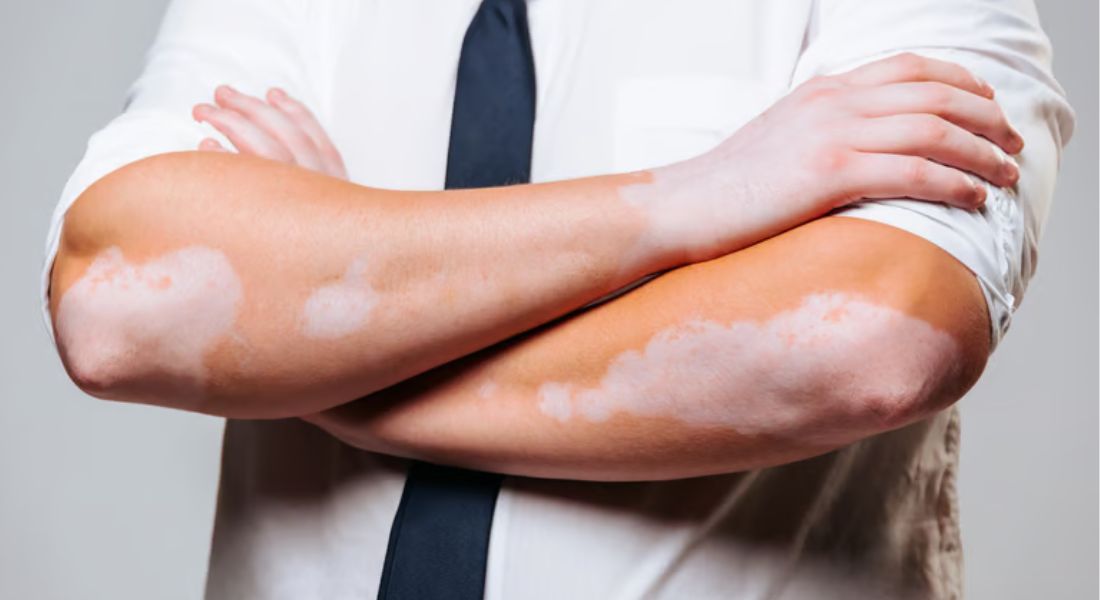
Vitiligo is a chronic skin condition characterised by loss of pigment due to destruction of melanocytes. Although treatments have improved over the past decade, many patients still experience incomplete repigmentation. This has driven interest in combination therapies that target multiple biological pathways.
Researchers now recognise that vitiligo is primarily an autoimmune disease. The immune system attacks pigment-producing cells in the skin, preventing normal colour production. Treatments must therefore address both immune activity and melanocyte regeneration.
In 2026, clinical research increasingly focuses on combining immune-modulating medications with advanced light-based therapies. This approach aims to control inflammation while stimulating melanocyte activity. Early studies suggest that combination strategies may offer better and more stable repigmentation outcomes.
Understanding Vitiligo as an Autoimmune Condition
Vitiligo occurs when the immune system mistakenly attacks melanocytes. These specialised cells produce melanin, the pigment responsible for skin colour. When melanocytes are damaged, white patches appear on the skin. The immune attack involves inflammatory signalling pathways. Certain immune cells release proteins that damage melanocytes.
This ongoing immune activity prevents normal pigment restoration. Understanding this immune mechanism has reshaped treatment strategies. Modern therapies increasingly target immune pathways directly. This has opened the door to combination treatment approaches.
Why Vitiligo Treatment Often Plateaus
Many traditional treatments for vitiligo can show promising results at first, with some areas of your skin regaining pigment. Over time, however, progress often slows or stops altogether. This plateau effect can be really frustrating, especially when you’re hoping to see continued improvement. It’s one of the reasons managing vitiligo can feel unpredictable.
One reason for this plateau is that inflammation can continue beneath the surface of your skin. Even when pigment starts to return, ongoing immune activity can interfere with your melanocytes, the cells responsible for producing colour. This persistent inflammation may prevent full recovery, making it harder for treatments to achieve long-lasting results.
To tackle this, combination therapy is often used. By addressing both inflammation and pigment stimulation at the same time, your treatment may become more effective. Researchers are now focusing on these combined approaches to help you get better outcomes and potentially overcome the plateau.
The Role of Immune Modulation
Immune-modulating therapies work by reducing the autoimmune attack on your melanocytes, the cells that give your skin its colour. These treatments help calm the inflammatory pathways that cause pigment loss. By controlling your immune activity, your skin has a better chance of maintaining stable repigmentation over time. Without this step, any new pigment may be quickly lost.
Modern immunotherapies are designed to target specific molecular signals in your immune system. By blocking these signals, the treatments can reduce the damage your immune system does to melanocytes. This gives your pigment cells a better chance to recover and survive in affected areas of your skin.
That said, controlling your immune system alone isn’t enough to fully restore pigment. You also need to stimulate melanocyte growth to rebuild the colour in your skin. This is where additional treatments, like light-based therapies, come into play.
Light-based therapies help encourage your melanocytes to grow and spread pigment across your skin. When combined with immune-modulating treatments, they can improve your chances of repigmentation. Using both approaches together is now a key strategy in vitiligo management, giving you a more comprehensive path to better results.
Light-Based Therapies in Vitiligo
Phototherapy has been used for a long time to treat vitiligo. Ultraviolet (UV) light helps stimulate your melanocytes, encouraging them to produce pigment. It also has mild immune-modulating effects, which can help calm the autoimmune activity that’s affecting your skin. This makes phototherapy a useful part of vitiligo treatment.
One of the most commonly used approaches is narrowband UVB therapy. This method delivers precise wavelengths of light that specifically activate your melanocytes. With regular sessions, many people notice gradual repigmentation over time. It’s often considered the gold standard for light-based treatment in vitiligo.
Even though phototherapy can be effective, it may not fully restore your skin’s pigment on its own. Some patients eventually reach a plateau, where further improvement slows or stops. That’s why combining phototherapy with immune-modulating therapies can be more effective, giving you a better chance of achieving lasting repigmentation.
Narrowband UVB Therapy
If you’re considering treatment options for vitiligo, narrowband UVB therapy is one approach that has shown consistent results. This therapy uses a very specific ultraviolet wavelength around 311 nanometres that is particularly effective at stimulating the pigment-producing cells in your skin, called melanocytes. Over time, it has become a cornerstone in managing vitiligo.
1. How the therapy works: Narrowband UVB targets the skin in a way that encourages melanocytes to produce pigment. Treatments are typically administered in a clinic several times a week, depending on your individual plan. For you, this means you’ll need regular sessions to achieve the best outcomes, rather than expecting instant results after just a few visits.
2. Repigmentation patterns: Most people notice colour returning first around hair follicles, which act as reservoirs of pigment cells. Gradual spread of colour then follows over weeks or months. For you, this means patience is key, as visible improvements often appear slowly rather than immediately.
3. Consistency and long-term planning: The success of narrowband UVB largely depends on sticking to the treatment schedule. Skipping sessions can slow progress, while consistent therapy helps maximise results. For you, this could mean committing to a structured plan over several months, with your clinician adjusting sessions based on how your skin responds.
4. Expected timeline for improvement: Visible changes often take a few months to show, and long-term planning is usually required to maintain repigmentation. For you, understanding this timeline can help set realistic expectations and reduce frustration as your skin gradually responds to therapy.
Overall, narrowband UVB therapy is a gradual but effective treatment option for vitiligo. For you, following a consistent plan and keeping patient expectations realistic are the best ways to support successful repigmentation.
Excimer Laser Technology
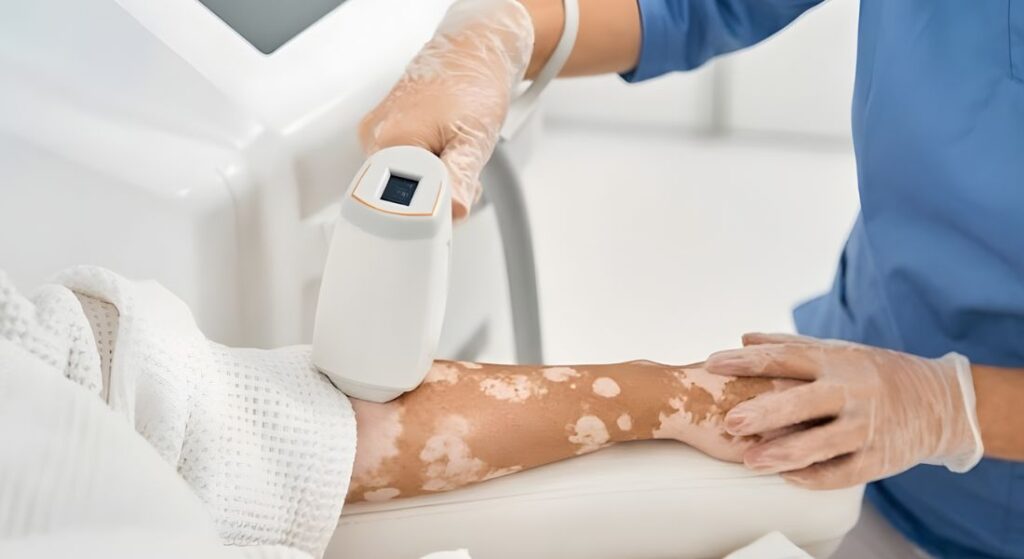
Excimer laser therapy gives you a targeted way to treat vitiligo patches with ultraviolet light. It focuses the light precisely on the affected areas, allowing higher intensity treatment without affecting the surrounding healthy skin. This precision is especially useful for small or stubborn patches, and many people notice results faster than with traditional phototherapy.
Excimer lasers are often combined with other treatments to improve outcomes. Using targeted light therapy alongside immune-modulating treatments can help your melanocytes recover more effectively. Research into these combined approaches is ongoing, and it looks promising for giving you better and more lasting repigmentation.
JAK Inhibitors and Immune Signalling
One of the most exciting advances in vitiligo treatment involves JAK inhibitors. These medications work by blocking specific immune signalling pathways that drive autoimmune inflammation. By interfering with these pathways, they can help reduce the immune attacks on your melanocytes, giving your pigment cells a better chance to survive.
Early studies are showing promising results. Many patients notice repigmentation when JAK inhibitors are used alongside phototherapy. This combination seems to enhance the overall effectiveness of treatment, tackling both the immune system and melanocyte stimulation at the same time.
That said, research is still ongoing. The long-term safety and how stable the results are over time remain under investigation. It’s important that you use these treatments under careful medical supervision to ensure the best and safest outcomes.
Why Combination Therapy Matters
Vitiligo affects your skin in more than one way. Your immune system attacks your melanocytes, while at the same time, those pigment-producing cells need stimulation to regenerate. If a treatment only targets one of these issues, you might see limited improvement, which can be frustrating.
That’s where combination therapy comes in. It aims to tackle both problems at the same time. Immune-modulating treatments help calm the inflammation that’s damaging your melanocytes. Meanwhile, light-based therapies, like phototherapy or excimer lasers, stimulate your melanocytes to produce pigment again.
By addressing both pathways together, combination therapy can give your skin a better chance of repigmentation. Many patients notice more consistent and visible improvement compared with using a single treatment alone.
Early research suggests this dual approach may be more effective than monotherapy. Scientists are continuing to refine these strategies to help you get the best possible results. Over time, combination therapy is likely to become a key part of vitiligo management.
Melanocyte Regeneration
For your skin to regain colour, melanocytes need to repopulate the affected areas. Hair follicles often act as reservoirs for these pigment-producing cells. Light-based therapies, like phototherapy or excimer lasers, help activate these dormant melanocytes and get them ready to work.
Once activated, the melanocytes start migrating into the depigmented patches of your skin. They begin producing melanin again, which gradually restores your natural skin colour. The process can be slow, but with regular treatment, you may start to notice visible improvement over time.
Immune suppression is also important to help these cells survive and function properly. Without controlling your immune activity, melanocytes can be attacked and destroyed again. That’s why combination therapy, which supports both melanocyte regeneration and protection, is often the most effective approach for you.
Stability of Repigmentation
If you’ve noticed pigment returning after vitiligo treatment, you might also be concerned about keeping it. One of the biggest challenges in managing vitiligo is maintaining repigmentation over time. Even after colour comes back, relapse can sometimes occur because ongoing immune activity may continue to target your melanocytes.
1. Relapse is a common concern: Pigment loss can happen again even after successful treatment. Your immune system may remain active against melanocytes, which makes long-term stability difficult. For you, this means that seeing initial improvement doesn’t always guarantee permanent results, and ongoing monitoring is important.
2. Combination therapy may improve stability: Using multiple treatment approaches together such as UVB therapy alongside immune-modulating medications can help protect melanocytes from further attacks. For you, this may mean a higher chance that the pigment you’ve regained lasts longer and that your skin maintains a more even appearance.
3. Research is ongoing: Long-term studies are still exploring how effective combination therapy is at preventing relapse. Scientists continue to examine relapse rates and the best strategies for maintaining pigment. For you, this means that while promising options exist, your clinician may adapt your treatment plan as new insights emerge.
4. Stability remains a key focus: Ensuring lasting repigmentation is one of the main goals of vitiligo research. For you, staying informed and working closely with your dermatologist can help you manage expectations and plan treatments that support long-term outcomes.
In the end, maintaining repigmentation can be challenging, but combination strategies and careful monitoring offer hope for longer-lasting results. For you, understanding this process can help you stay proactive and realistic about your treatment journey.
Early Clinical Data
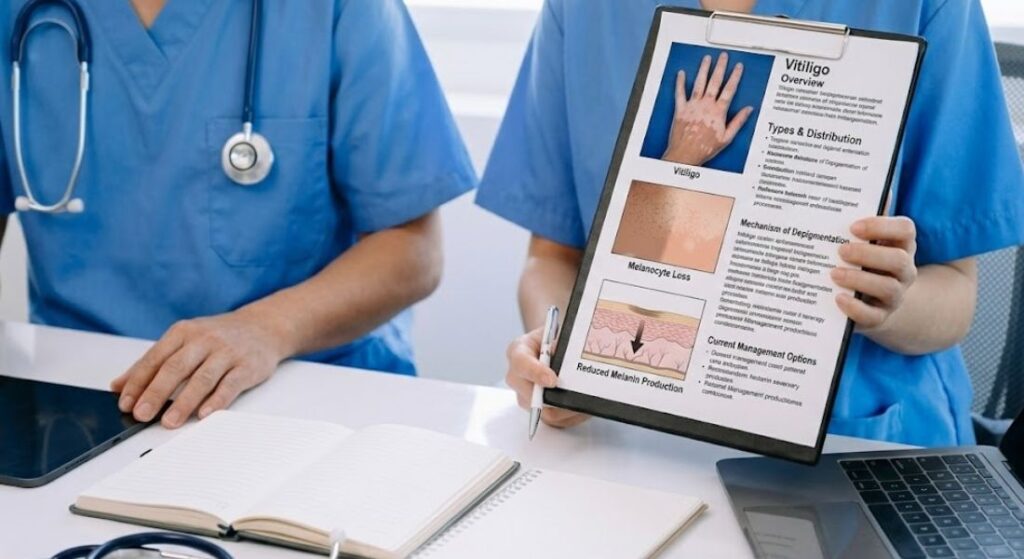
Early clinical trials are showing encouraging results for vitiligo treatment. Patients receiving combination therapies often see higher rates of repigmentation compared with single treatments. Many also notice improvements more quickly, which can be really encouraging when you’re hoping to see change.
Some studies suggest that difficult areas, like the face, may respond particularly well to combination therapy. These areas usually show better improvement overall, and using both immune-modulating and light-based treatments together seems to enhance results even further.
That said, larger studies are still needed to confirm these findings. Researchers are continuing to evaluate the long-term effectiveness and stability of repigmentation. While the early evidence is promising, more data will help guide the best approaches for you in the future.
Treatment Individualisation
Vitiligo shows up differently in everyone. For some, the condition remains fairly stable, while for others, patches can spread quickly. Because of this, having a treatment plan tailored to you is really important. Personalised approaches help ensure that the therapies you receive match how your disease behaves.
Combination therapies make this flexibility possible. Doctors can adjust treatment based on how active your vitiligo is and which areas are affected. Looking ahead, precision dermatology aims to take this even further, using molecular markers to guide your treatment. Research is moving in this direction, which could make care even more personalised and effective for you.
Psychological Impact of Vitiligo
Vitiligo can have a big impact on how you feel about yourself. Changes in your skin’s appearance may affect your confidence and how you interact socially. It’s not just a physical condition your emotional well-being matters too. That’s why psychological support can be an important part of managing vitiligo.
Effective treatment can help improve both your skin and your emotional state. Seeing repigmentation can boost confidence and make you feel more comfortable in your own skin. However, it’s important to keep expectations realistic. Results can take time, and not every patch may fully repigment.
Supportive care plays a key role alongside medical treatment. Talking to a counsellor, joining support groups, or simply having a space to share your experiences can make a real difference. It helps you cope with the emotional challenges that may come with the condition.
Dermatological care should consider both the medical and psychological aspects of vitiligo. By addressing your skin and your well-being together, doctors can provide a more holistic approach. This can help you feel supported, understood, and better equipped to manage the condition.
Role of Early Intervention
Starting treatment early can make a real difference in how well your skin repigments. When inflammation is addressed before a lot of melanocytes are lost, it’s easier to protect and preserve these pigment cells. Early intervention gives your skin a better chance to respond to therapy and maintain its natural colour.
Combination therapy can be especially helpful in the early stages of vitiligo. By quickly controlling immune activity, it may prevent the disease from spreading further. At the same time, phototherapy can stimulate your melanocytes to recover. Spotting symptoms early and getting prompt evaluation from a specialist can help you plan the most effective treatment.
Areas That Respond Best

If you’re undergoing vitiligo treatment, you might notice that some areas of your body respond more quickly than others. The face and neck often show the most noticeable repigmentation because these regions have a higher concentration of active melanocytes, the pigment-producing cells in your skin. For you, this means improvements in these areas may appear sooner and be more consistent.
1. Face and neck tend to respond well: These areas benefit from more robust melanocyte activity, which helps pigment return faster. For you, this could mean seeing early progress in visible regions, which can be encouraging and motivating during your treatment journey.
2. Hands and feet are usually slower to improve: The extremities often have fewer melanocytes, making repigmentation more challenging. For you, this means patience is essential, as these areas may take longer to respond and require more consistent treatment efforts.
3. Combination therapies may help stubborn areas: Researchers are investigating strategies that combine UVB therapy with immune-modulating treatments to boost results in resistant regions. For you, this could offer hope that even the more difficult areas can eventually achieve meaningful pigment recovery.
4. Targeted treatment protocols are being developed: Ongoing studies aim to create protocols specifically designed for areas that typically respond poorly. For you, this means future treatments may be more personalised, increasing the likelihood of consistent results across your entire body.
Overall, while some regions naturally respond better, ongoing research and combination approaches are improving outcomes in more stubborn areas. For you, understanding these patterns can help set realistic expectations and support a more effective treatment plan.
Safety Considerations
Combination treatments for vitiligo need careful monitoring. Immune-modulating medications can affect your whole body, so it’s essential that a doctor oversees your treatment. Regular check-ups help ensure the therapy is working safely and effectively for you.
Phototherapy also needs to be carefully controlled. Too much ultraviolet exposure can damage your skin, so following safe treatment protocols is important. Doctors adjust the dose and frequency to get the best results while minimising risks.
Clinicians always balance the potential benefits of treatment with possible risks. Responsible medical care prioritises your safety at every step. By using evidence-based decisions, doctors can guide your treatment in the safest and most effective way.
Future Research Directions
Vitiligo research is moving forward quickly, and scientists are exploring new ways to treat the condition. They’re looking at novel immune targets and biologic therapies, which could improve how well treatments work for you. These innovations may help achieve better and more lasting repigmentation.
Advanced imaging and molecular analysis are also giving researchers a clearer picture of how vitiligo develops. These tools show how immune pathways interact with your melanocytes, helping scientists understand the underlying mechanisms. This knowledge is guiding the development of new therapies that could be more effective.
Looking ahead, treatment strategies are likely to become even more personalised. Precision dermatology aims to tailor therapies to your specific biology, so you get the most suitable care. Proteomic and genomic insights may play a big role in making this personalised approach a reality.
Long-Term Outlook for Patients
Vitiligo is still a chronic condition, but treatment options are steadily improving. Combination therapy has been a major step forward, giving you a better chance of achieving noticeable repigmentation than was possible in the past. Regular treatment and careful management can help you see more consistent results.
Maintaining stable pigment is a key goal in the long term. Controlling your immune activity is essential to prevent further melanocyte loss and preserve the colour you regain. Ongoing monitoring by your doctor helps ensure that any changes are addressed promptly, supporting lasting outcomes.
Dermatology care is continuing to evolve with advances in both immunology and phototherapy. These developments are opening up new possibilities for treatment and improving patient care. While vitiligo remains a long-term condition, the outlook for you is gradually becoming more hopeful.
Importance of Specialist Care
Treating vitiligo properly often requires expert assessment. The activity of your disease, the areas of skin affected, and your overall health all play a role in deciding the best treatment plan. That’s why specialist dermatology care is so important you get guidance tailored to your specific situation.
Advanced treatments, like combination immunotherapy, need careful supervision. Regular monitoring helps your doctor track progress and adjust therapy to get the best results. Experienced clinicians know how to balance effectiveness with safety, making these decisions much easier for you.
Seeing a specialist also ensures that your care is personalised. A professional evaluation supports safe, effective treatment strategies and helps you feel confident that your vitiligo is being managed in the best possible way.
The Future of Combination Protocols
Combination therapy is increasingly at the centre of vitiligo research. By tackling both immune activity and melanocyte stimulation at the same time, these protocols aim to overcome the limits of single treatments. Early clinical data looks promising, showing improved repigmentation and faster results for many patients.
Future studies will focus on refining the best combinations, including dosing schedules and timing of therapies. These details could have a big impact on long-term stability of pigment. As research progresses, combination protocols may become standard practice, offering you more integrated and effective care in dermatology.
FAQs:
1. What is combination therapy for vitiligo?
Combination therapy uses both immune-modulating treatments and light-based therapies to tackle vitiligo. It calms your immune system while stimulating pigment-producing cells, giving your skin a better chance of repigmentation.
2. How does vitiligo affect your skin?
Vitiligo occurs when your immune system attacks melanocytes, the cells that produce pigment. This leads to white patches on your skin and can make colour restoration difficult without targeted treatment.
3. Why do treatments sometimes plateau?
Even after pigment returns, ongoing immune activity can continue to attack your melanocytes. This can halt progress, which is why addressing both immune activity and melanocyte stimulation is important for lasting results.
4. How does phototherapy help?
Phototherapy, like narrowband UVB, encourages your melanocytes to produce pigment and has mild immune-calming effects. Used consistently, it can gradually restore colour and works best when combined with immune-targeted treatments.
5. What are JAK inhibitors?
JAK inhibitors block specific immune signalling pathways that attack your melanocytes. When paired with light-based therapies, they can improve repigmentation by tackling both immune damage and pigment stimulation simultaneously.
6. Which areas of skin respond best to treatment?
The face and neck usually respond faster due to higher melanocyte activity, while hands and feet can be slower. Combination therapies may help stubborn areas, but patience and consistent treatment are essential for you.
7. Can repigmentation be maintained long-term?
Maintaining pigment can be challenging because immune activity may persist. Using combination therapy and regular monitoring helps protect melanocytes, giving you a better chance of long-term stable results.
8. Is early treatment important?
Yes, starting therapy early can prevent further melanocyte loss and make repigmentation more effective. Early intervention gives your skin a stronger chance to respond and maintain restored colour.
9. Do treatments affect emotional well-being?
Vitiligo can impact confidence and social interactions. Successful treatment, along with psychological support, can improve how you feel about your skin and boost overall well-being.
10. Why is specialist care important?
Vitiligo management is complex, so seeing a dermatologist ensures your treatment is tailored to your disease activity, affected areas, and overall health. Specialist guidance maximises results while keeping you safe.
Final Thoughts: Combining Innovation with Care
Combination therapy for vitiligo represents a genuinely promising advance, but it’s not about instant results. It’s about steady progress in controlling immune activity, stimulating melanocyte regeneration, and achieving more lasting repigmentation. Research is moving quickly, yet it’s guided by careful clinical studies and responsible treatment protocols. For you, that balance between innovation and safety matters as much as the therapy itself.
If you’re considering vitiligo treatment in London, you can get in touch with us at London Dermatology Centre. Speaking with an experienced specialist ensures your condition is properly assessed, your treatment options are clearly explained, and your care plan combines proven therapies with emerging advances in dermatology.
References:
1. Shuaib, L. et al., 2025. Efficacy of Janus kinase inhibitor combined with phototherapy in non‑segmental vitiligo: systematic review and meta‑analysis. https://pmc.ncbi.nlm.nih.gov/articles/PMC12777791/
2. 308 nm excimer laser combined with JAK inhibitors for adult localized non‑segmental vitiligo: a multicenter randomized controlled trial. https://pubmed.ncbi.nlm.nih.gov/40682379/
3. Zhou, B. et al., 2024. Combination therapy with baricitinib and narrowband ultraviolet B for active non‑segmental vitiligo: a retrospective controlled study. https://pmc.ncbi.nlm.nih.gov/articles/PMC11668684/
4. Mumford, J. et al., 2023. Excellent repigmentation of generalized vitiligo with oral baricitinib combined with NB‑UVB phototherapy. https://pmc.ncbi.nlm.nih.gov/articles/PMC10015970/
5. Combination therapy with 308‑nm excimer laser, topical tacrolimus, and short‑term systemic corticosteroids for segmental vitiligo. https://www.sciencedirect.com/science/article/abs/pii/S0190962215015108