


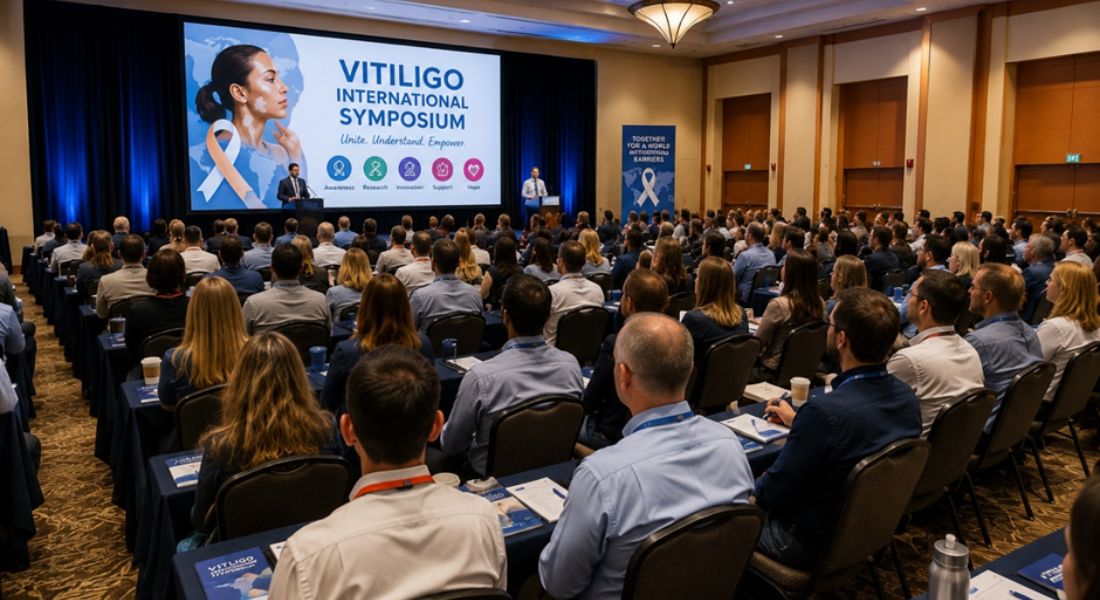
The Vitiligo International Symposium is one of the key global scientific meetings focused specifically on vitiligo and other pigmentary disorders. You’ll see it bringing together a wide range of experts, including dermatologists, immunologists, pigment cell researchers, psychologists, patient advocates, and other healthcare professionals from across the world. The aim is simple but powerful to share the latest research, discuss emerging treatments, and improve how you care for patients living with vitiligo.
As research in vitiligo continues to evolve rapidly, you’ll notice these international meetings becoming even more important for translating science into clinical practice. A lot of the discussions centre around autoimmune mechanisms, targeted therapies, advances in phototherapy, regenerative medicine approaches, psychological wellbeing, and future treatment pathways. It’s very much a space where early research and real-world clinical experience come together.
Overall, you’ll find that the symposium plays a crucial role in shaping the future of vitiligo care globally. By bringing together different disciplines and perspectives, it helps you stay aligned with the latest evidence and encourages more holistic, patient-centred approaches to management.
What Is the Vitiligo International Symposium?
The Vitiligo International Symposium is a scientific and educational meeting dedicated specifically to vitiligo and other pigmentary disorders. You’ll find it bringing together experts from different areas of medicine and research, all focused on sharing knowledge and exploring the latest progress in understanding and treating vitiligo. It acts as a central platform where new ideas and clinical insights are exchanged in a structured, evidence-based way.
At the symposium, you’ll typically see a mix of lectures, research presentations, panel discussions, workshops, and even patient-focused educational sessions. This variety helps you gain a well-rounded view of both the scientific developments and the real-world challenges in managing vitiligo. One of its biggest strengths is international collaboration, where you get perspectives from specialists working in different healthcare systems and research environments.
Overall, these meetings play an important role in pushing both research and clinical practice forward. You benefit from the way they bridge the gap between emerging science and everyday patient care, helping you stay updated with evolving treatment strategies and a more global understanding of pigmentary disorders.
Why International Collaboration Matters

International collaboration matters a lot in vitiligo research because the condition affects you and millions of others worldwide, across all skin types and ethnic backgrounds. When specialists come together at meetings like the Vitiligo International Symposium, you’ll notice they’re not just sharing data they’re also sharing real clinical experiences from very different countries and healthcare systems. That broader perspective helps you understand how vitiligo behaves and is managed in diverse populations.
Collaboration also makes research much stronger and more reliable. When findings are compared across different regions, you get a clearer picture of how treatments perform in real-world settings. It also allows you to take part in, or benefit from, larger international clinical trials, which improve the quality of evidence and make results more meaningful for global patient care.
Overall, global cooperation is essential if you want to accelerate progress in vitiligo research. By combining expertise, resources, and patient experiences from around the world, you create a much faster and more effective path towards better treatments and deeper understanding of the condition.
Understanding Vitiligo as an Autoimmune Condition
Understanding vitiligo as an autoimmune condition is one of the central themes you’ll come across at the symposium. You’ll see researchers focusing on how the immune system mistakenly targets melanocytes, the cells responsible for producing skin pigment. This immune-driven process is now widely considered a key factor in how vitiligo develops and progresses.
A lot of the scientific discussions go deeper into the biology behind this process. You’ll hear about inflammatory pathways, immune signalling molecules, and the complex interactions that lead to pigment loss. These presentations help you connect the dots between what is happening at a cellular level and how it appears clinically on the skin.
As this understanding improves, it’s directly influencing how new treatments are being designed. You’ll notice a clear shift towards more targeted approaches that aim to modulate the immune response more precisely, with the goal of not just slowing progression but also supporting repigmentation strategies in a more controlled and predictable way.
JAK Inhibitors Remain a Major Research Focus
At international meetings such as Aesthetic & Anti-Aging Medicine World Congress 2026, JAK inhibitors continue to be one of the most closely followed areas of vitiligo research. You’ll often hear ongoing discussions about both topical and oral formulations, as researchers try to better understand how these treatments influence inflammatory pathways involved in Vitiligo.
- Targeting Inflammatory Pathways in Vitiligo: You may learn that JAK inhibitors work by modulating immune signalling pathways thought to contribute to pigment loss. The goal is to reduce ongoing immune activity that affects melanocytes. This targeted approach has made them a major area of interest in modern research.
- Evaluating Repigmentation Outcomes: Conference presentations often focus on how much repigmentation can be achieved with these therapies. You may see data showing variation in response depending on treatment site and disease pattern. Understanding these differences helps set realistic expectations.
- Long-Term Disease Control and Maintenance: Researchers are also interested in whether JAK inhibitors can help maintain repigmentation over time. You may hear discussions about relapse rates and the need for ongoing treatment in some cases. Long-term outcomes remain an important research focus.
- Safety and Patient Selection Considerations: A key topic is how to use these therapies safely and which patients may benefit most. You may be assessed for suitability based on disease activity, overall health, and risk factors. Careful selection and monitoring remain essential parts of treatment planning.
JAK inhibitors therefore remain a significant and rapidly evolving area in vitiligo management. You benefit from ongoing research that continues to refine how these treatments are used in practice. While results are promising, careful evaluation of safety and long-term outcomes is still essential. Ultimately, this research is helping shape the future direction of vitiligo treatment.
Phototherapy Research and Advances
Phototherapy continues to be one of the most widely used and important treatment options for vitiligo, and you’ll often see it discussed in depth at the symposium. You’ll notice a strong focus on how ultraviolet light therapy can be optimised to support repigmentation while keeping safety at the forefront. It remains a cornerstone of care for many patients, especially when managed carefully and consistently.
In many sessions, you’ll hear specialists explore narrowband UVB therapy, excimer laser treatments, and different combination approaches. You’ll also see discussion around how these methods can be paired with topical or systemic treatments to improve outcomes. The aim is always to help you achieve better repigmentation results while minimising side effects and improving treatment precision.
Ongoing research is continuously refining how phototherapy is used in clinical practice. You’ll find that clinicians are increasingly focused on personalised treatment plans, adjusting dosage, frequency, and combination strategies based on individual response. This evolving approach is helping you get more tailored and effective care over time.
Combination Treatment Strategies
Combination treatment strategies are becoming a major focus in modern vitiligo care, and you’ll often see this reflected in symposium discussions. Instead of relying on a single therapy alone, clinicians are increasingly looking at how different approaches can work together to support better outcomes for you. This includes combining topical treatments, phototherapy, immune-targeted therapies, and in some cases regenerative procedures.
At the symposium, you’ll hear presentations exploring how these therapies can complement each other in practice. For example, you might see discussions on how phototherapy can enhance the effectiveness of topical agents, or how newer immune-modulating treatments could be integrated into existing treatment plans. The idea is to create a more flexible and responsive approach that adapts to how your skin responds over time.
Overall, this shift towards combination strategies reflects a broader move in dermatology towards more personalised care. You’ll find that treatment planning is becoming less “one-size-fits-all” and more tailored to individual needs, helping you achieve more consistent and meaningful results.
Regenerative Medicine and Cellular Therapies
Regenerative medicine has become one of the most exciting areas you’ll hear about at the symposium. You’ll notice researchers focusing on advanced approaches like melanocyte transplantation, cellular grafting techniques, stem-cell–related therapies, and broader tissue regeneration strategies. The overall goal is to restore pigmentation in stable vitiligo by directly addressing the loss of functional pigment cells.
In many presentations, you’ll see discussions on how these techniques work at a cellular level and how they might be refined for safer, more consistent clinical use. You’ll also hear about patient selection being especially important, since these procedures tend to be most effective in carefully chosen cases of stable disease. It’s a field that blends surgical precision with cutting-edge biological science.
Although some of these treatments are still investigational, international interest is growing quickly. You’ll find that researchers and clinicians are increasingly optimistic about their long-term potential, especially as techniques improve and early results continue to show promise in selected patient groups.
Vitiligo Surgery Discussions

Vitiligo surgery is an important topic you’ll often see discussed at the symposium, especially for cases where vitiligo has remained stable but hasn’t responded well to medical treatments. You’ll notice that surgical options are generally considered for carefully selected patients, rather than being a first-line approach.
In presentations, you’ll hear about different techniques such as melanocyte grafting, suction blister grafting, punch grafting, and newer cellular transplantation methods. Each approach is explored in terms of how it helps restore pigmentation and how it can be adapted depending on the area being treated and the individual characteristics of your skin.
A big part of the discussion also focuses on patient selection and setting realistic expectations. You’ll find experts emphasising long-term stability of the condition before surgery, as well as understanding that outcomes can vary. This helps you appreciate that surgical treatment works best when it’s carefully planned and matched to the right clinical situation.
Psychological Impact and Emotional Wellbeing
Psychological impact and emotional wellbeing are becoming a much more prominent part of vitiligo symposium discussions, and you’ll often see this reflected in dedicated sessions involving psychologists, dermatologists, and patient advocates. You’ll notice that the focus isn’t just on the skin condition itself, but also on how it affects how you feel day to day and how you experience the world socially and emotionally.
A lot of these discussions explore themes like confidence, anxiety, stigma, emotional resilience, and overall quality of life. You’ll hear real emphasis on how visible skin conditions can influence self-esteem and mental wellbeing, and why these factors are just as important to address as the physical symptoms. Patient experiences are often central to these conversations, helping clinicians better understand the lived reality of vitiligo.
Overall, this broader focus is encouraging a more holistic approach to care. You’ll find that modern management is increasingly about supporting both your skin health and your emotional wellbeing together, rather than treating them as separate issues.
Paediatric Vitiligo Management
Paediatric vitiligo management is a key topic you’ll often hear about at international meetings, especially because treating children requires a slightly different approach compared to adults. You’ll see specialists focusing on how well different treatments are tolerated, how the condition may progress in younger patients, and what long-term management strategies are most appropriate as a child grows.
A lot of conference discussions explore how childhood vitiligo can differ from adult-onset disease. You’ll hear about variations in disease behaviour, emotional sensitivity, and the importance of tailoring treatment plans so they are both effective and gentle. There’s also a strong emphasis on minimising discomfort and making treatments easier for children and families to follow consistently.
Overall, paediatric dermatology is becoming increasingly important within vitiligo research and care. You’ll notice a growing focus on not just managing the skin condition itself, but also supporting the child’s emotional wellbeing and quality of life over the long term.
Disease Stability and Progression Research
At international conferences such as Aesthetic & Anti-Aging Medicine World Congress 2026, researchers continue to explore why Vitiligo behaves differently from one person to another. You’ll often hear discussions about why some patients experience long periods of stability, while others notice more rapid progression. Understanding these differences is becoming a key focus in modern vitiligo research.
- Exploring Immune Activity and Inflammation: You may learn that researchers are studying immune system behaviour to understand how inflammation contributes to disease activity. Differences in immune response may help explain why vitiligo progresses quickly in some individuals but remains stable in others. This area is still being actively investigated.
- Investigating Potential Predictive Markers: Conference discussions often focus on whether certain biological markers could help predict disease progression. You may hear about inflammatory markers or immune-related signals that could indicate stability or activity. The goal is to improve early identification of changing disease patterns.
- Improving Treatment Timing Decisions: Understanding stability may help clinicians decide when to start or adjust treatment. You may benefit from more personalised timing of therapy depending on whether your condition is active or stable. This can help improve treatment effectiveness and outcomes.
- Supporting Better Patient Selection for Therapies: Researchers are also interested in identifying which patients are most likely to respond to specific treatments. You may be assessed differently depending on disease activity and progression risk. This helps ensure therapies are matched more appropriately to individual cases.
Disease stability and progression research therefore remains a major priority in vitiligo studies. You benefit from ongoing scientific work aimed at improving how and when treatments are used. As understanding improves, it may become easier to predict disease behaviour more accurately.
Advances in Imaging and Diagnostic Technology
Advances in imaging and diagnostic technology are playing an increasingly important role in vitiligo research and clinical monitoring. You’ll often see symposium sessions exploring how tools like high-resolution digital photography, pigment analysis systems, dermoscopy, and AI-assisted platforms are being used to study the condition in more detail. These technologies are helping you visualise changes in pigmentation in a much more structured and consistent way.
A lot of the discussion focuses on how these tools can support better assessment of disease activity and treatment response. You’ll hear researchers talk about the potential for more objective measurements, rather than relying solely on visual clinical judgement. This could make it easier for you to track subtle changes over time and compare outcomes across different treatments or studies.
Overall, technology integration is steadily expanding within modern dermatology. You’ll notice a clear trend towards combining clinical expertise with digital tools, helping you improve accuracy, consistency, and long-term monitoring in vitiligo care.
Diversity and Skin Type Discussions
Diversity and skin type discussions are becoming an increasingly important part of vitiligo symposiums, especially as you consider how differently the condition can appear across a wide range of skin tones. You’ll often hear specialists emphasising that vitiligo is not a uniform condition, and its visibility, progression, and even response to treatment can vary depending on skin type and individual biology.
A lot of these sessions also explore the broader impact beyond the clinical picture. You’ll see discussions around how visibility can differ significantly between skin tones, how social and cultural factors shape the experience of living with vitiligo, and how psychological impact may vary across different populations. This helps you understand that the condition is not only medically complex, but also socially and emotionally diverse.
Overall, this growing focus on inclusivity is helping shape more balanced research and patient care. You’ll notice a stronger push towards designing studies and treatment approaches that reflect real-world diversity, ensuring that vitiligo care becomes more representative and relevant for everyone.
Long-Term Disease Management
Long-term disease management is becoming a major focus at vitiligo symposiums, especially as you move beyond just achieving repigmentation. You’ll often hear experts emphasising that successful treatment isn’t only about initial improvement, but also about maintaining stability over time and reducing the risk of relapse.
A lot of discussions centre around maintenance therapy, structured follow-up plans, and regular monitoring after treatment. You’ll see clinicians exploring how ongoing care can help you preserve results, detect early signs of activity, and adjust treatment strategies when needed. This more continuous approach is helping shift vitiligo care towards something that’s managed over the long term rather than treated in short phases.
Overall, long-term management has become a clear priority in modern vitiligo care. You’ll notice that the goal is increasingly about sustainable outcomes, where you don’t just respond to treatment, but also stay supported and stable in the years that follow.
Patient Advocacy and Community Involvement
Patient advocacy and community involvement are playing a much bigger role at international vitiligo meetings, and you’ll often see patient organisations actively participating alongside clinicians and researchers. You’ll notice these groups helping to bring real lived experiences into scientific discussions, ensuring that the patient perspective isn’t lost within purely clinical or research-focused conversations.
A lot of this involvement centres around raising awareness, improving education, and sharing the everyday challenges of living with vitiligo. You’ll hear how collaboration between patient advocates, dermatologists, and researchers helps shape more practical and relevant treatment priorities. It also ensures that research isn’t happening in isolation, but is grounded in what actually matters to you as someone living with or affected by the condition.
Overall, this partnership between patients and professionals strengthens both research and clinical care. You’ll find that when patient voices are included, it leads to more meaningful outcomes, better communication, and a more balanced approach to developing future treatments and support strategies.
Artificial Intelligence and Future Research
Artificial intelligence and digital analysis tools are becoming a growing area of interest at scientific meetings, especially in vitiligo research. You’ll often see discussions around how AI could help you and clinicians better understand disease patterns through advanced imaging analysis and more structured data interpretation.
A key focus is on how these systems might support disease monitoring and help predict how you could respond to different treatments. You’ll hear researchers explore whether AI could pick up subtle changes in pigmentation earlier than the human eye, potentially allowing for more timely and personalised treatment adjustments in the future.
Although these technologies are still developing, there’s a strong sense that they could significantly influence future vitiligo management. You’ll notice that innovation in dermatology is moving quickly, with AI increasingly seen as a supportive tool that could enhance both research quality and clinical decision-making over time.
Ethical Discussions Around Emerging Treatments
At international meetings such as Aesthetic & Anti-Aging Medicine World Congress 2026, ethical considerations are becoming just as important as scientific progress. As new therapies emerge for conditions like Vitiligo, you’ll often hear discussions about how to balance innovation with patient safety, realistic expectations, and fair access to treatment.
- Managing Expectations Around New Treatments: You may come across early-stage therapies that are still being studied rather than fully established. Experts emphasise the importance of explaining that early results do not always guarantee consistent outcomes. Clear communication helps you understand both the potential and the limitations of emerging treatments.
- Responsible Interpretation of Early Research: Conference discussions often highlight the need to interpret early clinical findings carefully. You may hear encouraging results from small studies, but specialists stress that larger, long-term evidence is still required. This helps prevent overpromising or misunderstanding new developments.
- Fair Access and Treatment Availability: Another key ethical topic is who can access newer therapies once they become available. You may find that availability varies depending on country, cost, or regulatory approval. Discussions focus on ensuring treatments are introduced fairly and responsibly.
- Patient-Centred and Honest Communication: Experts strongly encourage transparent conversations between clinicians and patients about investigational therapies. You should be given balanced information so you can make informed decisions. This includes both potential benefits and possible uncertainties.
Ethical practice therefore remains a central part of modern dermatology education. As treatments continue to evolve, you benefit most when innovation is introduced with caution, honesty, and clear guidance. Responsible communication helps ensure that new therapies are used safely and appropriately. Ultimately, ethics plays a key role in protecting patients while supporting scientific progress.
Education for Dermatologists and Trainees

The symposium also plays a really important role as an educational platform for dermatologists, trainees, and healthcare professionals who want to stay updated on vitiligo. You’ll often see it designed not just for presenting research, but for actively helping you build a deeper understanding of how the condition is evolving in both science and clinical practice.
A big part of what you’ll gain from these meetings is updated insight into immune pathways, treatment planning strategies, and the latest research developments. You’ll notice that sessions are structured to help you connect the science with real-world clinical decision-making, so you can better understand how emerging evidence translates into patient care.
Overall, continuing education is essential in a field that’s changing as quickly as dermatology. You’ll find that these symposiums help you stay current, refine your clinical thinking, and adapt your approach as new therapies and research findings continue to emerge.
Why These Symposiums Matter for Patients
Why these symposiums matter for patients becomes much clearer when you think about how medical knowledge actually moves into everyday care. Even though you may never attend these scientific meetings yourself, the discussions happening there directly shape how dermatologists understand vitiligo and how they approach your treatment in clinics.
You’ll find that clinicians use what they learn at these symposiums to refine treatment strategies, evaluate new and emerging therapies, and improve how they explain options to you as a patient. This means that the latest research doesn’t stay in academic presentations it gradually influences real-world decisions that affect your care.
Overall, international collaboration helps raise the standard of evidence-based care across different countries. You benefit indirectly from these meetings because they contribute to better-informed doctors, more up-to-date treatment approaches, and ultimately improved outcomes in how vitiligo is managed globally.
The Future of Vitiligo Research and Treatment
The future of vitiligo research and treatment is increasingly being shaped by the themes you’ll hear at major conferences. You’ll notice a strong focus on immune-targeted therapies, regenerative medicine, personalised treatment planning, advanced imaging systems, and better long-term disease control. The direction is clearly moving towards more precise, tailored approaches that aim to improve outcomes for you in a more predictable and sustained way.
A key trend you’ll see emerging is the growing importance of combining different scientific fields. You’ll hear discussions about how immunology, cell biology, digital technology, and clinical dermatology are working together to build a more complete understanding of vitiligo. This integrated approach is helping you move closer to treatments that are not only more effective but also more individualised.
Overall, global collaboration will continue to play a central role in driving progress forward. You’ll find that the Vitiligo International Symposium remains a key platform for sharing discoveries, refining clinical practice, and expanding future treatment possibilities, making it an important contributor to how vitiligo care evolves over the coming years.
FAQs:
1. What is the Vitiligo International Symposium?
The Vitiligo International Symposium is a global meeting focused on vitiligo research and treatment. You’ll see dermatologists, researchers, and patient advocates sharing the latest findings. It helps connect science with real clinical practice. The goal is to improve care and outcomes for you.
2. Why is vitiligo research discussed at international conferences?
Vitiligo is a complex condition that affects people worldwide, so global collaboration is important. You benefit when experts share research and clinical experiences from different regions. This helps improve treatment strategies and understanding of the disease. It also supports more consistent care worldwide.
3. How is vitiligo linked to the immune system?
Vitiligo is widely understood as an autoimmune condition where the immune system attacks pigment cells. This leads to loss of skin colour in affected areas. You’ll see research focusing on immune pathways and inflammation. Understanding this helps develop more targeted treatments.
4. What are JAK inhibitors and why are they important?
JAK inhibitors are treatments that target immune signalling pathways involved in vitiligo. You may see them used in topical or oral forms. They aim to reduce immune activity and support repigmentation. Research is ongoing to understand long-term safety and effectiveness.
5. How does phototherapy help in vitiligo treatment?
Phototherapy uses controlled ultraviolet light to stimulate repigmentation in the skin. You may benefit from narrowband UVB or excimer laser treatments. It is often combined with other therapies for better results. Consistent treatment is key for visible improvement.
6. Why are combination treatments used for vitiligo?
Combination treatments work better because different therapies target different aspects of the condition. You may receive phototherapy along with topical or immune-based treatments. This improves overall effectiveness and results. It also allows more personalised care for you.
7. What role does psychological wellbeing play in vitiligo care?
Vitiligo can affect confidence, self-esteem, and emotional wellbeing. You’ll see increasing focus on psychological support at conferences. Treating emotional impact is just as important as treating the skin. This helps improve overall quality of life for you.
8. Are surgical treatments available for vitiligo?
Yes, surgical options like melanocyte grafting or skin grafting may be used in stable cases. You are usually considered only if medical treatments haven’t worked. These procedures aim to restore pigmentation in selected areas. Careful patient selection is very important.
9. How is technology improving vitiligo diagnosis and monitoring?
Advanced imaging and AI tools are helping doctors track changes in pigmentation more accurately. You may benefit from more precise monitoring of disease progress. This allows better treatment planning and follow-up. It makes care more structured and data-driven.
10. What does the future of vitiligo treatment look like?
The future is focused on personalised treatments, regenerative medicine, and immune-targeted therapies. You may see more combination approaches and advanced technologies being used. The goal is safer, more predictable, and long-lasting results. Overall, care is becoming more tailored to you.
Final Thoughts: Vitiligo International Symposium and the Future of Care
What you’ll take away from the Vitiligo International Symposium is just how rapidly vitiligo care is evolving into a far more precise, collaborative, and patient-centred field. You’ll see a clear shift towards immune-targeted therapies, combination approaches, regenerative medicine, and smarter use of imaging and AI all working together to improve both repigmentation outcomes and long-term disease control.
For you, this matters because it means vitiligo treatment is no longer based on one fixed approach. Instead, care is becoming increasingly personalised, taking into account your disease activity, skin type, emotional wellbeing, and how your condition responds over time. The focus is not just on treating visible patches, but on supporting you holistically and sustainably. If you’re thinking about excessive vitiligo treatment in London, you can contact us at London Dermatology Centre to book a consultation with one of our specialists.
References:
1. Combination therapy with 308‑nm excimer laser, topical tacrolimus, and short‑term systemic corticosteroids for segmental vitiligo. https://www.sciencedirect.com/science/article/abs/pii/S0190962215015108
2. Shuaib, L. et al., 2025. Efficacy of Janus kinase inhibitor combined with phototherapy in non‑segmental vitiligo: systematic review and meta‑analysis. https://pmc.ncbi.nlm.nih.gov/articles/PMC12777791/
3. 308 nm excimer laser combined with JAK inhibitors for adult localized non‑segmental vitiligo: a multicenter randomized controlled trial. https://pubmed.ncbi.nlm.nih.gov/40682379/
4. Zhou, B. et al., 2024. Combination therapy with baricitinib and narrowband ultraviolet B for active non‑segmental vitiligo: a retrospective controlled study. https://pmc.ncbi.nlm.nih.gov/articles/PMC11668684/
5. Speeckaert R, Li X, Zhang H. (2025). Immune and biological changes during treatment in non-segmental vitiligo and relation to repigmentation. https://www.sciencedirect.com/science/article/pii/S0022202X25023504