


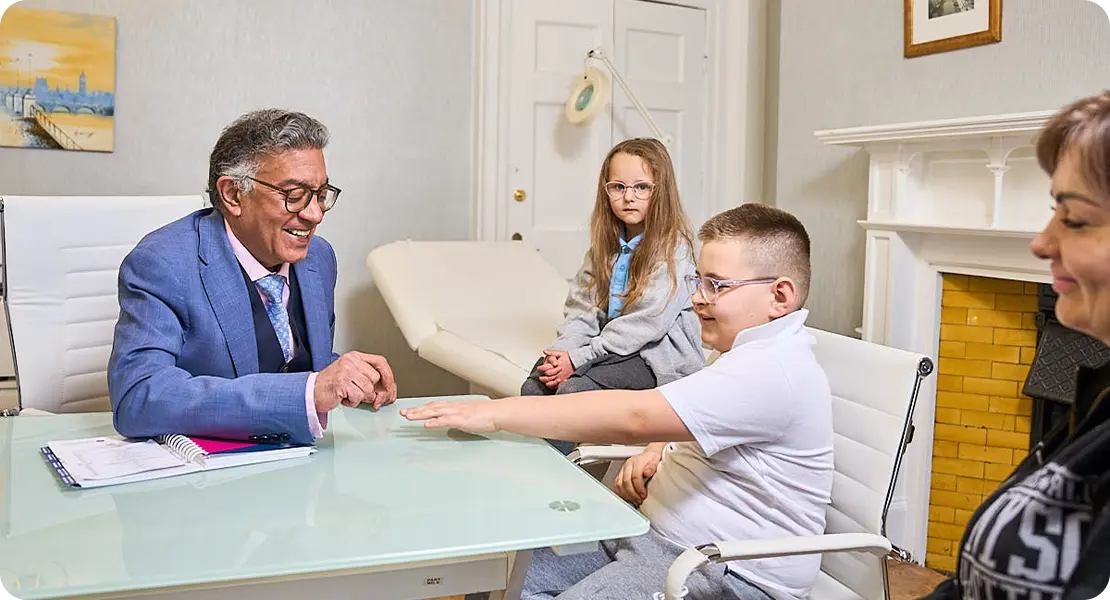
Finding out that your child has vitiligo can feel overwhelming. You may worry about how the patches will spread, whether the condition can be controlled, and how it might affect your child’s confidence as they grow. It’s natural to want clear answers and reassurance, especially when you’re trying to balance treatment, emotional wellbeing and everyday family life.
The good news is that childhood vitiligo is manageable, and there are safe, effective treatments tailored specifically for younger patients. Dermatologists understand how differently children respond to treatment, how important gentle care is, and how to support families through every stage of the journey. While vitiligo is a long-term condition, early assessment and the right guidance can make a huge difference in slowing progression and improving pigmentation.
In this guide, I’ll walk you through the main treatment options for children, how doctors monitor the condition, what to expect during follow-up, lifestyle adjustments that can help, and how to support your child emotionally. If you’re feeling uncertain, this information will help you feel calmer, more informed and more confident about the next steps.
Understanding Childhood Vitiligo
Childhood vitiligo develops when melanocytes the pigment-producing skin cells stop working or are destroyed. It can appear suddenly or progress gradually, often beginning as small pale patches or lighter areas around the eyes, mouth or places where the skin experiences friction. Some children develop the condition before the age of ten, and while it may spread quickly in some cases, others experience long periods of stability.
Children are also more emotionally sensitive to visible skin changes, which makes reassurance and early support important. The good news is that they often respond very well to treatment, especially when managed early. Understanding how vitiligo behaves in your child makes it easier to work with your dermatologist and choose the most effective treatment plan.
Why Early Assessment Is Important
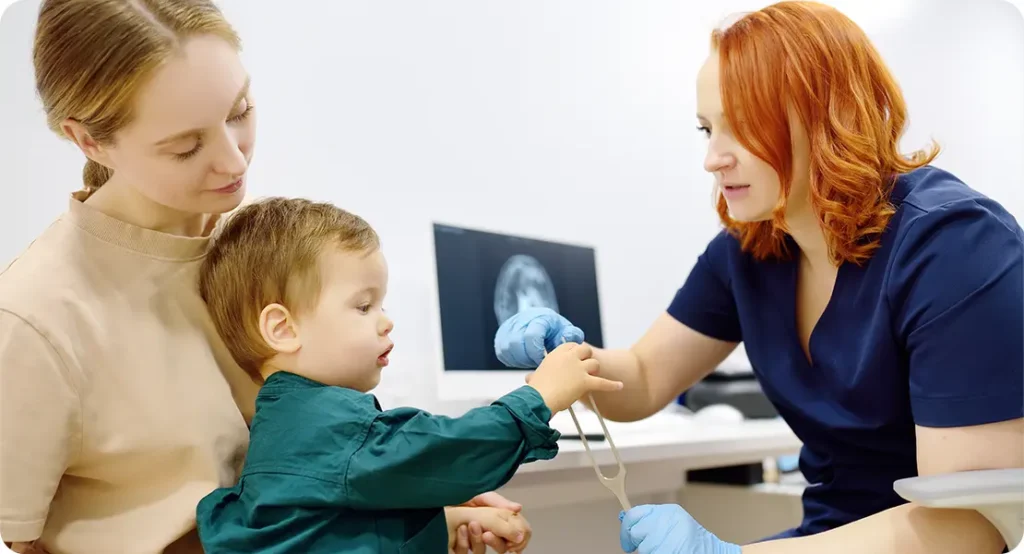
Early assessment is important because lighter patches on a child’s skin are often mistaken for dryness, fungal infection or irritation. Getting the right diagnosis early opens up more treatment options and increases the chances of successful repigmentation. It also helps parents understand how quickly the condition is changing and whether any triggers such as friction or inflammation may be contributing.
A dermatologist can usually identify vitiligo just by examining the skin, but a Wood’s lamp is often used to confirm how widespread or deep the pigment loss is. Early evaluation not only ensures accuracy but also allows the development of a personalised treatment plan before patches have time to spread.
Types of Vitiligo in Children
Understanding which type of vitiligo your child has can help guide treatment decisions, predict how the condition may behave, and determine how closely their skin should be monitored over time. Each type has its own pattern, pace and likelihood of spreading, which is why dermatologists classify it carefully during diagnosis.
Common Types:
Segmental vitiligo: Affects one area or one side of the body, such as one arm or one side of the face. It usually appears suddenly, progresses for a short period, and then becomes stable. Because it behaves more predictably, treatment can often be more focused.
Non-segmental vitiligo: The most common type in children. It develops on both sides of the body in a symmetrical pattern often on the face, hands, knees, or around body openings. This type has a higher chance of spreading, so early and consistent treatment is important.
Focal vitiligo: Confined to a small, isolated patch. It may remain unchanged for years, making it one of the more stable forms. However, some cases later evolve into non-segmental vitiligo, so regular check-ups are helpful.
Trichrome vitiligo: Shows three colour zones: normal skin, a lighter intermediate shade, and fully depigmented skin. This pattern can indicate active progression, so children with trichrome vitiligo may benefit from closer monitoring.
Common Triggers in Childhood Vitiligo
Common triggers in childhood vitiligo don’t cause the condition, but they can contribute to flare-ups or spreading. Factors like friction from clothing or backpacks, minor injuries, sunburn and emotional stress can irritate the skin and create new lighter patches. Children with eczema or very dry skin may also experience more inflammation, which can worsen depigmentation.
By identifying and minimising these triggers, parents can help reduce the likelihood of new spots forming and support more stable skin while treatment is underway.
Safe Treatment Options for Children

Safe treatment options for children focus on gentle, well-studied methods that balance effectiveness with comfort. Dermatologists often start with topical therapies such as mild corticosteroids or calcineurin inhibitors, which help calm the immune response and encourage repigmentation. Light-based treatments like narrowband UVB are also widely used in paediatric cases because they are safe, painless and suitable for both localised and more widespread vitiligo.
The exact plan depends on your child’s age, skin sensitivity and where the patches appear, and may include a combination of treatments for the best results. Your dermatologist will tailor the approach to ensure it is effective while keeping side effects minimal.
Topical Treatments for Children
Topical therapy is usually the first step in treatment. These are safe, widely used and appropriate for most age groups.
1. Topical Corticosteroids – Topical corticosteroids are often prescribed for childhood vitiligo because they help calm immune activity, support melanocyte recovery and reduce early patch expansion, with dermatologists typically using mild-to-moderate strengths in short cycles to protect delicate skin.
2. Topical Calcineurin Inhibitors (Tacrolimus / Pimecrolimus): Topical calcineurin inhibitors such as tacrolimus or pimecrolimus are widely used in paediatric dermatology because they are safe for long-term use, ideal for younger children, effective for facial vitiligo and suitable for sensitive areas like the face, neck and skin folds, where they help improve pigmentation gradually without thinning the skin.
3. Vitamin D Analogues: Vitamin D analogues are gentle, well-tolerated creams used to help regulate skin cell turnover and calm immune activity, and dermatologists often recommend them for mild or stable vitiligo, for children who are sensitive to steroids, or as part of a combination treatment plan.
Light-Based Treatments for Children
Light-based therapies can play a major role in childhood vitiligo, especially when creams alone aren’t giving enough improvement. These treatments are gentle, safe and often very effective in children, who typically respond faster than adults. They work by calming the immune response and encouraging melanocytes to restart pigment production.
1. Narrowband UVB Phototherapy: Narrowband UVB is the most widely used light treatment for childhood vitiligo because it’s safe, well-researched and highly effective, especially on the face and trunk. It can help stabilise active vitiligo and encourages strong repigmentation, making it suitable for most ages. Treatment may be delivered in a clinic or at home using specialist-approved phototherapy units.
2. Targeted Excimer Light: Excimer light (308 nm) focuses on individual patches rather than exposing the whole body, which makes it ideal for small, stubborn or early lesions. It reduces overall UV exposure, works well for children with limited vitiligo and is quick, painless and easy to tolerate.
Surgical Options Rarely Used in Children
Surgical treatments are rarely used in children because they require long-term stability of vitiligo and involve delicate grafting techniques. Most younger children are better suited to topical or light-based therapies, which are safer and highly effective for early or active patches. In teenagers with segmental vitiligo that has remained stable for a long time, surgery may be considered, but only after careful evaluation.
Possible surgical techniques include melanocyte transplantation, skin grafting and suction blister grafting. These options are reserved for very specific cases where medical therapy hasn’t worked, and they are always performed by highly experienced dermatology teams to ensure safety and the best cosmetic results.
How Dermatologists Monitor Progression in Children
Dermatologists closely monitor childhood vitiligo to understand how the condition is changing and how well treatments are working. They check for new patches, early signs of spread and how existing areas are responding to creams or light therapy. Follow-ups also help ensure there are no reactions to medication and that your child is coping well emotionally.
Progress is often tracked using photos, skin exams and, when needed, assessments for rare associated autoimmune conditions. By reviewing these factors regularly, doctors can fine-tune the treatment plan early, preventing patches from widening or becoming more noticeable.
How Long Treatment Takes to Show Results
Vitiligo treatment takes time, and progress can vary from child to child. The good news is that children often respond more quickly than adults because their skin cells are more active and capable of faster regeneration. Most treatments whether creams, light therapy or combination plans work by gradually awakening pigment-producing cells rather than creating instant colour.
Typical Timeline:
Early treatment response: 4–8 weeks – You may notice small freckle-like spots of pigment or a slight darkening at the edges of patches. This is a positive sign that the skin is responding.
Visible repigmentation: 2–4 months – Colour begins to fill in more consistently. Some areas, especially the face, tend to repigment faster than hands, feet or bony areas.
Strong results: 6–12 months – With steady treatment, patches often shrink, blend or regain significant colour. Many children achieve their best improvements during this period.
Maintenance required: varies – Once repigmentation is achieved, some children need occasional top-up treatments to maintain results and prevent new patches.
Lifestyle Considerations for Families
Vitiligo management isn’t just about medical treatment daily habits can help support healthier skin and reduce triggers.
1. Sun Protection for Children Single Paragraph
Sunburn can worsen vitiligo, but gentle, controlled sun exposure may also support repigmentation. Using a broad-spectrum SPF 50, reapplying it during outdoor play and avoiding midday sun helps protect sensitive skin, while occasional supervised low-level sunlight may be recommended by your dermatologist to encourage pigment return.
2. Gentle Skincare Routine Single Paragraph
Because children’s skin is delicate, harsh products can easily trigger irritation, so it’s best to use fragrance-free moisturisers, gentle cleansers and avoid exfoliating scrubs, while keeping the skin well-hydrated to maintain a healthy barrier and improve overall skin resilience.
3. Avoiding Friction on Affected Areas Single Paragraph
Friction can trigger new vitiligo patches through the Koebner phenomenon, which is why soft fabrics, avoiding tight straps or rough clothing, adjusting sports gear and removing labels that rub can help protect the skin and prevent new areas from developing.
4. Balanced Diet and General Wellbeing Single Paragraph
Although diet does not cause vitiligo, good nutrition supports immune balance and overall skin health, so including fresh fruits, vegetables, antioxidant-rich foods and plenty of hydration helps strengthen general wellbeing and supports the skin’s natural resilience.
Supporting Your Child Emotionally
Vitiligo can affect confidence, especially as children begin school or become more aware of their appearance. How you talk about the condition and the reassurance you provide plays an essential role.
1. Honest, Age-Appropriate Conversations
Children notice more than we realise, so gentle, age-appropriate explanations help reduce fear and reassure them that vitiligo is not contagious, it doesn’t hurt, many people have it, and they are not alone. Using simple, clear language is the most effective way to help them understand the condition.
2. Confidence-Building Habits
Children learn how to respond to their vitiligo by watching their parents, so praising strengths unrelated to appearance, encouraging hobbies that build confidence, celebrating treatment progress, and normalising the condition in daily life all help boost self-esteem and create a positive mindset over time.
3. Handling Questions From Others
Peers may ask about vitiligo, so preparing your child with simple, empowering responses such as “It’s just a skin condition I was born with,” “It doesn’t hurt,” or “It’s just part of me” helps them feel more in control and builds self-assurance. Practising these responses beforehand increases confidence in social situations.
4. School and Social Support
Schools are generally understanding when informed, so explaining vitiligo briefly to staff, discussing sun protection needs, asking teachers to encourage inclusion, and notifying them of any emotional changes ensures your child has a supportive environment at school, fostering both social and emotional wellbeing.
5. When to Consider Professional Emotional Support
Some children, especially adolescents, may struggle more deeply with vitiligo, showing signs such as withdrawing from friends, reluctance to attend school, increased anxiety, low mood, or excessive self-consciousness. In these cases, a counsellor familiar with chronic conditions can help build resilience and provide emotional support.
Helping Siblings Understand Vitiligo
Helping siblings understand vitiligo is important because they may feel confused, jealous of attention, or protective. Including them in age-appropriate conversations helps them process their feelings and reduces misunderstandings.
Simple ways to involve siblings include explaining vitiligo in simple terms, encouraging empathy, allowing them to ask questions, and teaching them how to support their brother or sister. This approach promotes stronger family bonds and a more supportive home environment.
Frequently Asked Questions:
1. Is vitiligo contagious in children?
Vitiligo is not contagious, so your child cannot pass it on to other children or family members. It develops due to the loss of pigment-producing cells called melanocytes and is influenced by genetic and autoimmune factors, not by germs or contact with affected skin. Understanding this can help both parents and children feel reassured and reduce unnecessary social anxiety.
2. Will my child’s vitiligo get worse over time?
The progression of vitiligo varies greatly between children. Some experience rapid spread of patches over months, while others have long periods of stability. Early assessment and treatment can slow progression, and regular monitoring helps identify any new areas early so that interventions can be started promptly, giving the best chance of maintaining healthy skin coverage.
3. Are topical creams safe for young children?
Topical therapies such as mild corticosteroids or calcineurin inhibitors are generally considered safe for children when used under the guidance of a dermatologist. These treatments are applied carefully in controlled doses and for limited periods to minimise side effects. Your dermatologist will tailor the type and strength of the cream to your child’s age, skin sensitivity, and the area of skin affected to ensure both safety and effectiveness.
4. How effective is light therapy for children with vitiligo?
Light-based treatments like narrowband UVB or targeted excimer therapy are very effective for many children. Because children’s skin cells regenerate quickly, repigmentation often occurs faster than in adults. The therapy works gradually to stimulate melanocytes and can be applied to specific patches or over broader areas, depending on the severity and location of the vitiligo.
5. Can diet or nutrition improve vitiligo?
While diet does not cause or cure vitiligo, maintaining a balanced and nutritious diet can support overall immune health and skin resilience. Eating a variety of fruits, vegetables, and antioxidant-rich foods helps children stay healthy, which may indirectly support skin recovery and prevent additional stress on their system, although it does not replace medical treatment.
6. When should I consider surgical options for my child?
Surgical treatments for vitiligo are rarely used in children because they require the condition to be stable for a long period. These procedures, such as melanocyte transplantation or skin grafting, are usually reserved for older children or teenagers whose vitiligo has not responded to topical or light-based therapies. Any surgical intervention should only be considered after careful evaluation by an experienced dermatology team.
7. How often should my child see a dermatologist?
Regular follow-ups depend on the type and activity of vitiligo. Children with rapidly changing patches may need appointments every few weeks, while those with stable areas may require less frequent monitoring. During visits, the dermatologist will assess the response to treatment, check for any side effects, and provide guidance on maintaining skin health and emotional wellbeing.
8. How can I help my child cope emotionally with vitiligo?
Supporting your child’s emotional health is just as important as treating the skin. Honest, age-appropriate conversations help them understand the condition without fear. Encouraging confidence-building activities, praising achievements unrelated to appearance, and preparing your child for questions from peers can foster self-esteem. If your child struggles with anxiety or low mood, professional support from a counsellor experienced in chronic conditions may be beneficial.
9. Do siblings need special guidance regarding vitiligo?
Siblings may experience confusion, jealousy, or concern when a child has vitiligo. Including them in simple, age-appropriate discussions about the condition helps them understand it and promotes empathy. Encouraging questions and teaching ways to offer support can strengthen family bonds and create a more positive home environment for everyone.
10. Can vitiligo in children be completely cured?
Currently, there is no cure for vitiligo, but treatment can effectively restore pigment and slow the spread of patches. Early intervention and consistent therapy often produce significant improvements, especially in children whose skin responds well to topical or light-based treatments. With careful management, children can maintain good skin appearance, prevent new patches from forming, and lead confident, active lives.
Final Thought: Supporting Your Child Through Vitiligo Treatment
Managing vitiligo in children can feel daunting at first, but with early assessment, safe treatment options, and ongoing support, it is entirely possible to slow progression and achieve meaningful repigmentation. Combining topical therapies, light-based treatments, and practical lifestyle adjustments helps protect your child’s skin while promoting healthy pigmentation. Emotional support both at home and at school is equally important to help your child feel confident and resilient as they grow.
If you’re considering a vitiligo treatment clinic in London, you can get in touch with us at London Dermatology Centre. Our team of specialists provides personalised care for children and families, ensuring treatments are safe, effective, and tailored to your child’s unique needs.
References:
1. Tissera, K. A., Hawryluk, E. B. & Garza‑Mayers, A. C. (2025) ‘A Retrospective Comparison of Narrowband‑UVB Phototherapy in Pediatric Versus Adult Vitiligo’, Children, 12(4), 466. https://www.mdpi.com/2227-9067/12/4/466
2. Dogra, S. (2005) ‘Narrow‑band UVB for the treatment of generalized vitiligo in children’, Clinical and Experimental Dermatology, 30(4), pp. 332–336. https://academic.oup.com/ced/article-abstract/30/4/332/6627083
3. Taïeb, A. & Picardo, M. (2025) ‘Efficacy of Topical Calcineurin Inhibitor Therapy for Childhood Vitiligo: A Systematic Review and Meta‑Analysis’. https://www.sciencedirect.com/science/article/pii/S0365059625001722
4. Li, G. et al. (2004) ‘Tacrolimus ointment promotes repigmentation of vitiligo in children: A review of 57 cases’. https://www.sciencedirect.com/science/article/abs/pii/S0190962204015774 5. Papadopoulos, L. S. & (others) (2015) ‘Narrowband Ultraviolet B (NB‑UVB) therapy in childhood vitiligo: results in 28 patients’. https://pubmed.ncbi.nlm.nih.gov/22329609/