


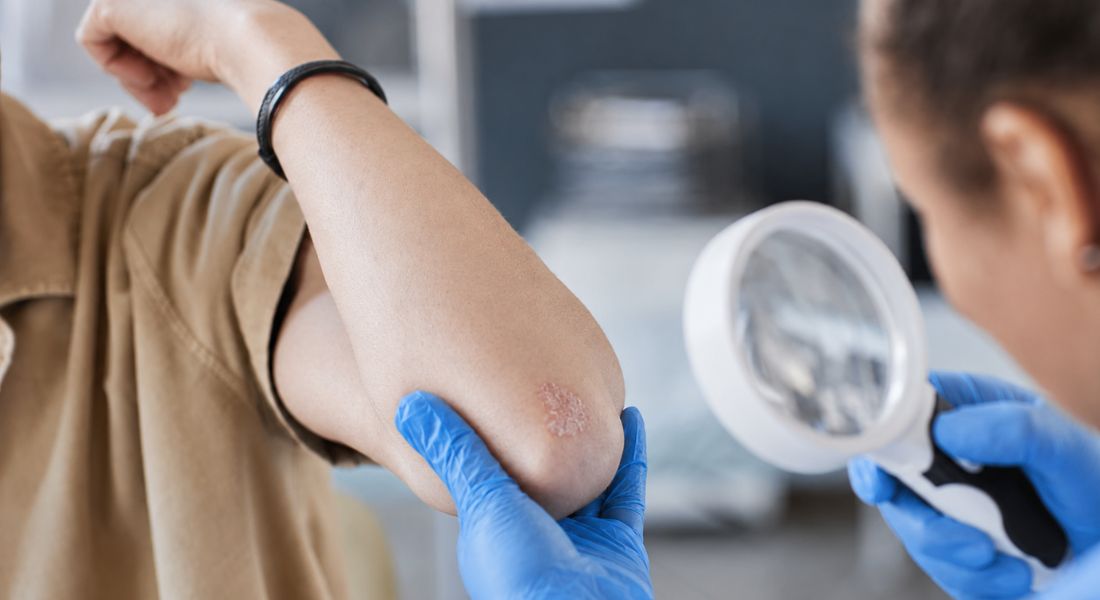
Plaque psoriasis is a long-term inflammatory skin condition that affects millions of people worldwide. If you have psoriasis, you may experience well-defined, scaly patches that can become itchy, painful, and uncomfortable, often affecting your confidence and quality of life. While mild psoriasis can often be managed with topical treatments, moderate-to-severe psoriasis may require more advanced therapies to keep symptoms under control.
Over the past two decades, biologic medicines have transformed the way psoriasis is treated by targeting the immune pathways involved in ongoing inflammation. If conventional treatments have not provided the results you need, biologic therapies may offer better skin clearance and longer-lasting symptom control. These advances have helped many people achieve improvements that were once difficult to obtain.
One of the most important breakthroughs in psoriasis research came from the VOYAGE 1 clinical trial. This landmark Phase III study showed that guselkumab was highly effective in treating moderate-to-severe plaque psoriasis and provided strong evidence for a new generation of targeted biologic therapies. In this article, you will learn how the VOYAGE 1 study was designed, what researchers discovered, and why its findings continue to influence psoriasis treatment around the world.
Understanding Plaque Psoriasis
Plaque psoriasis is the most common type of psoriasis and develops when your immune system causes skin cells to grow much faster than normal. If you have this condition, the excess skin cells build up on the surface, forming thick, red, scaly patches known as plaques. These patches can become itchy, sore, and sometimes crack or bleed, making everyday activities uncomfortable.
Plaques most commonly appear on your elbows, knees, scalp, and lower back, although they can develop anywhere on your body. You may find that your symptoms improve for a while before returning during flare-ups, and the severity can vary from person to person. Because psoriasis is a long-term condition, ongoing management is often needed to keep symptoms under control.
Over the years, researchers have gained a much better understanding of the immune processes that drive plaque psoriasis. This has led to the development of targeted treatments that target key inflammatory pathways involved in psoriasis rather than simply treating the visible skin changes. As a result, you now have access to more effective therapies that can provide better skin clearance and improve your quality of life.
Why Better Treatments Were Needed
Before biologic medicines became widely available, psoriasis was mainly treated with topical creams, phototherapy, and traditional systemic medications. If you had moderate-to-severe plaque psoriasis, these treatments could help control your symptoms, but they did not always provide the level of skin clearance or long-term control you were hoping for. Some treatments also had limitations that made them less suitable for prolonged use.
Many people continued to experience persistent plaques, frequent flare-ups, or side effects despite following their prescribed treatment plan. If you were living with severe psoriasis, you may have found that your condition continued to affect your daily activities, confidence, and overall quality of life. This highlighted the need for treatments that could target specific immune pathways involved in the disease.
Researchers therefore focused on developing medicines that specifically target the immune pathways involved in psoriasis. This approach led to major advances in biologic therapy, giving you access to more precise treatments that can deliver higher levels of skin clearance and better long-term disease control than many conventional therapies.
What Is Guselkumab?
Guselkumab is a biologic medicine that has been developed to target one of the key immune pathways involved in plaque psoriasis. If you have moderate-to-severe psoriasis, this treatment works by Guselkumab is a monoclonal antibody that selectively targets interleukin-23, or IL-23, an important cytokine involved in inflammatory and immune signalling in plaque psoriasis. By preventing IL-23 from interacting with its receptor, guselkumab reduces downstream inflammatory signaling an immune protein that plays a central role in triggering inflammation and the rapid growth of skin cells. By targeting IL-23, guselkumab targets an important inflammatory pathway involved in the condition rather than simply treating its symptoms.
When the activity of IL-23 is reduced, inflammation in your skin decreases and the excessive production of skin cells begins to slow down. This can help you achieve clearer skin, reduce the thickness of psoriasis plaques, and lower the frequency of flare-ups over time. Many people also experience improvements in comfort, confidence, and overall quality of life as their symptoms become better controlled.
What makes guselkumab different from many older psoriasis treatments is its highly targeted mechanism of action. Instead of broadly suppressing your immune system, it focuses on a specific pathway involved in psoriasis, making treatment more precise. This targeted approach has helped change the way doctors manage moderate-to-severe plaque psoriasis and has provided an additional targeted treatment option for suitable patients
Purpose of the VOYAGE 1 Study
The VOYAGE 1 study was designed to evaluate whether guselkumab could provide a safe and effective treatment for adults with moderate-to-severe plaque psoriasis. If you have psoriasis that has not responded well to conventional treatments, the trial aimed to determine whether this targeted biologic therapy could offer better long-term control of your symptoms. Researchers wanted to generate strong clinical evidence to support its use in everyday practice.
One of the main goals of the study was to find out whether guselkumab could achieve higher levels of skin clearance than existing treatment options while maintaining a favourable safety profile. Researchers also assessed how well the medicine reduced inflammation, improved psoriasis symptoms, and enhanced your overall quality of life. These outcomes were important because plaque psoriasis can have a significant physical and emotional impact.
The VOYAGE 1 trial went on to become one of the most influential studies in modern psoriasis research. Its findings helped doctors better understand the benefits of targeting the IL-23 pathway and provided the evidence needed to support guselkumab as a leading treatment option for people like you with moderate-to-severe plaque psoriasis.
Phase III Clinical Trial Design
The VOYAGE 1 study was a large international Phase III clinical trial designed to evaluate the effectiveness and safety of guselkumab for moderate-to-severe plaque psoriasis. Its randomised, double-blind design helped reduce bias and provided reliable evidence about treatment outcomes.
- Randomised Study Design: Participants were randomly assigned to receive guselkumab, adalimumab or placebo according to the VOYAGE 1 study protocol.
- Double-Blind Approach: Neither participants nor researchers knew the assigned treatment during the blinded phase, helping ensure fair comparisons.
- Standardised Assessments: Researchers used clinical measurements to track psoriasis severity and treatment response over time.
- International Trial Setting: The study was conducted across multiple clinical centres, supporting evaluation across a multinational trial population.
Overall, the VOYAGE 1 trial provided strong evidence about the effectiveness of guselkumab in treating moderate-to-severe plaque psoriasis. Its careful design allowed researchers to compare treatments accurately and measure outcomes consistently. These findings have helped guide modern psoriasis treatment decisions and personalised care approaches.
Who Participated in the Study?
The VOYAGE 1 study included adults with moderate-to-severe plaque psoriasis who met specific eligibility criteria. If you had psoriasis affecting a large area of your body or symptoms that could not be adequately controlled with topical treatments alone, you may have been eligible to take part. The study focused on people who required systemic treatment or phototherapy because of the severity of their condition.
Participants represented a broad range of people with moderate-to-severe plaque psoriasis, helping researchers understand how guselkumab performed across different patient groups. By including individuals with varying disease characteristics, the trial produced findings that are more relevant to people like you who may be considering biologic therapy. This approach strengthened the quality and reliability of the research.
The multinational trial population strengthened the evidence base, although clinical-trial findings should still be interpreted in the context of the study eligibility criteria. As a result, you and your dermatologist can have greater confidence that the benefits observed in the trial are likely to apply to many people living with moderate-to-severe plaque psoriasis.
Measuring Treatment Success
To understand how well guselkumab worked, researchers used internationally recognised scoring systems to measure improvements in psoriasis throughout the VOYAGE 1 study. If you had taken part in the trial, your progress would have been assessed using the Psoriasis Area and Severity Index (PASI)and the Investigator’s Global Assessment (IGA). These tools measure the severity of psoriasis and the extent of skin clearance in a consistent and reliable way.
The PASI score helped researchers evaluate changes in the size, thickness, redness, and scaling of your psoriasis plaques, while the IGA measured how clear your skin became during treatment. By using these validated assessment methods, researchers could accurately track your response to guselkumab over time. This ensured that improvements were measured using recognised clinical standards.
These objective scoring systems also allowed researchers to compare the results fairly between people receiving guselkumab, the active comparator, and the placebo. Because the same methods were used for every participant, you can have greater confidence that the study findings accurately reflect the treatment’s effectiveness.
Clinical Insight: What Do PASI 75, PASI 90 and PASI 100 Mean?
| Measure | Meaning |
| PASI 75 | At least 75% improvement from baseline PASI |
| PASI 90 | At least 90% improvement |
| PASI 100 | Complete PASI improvement from baseline |
In VOYAGE 1, PASI 90 was one of the co-primary efficacy endpoints at week 16. At that point, PASI 100 was achieved by 37.4% of patients receiving guselkumab compared with 0.6% receiving placebo and 17.1% receiving adalimumab.
Skin Clearance Results
The VOYAGE 1 study showed that guselkumab achieved high levels of skin clearance in people with moderate-to-severe plaque psoriasis. If you have psoriasis, these findings suggest that this targeted biologic treatment can significantly reduce the severity of your symptoms and help you achieve much clearer skin. Many participants experienced noticeable improvements during the course of the study.
Compared with the other treatment groups, a significantly higher number of people receiving guselkumab achieved substantial reductions in psoriasis severity. You may begin to notice improvements within the first few months of treatment, with many participants continuing to experience better skin clearance over time. These consistent results highlighted the effectiveness of targeting the IL-23 pathway.
The success of the VOYAGE 1 study marked an important breakthrough in psoriasis care. By demonstrating that high levels of skin clearance were achievable for many people, the study changed expectations for treatment and supported guselkumab as an important additional treatment option for managing moderate-to-severe plaque psoriasis.
Improvement in Quality of Life

Plaque psoriasis can affect much more than the appearance of your skin. If you are living with the condition, you may experience reduced confidence, emotional stress, disrupted daily activities, and challenges at work or in your personal relationships. The physical discomfort and visibility of psoriasis can have a significant impact on your overall quality of life.
Patient-reported outcome analyses from the VOYAGE programme found meaningful improvements in quality of life and psoriasis symptoms among guselkumab-treated participants. As your psoriasis becomes better controlled, you may feel more comfortable carrying out everyday activities, sleeping better, and taking part in social situations with greater confidence. These benefits extended beyond simply reducing visible plaques.
The findings showed that effective psoriasis treatment can improve both your physical symptoms and your emotional wellbeing. By helping you achieve better disease control, guselkumab may allow you to enjoy a more active lifestyle, greater self-confidence, and an overall improvement in your day-to-day life.
Long-Term Evidence Note
The original controlled VOYAGE 1 comparison reported outcomes through one year, but subsequent follow-up from the VOYAGE programme has provided longer-term evidence.
At three years, high levels of response remained evident among patients continuing guselkumab. In VOYAGE 1, 82.8% achieved PASI 90 and 50.8% achieved PASI 100 in the reported three-year analysis.
Longer-term follow-up through five years also supported sustained clinical response and quality-of-life improvement for many patients continuing treatment. In global VOYAGE analyses, approximately 84% of guselkumab-treated patients in VOYAGE 1 achieved PASI 90 at week 252.
However, these later findings should not be interpreted as a continuing five-year randomised comparison between guselkumab, placebo and adalimumab. The placebo group crossed to active treatment, and direct treatment comparisons were not possible after week 52.
For you as a patient, the long-term evidence suggests that many patients continuing guselkumab can maintain substantial clinical responses over time, although individual outcomes vary. but your own treatment response still requires regular individual review.
UK Clinical Practice Note
In current UK practice, guselkumab is not automatically offered to every person with plaque psoriasis.
NICE recommends guselkumab as an NHS treatment option for adults with severe plaque psoriasis when:
- PASI is 10 or higher and DLQI is above 10;
- conventional systemic treatments and phototherapy have not provided an adequate response, or these treatments are contraindicated or not tolerated; and
- the relevant commercial arrangement is followed.
NICE also recommends assessing treatment response at 16 weeks. Treatment should be stopped if there has not been an adequate response, defined as either PASI 75 or PASI 50 together with a five-point reduction in DLQI.
Importantly, NICE advises healthcare professionals to consider how skin colour may affect PASI assessment and make appropriate clinical adjustments. It also advises consideration of factors that may affect completion or interpretation of the DLQI.
For patients, this means biologic treatment decisions involve more than psoriasis appearance alone. Disease severity, quality-of-life impact, previous treatment, contraindications and individual circumstances are considered together.
Clinical Safety Note
Guselkumab has a well-characterised safety profile, but describing it simply as having mostly mild or moderate side effects is not enough for patient education.
Before treatment, patients should be assessed for tuberculosis infection. Guselkumab should not be started when a clinically important active infection is present, and patients should seek medical advice if they develop symptoms of a significant infection during treatment.
Current UK product information also advises considering completion of appropriate immunisations before treatment. Live vaccines should not be given concurrently with guselkumab.
Commonly recognised adverse reactions include respiratory tract infections, headache, diarrhoea, rash, joint pain and injection-site reactions. Rare serious hypersensitivity reactions, including anaphylaxis, have also been reported.
For you as a patient, these safety considerations mean that treatment should be selected and monitored by a clinician experienced in systemic psoriasis therapy.
Long-Term Disease Control
One of the most important features of the VOYAGE 1 study was its assessment of how well guselkumab performed over the long term. If you have moderate-to-severe plaque psoriasis, long-lasting symptom control is just as important as achieving initial skin clearance. The study therefore looked at whether the benefits of treatment could be maintained over an extended period.
Many people who continued receiving guselkumab maintained high levels of skin clearance throughout the follow-up period. As you remain on treatment under the guidance of your dermatologist, you may continue to experience fewer flare-ups and more consistent control of your psoriasis. These results showed that the treatment could provide durable benefits for many patients.
Long-term disease management is one of the main goals of modern psoriasis care. By helping you maintain clearer skin over time, guselkumab may reduce the ongoing impact of psoriasis on your daily life and improve your overall quality of life for the long term.
Comparison with Existing Biologic Therapy
One of the key strengths of the VOYAGE 1 study was that it compared guselkumab directly with an established biologic treatment already used for moderate-to-severe plaque psoriasis. If you are considering biologic therapy, this direct comparison gives you a clearer understanding of how guselkumab performs against an existing treatment. It also helps you and your dermatologist make more informed treatment decisions based on strong clinical evidence.
The study showed that participants receiving guselkumab were more likely to achieve higher levels of skin clearance with guselkumab than with the comparator biologic across several important treatment endpoints. You could also experience better overall disease control, with more participants achieving significant improvements in their psoriasis symptoms. These findings demonstrated the effectiveness of targeting the IL-23 pathway in a more precise way.
The results attracted significant attention within the dermatology community and helped redefine expectations for biologic therapy. Because of the strong evidence from VOYAGE 1, you now have access to a treatment that has changed the standard of care and may help you achieve clearer skin and better long-term control of your psoriasis.
Safety Findings
Safety was carefully monitored throughout the VOYAGE 1 study to ensure that guselkumab remained both effective and well tolerated. If you are considering this treatment, it is reassuring to know that researchers closely assessed participants for any side effects during every stage of the trial. This careful monitoring helped build a clear understanding of the medicine’s safety profile.
Overall, guselkumab demonstrated a favourable safety profile, with most reported side effects being mild or moderate in severity. If you experienced any adverse effects during the study, they were generally manageable and did not prevent most participants from continuing treatment. These findings gave researchers greater confidence in the medicine’s overall tolerability.
Researchers also continued monitoring participants after the initial study period to evaluate long-term safety. This ongoing follow-up helps you and your dermatologist better understand how guselkumab performs over time and supports its use as a long-term treatment option for moderate-to-severe plaque psoriasis.
Why Targeting IL-23 Matters
The success of guselkumab showed that interleukin-23 (IL-23) plays a central role in the development of plaque psoriasis. If you have moderate-to-severe psoriasis, understanding this pathway helps explain why newer biologic treatments can be so effective. By targeting IL-23, doctors can address one of the main drivers of the inflammation that causes your symptoms.
Unlike older treatments that broadly suppress the immune system, guselkumab focuses on one specific inflammatory pathway involved in psoriasis. This means you receive a more precise treatment that targets a specific inflammatory pathway involved in psoriasis rather than affecting your immune system more widely. As a result, you may achieve better skin clearance while benefiting from a more targeted approach to care.
Targeting IL-23 has become a major focus of modern biologic research and has influenced the development of several newer psoriasis treatments. These advances have helped change the way doctors manage the condition, giving you access to therapies that are designed to provide more effective and long-lasting disease control.
Influence on Psoriasis Treatment Guidelines
The strong clinical evidence from the VOYAGE 1 study has influenced psoriasis treatment guidelines in many countries around the world. If you have moderate-to-severe plaque psoriasis, the recommendations your dermatologist follows today have been shaped in part by the results of this landmark trial. The study provided high-quality evidence that supported the use of targeted IL-23 inhibitor therapy.
Following the publication of the study, dermatologists gained greater confidence in prescribing guselkumab for people who were suitable candidates for biologic treatment. If conventional therapies have not given you the level of skin clearance you need, your specialist may consider an IL-23 inhibitor as an effective treatment option. The trial showed that targeting this specific immune pathway could produce reliable and long-lasting results.
The VOYAGE 1 study helped establish guselkumab as an important treatment for moderate-to-severe plaque psoriasis. Its influence continues today by guiding clinical practice, supporting treatment decisions, and helping you access evidence-based therapies that can improve long-term control of your condition.
Benefits for Patients

For many people living with moderate-to-severe plaque psoriasis, the VOYAGE 1 study offered new hope of achieving clearer skin and better long-term disease control. If you have struggled to manage your psoriasis with previous treatments, the results showed that newer biologic therapies could provide substantial improvements in skin clearance and disease control in many patients. This has changed what you can realistically expect from modern psoriasis treatment.
Higher levels of skin clearance can make a meaningful difference to your everyday life. As your psoriasis improves, you may experience greater physical comfort, increased confidence, and fewer limitations in your daily activities. Although your response to treatment may differ from someone else’s, many participants in the study achieved significant improvements that enhanced their overall wellbeing.
The findings from the VOYAGE 1 trial have raised expectations for psoriasis care around the world. Today, you and your dermatologist have access to stronger clinical evidence and more advanced treatment options, helping you choose a therapy that is better suited to your individual needs and long-term treatment goals.
Ongoing Clinical Research
Researchers continue to study guselkumab through additional clinical trials to better understand its long-term benefits and effectiveness. If you are receiving or considering this treatment, ongoing research helps provide more information about how the medicine performs over time and how it may benefit different people with psoriasis. These studies allow doctors to continue improving treatment approaches.
Current research is exploring areas such as long-term disease control, treatment optimisation, and how guselkumab works in different patient groups. By studying a wider range of people, researchers can understand how you may respond to treatment based on your individual condition and needs. This helps support more personalised psoriasis care in the future.
As evidence continues to grow, our understanding of biologic therapies like guselkumab continues to improve. These ongoing studies are helping you and your dermatologist make more informed decisions about treatment options and long-term management strategies for plaque psoriasis.
Personalised Psoriasis Management
Modern psoriasis treatment is increasingly moving towards a personalised approach that focuses on your individual needs rather than using the same treatment for everyone. If you have psoriasis, factors such as the severity of your symptoms, your medical history, lifestyle, and personal treatment goals can all influence which therapy may work best for you.
By considering these different factors, your dermatologist can create a treatment plan that is better suited to your condition and long-term needs. Personalised care aims to improve treatment effectiveness, reduce unnecessary changes, and help you achieve better control of your psoriasis over time.
Precision medicine continues to develop as researchers learn more about the biological processes behind psoriasis. In the future, you may benefit from even more targeted therapies that are selected based on your specific disease characteristics and expected treatment response.
Factors Considered When Personalising Psoriasis Treatment
| Factor | Why It Matters | What Your Dermatologist May Consider |
| Psoriasis severity | The extent and severity of disease help determine the level of treatment required | Clinical assessment, PASI score and overall disease activity |
| Quality-of-life impact | Psoriasis can affect confidence, relationships, work and everyday activities | How strongly the condition affects your physical, social and emotional wellbeing |
| Previous treatments | Past response can help guide future treatment choices | Whether topical treatments, phototherapy or systemic medicines have worked, failed or caused problems |
| Medical history | Other health conditions can influence whether a treatment is suitable | Your wider health, contraindications and individual safety considerations |
| Treatment response | Different patients can respond differently to the same biologic | Changes in skin severity, symptoms and quality of life over time |
| Lifestyle and practical circumstances | Treatment should be manageable within everyday life | Your routine, ability to attend monitoring appointments and treatment preferences |
| Personal treatment goals | Priorities differ between patients | Desired level of skin clearance, symptom relief and quality-of-life improvement |
| Long-term monitoring needs | Psoriasis is a chronic condition requiring ongoing review | Effectiveness, tolerability, safety and whether the current treatment remains appropriate |
Personalised psoriasis management means that treatment decisions are not based on a single trial result or skin score alone. Your dermatologist considers disease severity, previous treatment, medical history, quality-of-life impact and personal goals when developing and reviewing your treatment plan.
Future Biologic Therapies
The success of guselkumab has encouraged researchers to continue developing new biologic medicines that target the immune pathways involved in psoriasis. If you are living with moderate-to-severe psoriasis, this ongoing research means that more advanced treatment options may become available in the future. These developments aim to provide better symptom control and more personalised care.
Scientists are exploring new therapies that could offer improved effectiveness, longer-lasting results, and greater convenience for people managing psoriasis. By understanding more about the immune processes driving the condition, researchers hope to create treatments that are even more precise and better suited to your individual needs.
Innovation in psoriasis treatment continues to move forward at a continues to evolve. As new biologic therapies are developed, you may benefit from a wider range of options that can help you achieve clearer skin, reduce flare-ups, and improve your long-term quality of life.
Lasting Impact of the VOYAGE 1 Trial
The VOYAGE 1 study is recognised as a landmark clinical trial that has had a significant impact on the treatment of psoriasis. If you have moderate-to-severe psoriasis, the findings from this research highlight how targeted biologic therapies can provide better disease control compared with many traditional treatment approaches.
The study showed that guselkumab could achieve high levels of skin clearance while maintaining an acceptable safety profile for many people. These results helped demonstrate the potential of highly targeted immune therapies and changed expectations around what you can achieve with modern psoriasis treatment.
The influence of the VOYAGE 1 trial continues to shape dermatology practice around the world. As an important milestone in biologic medicine, the study has helped drive further research and the development of newer treatments designed to improve your long-term psoriasis management.
Seeking Specialist Psoriasis Care

If your psoriasis is affecting your daily life or continues to be difficult to control despite treatment, seeking advice from a dermatologist can help you explore more suitable options. A specialist can assess your condition, understand your treatment history, and recommend therapies that are better matched to your individual needs.
Advances in biologic treatments have significantly expanded the options available for people with moderate-to-severe plaque psoriasis. These newer therapies work by targeting specific immune pathways involved in psoriasis, helping you achieve better symptom control and improved skin clearance.
Working closely with your dermatologist allows you to develop a personalised treatment plan based on your symptoms, lifestyle, and long-term goals. With the right support and ongoing monitoring, you can manage psoriasis more effectively and improve your overall quality of life.
Myth vs Fact
| Myth | Fact |
| VOYAGE 1 compared guselkumab only with placebo. | The trial compared guselkumab with both placebo and adalimumab. |
| PASI 90 means that 90% of patients achieved clear skin. | PASI 90 means an individual patient achieved at least 90% improvement in PASI from baseline. |
| Guselkumab cured psoriasis in the trial. | Guselkumab can provide substantial disease control, but psoriasis remains a chronic condition and treatment response varies. |
| One biologic is automatically best for every patient. | Treatment choice depends on disease severity, previous treatment, other health conditions, patient priorities and the relevant treatment pathway. |
| The five-year evidence remained a direct randomised comparison against adalimumab. | Direct comparison was not possible after week 52 because the treatment design changed. |
| Targeted treatment has no effect on the immune system. | Guselkumab selectively affects an important IL-23 immune pathway rather than broadly suppressing multiple immune pathways. |
| Clearer skin is the only meaningful outcome. | Symptoms, difficult treatment sites, quality of life, treatment burden and safety also matter. |
| Anyone with plaque psoriasis can immediately start guselkumab on the NHS. | NICE specifies disease-severity, previous-treatment and response criteria for NHS use. |
Key Takeaways
- VOYAGE 1 randomised 837 adults with moderate-to-severe plaque psoriasis.
- The trial directly compared guselkumab with placebo and adalimumab.
- At week 16, 73.3% of guselkumab-treated participants achieved PASI 90 compared with 2.9% receiving placebo.
- At the same time point, 85.1% receiving guselkumab achieved clear or almost clear skin on IGA compared with 6.9% receiving placebo.
- Guselkumab also produced higher PASI 90 and IGA 0/1 response rates than adalimumab at weeks 16, 24 and 48.
- Long-term VOYAGE follow-up supports durable response for many patients continuing guselkumab, but later analyses were not a continuing randomised comparison against adalimumab.
- Guselkumab targets the IL-23 inflammatory pathway but does not cure psoriasis.
- In the UK, NICE recommends guselkumab for selected adults with severe psoriasis after conventional systemic treatment and phototherapy have failed, are contraindicated or are not tolerated.
- NICE recommends assessing response at 16 weeks using PASI and DLQI criteria.
- Safety assessment includes attention to infection, tuberculosis status and vaccination considerations.
FAQs:
1. What was the VOYAGE 1 study?
The VOYAGE 1 study was a large Phase III clinical trial that evaluated the effectiveness and safety of guselkumab in adults with moderate-to-severe plaque psoriasis. It compared guselkumab with placebo and an established biologic treatment to determine how well it controlled psoriasis.
2. Why is the VOYAGE 1 study important?
The study is considered a landmark in psoriasis research because it demonstrated that guselkumab could achieve high levels of skin clearance while maintaining a favourable safety profile. Its findings helped establish IL-23 inhibitors as an important treatment option for moderate-to-severe plaque psoriasis.
3. What is guselkumab?
Guselkumab is a biologic medicine that selectively targets interleukin-23 (IL-23), an immune protein involved in the inflammation that causes plaque psoriasis. By blocking this pathway, it helps reduce skin inflammation and excessive skin cell production.
4. How does guselkumab work?
Guselkumab works by inhibiting IL-23, a key driver of the immune response in psoriasis. Reducing IL-23 activity helps slow the inflammatory process responsible for the development of thick, scaly plaques.
5. How effective was guselkumab in the VOYAGE 1 trial?
The VOYAGE 1 study showed that many patients treated with guselkumab achieved significantly greater skin clearance than those receiving placebo or the comparator biologic. Many participants experienced substantial improvements within the first few months of treatment.
6. Does guselkumab cure psoriasis?
No. Guselkumab does not cure psoriasis, but it can provide long-term control of the condition and help many patients achieve clearer skin. Continued treatment and regular follow-up are usually required to maintain results.
7. Who may benefit from guselkumab treatment?
Guselkumab may be suitable for adults with moderate-to-severe plaque psoriasis whose condition requires systemic treatment or phototherapy. A dermatologist will assess your symptoms, medical history, and previous treatments before recommending biologic therapy.
8. What did the VOYAGE 1 study show about quality of life?
In addition to improving skin clearance, the study found that many patients experienced better quality of life. Improvements in symptoms often led to increased comfort, confidence, and the ability to carry out daily activities more easily.
9. Is guselkumab safe?
The VOYAGE 1 trial found that guselkumab had a generally favourable safety profile. Most side effects reported during the study were mild to moderate, although all medicines carry potential risks that should be discussed with your dermatologist.
10. How is guselkumab different from older psoriasis treatments?
Older treatments often reduce inflammation more broadly or slow skin cell growth. Guselkumab specifically targets IL-23, making it a more precise treatment that focuses on one of the key immune pathways involved in plaque psoriasis.
Final Thoughts: The Lasting Impact of the VOYAGE 1 Study
The VOYAGE 1 study was an important milestone in the treatment of moderate-to-severe plaque psoriasis. By directly comparing guselkumab with placebo and adalimumab, the trial showed that selective targeting of the IL-23 pathway could produce high levels of skin clearance in many patients.
Longer-term follow-up from the VOYAGE programme also suggests that substantial clinical responses can be maintained for many patients continuing guselkumab treatment, although individual responses vary and later analyses should not be interpreted as a continuing randomised comparison with the original treatment groups.If you would like to book a consultation with one of our Dermatologist in London, you can contact us at the London Dermatology Centre.
References:
- Megna, M., Ruggiero, A., Martora, F., Vallone, Y., Guerrasio, G. and Potestio, L. (2024) ‘Long-term efficacy and safety of guselkumab in psoriasis patients who failed anti-IL17: a two-year real-life study’, Journal of Clinical Medicine, 13(9), p. 2691. Available at: https://www.mdpi.com/2077-0383/13/9/2691
- Dodero-Anillo, J.M., Fernandez-Pujol-Marzo, M., Pedrosa Martinez, M.J., Ruiz-Villaverde, R. and Armario-Hita, J.C. (2026) ‘Efficacy and safety of guselkumab in real-world evidence: a systematic review and meta-analysis’, Journal of Clinical Medicine, 15(10), p. 3692. Available at: https://www.mdpi.com/2077-0383/15/10/3692
- Nakamura, M., Lee, K., Jeon, C., Sekhon, S., Afifi, L., Yan, D., Lee, K. and Bhutani, T. (2017) ‘Guselkumab for the treatment of psoriasis: a review of phase III trials’, Dermatology and Therapy, 7(3), pp. 281–292. Available at: https://pmc.ncbi.nlm.nih.gov/articles/PMC5574739/
- Light, J.G. and Su, J.J. (2021) ‘Clinical utility of guselkumab in the treatment of moderate-to-severe plaque psoriasis’, Clinical, Cosmetic and Investigational Dermatology, 14, pp. 55–63. Available at: https://pmc.ncbi.nlm.nih.gov/articles/PMC7815086/
- Armstrong, A.W. et al. (2019) ‘Improvement in Patient-Reported Outcomes (Dermatology Life Quality Index and the Psoriasis Symptoms and Signs Diary) with Guselkumab in Moderate-to-Severe Plaque Psoriasis: Results from the Phase III VOYAGE 1 and VOYAGE 2 Studies’, American Journal of Clinical Dermatology, 20(1), pp. 155–164. https://pubmed.ncbi.nlm.nih.gov/30417277/