



The World Congress of Dermatology (WCD) is one of the largest and most prestigious dermatology meetings in the world. You’ll often hear that it brings together dermatologists, researchers, and healthcare professionals from many different countries to share the latest scientific advances, treatment innovations, and future directions in skin health. This makes it a key global platform for knowledge exchange.
You’ll notice that acne consistently remains an important topic at the congress because it is one of the most common skin conditions worldwide. It continues to attract strong research interest, with experts presenting new findings, discussing emerging therapies, and exploring future treatment strategies. This helps improve understanding of acne and how it can be managed more effectively for you.
For you as a patient, the acne sessions at the World Congress of Dermatology are particularly significant because they often influence future clinical guidelines and treatment recommendations. You’ll see that many approaches used in dermatology clinics today were first discussed at international meetings like this. Ultimately, the strongest theme is a shift towards more personalised, evidence-based, and patient-centred acne care that aims to improve your outcomes while reducing treatment burden and side effects.
Acne Remains a Global Dermatology Priority
Acne continues to be one of the most frequently discussed conditions at the World Congress of Dermatology. You’ll often hear experts highlight that it remains a global concern, affecting people across different ages, ethnicities, and geographic regions. This makes it a consistent focus in dermatology research and clinical discussions.
You’ll notice that conference sessions frequently explore how acne impacts not just your skin, but also confidence, appearance, and overall quality of life. Researchers place strong emphasis on understanding these wider effects because they play an important role in how treatment success is measured for you. This helps ensure a more complete view of the condition.
This global relevance ensures that acne continues to receive significant scientific attention. You’ll see that it remains a major research priority within dermatology worldwide. Ultimately, this ongoing focus helps improve understanding and leads to better care and treatment options for you.
Understanding Acne Biology Continues to Improve

Many presentations at the World Congress of Dermatology focus on the biological processes involved in acne development. You’ll often hear experts explain how acne is influenced by a combination of internal factors rather than a single cause. This helps build a clearer scientific understanding of the condition for you.
You’ll notice that researchers continue studying key elements such as inflammation, hormonal influences, sebum production, and microbial interactions. By looking at how these processes work together, they can better understand why acne develops and behaves differently in each person. This is important for improving future treatment approaches for you.
Conference discussions frequently focus on how these scientific discoveries can be translated into real clinical treatments. You’ll see that this ongoing research is helping to support more targeted and effective therapies. Ultimately, this remains a key area of study that continues to shape better acne care for you.
Personalised Acne Care Is Becoming More Common
One of the strongest themes emerging from World Congress of Dermatology sessions is the move towards personalised acne treatment. You’ll often hear experts explain that acne is not the same for everyone, and it can vary significantly from one person to another. This is why treatment is becoming more individualised.
You’ll notice that factors such as your age, skin type, acne severity, and hormonal influences are increasingly considered when planning treatment. Instead of using a standard approach for everyone, practitioners are encouraged to tailor therapies based on your specific situation. This helps ensure that your treatment is more relevant and effective.
Conference presentations frequently explore new ways to refine and improve personalised treatment strategies. You’ll see that personalised medicine is now playing a major role in shaping modern acne management. Ultimately, this approach aims to deliver better outcomes by focusing on what works best for you as an individual.
New Topical Therapies Are Being Presented
Topical treatments remain a cornerstone of acne management, and you’ll often see them featured prominently at the World Congress of Dermatology. You’ll notice that researchers are continuously working on improving both the formulations and the delivery systems to make treatments more effective and easier for you to use.
You’ll see that many conference presentations focus on finding the right balance between effectiveness and tolerability. This is important because even the most effective treatment is only useful if it is comfortable and practical for you to continue using. That’s why reducing irritation and improving ease of use are key priorities.
Improving patient adherence is also a major goal in topical therapy development. You’ll often hear that when treatments are easier to follow, outcomes tend to improve significantly for you. Ultimately, innovation in this area continues to move quickly, aiming to make acne care more effective and user-friendly.
Adult Acne Remains an Important Topic
Adult acne continues to be an important focus at international dermatology meetings. You may notice that it is now widely recognised that acne is not limited to adolescence, as many people experience persistent or new-onset acne in adulthood. This has led researchers to explore why it occurs later in life and how it should be managed differently from teenage acne.
- Hormonal influences are frequently discussed: You may find that hormonal changes play a major role in adult acne, especially in women. Fluctuations linked to menstrual cycles, stress, pregnancy, or other hormonal shifts can contribute to ongoing or recurring breakouts.
- Lifestyle factors are being explored more closely: Researchers are also looking at how stress, sleep, diet, and daily routines may influence adult acne. While these factors are not the root cause, they can affect flare frequency and severity in some individuals.
- Age-specific treatment approaches are important: Adult skin can behave differently compared to teenage skin, so treatment often needs to be adjusted. You may be offered more tailored combinations of topical, oral, or procedural treatments depending on your skin’s sensitivity and long-term needs.
- Adult acne is becoming more widely recognised: One important shift is the growing awareness that acne can affect people across a wide age range. This has increased research interest and encouraged more personalised treatment strategies for adult patients.
Overall, adult acne remains a key and evolving area of dermatology. For you, this means treatment is becoming more personalised, taking into account hormonal patterns, lifestyle influences, and how your skin behaves in adulthood. As research continues, management approaches are expected to become even more targeted and effective for long-term control.
Hormonal Acne Research Continues to Expand
Hormonal influences remain a major focus of acne research presented at the World Congress of Dermatology. You’ll often hear experts explain how fluctuations in hormones can significantly contribute to acne development, particularly in specific patient groups. This helps improve your overall understanding of why acne can behave differently from person to person.
You’ll notice that researchers are continuously studying how these hormonal changes influence breakouts and persistence of acne over time. Conference presentations frequently explore treatment approaches that specifically target hormonal pathways. This is especially important when standard treatments do not fully control symptoms for you.
This ongoing research is helping improve understanding of hormonal acne as a distinct and complex subtype. You’ll see that more targeted management strategies continue to develop as knowledge advances. Ultimately, this work is leading to more personalised and effective treatment options for you.
Acne Scarring Prevention Receives Significant Attention
Preventing acne scars remains a key priority for researchers and clinicians at the World Congress of Dermatology. You’ll often hear experts emphasising that early action plays a crucial role in reducing the risk of permanent skin changes. This helps protect your skin before deeper damage can occur.
You’ll notice that congress sessions frequently highlight the importance of controlling inflammation effectively during active acne. Researchers continue to study how timely and appropriate treatment can reduce the chances of long-term scarring for you. This is why early intervention is such an important focus in modern acne care.
Presentations also explore different treatment options for managing established acne scars and improving skin texture. You’ll see that scarring prevention remains a major objective within ongoing acne research. Ultimately, the goal is to help you achieve clearer skin while minimising long-term changes.
Quality of Life Is Increasingly Recognised
Modern acne research increasingly considers the emotional and psychological impact of the condition. You’ll often hear conference speakers explain that acne is not just a skin issue, but something that can affect your confidence, self-esteem, and overall wellbeing. This broader perspective helps improve how the condition is understood.
You’ll notice that discussions frequently focus on how acne can influence your social interactions and daily life, even when it appears mild clinically. Researchers recognise that the visible severity of acne does not always match how much it affects you emotionally. This is why patient experience is becoming such an important part of research.
Patient-reported outcomes are now included more often in conference presentations and clinical studies. You’ll see that this reflects a wider shift towards more patient-centred care in dermatology. Ultimately, the goal is to ensure that your quality of life is considered alongside clinical improvement.
Antibiotic Stewardship Continues to Be Discussed
Responsible antibiotic use remains an important topic at international dermatology meetings. You’ll often hear experts stress that antibiotics should be used carefully to help protect their long-term effectiveness. This is especially relevant in acne treatment, where they are commonly prescribed.
You’ll notice that researchers are exploring ways to reduce antibiotic resistance while still ensuring effective treatment outcomes for you. Conference discussions frequently highlight the importance of evidence-based prescribing and choosing the most appropriate therapy for each case. This helps maintain a balanced and responsible approach to care.
Antibiotic stewardship is increasingly seen as a long-term priority in dermatology. You’ll see that these discussions continue to shape how acne treatments are recommended and used in clinical practice. Ultimately, the goal is to ensure effective treatment for you while protecting future treatment options.
Combination Treatments Remain Popular
Many congress presentations focus on combination therapy approaches in acne management. You’ll often hear experts explain that using more than one treatment can be more effective than relying on a single option. This reflects a more comprehensive approach to managing your acne.
You’ll notice that researchers continue to study how different treatments can work together to improve overall outcomes. These combinations may include topical agents, oral medications, and sometimes procedural interventions, depending on your needs. The aim is to target acne from multiple angles at the same time for better control.
This approach helps address different factors that contribute to acne development simultaneously. You’ll see that combination therapy remains an important part of modern treatment strategies. Ultimately, this helps improve your chances of achieving clearer and more stable skin results.
Acne in Different Skin Types Is Being Studied More Closely
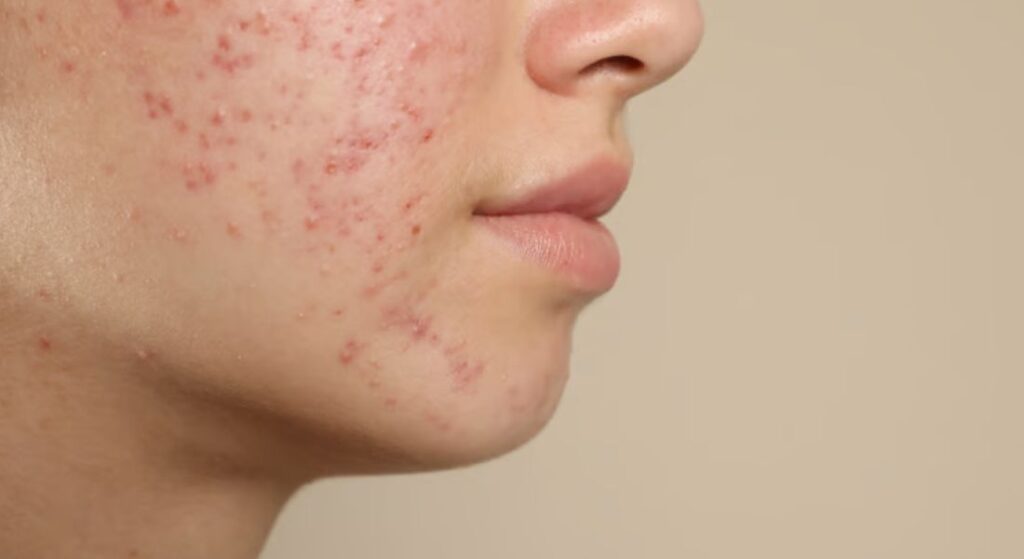
Researchers are increasingly recognising the importance of studying acne across different skin types and populations. You’ll often hear at the World Congress of Dermatology that acne does not present or respond to treatment in exactly the same way for everyone. This helps improve overall understanding of the condition for you.
You’ll notice that presentations frequently explore treatment outcomes and concerns such as pigmentation changes in different skin tones. This is important because certain skin types may be more prone to post-inflammatory marks or uneven healing. By studying these differences, researchers can better tailor treatments to your needs.
This growing focus on diversity is helping improve both inclusivity and treatment effectiveness in acne care. You’ll see that understanding patient-specific challenges leads to more thoughtful clinical decisions. Ultimately, this ensures that your treatment approach is more personalised and suitable for your skin type.
Real-World Evidence Is Becoming More Influential
In addition to clinical trials, you’ll often see researchers presenting real-world treatment data at the World Congress of Dermatology. These studies focus on how therapies actually perform in everyday clinical practice, rather than only under controlled research conditions. This gives a more practical understanding of treatment outcomes for you.
You’ll notice that real-world evidence often includes important insights such as patient satisfaction, adherence to treatment, and long-term effectiveness. This is valuable because it reflects how you experience treatment in real life, not just in study settings. It helps bridge the gap between research findings and day-to-day clinical care.
Conference discussions are increasingly incorporating these real-world findings alongside traditional trial data. You’ll see that this broader perspective helps clinicians make more informed treatment decisions for you. Ultimately, it supports more realistic and effective acne management strategies in practice.
Inflammation Remains a Central Research Focus
Inflammation continues to be recognised as one of the key drivers in acne development. You may notice that modern dermatology research increasingly focuses on what is happening beneath the surface of your skin, rather than only treating visible breakouts. This includes how your immune system responds and how inflammation contributes to the formation and persistence of acne lesions.
- Inflammation is a key driver of acne formation: You may see acne as spots on the surface, but inflammation is often active much earlier in the process. This inflammatory response can lead to redness, swelling, and the development of pimples or deeper lesions.
- Immune responses are closely studied: Researchers frequently examine how your immune system reacts within the skin during acne development. These immune interactions help explain why some people experience more persistent or severe acne than others.
- Inflammatory pathways guide new treatments: A better understanding of these pathways allows scientists to identify more targeted ways of treating acne. Instead of only addressing surface symptoms, treatments can be designed to influence the underlying inflammatory process.
- Many treatment advances come from this research: Several modern acne therapies have been developed as a result of studying inflammation in greater detail. This ongoing research continues to shape more effective and targeted treatment options.
Overall, inflammation remains at the centre of acne research and treatment development. For you, this means future therapies are likely to focus more on controlling the underlying biological processes that drive breakouts. As understanding improves, acne care is becoming more precise, targeted, and effective in the long term.
Early Intervention Is Frequently Highlighted
Many congress speakers consistently stress the importance of treating acne early. You’ll often hear that acting quickly can make a meaningful difference in how your acne develops over time. This helps support better long-term skin health for you.
You’ll notice that prompt management may help reduce inflammation, lower the risk of scarring, and improve overall treatment outcomes. Researchers continue to study how early intervention influences the progression of acne in different patient groups. This is why timing is considered such an important factor in modern acne care.
Conference discussions frequently encourage more proactive treatment strategies rather than waiting for acne to worsen. You’ll see that early treatment remains a key theme in dermatology. Ultimately, this approach is aimed at improving your results and protecting your skin in the long term.
Emerging Technologies Are Being Explored
Technology continues to play an increasingly important role in dermatology research and clinical practice. You’ll often hear that new digital tools are helping improve how acne is diagnosed, monitored, and managed in real-world settings. This reflects a shift towards more modern and connected care for you.
You’ll notice that congress sessions sometimes explore innovations such as digital monitoring tools, teledermatology, and artificial intelligence applications. These technologies may help support your diagnosis, track treatment progress, and improve communication between you and your clinician. This can make acne management more efficient and accessible.
Although many of these innovations are still developing, interest in them continues to grow rapidly. You’ll see that future meetings are expected to include even more technology-focused presentations. Ultimately, these advancements aim to make your treatment journey more precise, convenient, and personalised.
Long-Term Treatment Outcomes Are Receiving More Attention
Researchers are increasingly presenting long-term follow-up studies at the World Congress of Dermatology. You’ll often hear that understanding how acne treatments perform over months or even years is just as important as short-term results. This helps give a more complete picture of treatment effectiveness for you.
You’ll notice that these studies focus on key factors such as safety, durability, and patient satisfaction over extended periods. This type of data is valuable because it shows how stable your results are likely to remain in real-life conditions. It also helps clinicians understand what ongoing care or maintenance may be needed.
Conference discussions frequently highlight the importance of regular monitoring after treatment. You’ll see that this growing body of evidence supports more informed and balanced treatment planning. Ultimately, it helps ensure that your acne care decisions are based on reliable long-term outcomes.
Patient Education Is Becoming More Important
Conference experts are increasingly emphasising the importance of patient education in acne care. You’ll often hear that when you understand your condition, treatment timeline, and what to realistically expect, it can make a big difference to your overall experience. This helps you feel more informed and confident throughout your treatment journey.
You’ll notice that better education is linked to improved treatment adherence and more consistent outcomes. When you clearly understand why a treatment is recommended and how long it may take to work, you’re more likely to follow it properly. This can lead to better and more stable results for you.
Presentations often explore communication strategies that improve patient engagement and understanding. You’ll see that education is now considered a key part of successful acne management. Ultimately, this patient-centred approach helps ensure your care is clearer, more supportive, and more effective.
Future Treatment Targets Are Being Investigated
Future acne treatment targets continue to be an important focus in dermatology research. You may notice that conference discussions are no longer only about current therapies, but also about understanding the deeper biological systems involved in acne development. This helps researchers identify new ways to treat acne more effectively at its source.
- New biological pathways are being explored: You may hear researchers discuss how acne is influenced by multiple interconnected processes, including inflammation, hormones, and immune system activity. Studying these pathways helps identify new potential targets for treatment.
- Emerging therapies aim for greater precision: A major goal of future acne treatments is to act more specifically on the biological mechanisms that cause breakouts. Instead of general approaches, researchers are working towards more targeted and focused therapies.
- Conference discussions highlight future directions: You may see presentations at congresses exploring early-stage research and experimental treatments. These discussions help shape the direction of future innovation, even if the therapies are not yet available in routine clinical practice.
- Not all research becomes clinical treatment: It is important to understand that many potential therapies remain in development and may not reach everyday use. However, they still contribute valuable knowledge that supports progress in acne care.
Overall, the investigation of future treatment targets shows how rapidly acne research is evolving. For you, this means future therapies are likely to become more precise, biologically targeted, and personalised. As research continues, acne management is expected to move towards more effective and tailored long-term solutions.
Global Collaboration Supports Progress

One of the greatest strengths of the World Congress of Dermatology is its international perspective. You’ll often hear that bringing together researchers and clinicians from different countries helps create a much broader understanding of acne and its treatment. This global exchange strengthens the overall quality of research for you.
You’ll notice that experts share findings, compare clinical experiences, and collaborate on future studies during these meetings. This allows them to learn from different patient populations and treatment approaches. It also helps identify what works best across various real-world settings, which can improve care for you.
Many important advances in acne treatment come from this kind of international cooperation. You’ll see that collaboration continues to accelerate scientific progress and innovation in dermatology. Ultimately, this shared knowledge helps improve acne research and treatment outcomes worldwide for you.
The World Congress of Dermatology Continues to Influence Acne Care
The World Congress of Dermatology remains one of the most influential platforms for presenting acne research and treatment advances. You’ll often hear that it brings together researchers and clinicians to explore new therapies, discuss emerging evidence, and examine future directions in acne management. This makes it a key driver of progress in the field for you.
You’ll notice that the overall message from recent congress presentations is that acne care is becoming increasingly personalised, evidence-based, and patient-focused. Advances in understanding the disease, developing new treatments, and improving long-term management are all contributing to better outcomes. This helps ensure your care is guided by the latest scientific knowledge.
FAQs:
1. What is the World Congress of Dermatology (WCD)?
The World Congress of Dermatology is one of the largest international dermatology conferences. It brings together experts from around the world to share the latest research, treatment developments, and clinical insights into skin conditions, including acne.
2. Why is acne discussed so extensively at the World Congress of Dermatology?
Acne affects millions of people worldwide and can have a significant impact on your skin, confidence, and quality of life. This is why it remains a major focus of research and clinical discussion at the congress.
3. What are the main acne treatment trends highlighted at recent WCD meetings?
You’ll often see discussions focusing on personalised treatment plans, improved topical therapies, combination treatments, antibiotic stewardship, and more patient-centred approaches to care.
4. How can personalised acne treatment benefit you?
Personalised treatment takes factors such as your age, skin type, acne severity, and hormonal influences into account. This helps create a treatment plan that is better suited to your individual needs and goals.
5. Is adult acne still an important area of research?
Yes. Researchers continue to study adult acne because it can behave differently from teenage acne. Current research focuses on hormonal influences, lifestyle factors, and treatment strategies designed specifically for adult skin.
6. Why is acne scar prevention considered so important?
Preventing scars is often easier than treating them later. Conference experts frequently emphasise that early and effective acne management can help reduce your risk of developing long-term skin changes.
7. What have researchers learned about inflammation and acne?
You’ll often hear that inflammation plays a central role in acne development. Understanding these inflammatory processes is helping researchers develop more targeted treatments that address acne at its source.
8. Why is responsible antibiotic use important in acne treatment?
Experts encourage careful antibiotic use to help reduce the risk of antibiotic resistance. This helps preserve the effectiveness of these treatments while ensuring you receive appropriate acne care.
9. How could new technology improve acne management?
Emerging technologies such as teledermatology, digital monitoring tools, and artificial intelligence may help improve diagnosis, treatment monitoring, and communication between you and your dermatologist.
10. How do World Congress of Dermatology discussions influence your acne treatment?
Many of the research findings and clinical insights presented at the congress help shape future treatment recommendations and best-practice guidelines. This means your acne care can benefit from the latest scientific advances and evidence-based approaches.
Final Thoughts: The Future of Acne Care Following World Congress of Dermatology Insights
The World Congress of Dermatology continues to demonstrate how rapidly acne research and treatment are advancing. Conference discussions increasingly focus on personalised care, improved understanding of acne biology, and treatment strategies that address both clinical symptoms and quality of life. Rather than relying on a standard approach, experts are working towards more targeted, evidence-based solutions that reflect your individual skin type, hormonal influences, and long-term treatment goals.
Looking ahead, acne management is expected to become even more precise as researchers continue exploring new biological pathways, emerging technologies, and innovative therapies. The growing emphasis on early intervention, scar prevention, patient education, and long-term outcomes reflects a commitment to delivering more effective and patient-centred care. If you’re looking for treatment at a specialist acne clinic in London, you can reach out to us at the London Dermatology Centre to book a consultation with one of our specialists.
References:
1. Wang, X., Wu, Y., Zhao, P., Wang, X., Wu, W. and Yang, J. (2024) The causal relationship between serum metabolites and acne vulgaris: a Mendelian randomization study, Scientific Reports, 14, Article 11045. Available at: https://pmc.ncbi.nlm.nih.gov/articles/PMC11093973/
2. Sivamaruthi, B.S., Kesika, P., Prasanth, M.I., Chaiyasut, C. and Chaiyasut, K. (2020) Novel topical application of a postbiotic, LactoSporin, in mild to moderate acne: a randomized, comparative clinical study to evaluate its efficacy, tolerability and safety, Cosmetics, 7(3), Article 70. Available at: https://www.mdpi.com/2079-9284/7/3/70
3. Arowojolu, A.O., Gallo, M.F., Lopez, L.M. and Grimes, D.A. (2012) Combined oral contraceptive pills for treatment of acne, Cochrane Database of Systematic Reviews, (7). Available at: https://pubmed.ncbi.nlm.nih.gov/22786490/
4. Kwon, H.H., Yoon, J.Y., Hong, J.S., Jung, J.Y., Park, M.S. and Suh, D.H. (2020) Clinical and histological evaluation of acne treatments and skin response, Cosmetics, 7(3), Article 53. Available at: https://www.mdpi.com/2079-9284/7/3/53
5. Lucky, A.W., Henderson, T.A., Olson, W.H., Robisch, D.M., Lebwohl, M. and Swinyer, L.J. (1997) Effectiveness of norgestimate and ethinyl estradiol in treating moderate acne vulgaris, Journal of the American Academy of Dermatology, 37(5), pp. 746–754. Available at: https://pubmed.ncbi.nlm.nih.gov/9366821/