


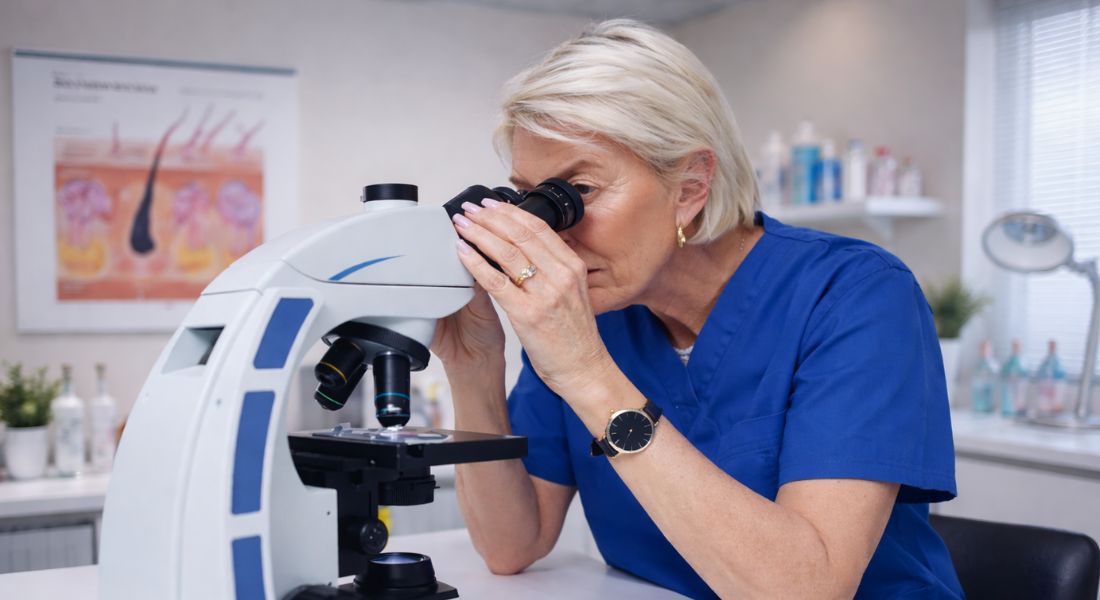
Modern dermatology is evolving rapidly, and many of the treatments used today were once only ideas in a laboratory. Scientific discoveries in genetics, immunology, and skin biology are now transforming how doctors diagnose and treat skin conditions. Translational dermatology is the field responsible for turning those discoveries into real-world treatments.
If you have ever wondered how a new therapy moves from a research paper to a treatment used in a clinic, translational dermatology provides the answer. It bridges the gap between scientific discovery and patient care. This process ensures that promising research eventually benefits people living with skin disease.
In this article, we explore how translational dermatology works and why it is reshaping the future of skin care. We look at how discoveries are made, tested, refined, and eventually introduced into clinical practice. Understanding this journey helps you appreciate how innovation in dermatology reaches patients safely and effectively.
What Is Translational Dermatology?
Translational dermatology is all about turning scientific discoveries into treatments that can actually help patients. Researchers study how your skin works, how different conditions develop, and the genetic or environmental factors that play a role. These insights form the foundation for creating therapies that can make a real difference for you.
The word “translational” comes from the idea of translating lab research into practical clinical applications. Scientists identify targets for treatment based on their findings and then design therapies that can be used in real-life healthcare. For you, this means the latest discoveries can eventually become treatments that improve your skin health.
This approach ensures that breakthroughs in science don’t just stay in the lab. Instead, they are carefully developed into treatments that are safe and effective. Translational dermatology bridges the gap between research and patient care, so you can benefit from scientific progress.
Ultimately, it’s about connecting what we learn about skin in the lab with real-world medical care. By translating knowledge into practical therapies, researchers and clinicians aim to give you better, more personalised treatment options.
The Importance of Laboratory Research
Every medical breakthrough begins with fundamental research. In dermatology, scientists study skin cells, immune responses, and genetic patterns to understand how diseases develop. These studies reveal the biological processes behind conditions such as psoriasis, eczema, and skin cancer.
Laboratory experiments help researchers identify molecules and pathways involved in disease. Once these mechanisms are understood, scientists can design treatments that specifically target them. This targeted approach improves both effectiveness and safety.
Without laboratory research, modern dermatology would lack the scientific foundation needed for innovation. The lab provides the first step in developing therapies that eventually reach patients. It is where new ideas are tested and refined.
From Discovery to Potential Treatment
When researchers identify a promising discovery, the next step is determining whether it can become a treatment. Scientists investigate how a particular molecule or pathway influences disease progression. If targeting that pathway shows promise, potential therapies are developed. These early treatments may take many forms. They might involve new medications, biologic therapies, or topical formulations.
Researchers carefully test how these interventions interact with skin cells. At this stage, the goal is proof of concept. Scientists want to confirm that a treatment can influence disease mechanisms. Only when this evidence exists can development move forward.
Preclinical Research and Safety Testing
If you’re curious about how new therapies make their way from the lab to the clinic, preclinical research is the very first step. Before any treatment is tested on humans, scientists carefully evaluate its safety, effectiveness, and possible side effects using laboratory models. For you, this means that treatments entering trials have already undergone thorough investigation.
- Assessing safety and effectiveness in the lab: During preclinical research, treatments are tested on cells or animal models to see how they behave in a controlled environment. Scientists check whether the therapy produces the desired effects without causing harmful reactions. For you, this step helps ensure that only therapies with a reasonable safety profile move forward to human trials.
- Determining safe dosage ranges: Researchers use preclinical studies to identify how much of a therapy can be safely administered. They also observe how the treatment interacts with tissues and biological systems over time. For you, this means that early testing helps reduce the risk of adverse effects when the therapy is eventually used in patients.
- Identifying potential risks early: By spotting safety concerns or side effects before human testing, scientists can modify or halt therapies that might pose problems. For you, this careful evaluation adds an extra layer of protection, ensuring that any treatment you might receive has been rigorously vetted.
- Foundation for translational dermatology: Preclinical testing is a crucial part of moving discoveries from the lab bench to clinical practice. It provides the scientific groundwork needed for responsible human trials. For you, this step helps guarantee that new treatments are introduced safely and effectively, without compromising patient care.
In the end, preclinical research and safety testing form the backbone of responsible therapy development. For you, it’s reassuring to know that every new treatment has passed this careful evaluation before reaching the clinic.
Clinical Trials: The Next Stage
Once preclinical research shows promising results, the next step is clinical trials. These studies involve human participants and are closely regulated to ensure safety. The main aim is to evaluate how effective the treatment is and to determine the best way to use it. For you, this means any new therapy has to pass strict checks before it becomes widely available.
Clinical trials are carried out in several phases. Early phases mainly focus on safety, making sure the treatment doesn’t cause harmful effects. Later phases test how well it works in larger groups of patients and refine treatment protocols. Each phase provides important information about how the therapy performs in real-world conditions.
By participating in clinical trials, researchers can gather valuable data on safety, effectiveness, and outcomes. This evidence helps decide whether the treatment should be approved for broader use. The process ensures that only therapies that are proven to work and are safe for patients like you make it into everyday clinical practice.
The Role of Dermatology Researchers
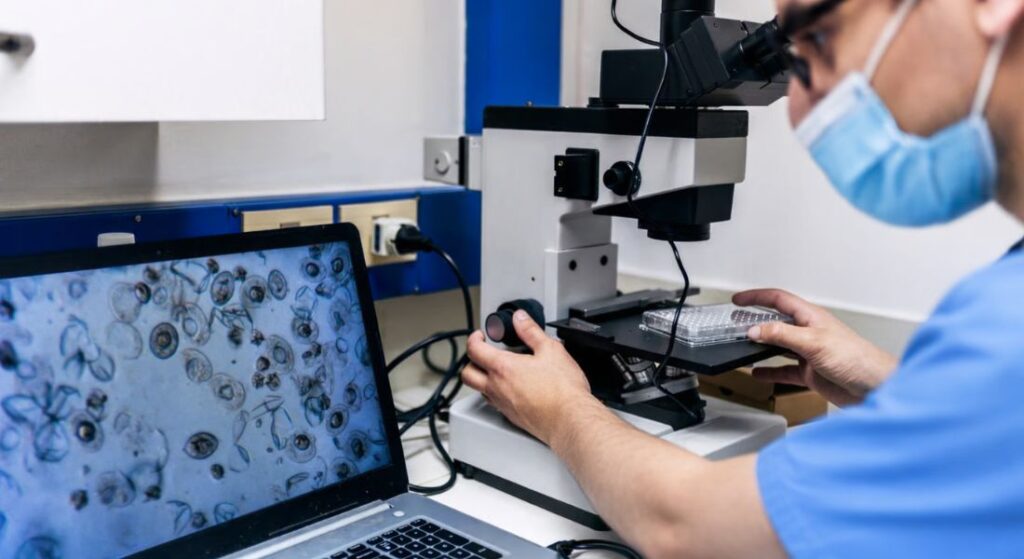
Dermatology researchers play a crucial role in turning scientific discoveries into treatments you can actually benefit from. They design experiments, analyse data, and identify potential targets for therapy. Their work forms the backbone of innovation in dermatology, helping to bring new solutions closer to patients like you.
These researchers rarely work alone. They often collaborate with experts from other fields, such as genetics, immunology, and pharmacology. By combining different areas of expertise, they can develop stronger, more effective research strategies. For you, this interdisciplinary approach helps ensure that treatments are based on solid science.
Through their efforts, new therapies continue to emerge, targeting a range of skin conditions and improving care. The discoveries made in the lab gradually translate into real-world options that can make a difference for your skin health.
Ultimately, their work ensures that dermatology remains a fast-evolving field. By connecting research with practical treatments, they help ensure that you have access to the latest and most effective therapies available.
How Genetics Has Changed Dermatology
Genetic research has completely transformed how we understand skin conditions. Scientists can now identify specific genetic mutations linked to disorders like psoriasis and eczema. For you, this means researchers can better explain why certain skin problems develop and why they affect people differently.
Understanding these genetic factors also allows for more targeted therapies. Instead of just managing symptoms, treatments can address the underlying causes of the condition. Genetics even supports personalised medicine, so therapies can be tailored to your individual biological characteristics. This represents a significant step forward in improving long-term outcomes in dermatological care.Top of FormBottom of Form
The Rise of Biologic Therapies
Biologic medications are a prime example of translational dermatology in action. These treatments are designed to target specific immune pathways that drive inflammatory skin conditions. For you, this means therapies that focus directly on the underlying cause rather than just treating symptoms. They were developed after scientists identified the key molecules responsible for disease activity.
Conditions like psoriasis have seen major benefits from biologic therapies. Patients who previously had limited options can now achieve significant improvement in both symptoms and quality of life. This shows how translating research into practical treatments can make a real difference for people like you.
Biologics continue to advance as new research emerges. Scientists are exploring additional molecules and targets to improve effectiveness and safety. Thanks to translational dermatology, these innovations are gradually made available to patients, ensuring you have access to the latest and most targeted therapies.
Innovations in Skin Cancer Research
Skin cancer research has seen huge benefits from translational dermatology. Scientists have been able to identify specific genetic mutations that drive tumour growth. For you, this means that researchers can develop therapies that target the root causes of the cancer rather than using a one-size-fits-all approach.
Modern treatments focus on blocking particular molecular pathways involved in tumour development. This precision helps protect healthy tissue while targeting the cancer more effectively. As a result, patients often experience better outcomes with fewer side effects.
The shift from lab discoveries to actual cancer treatments highlights the power of translational medicine. Dermatology continues to benefit from these advancements, ensuring that you have access to cutting-edge therapies that are safer, more targeted, and more effective.
Advances in Imaging and Diagnostic Tools
If you’re keeping up with modern dermatology, you might be surprised at just how much technology is changing patient care. New imaging techniques now allow doctors to see skin structures in incredible detail, giving them a clearer picture of what’s happening beneath the surface. For you, this means earlier detection of skin conditions and more precise monitoring of treatment progress.
- High-tech imaging reveals skin structures: Advanced imaging tools can capture detailed views of skin layers, pigment cells, and other critical structures. This helps clinicians identify subtle changes that might be missed with the naked eye. For you, this can mean earlier intervention and a more personalised approach to care.
- Diagnostics support research and understanding: Scientists use these tools to study how skin cells behave as diseases develop. By tracking changes over time, researchers can gain insights into disease mechanisms and treatment effects. For you, this means that research is guided by real, precise observations, improving the chances of effective therapies reaching patients.
- Better diagnostics improve treatment decisions: Accurate identification of a condition is crucial for choosing the right treatment. Advanced tools help doctors make more informed decisions, reducing guesswork and trial-and-error approaches. For you, this could translate into faster, more effective care tailored to your specific needs.
- Technology supports translational dermatology: From lab research to clinical application, imaging and diagnostic advances ensure innovations can move safely and effectively into practice. For you, this means that cutting-edge science is not just theoretical it’s directly improving how your skin health is managed.
In the end, modern imaging and diagnostic tools are helping dermatology become more precise and personalised. For you, this technology makes early detection, accurate diagnosis, and effective treatment more achievable than ever.
The Role of Artificial Intelligence
Artificial intelligence is starting to make an impact in dermatology research. Machine learning systems can analyse huge amounts of data to identify patterns in skin diseases. For you, this means researchers can uncover links and insights that might have been missed using traditional methods.
AI can also help in discovering new treatment targets. By looking at genetic and clinical data, algorithms can suggest potential therapeutic strategies. This can speed up the development of new treatments, bringing innovative options closer to patients like you.
Although AI is still in its early stages, it holds a lot of promise. Its integration into translational dermatology could lead to faster, more accurate discoveries. Over time, this means that effective and personalised treatments may reach you more quickly than ever before.
Collaboration Between Researchers and Clinicians
Translational dermatology relies heavily on collaboration between researchers and clinicians. Scientists bring laboratory discoveries, while clinicians understand the real-world needs of patients like you. This partnership ensures that research stays relevant and focused on treatments that can actually make a difference in your care.
Clinicians play an important role by highlighting gaps in current therapies. They see firsthand what works and what doesn’t, which helps guide research priorities. Researchers can then focus on investigating solutions that address these unmet needs.
This ongoing exchange between the lab and the clinic strengthens the translational pathway. Each side contributes its expertise, combining scientific knowledge with practical experience. For you, this means therapies are more likely to be effective, safe, and tailored to real patient needs.
Ultimately, this collaboration transforms discoveries into practical treatments. By working together, researchers and clinicians ensure that advances in dermatology reach patients efficiently, giving you access to the latest innovations in skin care and disease management.
Challenges in Translational Dermatology
While translational dermatology brings many benefits, it also faces challenges. Developing a new treatment takes a lot of time and financial investment, and not every promising discovery makes it to clinical use. For you, this means that even exciting breakthroughs may take years before they become available as actual therapies.
Regulatory approval is another important hurdle. These processes are essential to ensure safety, but they can be lengthy and complex. Researchers must provide extensive evidence to prove that a treatment is both safe and effective. This rigorous process is designed to protect patients like you from unnecessary risk.
Balancing innovation with safety is a constant challenge in dermatology. Careful regulation ensures that progress doesn’t come at the expense of patient well-being. The ultimate goal is to introduce new treatments responsibly, so you can benefit from advancements without compromising safety.
Ethical Considerations in Research
Ethics are a crucial part of translational research. Clinical trials are designed to protect participants and make sure you provide informed consent before taking part. Researchers follow strict ethical guidelines to ensure that everyone involved is treated safely and respectfully.
Transparency is also key. If you participate in a trial, it’s important that you understand both the potential risks and benefits of the treatment. Ethical oversight helps maintain trust between patients and the medical community, so you can feel confident that your wellbeing is a top priority.
Responsible research benefits everyone in the long run. Ethical frameworks make sure innovation happens without compromising patient safety. For you, this means that scientific progress in dermatology can continue while keeping your health and trust at the centre of the process.
Personalised Dermatology Treatments
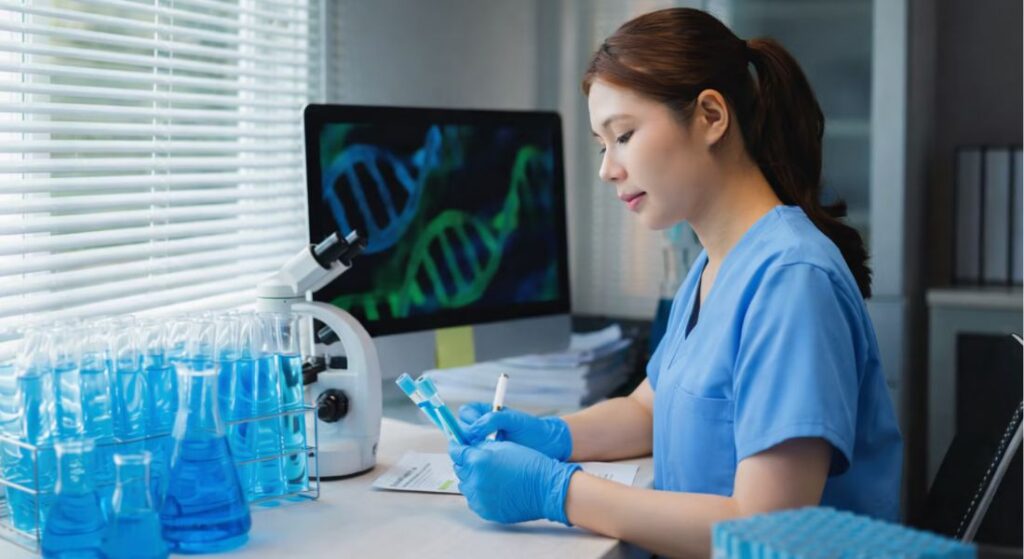
Translational dermatology is increasingly moving towards personalised medicine. Rather than using the same approach for everyone, treatments can be tailored to your individual biology. For you, this means therapies are more likely to be effective and better suited to your unique skin needs.
Genetic profiling and biomarker analysis play a key role in this process. By understanding the specific mechanisms behind your condition, doctors can choose the treatment that is most likely to work for you. This personalised approach reduces the need for trial-and-error and helps you achieve results faster.
Personalised dermatology also allows for more precise management of skin conditions. Treatments can be adapted to your lifestyle, genetics, and overall health, making them safer and more effective. You benefit from therapies that are designed specifically with your biology in mind.
This shift reflects the future of skin care. Translational research continues to refine these personalised approaches, ensuring that new therapies are not only innovative but also tailored to the patient. For you, this means more targeted, efficient, and meaningful results from your dermatological care.
Translational Dermatology in Everyday Practice
If you visit a dermatology clinic today, many of the treatments you encounter actually began as discoveries in research laboratories. Translational dermatology focuses on turning scientific findings into practical therapies that can help patients in real clinical settings. For you, this means that ongoing research directly shapes the treatments and diagnostic tools available in everyday practice.
- Many modern treatments began in research labs: Therapies such as biologic medications, targeted treatments, and advanced diagnostic tools all started as scientific experiments. Researchers first explored how these innovations worked at a molecular level before moving them into clinical trials. For you, this means the treatments offered in clinics today often have years of research supporting their development.
- Scientific work behind each therapy: Patients may not always realise how much research goes into a single treatment. Every medication or diagnostic technique represents years of laboratory studies, clinical trials, and careful evaluation. For you, this background research helps ensure that the therapies used in dermatology are both safe and effective.
- Translational dermatology bridges research and patient care: The goal of translational research is to ensure that scientific discoveries don’t remain confined to laboratories. Instead, they are carefully developed into therapies that doctors can use to treat real patients. For you, this process helps bring innovative treatments from research settings directly into clinical practice.
- Dermatology continues to evolve: As research progresses, new therapies and diagnostic methods regularly enter the field. This means dermatology is constantly adapting and improving as scientific knowledge grows. For you, this ongoing progress offers the possibility of more advanced, targeted, and effective treatments in the future.
In the end, translational dermatology plays a crucial role in turning scientific discoveries into real-world treatments. For you, it ensures that advances in research continue to improve patient care and shape the future of dermatology.
The Future of Translational Dermatology
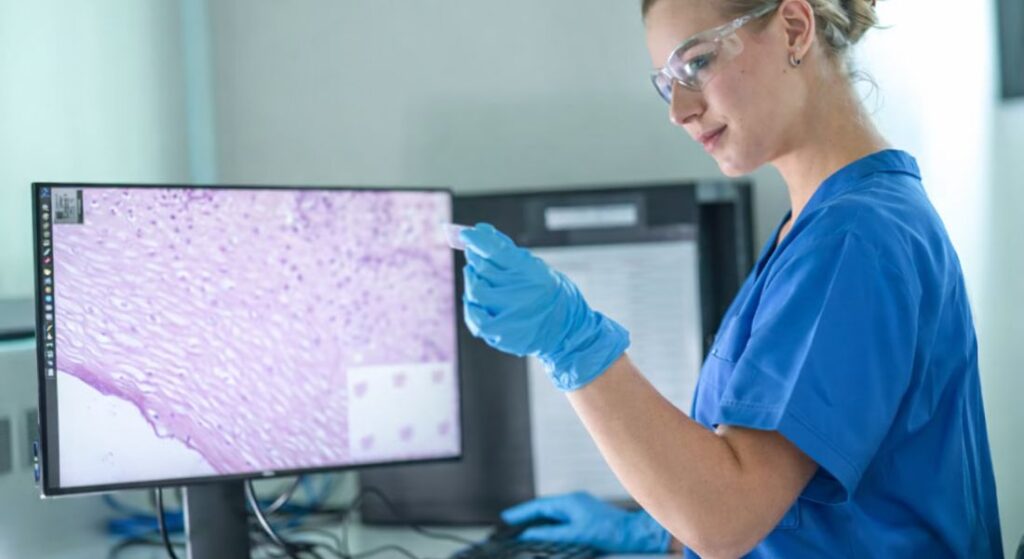
The future of dermatology will likely involve an even closer connection between scientific research and everyday clinical care. Advances in genetics, biotechnology and data analysis are already helping researchers understand skin diseases in greater detail. For you, this means that future treatments could become far more precise and tailored to individual needs. As technology continues to evolve, discoveries may move more efficiently from the laboratory into real-world patient care.
Scientists are also exploring new therapeutic approaches such as gene therapies and regenerative medicine. These innovations aim to repair or restore damaged skin at a deeper biological level. If these developments continue to progress, they could transform how certain skin conditions are treated. Translational dermatology will play a key role in guiding these discoveries from research into practical treatments.
As research tools improve, the journey from discovery to treatment may become faster than it is today. However, safety and strong scientific evidence will always remain essential. Every new therapy must be carefully tested before it becomes widely available. Responsible innovation will continue to shape dermatology, ensuring that advances benefit patients while maintaining the highest standards of care.
FAQs:
1. What is translational dermatology?
Translational dermatology is the process of turning scientific discoveries about skin biology into real treatments used in clinical practice. Researchers study how skin conditions develop and then translate those findings into therapies that doctors can use to treat patients. For you, this means that new knowledge from laboratories eventually becomes practical solutions for managing skin diseases.
2. How does translational dermatology move treatments from the lab to the clinic?
The process usually begins with laboratory research that identifies the biological causes of a skin condition. Scientists then develop potential treatments and test them through preclinical studies and clinical trials. For you, this step-by-step pathway ensures that any new therapy is carefully evaluated before it becomes available in dermatology clinics.
3. Why is laboratory research important in dermatology?
Laboratory research helps scientists understand the biological processes behind skin conditions such as psoriasis, eczema, and skin cancer. By studying cells, genes, and immune responses, researchers can identify the mechanisms driving these diseases. For you, this knowledge makes it possible to develop more targeted and effective treatments.
4. What role do clinical trials play in translational dermatology?
Clinical trials are an essential stage where new treatments are tested in human participants under strict medical supervision. These studies help researchers evaluate how safe and effective a therapy is before it becomes widely available. For you, this means that treatments used in dermatology clinics have been carefully tested and supported by scientific evidence.
5. How has genetics influenced modern dermatology treatments?
Genetic research has helped scientists understand why certain skin conditions occur and why they affect people differently. By identifying specific genetic mutations linked to diseases, researchers can design therapies that target the root cause rather than just symptoms. For you, this can lead to more personalised treatments that are better suited to your individual biology.
6. What are biologic therapies and how do they relate to translational dermatology?
Biologic therapies are medications designed to target specific molecules or immune pathways that cause inflammation in skin diseases. They were developed after scientists discovered the biological mechanisms behind conditions like psoriasis. For you, this means treatments that focus directly on the underlying cause rather than simply managing visible symptoms.
7. How does artificial intelligence contribute to dermatology research?
Artificial intelligence can analyse large amounts of medical and genetic data to identify patterns linked to skin conditions. Researchers use these insights to discover potential treatment targets and improve diagnostic methods. For you, this technology may help speed up the development of more accurate diagnoses and personalised treatments in the future.
8. Why is collaboration between researchers and clinicians important?
Translational dermatology relies on close collaboration between scientists and dermatologists. Researchers provide laboratory discoveries, while clinicians contribute insights from treating patients in real-world settings. For you, this partnership ensures that new therapies are practical, relevant, and designed to address real patient needs.
9. What challenges exist in developing new dermatology treatments?
Developing new treatments can take many years because therapies must go through multiple stages of testing and regulatory approval. Not every promising discovery becomes a usable treatment, and safety must always be carefully evaluated. For you, this rigorous process helps ensure that any new therapy available in clinics is both safe and effective.
10. What is the future of translational dermatology?
The future of translational dermatology is likely to focus on more personalised and targeted treatments. Advances in genetics, biotechnology, and data analysis are helping researchers understand skin diseases in greater detail. For you, this progress could mean faster development of innovative therapies that are tailored to your individual skin health needs.
Final Thoughts: Turning Research into Real-World Skin Care
Translational dermatology shows how scientific discoveries can move beyond the laboratory and become treatments that genuinely improve patient care. By connecting research in genetics, immunology and skin biology with clinical practice, this field ensures that promising innovations are carefully tested, refined and introduced in a responsible way. For you, this process means that the therapies available today are backed by strong scientific evidence and years of careful development.
As research continues to advance, the relationship between science and everyday dermatology will only grow stronger. New technologies, targeted therapies and personalised treatment strategies are already shaping the future of skin care. For you, this means the possibility of more precise diagnoses, more effective treatments and improved long-term outcomes for a wide range of skin conditions.
If you’re considering seeing a dermatologist in London, you can get in touch with us at the London Dermatology Centre. Speaking with an experienced specialist ensures your skin concerns are properly assessed, your treatment options are clearly explained, and your care plan reflects both established medical evidence and the latest advances in dermatology research.
References:
- onsson, P., Pilz, A.C., Maboudi, H. et al. (2025) The Translational Dermatology Initiative: Aiming at a New Disease Classification of Inflammatory Skin Diseases https://pubmed.ncbi.nlm.nih.gov/40535547/
- Imran, M., Moyle, P.M. and Kamato, D. (2024) Advances in, and prospects of, 3D preclinical models for skin drug discovery, Drug Discovery Today https://www.sciencedirect.com/science/article/pii/S1359644624003337
- Safai, B. (2025) Editorial for the Special Issue Cutaneous Biology, Molecular Dermatology and Dermatopathology, International Journal of Molecular Sciences, https://www.mdpi.com/1422-0067/26/6/2694
- Jonsson, P., Pilz, A.C., Maboudi, H., Ranzinger, D., Wagner, P., Schaffert‑Stone, L.‑N. et al. (2025) The Translational Dermatology Initiative: Aiming at a New Disease Classification of Inflammatory Skin Diseases, https://pmc.ncbi.nlm.nih.gov/articles/PMC12173067/
- Petersen, T.K. and Sorensen, P. (2008) Translational dermatology in drug discovery: perspectives for integrating humanized xenograft models and experimental clinical studies, Drug Discovery Today, https://www.sciencedirect.com/science/article/abs/pii/S1359644607004230