


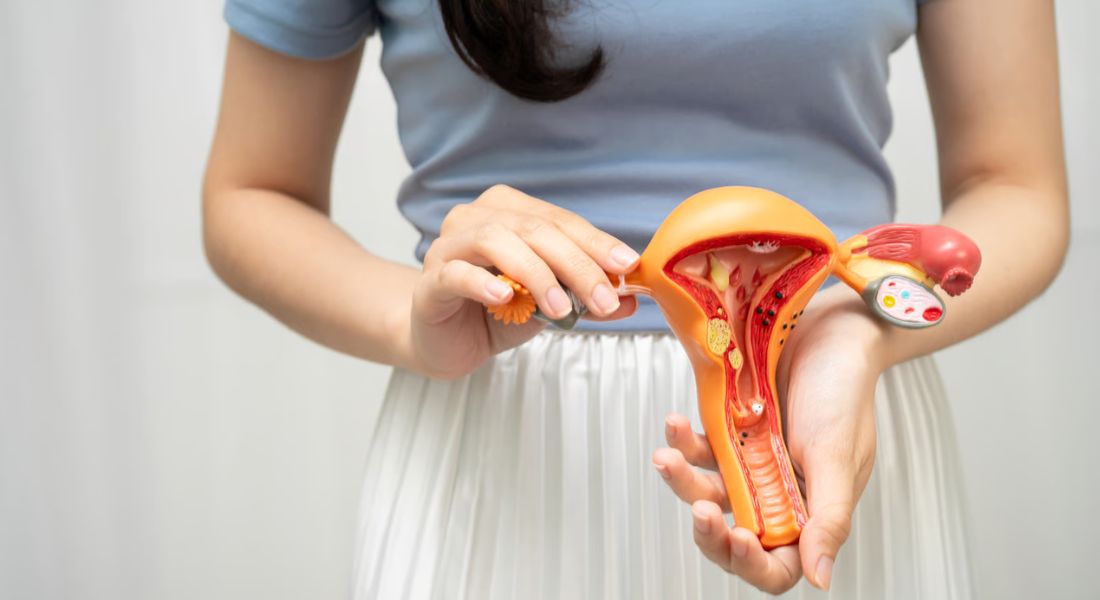
Vulvar lichen planus is a chronic inflammatory condition that can cause significant discomfort, including itching, soreness, burning, and irritation. Many patients initially assume their symptoms are due to infection, which can delay accurate diagnosis. Unlike infections, lichen planus is an autoimmune-related skin disorder, meaning the body’s immune system mistakenly attacks the skin and mucous membranes.
Recognising the condition early is vital to prevent long-term complications. If left untreated, vulvar lichen planus can lead to scarring, pigmentation changes, thinning of the vulvar skin, and structural alterations that may affect sexual activity and overall vulvar health. Patients may also experience periods of flare-ups and remission, making monitoring and early intervention essential.
Diagnosis involves a detailed clinical examination by a specialist dermatologist. In some cases, a small biopsy of the affected tissue is performed to confirm the diagnosis and rule out other conditions such as lichen sclerosus, eczema, or infections. Understanding the precise nature of the condition helps guide an effective, personalised management plan.
Treatment typically includes topical corticosteroids or immunomodulatory creams to control inflammation, reduce itching, and promote skin healing. Supportive measures, such as gentle skincare routines, avoidance of irritants, and regular follow-up appointments, are essential to maintain long-term vulvar health. With early recognition and appropriate care, most patients experience significant symptom relief and improved quality of life.
What Is Vulvar Lichen Planus?
Lichen planus is a chronic inflammatory condition that can affect the skin, mucous membranes, and nails. When it involves the vulva, it often causes redness, soreness, itching, and noticeable changes in the appearance or texture of the skin.
This condition is classified as an autoimmune disorder, meaning the body’s immune system mistakenly targets healthy tissue, leading to inflammation and discomfort. Unlike infections, vulvar lichen planus is not caused by bacteria, fungi, or viruses, which is why standard antimicrobial treatments are ineffective.
Understanding its autoimmune nature is important for both patients and clinicians, as it guides the use of targeted therapies such as topical corticosteroids or immunomodulatory treatments rather than antibiotics or antifungals. Early recognition and appropriate management help prevent long-term complications and improve quality of life.
Who Is Affected?
Vulvar lichen planus most commonly affects women over the age of 40, although it can develop at any stage of life. While it is more frequently seen in this age group, younger individuals may also experience the condition. Hormonal and immune-related factors may play a role in why it appears more often later in life. Recognising this pattern can help in understanding who may be more at risk and when symptoms are more likely to appear.
In some cases, patients may also have lichen planus affecting other areas of the body, such as the mouth or scalp. This wider involvement can provide important clues when making a diagnosis, especially if symptoms occur in more than one location. It also highlights that the condition is not limited to a single area and may present in different ways. Paying attention to symptoms elsewhere on the body can support a more complete assessment.
Being aware of these patterns helps dermatologists to identify vulvar lichen planus more accurately. It also allows them to distinguish it from other vulvar disorders that may appear similar in the early stages. Careful evaluation is important to avoid misdiagnosis and ensure appropriate care. Early recognition can support timely management and improve overall comfort and quality of life.
Common Symptoms
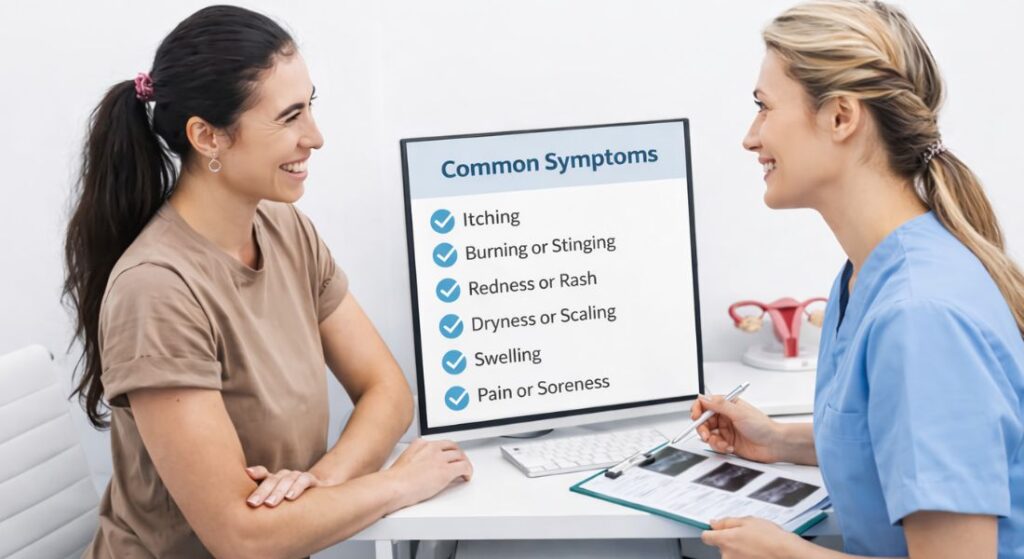
Vulvar lichen planus can present with a range of symptoms that may vary in intensity from person to person. While some individuals experience mild discomfort, others may have more persistent and distressing signs that interfere with daily activities. The condition often affects sensitive vulvar skin, leading to both physical discomfort and emotional distress. Recognising these symptoms early is essential for timely diagnosis and effective management.
- Persistent Itching or Burning: Many patients experience ongoing itching or a burning sensation in the vulvar area. This discomfort can become more noticeable over time and may worsen with heat, friction, or prolonged sitting.
- Soreness During Sexual Activity: Pain or soreness during sexual intercourse is a common concern. Inflammation and sensitivity of the affected skin can make intimacy uncomfortable, impacting quality of life and relationships.
- Red or Purple Skin Changes: The vulvar skin may appear red, inflamed, or develop distinctive purple patches. These colour changes are often a visible sign of underlying inflammation and help clinicians identify the condition.
- White Lacy Patterns (Wickham Striae): Some patients develop delicate, white, lace-like patterns on the skin known as Wickham striae. These markings are characteristic of lichen planus and can assist in confirming the diagnosis.
- Pain or Irritation When Urinating: Irritation in the vulvar area can lead to discomfort during urination. This symptom may be particularly noticeable if the skin is inflamed or has small erosions.
The symptoms of vulvar lichen planus can significantly impact both physical comfort and overall wellbeing. From persistent itching to visible skin changes, these signs should not be ignored, especially if they continue or worsen over time. Early recognition allows for prompt medical evaluation and appropriate treatment, helping to reduce discomfort and prevent complications. Seeking professional advice at the right time can greatly improve symptom control and quality of life.
Why It Is Often Misdiagnosed
Vulvar lichen planus is often misdiagnosed because its symptoms can closely resemble those of other common conditions, such as infections, eczema, or general inflammatory skin disorders. Redness, irritation, and discomfort may appear similar to more familiar issues, which can lead to confusion during early assessment. As a result, the condition may not be immediately recognised, especially in its initial stages. This overlap in symptoms makes careful evaluation particularly important.
Many patients may undergo multiple courses of antifungal or antibacterial treatments before the correct diagnosis is made. These treatments often provide little or no improvement, which can be frustrating and prolong discomfort. Repeated ineffective treatment can delay proper care and may allow symptoms to persist or worsen over time. This pattern often highlights that the underlying condition has not yet been correctly identified.
The need for specialist assessment becomes clear when symptoms do not respond to standard treatments. Dermatologists and other specialists are better equipped to recognise subtle differences between similar-looking conditions. A more detailed examination, and sometimes additional tests, can help confirm the diagnosis. Early and accurate identification allows for more appropriate management and better long-term outcomes.
The Role of a Dermatologist
A female dermatologist in London, or another experienced clinician, is trained to recognise the subtle differences between various vulvar skin conditions. Their specialised knowledge allows them to identify features that may not be obvious during a general examination. This expertise is particularly important when symptoms overlap with more common conditions. Seeking care from a trained professional can therefore improve diagnostic accuracy.
Through careful examination and a detailed patient history, dermatologists can distinguish lichen planus from other causes of vulvar discomfort. They take into account symptom patterns, duration, and any involvement of other areas of the body. This thorough approach helps to build a clearer clinical picture and reduces the risk of misdiagnosis. In some cases, additional investigations may be recommended to confirm the diagnosis.
Accurate identification by a dermatologist allows for more appropriate and targeted management. It also helps avoid unnecessary or ineffective treatments that may have been tried previously. Early diagnosis can improve symptom control and overall comfort for the patient. Ongoing follow-up may also be advised to monitor the condition and adjust treatment as needed.
Clinical Examination
During a consultation, the dermatologist carefully evaluates several key features of the vulvar skin to guide the diagnosis. This includes assessing the colour, texture, and overall pattern of the affected area, as these can provide important visual clues. Subtle changes in appearance may indicate specific underlying conditions. A thorough and methodical examination helps ensure that no detail is overlooked.
They also look for the presence of white, lacy lines or areas of erosion, which are commonly associated with vulvar lichen planus. In addition, signs of chronic irritation or thickened skin are assessed, as these may develop over time with ongoing inflammation. Identifying these features helps differentiate the condition from other similar disorders. Each of these observations contributes to a clearer understanding of the skin changes.
This clinical examination often forms the first and most important step in achieving an accurate diagnosis. It allows the dermatologist to narrow down possible causes based on visible and reported symptoms. In many cases, these findings guide further investigations or treatment decisions. A careful examination therefore plays a central role in ensuring appropriate and timely care.
Biopsy and Histopathology
When the clinical features of vulvar lichen planus are not entirely clear, a biopsy may be recommended to confirm the diagnosis. This involves taking a small sample of affected skin for detailed examination under a microscope. The procedure helps differentiate lichen planus from other similar-looking vulvar conditions. Accurate diagnosis is essential to ensure appropriate treatment and long-term management.
- Role of Skin Biopsy: A biopsy is performed when symptoms or visual findings are inconclusive. It is a minor procedure that provides a tissue sample, allowing for precise evaluation and helping rule out other dermatological conditions.
- Histopathological Examination: The collected sample is analysed in a laboratory through histopathology. This process enables specialists to observe microscopic changes in the skin structure that are not visible during a physical examination.
- Characteristic Inflammatory Changes: One of the hallmark findings is a band-like inflammatory infiltrate at the dermal-epidermal junction. These specific patterns are strongly associated with lichen planus and support a definitive diagnosis.
- Confirmation of Lichen Planus: Identifying these microscopic features helps confirm the presence of lichen planus. This ensures that patients receive targeted and appropriate treatment based on an accurate diagnosis.
Biopsy and histopathological analysis play a crucial role when the diagnosis of vulvar lichen planus is uncertain. By providing clear microscopic evidence, these methods help distinguish it from other conditions with similar symptoms. Early and accurate confirmation allows clinicians to initiate the most effective treatment plan. Ultimately, this approach improves patient outcomes and helps manage the condition more confidently.
Associated Conditions
Some patients with vulvar lichen planus may also experience involvement in other areas of the body, particularly the mouth or vagina. This means the condition is not always limited to the vulvar region and can present more widely. Such patterns are important to recognise, as they provide additional clues about the underlying diagnosis. A broader view of symptoms helps ensure nothing is overlooked.
Symptoms such as painful mouth ulcers or ongoing vaginal irritation can occur alongside vulvar lesions. These symptoms may develop at the same time or appear gradually over a period. In some cases, patients may not immediately connect these issues, which can delay recognition of the condition. Careful questioning during consultation can help bring these symptoms to light.
Recognising these patterns helps guide a more comprehensive approach to treatment planning. It allows healthcare professionals to address all affected areas rather than focusing on a single site. This can lead to more effective symptom control and improved patient comfort. A well-rounded treatment plan also supports better long-term management of the condition.
Treatment Goals

The primary goals in managing vulvar lichen planus focus on improving symptoms and protecting the health of the skin. One of the main aims is reducing inflammation and itch, which can significantly affect daily comfort. Controlling these symptoms helps prevent further irritation and supports a better quality of life. Consistent management plays an important role in maintaining skin stability over time.
Another key objective is preventing skin damage or scarring that may develop with ongoing inflammation. Long-term irritation can lead to changes in the skin that may be difficult to reverse if not addressed early. Appropriate treatment helps minimise these risks and preserves normal skin structure and function. Protecting the affected area is therefore an essential part of overall care.
Relieving pain during daily activities or sexual intercourse is also an important treatment goal. Treatment plans are personalised based on the severity of the condition and individual patient preferences. Factors such as symptom intensity and response to previous treatments are carefully considered. This tailored approach helps ensure more effective and comfortable long-term management.
Topical Treatments
High-potency corticosteroid creams are the mainstay of therapy for vulvar lichen planus. These medications are applied directly to the affected area and work by calming the immune response in the skin. Regular and correct use is important to achieve the best results. They are often prescribed as a first-line treatment to bring symptoms under control.
These treatments help reduce inflammation, relieve itching, and prevent the progression of skin changes over time. By controlling inflammation early, they can also lower the risk of long-term complications such as scarring. Many patients notice an improvement in comfort and skin appearance with consistent use. Ongoing guidance from a healthcare professional ensures safe and effective application.
In some cases, calcineurin inhibitors such as tacrolimus may be used as steroid-sparing alternatives. These are particularly helpful for patients who cannot tolerate long-term steroid use or require maintenance therapy. They work in a different way to suppress inflammation without thinning the skin. The choice of treatment depends on individual needs and response to therapy.
Systemic Treatments
In more severe or widespread cases of vulvar lichen planus, local treatments alone may not be sufficient to control symptoms. In such situations, systemic medications are considered to manage inflammation throughout the body. These treatments are typically prescribed when the condition significantly affects quality of life or does not respond to topical therapy. Careful medical supervision is essential to ensure both safety and effectiveness.
- Oral Corticosteroids: Oral corticosteroids are often used to quickly reduce inflammation and control severe symptoms. They can provide rapid relief, but are usually prescribed for short durations due to potential side effects with long-term use.
- Immunosuppressant Medications: These drugs work by reducing the activity of the immune system, which plays a role in lichen planus. They are considered in persistent or resistant cases and require regular monitoring to manage potential risks.
- Targeted Therapies: Newer targeted treatments may be used in selected patients to address specific immune pathways involved in the condition. These therapies are typically recommended by specialists and tailored to individual patient needs.
- Monitoring and Safety: Systemic treatments require ongoing follow-up to assess effectiveness and detect any side effects early. Regular check-ups and tests help ensure that the treatment remains both safe and beneficial.
Systemic treatments are an important option for managing severe or difficult cases of vulvar lichen planus. By addressing inflammation at a broader level, these medications can provide significant symptom relief when topical therapies are insufficient. However, their use must be carefully balanced with potential side effects through close medical supervision. With proper monitoring, systemic therapy can greatly improve patient comfort and overall quality of life.
Symptom Management
In addition to medical therapy, supportive measures play an important role in improving comfort and protecting the skin. Regular use of emollients and barrier creams helps keep the area moisturised and reduces dryness or irritation. These products create a protective layer over the skin, supporting healing and comfort. Incorporating them into a daily routine can make a noticeable difference.
Avoiding irritants such as soaps, fragrances, and tight clothing is also essential in managing symptoms. These factors can worsen irritation and trigger flare-ups, making the condition more difficult to control. Choosing gentle, fragrance-free products and loose-fitting clothing can help minimise discomfort. Small lifestyle adjustments can have a significant impact on symptom relief.
Managing secondary infections promptly is another key aspect of care, as infections can increase inflammation and delay healing. These combined steps help break the itch-scratch cycle, which often worsens symptoms over time. Protecting the delicate vulvar skin is central to long-term management. A consistent and mindful approach supports better overall outcomes.
Monitoring and Follow-Up

Regular follow-up is important to assess how well the condition is responding to treatment and to monitor for any potential complications. These appointments allow the dermatologist to review symptoms, examine the skin, and ensure that the current approach remains effective. Ongoing assessment helps detect any changes early. It also provides reassurance and continuity of care for the patient.
During follow-up visits, dermatologists may adjust therapy based on progress and individual response to treatment. Some patients may require changes in medication strength, frequency, or type over time. This flexible approach helps maintain symptom control while minimising side effects. Careful adjustments ensure that treatment remains both safe and effective.
Follow-up also provides an opportunity for ongoing support with symptom management and lifestyle modifications. Patients can discuss concerns, review skincare routines, and receive guidance tailored to their needs. This continued support plays an important role in long-term management. Consistent monitoring helps improve outcomes and maintain overall comfort.
The Emotional Impact
Vulvar lichen planus can have a significant effect on both sexual wellbeing and overall emotional health. Ongoing discomfort, pain, or visible skin changes may influence intimate relationships and daily confidence. These challenges can make the condition feel more difficult to manage beyond the physical symptoms. Recognising this impact is an important part of holistic care.
It is common for patients to experience feelings such as anxiety, embarrassment, or reduced confidence. These emotional responses may develop gradually, especially if symptoms persist or are not well controlled. Some individuals may also feel hesitant to seek help or discuss their concerns openly. A supportive and understanding approach can make a meaningful difference.
Open communication with your dermatologist helps ensure that both physical and psychological aspects are addressed. Discussing symptoms, concerns, and their impact on daily life allows for more personalised care. This approach can lead to better coping strategies and improved overall wellbeing. Addressing emotional health alongside physical treatment supports more complete and effective management.
The Importance of Specialist Care
Because vulvar lichen planus can be challenging to diagnose and treat, seeking specialist care is highly beneficial. Consulting a female dermatologist in London, or another experienced clinician, allows for a more tailored and informed approach. Their expertise helps ensure that subtle signs are recognised early. This can reduce delays in diagnosis and improve overall care.
Specialists are trained to distinguish lichen planus from infections or other dermatoses that may appear similar. They use careful examination, patient history, and sometimes additional tests to confirm the condition. This level of accuracy helps avoid unnecessary or ineffective treatments. A clear diagnosis is the foundation for appropriate management.
In addition, specialists can select the most suitable therapies and monitor long-term outcomes. Treatment plans are adjusted over time based on response and any changes in symptoms. Ongoing care helps maintain control of the condition and prevent complications. This comprehensive approach supports better long-term results and patient confidence.
FAQs:
1. What causes vulvar lichen planus?
Vulvar lichen planus is an autoimmune condition where the immune system mistakenly attacks healthy skin and mucous membranes. The exact trigger is not fully understood, but genetic, hormonal, and immune-related factors may contribute.
2. Is vulvar lichen planus an infection?
No, vulvar lichen planus is not an infection. It is not caused by bacteria, fungi, or viruses, and it is not contagious. This is why antifungal or antibiotic treatments are usually ineffective.
3. What are the early signs of vulvar lichen planus?
Early symptoms may include itching, burning, redness, soreness, and subtle changes in skin texture or colour. Some patients may also notice white, lace-like patterns (Wickham striae).
4. How is vulvar lichen planus diagnosed?
Diagnosis is typically made through a clinical examination by a dermatologist. In uncertain cases, a skin biopsy may be performed to confirm the condition and rule out similar disorders
5. Can vulvar lichen planus go away on its own?
It is a chronic condition, meaning it usually does not resolve completely on its own. However, symptoms can be effectively managed with appropriate treatment and may go through periods of remission.
6. What treatments are available for vulvar lichen planus?
Common treatments include topical corticosteroids, immunomodulatory creams, and in severe cases, systemic medications such as oral corticosteroids or immunosuppressants.
7. Can vulvar lichen planus affect other parts of the body?
Yes, it can also affect areas such as the mouth, vagina, scalp, and nails. Symptoms in multiple areas can help support the diagnosis.
8. Is vulvar lichen planus painful during intercourse?
Yes, many patients experience pain or discomfort during sexual activity due to inflammation, sensitivity, and skin changes in the vulvar area.
9. What happens if vulvar lichen planus is left untreated?
If not treated, it can lead to complications such as scarring, skin thinning, pigmentation changes, and structural alterations that may affect function and comfort.
10. How can symptoms be managed at home?
Supportive care includes using gentle, fragrance-free products, avoiding irritants, wearing loose clothing, and applying emollients regularly. These measures help reduce irritation and support skin healing.
Final Thoughts: Taking Control of Vulvar Lichen Planus
Vulvar lichen planus is a chronic condition that requires careful attention, early diagnosis, and consistent management to prevent long-term complications. While the symptoms can be distressing, the right combination of medical treatment, lifestyle adjustments, and ongoing monitoring can significantly improve comfort and quality of life. Recognising changes early and seeking expert guidance plays a key role in achieving effective symptom control.
Equally important is choosing the right specialist who understands the complexities of vulvar skin conditions. Personalised care, accurate diagnosis, and tailored treatment plans can make a meaningful difference in long-term outcomes. If you’re looking to consult a female dermatologist in London, you can reach out to us at the London Dermatology Centre to book a consultation with one of our specialists.
References:
- Luzar, B., Truden, A., Turk, L., Janša, V., Lewis, F., Calonje, E. and Smrkolj, Š. (2023) ‘Vulvar lichen planus presenting as chronic vulvar purpura’, Medicina, 59(2), p. 206. Available at: https://www.mdpi.com/1648-9144/59/2/206
- Dubey, R. and Fischer, G. (2019) ‘Vulvo-vaginal lichen planus: A focussed review for the clinician’, Australasian Journal of Dermatology, 60(1), pp. 7–11. Available at: https://pubmed.ncbi.nlm.nih.gov/29961956/
- Day, T. et al. (2018) ‘Classic and hypertrophic vulvar lichen planus’, Journal of Lower Genital Tract Disease, 22(4), pp. 387–392. Available at: https://pmc.ncbi.nlm.nih.gov/articles/PMC6296835/
- Goldstein, A.T. et al. (2020) ‘Lichenoid dermatoses involving the vulva: A clinical-pathologic correlation’, Seminars in Diagnostic Pathology. Available at: https://www.sciencedirect.com/science/article/abs/pii/S0740257020300800
- Simpson, R.C., Littlewood, S.M., Cooper, S.M., Cruickshank, M.E. and Green, C.M. (2012) ‘Real‐life experience of managing vulval erosive lichen planus: a case‐based review and U.K. multicentre case note audit’, British Journal of Dermatology, 167(1), pp. 85–91. Available at: https://academic.oup.com/bjd/article-abstract/167/1/85/6614052