


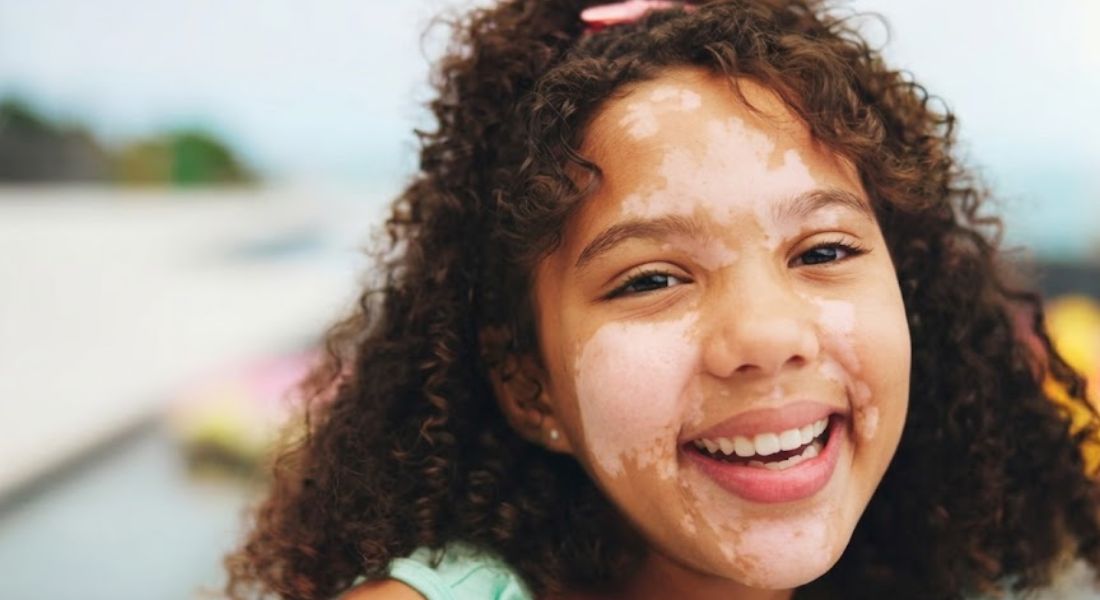
If your child has been diagnosed with Vitiligo, you may have many questions about what it means. The condition can look similar to adult vitiligo, but there are important differences in how it develops and is managed. In children, changes may appear more suddenly or progress differently. Understanding these differences helps you feel more confident in supporting your child.
Vitiligo in children often requires a more tailored approach. This is because your child’s skin, immune system, and emotional needs are still developing. Treatments may be adjusted to be gentler and more suitable for younger skin. Early recognition and careful management can help limit progression and support healthy skin.
With the right guidance, many children with vitiligo lead healthy and active lives. Ongoing care, reassurance, and regular monitoring all play an important role. You can work closely with a specialist to choose the best approach for your child. Knowing what to expect helps you make informed and confident decisions about their care.
What Is Paediatric Vitiligo?
Paediatric vitiligo refers to vitiligo that develops in children, leading to areas of skin losing their natural colour. You may notice lighter patches appearing gradually on different parts of your child’s body. These patches can vary in size and may change over time. Understanding the condition early helps you respond with confidence and clarity.
- Loss of skin pigment: Vitiligo occurs when melanocytes, the cells responsible for producing pigment, stop functioning properly. This results in lighter patches of skin that stand out from the surrounding area. In children, these changes may develop slowly or appear more suddenly.
- How it differs in children: In paediatric cases, the condition may behave differently compared to adults. The pattern of pigment loss and progression can vary. This is why careful monitoring and individual assessment are important.
- Cause and ongoing research: The exact cause of vitiligo is still being studied. It is believed to involve the immune system affecting pigment-producing cells. Ongoing research continues to improve understanding and treatment options.
- Emotional impact on children: Although vitiligo is not contagious or physically harmful, it can affect your child’s confidence. Changes in appearance may lead to self-consciousness, especially in social settings. Support and reassurance play an important role.
By understanding paediatric vitiligo, you can better support your child both physically and emotionally. Early awareness helps you seek appropriate advice and care. With the right approach, you can help your child feel comfortable and confident.
Differences Between Children and Adults
Vitiligo can present differently in children compared to adults. In younger patients, it may appear more suddenly, sometimes over a short period. This rapid onset can make early detection more challenging, especially if the patches are small or subtle at first. Paying close attention to changes in skin colour can help you recognise it earlier.
Children are also more likely to develop certain types of vitiligo. For example, segmental vitiligo is more common in younger patients and typically affects one side of the body. This pattern can differ from adult forms, which are often more symmetrical. Recognising the type of vitiligo helps guide the most appropriate management.
Progression can vary from one child to another. Some children may experience quicker changes, while others have patches that remain stable for long periods. There is no single pattern that applies to every case. Understanding that each child’s experience is unique helps you approach care with realistic expectations.
Early Signs in Children
The early signs of Paediatric vitiligo are often subtle and may be easy to overlook at first. You might notice small, pale patches developing on your child’s skin, particularly on areas such as the face or hands. These changes often become more noticeable during everyday activities like bathing or dressing. Recognising these early signs can help you seek advice sooner.
- Small, pale patches: The first signs are usually light or depigmented spots that contrast with your child’s natural skin tone. These patches may start small and gradually become more visible. They are often smooth and do not cause discomfort.
- Common areas affected: Patches frequently appear on areas exposed to sunlight, such as the face, hands, elbows, or knees. You may also notice them around the eyes or mouth. Observing these areas regularly can help you detect changes early.
- Mistaken for other conditions: In children, these patches can sometimes be confused with other skin conditions such as dryness or minor infections. This can delay proper diagnosis. Paying close attention to changes in colour and pattern is important.
- Importance of early assessment: Having your child assessed by a dermatologist can help confirm whether it is vitiligo. Early evaluation allows for appropriate guidance and management. It also helps you understand what to expect moving forward.
By noticing early signs and seeking timely advice, you can support your child more effectively. Early understanding reduces uncertainty and helps guide the next steps. With the right care, you can manage the condition with greater confidence.
Common Areas Affected

Vitiligo in children often begins on the face. You may notice lighter patches developing around the eyes or mouth first. The hands, knees, and elbows can also be affected as the condition progresses. These areas are commonly involved because they are more exposed and prone to minor irritation.
These exposed areas can make changes more noticeable. Sun exposure and everyday contact can highlight differences in skin tone more clearly. In some cases, this may also influence how the patches develop over time. Being aware of these patterns can help you understand what to expect.
Knowing the common locations makes it easier for you to monitor your child’s skin. You can keep an eye out for any new or changing patches. Early recognition allows you to seek advice promptly if needed. This helps support timely and appropriate care.
Segmental vs Non-Segmental Vitiligo
Vitiligo in children can present in different forms, and understanding these helps guide care. Segmental vitiligo is more common in children than in adults. It usually affects one side of the body and may follow a specific pattern along the skin. This type often develops quickly at first and then stabilises.
Non-segmental vitiligo can also occur in children. This form typically appears symmetrically, affecting similar areas on both sides of the body. It may develop more gradually and can involve multiple areas over time. The pattern of spread is often less predictable compared to segmental vitiligo.
Knowing which type your child has is important. It helps your specialist choose the most suitable treatment approach. It also provides useful insight into how the condition may progress. Understanding the pattern allows you to manage expectations more confidently.
Rate of Progression
The rate at which Paediatric vitiligo develops can vary from one child to another. In some cases, you may notice patches appearing or spreading quite quickly, especially in the early stages. In others, the condition may remain stable for long periods with little or no change. Understanding this variability can help you feel more prepared and less anxious.
- Different progression patterns: Some children experience faster changes initially, with new patches appearing over a short time. Others may have very slow progression, where patches remain unchanged for months or even years. This variation is normal and depends on individual factors.
- Rapid changes and concerns: If you notice sudden changes, it can feel worrying. However, faster progression does not always mean the condition is more severe. It simply reflects how your child’s body is responding at that time.
- Periods of stability: Many children go through phases where the condition stabilises and no new patches appear. These stable periods can last for extended durations. Monitoring during this time helps establish a clear pattern.
- Importance of regular monitoring: Keeping track of any changes helps your dermatologist understand how the condition is evolving. This information is useful when planning treatment or deciding whether intervention is needed. Regular check-ups provide reassurance and guidance.
By monitoring progression over time, you gain a clearer picture of how your child’s condition behaves. This helps you and your healthcare provider make informed decisions. With the right approach, you can manage changes confidently and effectively.
The Role of Genetics
Genetics can play a part in the development of Paediatric vitiligo, although it is not the only factor involved. You may find that a family history of autoimmune conditions is present, which can increase the likelihood of the condition. However, many children develop vitiligo without any known genetic link. Understanding this can help you see the condition in a broader context.
- Family history and risk: If autoimmune conditions run in your family, your child may have a slightly higher risk of developing vitiligo. These conditions can influence how the immune system behaves. Even so, having a family history does not mean vitiligo will definitely occur.
- Not always inherited: Many children with vitiligo do not have a clear genetic connection. The condition can develop without any obvious family pattern. This shows that genetics is only one part of the overall picture.
- How genetics fits into the condition: Genetic factors may influence how the immune system interacts with pigment-producing cells. This can contribute to the loss of pigment seen in vitiligo. However, other environmental and biological factors are also involved.
- Discussing with your dermatologist: Talking about your family history with your dermatologist can provide useful insight. It helps build a more complete understanding of your child’s condition. This information supports a thorough and personalised assessment.
By understanding the role of genetics, you can approach the condition with greater clarity. It helps explain possible influences without assuming a single cause. A balanced understanding supports better decision-making and reassurance.
Immune System Considerations

Vitiligo is thought to involve the immune system, which plays a role in how the condition develops. In children, the immune system is still maturing. This can influence how vitiligo appears and progresses over time. As a result, each child’s experience may be slightly different.
An overactive immune response may mistakenly target the pigment-producing cells in the skin. This leads to the loss of colour seen in vitiligo patches. The speed and extent of this process can vary between individuals. Some children may have stable patches, while others may notice gradual changes.
Understanding the role of the immune system helps explain why certain treatments are used. It also highlights the importance of regular monitoring. Keeping track of any changes allows timely adjustments to care. This approach supports better long-term management.
Emotional Impact on Children
Vitiligo can affect your child’s self-esteem, particularly when patches are visible. You may notice that they feel more self-conscious in social settings such as school or activities. Reactions can vary widely, and even small changes in appearance may feel significant to them. Being aware of this helps you offer the right support.
Children often respond differently depending on their age. Younger children may be less aware or less concerned about how they look. As they grow older, they may become more sensitive to differences and more affected by comments from others. Understanding this shift can help you guide them through different stages.
Encouraging open communication is very important. You can help your child feel heard by listening to their concerns without judgement. This builds trust, confidence, and emotional resilience. A supportive environment makes it easier for them to cope and feel comfortable in themselves.
Importance of Early Diagnosis
Early diagnosis of Vitiligo allows you to begin appropriate care as soon as possible. It helps confirm the condition and rule out other skin concerns that may look similar. Having a clear diagnosis provides reassurance and direction. This clarity can make it easier for you to support your child confidently.
A dermatologist will assess your child’s skin carefully during the evaluation. They may use specialised tools to examine pigment changes more closely. This detailed approach helps ensure the diagnosis is accurate. Understanding the condition properly is the first step in planning care.
Early intervention can help manage how the condition progresses. While results can vary, starting treatment sooner may support better control. It also allows regular monitoring and timely adjustments if needed. Taking action early can improve long-term outcomes.
Treatment Approaches for Children
When managing Paediatric vitiligo, treatment is usually gentle and carefully tailored to your child’s needs. The aim is to support pigment restoration or slow progression while keeping your child comfortable and safe. Your dermatologist will consider factors such as age, skin type, and how the condition is behaving. A cautious and personalised approach helps achieve the best possible outcome.
- Topical therapies as a first step: Treatment often begins with creams or ointments applied directly to the skin. These may help restore pigment or stabilise the condition over time. They are chosen carefully to suit your child’s age and skin sensitivity.
- Light-based therapies: In some cases, light-based treatments may be recommended. These therapies are delivered under medical supervision and carefully controlled. Regular monitoring ensures your child’s safety throughout the process.
- Focus on safety and comfort: Treatments for children are designed to minimise irritation and avoid unnecessary risk. Your dermatologist will adjust the plan if your child experiences any discomfort. This ensures the process remains gentle and manageable.
- Personalised treatment plans: Every child’s condition is different, so treatment plans are tailored individually. Your dermatologist will consider how quickly the condition is progressing and how your child is responding. This flexible approach allows adjustments as needed.
By taking a gentle and personalised approach, you can support your child’s skin health effectively. Treatment decisions are made with both safety and long-term outcomes in mind. With the right guidance, you can feel confident in the care your child receives.
Differences in Treatment Response
Children with Paediatric vitiligo may respond to treatment differently compared to adults. In some cases, you may notice better repigmentation, as younger skin can be more responsive. This can be encouraging, especially in the early stages of treatment. However, results are not always predictable and can vary from one child to another.
- Potential for better repigmentation: Children’s skin may respond more actively to treatment, leading to noticeable improvement in pigment. This is often due to greater cellular activity and healing capacity. While this can be positive, it does not happen in every case.
- Variation in results: Not all treatments work the same way for every child. Some areas of the skin may respond well, while others show limited change. This variation is normal and reflects individual differences.
- Importance of patience: Repigmentation takes time and often develops gradually. You may not see immediate changes, even when treatment is working. Staying patient and consistent with the plan is essential.
- Role of regular follow-ups: Follow-up appointments allow your dermatologist to assess progress and adjust treatment if needed. These reviews help ensure your child is getting the most suitable care. They also provide reassurance as you track improvement over time.
By understanding these differences, you can approach treatment with realistic expectations. Progress may take time, but consistent care can lead to positive changes. With ongoing support, you can adapt the plan to suit your child’s needs.
Safety Considerations
Safety is always the priority when managing Vitiligo in children. Treatments are selected with great care to suit your child’s age, skin type, and overall health. The aim is to achieve benefits while keeping risks as low as possible. This cautious approach helps protect developing skin.
Lower-strength medications are often recommended in paediatric cases. These can still be effective while reducing the likelihood of side effects. Your child’s response will be monitored closely, so any concerns can be addressed early. Regular review ensures treatment remains appropriate over time.
Your dermatologist will guide you through the available options step by step. They will explain what each treatment involves and what you can expect. This helps you make informed decisions with confidence. Safe and effective care is always the goal.
Role of Sun Protection
Sun protection is especially important for children with Vitiligo. The lighter patches lack melanin, which normally helps protect the skin from UV damage. This means affected areas can burn more easily. Sun exposure can also make the contrast between affected and unaffected skin more noticeable.
Using a broad-spectrum sunscreen regularly helps protect sensitive areas. It can reduce the risk of sunburn and help maintain a more even overall skin tone. Protective clothing, such as hats and long sleeves, can provide additional defence. Small daily habits can make a meaningful difference.
Teaching your child about sun safety from an early age is very helpful. Simple steps like reapplying sunscreen and seeking shade become part of their routine. This not only protects their skin now but also supports long-term skin health.
Managing Triggers
Certain factors may trigger or worsen Vitiligo. These can include emotional stress or skin injury, sometimes referred to as the Koebner effect. Avoiding or minimising these triggers can help manage the condition more effectively. While not all triggers can be controlled, awareness makes a difference.
Children may not always recognise what affects their skin. This is where your guidance becomes important. You can help them avoid unnecessary skin trauma, such as scratching or friction from tight clothing. Encouraging gentle skin care habits supports prevention.
Maintaining a healthy daily routine can also help. Good sleep, balanced nutrition, and stress management all support overall wellbeing. These simple measures contribute to better skin health and can help keep the condition more stable.
Monitoring Growth and Changes
As your child grows, their skin naturally changes, and this can influence how Paediatric vitiligo appears over time. You may notice patches changing in size, shape, or distribution as their body develops. These changes are not unusual, but they do need to be observed carefully. Regular monitoring helps you understand how the condition is evolving.
- Changes with growth: As your child’s body grows, vitiligo patches may expand or shift in appearance. This does not always mean the condition is worsening. It often reflects normal growth alongside the condition.
- Tracking with photographs: Taking regular photos can help you compare changes over time. This provides a clear visual record that is often easier to assess than memory alone. Consistent tracking supports better understanding of progression.
- Keeping a simple record: Noting when new patches appear or existing ones change can be very useful. You can keep a simple record of dates and observations. This information helps build a clearer picture of your child’s condition.
- Importance of follow-up appointments: Regular check-ups with your dermatologist ensure professional monitoring. These visits help assess whether the condition is stable or changing. They also guide decisions about treatment or adjustments.
By keeping track of changes and attending regular appointments, you can manage your child’s condition more effectively. Monitoring provides reassurance and helps avoid uncertainty. With consistent observation, you can support informed and confident care decisions.
School and Social Life
Vitiligo may influence your child’s experience at school. They might feel different from their peers, especially if patches are visible. This can affect confidence in classroom and social settings. With the right support, these challenges can be managed.
Working with teachers can make a meaningful difference. When staff understand the condition, they are better able to support your child and address any concerns sensitively. Educating classmates in an age-appropriate way can also reduce misunderstandings. Awareness helps create a more inclusive and supportive environment.
Encouraging your child’s confidence is just as important. You can help them focus on their strengths and feel comfortable in their own skin. Positive reinforcement and open conversations at home support emotional wellbeing. This helps them build healthy social connections and feel more at ease with others.
Supporting Your Child Emotionally
Emotional support is just as important as medical care when your child is living with Vitiligo. Taking time to listen to their concerns helps them feel understood and valued. This builds trust and makes it easier for them to share how they are feeling. A calm, open approach can make a big difference.
Encouraging self-confidence is essential. You can help your child focus on their strengths and abilities rather than their appearance. Positive reinforcement, reassurance, and celebrating small wins all support resilience. Over time, this helps your child adapt and feel more secure in themselves.
Seeking professional support can also be helpful if your child is struggling emotionally. A counsellor or psychologist can provide additional strategies to manage feelings and build confidence. This extra guidance can complement medical care and support your child’s overall wellbeing.
Long-Term Outlook
Vitiligo is a long-term condition, and its course can vary from one child to another. In many cases, progression may slow down or stabilise over time, especially with appropriate care. Understanding that the condition is unpredictable helps you set realistic expectations while staying proactive.
Some children may experience areas of repigmentation, where colour gradually returns to the skin. Others may continue to have stable or persistent patches. Both outcomes are normal, and neither reflects how well you are managing the condition. Each child’s journey is unique.
Regular care and follow-up with a dermatologist support the best possible outcomes. Ongoing monitoring allows any changes to be addressed early and treatment to be adjusted if needed. Consistent care helps you manage the condition effectively and supports your child’s overall wellbeing.
When to Seek Specialist Care
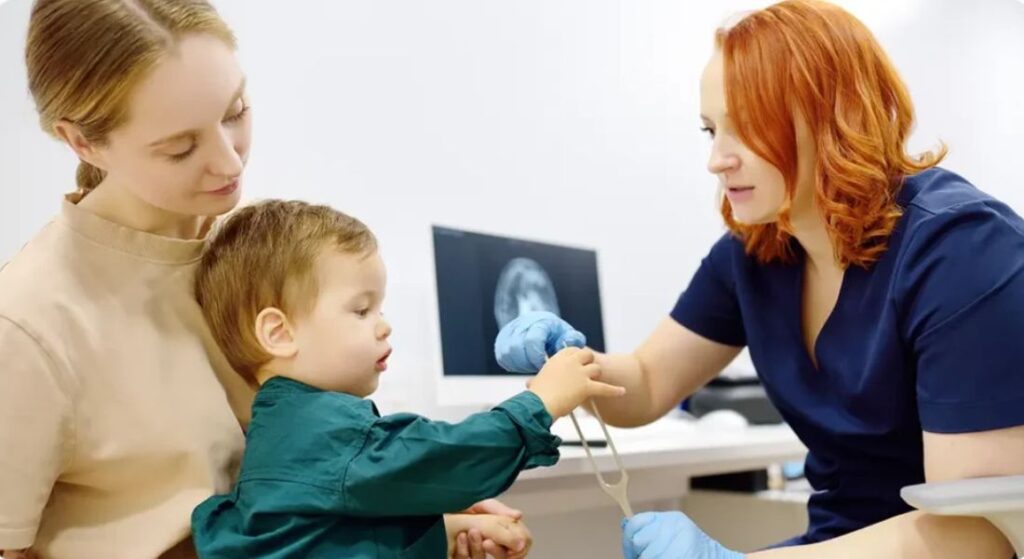
If you notice changes in your child’s skin, it’s important to seek advice early. With Paediatric vitiligo, early assessment helps ensure an accurate diagnosis and appropriate care. You may feel uncertain at first, but a specialist can provide clear guidance and reassurance. Taking action early helps you manage the condition more confidently.
- Recognising when to seek help: If you see new pale patches or changes in existing ones, it’s best to consult a specialist. Early evaluation helps confirm the cause and rule out other conditions. This allows you to move forward with clarity.
- Importance of accurate diagnosis: A dermatologist can assess your child’s skin carefully and provide a confirmed diagnosis. This ensures that any treatment plan is suitable and effective. Accurate diagnosis is the foundation of good care.
- Need for ongoing care: In many cases, ongoing monitoring is recommended. Regular reviews help track progression and identify any changes early. This approach supports better long-term management.
- Reassurance and support: Specialist care provides reassurance for both you and your child. You can feel confident that your child is receiving the best possible advice and treatment. This support helps you navigate the condition with greater ease.
By seeking specialist care at the right time, you ensure your child receives appropriate and timely support. Early guidance can make the process less stressful and more manageable. With expert care, you can approach each step with confidence.
Practical Tips for Parents
Caring for a child with Vitiligo involves simple, consistent habits that support both skin health and overall wellbeing. Small daily steps can make a meaningful difference over time.
Maintaining a gentle skincare routine is a good place to start. Use mild, fragrance-free products and avoid anything that may irritate the skin. Gentle care helps protect sensitive areas and supports the skin’s natural balance.
Encouraging a balanced diet and healthy lifestyle is equally important. Nutritious meals, good hydration, and regular sleep all contribute to overall wellbeing. While diet does not cure the condition, it helps support your child’s general health and resilience.
Staying informed about vitiligo helps you feel more confident in managing it. Understanding what to expect allows you to make informed decisions about care and treatment. It also enables you to reassure and support your child more effectively.
FAQs:
1. What are the early signs of vitiligo in children?
Early signs often include small, pale or white patches on the skin. These commonly appear on the face, hands, or around the eyes and mouth. At first, the patches may be subtle and easy to overlook. Over time, they can become more noticeable as pigment loss increases.
2. Is vitiligo in children different from adult vitiligo?
Yes, vitiligo in children can behave differently compared to adults. It may develop more suddenly and certain types, such as segmental vitiligo, are more common. Children may also respond differently to treatments. These differences make personalised care especially important.
3. Is vitiligo harmful to my child’s health?
Vitiligo itself is not physically harmful and does not cause pain. It is also not contagious, so it cannot spread from one person to another. However, it can affect a child’s confidence and emotional wellbeing. Providing reassurance and support is very important.
4. Can vitiligo in children spread quickly?
In some children, vitiligo may progress quickly, especially in the early stages. In others, it may remain stable for long periods without noticeable change. The pattern is unpredictable and varies from child to child. Regular monitoring helps track any progression.
5. What causes vitiligo in children?
Vitiligo is thought to be linked to the immune system mistakenly attacking pigment-producing cells. Genetic factors may also play a role, particularly if there is a family history of autoimmune conditions. Environmental triggers could contribute in some cases. However, the exact cause is still not fully understood.
6. How is vitiligo diagnosed in children?
A dermatologist usually diagnoses vitiligo through a careful skin examination. They may use a special light, such as a Wood’s lamp, to highlight affected areas. In most cases, no invasive tests are needed. Early diagnosis helps guide appropriate management.
7. What treatments are available for children with vitiligo?
Treatment often begins with gentle topical medications applied to the skin. In some cases, light-based therapies may be recommended under specialist supervision. The approach depends on the child’s age, skin type, and extent of the condition. Treatment plans are always tailored individually.
8. Can vitiligo in children be cured?
There is currently no complete cure for vitiligo. However, treatments can help restore some pigment and slow or stabilise progression. Many children respond well to early and consistent management. Outcomes vary, so patience is important.
9. How can I support my child emotionally?
Supporting your child emotionally is just as important as medical care. Encourage open conversations and listen to their concerns without judgement. Building confidence through positive reinforcement can make a big difference. If needed, professional support can provide additional guidance.
10. When should I see a specialist?
You should consult a specialist if you notice new or changing patches on your child’s skin. Early assessment helps confirm the diagnosis and rule out other conditions. Ongoing follow-ups ensure proper monitoring and care. Seeking advice early provides reassurance and clarity.
Final Thoughts: Supporting Your Child with Confidence
Vitiligo in children can feel overwhelming at first, but understanding the condition makes a meaningful difference. With early recognition, gentle treatment, and consistent support, many children manage vitiligo very well. Every child’s experience is unique, so a personalised approach to care is essential.
Equally important is emotional reassurance. Helping your child feel confident and supported can positively influence how they cope with visible skin changes. Open communication, patience, and encouragement go a long way in building resilience. If you’re considering vitiligo treatment in London, you can get in touch with us at London Dermatology Centre.
References:
- Speeckaert, R., Van Caelenberg, E., Belpaire, A., Speeckaert, M.M. and van Geel, N. (2024) Vitiligo: From pathogenesis to treatment, Journal of Clinical Medicine, 13(17), p. 5225. https://www.mdpi.com/2077-0383/13/17/5225
- Diotallevi, F. et al. (2023) Vitiligo, from pathogenesis to therapeutic advances: State of the art, International Journal of Molecular Sciences, 24(5), p. 4910. https://www.mdpi.com/1422-0067/24/5/4910
- Joge, R.R., Kathane, P.U. and Joshi, S.H. (2022) Vitiligo: A narrative review, Cureus, 14(9), e29307. https://pmc.ncbi.nlm.nih.gov/articles/PMC9586189/
- Sallehuddin, N. et al. (2025) A scoping review of pathogenesis, current treatments, and novel approaches for vitiligo, Journal of Cosmetic Dermatology. https://pmc.ncbi.nlm.nih.gov/articles/PMC12516940/
- Retamal, C., Hartmann, D. and Valenzuela, F. (2025) Vitiligo: A review of pathogenesis and treatments, including new therapies on the horizon, Journal of Cutaneous Medicine and Surgery, 29(3), pp. NP21–NP33. https://pubmed.ncbi.nlm.nih.gov/40008630/