



Vitamin B12 is an essential nutrient that supports many important functions in your body. It plays a key role in red blood cell formation, helps maintain healthy nerve function, and contributes to your overall wellbeing. You can get vitamin B12 from foods such as meat, dairy, and fortified products, or through supplements if needed. Although it is vital for your health, there has been increasing discussion about whether it may also have an effect on your skin.
You may notice changes in your skin after starting vitamin B12 supplements, particularly if you are taking higher doses. In some cases, people report new breakouts or worsening acne, which can feel unexpected. This can be confusing, as vitamins are usually linked with positive health benefits rather than side effects. However, your body relies on balance, and even essential nutrients can sometimes have unintended effects when levels become too high.
In this article, you will explore whether vitamin B12 can contribute to acne and how it may influence your skin. You will also learn when this connection is more likely to become relevant, especially in relation to dosage and individual sensitivity. Understanding this link can help you make more informed choices about supplementation. It can also support you in managing your skin more effectively while maintaining your overall health.
What Is Vitamin B12?
Vitamin B12 is a water-soluble vitamin that plays an important role in keeping your body functioning properly. It supports essential processes such as DNA production, red blood cell formation, and the maintenance of a healthy nervous system. Without enough vitamin B12, your body may struggle to carry out these functions effectively. This is why maintaining adequate levels is important for your overall health.
In most cases, you can get enough vitamin B12 through your diet, particularly if you eat animal-based foods. However, you may need supplements if you follow certain dietary restrictions or have difficulty absorbing the vitamin. This is why supplementation is quite common, especially in specific groups of people. It helps ensure that your body continues to receive what it needs.
Understanding how vitamin B12 works in your body helps you see its wider effects. While it is highly beneficial, taking too much can sometimes lead to unwanted side effects. This includes potential changes in your skin, which may not always be expected. Keeping your intake balanced is key to avoiding these issues while still gaining the benefits.
Why People Take Vitamin B12 Supplements
You may take vitamin B12 supplements to treat or prevent a deficiency. This is more common if you have certain medical conditions or follow dietary patterns such as a vegan or vegetarian diet. In these situations, your body may not get enough B12 from food alone. Supplementation helps restore and maintain normal levels so your body can function properly.
You might also use vitamin B12 to support your energy levels or overall wellbeing. Many supplements are available in high doses, which can make it easy to consume more than your body actually needs. This can increase the risk of excessive intake over time. As a result, it becomes important to be mindful of how much you are taking.
Understanding why you use vitamin B12 can help explain how it may affect your skin. The dose you take and how often you take it both play a role in how your body responds. Some people may notice changes, while others may not experience any effects at all. Your individual response can vary depending on your body and overall health.
Can Vitamin B12 Cause Acne?

Vitamin B12 does not cause acne in everyone, but it has been linked to breakouts in some people. You may be more likely to notice this if you are taking high-dose supplements. The way your skin responds can vary depending on your body and overall sensitivity. This is why some people experience changes, while others do not.
The exact connection is not fully understood, but research suggests that vitamin B12 may influence the behaviour of bacteria on your skin. These changes can sometimes trigger inflammation, which is a key factor in acne development. As a result, you may start to see spots or worsening breakouts. This link is still being studied, but it offers a possible explanation.
Understanding this relationship can help you make sense of unexpected changes in your skin. It also highlights the importance of taking supplements in moderation rather than in excessive amounts. Not every supplement will suit your body in the same way. Paying attention to how your skin reacts can help you make better decisions.
The Role of Skin Bacteria
Your skin is home to a complex ecosystem of bacteria that play an important role in maintaining its natural balance. One of the most well-known is Cutibacterium acnes, which is closely linked to the development of acne. Under normal conditions, this bacterium exists harmlessly on the skin. However, changes in its behaviour can disrupt balance and contribute to breakouts.
- Natural Bacterial Balance: Your skin relies on a stable balance of bacteria to stay healthy and resilient. When this balance is maintained, harmful inflammation is less likely to occur. Disruptions, however, can make your skin more prone to irritation and acne.
- Impact of Vitamin B12 on Bacteria: Vitamin B12 may influence how Cutibacterium acnes behaves on your skin. Research suggests it can alter bacterial activity, leading to increased production of certain compounds. These changes may trigger or worsen breakouts in some individuals.
- Increased Inflammatory Response: When bacterial activity shifts, it can lead to a rise in inflammatory substances. This makes your skin more reactive and sensitive. As a result, redness, swelling, and acne lesions may become more noticeable.
- Internal Factors Affect Skin Health: This interaction highlights how internal changes, such as nutrient levels, can directly affect your skin. It is not just external skincare that matters, but also what is happening inside your body. Maintaining balance is key to supporting clearer skin.
In conclusion, the relationship between skin bacteria and vitamin B12 shows how delicate your skin’s ecosystem can be. Even small internal changes can influence how bacteria behave and how your skin responds. Understanding this connection can help you make more informed decisions about supplements and skincare. Ultimately, maintaining balance both internally and externally is essential for healthier, more stable skin.
How B12 Influences Inflammation
Inflammation is a central part of how acne develops and progresses on your skin. Vitamin B12 may affect certain inflammatory pathways, which can influence how your skin responds. When these pathways are triggered, your skin may become more reactive than usual. This can increase the likelihood of breakouts forming.
As inflammation rises, acne lesions can become more noticeable and harder to manage. You may see increased redness, swelling, or irritation in affected areas. These changes can make your skin feel more sensitive and uncomfortable. Over time, this can contribute to a worsening overall skin condition.
Managing inflammation is an important step in keeping acne under control. Understanding how vitamin B12 may play a role can help you make more informed decisions about your supplements. It also supports a more targeted approach to treatment and skincare. Greater awareness can lead to better and more consistent outcomes for your skin.
Why High Doses Matter
The risk of acne is more commonly linked to taking high doses of vitamin B12. When you consume more than your body needs, it can begin to affect natural processes in your skin. Excess B12 may influence both bacterial activity and inflammation, which are key factors in acne development. This is why higher doses are more likely to trigger noticeable changes.
If you stick to low or moderate intake, you are less likely to experience these issues. Your body is usually able to regulate normal levels of vitamin B12 without difficulty. Problems tend to arise when this balance is disrupted by excessive supplementation. Keeping your intake within a reasonable range helps your body function more smoothly.
Understanding the importance of dosage can help you reduce the risk of unwanted side effects. Taking only what your body actually needs supports better overall outcomes for both your health and your skin. It also allows you to benefit from vitamin B12 without increasing the chance of breakouts. Maintaining moderation is key to achieving this balance.
Who Is More Likely to Be Affected?
Not everyone who takes vitamin B12 will experience acne, but some individuals may be more sensitive to its effects than others. Your skin’s response often depends on underlying factors such as your history with acne and your overall skin behaviour. While some people notice no change at all, others may see new or worsening breakouts. Understanding your personal risk can help you make more informed decisions about supplementation.
- History of Acne: If you have previously struggled with acne, you may be more prone to flare-ups when taking vitamin B12. Your skin may already be sensitive to internal triggers that influence oil production and inflammation. This makes it easier for breakouts to develop or return.
- Existing Active Breakouts: If your acne is currently active, vitamin B12 may worsen the condition in some cases. Changes in skin bacteria and inflammation can intensify existing spots. This can make acne appear more persistent or harder to manage.
- Hormonal Influences: Hormones play a significant role in how your skin behaves. If you already experience hormonally driven acne, vitamin B12 may add to this imbalance. The combined effect can increase the likelihood of breakouts.
- Individual Skin Sensitivity: Every person’s skin reacts differently to supplements and internal changes. Some individuals are simply more reactive to shifts in nutrient levels. This is why vitamin B12 affects some people’s skin while leaving others unaffected.
In conclusion, your likelihood of developing acne from vitamin B12 depends on a combination of personal and biological factors. A history of acne, current skin condition, and hormonal influences all play a role. Recognising your own susceptibility allows you to take a more tailored approach to supplements. With the right awareness, you can better manage your skin and reduce the risk of unwanted breakouts.
How Quickly Acne May Appear
Acne linked to vitamin B12 supplementation can sometimes appear quite quickly after you start taking it. You may notice new breakouts developing within a few days or over the course of a few weeks. This relatively rapid onset can make the change more noticeable, especially if your skin was previously stable. In some cases, the difference can feel sudden and unexpected.
The timing of these breakouts can help you identify a possible cause. If your acne begins soon after starting a supplement, there may be a connection worth considering. Paying attention to when changes occur can give you useful insight into what is affecting your skin. Keeping track of these patterns can make it easier to spot triggers.
Understanding this pattern allows you to respond early and manage your skin more effectively. Recognising potential triggers can help you take steps to reduce or prevent further breakouts. This may include adjusting your supplement routine or seeking advice if needed. Careful observation is key to maintaining better control over your skin.
Typical Appearance of B12-Related Acne
Vitamin B12-related acne often appears as inflamed red bumps or small pustules on your skin. You may notice these breakouts on areas such as your face, chest, or back, where acne commonly develops. The overall pattern can look similar to other types of acne, which can make it difficult to identify at first. Because of this, it may not always be obvious that supplements are involved.
In some cases, the acne can be more inflammatory, making the spots appear redder and more noticeable. You might find that the breakouts feel more irritated or persistent than usual. The severity can vary depending on how your skin responds to the supplement. Some people experience mild changes, while others may see more significant flare-ups.
Recognising these features can help guide a more accurate understanding of what is affecting your skin. A dermatologist will usually consider several factors, including your medical history and any supplements you are taking. This helps build a clearer picture of the cause. Accurate identification can lead to more effective and targeted treatment.
Difference from Other Acne Types
Vitamin B12-related acne differs from more typical forms of acne because of its underlying trigger. Instead of being mainly driven by hormones, stress, or lifestyle factors, it is linked to supplementation. This can make the cause easier for you to identify, especially if you have recently started taking vitamin B12. Recognising this distinction is important when assessing changes in your skin.
The sudden onset and timing of breakouts are often key indicators. If your acne appears shortly after beginning a supplement, this pattern can point towards a possible connection. In many cases, reducing or stopping the supplement may lead to gradual improvement. This response helps distinguish it from other types of acne that may persist despite such changes.
Understanding these differences can guide you towards more appropriate and effective treatment. Identifying the exact cause is essential before making decisions about your skincare or supplements. This allows for a more targeted and practical approach. With the right adjustments, you can improve both your skin and overall results.
Can This Type of Acne Be Prevented?
Preventing vitamin B12-related acne largely comes down to using supplements in the right way. You can reduce your risk by avoiding unnecessary high doses, especially if your body does not need extra B12. Taking more than required can disrupt your skin’s balance and trigger unwanted changes. Seeking proper guidance before starting supplements can make a significant difference.
Taking vitamin B12 only when it is needed helps your body maintain a healthy balance. In some cases, you may need a blood test to confirm whether you are deficient. This allows you to use supplements safely and in the correct amount. It also helps avoid overuse, which is often linked to side effects.
Understanding how to prevent this type of acne can help you minimise potential issues. Being aware of how supplements affect your body supports better decision-making. This approach allows you to protect both your overall health and your skin. Maintaining balance is essential for achieving the best outcomes.
Should You Stop Vitamin B12?
If you suspect that vitamin B12 is contributing to your acne, it is important not to stop it abruptly without proper guidance. Vitamin B12 plays a vital role in your overall health, including nerve function and red blood cell production. While your skin concerns are valid, stopping supplementation without understanding your body’s needs may lead to other issues. Taking a balanced and informed approach is essential.
- Consult a Healthcare Professional First: Before making any changes, you should speak with a qualified healthcare professional. They can assess whether vitamin B12 is necessary for your specific health needs. This ensures that any decision you make is safe and appropriate.
- Avoid Abrupt Discontinuation: Stopping vitamin B12 suddenly may not be suitable, especially if you have a deficiency. Your body may rely on supplementation to function properly. A sudden change could lead to unwanted health complications.
- Possible Adjustments Instead of Stopping: In some cases, your doctor may suggest reducing the dosage or switching to a different form of vitamin B12. These adjustments can sometimes minimise skin-related side effects. This approach allows you to maintain essential nutrient levels while addressing acne concerns.
- Importance of Personalised Advice: Every individual’s health and skin response is different. What works for one person may not work for another. Personalised medical advice helps you strike the right balance between maintaining your health and managing your skin.
In conclusion, deciding whether to stop vitamin B12 should never be a rushed or uninformed decision. Your overall health needs must always be considered alongside any skin concerns. With proper medical guidance, you can explore safer alternatives or adjustments that work for you. A thoughtful and personalised approach will always lead to better long-term outcomes.
Managing Acne Linked to B12
Treatment for vitamin B12-related acne is generally similar to how other types of acne are managed. You may be advised to use topical treatments that help reduce inflammation and control bacteria on the skin. These treatments can help calm existing breakouts and prevent new ones from forming. With consistent use, they can improve the overall condition of your skin.
In more severe cases, you may need oral medications to help manage the symptoms. These are usually considered when topical treatments alone are not enough. Such treatments target deeper inflammation and can provide stronger control over persistent acne. A personalised approach is often needed to ensure you get the most effective results.
It is also important to address the underlying trigger when managing this type of acne. This may involve adjusting or reducing your vitamin B12 supplementation if it is contributing to the problem. Combining medical treatment with changes to your supplement routine often works best. This balanced approach helps improve your skin while supporting your overall health.
Skincare Support
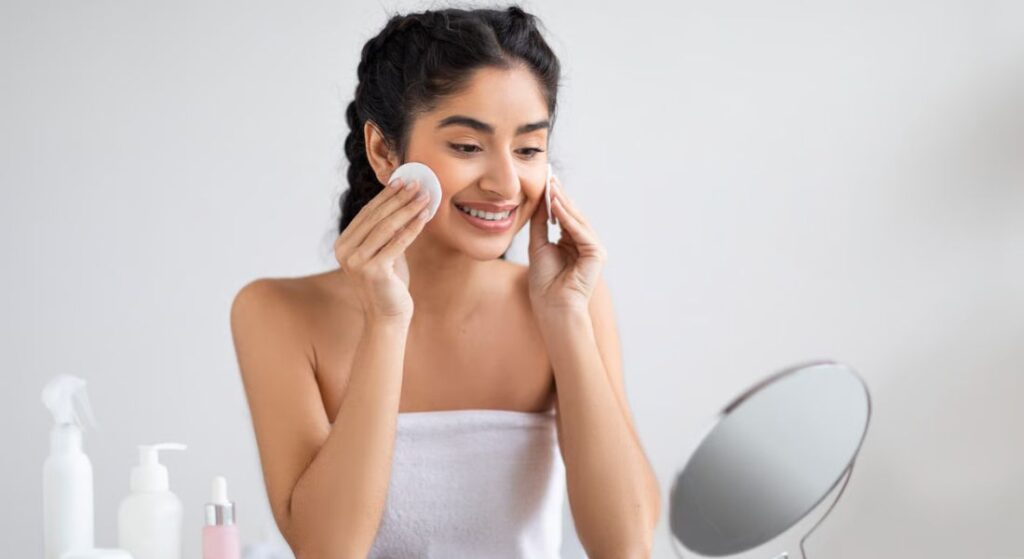
A consistent skincare routine can play an important role in managing breakouts linked to vitamin B12. You should focus on gentle cleansing to remove excess oil and impurities without stripping your skin. Keeping oil levels balanced is important for reducing the risk of further congestion. At the same time, avoiding harsh products helps prevent irritation that could worsen acne.
Using non-comedogenic products is also helpful, as these are designed not to block your pores. This supports clearer skin by reducing the chance of new breakouts forming. You may find that sticking to simple, suitable products works better than using too many active ingredients at once. Consistency in your routine is essential for maintaining steady improvement.
Skincare works best when it complements any medical treatment you may be using. It helps support your skin’s natural balance while other treatments address the underlying causes. With proper and regular care, you can improve both the appearance and comfort of your skin. This combined approach often leads to better overall outcomes.
Recovery After Adjusting Supplements
If vitamin B12 is identified as a potential trigger for your acne, adjusting or stopping the supplement may lead to gradual improvement in your skin. However, recovery is not immediate, and your skin needs time to rebalance itself. Changes inside the body often take a while to reflect on the surface. During this period, you may still experience breakouts before improvement becomes noticeable.
- Gradual Skin Improvement: Once vitamin B12 intake is reduced or stopped, acne may slowly begin to improve. This happens because the skin needs time to adjust to changes in bacterial activity and inflammation levels. You should not expect overnight results.
- Skin Rebalancing Period: Your skin goes through a natural rebalancing phase after any internal change. During this time, oil production and bacterial activity gradually stabilise. This process can vary from person to person depending on skin type and sensitivity.
- Ongoing Treatment May Be Needed: Even after adjusting supplements, you may still need acne treatment. Topical or prescribed treatments can help manage active breakouts while your skin recovers. This combined approach often supports better results.
- Variation in Recovery Time: Everyone’s recovery timeline is different. Some people notice improvement within weeks, while others may take longer. Consistency in skincare and patience are important during this phase.
In conclusion, recovery after adjusting vitamin B12 is a slow and steady process rather than an immediate fix. Your skin needs time to reset and respond to internal changes. While improvements are likely, temporary flare-ups can still occur. With patience and consistent care, your skin can gradually return to a more stable and balanced state.
Risk of Scarring
Inflammatory acne can increase your risk of developing scarring, especially if breakouts are severe or long-lasting. Vitamin B12-related acne may sometimes be more inflammatory, which can make this risk higher in certain cases. If inflammation is not controlled, it can affect deeper layers of the skin. This is why early attention is important.
Dermatologists usually focus not only on treating active acne but also on preventing long-term skin damage. Seeking prompt care can help reduce the chances of permanent marks or scarring developing. With the right treatment, inflammation can be managed more effectively. This helps protect the overall health and appearance of your skin.
Understanding the risk of scarring encourages you to take early action when breakouts begin. Prevention is often more effective than treating scars later on. By addressing acne quickly and consistently, you can support better healing. Proper and timely care leads to improved long-term skin outcomes.
Emotional Impact
Sudden acne can affect your confidence and self-esteem, especially when it appears unexpectedly. This can feel more frustrating when you link it to something you believed was beneficial, such as a vitamin supplement. The emotional impact can sometimes feel just as challenging as the physical symptoms. Because of this, it is important to recognise how skin changes can affect your overall well-being.
Support from healthcare professionals can help you manage both the physical and emotional sides of acne. When you receive proper guidance, it becomes easier to understand what is happening and how to treat it. A holistic approach that considers your mental and emotional health, as well as your skin, often leads to better outcomes. With the right support, your confidence can gradually improve again.
Understanding the cause of your acne can also provide reassurance and reduce anxiety. When you know why your skin is reacting, it becomes easier to manage expectations and respond appropriately. This knowledge can help you feel more in control of the situation. In turn, this supports both your emotional well-being and overall skin health.
Advances in Research
Research into the relationship between vitamin B12 and acne is still ongoing, and scientists continue to explore how this connection works. Some studies suggest that vitamin B12 may influence bacterial activity on the skin, which can play a role in the development of acne. These findings have helped improve the overall understanding of how supplements can affect skin health. As research develops, more clear explanations may become available.
These insights are useful for guiding more effective treatment approaches. Dermatologists can use this growing evidence to provide more targeted and informed care for people experiencing breakouts. This means treatment can be better tailored to the underlying cause rather than just the symptoms. As a result, patients may benefit from more accurate and personalised management strategies.
Staying informed about ongoing research can help you make better decisions about your health and supplements. Scientific progress continues to improve how acne is understood and treated. This leads to more effective outcomes over time. Being aware of new developments can support you in managing your skin more confidently.
When to Seek Professional Help
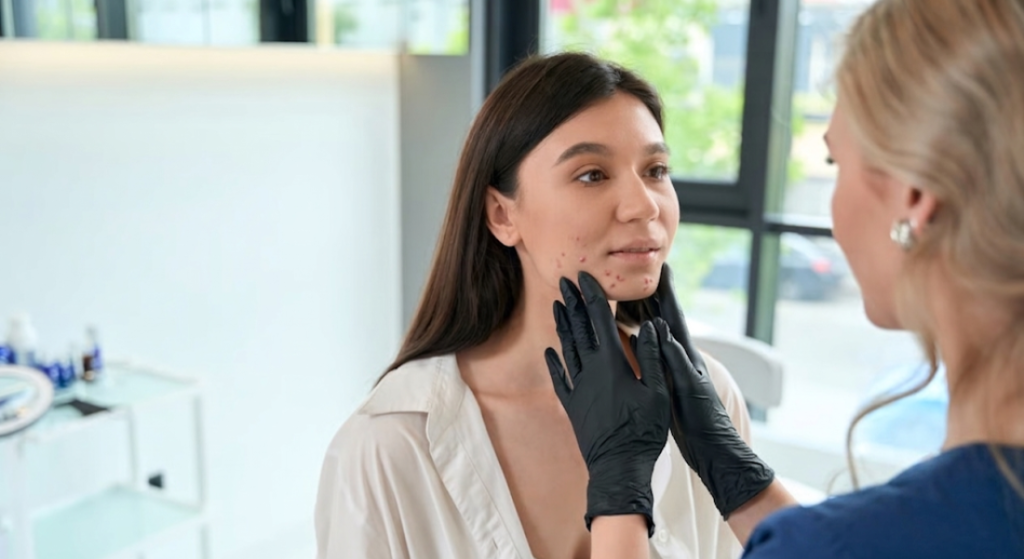
If you notice acne developing or worsening after starting vitamin B12 supplements, it is important to consider seeking professional advice rather than managing it alone. A dermatologist can assess your skin properly and determine whether the breakouts are linked to supplementation or other underlying causes. Early support often makes acne easier to control and can prevent it from becoming more persistent. Taking timely action helps you manage your skin more effectively and avoid unnecessary complications.
- Early Dermatological Assessment: Seeing a dermatologist early allows for a proper evaluation of your acne. They can identify whether vitamin B12 may be contributing or if other factors are involved. This helps ensure you receive the right treatment from the start.
- Managing Persistent or Severe Acne: If your acne continues for an extended period or becomes more severe, it should not be ignored. Persistent breakouts may require medical treatment rather than over-the-counter solutions. Professional care can help bring the condition under control more effectively.
- Targeted Treatment Options: A healthcare professional can recommend treatments tailored to your skin type and severity of acne. This may include topical treatments, oral medication, or adjustments to your supplement routine. A personalised approach often leads to better and faster results.
- Reducing Risk of Long-Term Skin Issues: Delaying treatment can sometimes increase the risk of scarring or prolonged inflammation. Seeking help early reduces these risks and supports healthier skin in the long run. It also ensures that your condition is managed safely and appropriately.
In conclusion, seeking professional help when acne appears after vitamin B12 supplementation is a proactive and important step. It allows you to understand the cause of your breakouts and receive suitable treatment. Early intervention can significantly improve outcomes and prevent the condition from worsening. With expert guidance, you can achieve better control and long-term skin stability.
Why Understanding This Link Matters
Understanding the link between vitamin B12 and acne helps you take a more informed and balanced approach to your health. It allows you to see how supplementation may affect your skin and why moderation is important. When you are aware of this connection, it becomes easier to manage both your nutrition and your skin health together. This awareness can improve how effectively you handle any changes that occur.
By recognising potential triggers, you can make more informed decisions about your supplements and skincare routine. This may help you avoid unnecessary breakouts and choose options that better suit your body. As a result, you are more likely to achieve stable and improved outcomes. Knowledge gives you the ability to respond more confidently and appropriately.
Taking a proactive approach supports healthier skin in the long term. Finding the right balance between nutrition and skin health is essential for maintaining overall well-being. When you stay informed and attentive to your body’s responses, you are better equipped to prevent issues before they worsen. This awareness ultimately leads to more consistent and positive results.
Frequently Asked Questions:
1. Can vitamin B12 really cause acne?
Yes, vitamin B12 can trigger acne in some people, although it does not affect everyone. You are more likely to notice breakouts if you take high-dose supplements. Your skin may react differently depending on your sensitivity. Understanding your body’s response is important.
2. Why does vitamin B12 trigger acne in some people?
Vitamin B12 may alter the behaviour of bacteria on your skin. This can increase the production of inflammatory substances, which may lead to breakouts. You might notice your skin becoming more reactive than usual. However, this effect does not happen to everyone.
3. How quickly can acne appear after taking B12?
You may notice acne developing within a few days or weeks of starting vitamin B12 supplements. The onset is often quite sudden, which can make it easier to identify the trigger. If your skin changes quickly after starting supplements, it may be linked. Tracking timing can help you understand the cause.
4. Is acne from vitamin B12 permanent?
No, acne caused by vitamin B12 is usually temporary. If the supplement is the trigger, your skin can improve once the dose is reduced or stopped. However, it may take some time for your skin to return to normal. Consistent care helps support recovery.
5. Should you stop taking vitamin B12 if you get acne?
You should not stop taking vitamin B12 without speaking to a healthcare professional. Your body needs B12 for essential functions, so stopping suddenly may not be safe. A doctor can help you adjust the dose or suggest alternatives. This ensures both your health and skin are managed properly.
6. Are high doses more likely to cause acne?
Yes, higher doses of vitamin B12 are more commonly associated with acne. When you take more than your body needs, it can disrupt your skin’s natural balance. This may increase inflammation and bacterial activity. Taking only the required amount reduces this risk.
7. Does vitamin B12 from food cause acne too?
It is unlikely that vitamin B12 from food will cause acne. Your body usually regulates nutrients from dietary sources more effectively. Problems are more often linked to supplements, especially in high doses. A balanced diet rarely leads to this issue.
8. What does B12-related acne look like?
You may notice red, inflamed bumps or pustules on your skin. These can appear on your face, chest, or back. The acne may develop quickly and feel more inflammatory than usual. The appearance can be similar to other types of acne.
9. Can you prevent acne while taking vitamin B12?
You can reduce your risk by avoiding unnecessary high doses of vitamin B12. Taking supplements only when needed helps maintain balance. It is also helpful to follow medical advice and monitor your skin. Prevention starts with awareness and moderation.
10. When should you see a dermatologist?
You should see a dermatologist if your acne is persistent, severe, or getting worse. Early treatment can help prevent complications such as scarring. A professional can assess whether vitamin B12 is contributing to your breakouts. Getting expert advice helps you manage your skin more effectively.
Final Thoughts: Managing Vitamin B12 and Acne with Confidence
Understanding the possible link between vitamin B12 supplements and acne helps you take a more informed and balanced approach to both your health and your skin. While vitamin B12 is essential for many bodily functions, you may find that high doses can sometimes contribute to breakouts if your body is sensitive to it. Recognising this connection allows you to pay closer attention to how your skin responds when you start or adjust supplementation. This awareness is key to making choices that support both wellbeing and clear skin.
If you notice changes in your skin after taking vitamin B12, it is important not to panic, as these effects are often manageable and temporary. You should focus on identifying patterns, monitoring your dosage, and seeking professional advice when needed. A healthcare professional can help you determine whether adjustments are necessary while still ensuring your nutritional needs are met. This balanced approach helps you avoid unnecessary disruption to your health.
Ultimately, managing acne linked to vitamin B12 is about understanding your body and responding appropriately. With the right skincare routine, medical support, and mindful supplementation, you can reduce the likelihood of breakouts and maintain healthier skin. If you are struggling with persistent or worsening acne, professional guidance can make a significant difference. If you’re considering acne treatment in London, you can get in touch with us at London Dermatology Centre.
References:
- Kang, D., Shi, B., Erfe, M.C., Craft, N. and Li, H. (2015) Vitamin B12 modulates the transcriptome of Propionibacterium acnes, Science Translational Medicine, 7(293), p. 293ra103. https://pubmed.ncbi.nlm.nih.gov/26109103/
- O’Neill, A.M. and Gallo, R.L. (2018) Host-microbiome interactions in acne, Current Opinion in Infectious Diseases, 31(2), pp. 118–124. https://pmc.ncbi.nlm.nih.gov/articles/PMC6049814/
- Podgórska, A., Puścion-Jakubik, A., Markiewicz-Żukowska, R., Gromkowska-Kępka, K.J. and Socha, K. (2021) Acne vulgaris and intake of selected dietary nutrients a summary of information, Healthcare, 9(6), p. 668. https://www.mdpi.com/2227-9032/9/6/668/
- Niedźwiedzka, A., Micallef, M.P., Biazzo, M. and Podrini, C. (2024) The role of the skin microbiome in acne: challenges and future therapeutic opportunities, International Journal of Molecular Sciences, 25(21), p. 11422. https://www.mdpi.com/1422-0067/25/21/11422/
- Liu, P.T., et al. (2015) Cutaneous microbiome activity and vitamin B12 in acne development, Science Translational Medicine. https://pmc.ncbi.nlm.nih.gov/articles/PMC6049814/