


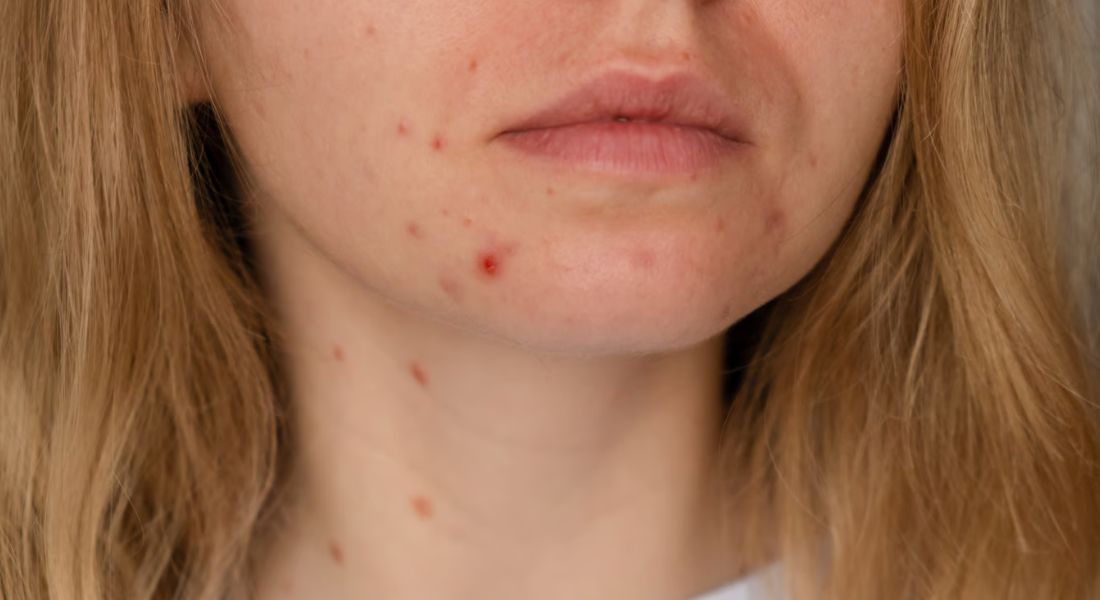
You may already know that hormones play a major role in acne, but hormonal contraception can influence your skin in different ways. For some people, it helps reduce breakouts, while for others, it can make acne worse. This variation depends on how your body responds to changes in hormone levels. Because of this, your experience may not match someone else’s.
Different contraceptives contain varying types and levels of hormones, particularly oestrogen and progestogen. These hormones can affect how much oil your skin produces, as well as levels of inflammation and pore blockage. Some formulations are designed to stabilise these effects, while others may unintentionally trigger them.
Understanding this variation helps you set realistic expectations from the start. Rather than expecting a guaranteed outcome, it’s more useful to monitor how your skin responds over time. This approach allows for better management and more informed decisions about your treatment.
Why Hormones Influence Acne
You should understand that acne is closely linked to androgen hormones, which play a key role in stimulating oil production in your skin. When these hormones are more active, your sebaceous glands produce more oil, increasing the likelihood of clogged pores and breakouts. This is one of the main reasons hormonal fluctuations often trigger acne.
Hormonal contraception can either reduce or mimic these androgen effects depending on its specific formulation. Some contraceptives help balance hormone levels and lower oil production, while others may have a more androgen-like effect and potentially worsen breakouts. This is why two people using different types of contraception can have completely different skin outcomes.
Your skin’s response ultimately depends on your individual hormonal balance. Factors such as sensitivity to androgens and your baseline skin condition also play a role. Understanding this helps explain why acne changes can feel unpredictable and why personalised treatment is often necessary.
How Combined Pills May Improve Acne
You may notice clearer skin if you’re using combined oral contraceptive pills, as they contain both oestrogen and progestin. These hormones work together to balance your body’s natural hormone levels, which can have a positive effect on acne. For many people, this leads to a gradual improvement in skin clarity rather than an immediate change.
- Hormonal balance reduces breakouts: Combined pills help regulate fluctuations in your hormones, which are often a key trigger for acne. When these levels are more stable, your skin tends to become calmer and less prone to flare-ups.
- Oestrogen lowers oil production: One of the main benefits is that oestrogen reduces excess oil (sebum) in your skin. With less oil, your pores are less likely to become clogged, which helps prevent new spots from forming.
- Fewer clogged pores over time: As oil production decreases, your skin environment becomes less favourable for acne. This can lead to fewer blackheads, whiteheads, and inflammatory breakouts.
- Gradual but noticeable improvement: These changes don’t happen overnight. With consistent use, you’ll usually see steady progress, with clearer and smoother skin developing over time.
This is why some combined contraceptive pills are used as part of acne treatment plans. While the results take time, they can be very effective when used consistently. Understanding this helps you stay patient and set realistic expectations as your skin improves.
Why Some Contraceptives Worsen Acne
You might find that your acne worsens after starting certain types of contraception, particularly progestin-only methods. These can sometimes have androgen-like effects in the body, which may stimulate your skin’s oil glands. As a result, you may notice an increase in breakouts, especially in the early stages.
These hormonal effects can lead to higher oil production, clogged pores, and more frequent spots. The extent of this change depends on how sensitive your skin is to hormonal shifts. Some people experience only mild changes, while others may see a more noticeable flare-up.
It’s important to remember that this doesn’t happen to everyone. Your individual response will vary based on your hormonal balance and skin type. Being aware of this possibility helps you monitor changes early and discuss adjustments if needed.
The Adjustment Period After Starting Contraception
You should expect your skin to go through an adjustment phase when you start a new contraceptive. Hormonal changes don’t happen instantly, and your body needs time to find a new balance. During this period, your skin may react in ways that feel unpredictable at first.
It’s quite common to experience an increase in breakouts before things begin to improve. This temporary flare-up is part of your body adapting to the new hormone levels. While it can be frustrating, it doesn’t necessarily mean the treatment isn’t working.
Patience is important during the first few months. In many cases, your skin begins to settle as hormone levels stabilise. Giving your body time to adjust helps you see the true long-term effect of the contraceptive.
Switching Contraceptives and Skin Changes
You may notice changes in your acne if you switch between different contraceptive methods. Each formulation affects your hormone levels in its own way, which can directly influence how your skin behaves. As a result, your acne may improve, worsen, or fluctuate during the transition period.
Even small shifts in hormone levels can lead to noticeable changes in oil production and inflammation. This is why switching contraceptives should be done carefully and ideally with guidance from a healthcare professional. Monitoring your skin during this time helps you understand how your body is responding.
Your skin may need time to readjust after a change. It’s common for things to feel unsettled for a few weeks or even months before stabilising. Being patient and consistent with your routine can help you manage this transition more effectively.
The Role of Oil Production
You should understand that excess oil production is one of the main factors behind acne. Your sebaceous glands respond directly to hormonal signals, which means hormonal contraception can either increase or decrease oil levels depending on its formulation. This is why your skin may react differently when you switch between different types of contraception.
- Hormones directly influence oil production: Your sebaceous glands are highly sensitive to hormonal changes. When certain hormones increase, your skin can produce more oil, which raises the likelihood of breakouts.
- Excess oil leads to clogged pores: When too much sebum is produced, it mixes with dead skin cells and blocks your pores. This creates the perfect environment for acne to develop.
- Bacteria thrive in oily conditions: Increased oil provides a breeding ground for acne-causing bacteria. This can trigger inflammation, leading to red, swollen, and sometimes painful spots.
- Even small changes can have a visible impact: You don’t need a dramatic increase in oil for acne to worsen. Even subtle shifts in sebum production can noticeably affect how your skin looks and behaves.
Managing oil levels is a key part of keeping acne under control. Treatments that regulate sebum production can help reduce both the frequency and severity of breakouts. When you understand this connection, you’re better equipped to make informed choices about your skincare and contraception, leading to more consistent and manageable results.
Inflammation and Breakouts
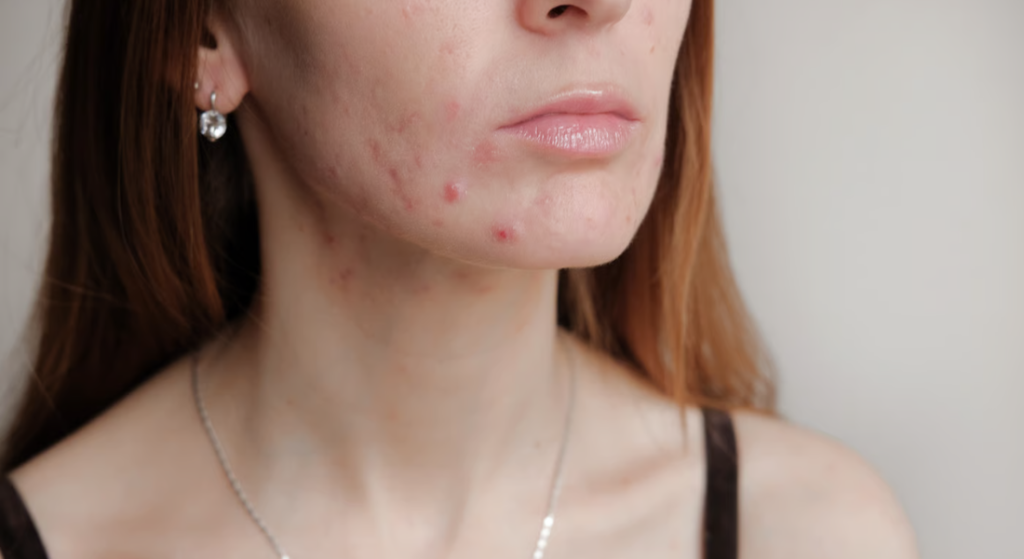
You may notice that hormonal acne often appears as inflamed spots, cysts, or deeper breakouts rather than small surface blemishes. This happens because hormonal fluctuations can trigger inflammation within the skin, affecting the deeper layers. As a result, these breakouts tend to feel more tender and noticeable.
This type of acne can be more persistent and slower to heal compared to typical surface-level spots. It may not respond as quickly to standard over-the-counter treatments, especially if the underlying hormonal trigger is still active. You might also find that it follows a pattern, often flaring at certain times in your cycle.
Understanding the inflammatory component helps guide more effective treatment choices. Approaches that target both oil production and inflammation tend to work best. This makes it easier to manage symptoms and achieve more consistent control over time.
Where Hormonal Acne Appears
You might find that hormonal acne tends to appear in specific areas of your face, particularly along the lower face, jawline, and chin. These regions are more sensitive to hormonal fluctuations, which is why breakouts here often follow a pattern. You may notice them appearing around the same time each month or during periods of hormonal change.
These areas have a higher concentration of oil glands that respond strongly to androgen hormones. When these hormones fluctuate, it can lead to increased oil production and clogged pores in these zones. This is why breakouts in these areas are often deeper and more inflamed than typical surface spots.
Recognising these patterns can help you identify whether your acne has a hormonal cause. Once you understand the trigger, it becomes easier to choose the right treatment approach. This allows for more targeted and effective management over time.
Long-Term Use and Skin Stability
You may notice that your skin begins to stabilise over time with continued use of certain contraceptives. As your hormone levels become more balanced, oil production and inflammation can settle, leading to fewer and less severe breakouts. This gradual improvement often becomes more noticeable after a few months of consistent use.
However, this stability depends on both the type of contraception and how your body responds to it. Not all formulations have the same hormonal effect, and what works well for one person may not produce the same results for you. This is why some people see clear improvements, while others may experience little change or even worsening acne.
Consistency plays an important role in achieving long-term results. Your skin needs time to adjust to hormonal regulation, so frequent changes or interruptions can disrupt progress. Staying consistent, while monitoring your skin’s response, helps create the best chance for stable and predictable outcomes.
Coming Off Contraception and Acne
You should be aware that stopping hormonal contraception can trigger changes in your skin, including acne. When you come off it, your hormone levels begin to shift back to their natural state, which can temporarily increase oil production. This creates conditions where breakouts are more likely to occur.
You might notice acne appearing even if your skin was clear while on contraception. This doesn’t mean something has gone wrong it’s simply your body readjusting to a different hormonal balance. The duration and severity of this phase vary from person to person, depending on your baseline hormone levels and skin sensitivity.
Planning ahead can make this transition much easier to manage. Introducing supportive skincare or discussing treatment options with a professional before stopping can help reduce the impact. With the right approach, your skin can stabilise more smoothly over time.
Managing Acne During Hormonal Changes
You may need a bit of extra support if your acne worsens during hormonal changes linked to contraception. Shifts in hormone levels can make your skin more reactive, which is why a consistent skincare routine becomes even more important. When you combine this with the right medical treatments, you’re addressing both the visible breakouts and the underlying causes. This balanced approach helps keep your skin more stable over time.
- Consistency in skincare is key: Sticking to a regular routine helps your skin adjust and respond better to treatment. Sudden changes or inconsistent use can make hormonal breakouts harder to control.
- Targeted treatments reduce inflammation: Products or medications designed to calm inflammation can help minimise redness and swelling. This makes active breakouts less severe and easier to manage.
- Oil regulation helps prevent new spots: Treatments that control sebum production reduce the chances of pores becoming clogged. This plays a major role in preventing future breakouts.
- A combined approach delivers better results: Using both skincare and medical guidance allows for a more personalised plan. This ensures you’re tackling acne from multiple angles rather than relying on a single solution.
Combining the right strategies makes a real difference when dealing with hormonal acne. With a tailored approach and consistent care, you can manage changes more effectively and maintain clearer, healthier skin in the long run.
The Importance of Personalised Treatment
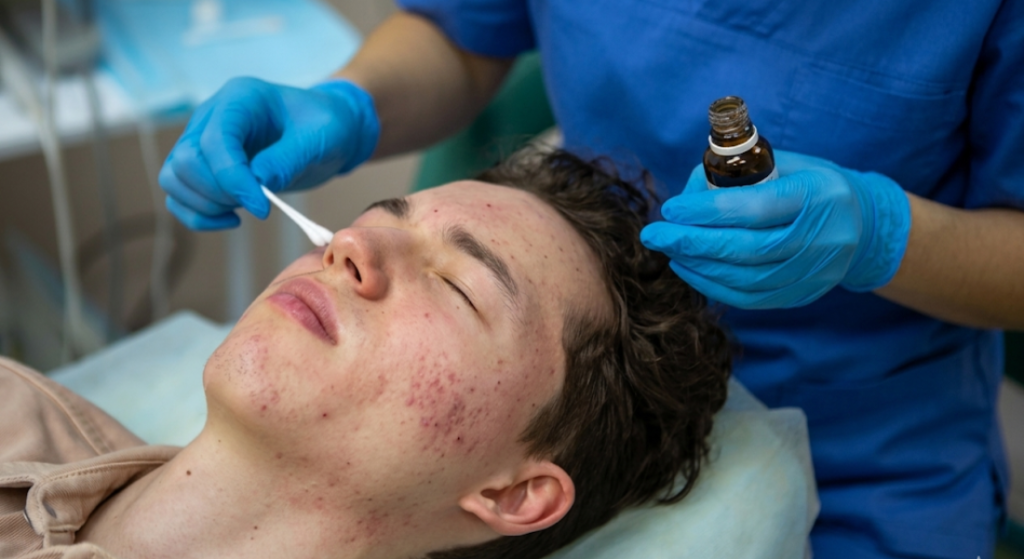
You should remember that acne treatment is not one-size-fits-all. Your skin type, hormone levels, and the type of contraception you use all play a role in how your skin responds. What works well for someone else may not be the right solution for you.
A personalised approach ensures that your treatment is both effective and appropriate for your situation. This might involve adjusting your contraceptive method, introducing targeted skincare, or combining different treatments to address multiple factors at once. The goal is to create a plan that works with your body rather than against it.
Individual care leads to better and more consistent results over time. When your treatment is tailored to your specific needs, it’s easier to manage breakouts and maintain healthier skin. This approach also helps you adapt more confidently if your skin changes in the future.
When to Seek Professional Advice
You should consider seeking professional advice if your acne becomes persistent, severe, or difficult to manage on your own. Hormonal changes can be complex, and without proper guidance, it’s easy to feel unsure about what’s actually helping or making things worse. Getting expert input allows you to understand the underlying cause more clearly.
A specialist can assess your skin in detail and recommend treatments tailored to your specific needs. This might include adjusting your contraceptive method, prescribing targeted medications, or refining your skincare routine. Having a structured plan takes the guesswork out of managing your acne.
Early intervention can make a significant difference in long-term outcomes. Addressing the issue before it worsens helps reduce the risk of scarring and persistent inflammation. It also gives you a clearer path towards achieving stable, healthier skin.
Combining Contraception with Acne Treatments
You may benefit from combining hormonal contraception with targeted acne treatments, as this approach tackles both the internal and external drivers of breakouts. While contraception can help regulate hormone levels, additional treatments can directly address oil production, clogged pores, and inflammation on the skin.
Topical treatments, such as retinoids or anti-inflammatory agents, and in some cases oral medications, can work alongside contraception to improve results. This combined approach often leads to more consistent control over breakouts, especially if your acne has multiple contributing factors. It also allows for a more tailored plan based on how your skin responds.
A balanced strategy is often the most effective way to manage hormonal acne. By addressing the condition from different angles, you increase the chances of achieving clearer, more stable skin. This approach also provides flexibility, allowing adjustments as your skin changes over time.
Lifestyle Factors Still Matter
You should not overlook the role of lifestyle factors when managing acne. Diet, stress levels, sleep, and your daily skincare habits all influence how your skin behaves. Even small changes in these areas can have a noticeable impact over time.
Even if you’re using hormonal contraception, these external factors still play a role in your results. For example, high stress can trigger inflammation, while certain foods or inconsistent skincare can contribute to breakouts. This means that relying on one solution alone may not give you the best outcome.
A holistic approach helps bring everything together. By supporting your skin through both internal balance and external care, you create better conditions for long-term improvement. This often leads to more stable, predictable results and healthier-looking skin overall.
Tracking Changes in Your Skin
You may find it really helpful to track how your skin responds to contraception over time. Paying attention to when breakouts appear, how severe they are, and whether they follow any patterns linked to your cycle or daily routine can give you valuable insight. Even small changes are worth noting, as they can reveal how your skin is reacting beneath the surface.
- Spot patterns in your breakouts: By tracking when spots appear, you may start to notice links with hormonal changes, stress, or specific products. This makes it easier to understand what’s triggering your acne.
- Use simple methods to stay consistent: You don’t need anything complicated photos, short notes, or a basic routine log can be enough. The key is consistency, so you can compare changes over time.
- Support more accurate medical advice: When you share real observations with a specialist, it gives them a clearer picture of your skin. This helps them make more precise and effective treatment adjustments.
- Identify what works and what doesn’t: Tracking helps you see which treatments are improving your skin and which ones aren’t making a difference. This avoids guesswork and saves time.
Being aware of your skin’s behaviour puts you in a much stronger position. When you understand your patterns, you can take a more proactive and confident approach to managing acne. Over time, this leads to more consistent, controlled, and effective results.
Setting Realistic Expectations
You should have realistic expectations when starting hormonal contraception for acne. Changes in your skin, whether improvement or worsening, don’t happen instantly and often take several weeks or even months to become noticeable. This gradual response is normal as your body adjusts to new hormone levels.
During the early stages, some fluctuation is completely expected. You might experience temporary breakouts or changes in skin texture before things begin to settle. These short-term changes don’t necessarily reflect the final outcome, so it’s important not to judge results too quickly.
Focusing on long-term improvement rather than immediate results helps you stay consistent with treatment. Patience allows your skin enough time to stabilise and respond properly. This mindset often leads to better outcomes and a more positive overall experience.
When Acne Improves Significantly
You may experience a noticeable improvement in your acne once you find a contraceptive that suits your hormonal profile. By reducing excess oil production and stabilising hormone levels, certain formulations can create a much calmer skin environment. Over time, this often leads to fewer breakouts, less inflammation, and a smoother overall appearance.
For many people, clearer skin has a positive impact beyond just physical appearance. It can improve confidence, reduce stress around flare-ups, and make daily routines feel easier. This psychological benefit is an important part of the overall outcome.
That said, results are not identical for everyone. Your response depends on your individual hormone balance and skin sensitivity. Finding the right method may take some adjustment, but once the balance is right, the improvement can be significant and long-lasting.
Understanding the Bigger Picture
You should view hormonal contraception as just one part of a broader acne management strategy. While it can significantly influence your skin by regulating hormones, it doesn’t address every contributing factor on its own. Acne is multifaceted, involving oil production, inflammation, skin turnover, and external triggers.
Combining medical guidance with a consistent skincare routine and supportive lifestyle habits tends to deliver the best results. This might include targeted treatments, a balanced diet, stress management, and good sleep. Each element works together to create a more stable environment for your skin.
Looking at the bigger picture helps you take a more effective and sustainable approach. Instead of relying on a single solution, you build a plan that adapts to your needs over time. This leads to better control, fewer flare-ups, and healthier skin in the long run.
FAQs:
1. Can hormonal contraception cause acne?
Yes, it can depend on how your body responds to the hormones. Some contraceptives may increase oil production, leading to breakouts. Others can help regulate hormones and improve your skin. Your experience will depend on the specific formulation and your individual sensitivity.
2. Can hormonal contraception improve your acne?
Yes, certain types especially combined pills can help improve acne. They work by balancing hormones and reducing excess oil production. Over time, this can lead to fewer breakouts and smoother skin. The improvement is usually gradual rather than immediate.
3. Why does acne sometimes get worse after starting contraception?
Your skin may react to hormonal changes during the adjustment period. This can temporarily increase oil production and trigger breakouts. It doesn’t necessarily mean the treatment isn’t working. In many cases, your skin settles after a few months.
4. How long does it take to see results?
You’ll usually need to wait a few weeks to a few months to see noticeable changes. Hormonal adjustments take time, and your skin needs to stabilise. Early fluctuations are normal during this period. Patience is key to seeing the full effect.
5. Which contraceptives are more likely to worsen acne?
Progestin-only methods are more likely to worsen acne in some people. They can have androgen-like effects that increase oil production. However, this doesn’t happen to everyone. Your individual response will vary.
6. Can switching contraception affect your skin?
Yes, switching methods can lead to changes in your acne. Each type of contraception affects your hormones differently. You may notice improvement, worsening, or temporary fluctuations. Your skin usually needs time to adjust after the switch.
7. What happens to your skin if you stop contraception?
You may notice breakouts after stopping hormonal contraception. This happens because your hormone levels shift back to their natural balance. Oil production can temporarily increase during this time. With the right care, your skin usually stabilises again.
8. Where does hormonal acne usually appear?
It often appears along your jawline, chin, and lower face. These areas are more sensitive to hormonal changes. Breakouts here are often deeper and more inflamed. You may also notice a recurring pattern linked to your cycle.
9. Can you manage acne while on contraception?
Yes, you can manage it with the right approach. A consistent skincare routine and targeted treatments can help control breakouts. Combining medical advice with good habits often gives the best results. This helps keep your skin more stable over time.
10. When should you seek professional advice?
You should seek help if your acne is persistent, severe, or worsening. A specialist can assess your skin and recommend a tailored treatment plan. This may include adjusting your contraception or adding targeted therapies. Early guidance can prevent long-term issues like scarring.
Final Thoughts: Finding the Right Balance for Your Skin
When you’re using hormonal contraception, it’s important to remember that your skin’s response is highly individual. While some methods can significantly improve acne, others may trigger temporary or ongoing breakouts. The key is understanding that these changes are part of how your body adjusts to shifting hormone levels, rather than a fixed outcome.
By paying attention to how your skin responds over time and staying consistent with both your skincare and treatment plan, you can manage these changes more effectively. With the right combination of patience, observation, and professional guidance, it’s possible to achieve clearer, more stable skin that suits your long-term needs. If you’re considering acne treatment in London, contact us at London Dermatology Centre to book a consultation with one of our specialists.
References:
- Sivamaruthi, B.S., Kesika, P., Prasanth, M.I., Chaiyasut, C. and Chaiyasut, K. (2020) Novel topical application of a postbiotic, LactoSporin, in mild to moderate acne: a randomized, comparative clinical study to evaluate its efficacy, tolerability and safety, Cosmetics, 7(3), Article 70. Available at: https://www.mdpi.com/2079-9284/7/3/70
- Kwon, H.H., Yoon, J.Y., Hong, J.S., Jung, J.Y., Park, M.S. and Suh, D.H. (2020) Clinical and histological evaluation of acne treatments and skin response, Cosmetics, 7(3), Article 53. Available at: https://www.mdpi.com/2079-9284/7/3/53
- Arowojolu, A.O., Gallo, M.F., Lopez, L.M. and Grimes, D.A. (2012) Combined oral contraceptive pills for treatment of acne, Cochrane Database of Systematic Reviews, (7). Available at: https://pubmed.ncbi.nlm.nih.gov/22786490/
- Lucky, A.W., Henderson, T.A., Olson, W.H., Robisch, D.M., Lebwohl, M. and Swinyer, L.J. (1997) Effectiveness of norgestimate and ethinyl estradiol in treating moderate acne vulgaris, Journal of the American Academy of Dermatology, 37(5), pp. 746–754. Available at: https://pubmed.ncbi.nlm.nih.gov/9366821/
- Wang, X., Wu, Y., Zhao, P., Wang, X., Wu, W. and Yang, J. (2024) The causal relationship between serum metabolites and acne vulgaris: a Mendelian randomization study, Scientific Reports, 14, Article 11045. Available at: https://pmc.ncbi.nlm.nih.gov/articles/PMC11093973/