


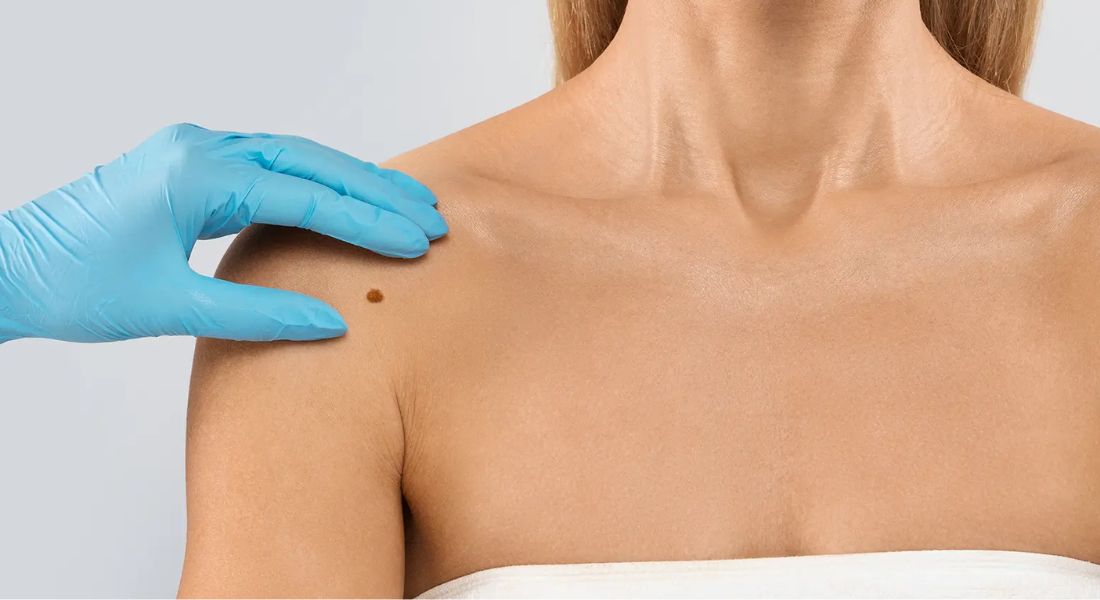
If you have noticed small, soft growths on your skin, you may be dealing with skin tags. These are very common and can appear on areas such as the neck, underarms, eyelids, or groin. While they are harmless and non-cancerous, it is completely natural to wonder why they develop and whether anything needs to be done about them. Their appearance or location can sometimes make them feel more concerning than they actually are.
You might first become aware of a skin tag when it rubs against clothing, jewellery, or during everyday movement. In some cases, they can become irritated or catch easily, which can make them uncomfortable. Even though they do not pose a medical risk, they can still affect how you feel about your skin. Understanding their nature can help you feel more at ease and less uncertain.
In this article, you will learn what causes skin tags, who is more likely to develop them, and when removal may be appropriate. We will also address common misconceptions and explain what to expect if you consider treatment. With clear, practical information, you can make confident and informed decisions about your skin.
What Are Skin Tags?
If you have noticed small, soft growths on your skin, you may be dealing with skin tags. These are very common and can appear on areas such as the neck, underarms, eyelids, or groin. While they are harmless and non-cancerous, it is completely natural to wonder why they develop and whether anything needs to be done about them. Their appearance or location can sometimes make them feel more concerning than they actually are.
You might first become aware of a skin tag when it rubs against clothing, jewellery, or during everyday movement. In some cases, they can become irritated or catch easily, which can make them uncomfortable. Even though they do not pose a medical risk, they can still affect how you feel about your skin. Understanding their nature can help you feel more at ease and less uncertain.
In this article, you will learn what causes skin tags, who is more likely to develop them, and when removal may be appropriate. We will also address common misconceptions and explain what to expect if you consider treatment. With clear, practical information, you can make confident and informed decisions about your skin.
Why Do Skin Tags Develop?
The exact cause of skin tags is not fully understood, but several factors are known to contribute to their development. One of the most common triggers is friction, such as skin rubbing against skin or clothing. This is why skin tags often appear in areas like the neck, underarms, or groin, where movement and contact are frequent. Over time, repeated rubbing may encourage these small growths to form.
Hormonal changes can also influence how skin tags develop. You may notice them appearing or increasing during periods such as pregnancy or other times when your body is undergoing metabolic changes. These shifts can affect how your skin grows and repairs itself. As a result, certain individuals may be more prone to developing skin tags during these phases.
Genetics is another key factor to consider. If skin tags are common in your family, you may be more likely to develop them as well. This inherited tendency helps explain why some people develop multiple skin tags, while others rarely experience them. Understanding these influences can make their appearance feel more predictable and less concerning.
Common Areas Where Skin Tags Appear
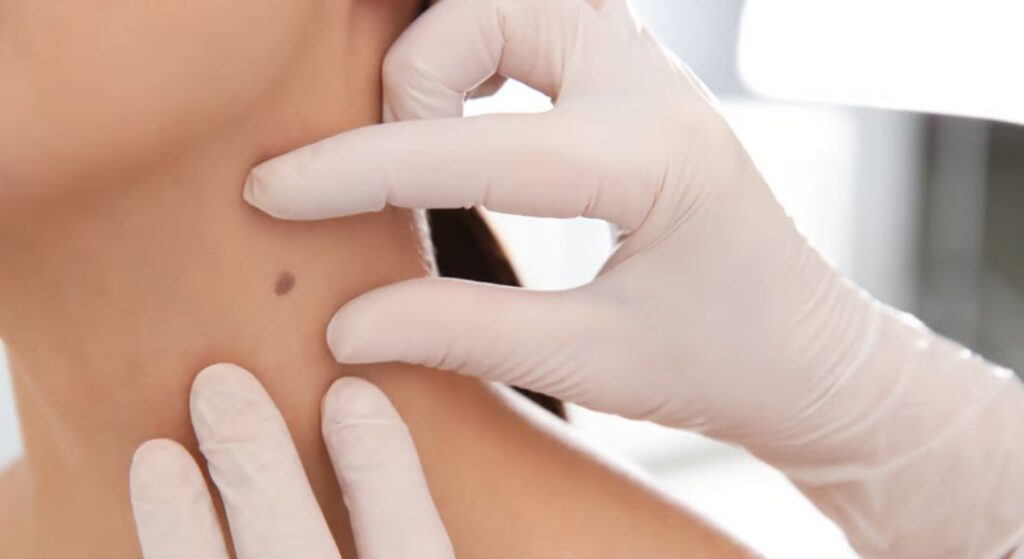
skin tags tend to develop in certain areas of your body where friction and moisture are more common. These include the neck, underarms, groin, eyelids, and beneath the breasts. In these regions, skin frequently rubs against itself or against clothing, which can encourage small growths to form over time. This is why these areas are the most typical locations for skin tags.
You may also notice that skin tags often appear in clusters rather than as single, isolated growths. This usually reflects repeated irritation in the same area, where the skin is consistently exposed to friction. As this process continues, additional tags may develop nearby. This pattern can make them seem more noticeable over time.
Although they are most common in skin folds, skin tags can technically appear almost anywhere on your body. Their location often determines whether they become bothersome or not. For example, tags in visible areas or places where they catch on clothing may feel more inconvenient. In some cases, this can also affect how you feel about your appearance.
Who Is Most Likely to Get Skin Tags?
skin tags are very common and can affect almost anyone, but some people are more likely to develop them than others. They often appear gradually over time and are usually harmless. While they don’t indicate a serious problem on their own, certain patterns can help explain why they occur more frequently in some individuals. Understanding these factors can give you a clearer picture of your own risk.
- They are more common as you get older: Skin tags tend to appear more often in adults, especially after the age of 30. As your skin ages, natural changes in elasticity and structure can make these small growths more likely to form. Over time, you may notice them developing in areas where your skin folds or creases. This increase with age is very typical.
- Skin friction plays an important role: Areas where your skin rubs together such as the neck, underarms, or groin are more prone to skin tags. If you have a higher body weight, this friction can be more frequent, which may increase the likelihood of developing them. This doesn’t mean skin tags are harmful, but it does explain why they tend to appear in specific areas. Reducing irritation can sometimes help limit new ones forming.
- There may be a link with metabolic health: Skin tags are sometimes associated with conditions like insulin resistance. While they are not caused directly by these conditions, the link suggests that underlying metabolic factors may play a role. In some cases, this can prompt further health checks. It’s a helpful reminder to consider your overall wellbeing.
- Lifestyle and individual factors can influence development: Everyone’s skin responds differently to internal and external factors. Hormonal changes, genetics, and general health can all contribute to whether you develop skin tags. Some people may get several, while others have very few. These differences are completely normal.
Although skin tags are usually harmless, noticing patterns in their appearance can sometimes offer useful insight into your health. If you’re concerned or see sudden changes, it’s always a good idea to speak with a healthcare professional for reassurance and guidance.
Are Skin Tags Dangerous?
skin tags are not dangerous and do not turn into cancer. They are considered benign, which means they do not pose a medical risk to your health. For most people, this is reassuring, as these growths are very common and usually harmless. In many cases, they can simply be left alone without any need for treatment.
That said, skin tags can sometimes become irritated. This may happen if they are frequently rubbed by clothing, jewellery, or skin folds. Occasionally, they can twist, become inflamed, or even bleed slightly if caught. While this can be uncomfortable, it is usually not serious and can be managed if needed.
If you notice that a growth changes in colour, size, or shape, it is important to have it checked. Although uncommon, not every skin lesion is a skin tag. Getting an accurate diagnosis ensures that nothing more concerning is overlooked. This step helps provide both reassurance and the right care if required.
Can Skin Tags Go Away on Their Own?
skin tags do not usually go away on their own. Once they develop, they tend to remain unless they are removed. In some cases, they may appear to shrink slightly over time, but this is not common. For most people, the size and shape stay relatively stable.
Occasionally, a skin tag can twist on its stalk and lose its blood supply. When this happens, it may dry out, darken, and eventually fall off by itself. However, this process is unpredictable and does not happen often. It is not something you should rely on as a way of managing them.
Many people choose to leave skin tags alone, especially if they are not causing any discomfort. Simply keeping an eye on them is usually enough. Removal is typically based on personal preference or practical reasons, such as irritation or appearance, rather than medical necessity.
When Should Skin Tags Be Removed?
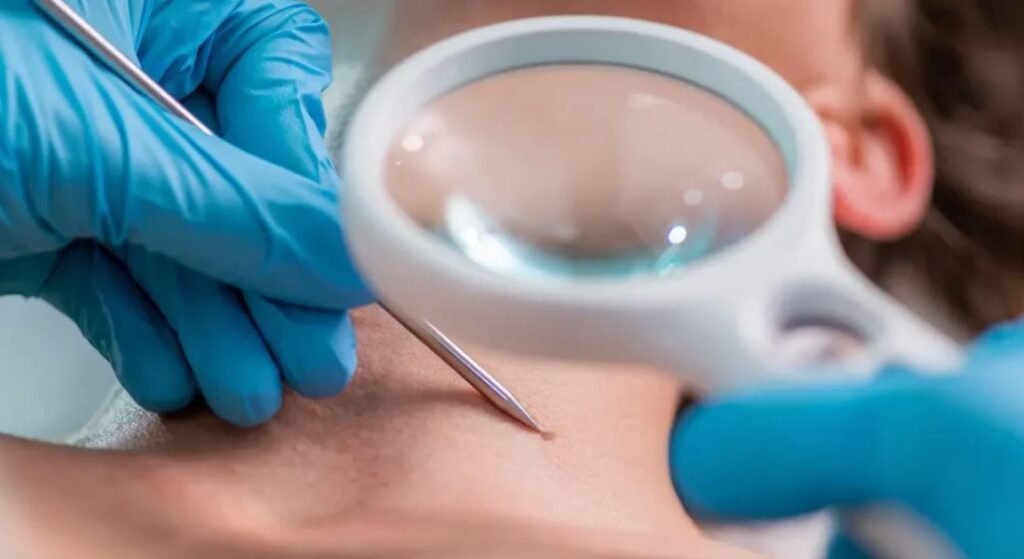
skin tags are usually harmless and don’t always need treatment. However, there are certain situations where removal may be the best option for your comfort, confidence, or peace of mind. The decision often depends on how the skin tag affects you personally. Understanding when removal is appropriate can help you make an informed choice.
- When they cause irritation or discomfort: If a skin tag regularly catches on clothing, jewellery, or during shaving, it can become sore or inflamed. Repeated friction may lead to redness, bleeding, or tenderness. In these cases, removal can prevent ongoing irritation and make daily activities more comfortable. It’s a practical reason many people choose treatment.
- When they affect your appearance or confidence: Skin tags in visible areas, such as the face or neck, can sometimes make you feel self-conscious. Even though they are harmless, their appearance may bother you. Many people opt for removal for cosmetic reasons alone. Feeling comfortable in your skin is a valid reason to consider treatment.
- When there is uncertainty about the diagnosis: If a growth doesn’t look typical or changes over time, it’s important to have it checked. A healthcare professional can confirm whether it is a skin tag or something else. In some cases, removal may be recommended so the tissue can be examined more closely. This ensures that any more serious conditions are ruled out.
- When they become repeatedly inflamed or damaged: Skin tags that are frequently irritated can become more noticeable and uncomfortable over time. Even minor trauma can make them swell or darken. Removing them can prevent these recurring issues. It also reduces the chance of infection from repeated injury.
While removal is often straightforward, it’s best done by a qualified professional to avoid complications. If you’re unsure whether a skin tag should be removed, a simple assessment can help guide the right decision.
Safe and Effective Removal Methods
skin tags can be removed safely and effectively when the procedure is carried out by a trained professional. Common methods include cautery (using heat to remove the tag), cryotherapy (freezing it), and minor surgical excision. These treatments are usually quick, with minimal discomfort, and are performed in a clinical setting. Most people find the process straightforward and manageable.
The most suitable method depends on factors such as the size, location, and number of skin tags you have. For example, delicate areas like the eyelids may require a more precise approach. Your clinician will assess your skin and recommend the option that provides the best balance between effectiveness and cosmetic outcome. This personalised approach helps ensure the result looks as natural as possible.
Having skin tags removed professionally reduces the risk of complications such as infection, bleeding, or scarring. It also ensures that the growth is correctly identified before treatment. Attempting to remove skin tags at home can lead to unnecessary problems and may not be safe. Seeking expert care gives you a more reliable and controlled outcome.
Why You Should Avoid DIY Removal
You may come across home remedies for removing skin tags, but these approaches are not recommended. Trying to cut or tie off a skin tag yourself can lead to bleeding, infection, and unnecessary scarring. It can also be difficult to do safely, especially in sensitive areas. In addition, without a proper diagnosis, there is a risk of treating something that is not actually a skin tag.
Over-the-counter products are often marketed as quick solutions, but they can be unreliable. Some may be too harsh for your skin and cause irritation or damage to the surrounding area. In many cases, they do not fully remove the tag, which can leave you with ongoing discomfort or an incomplete result. This can make the situation more frustrating rather than resolving it.
A clinical assessment ensures that the growth is correctly identified before any treatment is carried out. This is important because not all skin lesions are the same, even if they look similar. A trained professional can recommend the safest and most effective removal method for your skin. Choosing expert care helps minimise risks and gives you a more predictable and reassuring outcome.
Do Skin Tags Grow Back After Removal?
If you’ve had a skin tags removed, you might wonder whether they’ll return. The reassuring news is that once a skin tag is properly removed, it does not grow back in the same place. The treated area heals, and that particular lesion is gone for good. However, this doesn’t mean new skin tags can’t appear elsewhere over time.
- The removed skin tag does not come back: When a skin tag is fully removed, the tissue is eliminated completely. This means it won’t regrow in that exact spot. Proper removal by a professional ensures the best outcome. You can expect the treated area to heal without recurrence.
- New skin tags can still develop in other areas: While the original tag won’t return, your skin may form new ones over time. This is especially true if you have ongoing factors like friction, hormonal influences, or a natural tendency to develop them. These new growths are unrelated to the one that was removed. It’s a common and expected pattern.
- Underlying causes influence future development: Factors such as skin rubbing, body weight, and genetics can all play a role in whether new skin tags appear. If these factors remain the same, you may notice additional tags forming gradually. This isn’t a sign that the treatment didn’t work. It simply reflects how your skin behaves over time.
- Ongoing treatment is optional, not essential: Most people don’t need any maintenance after removal. However, if you prefer to keep your skin clear, you can choose to have new skin tags treated as they appear. These procedures are usually quick and straightforward. It’s entirely a personal choice based on comfort and preference.
Understanding that skin tags don’t return in the same spot but can develop elsewhere helps set realistic expectations. If you notice new growths or have concerns, a healthcare professional can advise you on the best approach.
Skin Tags and Underlying Health
skin tags are usually harmless, but in some cases they can be linked to underlying health factors. Research has shown an association between skin tags and conditions such as insulin resistance and metabolic syndrome. This does not mean that skin tags cause these conditions, but it suggests they may sometimes be a visible sign of how your body is functioning internally. For most people, this link is simply something to be aware of rather than a cause for concern.
If you notice a sudden increase in the number of skin tags, it may be worth mentioning this to your clinician. They can review your overall health and decide whether any further checks are appropriate. This is particularly relevant if you have other risk factors, such as changes in weight, blood sugar, or family history. A simple discussion can help rule out anything that may need attention.
In the majority of cases, no additional tests are required. Skin tags on their own are not a diagnosis and do not indicate a serious problem. They are just one small part of your overall health picture. Understanding this helps you stay informed without becoming unnecessarily worried.
How to Prevent Skin Tags
There’s no guaranteed way to completely prevent skin tags, but there are simple steps you can take to reduce your risk. Because skin tags often develop in areas where the skin rubs together, prevention mainly focuses on minimising friction and keeping your skin healthy. Small changes in your daily routine can make a noticeable difference over time.
- Reducing friction can help limit new skin tags: Skin tags commonly form in areas like the neck, underarms, or groin where there is frequent rubbing. Wearing loose, breathable clothing can reduce this friction. Avoiding tight collars or rough fabrics can also help protect your skin. Less irritation means fewer opportunities for skin tags to develop.
- Maintaining a healthy weight may lower your risk: Extra body weight can increase the number of skin folds, which leads to more friction. By maintaining a healthy weight, you may reduce these high-friction areas. This doesn’t guarantee prevention, but it can lower the likelihood of new tags forming. It’s one of several helpful lifestyle factors.
- Keeping your skin clean and dry is important: Moisture and sweat can make friction worse, especially in skin folds. Gently cleansing and drying these areas helps keep the skin comfortable and less prone to irritation. Using soft towels and avoiding harsh rubbing can also protect the skin. Consistent care supports overall skin health.
- Good skincare habits support long-term prevention: Looking after your skin with a simple, consistent routine can help maintain its strength and resilience. Avoiding products that irritate your skin and choosing gentle formulations can reduce unnecessary stress on the skin. While skincare alone won’t prevent skin tags, it plays a supportive role. Healthy skin is less likely to react to minor triggers.
Although you can’t always stop skin tags from forming, these steps can help reduce how often they appear. If you’re noticing frequent growths or have concerns, a healthcare professional can offer tailored advice based on your skin and lifestyle.
What to Expect During Removal
skin tags removal is usually a quick and straightforward procedure carried out in a clinical setting. In most cases, it takes only a few minutes to complete. Depending on the size and location of the skin tag, your clinician may use a local anaesthetic to keep you comfortable. The process is designed to be simple and efficient.
You may feel mild discomfort during the procedure, but it is generally very well tolerated. After the skin tag is removed, the area typically heals within a short time. Your clinician will give you clear aftercare instructions, such as keeping the area clean and avoiding irritation. Following these steps helps ensure smooth healing and reduces the risk of complications.
Results are usually immediate, as the skin tag is removed completely during the procedure. The treated area may look slightly pink at first, but this settles as the skin heals. Most people can return to their normal activities straight away, with little to no downtime. Overall, it is a convenient and effective treatment option.
Aftercare and Healing

After removal of skin tags, the treated area may look slightly red or feel a little sensitive. This is a normal part of the healing process and usually settles within a few days. You might also notice a small scab forming, which helps protect the area as it heals. Keeping the skin clean and avoiding unnecessary contact supports recovery.
Your clinician may give you simple aftercare instructions to follow at home. These can include gently cleaning the area, avoiding friction from clothing or jewellery, and in some cases applying a soothing ointment. It is important to let the area heal naturally rather than picking at it. Following this advice helps reduce the risk of irritation or infection.
Healing is typically quick, and scarring is minimal in most cases. Many people return to their normal activities straight away without any disruption. As the skin settles, the area usually blends in well with the surrounding skin. With proper care, you can expect a smooth and neat cosmetic result.
FAQs:
1. What are skin tags and are they harmful?
Skin tags are small, soft, benign growths that develop on the skin. They are not cancerous and do not pose any medical risk. Most people choose to leave them untreated unless they cause discomfort or cosmetic concern.
2. What causes skin tags to form?
Skin tags are thought to develop due to friction, where skin rubs against skin or clothing. Hormonal changes and genetic factors may also contribute to their formation. They often appear gradually over time rather than suddenly.
3. Where do skin tags commonly appear?
Skin tags typically develop in areas where the skin folds or experiences friction. Common locations include the neck, underarms, groin, eyelids, and under the breasts. These areas create ideal conditions for their formation.
4. Who is more likely to develop skin tags?
Skin tags are more common in adults, especially after the age of 30. People with higher body weight or increased skin friction may develop them more frequently. There is also a genetic tendency in some individuals.
5. Can skin tags go away on their own?
Skin tags usually do not disappear without treatment. In rare cases, they may fall off if their blood supply is cut off. However, this is unpredictable and not a reliable method of removal.
6. When should skin tags be removed?
Removal is usually considered if a skin tag becomes irritated, painful, or catches on clothing. Many people also choose removal for cosmetic reasons. A clinician may recommend removal if there is uncertainty about the diagnosis.
7. Is skin tag removal safe?
Yes, skin tag removal is safe when performed by a qualified professional. Common methods include cautery, cryotherapy, and minor excision. These procedures are quick and typically have minimal risks.
8. Can I remove skin tags at home?
Home removal is not recommended due to the risk of bleeding, infection, and scarring. It can also lead to incorrect diagnosis if the growth is not a skin tag. Professional assessment ensures safe and effective treatment.
9. Do skin tags grow back after removal?
A removed skin tag does not grow back in the same location. However, new skin tags may develop in other areas over time. This depends on underlying factors such as friction or genetics.
10. Are skin tags linked to other health conditions?
Skin tags are generally harmless but may be associated with metabolic factors like insulin resistance. This does not mean they cause disease, but it can be a useful clinical observation. If many tags appear suddenly, it may be worth discussing with a doctor.
Final Thoughts: Understanding and Managing Skin Tags with Confidence
Skin tags are very common and, in most cases, completely harmless, but you might still find them irritating or cosmetically frustrating depending on where they appear. They often develop in areas where there is repeated friction, such as the neck, underarms, or around skin folds, and they tend to become more noticeable over time. While they do not pose any medical danger, it’s understandable that you may still want them removed if they catch on clothing or affect how you feel about your appearance.
From a practical point of view, you don’t need to treat skin tags unless they are bothering you. However, when they become uncomfortable, inflamed, or repeatedly irritated, professional removal is usually the simplest solution. In a clinical setting, removal is quick and straightforward, and the area typically heals well with minimal aftercare. The key benefit is that you can address both comfort and cosmetic concerns safely, without trying risky at-home methods. If you’re considering skin tag removal clinic in London, you can get in touch with us at London Dermatology Centre.
References:
- Banik, R., Lubach, D. & Geisel, T. (2004). Skin tags: localisation and association with other cutaneous lesions. Dermatology, 209(4), pp.273-275. https://pubmed.ncbi.nlm.nih.gov/15583482/
- Bashir, S.J., Ramesh, V. & Haroon, T.S. (2009). Skin tags and the metabolic syndrome: Is there a link? Journal of the European Academy of Dermatology and Venereology, 23(3), pp.300-303. https://onlinelibrary.wiley.com/doi/10.1111/j.1468-3083.2008.03051.x
- DermNet NZ (2023). Skin tags (acrochordons). DermNet New Zealand. https://dermnetnz.org/topics/skin-tag
- American Academy of Dermatology Association (AAD) (2024). https://www.aad.org/public/diseases/a-z/skin-tags-overview
- Kahana, M., Grossman, E. & Feinstein, A. (1987). Skin tags: a cutaneous marker for diabetes mellitus. Archives of Dermatology, 123(10), pp.1336-1338. https://jamanetwork.com/journals/jamadermatology/article-abstract/548933