



You may not realise how much of modern dermatology begins at major scientific meetings. Conferences organised by groups such as the British Association of Dermatologists and the European Academy of Dermatology and Venereology are where researchers, clinicians, and innovators first present new data, treatments, and technologies. Many therapies now used in everyday clinics were initially introduced and debated in these settings.
London has become a key hub for these discussions, regularly hosting international dermatology conferences and symposia. Experts from around the world gather to share clinical trial results, explore emerging technologies, and refine treatment approaches through peer discussion. These events often shape clinical guidelines and influence how skin conditions are managed globally.
Understanding what happens at these conferences gives you insight into the future of dermatology. It highlights how new ideas evolve from early research findings to widely adopted treatments helping you see where innovation in skin care is heading next.
The Rise of Personalised Skin Treatments
You may have noticed that skincare is becoming increasingly tailored to the individual, and this shift is a major focus at leading dermatology conferences. Events hosted by organisations like the British Association of Dermatologists and the European Academy of Dermatology and Venereology regularly highlight advances in personalised medicine.
Researchers are now exploring how factors such as genetics, skin type, microbiome composition, and lifestyle influence how your skin responds to treatment. By understanding these differences, clinicians can choose therapies that are more precise and effective, rather than relying on a one-size-fits-all approach.
This shift also helps reduce the trial-and-error process that was once common in dermatology. Treatments can be better matched to the individual from the start, improving outcomes and minimising unnecessary side effects. Personalisation is quickly becoming the future of dermatology. As research continues to evolve, you can expect more targeted, data-driven treatments that are designed specifically for your skin’s unique needs.
Advances in Biologic Therapies
You might hear more about biologic treatments at dermatology conferences, especially as they continue to change how chronic skin conditions are managed. These medications are designed to target specific parts of your immune system that drive inflammation, rather than broadly suppressing everything. This makes treatment more precise and often more effective.
- Targeted action on the immune system: Biologics focus on specific pathways involved in inflammation, such as certain cytokines. This allows them to address the root cause of conditions like psoriasis and eczema more directly.
- More effective symptom control: By acting on precise immune signals, these treatments can reduce redness, itching, and flare-ups more effectively than many traditional therapies.
- Fewer widespread side effects: Because they don’t suppress the entire immune system, biologics may lead to fewer general side effects. This makes them a more controlled option for long-term use in suitable patients.
- Important option for moderate to severe cases: They are often used when standard treatments haven’t worked well. For many people, biologics provide a new level of symptom relief and disease control.
This targeted approach is one of the reasons biologics are becoming a major focus in modern dermatology. They offer more predictable and personalised results, especially for patients who need stronger or more specific treatment options.
Breakthroughs in Acne Treatment
You may think acne treatments have stayed the same for years, but that is no longer true. Advances in acne care are being showcased at dermatology conferences, highlighting therapies that move beyond traditional topical creams and oral medications.
These newer approaches focus on targeting the underlying causes more precisely such as hormonal pathways, excess oil production, and inflammation rather than using broad treatments alone. This includes innovations in hormone-modulating therapies, next-generation retinoids, and treatments designed to reduce inflammatory responses at a cellular level.
Researchers are also placing strong emphasis on minimising side effects while improving long-term outcomes. The goal is to create treatments that are not only more effective but also easier to tolerate and maintain over time, leading to more sustainable and personalised acne care.
The Role of the Skin Microbiome
You may not think much about the bacteria living on your skin, but they play a major role in overall skin health. Research presented at dermatology conferences increasingly highlights the importance of the skin microbiome the complex community of microorganisms that help maintain balance and protect the skin barrier.
This is especially relevant in conditions like eczema and acne, where disruptions in microbial balance can contribute to inflammation and flare-ups. Instead of focusing solely on eliminating bacteria, newer therapies aim to restore a healthy balance within this ecosystem.
This shift represents a more refined and supportive approach to treatment. By working with the skin’s natural defences rather than against them, microbiome-focused therapies are becoming a key area of innovation in modern dermatology.
Innovations in Laser and Light-Based Therapies
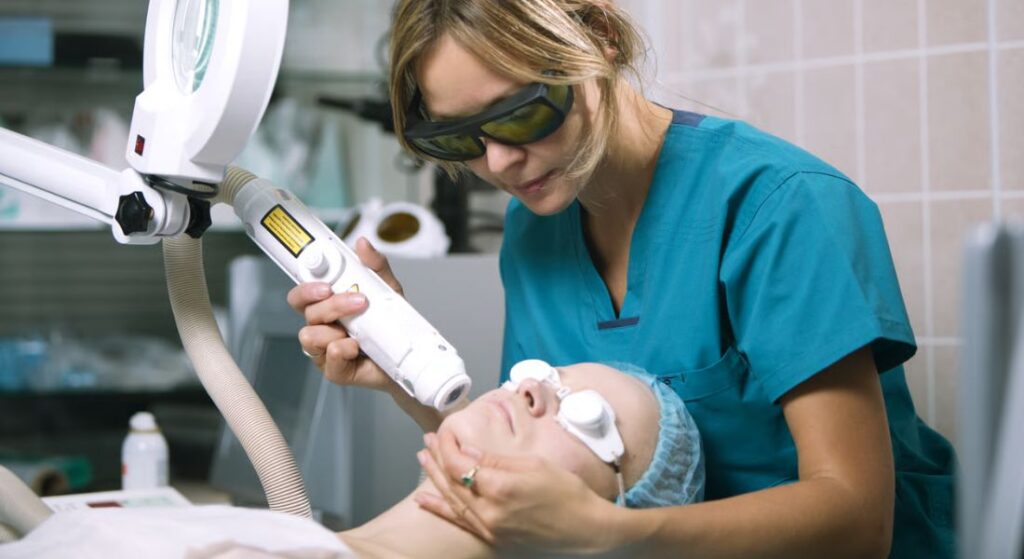
You might already be familiar with laser treatments, but technology in this area is evolving rapidly. Modern devices are becoming more precise, allowing dermatologists to target specific skin concerns with greater accuracy while minimising damage to surrounding tissue.
These advancements are improving outcomes for conditions such as pigmentation disorders, acne scarring, and vascular issues. By refining how light and energy are delivered to the skin, newer systems can achieve better results with less discomfort and shorter recovery times.
This progress is especially relevant for concerns like acne scars and uneven pigmentation, where precision plays a key role in effectiveness. As technology continues to advance, laser and light-based therapies remain a major pillar of modern dermatology, offering safer, more efficient, and increasingly customised treatment options.
Artificial Intelligence in Dermatology
You may be surprised to learn that artificial intelligence (AI) is playing an increasingly important role in dermatology. These technologies are being developed to support clinicians in diagnosing skin conditions with greater accuracy and consistency. Rather than replacing medical expertise, AI works alongside it to improve decision-making and efficiency.
- Analyses skin images with high precision: AI systems can examine images of your skin and detect subtle patterns, colour changes, and structural differences. These details may not always be obvious during a standard visual check.
- Supports early detection of conditions: It can help identify early signs of issues such as acne, eczema, or even more serious skin concerns. Earlier detection often leads to more effective treatment.
- Improves consistency in diagnosis: By using data-driven analysis, AI can reduce variability and support more consistent assessments across different cases and clinicians.
- Enhances treatment planning: AI can assist in selecting suitable treatment approaches by analysing patterns and outcomes from large datasets, helping to personalise care.
AI is not a replacement for a dermatologist, but it’s a powerful support tool. By combining technology with clinical expertise, it helps improve accuracy, streamline workflows, and contribute to more precise and personalised skin care.
Advances in Skin Cancer Detection
You should know that early detection of skin cancer is a major focus at dermatology conferences. Advances in imaging technologies are helping clinicians identify suspicious lesions earlier and with greater accuracy than ever before.
Tools such as digital dermoscopy and AI-assisted imaging allow doctors to examine skin structures in much finer detail. These innovations can highlight subtle changes that may indicate early-stage disease, improving diagnostic confidence while reducing the need for unnecessary biopsies.
By enabling earlier intervention, these technologies play a critical role in improving patient outcomes. As research continues to evolve, innovation in skin cancer detection is not just advancing dermatology it is actively helping to save lives.
New Approaches to Anti-Ageing Treatments
You may notice a growing interest in anti-ageing therapies, especially those that focus on improving skin health at a deeper level rather than just surface appearance. Modern approaches aim to support the skin’s natural structure and function over time.
Many of these treatments work by stimulating collagen production, which helps maintain firmness, elasticity, and overall skin quality. Techniques such as energy-based devices, injectable biostimulators, and regenerative therapies are designed to enhance the skin from within, rather than simply masking signs of ageing.
The goal is subtle, natural-looking results that preserve your features while improving texture and tone. This reflects a more refined approach to aesthetic dermatology one that prioritises long-term skin health and gradual, balanced improvements over dramatic or artificial changes.
Minimally Invasive Procedures
You might prefer treatments that fit easily into your routine, and that’s exactly why minimally invasive procedures are gaining so much attention in dermatology. These approaches are designed to deliver visible improvements without the need for significant downtime or recovery.
Conferences often highlight options such as injectable treatments, energy-based devices, and advanced skin therapies that work beneath the surface to improve texture, tone, and overall skin quality. Many of these techniques can also support concerns related to acne, scarring, or early signs of ageing, offering targeted results with less disruption.
The key advantage is convenience. You can achieve noticeable changes while continuing with your daily activities, making these treatments more accessible and practical. This shift reflects a broader trend in dermatology prioritising effective results alongside comfort, efficiency, and minimal interruption to everyday life.
The Importance of Evidence-Based Practice
You should understand that not every new treatment is adopted straight away, even if it creates excitement at conferences. In dermatology, there’s a strong focus on evidence-based practice to make sure any new therapy is both safe and effective before it becomes widely used. This careful approach helps protect you from unnecessary risks while ensuring treatments deliver real benefits.
- Clinical trials confirm effectiveness: New treatments are tested through structured studies to see how well they work. This helps ensure results are reliable before they’re introduced into everyday care.
- Safety is closely evaluated: Researchers assess not just how effective a treatment is, but also its side effects and long-term safety. This reduces the risk of unexpected complications.
- Real-world data adds further insight: Beyond clinical trials, data from everyday use helps show how treatments perform across different patients and conditions. This provides a more complete picture.
- Only proven treatments are widely adopted: Therapies are introduced into routine practice only when there is strong, consistent evidence supporting their use. This prevents decisions being driven by trends alone.
This process ensures that progress in dermatology is both responsible and beneficial. By relying on solid evidence rather than hype, your care is based on treatments that are proven to be safe, effective, and suitable for long-term use.
Global Collaboration in Dermatology
You may not realise how international dermatology research has become. Conferences now bring together experts from across continents, creating opportunities to share findings, compare treatment approaches, and collaborate on large-scale studies.
This global exchange of knowledge helps accelerate innovation and refine how conditions like eczema and acne are managed. When researchers and clinicians work together, they can validate new treatments more quickly and identify what works best in real-world settings.
It also ensures that emerging therapies are tested across diverse populations, which is essential for understanding how different skin types and genetic backgrounds respond. This makes treatments more inclusive, reliable, and widely applicable. Collaboration ultimately strengthens the field as a whole, leading to better, more consistent patient care worldwide.
Advances in Treating Chronic Skin Conditions
You might be dealing with long-term conditions like eczema or psoriasis, and advances in dermatology are making these conditions more manageable than before. Conferences regularly highlight new approaches that focus not just on symptom control, but on long-term stability and comfort.
These include targeted therapies such as biologics and small-molecule treatments that act on specific immune pathways, helping to reduce inflammation more precisely. Improvements in topical treatments are also making daily care more effective and easier to tolerate, especially for sensitive skin.
The overall focus has shifted towards improving quality of life. This means fewer flare-ups, better symptom control, and treatment plans that are sustainable over time. Chronic care is continuing to evolve, offering more personalised and effective options as research progresses.
The Role of Digital Dermatology

You may have noticed how digital tools are becoming a bigger part of dermatology, especially with the rise of online consultations. Often delivered through telemedicine platforms, digital dermatology is changing how care is accessed and managed. It’s now a key focus at conferences as clinicians explore how to balance convenience with clinical accuracy.
- Easier access to care: You can seek advice more quickly, particularly for common conditions like acne or eczema. This reduces waiting times and makes support more accessible.
- Convenient follow-up and monitoring: Virtual appointments make it simpler to review progress, adjust treatments, and stay on track without needing frequent clinic visits.
- Improved continuity of care: Digital tools allow your treatment to be tracked more consistently over time. This helps ensure changes in your skin are monitored and managed effectively.
- Not suitable for every condition: Some skin issues still require in-person examination or specialised imaging. Digital consultations work best as a complement rather than a complete replacement.
Digital dermatology is becoming an important part of modern care. While it doesn’t replace traditional consultations entirely, it adds flexibility and efficiency to how you receive treatment. When used appropriately, it helps improve access, streamline care, and keep you more engaged in managing your skin health.
Sustainability in Dermatology
You might not immediately associate dermatology with environmental impact, but sustainability is becoming an increasingly important focus. Conferences are now highlighting how skincare products and clinical practices can evolve to be more environmentally responsible.
This includes efforts to reduce packaging waste, use eco-friendly and biodegradable ingredients, and improve manufacturing processes to lower carbon footprints. Clinics are also exploring ways to minimise single-use materials where possible and adopt more sustainable workflows.
The goal is responsible innovation developing effective treatments while being mindful of environmental impact. Sustainability is now becoming a core part of modern dermatology, reflecting a broader shift towards more conscious and ethical healthcare practices.
Patient-Centred Care Approaches
You should know that patient experience is now a central focus in modern dermatology. Conferences increasingly emphasise the importance of involving patients in decisions about their care, rather than taking a one-size-fits-all approach.
This patient-centred model means your preferences, lifestyle, and treatment goals are considered alongside clinical recommendations. Whether managing conditions like acne or eczema, this approach helps ensure that treatments are practical, acceptable, and sustainable for you.
By actively involving patients, this model improves satisfaction, adherence to treatment, and overall outcomes. It also builds better communication and trust between you and your healthcare provider. Patient-centred care is quickly becoming the standard, reflecting a more personalised and collaborative way of delivering healthcare.
The Future of Dermatology Training

You may not often think about how dermatologists are trained, but this area is evolving quickly. Conferences frequently highlight new approaches to education that aim to improve both skills and accessibility.
Modern training now includes simulation technology, allowing doctors to practise procedures in a controlled, risk-free environment. Digital learning platforms also make it easier to access up-to-date knowledge from anywhere, while hands-on workshops continue to refine practical skills under expert guidance.
This combination of technology and experience is helping create more confident and capable specialists. As training becomes more advanced and widely accessible, it ultimately leads to better patient care, with more accurate diagnoses, safer treatments, and improved outcomes.
Rapid Innovation and Its Challenges
You might assume that rapid innovation in dermatology is always a clear advantage, but it also brings important challenges. While new treatments and technologies offer exciting possibilities, they must be introduced carefully to ensure they are both safe and effective.
Conferences often emphasise the need to balance progress with proper regulation and clinical evidence. Before new therapies are widely adopted whether for conditions like acne or psoriasis, they undergo rigorous testing through clinical trials and long-term studies. This helps confirm not only their effectiveness but also their safety profile.
Responsible innovation is essential. By taking a measured approach, the field can continue to advance while protecting patients and maintaining high standards of care.
FAQs:
1. What are dermatology conferences and why do they matter?
You might not realise it, but dermatology conferences are where many new treatments are first introduced. Experts share research, clinical results, and emerging technologies. These discussions often shape future guidelines and everyday practice. It’s essentially where the future of skin care begins.
2. How do conference findings affect your treatment?
You benefit from treatments that have been tested and refined through expert discussion. New ideas presented at conferences are carefully evaluated before becoming widely used. This means your care is based on the latest evidence. Over time, these advances improve both safety and effectiveness.
3. What is personalised dermatology?
Personalised dermatology means your treatment is tailored specifically to your skin. Factors like genetics, lifestyle, and skin type are taken into account. This reduces the need for trial-and-error approaches. As a result, you’re more likely to see effective and predictable outcomes.
4. What are biologic therapies in dermatology?
Biologic therapies are advanced treatments that target specific parts of your immune system. They are often used for conditions like psoriasis or eczema. Because they are more precise, they can offer better symptom control. They may also have fewer widespread side effects compared to older treatments.
5. Are there new treatments for acne?
Yes, acne treatment is evolving beyond traditional creams and antibiotics. New approaches target hormones, inflammation, and oil production more precisely. These treatments aim to improve long-term results while reducing side effects. This makes acne care more effective and easier to manage.
6. How important is the skin microbiome?
Your skin microbiome plays a key role in maintaining balance and protecting your skin. When this balance is disrupted, it can contribute to conditions like acne or eczema. New treatments aim to support rather than disrupt this ecosystem. This leads to a more natural and sustainable approach to skin care.
7. How is artificial intelligence used in dermatology?
AI is used to analyse skin images and detect subtle changes that may not be easily visible. It can support early diagnosis and improve accuracy. While it doesn’t replace your doctor, it enhances decision-making. This helps provide more consistent and personalised care.
8. Are laser treatments improving?
Yes, laser and light-based therapies are becoming more advanced and precise. Newer technologies can target specific skin concerns with less damage to surrounding tissue. This means better results with shorter recovery times. It also makes treatments more comfortable and efficient for you.
9. What is digital dermatology?
Digital dermatology allows you to access care through online consultations. It makes it easier to get advice, follow up on treatment, and monitor progress. While not suitable for every condition, it adds convenience and flexibility. It works best alongside in-person care when needed.
10. What is the future of dermatology?
The future of dermatology is focused on personalised, technology-driven care. You can expect more precise treatments, earlier diagnosis, and better long-term outcomes. Innovation will continue, but always with a focus on safety and evidence. This means your care will keep improving over time.
Final Thoughts: How Innovation Is Shaping the Future of Your Skin Care
Modern dermatology is evolving faster than ever, and much of that progress begins at major conferences where new ideas are tested, refined, and shared. From personalised treatments and biologic therapies to AI-driven diagnostics and advanced laser technologies, these innovations are transforming how skin conditions are understood and managed. What this means for you is more precise, effective, and tailored care that focuses not just on treating symptoms, but on improving long-term skin health and overall quality of life.
At the same time, progress in dermatology remains grounded in safety and evidence. Every new treatment is carefully evaluated before becoming part of routine care, ensuring that innovation works in your best interest. As these advancements continue to develop, you can expect more targeted therapies, earlier diagnosis, and increasingly convenient ways to access care. If you’re considering seeing a Dermatologist in London to explore the latest treatment options, staying informed about these advances can help you make confident decisions about your skin health. If you would like to book a consultation with one of our dermatologists, you can contact us at the London Dermatology Centre.
References:
- Advances in clinical dermatology and emerging therapeutic approaches (2026) Available at: https://www.sciencedirect.com/science/article/pii/S0738081X26001045
- Innovations in dermatological treatments and diagnostic technologies (2026) Available at: https://www.sciencedirect.com/science/article/pii/S240595952600072X
- Jain, V.K., Jindal, N. and Imchen, S. (2014) Localized pemphigus vegetans without mucosal involvement, Indian Journal of Dermatology, 59(2), p. 210. Available at: https://pmc.ncbi.nlm.nih.gov/articles/PMC3760687/
- Esteva, A. et al. (2017) Dermatologist-level classification of skin cancer with deep neural networks, Nature, 542(7639), pp. 115–118. Available at: https://pubmed.ncbi.nlm.nih.gov/28117445/
- Choudhary, S., Srivastava, A., Sahni, M. and Tummudi, S. (2020) Nonisomorphic and nonisotopic multidermatomal discoid lupus erythematosus a rare subtype, Indian Dermatology Online Journal, 11(5), pp. 804–805. Available at: https://pmc.ncbi.nlm.nih.gov/articles/PMC9207646/