


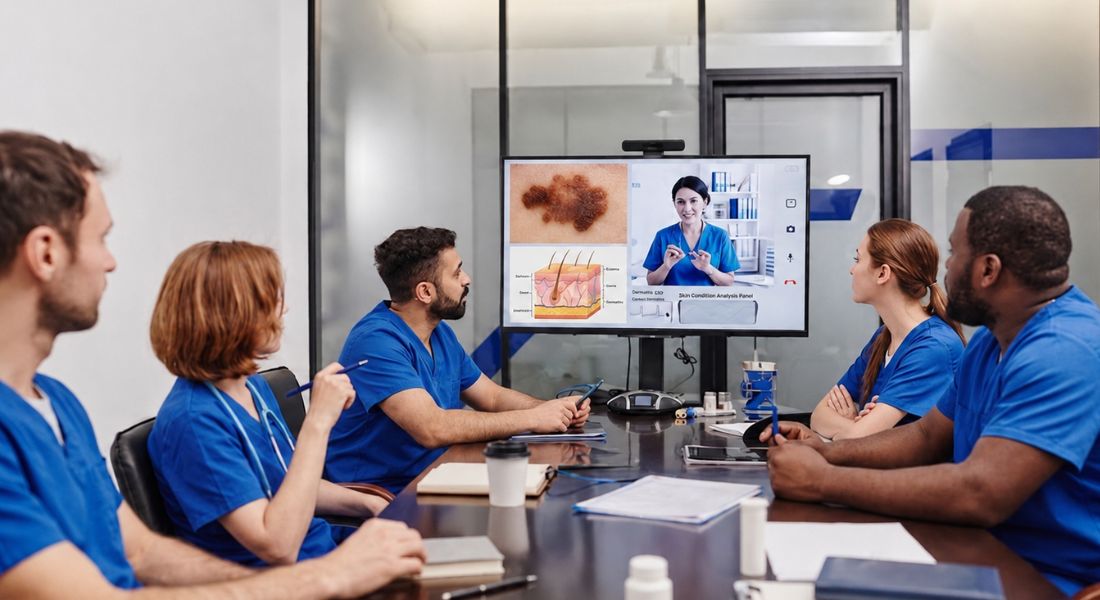
Dermatology conferences often include live demonstrations where experienced specialists perform procedures or clinical assessments in front of an audience of other clinicians. These sessions are considered highly valuable in medical education because they allow dermatologists to observe real techniques, patient interactions, and decision-making processes as they happen in a controlled, professional setting. Seeing these procedures in real time helps translate theory into practical understanding.
For patients, the idea of live demonstrations may initially sound unusual or even uncomfortable. However, these events are carefully planned educational sessions designed with strict ethical standards and patient safety in mind. Patients involved are fully informed, and procedures are carried out in a professional environment where the main purpose is learning and skill development. The goal is not only to demonstrate techniques but also to improve consistency, safety, and outcomes in dermatological care.
In this article, you will understand how live dermatology demonstrations are organised behind the scenes, why they play such an important role in training and professional development, and how they contribute to improving patient care. By sharing expertise in this way, dermatologists help raise clinical standards and ultimately enhance treatment quality and safety for patients.
What Are Live Dermatology Demonstrations?
Live dermatology demonstrations are structured educational sessions in which experienced dermatologists perform clinical procedures, assessments, or treatment techniques in front of a professional audience. These sessions are commonly held during medical conferences, specialist workshops, or advanced training programmes. Their main purpose is to support clinical learning and help practitioners refine their practical skills.
The audience typically includes dermatologists, doctors in training, nurses, and other healthcare professionals involved in skin health. Depending on the setting, procedures may be carried out directly within the conference venue or streamed live from a clinical treatment room. Modern audiovisual equipment allows participants to closely observe fine procedural details, including technique, decision-making, and patient interaction.
The primary aim of these demonstrations is education rather than performance or entertainment. They are carefully structured to enhance understanding of clinical methods, improve procedural confidence, and support safer patient care. By focusing on real-time learning, these sessions help ensure that dermatologists continue to develop their skills and maintain high standards in everyday practice.
Why Live Demonstrations Are Important
Watching a dermatological procedure in real time provides a very different learning experience compared with reading textbooks or watching edited instructional videos. In a live setting, clinicians can observe how an expert makes decisions during the procedure, interacts with the patient, adjusts technique as needed, and manages any unexpected challenges. This real-time observation makes the learning process far more practical and clinically relevant.
Live demonstrations also allow experienced dermatologists to explain their thought process as they work. They can describe why specific choices are made at each stage of a treatment, including how they adapt to patient needs or anatomical variations. These insights are often difficult to fully capture in written materials or pre-recorded content, where the dynamic nature of clinical decision-making can be lost.
For dermatologists in training and experienced clinicians alike, seeing real clinical work in action helps build confidence and deepen understanding. It bridges the gap between theory and practice, supporting more informed and skilled patient care. Ultimately, observation of live procedures plays an important role in medical education and contributes to improving everyday clinical outcomes.
Common Procedures Demonstrated
Dermatology conferences often feature a wide range of live or recorded procedure demonstrations designed to support clinical learning. These sessions allow dermatologists to observe techniques in real time and understand how treatments are performed in practice. The procedures shown may vary depending on the focus of the event, whether it is medical, surgical or cosmetic dermatology. This variety helps ensure that clinicians gain exposure to different aspects of skin treatment and care.
- Cosmetic Dermatology Procedures: Cosmetic treatments such as injectables, laser therapies, thread lifts and chemical peels are commonly demonstrated. These procedures are often included because they require precise technique and aesthetic judgement. Live demonstrations help clinicians understand treatment planning, technique and expected outcomes.
- Skin Cancer and Surgical Procedures: Skin cancer surgery and other dermatological surgical techniques are frequently showcased. These may include excisions, reconstructive methods and scar management approaches. Observing these procedures helps improve understanding of safe surgical practice and patient care.
- Medical Dermatology Techniques: Medical procedures such as biopsies, dermoscopy, wound management and treatment of inflammatory skin conditions are often included. These demonstrations help clinicians refine diagnostic skills and understand disease management strategies. They are particularly useful for complex or chronic skin conditions.
- Advanced Imaging and Technology-Based Treatments: Many conferences also highlight the use of advanced imaging tools and technology-driven treatments. These may include diagnostic devices or energy-based therapies used in modern dermatology practice. Exposure to these innovations helps clinicians stay updated with evolving medical technologies.
The specific procedures demonstrated depend on the educational goals of each conference and the audience’s learning needs. Some events focus more on cosmetic techniques, while others emphasise medical or surgical dermatology. This variety ensures a well-rounded learning experience for attendees. Overall, diverse demonstrations help strengthen practical knowledge and clinical confidence.
Patient Consent and Ethical Considerations
Patient consent is one of the most important ethical requirements in any live dermatology demonstration. Before agreeing to take part, patients are fully informed about the educational purpose of the session and what it involves. This ensures that consent is both voluntary and based on a clear understanding of how the demonstration will be conducted.
Patients are usually given detailed information about who will be present during the procedure, whether the session will be recorded or streamed, and how their identity and privacy will be protected. These safeguards are in place to maintain confidentiality and ensure that the patient’s dignity is respected at all times. Ethical standards in these settings are taken extremely seriously within the medical profession.
If proper informed consent is not obtained, the demonstration should not go ahead. Patient welfare always remains the highest priority, even in an educational environment. This strong focus on ethics ensures that live demonstrations are conducted responsibly and that patient rights and safety are fully protected throughout the process.
How Patients Are Selected
Patients who take part in live dermatology demonstrations are selected very carefully in advance to ensure the procedure is appropriate for both educational purposes and the clinical setting. The primary consideration is always patient safety, and only cases that are suitable and low risk are considered for these sessions. This helps ensure that the demonstration can be carried out in a controlled and professional manner.
Organisers and clinicians also take into account factors such as the complexity of the condition, the predictability of the outcome, and the overall educational value of the case. In some situations, simpler or more clearly demonstrable cases may be preferred because they allow observers to focus on learning specific techniques or decision-making processes without unnecessary risk or complication.
It is important to understand that not every patient or procedure is suitable for live teaching. Careful planning and clinical judgement are essential in determining appropriateness. Patient selection is always guided by medical suitability, safety, and ethical considerations, ensuring that education never comes at the expense of patient wellbeing.
Preparation Before the Demonstration
Significant preparation takes place before any live dermatology demonstration begins. The medical team carefully reviews the patient’s medical history, treatment plan, and consent documentation to ensure everything is appropriate and fully understood. This step is essential for maintaining safety, clarity, and ethical standards throughout the procedure.
At the same time, equipment and clinical tools are checked thoroughly to ensure they are functioning correctly and ready for use. Conference organisers also coordinate the technical aspects, including audiovisual systems, lighting, and communication between the procedure room and the audience. These elements must work seamlessly to allow clear and accurate observation of the demonstration.
Careful timing and organisation are also planned in advance to minimise delays and avoid technical interruptions during the session. While the audience typically only sees the live procedure itself, a great deal of detailed preparation happens behind the scenes. This level of coordination helps ensure that the demonstration runs smoothly, supports effective learning, and maintains the highest standards of patient safety and professional care.
The Role of Moderators
Most live dermatology demonstrations include a moderator who plays an important role in guiding the session and supporting the learning experience. The moderator helps structure the discussion, introduces key stages of the procedure, and may ask questions on behalf of the audience. This ensures that important clinical points are clearly explained in real time.
Moderators also help maintain the flow and timing of the demonstration, making sure the session stays organised and focused. They can clarify technical details, highlight key decision-making moments, and ensure that complex information is communicated in a way that is easy for the audience to understand. This level of coordination is essential in a live educational setting.
A skilled moderator can significantly enhance the value of the demonstration by making complex procedures more accessible and easier to follow. Their role helps bridge the gap between expert performance and audience understanding. Through clear communication and active engagement, moderators support a more interactive and effective learning experience for all attendees.
Audience Interaction During Procedures
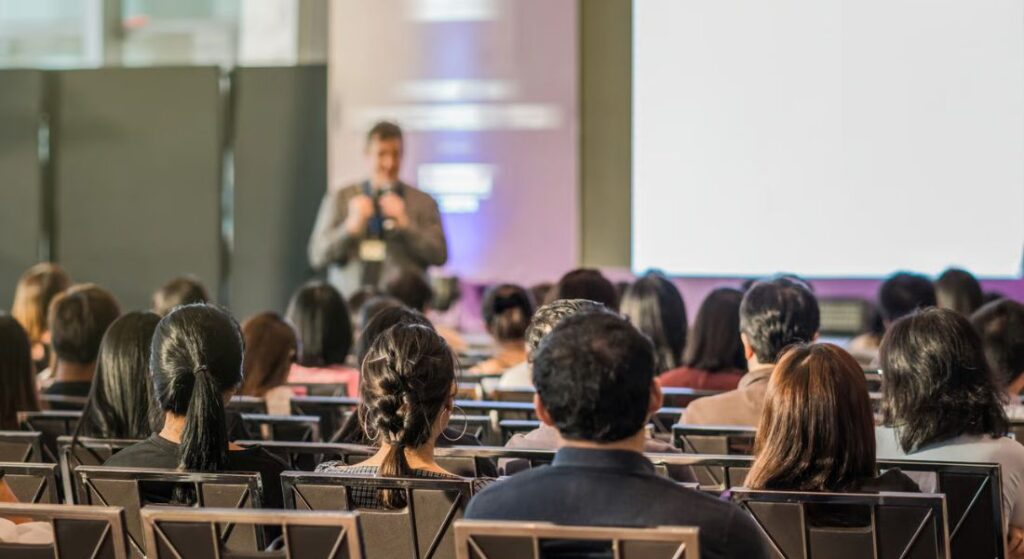
One of the key advantages of live dermatology demonstrations is the opportunity for real-time audience interaction. During procedures, dermatologists can explain their decision-making process, including why a specific technique, device or approach has been chosen. This creates a more engaging and dynamic learning environment compared to traditional lectures or edited videos. It allows participants to connect theory directly with real clinical practice.
- Real-Time Questions Enhance Understanding: During live procedures, audience members can ask questions as the treatment is happening. These may relate to technique, safety or clinical decision-making. This immediate interaction helps clarify complex steps that might otherwise be misunderstood.
- Insight Into Clinical Decision-Making: Demonstrating clinicians often explain their reasoning throughout the procedure. This includes treatment planning, anatomical considerations and choice of tools or devices. Understanding this thought process helps attendees develop stronger clinical judgement.
- Discussion of Safety and Complication Management: Questions frequently focus on how risks are managed during procedures. Dermatologists may explain how they prevent or handle complications in real time. This practical insight is particularly valuable for clinical training and confidence-building.
- Deeper Learning Through Live Engagement: Interactive discussion combined with live observation creates a more complete educational experience. It is often more effective than passive learning through pre-recorded material. This combination helps reinforce understanding and improve long-term retention of knowledge.
Audience interaction during live procedures therefore plays an important role in dermatological education. It bridges the gap between theoretical knowledge and real-world clinical practice. By allowing immediate clarification and discussion, it enhances both learning and engagement. This type of interactive education supports stronger clinical skills and better patient care outcomes.
Learning Real Clinical Decision-Making
Live dermatology demonstrations provide a unique opportunity to understand how real clinical decisions are made in practice. Unlike textbooks or edited videos, these sessions show that medicine is often dynamic rather than predictable. Experts may adjust their technique during a procedure based on how the tissue responds, the patient’s anatomy or their level of comfort. This helps learners see that clinical practice requires continuous judgement and adaptability.
- Real-Time Adjustments During Procedures: In live settings, dermatologists may change their approach based on what they observe during treatment. This could include modifying technique, switching tools or adjusting treatment depth. These decisions are made to ensure safety and achieve the best possible outcome.
- Understanding Clinical Reasoning; Watching procedures unfold allows clinicians to hear the reasoning behind each decision. This includes why certain techniques are preferred and how alternatives are considered. It helps bridge the gap between theoretical knowledge and practical application.
- Emphasis on Flexibility Over Fixed Methods: Live demonstrations highlight that there is rarely a single “correct” way to perform a procedure. Instead, clinicians must adapt their approach based on real-time findings. This teaches flexibility, which is essential for developing strong clinical judgement.
- Improved Confidence Through Real-World Observation: Observing experienced specialists manage variability in real time helps build confidence in less experienced clinicians. It demonstrates how adjustments can be made safely and effectively. This strengthens practical skills and supports better patient care in future practice.
Learning real clinical decision-making in this way provides valuable insight into the complexity of dermatological practice. It shows that expertise involves not just technical skill, but also judgement and adaptability. By observing these decisions as they happen, clinicians develop a deeper understanding of safe and effective care. This ultimately leads to stronger clinical confidence and improved outcomes for patients.
Demonstrating Safety Protocols
Safety protocols are a fundamental part of any live dermatology demonstration and are integrated into every stage of the procedure. During the session, clinicians often explain key elements such as maintaining sterility, monitoring the patient, administering anaesthesia safely, and providing appropriate post-treatment care. These steps help reinforce essential principles of good clinical practice.
For the audience, observing how experienced specialists consistently prioritise patient safety provides valuable learning. Even small details—such as instrument handling, infection control measures, or patient positioning—can make a significant difference to outcomes. Seeing these practices applied in real time helps clinicians better understand how to maintain high standards in their own work.
For patients in the wider healthcare system, these educational sessions contribute to safer and more consistent care overall. By sharing knowledge and demonstrating best practice, conferences help raise awareness of effective safety protocols. This shared learning ultimately supports improved procedural quality and ensures that patient wellbeing remains at the centre of dermatological practice.
Technology Used During Demonstrations
Modern dermatology demonstrations rely heavily on advanced audiovisual and imaging technology to ensure that procedures can be clearly observed by all attendees. High-definition cameras, magnification tools, and real-time streaming systems allow even very fine procedural details to be seen with clarity. This level of visual precision greatly enhances the educational value of the session.
In many conferences, procedures are streamed live from clinical treatment rooms or hospital settings directly to large lecture theatres. Some events also broadcast internationally, allowing clinicians from around the world to observe and learn remotely. This has significantly expanded access to specialist teaching and made high-level dermatology education more widely available than ever before.
As a result, more healthcare professionals can benefit from expert-led demonstrations without being physically present in the same location. This shift has transformed medical education by making it more flexible, accessible, and inclusive. Digital technology now plays a central role in sharing knowledge and ensuring that advanced dermatological techniques can be learned by a much broader professional audience.
Differences Between Live and Recorded Demonstrations
Recorded dermatology demonstrations are useful educational resources, but live sessions offer a different and often more immersive learning experience. In live procedures, clinicians observe unedited clinical reality, including the small adjustments, decision-making steps, and unexpected challenges that naturally occur during treatment. This provides a more authentic understanding of how procedures are performed in real practice.
In contrast, recorded videos are often edited to highlight key steps or ideal outcomes, which can be helpful for structured learning but may not fully reflect the complexity of real clinical situations. Live demonstrations show how experienced dermatologists respond in real time, adapting techniques based on patient needs and procedural developments. This helps learners understand the flexibility required in everyday clinical practice.
Both formats have educational value and complement each other in medical training. However, live teaching is often considered more engaging because it allows for real-time observation and discussion. This interactive element helps deepen understanding and provides a clearer sense of how clinical decisions are made during actual patient care.
Managing Unexpected Situations
Live dermatology demonstrations sometimes involve minor unexpected situations, just as in everyday clinical practice. These moments are not unusual in medicine and can actually become some of the most valuable learning opportunities for the audience. They show how experienced clinicians respond calmly, assess the situation, and adjust their approach when needed. Throughout these situations, patient safety always remains the highest priority.
- Real Clinical Variability Can Occur: Even with careful planning, small variations in tissue response or patient comfort can arise during procedures. These are natural parts of clinical practice rather than signs of error. Observing them helps clinicians understand the real-world nature of dermatology.
- Expert Calmness and Structured Response: Experienced dermatologists demonstrate how to stay calm and systematic when handling unexpected changes. They may modify technique, pause the procedure, or reassess the treatment plan. This structured approach helps maintain safety and control at all times.
- Strong Focus on Patient Safety: All live procedures are carefully supervised and carried out by highly trained specialists. Safety protocols are followed closely to minimise risk and ensure appropriate responses. Preparation and expertise play a key role in maintaining safe outcomes.
- Valuable Lessons in Clinical Judgement: Seeing how challenges are managed in real time helps develop practical decision-making skills. It shows that clinical practice requires both technical ability and adaptability. This type of learning improves readiness for real patient scenarios.
Managing unexpected situations in live demonstrations therefore reflects the reality of everyday medical practice. It reinforces that medicine is not always predictable and requires thoughtful adjustment. By observing how experts respond, clinicians gain a deeper understanding of safe and effective care. This ultimately supports stronger clinical judgement and better preparedness in real-world settings.
Importance in Cosmetic Dermatology
Live demonstrations are particularly important in cosmetic dermatology because many treatments depend heavily on technique, precision, and clinical judgement. Procedures such as dermal fillers, laser treatments, and thread lifts are highly technique-sensitive, where even small variations in approach can significantly influence both safety and aesthetic outcomes. Visual learning is especially valuable in these areas.
By observing procedures in real time, clinicians can better understand key technical elements such as injection depth, needle or cannula positioning, hand stability, and how tissues respond during treatment. These subtle details are often difficult to fully grasp from written materials or edited videos. Seeing them in action helps practitioners refine their own technique and develop greater confidence in performing procedures safely and effectively.
For patients, this continuous learning directly translates into better care. As cosmetic practitioners improve their skills through observation and training, outcomes tend to become more consistent, natural-looking, and safe. In cosmetic dermatology, where precision and judgement are critical, ongoing education and skill refinement play a major role in achieving high-quality results.
Surgical Dermatology Demonstrations
Surgical dermatology demonstrations are an important part of many dermatology conferences, offering clinicians the chance to observe real procedures in a controlled educational setting. These sessions often include techniques such as mole removal, skin cancer excision, reconstructive closure and scar revision. Because dermatological surgery requires a high level of precision, watching experts perform these procedures helps clinicians understand both technical execution and surgical decision-making. This form of learning is especially valuable for developing confidence in operative skills.
- Wide Range of Surgical Procedures: Demonstrations may cover procedures such as lesion excision, skin cancer removal and reconstructive wound closure. Scar revision techniques are also commonly included to show how cosmetic outcomes can be improved. This variety helps clinicians understand different surgical challenges and solutions.
- Insight Into Surgical Planning and Technique: Experts often explain how they plan each step of the procedure before and during surgery. This includes decisions about incision placement, tissue handling and closure methods. Understanding this planning process is essential for developing safe and effective surgical practice.
- Focus on Precision and Tissue Handling: Dermatological surgery requires careful handling of delicate skin structures. Demonstrations highlight how precision is maintained throughout the procedure to ensure optimal results. Attention to detail is crucial for both functional and cosmetic outcomes.
- Learning Post-Procedure Considerations: Clinicians also gain insight into wound healing, scarring and aftercare considerations. These factors play a major role in long-term patient outcomes. Understanding the full treatment pathway improves overall surgical judgement.
Surgical dermatology demonstrations therefore provide essential hands-on learning through observation. They help bridge the gap between theory and real clinical practice by showing how procedures are performed in detail. Patients ultimately benefit from clinicians who are better trained and more confident in surgical techniques. Improved precision and understanding lead to safer procedures and better cosmetic and functional results.
The Educational Value for Younger Doctors

Junior dermatologists and trainees often gain substantial benefits from live dermatology demonstrations, as these sessions help bridge the gap between theoretical learning and real-world clinical practice. Observing experienced clinicians perform procedures in real time allows trainees to see how knowledge is applied in practice, which helps build both understanding and confidence.
Live sessions also expose younger doctors to advanced techniques and complex cases that they may not frequently encounter during routine training. This broader exposure is important because dermatology is a diverse specialty, and not all learning opportunities are available in everyday clinical settings. As a result, trainees develop a more well-rounded and comprehensive clinical experience.
This type of practical exposure plays a key role in shaping the next generation of dermatologists. By learning directly from experts, trainees can refine their skills, improve their decision-making, and develop safer clinical habits. In the long term, this contributes to higher standards of patient care, as well-trained doctors are better prepared to manage a wide range of dermatological conditions effectively.
International Collaboration at Conferences
Many dermatology conferences bring together international speakers and live demonstrators from different countries, creating an environment where clinicians can compare techniques, technologies, and treatment philosophies. This kind of global collaboration plays an important role in strengthening dermatology education and keeping clinical practice up to date with worldwide developments.
Different countries may approach similar procedures in slightly different ways, depending on training systems, patient demographics, cultural expectations, and access to technology. By sharing these varied perspectives, dermatologists gain a broader understanding of how treatments can be adapted and improved. This diversity of experience helps deepen clinical insight and encourages more flexible, informed decision-making.
For patients, this international exchange of knowledge ultimately leads to better care. When dermatologists remain connected to global expertise, they are more likely to adopt improved techniques and evidence-based approaches. Over time, this helps raise overall standards of care, ensuring that patients benefit from the latest advancements and a wider pool of clinical knowledge.
Why Patients Benefit Indirectly
Patients may never attend a dermatology conference themselves, but they still benefit from everything that happens there. When dermatologists return to clinical practice after attending these events, they bring back updated knowledge, improved techniques, and a stronger understanding of safety, diagnosis, and treatment innovation. This ongoing learning directly influences the quality of care patients receive in everyday consultations.
Dermatology is a rapidly evolving field, with new devices, medications, and procedural techniques being introduced on a regular basis. Conferences play an important role in helping clinicians stay up to date with these developments. Continuous professional education ensures that doctors are aware of the latest evidence-based approaches and can apply them appropriately in clinical practice.
Ultimately, patients benefit from this cycle of learning and improvement, even if they are not directly involved in it. When dermatologists commit to ongoing education, it helps ensure that care is informed by current knowledge and best practice standards. This continuous development supports better decision-making, safer treatments, and improved patient outcomes over time.
Emotional Pressure for Demonstrating Doctors
Performing dermatological procedures live in front of a professional audience can be challenging, even for highly experienced specialists. Demonstrating doctors are required to carry out treatments while simultaneously explaining their techniques, answering questions, and maintaining full focus on patient safety. This requires a strong level of confidence, clinical expertise, and composure.
Despite this pressure, many experts willingly take part in live demonstrations because they recognise the value of education and professional development. Sharing clinical knowledge in this way helps strengthen the wider dermatology community and supports the ongoing improvement of standards across the specialty. Teaching is widely regarded as an important responsibility within medicine, alongside clinical practice and research.
Patients ultimately benefit from this commitment to education and knowledge-sharing. When experienced specialists contribute to training and demonstrate best practice techniques, it helps raise the overall standard of care across the field. In this way, collaboration and teaching play a meaningful role in improving outcomes and ensuring that dermatology continues to advance safely and effectively.
Why Ethical Standards Matter So Much
Ethical practice is at the heart of all live medical demonstrations, and it is treated with the highest level of importance. Patient dignity, privacy, safety, and fully informed consent must always take priority over any educational objective. Reputable dermatology conferences operate under strict ethical guidelines to ensure that every stage of the demonstration is conducted responsibly and professionally.
Professional organisations increasingly emphasise transparency, accountability, and patient-centred care during these educational events. This means that patients are never treated as part of a performance, but as individuals receiving genuine clinical care within a controlled learning environment. The primary focus remains on responsible teaching that supports improvement in medical standards while fully respecting patient rights.
Patients can feel reassured that live demonstrations are not casual or informal procedures carried out for display. Instead, they are carefully regulated educational activities designed to enhance clinical knowledge, improve techniques, and ultimately raise the quality of healthcare. Strong ethical principles guide the entire process, ensuring that learning and patient welfare always go hand in hand.
FAQs:
1. What happens during a live dermatology demonstration?
During a live dermatology demonstration, a specialist performs a real procedure in front of a professional audience. You would see the doctor explaining each step while carrying out the treatment or assessment. It is usually streamed or shown on large screens so clinicians can follow clearly. The aim is purely educational, not performance-based.
2. Are real patients involved in live dermatology demonstrations?
Yes, real patients are involved, but only after giving full and informed consent. You would be clearly told that the procedure will be observed by other medical professionals. Your privacy and comfort are always prioritised throughout the session. Ethical guidelines are strictly followed in every case.
3. Why are live demonstrations important in dermatology training?
Live demonstrations help doctors learn how procedures are actually performed in real clinical settings. You get to see decision-making, technique, and problem-solving as they happen. This makes learning more practical compared to textbooks or pre-recorded videos. It ultimately improves patient care and safety.
4. Do live demonstrations include cosmetic treatments as well?
Yes, many live sessions focus on cosmetic dermatology procedures. You might see treatments like fillers, laser therapy, or skin rejuvenation techniques being performed. These are especially useful for understanding precision and technique. They help clinicians improve both safety and aesthetic outcomes.
5. Is patient safety maintained during these demonstrations?
Absolutely, patient safety is always the top priority. You would be treated by an experienced specialist in a controlled medical environment. All procedures follow strict clinical and ethical standards. The educational setting never compromises your care.
6. Can things go wrong during a live dermatology procedure?
Minor variations or challenges can happen, just like in normal clinical practice. If anything unexpected occurs, it is managed immediately by the specialist. You are closely monitored throughout the procedure. These situations are often used as learning opportunities for the audience.
7. Why are live demonstrations better than recorded videos?
Live demonstrations show real-time decision-making and unedited clinical practice. You see how a doctor reacts to changes during a procedure, not just a polished version. This makes the learning experience more realistic and interactive. It provides deeper clinical understanding for professionals.
8. Do patients get any benefit from these demonstrations?
Yes, even though you are not in the audience, you still benefit indirectly. The doctors observing the session take this knowledge back into their daily practice. This leads to improved techniques, better safety, and more up-to-date treatments. Ultimately, it enhances your care.
9. Are international experts involved in live dermatology demonstrations?
Yes, many conferences invite international dermatology experts to demonstrate techniques. You benefit because this brings global experience and different clinical approaches into teaching. It helps improve standards across countries. This sharing of knowledge supports better overall dermatology care.
10. Should patients be worried about being part of a live demonstration?
No, you should not be worried if you are selected. Everything is explained clearly beforehand, and your consent is fully respected. You remain in a safe, clinical environment throughout. The focus is always on your wellbeing and comfort.
Final Thought: How Live Dermatology Learning Improves Your Care
Live dermatology demonstrations may take place behind the scenes at conferences, but their impact is felt directly in everyday patient care. When you see how specialists refine techniques, manage real-time decisions, and share global expertise, it becomes clear how much continuous learning shapes modern dermatology. This kind of education helps ensure safer procedures, more accurate diagnoses, and more advanced treatment approaches for you.
Ultimately, the goal is to translate specialist learning into better outcomes in clinic settings. Whether it’s improved cosmetic results, more effective medical treatments, or safer surgical care, you benefit from this constant exchange of knowledge. If you would like to book a consultation with one of our dermatologists in London, you can contact us at the London Dermatology Centre.
References:
- Chen, Y.-C., Foster, J., Wang, M.-L., Rohmah, I., Tseng, Y.-H. & Chiu, H.-Y. (2021) Global prevalence and risk factors of emergence delirium in paediatric patients undergoing general anaesthesia: a systematic review and meta-analysis, Journal of Paediatric Nursing, 77, pp. 74-80. Available at: https://pubmed.ncbi.nlm.nih.gov/34824181/
- Gupta, A., Sharma, P., Verma, S. and Kumar, R. (2023) Effects of article topic from S2212440323009446, Journal Name, volume(issue). Available at: https://www.sciencedirect.com/science/article/abs/pii/S2212440323009446
- Campolmi, P., Cannarozzo, G., Dragoni, F., Conti, R. & Moretti, S. (2016) Efficacy of rhodamine light in the treatment of superficial vascular lesions of the face, Medicina Princ Pract, 25(5), pp. 477-482. Available at: https://pmc.ncbi.nlm.nih.gov/articles/PMC5588436/
- Beg, K., Padmapriya, B., Noorul Shajar, S., Ahmad, M.M. and Faiyyaz, A.G. (2024) The bibliometric analysis of previous twenty-five years literature: A microfinance review, Heliyon, 10(3), e24979. Available at: https://www.sciencedirect.com/science/article/pii/S2352512623003181
- Cleary, J.D. & Stover, K.R. (2015) Antifungal-associated drug-induced cardiac disease, Clinical Infectious Diseases, 61, pp. S662-S668. Available at: https://pubmed.ncbi.nlm.nih.gov/26564080/