



Dermatology is a fast-moving specialty, and staying updated really depends on large international meetings where new research and treatments are shared. One of the most important of these is the American Academy of Dermatology Annual Meeting. It’s a major global event where dermatologists, researchers, and healthcare professionals come together to exchange knowledge and explore the latest developments in skin health.
You’ll find that the AAD Annual Meeting covers a very wide range of topics, including medical dermatology, skin cancer, cosmetic procedures, paediatric dermatology, and emerging research in areas like biologic therapies and digital health. Thousands of professionals attend each year, both in person and virtually, making it one of the largest and most influential dermatology conferences in the world.
For you, the important thing is that this meeting plays a key role in shaping everyday dermatology practice across the globe. The discussions, research presentations, and expert sessions help doctors stay informed about new treatments and evidence-based approaches, which ultimately supports better patient care and ongoing innovation in dermatology.
What Is the American Academy of Dermatology?
The American Academy of Dermatology is a professional organisation dedicated to advancing the field of dermatology. It focuses on supporting education, research, and the development of high clinical standards for the diagnosis and treatment of skin, hair, and nail conditions. Although it is based in the United States, its influence extends internationally across modern dermatology practice.
You’ll find that the AAD brings together thousands of dermatologists and healthcare professionals who work collaboratively to improve patient care. It plays a major role in producing clinical guidelines, research publications, and educational resources that are widely used by clinicians around the world. This helps ensure that dermatology practice remains consistent, evidence-based, and aligned with the latest scientific knowledge.
For you, the key point is that over time, the AAD has become one of the most respected organisations in dermatology globally. Its educational work and research contributions help shape how skin conditions are understood and treated, and its annual meeting reflects this leadership by showcasing innovation and guiding future directions in skin health.
What Happens at the AAD Meeting?
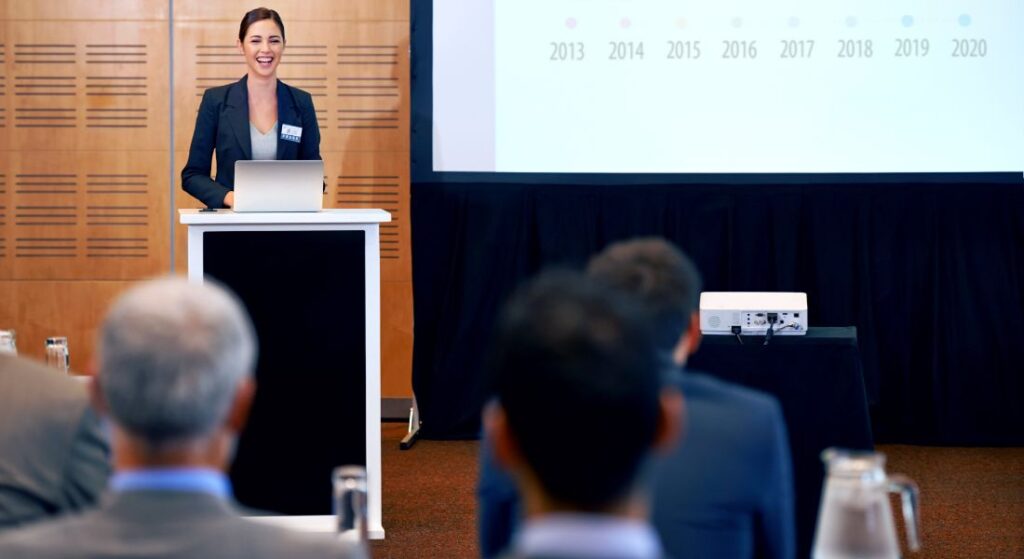
The American Academy of Dermatology Annual Meeting is a large multi-day scientific conference that brings together dermatologists, researchers, and healthcare professionals from around the world. It typically features a wide programme of lectures, workshops, research presentations, and live demonstrations designed to support both experienced clinicians and trainees.
You’ll find that attendees can explore a broad range of topics, including the latest medical treatments, cosmetic dermatology procedures, emerging technologies, and new clinical research findings. The meeting is structured to cover both everyday dermatology practice and cutting-edge advances, so there is something relevant for different levels of experience and subspecialties.
For you, one of the most valuable aspects is the strong focus on interactive and practical learning. Hands-on workshops and case-based discussions help clinicians apply new knowledge directly to patient care, improving confidence in real-world decision-making. This emphasis on practical education is a key reason the AAD meeting is considered so influential in shaping modern dermatology practice.
Why Dermatology Conferences Are Important
Dermatology is constantly evolving, with new treatments, technologies, and research findings emerging all the time. That’s why conferences such as the American Academy of Dermatology Annual Meeting are so important. They help ensure that specialists stay up to date and continue developing their knowledge throughout their careers.
You’ll find that without regular updates like these, clinical practice can quickly become outdated. Conferences act as a bridge between scientific research and everyday patient care, helping to translate new evidence into practical, real-world treatment decisions. This supports more consistent, evidence-based medicine across the specialty.
For you, the key point is that these events also encourage collaboration between international experts. When dermatologists share experiences and research findings across borders, it raises overall healthcare standards and improves patient outcomes. Learning together in this way strengthens the entire field of dermatology.
Advances in Medical Dermatology
Medical dermatology is one of the central focus areas at the American Academy of Dermatology Annual Meeting. You’ll find sessions covering conditions such as eczema, psoriasis, acne, autoimmune skin diseases, and infectious skin conditions, along with the latest research into how these diseases develop and how best to treat them.
A major highlight is often the discussion around newer biologic therapies and targeted medications. These treatments have significantly changed the management of many chronic skin conditions by offering more precise ways to control inflammation and disease activity. As a result, clinical outcomes for many patients continue to improve compared with older treatment approaches.
For you, the key value of these sessions is how they help dermatologists translate research into everyday clinical practice. By understanding the latest evidence and treatment advances, clinicians can make more informed decisions, leading to more accurate, personalised, and effective patient care. Medical innovation in dermatology is constantly evolving, and these meetings help ensure that practice keeps pace with science.
Skin Cancer Research and Prevention
Skin cancer is one of the most important topics discussed at major dermatology meetings, including the American Academy of Dermatology Annual Meeting. Conditions such as melanoma, basal cell carcinoma, and squamous cell carcinoma are regularly reviewed, with a strong focus on how to detect them earlier and prevent them in the first place. For you as a patient, this kind of research directly influences how quickly skin cancers are recognised and how effectively they are treated.
- Focus on Early Detection and Diagnosis: A major priority is improving the early detection of skin cancer, especially melanoma. You’ll often see advances in dermoscopy and imaging techniques being discussed, which help dermatologists examine suspicious skin lesions more accurately. Earlier diagnosis usually leads to better treatment outcomes.
- Advances in Treatment and Survival Rates: New research into treatments, including immunotherapy and targeted therapies, continues to improve outcomes for many patients. These developments are closely studied and shared at conferences so doctors can stay updated. As a result, survival rates and treatment effectiveness continue to improve over time.
- Prevention Through Sun Protection: A big part of education also focuses on prevention, especially the importance of sun protection and UV awareness. You’re encouraged to understand how regular sun exposure increases your risk and how protective habits can make a real difference. Prevention remains one of the most effective ways to reduce risk.
- Improving Screening and Public Awareness: Dermatologists also play a key role in encouraging regular skin checks and raising awareness about warning signs of skin cancer. Better screening practices mean suspicious changes can be identified earlier. Increased awareness ultimately helps save lives through earlier intervention.
Skin cancer research and prevention therefore remain central to dermatology practice. As new discoveries are shared and adopted, you benefit from earlier diagnosis, better treatments, and stronger prevention strategies. Ultimately, this continuous progress helps reduce risk and improve outcomes for patients worldwide.
Cosmetic Dermatology and Aesthetic Treatments
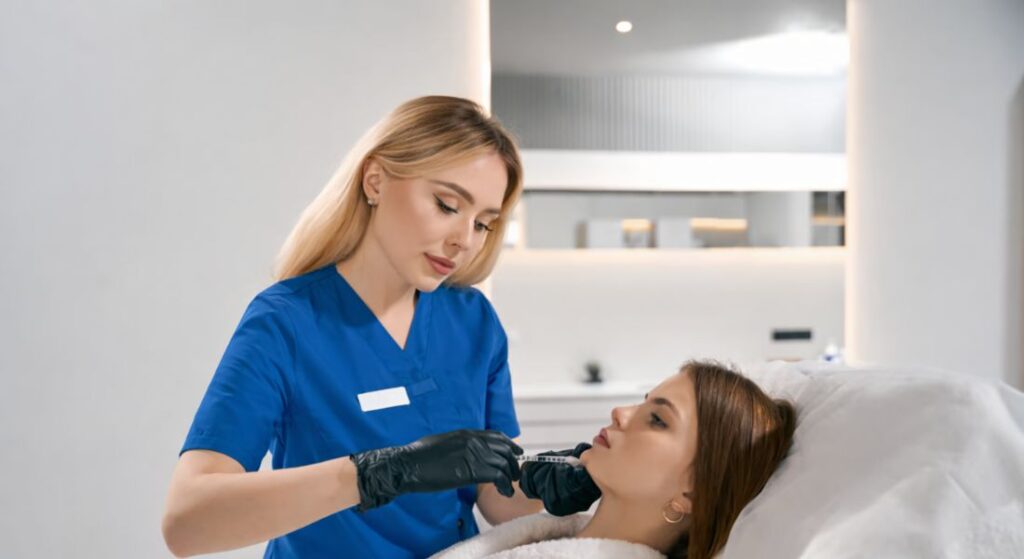
Cosmetic dermatology is another important part of the American Academy of Dermatology Annual Meeting, and it covers a wide range of aesthetic treatments such as dermal fillers, laser procedures, chemical peels, and skin rejuvenation techniques. These procedures are becoming increasingly popular worldwide, so the focus is not only on results but also on safety and long-term outcomes.
You’ll often see experts discussing how to achieve natural-looking improvements while reducing the risk of complications. Evidence-based cosmetic practice is strongly emphasised, meaning that treatments are carefully evaluated based on scientific data rather than trends alone. Patient safety remains a central priority throughout these discussions.
For you, the key point is that new technologies and techniques are regularly introduced and critically reviewed at the meeting. This helps clinicians refine their approach to aesthetic medicine, improve consistency in results, and ensure that innovation is applied responsibly in everyday practice.
Emerging Technologies in Dermatology
Emerging technology is playing a major role in shaping modern dermatology, and it’s a regular focus at the American Academy of Dermatology Annual Meeting. Areas such as artificial intelligence, digital imaging, and teledermatology are increasingly influencing how skin conditions are diagnosed, monitored, and managed in everyday clinical practice.
You’ll often see discussions around AI systems that can analyse skin lesion images to help with earlier detection of skin cancer, as well as digital platforms that make dermatology care more accessible through remote consultations. These tools are helping to improve efficiency and expand access to specialist advice, especially for patients who may not easily reach dermatology services in person.
For you, the key point is that while these technologies are powerful, they are always carefully evaluated and used alongside expert clinical judgment. Human experience and decision-making remain essential, with technology acting as a supportive tool rather than a replacement for dermatologists. This balance helps ensure both innovation and patient safety remain central in modern dermatology care.
Research Presentations and Scientific Exchange
Research presentations are one of the most important parts of the American Academy of Dermatology Annual Meeting. This is where scientists and clinicians share their latest findings through lectures, poster sessions, and interactive discussions. It’s a fast way for new knowledge to circulate within the dermatology community.
You’ll see research ranging from clinical trials and laboratory-based studies to real-world case reports from everyday practice. Some of this work goes on to influence future clinical guidelines, especially when results are strong and consistently reproduced. Early sharing of data helps the wider medical community stay updated with emerging evidence.
For you, the key point is that scientific exchange at these meetings is not just about presenting results it’s also about discussion and critique. Experts question methods, compare findings, and refine ideas, which helps improve the overall quality of research in dermatology. This collaborative process ultimately strengthens evidence-based care and supports better patient outcomes.
Education for Dermatology Trainees
Major dermatology meetings like the American Academy of Dermatology Annual Meeting are not just for experienced specialists they’re also a really important learning space for trainees and early-career dermatologists. If you’re starting out in dermatology, these events give you structured teaching, exposure to real-world cases, and access to some of the latest developments in the field. The idea is to support your growth at every stage, depending on your level of experience.
- Structured Learning Sessions for Different Levels: You’ll find dedicated teaching sessions designed specifically for trainees, covering both basic principles and more advanced topics. This helps you build your clinical knowledge step by step, without feeling overwhelmed. The content is tailored so you can learn at a pace that matches your experience.
- Exposure to Complex Clinical Cases: Conferences give you the chance to see complex and challenging dermatology cases that you might not encounter early in training. This helps you understand how experts approach diagnosis and treatment decisions in real situations. It broadens your clinical thinking and strengthens your decision-making skills.
- Understanding Advanced Treatments and Techniques: You also get exposure to newer therapies, including advanced medical, surgical, and procedural treatments. Seeing how these are used in practice helps you connect theory with real clinical application. This kind of learning is essential for developing confidence as a clinician.
- Mentorship and Professional Guidance: Many experienced dermatologists take part in mentoring sessions and informal discussions during the conference. If you’re a trainee, this gives you a valuable opportunity to ask questions and learn directly from senior experts. These interactions often play a big role in shaping your future career path.
Education for trainees is therefore a key part of dermatology conferences. It helps you build a strong foundation, improve your clinical understanding, and gain confidence in managing patients. Ultimately, this kind of learning ensures the next generation of dermatologists is well trained and up to date.
Global Collaboration in Dermatology
The American Academy of Dermatology Annual Meeting has a strong global influence, even though it is based in the United States. Each year, dermatologists, researchers, and healthcare professionals from many different countries attend, creating a truly international environment for learning and exchange.
You’ll often find that these meetings become the starting point for long-term research partnerships and collaborative projects. When specialists share their experience of managing skin disease in different populations and healthcare systems, it helps broaden understanding and improve overall clinical insight. This kind of shared expertise strengthens both research and everyday clinical practice.
For you, the key point is that global collaboration is one of the biggest strengths of the AAD meeting. Different healthcare systems bring different challenges and perspectives, and when these are combined, they help drive innovation and improve standards of care. Ultimately, this international cooperation benefits patients worldwide by advancing dermatology as a whole.
Clinical Guidelines and Best Practice
The American Academy of Dermatology Annual Meeting plays an important role in shaping clinical guidelines that help standardise how dermatology conditions are diagnosed and treated. These guidelines are widely used in everyday practice to support consistent, evidence-based care across different healthcare settings.
You’ll often find that new guidelines or updates are discussed during the meeting, especially when recent research provides stronger evidence for changes in treatment approaches. As dermatology evolves, recommendations are regularly reviewed so they reflect the most up-to-date scientific understanding and clinical outcomes.
For you, the key point is that these guidelines are designed to help dermatologists make safer and more informed decisions in practice. They improve consistency in care, reduce variation between clinicians, and support better patient outcomes by ensuring treatment choices are based on reliable evidence rather than individual preference alone.
Innovations in Acne and Rosacea Treatment
Acne and rosacea are two of the most frequently discussed conditions at the American Academy of Dermatology Annual Meeting, largely because they affect so many people and continue to be areas of active research. You’ll often see updates on new topical treatments, systemic medications, and combination approaches aimed at improving long-term control of these conditions.
A lot of current research focuses on understanding the underlying drivers of acne and rosacea, including hormonal influences, bacterial factors, immune responses, and inflammation pathways. As scientists learn more about these mechanisms, they continue to identify new potential treatment targets. This ongoing research is gradually leading to more personalised and effective management strategies.
For you, the key point is that the meeting helps clinicians stay up to date with the most effective treatment combinations and evolving evidence. By translating research into everyday practice, dermatologists can improve outcomes for patients and offer more tailored, modern approaches to managing acne and rosacea.
Autoimmune and Inflammatory Skin Conditions
Autoimmune and inflammatory skin conditions such as psoriasis, eczema, vitiligo, and lupus are key topics at the American Academy of Dermatology Annual Meeting. You’ll often see researchers presenting updates on how the immune system contributes to these conditions, along with new insights into targeted treatment approaches that help manage long-term disease more effectively.
A major area of progress in recent years has been the development of biologic therapies and other targeted medications. These treatments have significantly improved outcomes for many patients by acting on specific immune pathways involved in inflammation. Ongoing research continues to refine these therapies, with careful attention paid to both effectiveness and long-term safety.
For you, the important point is that educational sessions at the meeting help clinicians manage complex and chronic skin diseases with greater precision. By improving understanding of disease mechanisms and treatment responses, dermatologists can offer more tailored care, and scientific advances continue to directly shape better patient outcomes.
Role of Industry in the Meeting
The industry plays an important role in the AAD meeting because you’ll see pharmaceutical and medical technology companies showcasing new treatments, clinical trial results, and emerging innovations. These presentations give you an early look at how dermatology is evolving, from new medications to advanced devices that may improve diagnosis and treatment in the future. It’s a space where research and real-world application often come together.
You’ll also notice that this information isn’t simply accepted at face value. Everything presented by industry is carefully reviewed and discussed by leading experts in the field. The focus stays firmly on evidence-based medicine, meaning claims are evaluated critically to ensure they are supported by solid scientific data. This helps maintain a balanced approach where innovation is encouraged but patient safety always comes first.
For you, this collaboration is important because it helps move new treatments from research into real clinical use in a responsible way. When scientists, clinicians, and industry work together under strict scientific scrutiny, it increases the chances of meaningful advances reaching patients safely. At the same time, careful evaluation ensures that only well-supported, effective options become part of everyday dermatology care.
Dermatology and Public Health
Dermatology is closely connected to public health, and you’ll often see this reflected at the AAD meeting through topics like sun protection, skin cancer prevention, and infectious skin diseases. These are issues that don’t just affect individuals in clinic settings, but large populations, which is why education and awareness play such an important role in reducing risk.
You’ll also hear a strong focus on public awareness campaigns and prevention strategies. Simple measures like encouraging sunscreen use, recognising early warning signs of skin cancer, and promoting hygiene in infectious conditions can significantly reduce disease burden. When these messages are communicated effectively, you can often prevent problems before they become more serious or harder to treat.
For you, this highlights how dermatologists contribute beyond individual patient care. Their role often extends into public health education, helping improve awareness and encouraging early detection in the wider community. By focusing on prevention as well as treatment, dermatology helps improve outcomes on both an individual and population level.
Digital Dermatology and Telemedicine
Digital dermatology and telemedicine have become an increasingly important part of modern skin care, and you’ll often see them highlighted at the AAD meeting. Teledermatology allows you to access consultations remotely, which can be especially helpful if you live in a rural area or find it difficult to attend in-person appointments. It’s a practical way of improving access to specialist care.
You’ll also find that while digital platforms offer clear benefits, there are still important limitations to consider. Not every skin condition can be accurately assessed through images or video alone, especially when detailed examination or diagnostic tools are needed. That’s why some cases still require a face-to-face consultation to ensure a complete and accurate evaluation.
For you, the key message is that telemedicine is designed to support dermatology care, not replace it. At meetings like the AAD, experts focus on how to use these tools safely and effectively while maintaining high clinical standards. When used appropriately, digital dermatology can improve access, speed up assessment, and complement traditional in-person care.
Patient-Centred Dermatology Care

Patient-centred dermatology care is a major focus at the AAD meeting, and you’ll often hear it described as treating you as a whole person, not just focusing on the skin condition itself. This approach recognises that conditions like eczema, acne, psoriasis, or chronic rashes can affect your confidence, comfort, sleep, and overall quality of life.
You’ll also find that modern dermatology places strong importance on understanding your lifestyle, emotional wellbeing, and long-term treatment needs. Instead of offering a one-size-fits-all plan, care is tailored to your individual situation, which may include your daily routine, triggers, stress levels, and personal treatment preferences. This makes management more realistic and sustainable for you in the long run.
For you, this shift means dermatology is becoming more holistic and communication-driven. Your experience, concerns, and expectations are actively considered alongside medical treatment. When empathy and clear communication are prioritised, it helps you feel more involved in your care and leads to better long-term outcomes overall.
Why the AAD Meeting Matters Globally
The AAD Annual Meeting matters globally because you’re essentially seeing some of the most influential dermatology experts coming together in one place. It’s where new research, clinical experience, and emerging ideas are shared, which helps shape how dermatology is practised not just in one country, but across the world. In many ways, it sets the tone for future developments in the specialty.
You’ll also find that the discoveries and discussions presented at the meeting often go on to influence international treatment guidelines and medical education. When strong evidence is shared and reviewed at this level, it can quickly spread into everyday clinical practice, meaning you benefit from the latest advances sooner and more consistently. This helps ensure that care keeps evolving in line with current science.
For you, the key point is that the AAD meeting drives ongoing progress through collaboration and shared learning. By bringing experts together and encouraging open exchange of knowledge, it helps raise standards of care globally. Over time, this collective learning directly supports better treatments, improved outcomes, and more informed dermatology practice wherever you are treated.
FAQs:
1. What is the American Academy of Dermatology (AAD) Annual Meeting?
The AAD Annual Meeting is one of the largest dermatology conferences in the world where experts share the latest research, treatments, and clinical updates. The aim is to improve knowledge and advance skin health care globally. For you, it means dermatology practice keeps evolving with the newest evidence.
2. Why is the AAD Meeting so important in dermatology?
The meeting is important because it helps shape how skin conditions are diagnosed and treated worldwide. New studies, therapies, and technologies are discussed and critically reviewed by experts. For you, it leads to safer and more effective treatment options over time.
3. Who attends the AAD Annual Meeting?
The meeting is attended by dermatologists, researchers, trainees, and healthcare professionals from across the world. It also includes experts from industry and academic institutions. For you, it means the information shared is highly expert-driven and globally relevant.
4. What topics are covered at the AAD Meeting?
A wide range of topics are discussed including acne, eczema, psoriasis, skin cancer, cosmetic dermatology, and autoimmune skin diseases. Each topic focuses on improving diagnosis and treatment. For you, it ensures nearly every aspect of skin health is continuously improving.
5. How does the AAD Meeting improve patient care?
The meeting improves patient care by sharing the latest research and clinical findings with doctors. Over time, this knowledge is applied in everyday clinical practice. For you, it means more accurate diagnosis and better treatment outcomes.
6. What role does research play at the AAD Meeting?
Research plays a central role as scientists present new studies, clinical trials, and case reports. These findings are discussed, reviewed, and sometimes used to update future guidelines. For you, it ensures care is based on the most recent scientific evidence.
7. Does the AAD Meeting include cosmetic dermatology?
Yes, cosmetic dermatology is an important part of the meeting and includes treatments like fillers, lasers, and skin rejuvenation. Experts focus on both results and patient safety. For you, it helps ensure safer and more effective aesthetic treatments.
8. How does technology feature in the AAD Meeting?
Technology plays a major role, including artificial intelligence, teledermatology, and digital imaging tools. These innovations help improve diagnosis, monitoring, and access to care. For you, it means better accessibility and more advanced diagnostic support.
9. How do trainees benefit from the AAD Meeting?
Trainees gain structured learning, exposure to complex cases, and access to expert teaching sessions. They also learn about new treatments and clinical techniques not always seen in everyday practice. For you, it ensures future dermatologists are well-trained and up to date.
10. How do patients benefit from the AAD Meeting even if they don’t attend?
Patients benefit indirectly because the knowledge shared at the meeting improves everyday dermatology care. Doctors apply new research, treatments, and guidelines in their practice. For you, it means your care continuously improves with medical advancements.
Final Thoughts: Why the AAD Meeting Shapes the Future of Dermatology
The American Academy of Dermatology (AAD) Annual Meeting stands out as one of the most influential events in global dermatology because it brings together research, clinical experience, and innovation under one roof. From medical dermatology and skin cancer advances to cosmetic procedures, AI-driven tools, and patient-centred care, the meeting continuously pushes the specialty forward. For you, the key takeaway is simple: what is shared and debated at this conference often becomes the foundation for tomorrow’s treatments and clinical guidelines.
It also plays a crucial role in connecting dermatologists across countries, encouraging collaboration, and making sure that new evidence is quickly translated into everyday clinical practice. This ongoing exchange of ideas helps improve diagnosis, treatment accuracy, and long-term patient outcomes across the world. In many ways, it acts as a bridge between science and real-world care. If you’d like to book a consultation with one of our dermatologists in London, you can contact us at the London Dermatology Centre.
References:
1. Li, R., Zhang, L.X., Tian, C., Ma, L.K. and Li, Y. (2022) Successful management of a breastfeeding mother with severe eczema of the nipple: A case report, World Journal of Clinical Cases, 10(28), pp. 10155–10161. Available at: https://pmc.ncbi.nlm.nih.gov/articles/PMC9561575/
2. Melnik, B.C. and Weiskirchen, R. (eds.) (2025) Lactation and breast milk the role in postnatal development and maternal physiology, Nutrients. Available at: https://www.mdpi.com/journal/nutrients/special_issues/V6234JS3U5
3. Moore, H. and Stevenson, A. (2025) Breast and nipple dermatoses during lactation, Australasian Journal of Dermatology. Available at: https://pubmed.ncbi.nlm.nih.gov/40817612/
4. Barrett, M.E., Heller, M.M., Stone, H.F. and Murase, J.E. (2013) Dermatoses of the breast in lactation, Dermatologic Therapy, 26(4), pp. 331–336. Available at: https://pubmed.ncbi.nlm.nih.gov/23914890/
5. Moore, H. and Stevenson, A. (2025) Breast and nipple dermatoses during lactation, Australasian Journal of Dermatology, 66(7), pp. e386–e407. Available at: https://pmc.ncbi.nlm.nih.gov/articles/PMC12633704/