


World Psoriasis Day is an important international awareness initiative that helps you better understand psoriasis and the challenges it can bring. It’s observed every year through a range of activities such as educational events, awareness campaigns, scientific meetings, and patient support programmes. These efforts are designed to make sure you have clearer, more accurate information about the condition and the latest developments in care.
For you as a patient, these events matter because psoriasis is not just a surface-level skin issue it’s a chronic inflammatory condition that can affect your physical health, emotional wellbeing, and day-to-day confidence. World Psoriasis Day helps highlight these wider impacts, making sure your experience is recognised and better understood. It also gives healthcare professionals and researchers a platform to discuss new findings and improve treatment approaches.
Overall, these global initiatives play a key role in improving both care and research for you and others living with psoriasis. By bringing together clinicians, scientists, and patient communities, World Psoriasis Day encourages collaboration and knowledge-sharing, which ultimately supports better, more informed, and more compassionate care worldwide.
What Is World Psoriasis Day?
World Psoriasis Day is an international awareness day observed every year on 29 October. It was created to help you and others better understand psoriasis, while also improving global awareness of the challenges faced by people living with this chronic condition. Over time, it has become an important moment for education, advocacy, and scientific discussion.
Across different countries, you’ll see a wide range of activities taking place, including educational campaigns, conferences, patient support meetings, and advocacy programmes. These initiatives are designed to improve your understanding of psoriasis, reduce stigma around visible skin conditions, and encourage better access to diagnosis and treatment. They also help connect you with more reliable information and support networks.
Overall, the day plays a key role in highlighting the importance of ongoing medical research into psoriasis and related inflammatory diseases. By bringing together patients, clinicians, and researchers, World Psoriasis Day helps ensure that your condition is better understood and that progress continues towards improved care and treatment options.
Why Awareness Matters
One of the main goals of World Psoriasis Day events is to increase public awareness, and you’ll often see campaigns focused on correcting long-standing misconceptions. Many people still misunderstand psoriasis and may wrongly assume it is contagious or linked to poor hygiene. This kind of misinformation can make daily life more difficult than the condition itself.
Awareness efforts help you understand that psoriasis is actually an immune-mediated inflammatory condition, not an infection you can “catch” or pass on. By improving this basic understanding, you help reduce stigma and create a more supportive environment for people living with the condition. It also helps you feel more confident discussing it openly without fear of judgement.
Education plays a really important role in emotional wellbeing and overall quality of life. When more people are informed, you’re less likely to experience unnecessary embarrassment or isolation. Over time, better awareness can make social and healthcare interactions much more compassionate and understanding.
Psoriasis Is More Than a Skin Condition

Psoriasis is increasingly being understood as much more than just a skin condition, and you’ll often hear this point strongly emphasised in both conferences and awareness campaigns. While the visible symptoms appear on your skin, the condition itself is driven by systemic inflammation that can affect multiple parts of your body. This broader understanding is changing how both specialists and you think about long-term management.
In many expert discussions, you’ll find topics extending well beyond the skin, including psoriatic arthritis, cardiovascular health, metabolic syndrome, emotional wellbeing, and immune system function. This is because psoriasis is closely linked with your overall inflammatory response, which means it can influence different aspects of your health in ways that aren’t always immediately visible. Recognising these connections helps you take a more proactive approach to your care.
As a result, modern psoriasis care is increasingly focused on whole-person health rather than just treating skin symptoms in isolation. Instead of only aiming to clear plaques, the goal is to support your overall wellbeing, reduce systemic inflammation, and improve quality of life in a more complete and balanced way.
Educational Conferences for Healthcare Professionals
Educational conferences held around World Psoriasis Day play an important role in bringing healthcare professionals together. You’ll often see dermatologists, rheumatologists, nurses, researchers, and other specialists attending these events to share knowledge and stay updated on the latest developments in psoriasis care. These sessions are designed to strengthen clinical understanding and improve patient outcomes across different healthcare settings.
A major focus of these conferences is reviewing emerging research, treatment advances, updated clinical guidelines, and long-term disease management strategies. Because psoriasis care is evolving quite quickly, continuing education is essential to make sure you’re benefiting from the most current and effective approaches. This helps healthcare professionals refine how they diagnose, monitor, and treat the condition over time.
International collaboration is also a key part of these events, as it allows experts from different countries to share insights and compare best practices. When knowledge is exchanged on a global level, you ultimately benefit through more consistent, evidence-based care standards that continue to improve worldwide.
New Biologic Treatments Are Commonly Discussed
At dermatology meetings such as Aesthetic & Anti-Aging Medicine World Congress 2026, biologic therapies remain one of the most important topics in the management of Psoriasis. You’ll often hear discussions about how these modern medicines are transforming long-term disease control by targeting specific immune pathways rather than broadly suppressing the immune system.
- Targeted Immune Pathway Treatments: You may come across biologic therapies designed to block specific inflammatory signals involved in psoriasis. This targeted approach helps reduce skin inflammation more precisely compared with older systemic treatments. It has significantly improved symptom control for many patients.
- Newer Biologics and Ongoing Innovation: Conference presentations frequently highlight newer biologic agents that continue to expand treatment options. You may hear discussions about how these medicines differ in mechanism, dosing schedules, and clinical outcomes. The field continues to evolve rapidly.
- Long-Term Safety and Effectiveness Data: A key focus is understanding how biologics perform over many years of use. You may see data on sustained response rates, side effects, and overall safety profiles. This long-term evidence is essential for guiding clinical decisions.
- Patient Selection and Personalised Treatment: Specialists also discuss which patients are most likely to benefit from specific biologic therapies. You may be assessed based on disease severity, previous treatment response, and overall health. This helps tailor treatment more effectively to individual needs.
Biologic therapies have therefore significantly changed how psoriasis is managed in modern dermatology. You benefit from more targeted, effective, and increasingly personalised treatment options. These therapies remain a major focus of ongoing research and clinical discussion. Ultimately, biologics continue to reshape long-term psoriasis care in a meaningful way.
Understanding the Immune System Better
Understanding how the immune system works is becoming a major focus in psoriasis research, and you’ll often see this highlighted during World Psoriasis Day scientific meetings. These discussions help you see psoriasis not just as a surface-level skin issue, but as a condition driven by complex immune system activity and inflammatory signalling pathways.
Researchers regularly explore how immune dysfunction contributes to the development and persistence of psoriasis. You’ll hear topics such as cytokines, inflammatory cells, and molecular pathways that play a key role in triggering and maintaining chronic inflammation in your body. This deeper understanding is helping to explain why the condition behaves differently from person to person.
As scientific knowledge improves, it is directly influencing the development of more targeted and personalised treatments. Instead of a one-size-fits-all approach, you’re now seeing therapies designed to act on specific immune pathways, which can lead to more effective and longer-lasting control of symptoms.
Mental Health and Emotional Wellbeing
World Psoriasis Day events increasingly highlight how important mental health and emotional wellbeing are when living with psoriasis. You may not always see it from the outside, but visible skin symptoms can have a real impact on your confidence, relationships, anxiety levels, and day-to-day emotional balance. This is why the conversation around psoriasis now goes far beyond just physical symptoms.
In many educational sessions, you’ll find psychologists, patient advocates, and support groups coming together to talk openly about emotional health and coping strategies. These discussions often focus on helping you manage stress, build resilience, and feel more supported in both clinical and social settings. Sharing experiences in this way can also help reduce feelings of isolation.
As a result, mental wellbeing is now seen as an essential part of comprehensive psoriasis care. Instead of treating the skin in isolation, there is growing recognition that your emotional health is closely connected to how you experience and manage the condition overall.
Reducing Stigma and Social Isolation
Reducing stigma around visible skin conditions is a major focus of many awareness campaigns, especially during World Psoriasis Day. You may notice that people with psoriasis can sometimes face social discomfort, misunderstanding, or even embarrassment due to visible plaques and skin changes. These reactions are often based on misinformation rather than facts about the condition.
Public education plays a key role in changing this by helping you and others understand the true nature of psoriasis. When myths are challenged and replaced with accurate information, it becomes easier to build empathy and acceptance. This shift in understanding can make everyday interactions feel far more supportive and less judgemental for those living with the condition.
Ultimately, reducing stigma can have a real and meaningful impact on quality of life. When you feel more accepted and less socially isolated, it becomes easier to manage the emotional and psychological aspects of psoriasis alongside its physical symptoms.
Patient Advocacy Groups Play an Important Role
Patient advocacy groups play a really important role in World Psoriasis Day activities, and you’ll often see them at the centre of awareness and education efforts. These organisations help you access reliable information about psoriasis, while also offering emotional support and a sense of community for people living with the condition. Their work often helps bridge the gap between patients and healthcare systems.
You’ll also find that many of these groups actively run awareness campaigns, support networks, and educational programmes designed to improve understanding of psoriasis in the wider public. At the same time, they work closely with researchers and healthcare professionals to ensure that patient experiences are reflected in clinical discussions and treatment development. This helps keep real-world needs at the heart of ongoing progress.
Overall, collaboration between patient organisations and clinicians strengthens psoriasis care as a whole. When you combine medical expertise with lived experience, it leads to better treatment access, improved support systems, and more patient-centred approaches to long-term management.
Psoriatic Arthritis Awareness
Psoriatic arthritis is an important topic that you’ll often hear discussed during World Psoriasis Day events. It’s an inflammatory condition that can develop alongside psoriasis, and it doesn’t just affect your skin it can also involve your joints. You may experience symptoms like joint pain, stiffness, or swelling, which can sometimes come and go or gradually worsen over time.
In many educational sessions, the focus is on helping you recognise the early signs as soon as possible. Things like persistent morning stiffness, discomfort in your fingers, knees, or ankles, or reduced joint flexibility are often highlighted as warning signs. Early awareness is really important because timely referral to a specialist can make a big difference in how the condition is managed.
Improving awareness means you’re more likely to seek help sooner, which can help reduce delays in diagnosis and treatment. When psoriatic arthritis is identified early, it’s much easier to manage symptoms and protect your long-term joint health. That’s why education plays such a key role in improving outcomes and overall quality of life.
Lifestyle and Inflammation Discussions
Lifestyle factors are becoming an increasingly important topic in modern psoriasis conferences, and you’ll often see discussions focusing on how your day-to-day habits can influence inflammation in the body. Specialists may look at things like smoking, alcohol, stress levels, body weight, sleep quality, exercise, and diet, and how these can relate to the severity or fluctuation of psoriasis symptoms.
While it’s important to understand that lifestyle changes alone cannot cure psoriasis, they may still play a supportive role in your overall health. You might find that improving certain habits helps reduce your general inflammatory burden, which can have a positive impact on how your condition behaves over time. This is why these conversations are becoming more common in clinical settings.
As a result, holistic management approaches are gaining more attention internationally. Instead of focusing only on medical treatments, you’re now seeing a broader view that includes lifestyle support as part of long-term care. This combined approach aims to help you manage psoriasis in a more balanced and sustainable way.
Advances in Topical and Light-Based Treatments
At dermatology conferences such as Aesthetic & Anti-Aging Medicine World Congress 2026, you’ll also hear a lot of focus on treatments beyond biologics for managing Psoriasis. While advanced systemic therapies attract attention, topical treatments and phototherapy remain essential parts of everyday clinical care.
- Newer Topical Treatment Options: You may be offered newer prescription creams and ointments designed to better control inflammation and scaling. These treatments are often used for mild to moderate psoriasis or alongside other therapies. The aim is to improve symptom control while keeping treatment simple and targeted.
- Narrowband UVB Phototherapy: Narrowband UVB therapy remains one of the most widely used light-based treatments. You may undergo controlled exposure to specific wavelengths of ultraviolet light, which helps reduce skin inflammation. It is often used when topical treatments alone are not sufficient.
- Combination Treatment Approaches: Conference discussions often highlight combining phototherapy with topical or systemic treatments for improved outcomes. You may benefit from a tailored plan that uses more than one approach depending on disease severity. This can help enhance response and maintain longer-term control.
- Ongoing Role of Phototherapy in Practice: Despite newer biologic therapies, phototherapy continues to be an important option for many patients. You may still be recommended this treatment due to its effectiveness, accessibility, and well-established safety profile. It remains a core part of psoriasis management.
Advances in topical and light-based treatments therefore continue to play a significant role in psoriasis care. You benefit from a wide range of options that can be tailored to your condition and treatment goals. While biologics are highly effective for many patients, traditional therapies remain important in both standalone and combination strategies.
Research into Genetics and Personalised Medicine
Research into genetics and personalised medicine is becoming a major focus at World Psoriasis Day scientific meetings, and you’ll often hear experts discussing why psoriasis can behave so differently from one person to another. Researchers are trying to understand the genetic factors that contribute to your risk of developing psoriasis, as well as why the condition may vary in severity and presentation between individuals.
A key area of interest is also why treatment responses are not the same for everyone. You might notice that a therapy works very well for one person but is less effective for another, and this is where personalised medicine comes in. Scientists are exploring inflammatory pathways, genetic markers, and specific disease characteristics to better predict how your body may respond to different treatments.
As this research develops, future treatment approaches are expected to become much more tailored to you as an individual. Instead of a one-size-fits-all model, care may increasingly be guided by your unique genetic profile and immune response. This makes personalised medicine one of the most promising and rapidly growing areas in dermatology research.
Children and Psoriasis
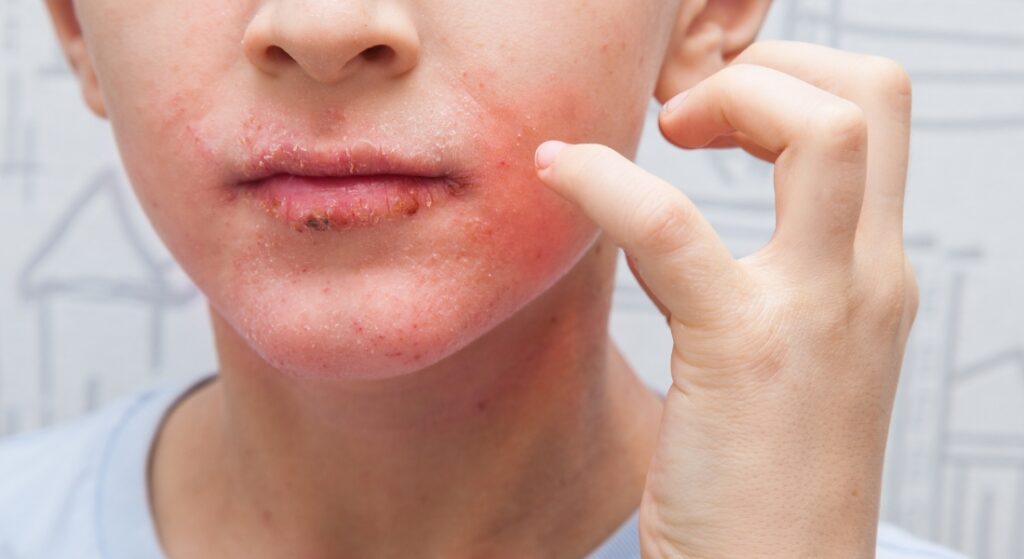
Psoriasis in children comes with its own unique challenges, and you’ll often see dedicated sessions on paediatric care during educational events. Because symptoms can sometimes be different or harder to identify in younger patients, early diagnosis is especially important. These discussions also focus on how psoriasis can affect a child’s day-to-day comfort and confidence.
A big part of these sessions is understanding the emotional and social side of the condition. You may hear experts talk about school experiences, confidence, friendships, and how children can sometimes feel self-conscious about visible skin changes. Alongside this, there’s also a strong focus on treatment safety and ensuring that any therapy used is appropriate for a child’s developing body.
Long-term monitoring is another key theme, as psoriasis is often a lifelong condition that needs ongoing care. That’s why paediatric dermatology continues to be an important area within both research and clinical practice. By focusing on early support and tailored care, you can help improve outcomes and quality of life for children living with psoriasis.
Digital Health and Technology
Digital health and technology are becoming increasingly important in how psoriasis is managed, and you’ll often hear this reflected in modern conference discussions. Digital tools are now being explored as a way to help you track symptoms more consistently, access specialist care more easily, and support more personalised treatment decisions.
A major area of interest is teledermatology, artificial intelligence systems, and patient-tracking applications. You may find that these tools allow you to share images, record flare patterns, and monitor changes over time without always needing in-person visits. Researchers are also studying how this kind of digital support can improve disease monitoring and help clinicians make more informed treatment decisions.
As a result, technology integration is continuing to expand across dermatology practice. Instead of replacing traditional care, these tools are increasingly being used to support it, helping you and your healthcare team stay better connected and more proactive in managing psoriasis over the long term.
Long-Term Disease Management
Long-term disease management is becoming a major focus in modern psoriasis discussions, and you’ll often hear experts shifting attention away from just short-term flare control. Instead of only treating symptoms when they appear, the emphasis is increasingly on helping you maintain stable skin health over a longer period.
In many conference sessions, specialists look closely at maintenance therapies, how to reduce the risk of relapses, and when it might be appropriate to adjust or switch treatments. You’ll also see discussions around ongoing monitoring, not just for your skin, but also for any associated inflammatory conditions that may develop over time.
As a result, long-term management has now become central to psoriasis care. The goal is to help you achieve more consistent control of the condition, minimise unpredictable flare-ups, and support a more stable quality of life in the long run.
Global Collaboration Improves Research
Global collaboration plays a really important role in improving psoriasis research, and you’ll often see this highlighted during World Psoriasis Day events. When researchers and clinicians from different countries work together, it allows you to benefit from a much broader pool of knowledge, experience, and clinical insights. This shared approach helps build a more complete understanding of the condition.
A key part of this collaboration involves sharing research data and conducting international clinical trials. You may find that larger, multi-country studies provide stronger evidence because they include more diverse patient groups and longer follow-up periods. This makes the findings more reliable and useful when developing new treatments or refining existing ones.
As a result, international cooperation remains essential for advancing psoriasis research. By working together across borders, you’re more likely to see faster progress in treatment development and more effective, evidence-based care becoming available worldwide.
Ethical Discussions Around Treatment Access

At dermatology conferences such as Aesthetic & Anti-Aging Medicine World Congress 2026, ethical discussions increasingly focus on how access to advanced treatments for Psoriasis is not equal across different countries and healthcare systems. You’ll often hear that while modern therapies exist, not everyone is able to benefit from them in the same way.
- Unequal Access to Advanced Treatments: You may see significant variation in access to biologic therapies depending on where you live. In some healthcare systems, these treatments are widely available, while in others they may be limited by cost or regulatory approval.
- Differences in Specialist Care Availability: Access to dermatology specialists can also vary. You may experience longer waiting times or limited treatment options in certain regions, which can affect how quickly and effectively psoriasis is managed.
- Role of Advocacy and Awareness Groups: Patient organisations and advocacy groups often highlight these inequalities. You may hear about efforts to improve awareness, support funding, and encourage broader access to effective treatments for all patients.
- Ethical Responsibility in Dermatology: Conference discussions increasingly emphasise fairness and equity in healthcare. You are more likely to see calls for balanced healthcare systems where effective treatments are not restricted by geography or income alone.
Ethical discussions around treatment access are therefore becoming an important part of modern dermatology meetings. You benefit when healthcare systems work towards more equitable access to effective therapies. Improving fairness helps ensure that advances in treatment reach a wider range of patients.
Why These Events Matter for Patients
Why these events matter for patients is something that often becomes clearer when you look at how much influence World Psoriasis Day has behind the scenes. Even if you never attend a scientific conference yourself, the knowledge shared at these events directly shapes how future care is delivered to you in clinics and hospitals. It also helps improve how the condition is understood by the wider public.
You’ll find that healthcare professionals use these educational opportunities to stay updated on the latest research, refine their treatment strategies, and improve the overall support they offer you as a patient. This includes everything from new therapies to better long-term management approaches and more holistic care planning. In this way, the learning doesn’t stay within the conference walls it filters into everyday clinical practice.
As a result, these initiatives contribute indirectly but very meaningfully to your wellbeing and treatment progress. Even though the impact may not always be immediately visible, the continuous exchange of knowledge ultimately leads to better-informed care, improved outcomes, and a stronger support system for people living with psoriasis.
The Future of World Psoriasis Day Events
The future of World Psoriasis Day events is likely to become even more significant as psoriasis research continues to advance. You’ll probably see these events playing a bigger role in raising awareness, improving education, strengthening scientific collaboration, and supporting patient advocacy on a global scale. As understanding of the condition grows, the conversations around it are also becoming more detailed and forward-looking.
In future discussions, you can expect continued focus on areas like targeted immune therapies, personalised medicine, and more effective long-term disease management strategies. Alongside this, topics such as mental wellbeing and healthcare accessibility are also likely to remain central, ensuring that you’re considered not just in terms of symptoms, but as a whole person living with a chronic condition.
Overall, these global events will continue to be valuable for both scientific progress and improving quality of life for people living with psoriasis. By bringing together research, clinical practice, and patient experience, you’re likely to see ongoing improvements in how the condition is understood, treated, and supported worldwide.
FAQs:
1. What is World Psoriasis Day and why is it important for you?
World Psoriasis Day is a global awareness initiative held every year on 29 October. It is important for you because it helps improve understanding of psoriasis, reduces stigma, and ensures that both patients and the public have access to accurate information about the condition.
2. How do World Psoriasis Day events help improve your understanding of psoriasis?
These events give you access to educational campaigns, conferences, and patient-focused programmes that explain psoriasis in a clearer and more accurate way. You learn that it is an immune-mediated inflammatory condition rather than just a skin problem, which helps you understand the condition more deeply and manage it more confidently.
3. Why do experts say psoriasis is more than just a skin condition?
Experts emphasise this because psoriasis is linked to systemic inflammation that can affect your joints, cardiovascular health, and overall wellbeing. You may experience related conditions such as psoriatic arthritis, which is why modern care focuses on treating your body as a whole rather than only addressing visible skin symptoms.
4. How do World Psoriasis Day events support research and new treatments?
These events bring researchers and clinicians together to share findings, discuss clinical trials, and explore new therapies. You benefit from this collaboration because it helps speed up the development of better treatments, including biologic therapies that target specific immune pathways more effectively.
5. What role do biologic treatments play in psoriasis care discussions?
Biologic treatments are a major focus at conferences because they target specific parts of your immune system responsible for inflammation. You’ll hear that these therapies can offer more precise and effective long-term control compared to older treatments, especially for moderate to severe psoriasis.
6. How is mental health linked to psoriasis awareness events?
Mental health is a key topic because psoriasis can affect your confidence, emotional wellbeing, and social life. Awareness events highlight these challenges and encourage better support systems, helping you manage stress, reduce isolation, and feel more supported in daily life.
7. Why is early detection of psoriatic arthritis so important for you?
Early detection is important because psoriatic arthritis can cause joint pain, stiffness, and long-term damage if not managed early. You benefit from awareness campaigns because they help you recognise early symptoms sooner, leading to quicker diagnosis and better long-term joint health outcomes.
8. How do lifestyle factors influence psoriasis management?
Lifestyle factors like stress, diet, sleep, and smoking can influence how your psoriasis behaves over time. While they cannot cure the condition, they may help support your overall health and reduce inflammation, making it easier for you to manage symptoms alongside medical treatments.
9. How is technology changing psoriasis care for you?
Digital health tools such as teledermatology, AI-based systems, and mobile tracking apps are making it easier for you to monitor symptoms and stay connected with specialists. These technologies support more personalised care and help clinicians make better-informed treatment decisions over time.
10. What is the long-term goal of World Psoriasis Day initiatives for you?
The long-term goal is to improve your quality of life by advancing research, increasing awareness, and ensuring better access to effective treatments. These initiatives aim to support you with more personalised, evidence-based, and holistic care that focuses on both physical symptoms and overall wellbeing.
Final Thoughts: Why World Psoriasis Day Events Matter for You
World Psoriasis Day events play a much bigger role than awareness alone you’ll notice they bring together research, clinical expertise, and patient experiences to improve how psoriasis is understood and managed worldwide. From better treatment strategies and biologic therapies to mental health support and lifestyle guidance, these discussions are steadily shaping more complete and compassionate care for you.
What really stands out is how these events help shift psoriasis care towards a more holistic approach. Instead of focusing only on visible symptoms, experts are increasingly looking at your overall health, emotional wellbeing, and long-term disease management. This means more informed treatments, earlier diagnosis of related conditions, and better support systems designed around your real-life needs.
Overall, World Psoriasis Day continues to drive meaningful progress in both research and patient care. You benefit from this global collaboration through improved awareness, reduced stigma, and more advanced treatment options. If you’re considering psoriasis treatment in London, you can get in touch with us at London Dermatology Centre.
References:
1. Barankin, B. and DeKoven, J., 2002. Psychosocial effect of common skin diseases, Dermatologic Clinics. https://pmc.ncbi.nlm.nih.gov/articles/PMC2214020/
2. Parga, A.D. and Liska, T.M., 2025. Stigma, bullying, and resilience: psychosocial outcomes in marginalized adolescents with visible dermatologic conditions. https://pmc.ncbi.nlm.nih.gov/articles/PMC12267875/
3. Courtney, A., et al., 2024. The psychology of atopic dermatitis: exploring psychosocial burden, stigmatisation, self‑esteem and social withdrawal. Journal of Clinical Medicine. https://www.mdpi.com/2077-0383/13/6/1602
4. Wittkowski, A., Richards, H.L. and Griffiths, C.E.M., 2004. The impact of psychological and clinical factors on quality of life in individuals with atopic dermatitis. https://www.sciencedirect.com/science/article/abs/pii/S0022399903005725
5. Mahfouz, M.S., Aljohani, A.Y., Hamad, F.A., Aldawood, A.K., et al., 2023. Common skin diseases and their psychosocial impact on quality of life and self‑esteem: a cross‑sectional study. https://www.mdpi.com/1648-9144/59/10/1753