



International acne conferences play an important role in shaping modern dermatology practice. You would have heard experts explain that these events bring together specialists from around the world to share new research, clinical experience, and emerging treatment approaches in acne management.
Acne treatment is constantly evolving, with new technologies, medications, and combination therapies being introduced on a regular basis. You may find it useful to know that conferences allow dermatologists to carefully evaluate these developments and understand how they perform in real clinical settings, which directly influences the care you receive.
For dermatologists, attending these meetings is not only about academic learning. It is also about improving your treatment outcomes, refining clinical skills, and ensuring your care reflects the latest evidence and best practice. These events help bridge the gap between research and the treatments offered to you in everyday practice.
If you are seeking acne treatment, understanding why your dermatologist attends these conferences can help you see how your care is continuously updated and improved. You are likely to benefit from increasingly modern, evidence-based, and well-informed treatment approaches as a result.
Staying Updated with the Latest Research
One of the main reasons dermatologists attend acne conferences is to stay up to date with the latest research. You would have heard experts explain that acne is a complex condition influenced by several factors, including hormones, genetics, bacteria, and inflammation.
Conference presentations often share new clinical trials and scientific discoveries. You may find it useful to know that these insights help dermatologists better understand how acne develops, which in turn supports more accurate and effective treatment decisions for you.
This ongoing education ensures that treatment approaches remain evidence-based and up to date. You are likely to benefit from this continuous learning, as it helps ensure your care is guided by the latest and most reliable scientific evidence available.
Learning About New Treatment Options
Acne conferences regularly introduce new and emerging treatment options. You would have heard experts explain that these can include topical treatments, oral medications, and more advanced procedural therapies designed to target acne in different ways.
Dermatologists attend these sessions to evaluate how these treatments perform in clinical studies. You may find it useful to know that this helps them understand which options are most effective and suitable before deciding whether to use them in your care.
Access to new treatment options improves patient care and expands the range of solutions available to you. You are likely to benefit from this ongoing learning, as it means your treatment plan can be updated with newer, more effective approaches as they become available.
Understanding Advances in Laser and Device Technology
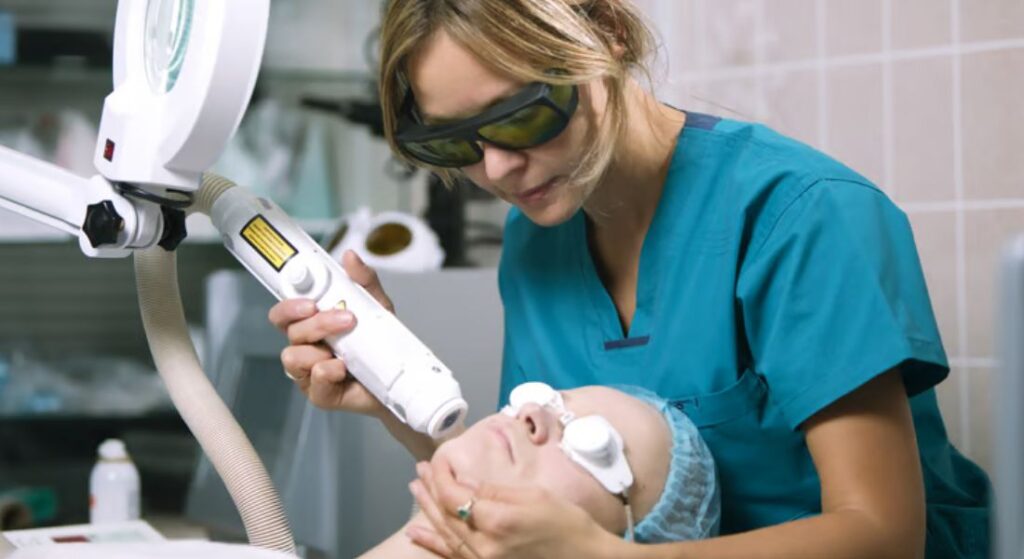
Energy-based devices are becoming increasingly important in acne management. You would have heard experts at conferences discussing the latest developments in laser and light-based therapies, and how they are being refined to improve results for you.
These technologies can help target acne-causing bacteria, reduce inflammation, and improve overall skin texture. You may find it useful to know that dermatologists carefully assess both safety and effectiveness before introducing these devices into everyday clinical practice for your treatment.
This careful evaluation helps ensure you benefit from the latest innovations. You are likely to see these advancements gradually improving outcomes, with more precise and tailored treatment options becoming available to support your skin health.
Improving Treatment Outcomes Through Education
At AMWC, you will often hear that continuous education is one of the most important drivers of better treatment outcomes in dermatology. You will notice that conferences are not just about showcasing new treatments, but also about helping you stay up to date with evolving techniques and clinical evidence.
- Ongoing learning improves clinical practice: You will hear experts explain that continuous education helps dermatologists refine their skills. As new techniques and protocols emerge, staying updated allows you to improve outcomes for your patients.
- Advanced techniques are regularly shared: Conferences often introduce you to updated treatment methods, including improvements in lasers, energy-based devices, and combination therapies. This helps ensure patients benefit from the latest developments in acne treatment.
- Knowledge is applied directly in clinic settings: You will often hear that what is learned at conferences is not theoretical alone. It is designed to be translated directly into day-to-day clinical practice, improving how treatments are planned and delivered for your patients.
- Greater consistency in treatment outcomes: With better education and standardised protocols, you are more likely to achieve consistent results. This reduces variability and helps improve overall treatment reliability.
- Better education leads to better patient outcomes: A key message at AMWC is that improved knowledge directly benefits your patients. When you are better informed, you are able to make more accurate decisions, leading to safer procedures and more satisfying results.
Overall, the discussions at AMWC highlight that education is a cornerstone of progress in dermatology. By continually updating your knowledge and skills, you can improve treatment consistency, enhance outcomes, and ultimately deliver better care for your patients.
Networking with Global Experts

Conferences give dermatologists the chance to connect with leading experts and researchers from around the world. You would have heard that these interactions are not just formal discussions, but real opportunities for sharing ideas and learning from different clinical experiences.
These conversations often lead to new research collaborations and innovative approaches to treatment. You may find it interesting to know that when experts exchange knowledge in this way, it helps improve understanding of acne care and strengthens overall dermatology practice.
This global exchange also plays a role in improving consistency in treatment standards across different regions. You are likely to benefit from this, as it helps ensure that the care you receive is aligned with widely accepted best practices and the latest global thinking in acne management.
Exploring Combination Treatment Strategies
Acne often requires a combination of treatments to achieve the best results. You would have heard experts at conferences explaining that a single approach is not always enough, which is why multimodal strategies are increasingly discussed.
Dermatologists learn how to combine medications, in-clinic procedures, and skincare routines in a way that works more effectively together. You may find it useful to know that this helps create a more personalised plan for you, rather than relying on one treatment alone.
Combination therapy is now considered a core principle in acne management. You are likely to benefit from this approach, as it allows your treatment to be tailored more precisely to your skin’s needs and can lead to more balanced and effective long-term results.
Learning About Antibiotic Resistance Concerns
Antibiotic resistance is a major global health concern, and you would have heard experts at conferences explaining how it also affects acne treatment, particularly where antibiotics have been used for longer periods.
Dermatologists attend these discussions to understand how they can reduce reliance on antibiotics while still effectively managing your acne. You may find it useful to know that this includes exploring alternative treatments and using shorter, more targeted courses when antibiotics are needed.
This approach helps preserve the long-term effectiveness of antibiotics and improves patient safety. You are likely to benefit from these changes, as they encourage more balanced and sustainable treatment strategies for your skin.
Understanding Hormonal Acne Management
At AMWC, you will often hear that hormonal influences are a key factor in many acne cases, particularly in adult patients. You will notice that conference discussions increasingly focus on understanding how hormones contribute to breakouts and how this knowledge can help you choose more targeted treatment strategies.
- Hormones play a major role in acne development: You will hear experts explain that hormonal fluctuations can increase oil production and inflammation in your skin. This is why acne often becomes more persistent or unpredictable in certain life stages.
- Hormonal treatment options are widely discussed: Conferences regularly review therapies such as oral contraceptives, anti-androgens, and other hormone-modulating treatments. These options may be particularly relevant if you are managing adult female acne linked to hormonal imbalance.
- More targeted and individualised approaches: You will often hear that hormonal acne is not treated in a one-size-fits-all way. Instead, treatment plans are increasingly tailored to your specific hormonal profile, symptoms, and severity of acne.
- Improved understanding supports better results: As dermatologists gain a clearer understanding of hormonal mechanisms, they are better able to match treatments to your underlying cause, rather than just treating surface symptoms.
- Focus on long-term acne control: Conference discussions highlight that hormonal acne often requires ongoing management. The goal is not just short-term improvement, but longer-term stability and control of your skin condition.
Overall, the discussions at AMWC show that understanding hormonal acne is essential for effective treatment planning. By addressing the underlying hormonal factors, you can achieve more targeted, consistent, and longer-lasting improvements in your skin.
Advancing Knowledge of Acne Pathophysiology
Understanding how acne develops is essential for effective treatment. You would have heard experts at conferences discussing new research into inflammation, sebum production, and bacterial activity, all of which play a role in how acne forms and persists.
These insights help dermatologists refine existing treatment approaches so they are better targeted to what is actually happening in your skin. You may find it useful to know that this deeper understanding also supports the development of new and more effective therapies over time.
Improved scientific understanding leads to better clinical strategies. You are likely to benefit from this ongoing research, as it helps ensure your treatment is based on the most up-to-date knowledge of how acne develops and behaves.
Learning About Skin Microbiome Research
The skin microbiome has become an important area of acne research. You would have heard experts at conferences explaining how the balance of microorganisms on your skin can influence overall skin health and acne development.
Dermatologists are increasingly learning how changes in this bacterial balance may contribute to breakouts and inflammation. You may find it interesting that this opens up new ways of thinking about acne, moving beyond traditional approaches to consider your skin as a more complex ecosystem.
Microbiome-based therapies are an emerging field of interest. You are likely to see future treatments becoming more targeted towards restoring balance in your skin, offering more personalised and potentially gentler options for managing acne.
Evaluating Safety Profiles of New Treatments
Safety is always a top priority in dermatology. You would have heard experts at conferences explaining how important it is to carefully evaluate the safety profiles of new acne treatments before they are used in everyday practice.
Dermatologists review detailed information on side effects, contraindications, and any potential long-term risks. You may find it useful to know that this careful assessment helps ensure that any treatment recommended for you has been properly studied and understood.
This process supports safer clinical decision-making. You are likely to benefit from this cautious approach, as it helps ensure your acne treatment is chosen not only for effectiveness but also for its overall safety and suitability for your skin.
Improving Patient Communication Skills

Effective communication is a key part of acne management. You would have heard experts at conferences discussing how important it is for dermatologists to explain your treatment plan clearly, so you fully understand what’s happening and why.
These sessions often focus on improving patient counselling skills, including how to set realistic expectations about timelines, results, and possible side effects. You may find it helpful to know that this makes your consultations more structured and easier to follow.
Better communication naturally improves patient satisfaction. You are likely to benefit from this approach, as it helps build a stronger, more trusting relationship with your dermatologist and ensures you feel more confident about your treatment journey.
Addressing Psychological Impact of Acne
At AMWC, you will often hear that acne is not just a skin condition, but something that can significantly affect your emotional wellbeing. You will notice that discussions increasingly focus on treating you as a whole person, rather than only addressing the visible symptoms on your skin.
- Acne can affect confidence and self-esteem: You will hear experts explain that persistent acne may impact how you feel about your appearance, which can influence confidence in social, personal, and professional situations.
- Emotional wellbeing is now part of acne care: Conference speakers often emphasise that dermatologists should consider how acne is affecting your mental health, not just the physical severity of the condition.
- Holistic care is increasingly encouraged: You will often hear that effective treatment goes beyond prescriptions and procedures. A holistic approach takes into account your emotional wellbeing alongside your skin health.
- Support and referral when needed: In some cases, you may need additional psychological support. Dermatologists are increasingly encouraged to recognise when referral to mental health support services could be helpful for you.
- Improved outcomes through whole-person care: A key message at AMWC is that when your emotional wellbeing is supported alongside your skin treatment, overall results tend to be better and more sustainable.
Overall, the discussions at AMWC highlight that addressing the psychological impact of acne is an essential part of modern dermatology. By considering both your skin and your emotional wellbeing, you can achieve more comprehensive and meaningful treatment outcomes.
Learning About Resistant and Severe Acne Cases
Severe or treatment-resistant acne is one of the more challenging areas in dermatology. You would have heard experts at conferences discussing complex cases where standard treatments haven’t worked as expected, and how these situations need a more tailored approach for you.
Dermatologists review new strategies for managing these difficult cases, which may include carefully planned combination therapies or more advanced medications. You may find it useful to know that these approaches are designed to target multiple factors at once, especially when acne has been persistent or stubborn.
These insights help improve outcomes for patients with ongoing acne. You are likely to benefit from this continuous learning, as it means even more difficult cases can be managed with increasingly structured, evidence-based, and personalised treatment plans.
Exploring Isotretinoin Updates
Isotretinoin remains one of the most effective treatments for severe acne. You would have heard experts at conferences regularly discussing updated guidelines, particularly around how it should be used safely and effectively for you.
Dermatologists review the latest evidence on dosing strategies and how to manage potential side effects during treatment. You may find it useful to know that this helps them fine-tune your treatment plan so it is both effective and closely monitored throughout the course.
This updated knowledge supports responsible prescribing. You are likely to benefit from these ongoing updates, as they help ensure that if isotretinoin is recommended for you, it is used in the safest and most evidence-based way possible.
Understanding Role of Skincare in Acne Management
Skincare plays an important role in acne treatment. You would have heard experts at conferences highlighting that the right routine can support your prescribed treatments and improve overall results.
Dermatologists focus on evidence-based skincare routines, including how cleansers, moisturisers, and sunscreens can work alongside medical treatments rather than against them. You may find it useful to know that even simple daily habits can make a noticeable difference in how well your skin responds over time.
Proper skincare helps improve outcomes. You are likely to benefit from a consistent routine, as it supports your treatment plan, helps maintain your skin barrier, and contributes to better long-term control of your acne.
Studying Long-Term Treatment Outcomes
Long-term studies are frequently presented at conferences. You would have heard experts explaining how important it is to understand how acne treatments perform over time, not just in the short term, so your long-term skin health can be properly managed.
Dermatologists use this information to refine treatment plans and improve overall care strategies. You may find it useful to know that this helps them choose approaches that are more likely to keep your acne under control consistently, rather than just providing temporary improvement.
Long-term success is a key focus in modern dermatology. You are likely to benefit from this ongoing research, as it supports more stable, sustained results and helps improve your long-term satisfaction with your treatment outcomes.
Accessing Global Treatment Guidelines
At AMWC, you will often hear that international conferences play an important role in shaping and sharing global treatment guidelines for acne. You will notice that these discussions are focused on helping you apply the most up-to-date, evidence-based recommendations in your clinical practice.
- International consensus guides clinical practice: You will hear experts explain that guidelines are often developed through collaboration between international specialists. These consensus recommendations help you stay aligned with the latest standards of care.
- Standardising acne treatment worldwide: Conference discussions frequently highlight that global guidelines help reduce variation in treatment approaches. This means you are more likely to follow a consistent, structured pathway when managing acne across different patient populations.
- Improving clinical consistency and decision-making: You will often hear that guidelines provide a clear framework to support your treatment decisions. This helps reduce uncertainty and ensures more predictable, evidence-based care for your patients.
- Regular updates based on new evidence: As new research emerges, guidelines are continuously reviewed and updated. This ensures that you are working with the most current understanding of acne management and therapeutic options.
- Better patient outcomes through evidence-based care: A key message at AMWC is that using standardised, evidence-based guidelines helps improve the quality and consistency of care you provide, leading to better and more reliable outcomes for your patients.
Overall, the discussions at AMWC show that global treatment guidelines are essential for modern acne management. By following evidence-based recommendations, you can deliver more consistent, effective, and up-to-date care in your clinical practice.
Learning About Emerging Technologies
New technologies are constantly being developed in dermatology. You would have heard experts at conferences showcasing innovations such as artificial intelligence, digital diagnostic tools, and advanced imaging systems.
Dermatologists explore how these tools can improve the way your acne is diagnosed and treated, allowing for more accurate assessments and better-informed decisions about your care. You may find it useful to know that technology is increasingly being used to support clinical judgement rather than replace it.
This is helping to modernise dermatological care. You are likely to benefit from these advancements as they continue to improve accuracy, streamline diagnosis, and support more personalised treatment planning for your skin.
How Patients Benefit from Acne Conferences
Ultimately, you benefit directly from dermatologists attending acne conferences. You would have heard that when clinicians stay up to date with the latest research and innovations, it translates into more effective, safer, and more modern treatment options for your skin.
Dermatologists bring back new insights from these meetings and apply them in everyday clinical practice. You may find it reassuring to know that this can improve how your acne is diagnosed, how your treatment plan is designed, and how your progress is monitored over time.
This continuous exchange of knowledge helps improve outcomes. You are likely to benefit from more up-to-date, evidence-based care that reflects the latest advances in acne research and clinical practice.
FAQs:
1. Why do dermatologists attend acne conferences?
Dermatologists attend acne conferences to stay updated with the latest research, treatments, and clinical guidelines. Acne management is constantly evolving, so these events help them keep their knowledge current. They also learn about new technologies and treatment approaches. This ultimately helps improve patient care and outcomes.
2. How do acne conferences improve patient treatment?
Conferences allow dermatologists to learn about the most recent advances in acne therapy, including medications, devices, and combination treatments. This knowledge is then applied in clinical practice. As a result, patients benefit from more effective and up-to-date care. It also helps improve safety and treatment precision.
3. What kind of research is presented at acne conferences?
Research at acne conferences often includes clinical trials, new drug developments, and studies on acne causes and progression. Topics like inflammation, hormones, and the skin microbiome are commonly discussed. These findings help dermatologists better understand acne. This leads to improved treatment strategies.
4. Do dermatologists learn about new acne treatments at these events?
Yes, conferences are one of the main places where new acne treatments are introduced. These may include topical medications, oral therapies, lasers, and device-based treatments. Dermatologists evaluate how effective and safe these treatments are. This helps determine whether they should be used in practice.
5. Why is networking important at acne conferences?
Networking allows dermatologists to connect with experts and researchers from around the world. These interactions encourage collaboration and knowledge sharing. It also helps spread best practices across different countries. This improves consistency in acne care globally.
6. How do conferences help with difficult acne cases?
Dermatologists learn about complex and treatment-resistant acne cases through case discussions and expert sessions. These provide insights into advanced treatment strategies. This includes combination therapies and specialist medications. It helps doctors manage challenging patients more effectively.
7. Do acne conferences discuss mental health impacts?
Yes, many conferences highlight the psychological effects of acne, including low self-esteem and anxiety. Dermatologists are encouraged to take a holistic approach to treatment. This may involve supporting emotional wellbeing alongside physical treatment. It improves overall patient outcomes.
8. How do conferences influence acne treatment guidelines?
Expert discussions at conferences often contribute to the development of international treatment guidelines. These guidelines help standardise acne care across different regions. Dermatologists use them to ensure evidence-based practice. This improves consistency and treatment quality.
9. Are new technologies discussed at acne conferences?
Yes, emerging technologies such as lasers, AI tools, and digital diagnostics are frequently presented. Dermatologists learn how these innovations can improve diagnosis and treatment. Some technologies are still in research stages. Others are gradually introduced into clinical practice.
10. How do patients benefit from dermatologists attending these conferences?
Patients benefit because dermatologists return with updated knowledge and improved skills. This leads to more effective, safer, and personalised treatment plans. It also ensures access to the latest evidence-based therapies. Overall, it improves long-term acne management outcomes.
Final Thoughts: How Conference Learning Shapes Better Acne Care
You can see from global acne conferences that dermatology is constantly evolving, and you directly benefit from that progress when you seek treatment. The latest research, technologies, and clinical discussions all feed into how dermatologists refine their approach in everyday practice. Whether it’s new medications, combination therapies, or emerging tools like AI and microbiome research, these developments help improve both safety and outcomes.
You’re not just receiving a standardised treatment plan when you see a specialist you’re benefiting from an ongoing cycle of medical education and global collaboration that keeps acne care evidence-based and up to date. If you’re thinking about acne clinic in London, you can contact us at London Dermatology Centre to book a consultation with one of our specialists.
References:
- Almohanna, H.M., Ahmed, A.A., Tsatalis, J.P. and Tosti, A. (2024) Effect of whey protein supplements on acne vulgaris, Journal of Cosmetic Dermatology. Available at: https://pubmed.ncbi.nlm.nih.gov/38633058/
- Juhl, C.R., Bergholdt, H.K.M., Miller, I.M., Jemec, G.B.E., Kanters, J.K. and Ellervik, C. (2018) Dairy intake and acne vulgaris: A systematic review and meta-analysis of observational studies, Nutrients, 10(8), p. 1049. Available at: https://www.mdpi.com/2072-6643/10/8/1049
- Aghasi, M., Golzarand, M., Shab-Bidar, S. and Djafarian, K. (2019) Dairy intake and acne development: A meta-analysis of observational studies, Clinical Nutrition, 38(3), pp. 1067–1075. Available at: https://www.sciencedirect.com/science/article/abs/pii/S0261561418301663
- Cengiz, F.P., Cemil, B.C., Emiroglu, N., Bahali, A.G. and Onsun, N. (2017) Acne located on the trunk, whey protein supplementation: Is there any association, Health Promotion Perspectives, 7(2), pp. 106–108. Available at: https://pmc.ncbi.nlm.nih.gov/articles/PMC5350548/
- Alshammari, S., Alajlouni, Y., Al-Khateeb, A. and Al-Sawalha, N. (2024) The effect of whey protein supplements on acne vulgaris among male adolescents and young adults: A case-control study, Clinical, Cosmetic and Investigational Dermatology. Available at: https://pmc.ncbi.nlm.nih.gov/articles/PMC11022506/