



Regenerative dermatology is one of the fastest growing areas of modern skin medicine. Rather than simply treating symptoms, regenerative therapies aim to repair, restore, and regenerate damaged skin by supporting your body’s natural healing processes. For you, this means future treatments may focus on improving the health of your skin instead of only managing visible symptoms.
Advances in stem cell science, tissue engineering, growth factors, and biomaterials are creating exciting opportunities for both medical and cosmetic dermatology. These innovations may help you benefit from treatments that improve wound healing, reduce scarring, restore damaged skin, and even address certain signs of skin ageing by encouraging natural tissue repair.
Looking ahead to 2027, regenerative medicine is expected to play an increasingly important role in managing chronic skin conditions and supporting skin rejuvenation. Although many regenerative therapies remain under clinical investigation, the pace of innovation continues to accelerate. As research progresses, you may gain access to more advanced treatment options that are tailored to your individual skin needs.
For you as a patient, this could mean more effective therapies that focus on long term skin repair rather than temporary improvements. Instead of simply treating the surface of your skin, regenerative dermatology aims to restore healthier tissue from within. As these technologies continue to develop, you can expect more personalised, science driven care that supports healthier skin and longer lasting results.
What Is Regenerative Dermatology?
Regenerative dermatology focuses on repairing damaged skin by stimulating your body’s natural healing abilities. If you are receiving this type of care, the aim is not only to manage symptoms but to help restore healthier skin structure and function over time.
Instead of simply controlling visible signs of skin disease or ageing, regenerative approaches work at a deeper level to support your skin’s ability to repair and renew itself. This may involve encouraging new cell growth, improving tissue repair, or supporting the regeneration of damaged skin layers.
This field combines advances in biology, medical science, and engineering to develop new treatment approaches. Researchers continue to explore innovative ways to enhance your skin’s natural healing processes, and regenerative dermatology is expanding rapidly as these technologies become more refined and widely studied.
Regenerative Dermatology Approaches and Their Stage of Development
| Regenerative Approach | Main Area of Research or Use | Development Status | Important Patient Consideration |
| Platelet Rich Plasma (PRP) | Skin rejuvenation, hair restoration, scar improvement and selected wound healing applications | Already used clinically for selected indications, but protocols vary | Preparation methods and treatment protocols are not identical between clinics |
| Stem Cell Approaches | Chronic wounds, tissue repair and regeneration | Mainly investigational for many dermatological applications | Evidence, cell source, preparation, delivery method and long term safety need careful assessment |
| Growth Factor Therapies | Collagen stimulation and wound repair | Active area of clinical and translational research | Effectiveness may depend on the formulation, indication and method of delivery |
| Tissue Engineering | Development of functional replacement or repair tissue | Advancing research with selected clinical applications in wound care | Integration, blood supply and long term durability remain important challenges |
| Bioengineered Skin Substitutes | Burns, chronic ulcers and complex wounds | Selected products and approaches are used in specialist wound care, while more advanced technologies remain under development | Suitability depends on wound type, patient health and clinical indication |
| Biomaterial Scaffolds | Providing a supportive framework for cell growth and tissue repair | Emerging and developing field | Materials need to be biocompatible and appropriate for the specific tissue repair goal |
| AI Supported Regenerative Care | Research analysis, patient stratification and future treatment prediction | Emerging research area | AI cannot currently select the ideal regenerative treatment for every patient |
Stem Cell Research
Stem cells are being investigated not only for their ability to contribute to tissue formation, but also for the biological signals they release, including growth factors and cytokines that may support angiogenesis, inflammation control and tissue repair.
Researchers are studying how stem cells may help your body repair damaged tissue, improve wound healing, and restore healthier skin structure. These cells could potentially be used to stimulate regeneration in conditions where the skin has been damaged by injury, disease, or ageing.
Although many stem cell based treatments are still in the experimental stage, early research results are encouraging. As this field continues to develop, stem cell research is expected to advance further throughout 2027, potentially offering more effective regenerative options for improving your skin healing and long term skin health.
Evidence Note: What Does Current Stem Cell Research Show?
Stem cell research for skin repair is progressing, particularly in difficult to heal wounds. A 2024 systematic review examined clinical and translational evidence across different stem cell sources and delivery methods, ultimately including 44 studies after a large screening process.
The research suggests that stem cells may support wound healing through several mechanisms, including the release of growth factors and cytokines, support for new blood vessel formation and interaction with cells involved in tissue repair.
For you as a patient, the important point is that promising research does not mean every stem cell treatment is already established or suitable for routine use. The type of cells, preparation method, delivery technique, medical condition and long term safety evidence all matter when assessing a potential treatment.
Growth Factor Therapies
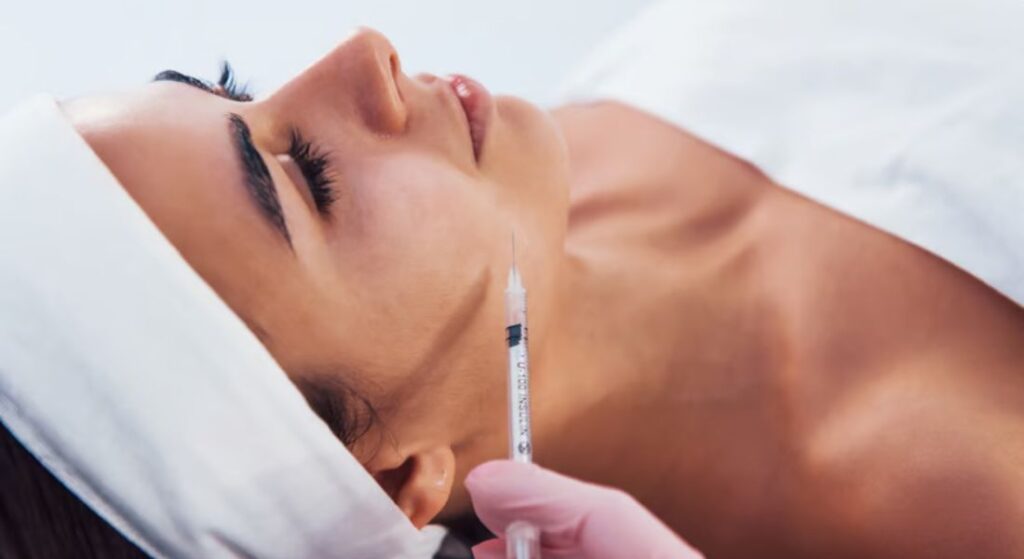
Growth factors are naturally occurring proteins that play an important role in regulating your skin’s repair and regeneration processes. If you are receiving regenerative dermatology care, these molecules are being studied for their potential to enhance and accelerate your skin’s natural healing response.
Scientists are developing treatments that deliver growth factors directly to damaged areas of your skin. These therapies may help stimulate collagen production, improve wound healing, and support the regeneration of healthy tissue, particularly in conditions where the skin’s natural repair process is impaired.
Clinical studies are still ongoing to determine how effective these treatments are in everyday practice. However, growth factor research is gaining strong momentum, and it is expected to play an increasingly important role in regenerative dermatology as new evidence emerges and technologies continue to develop.
Platelet Rich Plasma Innovations
Platelet rich plasma (PRP) has become an increasingly popular treatment in regenerative dermatology. If you undergo PRP therapy, a small sample of your blood is processed to concentrate platelets, which are rich in natural growth factors that support healing and tissue repair.
These platelets are then reintroduced into your skin, where they release bioactive signals that may help stimulate collagen production, improve skin quality, and accelerate repair processes. This makes PRP particularly relevant in areas such as skin rejuvenation, scar improvement, and hair restoration.
Researchers are continuing to refine how PRP is prepared and administered in an effort to improve consistency and clinical outcomes. Variations in preparation methods can affect the composition of the final PRP product and make outcomes difficult to compare across studies. Efforts to improve the standardisation, classification and reporting of PRP preparation and treatment protocols are continuing.
PRP continues to evolve as evidence grows, with researchers working towards better standardisation and a clearer understanding of which patients and indications are most likely to benefit.
Research Note: Why PRP Standardisation Matters
PRP is one of the more clinically visible areas of regenerative dermatology, but not all PRP preparations are identical. Differences in platelet concentration, the presence of other blood components, preparation technique and administration method can make it difficult to compare outcomes across studies.
A 2024 systematic review found supportive evidence for PRP across areas including skin rejuvenation, hair restoration and wound healing, while also highlighting considerable variation between treatment protocols.
For patients, this means PRP should not be viewed as a single standardised product with identical results in every clinic. Careful patient selection, appropriate preparation and realistic discussion of the evidence remain important.
Tissue Engineering Advances
Tissue engineering combines living cells with specially designed materials to create new skin tissue. If you are affected by severe skin injury or chronic wounds, this approach is being developed to help restore damaged areas by supporting the growth of functional skin.
Scientists are working on increasingly sophisticated skin substitutes that can mimic the structure and behaviour of natural skin. These engineered tissues are designed to integrate with your body and promote healing more effectively than traditional wound dressings or grafts in certain cases.
In selected applications, engineered skin constructs may reduce reliance on donor skin or donor site harvesting. However, vascularisation, integration, durability, manufacturing complexity and cost remain important However, vascularisation, integration, durability, manufacturing complexity and cost remain important challenges. As research continues to expand, tissue engineering may play a growing role in regenerative dermatology and advanced wound care to expand, tissue engineering is expected to play an increasingly important role in regenerative dermatology and advanced wound care.
Bioengineered Skin
Bioengineered skin is being developed to replace or repair damaged tissue by using laboratory grown skin substitutes. If you are affected by significant skin damage, these engineered materials are designed to closely mimic the structure and function of your natural skin.
These advanced skin substitutes may become particularly valuable for patients with burns, chronic ulcers, or complex wounds that are difficult to heal using conventional treatments. They aim to support tissue regeneration while providing a protective barrier that encourages recovery.
Ongoing research is focused on improving durability, integration with your own tissue, and overall healing outcomes. As this technology continues to mature, bioengineered skin is expected to become an increasingly important option in regenerative dermatology and advanced wound management.
Improved Wound Healing
Chronic wounds remain a significant challenge in dermatology, especially when healing is slow or complicated by underlying medical conditions. Regenerative medicine aims to improve this process by supporting your body’s natural ability to repair damaged skin more efficiently.
New biological therapies are being researched to accelerate tissue repair, reduce the risk of infection, and minimise scar formation. If these approaches are successful, they may help improve both the functional recovery of your skin and its long term appearance after injury.
This area continues to be a key research priority in regenerative dermatology. Ongoing studies are focused on developing treatments that enhance healing outcomes and provide more effective options for patients with difficult to heal wounds.
Scar Reduction Technologies
Regenerative therapies may help improve the appearance of scars by encouraging healthier collagen formation in the skin. If you have acne scars, surgical scars, or injury related scarring, these emerging approaches aim to support your skin’s natural healing processes in a more controlled and effective way.
Scientists are exploring treatments that can actively remodel scar tissue, helping to soften its appearance, improve texture, and make it more consistent with surrounding skin. These techniques are designed to influence how your body produces and reorganises collagen during healing, which plays a key role in how scars form and mature.
Early research results have been encouraging, particularly in areas where traditional treatments have limitations. As these technologies continue to develop, scar management is expected to become more advanced, offering you a wider range of options to improve both functional and cosmetic outcomes following skin injury or treatment.
Skin Ageing Research
Regenerative medicine is also having a growing influence on anti ageing dermatology. Researchers are exploring ways to restore key structural components of the skin, including collagen, elastin, and other elements that naturally decline with age.
Instead of simply masking visible signs of ageing, regenerative therapies aim to improve your skin quality from within by supporting the body’s own repair and renewal processes. This approach focuses on enhancing skin structure and function at a deeper level, which may lead to more gradual and natural looking improvements over time.
As research continues to develop, the ultimate goal is to support healthier skin regeneration, helping your skin maintain strength, elasticity, and resilience for longer while moving towards more sustainable and biologically based anti ageing treatments.
Personalised Regenerative Treatments
Every person’s skin heals differently, which is why personalised regenerative medicine is becoming increasingly important in modern dermatology. Instead of using a standard approach, researchers are exploring how factors such as diagnosis, wound type, medical history, healing pattern and previous treatment response may help tailor regenerative approaches. Genetic and molecular information may become useful in selected areas, but routine genetics guided regenerative treatment is not yet standard dermatology practice.
By considering these individual factors, clinicians can select the most suitable regenerative strategy for your needs. This may include different types of biological therapies, skin repair techniques, or combination treatments designed to support your body’s natural healing processes more effectively.
As this field continues to advance, personalisation is helping to improve the precision of regenerative dermatology. The aim is to ensure that your treatment is not only more targeted, but also better aligned with how your skin naturally responds, leading to more consistent and effective results over time.
Biomaterials in Dermatology
Biomaterials are specially designed substances used to support tissue repair and regeneration in dermatology. If you require treatment for scarring, skin damage, or tissue loss, these materials can help create an environment that encourages your skin to heal more effectively.
Many biomaterials act as temporary scaffolds, providing structural support that guides new skin cells to grow in an organised way. Over time, these materials are designed to gradually break down as your body naturally forms new tissue, allowing for smoother integration with your existing skin.
Researchers are continuing to develop more advanced biomaterials that better mimic the properties of natural skin. As this field evolves, innovation in biomaterials is expected to play an increasingly important role in improving healing outcomes and supporting more effective regenerative dermatology treatments for you in the future.
Regenerative Treatments for Hair Loss
Hair restoration is becoming an important area of regenerative dermatology. Emerging approaches such as stem cell based therapies, growth factors, and regenerative injections are being studied for their potential to support hair follicle activity and encourage hair growth.
- Stem Cell Based Therapies: These approaches aim to stimulate or support weakened hair follicles using regenerative biological mechanisms.
- Growth Factor Treatments: Growth factors are being studied for their potential to improve follicle activity and support the hair growth cycle.
- Combination Treatment Approaches: Regenerative therapies may be used alongside established hair loss treatments to support more comprehensive results.
- Ongoing Research: Studies continue to assess the long term safety, effectiveness, and suitability of regenerative hair restoration treatments.
Overall, regenerative treatments may offer new possibilities for people experiencing hair thinning or hair loss. Research is still developing, so careful patient selection and realistic expectations remain important. As evidence grows, these approaches may become a more personalised part of future hair loss management.
Combining Regenerative Medicine with Lasers
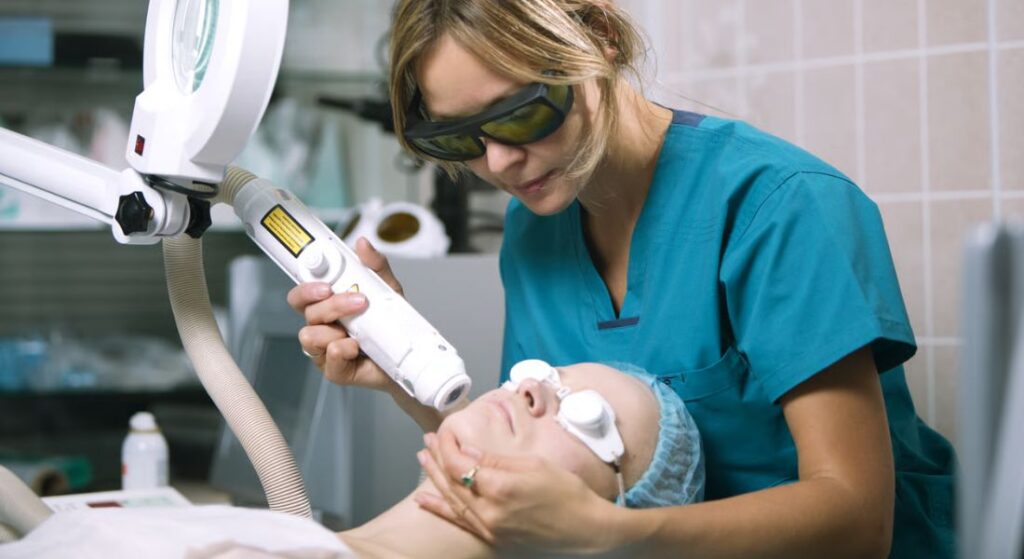
Regenerative adjuncts are being studied to determine whether they can support tissue repair, collagen remodelling or recovery after selected energy based procedures. Outcomes depend on the treatment combination and indication, and further clinical evidence is needed for many of these approaches.
Some combination approaches may improve selected treatment outcomes, but results can vary according to the regenerative adjunct, laser procedure and condition being treated. Clinical research in this area continues to develop.
This combined approach may improve your skin texture, reduce downtime, and enhance overall treatment results. Clinical research in this area is expanding, with growing interest in how these therapies can work synergistically. As the field develops, combined laser and regenerative treatments may become a more common part of personalised dermatology care, offering you more effective and efficient skin rejuvenation options.
Artificial Intelligence Supporting Regenerative Care
Artificial intelligence is being investigated as a research and decision support tool in regenerative medicine. Researchers are exploring how AI may help analyse complex clinical and biological datasets, identify patterns in healing responses and support future patient stratification.
These technologies could eventually help researchers better understand why healing and treatment responses differ between patients. However, AI guided selection of regenerative dermatology treatments remains an emerging research area and is not yet routine clinical practice.
As research develops, AI may support the analysis of regenerative medicine data and future clinical decision support systems. Its role should remain complementary to clinical expertise, appropriate scientific validation and individual patient assessment.
Inflammation and Tissue Repair
Persistent inflammation can slow down healing and contribute to the progression of many skin conditions. If you are affected by chronic skin issues, managing inflammation effectively is an important part of improving both short term recovery and long term skin health.
Regenerative therapies are being developed to encourage more balanced healing responses within your skin. Instead of simply suppressing symptoms, these approaches aim to support your body’s natural repair mechanisms so that healing occurs in a more controlled and efficient way.
By supporting healthier tissue regeneration, these treatments may help reduce long term inflammation and improve outcomes in several chronic skin disorders. As research continues, inflammation control remains a major focus in regenerative dermatology, with the goal of promoting more stable, sustained improvements in your skin condition over time.
Clinical Trials in 2027
Many regenerative dermatology treatments are currently being evaluated through clinical trials to better understand how safe and effective they are for you in real world use. These studies carefully assess not only short term outcomes, but also long term results to ensure that new therapies provide lasting benefits for your skin.
Ongoing trials may report further findings during 2027 and beyond, helping clarify which approaches are safe, effective and suitable for wider clinical use. As this evidence builds, it will help shape future treatment recommendations and guide how regenerative dermatology is used in everyday clinical practice.
Clinical evidence in this field continues to grow rapidly, helping to ensure that new regenerative treatments are supported by strong scientific data before they are widely adopted. For you, this means future skin treatments are likely to become increasingly evidence based, personalised, and reliable over time.
Safety and Regulation
As regenerative therapies become more advanced, strong safety standards remain essential to ensure that any new treatments used for your skin are both effective and reliable. Regulatory authorities carefully evaluate these therapies before they are approved for wider clinical use, focusing on safety, consistency, and clinical benefit.
Researchers and manufacturers also continue to refine production methods and quality control processes to maintain high standards across all stages of development. This helps ensure that treatments are produced in a consistent and safe manner, reducing variability and supporting predictable outcomes for patients like you.
Patient safety remains the highest priority in regenerative dermatology. Responsible development and careful regulation are essential to ensuring that innovation continues to progress in a way that protects you while still allowing new and potentially beneficial therapies to reach clinical practice.
UK Clinical Safety Note
In the UK, some regenerative medicines involving cells, genes or tissue engineered products may be classified as advanced therapy medicinal products and regulated through the medicines framework overseen by the MHRA. The Human Tissue Authority regulates specified activities involving tissues and cells intended for human application, including procurement, testing, processing, storage, distribution and relevant import or export activities. The applicable pathway depends on the nature of the product and how it is manufactured and used.
For you as a patient, the key message is that terms such as “stem cell treatment”, “regenerative injection” or “cell therapy” should not automatically be taken as evidence that a treatment is proven or appropriately regulated for a particular skin condition.
Before considering an experimental regenerative treatment, ask what exactly the product contains, what evidence supports its use for your condition, whether it is authorised or being used within an appropriate clinical research pathway, and what long term safety information is available.
Challenges Facing Regenerative Dermatology
Although regenerative medicine shows significant promise in dermatology, several important challenges still need to be addressed before it becomes widely available in routine clinical practice. These include high treatment costs, complex regulatory approval processes, and the need for more long term clinical evidence to confirm durability and safety.
If you are considering future regenerative treatments, it is important to understand that many of these therapies are still in development or early stages of adoption. Researchers are actively working to improve scalability, reduce costs, and generate stronger long term data to support their use in everyday dermatology care.
Despite these challenges, progress in the field is steady. As technologies mature and more clinical evidence becomes available, broader access to regenerative dermatology treatments is expected, making advanced skin repair and rejuvenation options more widely available to you in the future.
The Future of Regenerative Skin Care

Regenerative dermatology is expected to become an increasingly important part of skin care in the coming years. Advances in stem cells, tissue engineering, biomaterials, and personalised medicine are already transforming the treatment possibilities available to you.
Some regenerative approaches may progress towards wider clinical use as stronger evidence is generated and relevant regulatory requirements are met, while others are likely to remain investigational. This shift means that future skin care may focus less on simply correcting visible concerns and more on restoring healthy skin function at a deeper, biological level.
For you as a patient, this could lead to treatments that are more targeted, longer lasting, and better aligned with your individual skin needs. The future of dermatology is becoming increasingly restorative rather than purely corrective, with innovation expected to continue well beyond 2027 as science and technology continue to advance.
Seeking Specialist Dermatology Advice
Regenerative treatments should always be assessed by an experienced skin specialist who can determine whether they are appropriate for your individual needs. If you are considering these therapies, a personalised consultation is essential to ensure your treatment plan is safe, suitable, and aligned with your specific skin concerns.
An experienced dermatologist will evaluate your skin condition, medical history, and treatment goals before recommending any regenerative approach. This helps ensure that decisions are based on the latest clinical evidence as well as your individual circumstances.
By seeking specialist advice, you can make more informed choices about your skin health and access treatments that are both appropriate and evidence based, supporting better outcomes in the long term.
Myth vs Fact
| Myth | Fact |
| All regenerative treatments use stem cells. | Regenerative dermatology includes PRP, biomaterials, tissue engineering, growth factor approaches and cell based research. |
| Stem cell treatments are already routine for skin ageing. | Many stem cell approaches for cosmetic skin regeneration remain experimental or investigational. |
| PRP is exactly the same in every clinic. | Preparation and administration protocols vary, which can influence the biological product and make study comparison difficult. |
| Bioengineered skin can completely replace natural skin. | Skin substitutes can support selected wounds and burns, but reproducing all functions of normal skin remains technically challenging. |
| Regenerative treatments are automatically safer because they are “natural”. | Cell based and biological treatments can still carry risks and require evidence, quality control and appropriate regulation. |
| AI can already select the ideal regenerative treatment for every patient. | AI guided personalised treatment selection remains an emerging research area. |
Key Takeaways
- Regenerative dermatology includes a wide range of approaches, from PRP and specialised skin substitutes to experimental stem cell and tissue engineering technologies.
- These technologies are at very different stages of clinical development.
- Stem cell research for chronic wounds is promising, but routine use remains limited for many dermatological indications.
- PRP is already used in dermatology, although preparation and treatment protocols are not fully standardised.
- Tissue engineering and biomaterial scaffolds may improve future wound repair, but vascularisation, integration and durability remain important research challenges.
- AI may support regenerative medicine research and future treatment personalisation, but this is not yet routine clinical practice.
- Patients should distinguish between established treatments, regulated clinical research and commercially promoted treatments with limited evidence.
- Looking ahead to 2027, the most meaningful progress is likely to come from better clinical evidence, standardisation, biomaterial development and safer translation of laboratory research into patient care.
FAQs:
1. What is regenerative dermatology?
Regenerative dermatology is a branch of skin medicine that focuses on repairing and restoring damaged skin rather than simply treating symptoms. It uses the body’s natural healing processes alongside advanced medical technologies. The goal is to improve long term skin health and function.
2. How do stem cells support regenerative skin treatments?
Stem cells are being studied for skin repair because some can contribute to tissue formation, while many of their potential effects may also come from biological signals that influence inflammation, blood vessel formation and tissue repair. Researchers are studying how they can improve wound healing, reduce scarring, and restore damaged skin. Although many treatments are still experimental, progress continues to be encouraging.
3. What are growth factor therapies in dermatology?
Growth factor therapies use naturally occurring proteins that help regulate skin repair and regeneration. These treatments aim to stimulate collagen production, encourage healing, and improve skin quality. Ongoing clinical studies are evaluating their long term effectiveness and safety.
4. How does platelet rich plasma (PRP) help the skin?
Platelet rich plasma (PRP) uses healing factors from your own blood to support tissue repair and regeneration. It is commonly being explored for skin rejuvenation, scar improvement, and wound healing. Researchers continue to refine PRP techniques to achieve more consistent results.
5. What is bioengineered skin?
Bioengineered skin substitutes include cellular and acellular constructs designed to replace some skin functions or support tissue repair. Scientists are working to improve its durability, function, and integration with healthy skin.
6. Can regenerative dermatology reduce scars?
Yes, regenerative therapies are being developed to improve scar appearance by encouraging healthier collagen formation and tissue remodelling. These treatments may benefit acne scars, surgical scars, and injury related scarring. While research is ongoing, early clinical results have been promising.
7. How is regenerative medicine changing anti ageing treatments?
Unlike traditional cosmetic treatments that mainly improve appearance temporarily, regenerative medicine aims to restore the skin from within. It focuses on rebuilding collagen, elastin, and other structural components that decline with age. This approach may provide more natural and longer lasting results.
8. What role does artificial intelligence play in regenerative dermatology?
AI is being studied as a tool for analysing complex information about healing responses and treatment outcomes. It may support research, patient stratification and future decision support systems, but it cannot currently identify the ideal regenerative treatment for every individual patient.
9. Are regenerative dermatology treatments widely available?
Some regenerative treatments, such as PRP, are already used in clinical practice, while many others remain under investigation. New therapies must undergo clinical trials to demonstrate their safety and effectiveness before becoming widely available. Availability is expected to increase as research continues to progress.
10. What is the future of regenerative dermatology?
The future of regenerative dermatology is expected to focus on restoring healthy skin rather than simply managing symptoms. Advances in stem cells, tissue engineering, biomaterials, and personalised medicine are likely to expand treatment options. As more research moves into clinical practice, regenerative therapies may become an important part of routine dermatological care.
Final Thoughts: The Future of Regenerative Dermatology
Regenerative dermatology is opening the door to a new era of skin care by focusing on repairing and restoring skin rather than simply treating its symptoms. As research continues throughout 2027, advances in stem cells, tissue engineering, growth factors, biomaterials, and personalised medicine are expected to create more effective treatments for wound healing, scar reduction, skin ageing, and a range of chronic skin conditions. While many of these therapies are still being evaluated through clinical research, they offer exciting possibilities for the future of dermatological care.
For you, this means that skin treatments are likely to become increasingly personalised, with a greater emphasis on long term skin health and natural regeneration. As these innovations move from research into clinical practice, patients may benefit from treatments that not only improve the appearance of the skin but also restore its structure and function. If you’d like to book a consultation with one of our Dermatologist in London, you can contact us at the London Dermatology Centre.
References:
- Berardesca, E. and Cameli, N. (2024) ‘Perspectives of regenerative medicine in dermatology and cosmetology’, Cosmetics, 11(6), p. 188. Available at: https://www.mdpi.com/2079 9284/11/6/188
- Jafarzadeh et al. (2024) ‘Regenerative medicine in the treatment of specific dermatologic disorders: a systematic review of randomized controlled clinical trials’, Stem Cell Research & Therapy, 15, p. 176. Available at: https://pubmed.ncbi.nlm.nih.gov/38886861/
- Trovato, F., Ceccarelli, S., Michelini, S., Vespasiani, G., Guida, S., Galadari, H.I., Nisticò, S.P., Colonna, L. and Pellacani, G. (2024) ‘Advancements in regenerative medicine for aesthetic dermatology: a comprehensive review and future trends’, Cosmetics, 11(2), 49. Available at: https://www.mdpi.com/2079 9284/11/2/49
- Jorgensen, A.M., Mahajan, N., Atala, A. and Murphy, S.V. (2023) ‘Advances in skin tissue engineering and regenerative medicine’, Journal of Burn Care & Research, 44(Suppl 1), pp. S33–S41. Available at: https://pmc.ncbi.nlm.nih.gov/articles/PMC9790899/
- 2. Manole, C.G., Soare, C., Ceafalan, L.C. and Voiculescu, V.M. (2024) ‘Platelet Rich Plasma in Dermatology: New Insights on the Cellular Mechanism of Skin Repair and Regeneration’, Life, 14(1), 40. Available at: https://www.mdpi.com/2075 1729/14/1/40