


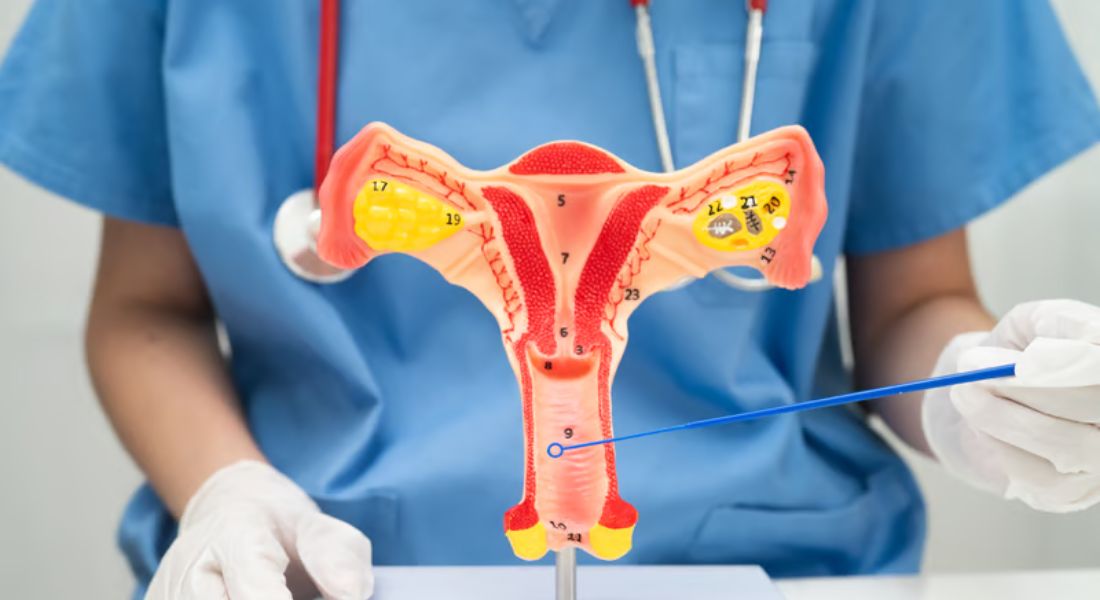
Acne is a common feature of polycystic ovary syndrome (PCOS) because hormonal imbalances, particularly elevated androgens, stimulate excess oil production in the skin. This creates clogged pores and inflammation, which can make acne more persistent and resistant to standard treatments. Understanding this hormonal connection helps you approach your skin challenges with more targeted strategies.
No two cases of PCOS are identical. Your hormone levels, lifestyle, and skin type all influence how acne presents and responds to treatment. Recognising these differences is crucial to avoid trial-and-error approaches that may waste time and cause frustration.
A personalised plan combines medical intervention, such as hormone regulation or topical treatments, with skincare and lifestyle adjustments. Diet, stress management, and gentle skin routines all play a role. Addressing both internal and external factors gives you the best chance of long-term improvement.
What Is Polycystic Ovary Syndrome (PCOS)?
Polycystic ovary syndrome (PCOS) is a hormonal disorder that can affect multiple aspects of your health, including your skin. Higher androgen levels common in PCOS stimulate oil glands, making you more prone to clogged pores and acne flare-ups. This explains why adult-onset or persistent acne is often linked to the condition.
Not everyone with PCOS experiences the same symptoms. While some may have mild skin changes, others struggle with more pronounced acne alongside irregular periods and other hormonal signs. Recognising your personal symptom pattern helps you target treatment more effectively.
Managing PCOS-related acne requires looking beyond typical skincare routines. Addressing hormonal imbalance through medical guidance, alongside tailored skincare and lifestyle adjustments, gives you the best chance of improving both your skin and overall well-being.
How Hormones Influence Acne Development
Hormones directly influence how your skin behaves, especially when it comes to oil production. Androgens signal your sebaceous glands to produce more sebum, and in PCOS, these hormone levels are often higher than normal. This excess oil clogs pores and sets the stage for persistent acne.
Because of this hormonal imbalance, breakouts can be more stubborn and resistant to conventional treatments. Your skin may stay inflamed longer, making standard creams and washes less effective.
Fluctuating hormone levels also impact healing, so blemishes take longer to resolve and are more prone to scarring. Understanding this link helps you approach treatment in a way that addresses the root cause, rather than just the surface symptoms.
Why Acne in PCOS Is Often Persistent
Acne in PCOS tends to be persistent because the hormonal imbalance is ongoing. Elevated androgen levels continuously stimulate oil production, keeping pores clogged and inflamed. This means breakouts often resist typical treatments and recur repeatedly.
Unlike teenage acne, PCOS-related acne can continue into adulthood, often affecting the lower face and jawline. Its unpredictability and resistance to standard skincare can make management frustrating.
Persistence is not due to poor hygiene but reflects an internal hormonal issue. Effective treatment requires addressing the underlying imbalance, not just surface symptoms.
Typical Acne Patterns Seen in PCOS
When you have PCOS, the pattern of your acne tells you a lot about the underlying hormonal activity. Unlike typical teenage breakouts, these spots tend to concentrate around the lower face, jawline, and chin because these areas are highly sensitive to androgen fluctuations. You might notice they’re deeper, more inflamed, and slower to resolve than ordinary pimples, making them harder to manage without a targeted approach.
- Lower face concentration: Breakouts around the jawline, chin, and lower cheeks are common. These areas respond more directly to androgen activity, so lesions here often indicate hormonal influence rather than surface-level irritation.
- Cystic and inflamed spots: The pimples are often painful, deeper under the skin, and more prone to scarring. Unlike surface acne, these require careful management to prevent lasting marks.
- Unpredictable cycle-related flare-ups: While acne can fluctuate with your menstrual cycle, PCOS often disrupts this rhythm. You may experience persistent breakouts between periods, making timing treatments more challenging.
- Slow healing and mark formation: Lesions linger longer than typical acne, which increases the likelihood of pigmentation changes or scars if untreated or picked at.
- Combination of hormonal and lifestyle triggers: Diet, stress, and skincare can influence flare severity, but the dominant driver remains androgen activity, so targeted hormonal or medical interventions are often necessary.
Understanding these patterns helps you approach treatment strategically rather than reacting to every new blemish. It also highlights why typical over-the-counter solutions often fall short without addressing the hormonal component.
The Role of Sebaceous Glands in PCOS Acne
Sebaceous glands play a central role in PCOS-related acne because they respond directly to androgen levels. When these hormones are elevated, the glands produce more sebum than normal.
Excess oil mixes with dead skin cells, forming plugs that trap bacteria and trigger inflammation. This creates persistent breakouts, often concentrated around the lower face and jawline.
Managing sebaceous gland activity is crucial, but it cannot be addressed in isolation. Effective treatment requires combining topical or systemic approaches with strategies that regulate hormone levels.
Insulin Resistance and Its Impact on Acne
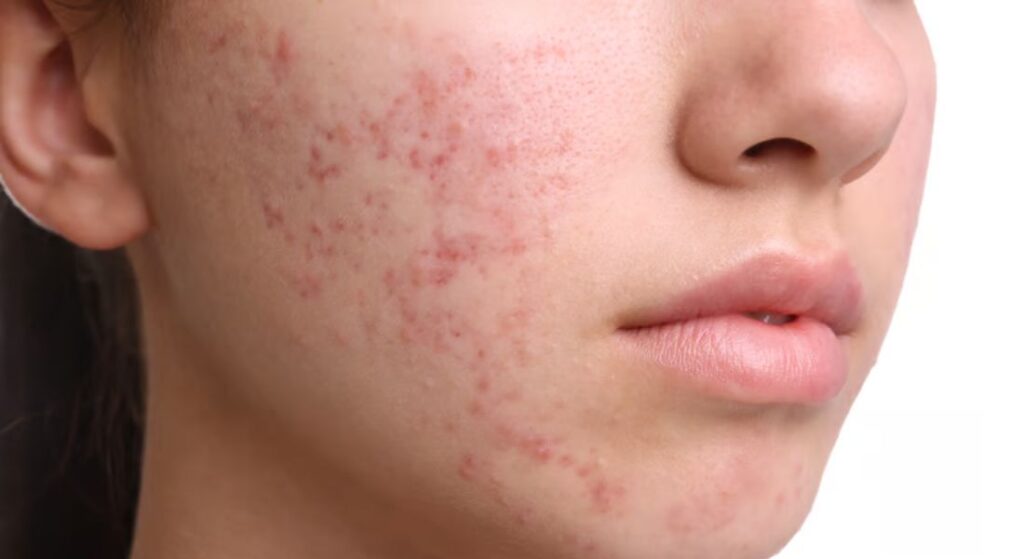
Insulin resistance is a central factor in PCOS-related acne because it amplifies underlying hormonal imbalances. When your cells respond poorly to insulin, the pancreas compensates by producing more, which can stimulate the ovaries to release higher levels of androgens. These androgens directly overstimulate the sebaceous glands, causing excess oil production and increasing the risk of clogged pores.
This mechanism explains why acne in PCOS is often persistent and resistant to conventional topical treatments. Breakouts may appear inflamed, deeper under the skin, and more prone to scarring. The cycle of oil overproduction and inflammation keeps recurring until the hormonal triggers are addressed.
Effectively managing insulin resistance can therefore improve both acne and overall metabolic health. Lifestyle measures such as low-glycaemic diets, regular physical activity, and maintaining a healthy weight can help regulate insulin levels. In some cases, medications like metformin are prescribed to improve insulin sensitivity, directly reducing androgen overproduction and supporting clearer, healthier skin.
Why Standard Acne Treatments May Not Be Enough
Standard acne treatments often fall short in PCOS because they target symptoms rather than causes. Topical creams, antibiotics, or even chemical peels may reduce inflammation or bacteria temporarily, but they do nothing to correct the ongoing androgen-driven oil production. This is why breakouts can persist despite diligent use of conventional therapies.
Many patients experience short-lived improvement followed by flare-ups. The cycle continues because sebaceous glands remain overstimulated by hormonal signals, and pores continue to clog. Relying solely on surface treatments leaves the root issue hormonal imbalance untouched.
A more effective strategy combines topical therapies with approaches that address hormones directly. This may involve oral contraceptives, anti-androgen medications, or insulin-sensitising treatments, depending on your individual profile. By tackling both the internal drivers and external symptoms, you achieve more consistent results and reduce the risk of scarring and long-term skin damage.
Hormonal Treatments for PCOS-Related Acne
Hormonal treatments for PCOS-related acne focus on controlling the root cause rather than just the symptoms. Combined oral contraceptives are commonly prescribed because they lower circulating androgens, which in turn reduces sebaceous gland activity and helps clear the skin gradually. Improvement is usually noticeable over several months, so patience is key.
Anti-androgen medications, such as spironolactone, work by blocking androgen receptors in the skin. This directly limits the hormones’ effect on oil production, helping to break the cycle of congestion and inflammation. These are often used alongside other therapies to optimise results.
All hormonal interventions require careful medical supervision. Your doctor will tailor treatment based on your hormone profile, medical history, and potential side effects. This personalised approach maximises safety and effectiveness while addressing the underlying hormonal imbalance driving persistent acne.
The Role of Skincare in Managing PCOS Acne
You might assume that PCOS acne is entirely hormonal, but what you do on the surface still makes a difference. Skincare isn’t about curing the root cause, but it can significantly reduce irritation, prevent secondary breakouts, and improve how well other treatments work. The key is balance over-cleansing or harsh products often make inflammation worse rather than better.
- Gentle, consistent cleansing: Removing excess oil and debris helps keep pores clear without stripping your skin. Aggressive scrubbing or harsh cleansers can trigger inflammation and exacerbate breakouts.
- Non-comedogenic moisturisers: Even oily or acne-prone skin needs hydration. Proper moisturisation supports the skin barrier, reduces irritation, and helps your treatments penetrate more effectively.
- Targeted active ingredients: Retinoids, salicylic acid, or other medically recommended actives promote cell turnover and reduce clogged pores. They work best when combined with hormonal or systemic treatments, not as a standalone solution.
- Avoid overloading products: Using too many active treatments at once can cause redness, peeling, or sensitivity. A streamlined routine is more effective than constant layering.
- Supportive, not corrective, role: Skincare helps control symptoms and supports healing, but it doesn’t replace the need to manage androgen activity or underlying hormonal imbalance.
When you combine careful skincare with medical management, you’re giving your skin the best environment to respond to treatment and heal faster, rather than just trying to mask symptoms.
Diet and Lifestyle Considerations

Diet and lifestyle play a surprisingly significant role in managing PCOS-related acne. Focusing on low-glycaemic, nutrient-dense foods helps stabilise blood sugar and insulin levels, which in turn reduces androgen-driven oil production. This doesn’t mean strict dieting small, consistent changes make a bigger impact than extreme restrictions.
Exercise is equally important. Regular physical activity improves insulin sensitivity, helps regulate weight, and reduces stress, all of which influence hormonal balance. Even moderate daily movement, like brisk walking or resistance training, can support long-term skin improvement.
Stress management also matters. High stress can trigger hormonal fluctuations that worsen acne. Incorporating mindfulness, adequate sleep, and structured routines helps maintain stability. Combined with diet and exercise, these lifestyle adjustments complement medical treatment, making the overall approach far more effective and sustainable.
Emotional Impact of PCOS-Related Acne
Dealing with PCOS-related acne can be emotionally draining. The unpredictability of breakouts and resistance to typical treatments often leads to frustration and self-consciousness. It’s common to feel that your efforts are not enough, even when you are doing everything right.
Recognising the hormonal basis of your acne can be empowering. Understanding that your skin reflects internal biology rather than poor hygiene or habits helps reduce guilt and stress. This perspective allows you to approach treatment with patience and realistic expectations.
Professional support is invaluable. Dermatologists and endocrinologists can tailor therapies that address both hormonal and skin factors. Successful treatment often restores more than just skin clarity it boosts confidence, reduces anxiety, and improves overall quality of life.
When to Seek Professional Help
You should not wait if acne persists despite standard treatments. Persistent or worsening breakouts may signal underlying hormonal issues, such as PCOS, that need professional assessment. Early intervention allows for more effective, targeted strategies.
A specialist can combine dermatological care with hormonal management. This dual approach addresses both surface symptoms and the root cause, improving long-term results. Individualised treatment plans are far more effective than generic solutions.
Delaying care increases the risk of permanent scarring and prolonged emotional impact. Timely consultation protects your skin and supports confidence. Acting early ensures you tackle the problem before it escalates.
Long-Term Management of Acne in PCOS
Long-term management of acne in PCOS requires patience and consistency. Hormonal fluctuations can trigger periodic flare-ups, so monitoring your skin and symptoms is essential. Regular check-ins with a specialist help adjust treatments as needed.
Treatment often combines topical care, hormonal therapy, and lifestyle strategies. This multi-layered approach addresses both immediate symptoms and underlying causes. Fine-tuning medications or routines over time ensures ongoing effectiveness.
Your focus should be on sustained control rather than rapid clearance. Improvements may take weeks to months, but consistent adherence leads to lasting results. With a personalised plan, most people achieve stable, manageable skin over the long term.
Can PCOS Acne Be Completely Cured?
You need to accept that PCOS is a long-term condition, which means acne linked to it isn’t something that can be “cured” overnight. That said, you can get very close to clear skin with the right combination of treatments, lifestyle adjustments, and consistent care. Understanding that the goal is control rather than cure changes how you approach daily routines and keeps expectations realistic.
- Symptom control is achievable: With hormonal treatments, skincare, and lifestyle adjustments, many people see significant improvement. Clear skin is possible even if the underlying condition persists.
- Consistency beats intensity: Short-term fixes or aggressive, sporadic treatments often backfire. Regular routines and adherence to prescribed therapies deliver the best long-term results.
- Set realistic goals: Expect fluctuations and occasional flare-ups. This mindset prevents frustration and helps you stay proactive rather than reactive.
- Lifestyle supports treatment: Diet, exercise, stress management, and sleep all influence hormonal balance and inflammation. Addressing these consistently complements medical and topical treatments.
- Monitoring and adaptation are key: Regular follow-ups with your clinician ensure your regimen evolves with your body’s response. Adjustments improve outcomes and reduce unnecessary interventions.
When you shift focus from curing to managing, you take control over the aspects you can influence, which is exactly how long-term success with PCOS acne is achieved.
The Importance of Individualised Treatment
Individualised treatment is essential because PCOS manifests differently in everyone. Factors like hormone levels, age, and skin sensitivity all influence how acne develops and responds to therapy. A one-size-fits-all approach often fails to address these nuances.
A tailored plan integrates medical interventions with lifestyle adjustments and targeted skincare. This ensures that both the root hormonal causes and surface symptoms are managed effectively. Close monitoring allows adjustments as your response changes over time.
Personalisation also improves adherence and outcomes. When treatment matches your specific needs, it is more likely to succeed and less likely to cause side effects. Focusing on your unique profile is the most reliable path to lasting skin health.
How PCOS Affects Different Age Groups
PCOS-related acne shifts in pattern and severity as you age. In teens, it can resemble ordinary adolescent breakouts, which may delay recognition of a hormonal cause. Persistent acne beyond adolescence often signals that underlying PCOS should be considered.
In your twenties and thirties, breakouts often localise around the jawline and chin, resisting typical treatments. This is the period when many people realise that standard skincare alone won’t suffice and professional guidance becomes crucial. Recognising these patterns early can prevent prolonged frustration and scarring.
As you move into later adulthood, acne may ease but hormonal influence remains. The skin can become more reactive, with pigmentation issues and slower healing. Understanding these changes allows for tailored long-term management that adapts with age, keeping results consistent and controlled.
The Link Between PCOS and Excess Hair Growth
Hirsutism is a key visible sign of elevated androgens in PCOS, often appearing alongside persistent acne. Increased hair growth may show up on the face, chest, or abdomen, signalling a broader hormonal imbalance. Recognising these patterns helps link skin symptoms to internal factors rather than treating them in isolation.
The presence of both acne and excess hair often indicates that standard topical treatments will be insufficient. Hormonal assessment becomes crucial to understand the root cause. Addressing and regulating androgen levels can significantly reduce both acne severity and unwanted hair growth.
A comprehensive approach is essential. Combining dermatological care with hormonal management tackles the underlying imbalance, rather than just the visible symptoms. This strategy improves overall outcomes and prevents recurrence, giving longer-term control over PCOS-related issues.
The Role of Inflammation in PCOS Acne
Inflammation amplifies the impact of hormonal triggers in PCOS-related acne. Elevated androgens not only increase oil production but also heighten the skin’s inflammatory response, making lesions redder, tenderer, and slower to heal. This is why breakouts in PCOS often feel more persistent and resistant to conventional treatments.
Persistent inflammation raises the risk of post-inflammatory hyperpigmentation and scarring. Even minor lesions can leave lasting marks if the inflammatory cycle continues unchecked. Early intervention and consistent management are therefore critical to protect long-term skin health.
Managing inflammation requires a multi-pronged approach. Anti-inflammatory topical treatments can calm active lesions, while dietary adjustments such as reducing high-glycaemic foods help regulate systemic inflammatory signals. Hormonal therapies targeting androgen excess further reduce inflammatory triggers, creating a calmer, more resilient skin environment over time.
Post-Acne Marks and Scarring in PCOS
You’ll find that the aftermath of PCOS acne often sticks around longer than the breakouts themselves. Dark spots, redness, or subtle textural changes can linger for weeks or months, which is frustrating because the acne might have already cleared. Because the lesions are typically deeper and more inflamed, repeated cycles of breakouts increase the risk of permanent scarring, making early and consistent control the most important step you can take.
- Targeted treatments for marks: Options like chemical peels, laser therapy, or medical-grade topical agents can fade pigmentation and smooth the skin. These work best once active acne is under control to prevent further damage.
- Preventing new breakouts is key: The most effective way to avoid lasting marks is by controlling flare-ups. Regular skincare, hormonal treatment, and lifestyle adjustments all reduce the likelihood of new lesions forming in vulnerable areas.
- Addressing inflammation early: Treating acne at the first sign of a flare reduces depth and severity. This minimises structural damage to the skin and lowers the risk of long-term scarring.
- Sun protection supports healing: UV exposure can darken post-inflammatory marks and slow fading. Consistent sunscreen use accelerates recovery and prevents marks from becoming more noticeable.
- Patience and gradual improvement: Post-acne marks don’t disappear overnight. A consistent routine and professional guidance ensure steady improvement without triggering further irritation.
If you focus on controlling new breakouts while supporting skin healing, you drastically reduce the long-term impact. Marks and scarring are manageable, but prevention is always the most effective strategy.
The Importance of Early Diagnosis

Early recognition of PCOS allows treatment to focus on the root cause rather than just the surface symptoms. By addressing hormonal imbalance promptly, you reduce the frequency and severity of breakouts. This also lowers the risk of scarring and long-term skin changes.
Acne is often the first outward sign, yet many patients overlook its hormonal link. Persistent jawline breakouts, cystic lesions, or resistance to standard treatments should raise suspicion. Identifying PCOS early means other related issues such as irregular periods or excess hair growth can also be addressed simultaneously.
Consulting a specialist ensures a comprehensive evaluation. Blood tests, clinical assessment, and personalised treatment plans can be initiated sooner rather than later. Early intervention not only improves skin outcomes but also supports overall hormonal and metabolic health.
How Stress Can Worsen PCOS Acne
Stress doesn’t just affect how you feel it actively influences your hormones. Elevated cortisol can trigger higher androgen levels, which overstimulate sebaceous glands and worsen acne. In someone with PCOS, this effect compounds an already delicate hormonal balance.
Flare-ups during stressful periods are common, even if your skincare routine remains consistent. You might notice more inflamed or cystic lesions, particularly along the jawline and chin. Recognising this pattern helps separate hormonal triggers from external factors like diet or topical treatments.
Integrating stress management into your routine is essential for long-term control. Regular exercise, structured sleep, mindfulness, and relaxation practices all help reduce cortisol spikes. Supporting mental wellbeing is not optional it’s a vital component of effective PCOS acne management.
Medical Investigations for PCOS Acne
Blood tests and imaging form the cornerstone of PCOS diagnosis. Hormonal panels typically assess androgens, LH, FSH, and insulin levels, providing insight into underlying imbalances. Ultrasound helps visualise ovarian morphology, confirming the presence of multiple follicles that characterise PCOS.
These investigations go beyond confirmation they guide treatment decisions. Knowing which hormones are elevated or how insulin sensitivity is affected allows your doctor to select medications and interventions tailored to you. This targeted approach avoids the trial-and-error often seen with standard acne treatments.
Accurate diagnosis also highlights risk factors for associated conditions, such as metabolic syndrome or irregular cycles. By understanding your profile, your care plan can be comprehensive, addressing skin, hormonal, and overall health. Personalised insight leads to better, more predictable outcomes.
Combination Therapy: Why It Works Best
Combination therapy works because PCOS acne is multifactorial. Targeting only one component whether hormones, sebum, or inflammation leaves other drivers unchecked. By simultaneously addressing androgen levels, skin care, and lifestyle factors, you reduce triggers at multiple points.
Hormonal medications lower excess androgens, decreasing sebaceous gland activity. Topical treatments complement this by keeping pores clear and reducing bacterial overgrowth. Diet, exercise, and stress management further stabilise hormones and insulin, reinforcing the effect of medical therapy.
Consistency is crucial. Sporadic use of one therapy or neglecting lifestyle measures often leads to relapse. A coordinated, persistent approach ensures acne is managed from both the inside out. Long-term adherence is what transforms short-term improvements into lasting control.
Common Myths About PCOS and Acne
You need to separate fact from fiction when it comes to PCOS acne, because misconceptions can waste time and worsen outcomes. It isn’t caused by dirt or poor hygiene, and scrubbing your skin harshly won’t fix hormonal imbalances it often makes inflammation worse. Likewise, assuming it will resolve on its own is risky; untreated acne tends to persist and increases the likelihood of scarring, so taking proactive steps is essential.
- Poor hygiene causes PCOS acne: Hormonal fluctuations, not cleanliness, drive breakouts. Over-washing or abrasive products can actually aggravate the skin and trigger more inflammation.
- It will clear up naturally: While some mild acne might improve over time, PCOS acne is often persistent. Waiting without intervention allows lesions to deepen and increases scarring risk.
- Only topical treatments matter: Skincare alone rarely resolves hormonal acne. Effective management usually combines topical care with hormonal or systemic therapies tailored to your needs.
- Diet has no impact: While not the sole cause, diet can influence inflammation and insulin resistance, which can exacerbate acne. Ignoring lifestyle factors can limit treatment success.
- Scarring is inevitable: Early intervention and consistent care significantly reduce long-term marks. Scarring is more about uncontrolled inflammation than unavoidable genetics.
When you understand what drives PCOS acne, you make smarter, faster decisions. Accurate knowledge prevents wasted effort, reduces frustration, and puts you in control of both prevention and treatment, which is exactly how long-term skin health is achieved.
The Long-Term Outlook for PCOS Acne
Even though PCOS is a chronic condition, acne does not have to be permanent. With a personalised treatment plan, you can keep breakouts under control and prevent scarring. Adjustments over time whether in medication, skincare, or lifestyle ensure your approach stays effective as your hormones shift.
Monitoring and regular follow-up are essential. They allow early intervention if symptoms flare and help fine-tune therapy for optimal results. This proactive approach prevents small issues from becoming persistent problems.
Ultimately, long-term management is about balance and consistency. By combining medical treatment, targeted skincare, and healthy habits, most people with PCOS can achieve clear, stable skin. With the right support, acne becomes manageable rather than defining.
FAQs:
1. Can PCOS cause acne even in adults?
Yes, adult-onset or persistent acne is common in PCOS due to elevated androgen levels stimulating excess oil production. Breakouts often appear along the jawline and chin.
2. Why does PCOS acne resist standard treatments?
Because the root cause is hormonal imbalance, conventional topical creams or washes target symptoms rather than androgen-driven oil production, making acne more persistent.
3. How does insulin resistance affect acne in PCOS?
Insulin resistance increases androgen production, overstimulating sebaceous glands and worsening acne. Managing insulin through diet, exercise, or medication can improve skin outcomes.
4. Are certain areas of the face more affected by PCOS acne?
Yes, lower face areas such as the jawline, chin, and lower cheeks are most sensitive to androgen fluctuations, often presenting deeper, inflamed lesions.
5. Can lifestyle changes help manage PCOS-related acne?
Absolutely. Low-glycaemic diets, regular exercise, stress reduction, and adequate sleep support hormone balance and reduce acne flare-ups.
6. What role do hormonal treatments play in controlling acne?
Combined oral contraceptives and anti-androgen medications lower circulating androgens, reducing sebaceous gland activity and inflammation over time.
7. Is it possible to fully cure acne caused by PCOS?
PCOS acne cannot be permanently “cured,” but it can be effectively managed with a personalised plan combining hormonal therapy, skincare, and lifestyle adjustments.
8. How important is skincare in managing PCOS acne?
Skincare supports treatment by keeping pores clear, reducing inflammation, and aiding the effectiveness of medical therapies. Gentle cleansing and non-comedogenic moisturisers are essential.
9. When should I see a specialist for PCOS-related acne?
If acne persists despite standard treatments, is cystic, or affects confidence, a dermatologist or endocrinologist can provide targeted hormonal and dermatological interventions.
10. Can stress worsen PCOS acne?
Yes, elevated cortisol from stress can spike androgen levels, worsening breakouts. Stress management through mindfulness, sleep, and exercise is crucial for long-term control.
Final thoughts: Managing PCOS-Related Acne Long-Term
Managing acne in polycystic ovary syndrome is built around precision, consistency, and addressing the root hormonal cause. You’re not dealing with a simple skin issue, but a targeted approach that regulates androgen activity while keeping your skin barrier healthy and stable. Once you understand that surface treatments alone are often insufficient for most cases, the process of achieving clear skin becomes far less intimidating and much more manageable.
What ultimately matters is confidence in the process. When medical and topical treatments are applied correctly and tailored to your hormonal profile, it supports both physical clearance and a much-improved quality of life. If you’re considering an acne clinic in London, you can get in touch with us at London Dermatology Centre to discuss a personalised approach that ensures comfort, safety, and predictable outcomes from start to finish.
References:
- Taieb, A. (2024) Deciphering the role of androgen in the dermatologic manifestations of Polycystic Ovary Syndrome patients: A state‑of‑the‑art review, Diagnostics. https://www.mdpi.com/2075-4418/14/22/2578
- Amuzescu, A. (2024) Adult female acne: Recent advances in pathophysiology and clinical implications, Cosmetics MDPI. https://www.mdpi.com/2079-9284/11/3/74
- Pourahmad, B. et al. (2025) Prevalence of acne vulgaris among women with Polycystic Ovary Syndrome: A systematic review and meta‑analysis, Medical Journal of the Islamic Republic of Iran. https://pubmed.ncbi.nlm.nih.gov/41089626/
- Franik, G. et al. (2018) Hormonal and metabolic aspects of acne vulgaris in women with PCOS, European Review for Medical and Pharmacological Sciences.https://pubmed.ncbi.nlm.nih.gov/30058676/
- Ghafari, A. (2025) The last update on polycystic ovary syndrome (PCOS) review study, [Review], Elsevier’s ScienceDirect. https://www.sciencedirect.com/science/article/pii/S2666396125000147