


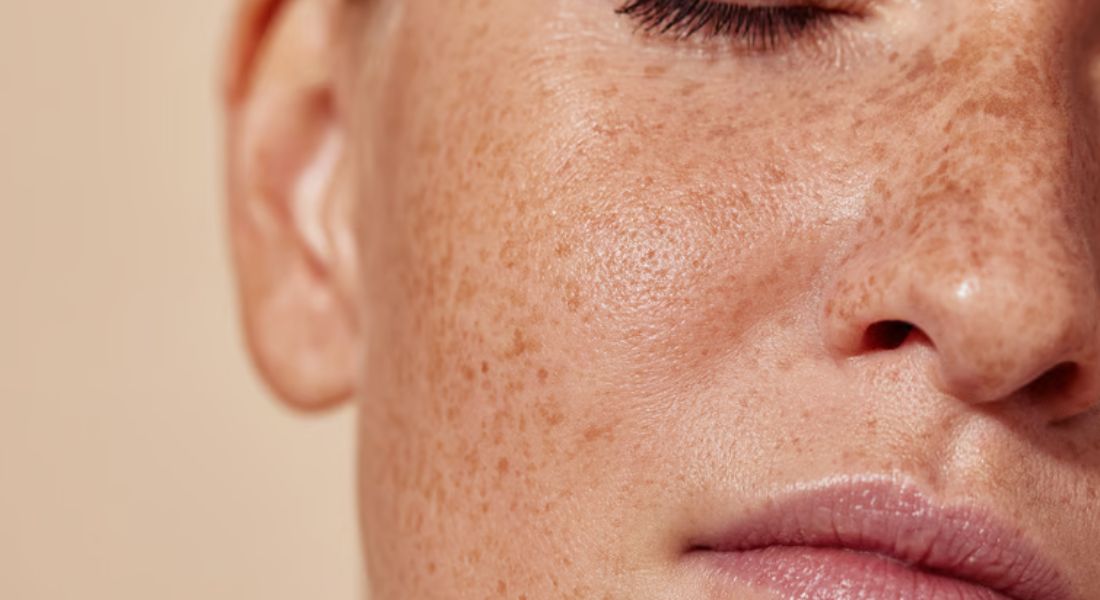
Melasma can be a difficult skin concern to manage, especially when you are unsure what might be making it worse. You may already be aware of triggers like sunlight and hormones, but newer factors are now being discussed. One of these is blue light, which you are exposed to daily through screens and indoor lighting. This has raised important questions about how modern lifestyles may affect your skin.
You are likely spending more time than ever in front of digital devices such as phones, laptops, and tablets. While these tools are essential for work and communication, they also emit blue light. You might assume that this type of light is harmless compared to sunlight, but research suggests it could still impact your skin. This is particularly relevant if you are already dealing with pigmentation issues like melasma.
Blue light is a form of visible light with high energy, and it can penetrate deeper into your skin than you might expect. This means it may influence the cells responsible for producing pigment. If you have melasma, your skin is already more sensitive to triggers that increase pigmentation. As a result, even everyday exposure could play a role in making your condition more noticeable.
Understanding how blue light affects your skin can help you take better control of your melasma. You do not need to avoid technology altogether, but you may need to adjust how you protect your skin. Simple changes in your routine could make a meaningful difference over time. By becoming more aware, you can make informed decisions to support healthier, more balanced skin.
Understanding Melasma: A Common Yet Complex Skin Concern
If you are dealing with melasma, you will already know how frustrating it can feel. These patches of uneven pigmentation often seem to appear without any clear warning. You may also notice that they are quite stubborn and do not fade easily, even with care. This can make managing your skin feel like an ongoing challenge.
Melasma usually appears as brown or greyish patches on your skin, particularly on the face. You are most likely to notice it on areas such as your cheeks, forehead, upper lip, and chin. These are parts of your face that are often exposed to light, which can influence pigmentation. Over time, the patches may become more noticeable if not properly managed.
Although melasma is not harmful from a medical point of view, it can still affect you in other ways. Changes in your skin’s appearance can impact how confident you feel day to day. You might find yourself becoming more conscious of your complexion in social or professional settings. This emotional impact is an important part of understanding and managing the condition.
What Causes Melasma in the First Place?
Melasma develops when your skin produces too much melanin, which is the pigment responsible for your natural skin colour. This excess production does not happen randomly and is usually triggered by specific internal or external factors. When melanin is produced unevenly, it leads to the darker patches you see on your skin. Understanding this process can help you better manage and prevent further pigmentation.
There are several common triggers that can lead to this overproduction of melanin. Hormonal changes are one of the main causes, particularly during times when your body is going through shifts. Sun exposure is another significant factor, as ultraviolet light can stimulate pigment-producing cells. In addition, your genetics can influence how likely you are to develop melasma.
If you have noticed melasma appearing during pregnancy or while using hormonal contraception, you are not alone. These hormonal fluctuations can make your skin more sensitive to pigmentation triggers. You may find that the patches become more noticeable during these periods. This is why melasma is often linked to changes in hormone levels as well as environmental exposure.
The Traditional Focus: UV Light and Pigmentation

For many years, ultraviolet (UV) radiation has been seen as the main trigger for melasma. When your skin is exposed to sunlight, it stimulates melanocytes, which are the cells responsible for producing pigment. This increased activity can lead to the development or worsening of dark patches. As a result, managing sun exposure has always been a key part of controlling melasma.
This is why sunscreen is often the first and most important recommendation you receive. Using daily sun protection helps shield your skin from harmful UV rays that can trigger pigmentation. You are usually advised to apply a broad-spectrum sunscreen and reapply it regularly. Consistent protection can make a noticeable difference in preventing melasma from becoming more pronounced.
However, recent research suggests that UV light may not be the only factor to consider. Scientists are now looking at other forms of light that could also affect your skin. This includes visible light, particularly blue light from digital screens and indoor sources. Understanding these additional triggers can help you take a more comprehensive approach to protecting your skin.
Introducing Blue Light: What Is It?
Blue light, also known as high-energy visible (HEV) light, is a type of light within the visible spectrum that your eyes can detect. It is present in both natural and artificial environments, meaning you are exposed to it throughout your day. Unlike ultraviolet light, you cannot feel its effects immediately on your skin. However, it still carries enough energy to potentially influence how your skin behaves over time.
The sun is the largest and most powerful source of blue light that you encounter. At the same time, modern life adds to your exposure through digital devices such as smartphones, laptops, and tablets. Indoor lighting, especially LED bulbs, also contributes to this exposure. This means you are surrounded by blue light far more often than you might realise.
This leads to an important and increasingly relevant question for your skin health. If you are constantly exposed to blue light from multiple sources, could it be affecting your skin? For those managing melasma, this concern becomes even more significant. Understanding the impact of everyday screen use may help you take better steps to protect your skin.
How Blue Light Interacts with Your Skin
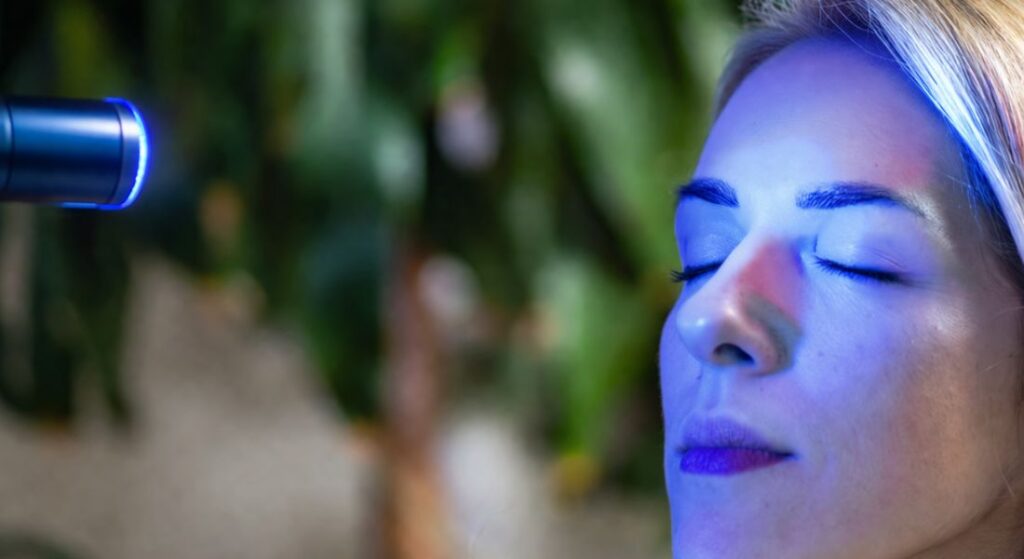
Unlike ultraviolet rays, blue light can penetrate deeper into your skin and reach the dermis. This is a lower layer where many important skin functions take place. Because of this, the effects of blue light may not be immediately visible on the surface. However, over time, it can begin to influence how your skin behaves.
One of the main ways blue light affects your skin is by triggering oxidative stress. This occurs when there is an imbalance between free radicals and your skin’s natural defences. As a result, your skin may experience subtle damage at a deeper level. This type of stress is often linked to both ageing and pigmentation concerns.
Oxidative stress can also lead to inflammation, which plays a key role in melasma. When your skin becomes inflamed, it can stimulate melanocytes to produce more pigment. If you have melasma, your skin is already more sensitive to these triggers. This means that even regular exposure to blue light could contribute to worsening your pigmentation.
The Science Linking Blue Light to Melasma
Emerging studies suggest that blue light can contribute to worsening hyperpigmentation, particularly if you are already prone to conditions like melasma. You may notice that this effect tends to be more visible in individuals with darker skin tones. This means your skin type can influence how strongly you react to blue light exposure. As awareness grows, this link is becoming more relevant in everyday skincare discussions.
When your skin is exposed to blue light, it activates specific receptors beneath the surface. These receptors can stimulate processes that increase melanin production in your skin. As a result, you might experience darkening or uneven patches over time. This response highlights how even non-UV light can impact your skin health.
Although research in this area is still developing, the connection between blue light and pigmentation is becoming increasingly difficult to ignore. You are likely to see more studies exploring how this exposure affects long-term skin changes. Experts are continuing to examine the extent of its impact and how it compares to other forms of light. For now, it is important to recognise that blue light may play a role in pigmentation concerns.
Why Skin Type Matters
Your skin type plays a significant role in how it reacts to external factors like blue light exposure. If you have a medium to dark skin tone, your skin may respond differently compared to lighter skin types. This is mainly due to the behaviour of melanocytes, the cells responsible for producing pigment. Understanding this difference can help you make more informed decisions about protecting your skin.
- Higher Melanocyte Activity: In medium to dark skin types, melanocytes tend to be more active and responsive. This means they can produce more melanin when triggered by factors such as blue light. As a result, the skin may develop pigmentation more easily and more intensely.
- Increased Risk of Long-Lasting Pigmentation: Blue light exposure can lead to pigmentation that lasts longer in darker skin tones. Even short periods of exposure may trigger noticeable changes in skin colour. This makes it important to be mindful of daily exposure, especially from screens and artificial lighting.
- Sensitivity to Even Minimal Exposure: Unlike what many people assume, it does not always take prolonged exposure to cause an effect. Even limited contact with blue light can stimulate pigment production in reactive skin types. This sensitivity highlights the need for consistent protection, even during routine activities.
- Importance of Understanding Your Skin: Knowing how your skin responds allows you to take the right preventative measures. When you are aware of your skin’s tendencies, you can adjust your skincare routine accordingly. This helps in reducing the chances of unwanted pigmentation over time.
Understanding why your skin type matters gives you better control over your skincare choices. When you recognise how reactive your skin can be, it becomes easier to prevent long-term concerns. Small, consistent steps can make a noticeable difference in maintaining even skin tone. Being proactive is key to protecting your skin from avoidable damage.
Blue Light vs UV Light: What’s the Difference?
UV light damages your skin at a deeper level by affecting DNA and is the main cause of sunburn. You may already be aware that prolonged exposure to UV rays can lead to visible skin damage over time. Blue light, however, works differently and is more closely linked to oxidative stress within the skin. This means it can still affect your skin, even if the damage is less immediate.
While UV rays are stronger and more intense, your exposure to blue light is far more constant throughout the day. You are exposed to it not only from sunlight but also from screens and artificial lighting indoors. This makes it a more continuous form of exposure compared to UV light. Over time, this regular contact can start to have an effect on your skin.
This cumulative exposure may be one of the key reasons why blue light is becoming a growing concern in skincare. You might not notice the effects straight away, but they can build gradually over time. As research continues, more attention is being given to how everyday exposure contributes to long-term skin changes. This shift in understanding is why blue light is now being taken more seriously.
Can Screens Really Worsen Melasma?
You might be wondering whether your phone or laptop is actually contributing to your melasma. The reality is that screens emit much lower levels of blue light compared to the sun. This means the immediate impact is far less intense than natural sunlight. However, it is still worth understanding how this exposure fits into your daily routine.
Although the intensity is lower, prolonged exposure can gradually add up over time. If you spend several hours each day in front of screens, your skin is consistently exposed to this light. You may not notice the effects straight away, but they can become more visible with continued exposure. This is especially relevant if you are already prone to pigmentation issues.
It is not about creating unnecessary concern, but rather about being aware of your habits. You can take simple steps to balance your exposure without making drastic changes. Understanding how different light sources affect your skin helps you make more informed decisions. In the long run, awareness and moderation are what truly make a difference.
Indoor Lighting: An Overlooked Source
LED and fluorescent lighting also emit blue light, and you are likely surrounded by these sources every day. You will find them in your home, workplace, and most public spaces you visit. This means your exposure is not limited to outdoor environments. It becomes a regular part of your daily routine without you even noticing it.
Unlike sunlight, indoor exposure often happens without any form of protection. You may not think about applying sunscreen when you are inside, as it feels unnecessary. However, this lack of protection means your skin is still exposed to light throughout the day. Over time, this continuous exposure can start to have an effect.
This is what makes indoor lighting a subtle yet important factor in skin health. You might overlook it because it feels harmless compared to direct sunlight. However, its constant presence makes it worth paying attention to. Being aware of indoor exposure can help you take a more balanced approach to protecting your skin.
The Role of Oxidative Stress in Pigmentation
Oxidative stress occurs when free radicals begin to damage your skin cells. This imbalance can affect how your skin functions and responds to environmental factors. Blue light is known to contribute to this process, adding to the overall stress on your skin. As a result, your skin may become more vulnerable over time.
This type of stress can activate certain pathways that increase melanin production in your skin. When this happens, you may notice dark patches becoming more prominent or persistent. Over time, this can contribute to worsening melasma or uneven pigmentation. It shows how internal processes can influence visible skin changes.
Antioxidants play an important role in helping your skin defend itself against this damage. They work by neutralising free radicals and reducing oxidative stress. By supporting your skin in this way, antioxidants can help maintain a more balanced and healthy appearance. Including them in your routine can make a meaningful difference over time.
How to Protect Your Skin from Blue Light

Protecting your skin from blue light does not need to feel complicated or overwhelming. You can start with a broad-spectrum sunscreen that also offers protection against visible light. This gives your skin an added layer of defence beyond standard UV protection. Choosing the right product can make your daily routine more effective.
You should look for formulations that contain iron oxides, as these ingredients are known to help shield your skin from blue light. They work by providing a physical barrier that reduces the impact of visible light exposure. This can be especially helpful if you are concerned about pigmentation. Over time, using the right formulation can support more even-looking skin.
Daily use is essential if you want consistent protection. You may think sunscreen is only necessary outdoors, but indoor exposure also matters. Applying it every day helps create a steady layer of defence for your skin. This simple habit can make a noticeable difference in the long run.
The Importance of Tinted Sunscreens
Tinted sunscreens are particularly effective when it comes to protecting your skin from visible light. They contain added pigments that help block blue light more efficiently than standard formulas. This gives your skin an extra layer of defence throughout the day. As a result, they are often recommended in modern skincare routines.
If you are concerned about melasma, tinted sunscreens can be especially beneficial for you. They are designed to address pigmentation concerns while still offering sun protection. This makes them a practical choice if you want both protection and support for uneven skin tone. Over time, this combination can help manage visible changes more effectively.
Another advantage is that they can give your skin a more even and balanced appearance. You may find that they lightly cover imperfections while protecting your skin at the same time. This reduces the need for additional layers of makeup in your routine. Using them consistently can lead to more noticeable and lasting improvements.
Antioxidants: Your Skin’s Defence System
Antioxidants play an important role in protecting your skin from daily environmental stressors, including blue light exposure. They work by neutralising free radicals, which are unstable molecules that can damage skin cells. When your skin is exposed to screens and artificial light, these antioxidants help reduce potential harm. Adding them to your routine can strengthen your skin’s overall resilience.
- Neutralising Free Radicals: Antioxidants help to counteract free radicals generated by blue light exposure. These free radicals can weaken the skin barrier and contribute to pigmentation. By neutralising them, antioxidants reduce the chances of long-term skin damage.
- Key Ingredients That Support Skin Health: Ingredients such as vitamin C, vitamin E, and niacinamide are especially beneficial for the skin. They work together to brighten, repair, and protect the skin from environmental stress. Regular use of these ingredients can improve skin tone and overall appearance.
- Strengthening the Skin’s Natural Defence: Antioxidants enhance your skin’s ability to defend itself against external damage. They support the skin barrier and help maintain its balance. This makes your skin more resistant to the effects of blue light and other pollutants.
- Easy to Incorporate into Your Routine: Including antioxidant-based products in your daily skincare routine is simple and effective. Whether through serums or moisturisers, consistent use can make a noticeable difference. Over time, this helps maintain healthier and more protected skin.
Using antioxidants is a practical and effective way to support your skin’s defence system. When used consistently, they can reduce the visible impact of environmental stressors like blue light. This not only helps in preventing damage but also promotes a more even and healthy complexion. Taking this step can make your skincare routine more complete and protective.
Should You Use Blue Light Filters?
Many modern devices now include blue light filters or a “night mode” setting. These features work by reducing the amount of blue light emitted from your screen. You can easily activate them on your phone, tablet, or laptop as part of your daily usage. This makes them a simple adjustment to include in your routine.
While these filters are known to improve eye comfort, their impact on your skin is still not fully understood. You should not rely on them as your primary method of skin protection. However, they can still support your overall efforts when combined with other measures. It is best to view them as one part of a balanced approach.
Every small step you take contributes to better protection over time. You do not need to make drastic changes to see benefits. Instead, focusing on consistent and practical habits can help support your skin health. A combination of awareness and simple actions can make a meaningful difference.
Lifestyle Adjustments That Can Help
Simple lifestyle habits can help reduce your overall exposure to blue light. You can start by taking regular breaks from your screens throughout the day. This not only supports your skin but also gives your eyes and mind a rest. Small changes like this can fit easily into your daily routine.
Positioning your screens further away from your face is another practical step you can take. Increasing this distance may help reduce the intensity of light reaching your skin. You might not notice the difference immediately, but it can contribute over time. Being mindful of how you use your devices can make a subtle impact.
Reducing your overall screen time where possible is also beneficial. You do not need to eliminate screens completely, but finding a balance is important. Even slight reductions in daily usage can add up in the long run. These changes are simple to implement and do not require any extra cost.
Professional Treatments for Melasma
If your melasma feels persistent or difficult to manage, you may need to consider professional treatment. There are several options available, including chemical peels, laser therapy, and prescription creams. These approaches are designed to work more deeply than over-the-counter solutions. As a result, they can offer more targeted support for stubborn pigmentation.
These treatments focus directly on reducing excess pigment in your skin. Because they are more advanced, they should always be carried out under the guidance of a qualified dermatologist. This ensures that the approach is safe and suited to your specific skin type. Proper supervision also helps you achieve more consistent and controlled results.
If you are thinking about expert care, exploring options for London-based melasma treatment can help you find solutions tailored to your needs. You can access specialists who understand how to manage different types of pigmentation effectively. This allows you to choose a treatment plan that works best for your skin. Taking this step can make a meaningful difference in your overall results.
Why Consistency Is Key
Melasma does not improve overnight, so you need to be patient with your progress. You may feel tempted to expect quick results, but this condition responds gradually over time. Staying consistent with your skincare routine is one of the most important factors. Small, regular efforts often lead to better long-term outcomes.
Protecting your skin every day helps prevent further pigmentation from developing. If you skip key steps, such as sunscreen or treatment products, you may undo the progress you have already made. Your skin responds best when it receives steady care and protection. This is why daily habits matter more than occasional effort.
Patience and persistence are what ultimately bring the best results. You might not see immediate changes, but improvements can build over time. Trusting the process and staying committed to your routine will support healthier-looking skin. Consistency is what turns small actions into visible results.
Common Mistakes to Avoid
When it comes to protecting your skin from blue light, small oversights can make a noticeable difference over time. Many people focus only on outdoor exposure and forget that indoor sources also play a role. This can lead to gaps in your skincare routine that reduce its overall effectiveness. Being aware of these common mistakes helps you take a more complete and consistent approach.
- Only Using Sunscreen Outdoors: A common mistake is applying sunscreen only when stepping outside. Blue light from screens and indoor lighting can still affect your skin throughout the day. This means protection should not be limited to outdoor situations alone.
- Ignoring Indoor Blue Light Exposure: Many people underestimate how much time they spend in front of screens. Devices like phones, laptops, and tablets emit blue light that can contribute to skin changes. Overlooking this exposure can reduce the effectiveness of your skincare efforts.
- Relying Only on Skincare Products: Using serums or creams without proper sun protection can limit results. Skincare products and sunscreen are meant to work together, not separately. Combining both provides better overall protection against environmental stressors.
- Inconsistent Skincare Routine: Another mistake is not maintaining a regular routine. Skincare benefits build over time, and irregular use can reduce effectiveness. Staying consistent ensures your skin receives continuous protection and care.
Avoiding these common mistakes can significantly improve how well your skincare routine performs. When you take both indoor and outdoor exposure into account, your protection becomes more complete. Combining the right products with consistent habits makes a meaningful difference. A well-balanced approach helps maintain healthier and more resilient skin over time.
What the Future of Research Looks Like
Research into blue light and its effects on your skin is still developing, and there is much more to learn. Scientists are continuing to study how long-term exposure may influence pigmentation and overall skin health. As new findings emerge, your understanding of these effects will become clearer. This ongoing research is shaping how skincare advice evolves.
At the same time, new skincare technologies are beginning to appear. These innovations aim to offer better protection against visible light, including blue light exposure. You may start to see more advanced formulations designed specifically for this purpose. This progress reflects a growing focus on comprehensive skin protection.
Staying informed will help you adapt your routine as new evidence becomes available. You do not need to change everything at once, but being aware of updates can guide better choices. Keeping up with reliable information ensures your routine remains effective over time. This approach allows you to respond confidently as skincare continues to advance.
FAQs:
1. Can blue light really worsen melasma?
Yes, emerging research suggests that blue light may stimulate melanin production and contribute to worsening pigmentation, especially in people already prone to melasma.
2. Is blue light from screens harmful to the skin?
While screen exposure is lower than sunlight, prolonged and daily exposure can contribute to oxidative stress, which may affect skin health over time.
3. How is blue light different from UV light?
UV light causes direct DNA damage and sunburn, whereas blue light penetrates deeper into the skin and mainly causes oxidative stress, which can influence pigmentation.
4. Who is most affected by blue light-related pigmentation?
People with medium to dark skin tones are more susceptible, as their melanocytes are more reactive and can produce more pigment when triggered.
5. Can indoor lighting contribute to melasma?
Yes, LED and fluorescent lights emit blue light, and constant exposure indoors without protection can contribute to cumulative skin effects.
6. Does using a phone or laptop increase melasma risk?
On its own, the risk is low, but long hours of screen time can add up and may contribute to pigmentation issues over time.
7. How can I protect my skin from blue light?
Using broad-spectrum sunscreen with iron oxides, incorporating antioxidants, and maintaining a consistent skincare routine are effective ways to protect your skin.
8. Are tinted sunscreens better for melasma?
Yes, tinted sunscreens are more effective at blocking visible light, including blue light, making them especially beneficial for managing melasma.
9. Do blue light filters on devices help protect the skin?
They may reduce exposure slightly, but they should not be relied upon as the main form of protection. Skincare and sun protection remain more important.
10. Can melasma be completely cured?
Melasma can be managed effectively but is often a long-term condition. Consistent skincare, sun protection, and professional treatments help control it.
Final Thoughts: Taking Control of Melasma in a Modern World
Managing melasma today means looking beyond just sunlight and considering how everyday habits, including screen use and indoor lighting, may be affecting your skin. While blue light is not as powerful as UV radiation, its constant presence in your daily life makes it something you cannot ignore. I believe that understanding these subtle triggers gives you a stronger sense of control over your skin health.
You do not need to completely change your lifestyle, but you do need to be more intentional with your protection. Simple steps like using tinted sunscreen, adding antioxidants to your routine, and staying consistent with skincare can make a meaningful difference over time. When you combine awareness with the right habits, you give your skin the best chance to stay balanced and healthy.
If you feel your condition is not improving despite your efforts, it may be time to explore professional options. Seeking guidance for melasma treatment in London can help you access tailored solutions designed specifically for your skin type and concerns. If you’re looking for melasma treatment in London, you can reach out to us at the London Dermatology Centre to book a consultation with one of our specialists.
References:
- He, X., Jin, S., Dai, X., Chen, L., Xiang, L. and Zhang, C. (2023) The emerging role of visible light in melanocyte biology and skin pigmentary disorders: Friend or foe? Journal of Clinical Medicine. Available at: https://www.mdpi.com/2077-0383/12/23/7488
- Li, L. et al. (2023) Impact of blue light on skin pigmentation in patients with melasma, Skin Research and Technology. Available at: https://pubmed.ncbi.nlm.nih.gov/37522494/
- Grimes, P.E. (2020) Melasma: Etiologic and therapeutic considerations, Archives of Dermatological Research. Available at: https://pmc.ncbi.nlm.nih.gov/articles/PMC6986132/
- Chen, X. et al. (2025) Bioinspired nanoparticles prevent blue-light-induced skin damage, Materials Today Bio. Available at: https://www.sciencedirect.com/science/article/pii/S2590006425008580
- Jaulim, S.Z. et al. (2021) Does high‐energy visible light emitted from electronic devices affect the skin? Clinical and Experimental Dermatology. Available at: https://academic.oup.com/ced/article-abstract/46/5/922/6598422