


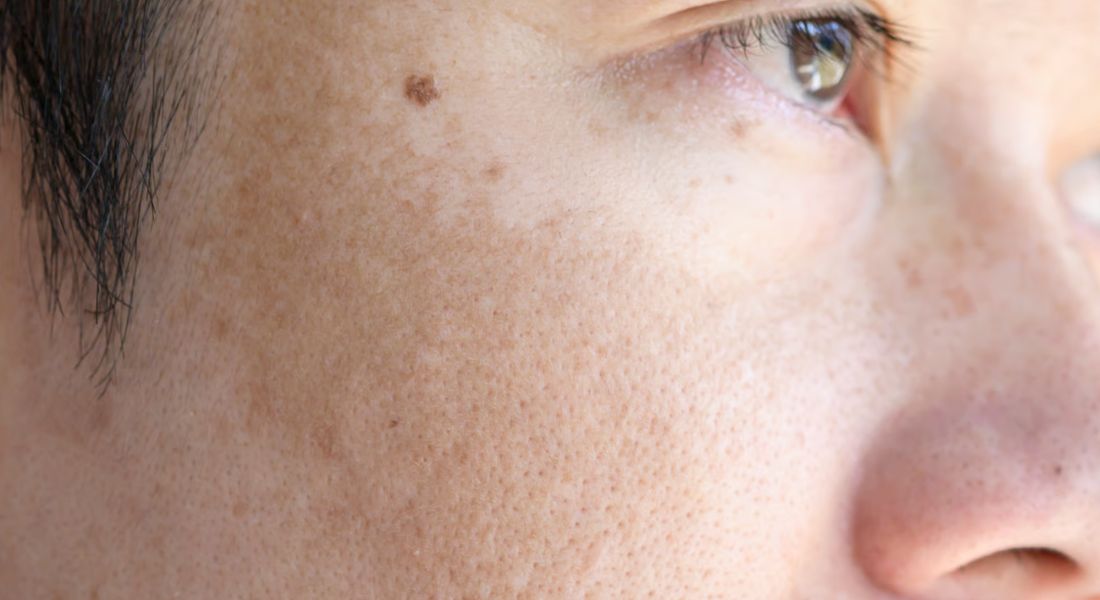
Liver spots are a common skin concern that many people begin to notice as they get older. You might see flat, dark patches appearing gradually on areas of your skin that are often exposed to the sun. These changes can feel unexpected, especially if they become more visible over time. Understanding what they indicate can help you respond with confidence rather than concern.
Despite the name, liver spots are not related to your liver or internal health. They are actually a result of long-term sun exposure and natural skin ageing. You may notice them more as your skin’s ability to repair itself slows down over the years. This makes them a normal part of the skin’s ageing process.
These spots are also known as age spots or solar lentigines. They typically appear as brown, tan, or black patches that sit flat on the surface of your skin. You might find that they vary in size and become more noticeable with time. While they are usually harmless, their appearance can still raise questions about your skin health.
You will most commonly see liver spots on areas that receive the most sunlight, such as your face, hands, shoulders, and arms. This is because repeated sun exposure plays a major role in their development. Over time, this exposure leads to increased pigment in certain areas of your skin. Recognising this pattern can help you better understand why these spots appear where they do.
What Are Liver Spots?
If you have noticed flat, dark patches appearing on your skin over time, you may be dealing with liver spots. Despite their name, they have nothing to do with your liver or internal health. These marks are linked more closely to skin changes caused by ageing and sun exposure. Understanding what they are can help you feel more informed and less concerned.
Liver spots are also known as age spots or solar lentigines. They usually appear as brown, tan, or black marks on the surface of your skin. You might notice that they vary slightly in size and shape, depending on your skin and exposure history. These spots are generally harmless but can become more noticeable over time.
You will most often find liver spots on areas of your skin that receive frequent sun exposure. Common areas include your face, hands, shoulders, and arms. This is because these parts of your body are regularly exposed to sunlight throughout your life. Over time, this repeated exposure can lead to the development of these visible marks.
Why Are They Called Liver Spots?
The term “liver spots” can be quite misleading and often creates unnecessary concern. It originated from an old belief that these spots were linked to liver function and internal health. At the time, changes in skin colour were often misunderstood and connected to organ issues. This is how the name became widely used.
In reality, these spots have no connection to your liver at all. They are caused by factors such as long-term sun exposure and the natural ageing of your skin. You may notice them appearing gradually as your skin responds to years of environmental exposure. This makes them a surface-level skin change rather than an internal problem.
The name has simply continued over time, even though it is not medically accurate. You might still hear it used in everyday language, but professionals prefer terms like age spots or solar lentigines. Understanding this can help you avoid unnecessary worry about your health. It allows you to focus on caring for your skin with the right information.
What Causes Liver Spots to Form?

Liver spots develop when your skin produces an excess amount of melanin, the pigment responsible for your natural skin colour. This process does not happen suddenly but builds up gradually over time. You may not notice the changes at first, as they develop slowly beneath the surface. As the pigment increases, it begins to show more clearly on your skin.
Repeated exposure to ultraviolet (UV) radiation is one of the main triggers for this process. Each time your skin is exposed to sunlight, it produces melanin as a protective response. Over the years, this repeated exposure can cause melanin to accumulate unevenly. This is why these spots are more common in areas that receive the most sun.
As melanin gathers in certain areas, it starts to form clusters beneath the skin. These clusters eventually become visible as dark patches on the surface. You may notice them appearing as flat, well-defined marks that gradually deepen in colour. This is how liver spots form and become noticeable over time.
The Role of Sun Exposure
Sun exposure is the leading cause of liver spots, and its effects build up gradually over time. When your skin is exposed to sunlight without protection, it begins to experience subtle damage. You may not notice this damage immediately, especially if your skin does not burn easily. However, the impact continues beneath the surface with each exposure.
Even if you rarely experience sunburn, ultraviolet (UV) rays can still influence how your skin produces pigment. Your skin responds by increasing melanin production as a form of protection. Over time, this repeated response can become uneven, leading to visible changes. This is how long-term exposure affects your skin without obvious early signs.
Because this damage accumulates slowly, liver spots often appear later in life. You might only begin to notice them after years of sun exposure have taken effect. This delayed appearance can make them seem sudden, even though the process has been ongoing. Understanding this can help you recognise the importance of protecting your skin early on.
Are Liver Spots a Sign of Ageing?
Yes, liver spots are strongly associated with ageing, and you are more likely to notice them as you get older. They commonly appear in people over the age of 40, when the effects of long-term exposure begin to show. You might find that they develop gradually rather than appearing all at once. This makes them a visible sign of changes your skin has experienced over time.
However, ageing alone is not the direct cause of these spots. They are mainly the result of cumulative sun exposure built up over the years. Your skin responds to repeated exposure by producing more melanin, which can become uneven over time. This is why liver spots tend to form in areas that have received the most sunlight.
In this sense, liver spots reflect environmental impact more than age itself. They show how your skin has responded to external factors rather than just the passage of time. You may age without developing many spots if your skin has been well protected. Understanding this can help you focus on prevention and care moving forward.
What Do Liver Spots Indicate About Your Skin?
Liver spots indicate that your skin has experienced significant sun exposure over time. They act as a visible sign that your skin has been affected by repeated contact with sunlight. You might notice them appearing in areas that are most often exposed, such as your face and hands. This makes them an important clue about your skin’s history.
These spots are closely linked to a process known as photoageing. Photoageing refers to the damage caused by long-term exposure to ultraviolet (UV) radiation. You may see its effects in the form of wrinkles, reduced elasticity, and changes in pigmentation. It reflects how environmental factors have influenced your skin over the years.
Although liver spots themselves are harmless, they can signal underlying skin damage. They show that your skin has been responding to UV exposure for a long time. You might not feel any discomfort, but the changes are still visible on the surface. Understanding this can help you take better steps towards protecting and caring for your skin.
Do Liver Spots Mean You Have Skin Cancer?
Liver spots themselves are not cancerous and are considered benign skin changes. You do not need to worry about them posing a direct health risk. They are simply areas where pigment has increased due to sun exposure over time. In most cases, they remain stable and harmless.
However, their presence does indicate that your skin has experienced significant sun damage. This type of damage can increase your risk of developing skin cancer in the long term. You may not notice any immediate issues, but the underlying effects of UV exposure can still be present. This is why it is important to take sun protection seriously.
Because of this, regular skin checks become an essential part of caring for your skin. You should monitor any changes in size, shape, or colour of existing spots. If anything appears unusual, it is best to seek professional advice. Staying aware and proactive can help you manage your skin health more effectively.
How to Tell Liver Spots Apart from Other Skin Conditions
Liver spots, also known as age spots, are generally harmless and have a distinct appearance. They are typically flat, evenly coloured, and develop gradually over time. Unlike some other skin conditions, they do not cause discomfort such as itching or bleeding. Understanding these characteristics can help you recognise when a spot is likely harmless and when it may need attention.
- Flat and Uniform Appearance: Liver spots usually appear flat against the skin and have a consistent colour throughout. They are often light to dark brown and do not have uneven borders. This uniformity is one of the key signs that helps distinguish them from more serious conditions.
- No Symptoms Like Itching or Bleeding: These spots generally do not cause any physical discomfort. They do not itch, bleed, or become sore over time. If a spot starts showing these symptoms, it may indicate something other than a liver spot.
- Changes Can Be a Warning Sign: If you notice a spot changing in shape, size, or colour, it should not be ignored. Rapid or unusual changes can be a sign that the lesion needs medical evaluation. Monitoring your skin regularly helps you catch these changes early.
- Not All Pigmentation Is Harmless: While liver spots are benign, other pigmented lesions may not be. Some skin conditions can appear similar but require medical attention. It is important not to assume that all dark spots are safe without proper assessment.
Being able to recognise the difference between liver spots and other skin conditions is important for your overall skin health. While many spots are harmless, any unusual changes should be taken seriously. Seeking professional advice ensures you receive an accurate diagnosis and peace of mind. Taking a cautious approach helps you protect your skin in the long term.
Who Is Most Likely to Develop Liver Spots?
Anyone can develop liver spots, but some people are more likely to notice them than others. If you have fair skin, these spots may appear more easily and be more visible on the surface. This is because lighter skin tends to show pigmentation changes more clearly. As a result, you might become aware of them earlier.
People who spend a significant amount of time outdoors are also at a higher risk. This includes both work-related exposure and leisure activities such as travelling or outdoor sports. The more frequently your skin is exposed to sunlight, the greater the impact over time. This repeated exposure plays a key role in their development.
Your skin type and daily lifestyle both influence how and when these spots appear. You may develop them sooner if your skin is more sensitive to sunlight. At the same time, your habits and level of sun protection also make a difference. Understanding these factors can help you manage and reduce your risk.
Can Liver Spots Appear on Younger Skin?
Although liver spots are more common in older adults, they can also appear on younger skin. You may begin to notice them earlier if your skin is exposed to sunlight frequently. This is especially true if sun protection has not been consistent over time. Early exposure can speed up the development of pigmentation changes.
Using tanning beds can also increase your risk of developing liver spots at a younger age. Artificial ultraviolet (UV) light affects your skin in a similar way to natural sunlight. It stimulates melanin production and can lead to uneven pigmentation over time. This makes tanning beds a significant contributing factor.
Because of this, prevention should start as early as possible. You can reduce long-term impact by protecting your skin from UV exposure. Simple habits, such as using sunscreen and limiting direct exposure, can make a difference. Taking action early helps maintain healthier-looking skin over time.
The Impact of Tanning on Liver Spots
Tanning may give your skin a temporary glow, but it also contributes to long-term damage. You might enjoy the immediate effect, yet the impact beneath the surface continues to build over time. Liver spots are one of the visible outcomes of this repeated exposure. This shows how short-term changes can lead to lasting skin concerns.
Each time you tan, your skin increases melanin production as a protective response. While this may create a darker tone initially, it can become uneven with repeated exposure. Over time, this imbalance leads to patches of pigmentation forming on your skin. You may notice these changes becoming more pronounced as the years go by.
Avoiding intentional tanning is one of the most effective ways to protect your skin. You do not need to rely on tanning for a healthy appearance. Instead, focusing on protection and care can help maintain a more even skin tone. Making this change can reduce the risk of developing visible spots in the future.
Can Liver Spots Fade Naturally?
Liver spots rarely fade completely on their own, even if you take steps to protect your skin. You may notice a slight lightening over time, especially if you reduce your sun exposure. However, these changes are usually subtle rather than dramatic. In most cases, the spots remain visible on your skin.
Without targeted treatment, liver spots tend to persist for years. Your skin does not easily reverse the pigment that has already built up. While good skincare can support overall skin health, it may not fully remove existing spots. This is why they are often considered long-term skin changes.
Prevention plays an important role in stopping new spots from forming. You can protect your skin and reduce further pigmentation with consistent care. However, existing spots usually require specific treatments to improve their appearance. This is why many people choose to explore professional treatment options.
How to Prevent Liver Spots
Prevention starts with protecting your skin from the sun every day. You should use a broad-spectrum sunscreen regularly, even when the weather does not feel particularly sunny. This helps shield your skin from harmful ultraviolet (UV) rays that contribute to pigmentation. Making this a daily habit can significantly reduce long-term damage.
Wearing protective clothing and seeking shade are also effective ways to limit your exposure. You can use hats, sunglasses, and covered clothing to protect areas that are most vulnerable. Choosing to stay in shaded areas, especially during peak sunlight hours, can make a noticeable difference. These simple steps help reduce the amount of UV radiation your skin receives.
Consistency is what makes prevention truly effective. You may not see immediate results, but these habits work over time to protect your skin. Skipping protection occasionally can reduce the overall benefit of your efforts. Staying consistent allows you to maintain healthier and more even-looking skin.
The Importance of Daily Sunscreen Use
Sunscreen is not just something you use on holidays or particularly sunny days. Ultraviolet (UV) rays are present throughout the year, even when the sky is cloudy or overcast. This means your skin is exposed more often than you might realise. Making sunscreen part of your daily routine helps provide consistent protection.
Applying sunscreen every day helps protect your skin from cumulative damage caused by repeated exposure. You may not notice the effects immediately, but they build up gradually over time. This ongoing protection reduces the chances of new liver spots forming. It also supports your skin in maintaining a more even appearance.
It is one of the simplest and most effective steps you can take for long-term skin health. You do not need a complicated routine to see benefits. A small daily habit can make a significant difference over time. Staying consistent with sunscreen use helps protect your skin for the future.
Skincare Ingredients That Can Help

Certain skincare ingredients can help improve the appearance of liver spots over time. You may come across options such as retinoids, vitamin C, and niacinamide in many formulations. These ingredients are commonly used to support brighter and more even-looking skin. Choosing the right combination can make your routine more effective.
They work by encouraging skin renewal and helping to reduce excess pigmentation. As your skin renews itself, you may notice that dark spots gradually become less visible. This process takes time, as your skin needs to go through multiple renewal cycles. With regular use, your overall skin tone can begin to appear more balanced.
Consistency and patience are essential when using these products. You might not see immediate results, but gradual improvement is a positive sign. Skipping applications can slow down your progress and reduce effectiveness. Staying committed to your routine will help you achieve better long-term results.
Professional Treatments for Liver Spots
If you are looking for more noticeable results, professional treatments can be an effective option. These include laser therapy, chemical peels, and cryotherapy, all of which are designed to target pigmentation more directly. You may find that these approaches work faster than over-the-counter products. They are often recommended when spots are more persistent or visible.
These treatments focus on breaking down excess pigment and encouraging clearer, more even-looking skin. Because they are more advanced, they should always be carried out under professional guidance. This ensures that the treatment is safe and suitable for your specific skin type. With the right approach, you can achieve more significant improvements over time.
If you are considering expert care, exploring options for liver spots treatment in London can help you find solutions tailored to your needs. You can consult specialists who understand how to treat pigmentation effectively. This allows you to choose a treatment plan that aligns with your skin goals. Taking this step can lead to more confident and informed decisions about your skin.
Are Liver Spots Permanent?
Liver spots can be long-lasting, but they are not always permanent. You may be able to reduce or even remove them with the right treatments and skincare approach. Results can vary depending on your skin type and the method used. With proper care, you can achieve a more even-looking skin tone over time.
However, new spots can still develop if sun protection is not maintained. Your skin remains vulnerable to ultraviolet (UV) exposure even after treatment. If protection is neglected, pigmentation can return or worsen. This is why ongoing care is just as important as the treatment itself.
Maintenance plays a key role in preserving your results. You should continue using sunscreen and following a consistent skincare routine. These habits help protect your skin from further damage. By staying consistent, you can maintain clearer and healthier-looking skin for longer.
Lifestyle Factors That Influence Skin Health
Your lifestyle has a significant impact on how your skin looks and feels over time. What you eat, how well you stay hydrated, and your overall health all contribute to your skin’s condition. You may notice that healthier habits often reflect in a more balanced and refreshed appearance. These factors work together to support your skin from within.
While these elements do not directly cause liver spots, they influence how your skin responds to damage. If your skin is well-nourished and hydrated, it may cope better with environmental stress. On the other hand, poor habits can make your skin more vulnerable to visible changes. This shows how internal care can affect external results.
A balanced lifestyle helps improve your skin’s resilience and ability to recover. You can support this by maintaining a healthy diet, staying hydrated, and managing stress levels. These habits do not replace sun protection, but they complement it. Together, they help your skin stay stronger and more resilient over time.
When Should You See a Dermatologist?

You should seek professional advice if you notice any unusual changes in your skin. This includes spots that grow in size, change colour, or begin to bleed. You may also want to pay attention to any new marks that look different from your existing spots. These changes can be important signals that should not be ignored.
Even if you feel confident that it is a liver spot, getting reassurance from a specialist can be helpful. A dermatologist can assess your skin more accurately and confirm what you are seeing. This can give you peace of mind and guide you on the next steps if needed. It is always better to be certain rather than assume.
Early assessment plays an important role in protecting your skin health. It helps rule out more serious conditions and ensures that any issues are addressed promptly. You can take action sooner if something requires attention. This proactive approach supports better long-term care for your skin.
What Liver Spots Really Mean for You
Liver spots are more than just visible marks on your skin; they reflect your skin’s history over time. These spots develop gradually due to prolonged sun exposure and environmental factors. While they are generally harmless, they provide insight into how your skin has responded to these influences. Recognising their meaning can help you take a more proactive approach to future skin care.
- A Record of Sun Exposure: Liver spots often indicate years of cumulative sun exposure. The skin produces excess pigment as a response to repeated UV exposure over time. This makes them a visible reminder of how sunlight has affected your skin.
- Impact of Environmental Factors: In addition to sun exposure, environmental elements like pollution can also contribute to skin changes. These factors may accelerate the appearance of pigmentation. Over time, this combination can make liver spots more noticeable.
- A Reminder to Improve Skin Care Habits: Although liver spots are harmless, they highlight the importance of better skin protection. They serve as a signal to adopt consistent habits such as using sunscreen and protective skincare. Taking action early can help prevent further pigmentation.
- An Opportunity to Be More Informed: Understanding what liver spots indicate allows you to make better skincare decisions. When you know the cause, you can choose products and routines that suit your needs. This awareness supports healthier and more mindful skin care practices.
Liver spots may be harmless, but they carry valuable information about your skin’s past. By recognising their meaning, you can take steps to protect your skin more effectively in the future. Small changes in your routine can help reduce further damage and maintain an even skin tone. Being informed gives you greater control over your long-term skin health.
FAQs:
1. What are liver spots?
Liver spots are flat brown, tan, or black patches that usually appear on sun-exposed areas of the skin. They are also known as age spots or solar lentigines.
2. Do liver spots mean there is a problem with the liver?
No, liver spots are not linked to liver disease or internal organ problems. The name is outdated and medically misleading.
3. What causes liver spots to develop?
They usually develop because of long-term exposure to ultraviolet (UV) rays from the sun or tanning beds. Over time, this causes melanin to build up unevenly in the skin.
4. Are liver spots a sign of ageing?
They are commonly associated with ageing because they often appear later in life. However, they are more closely related to cumulative sun exposure than age alone.
5. Can younger people get liver spots?
Yes, younger people can develop liver spots, especially if they spend a lot of time in the sun or use tanning beds without proper skin protection.
6. Are liver spots dangerous?
Liver spots themselves are usually harmless and non-cancerous. However, they can indicate sun damage, which is linked to a higher long-term risk of skin cancer.
7. How can I tell if a spot is not a liver spot?
A spot may need checking if it changes in size, shape, or colour, or if it starts itching, bleeding, or becoming sore. These signs should be assessed by a dermatologist.
8. Can liver spots fade on their own?
They rarely disappear completely without treatment. Some may lighten slightly, but most remain visible unless targeted treatments are used.
9. How can I prevent liver spots?
Daily broad-spectrum sunscreen, protective clothing, avoiding tanning, and limiting direct sun exposure are the best ways to prevent them.
10. What treatments are available for liver spots?
Treatment options include skincare ingredients like retinoids, vitamin C, and niacinamide, as well as professional options such as chemical peels, laser therapy, and cryotherapy.
Final Thoughts: What Your Skin Is Telling You
Liver spots may be harmless, but they are still an important sign that your skin has had significant sun exposure over the years. I think the most helpful way to look at them is not with fear, but with awareness. When you understand what these marks mean, you can make better decisions about protecting your skin and preventing further damage.
Daily sunscreen, a consistent skincare routine, and early attention to any unusual changes can all make a real difference over time. While some liver spots remain stable and harmless, it is always worth taking your skin seriously and responding with the right care. Small, steady habits often have the biggest long-term impact on keeping your skin healthier and more even in appearance.
If you want clearer guidance or more targeted support, exploring professional care for liver spots treatment in London can help you find options that suit your skin type and concerns. If you’re considering liver spots treatment in London, contact us at London Dermatology Centre to book a consultation with one of our specialists.
References:
- Jeong, J. et al. (2024) Multi-system-level analysis of solar lentigo as a hallmark of photoaging, International Journal of Molecular Sciences. Available at: https://www.mdpi.com/1422-0067/25/7/3973
- Bastiaens, M. et al. (2004) Solar lentigines are strongly related to sun exposure in contrast to ephelides, Pigment Cell Research. Available at: https://pubmed.ncbi.nlm.nih.gov/15140067/
- Gilchrest, B.A. (2013) Photoaging, Journal of Investigative Dermatology. Available at: https://pmc.ncbi.nlm.nih.gov/articles/PMC3583881/
- Iriyama, S. et al. (2011) Hyperpigmentation in human solar lentigo is promoted by heparanase-induced loss of heparan sulfate chains, Journal of Dermatological Science. Available at: https://www.sciencedirect.com/science/article/abs/pii/S0923181111002829
- Ortonne, J.P. (1990) Pigmentary changes of the ageing skin, British Journal of Dermatology. Available at: https://academic.oup.com/bjd/article-abstract/122/s35/21/6685284