



When medications cause unwanted reactions, the skin is often the first organ to show symptoms. You may notice a rash, redness, swelling, or itching shortly after starting a new drug. These visible changes can provide early warning signs that your body is responding to the medication.
The skin serves as a key interface between the immune system and the external environment. Because of this role, it often displays immune responses before other organs show any signs. Dermatologists are trained to recognise these reactions and interpret the patterns they form.
In this article, we explain why medications frequently trigger visible skin reactions first. We also explore the different clinical patterns of drug-induced rashes and how clinicians identify and manage these reactions safely.
What Are Cutaneous Drug Reactions?
Cutaneous drug reactions are changes in the skin caused by medications. These reactions can vary from mild rashes to more severe inflammatory responses. Often, the skin provides the first visible sign that your body is reacting to a drug.
When your immune system recognises a medication as foreign, it may trigger an inflammatory response. This can appear as redness, swelling, itching, or even blistering. The exact appearance depends on the type of reaction and how your body responds.
While many drug reactions are mild, some may require prompt medical attention. Recognising the early signs allows clinicians to identify the cause quickly. This ensures that your treatment can be adjusted safely and appropriately.
Why the Skin Reacts Before Other Organs
The skin is highly active in immune surveillance, containing specialised cells that constantly monitor for foreign substances. When a medication triggers an immune response, these cells can react quickly, producing visible changes on the skin.
Blood vessels in the skin also respond rapidly to inflammatory signals. Increased blood flow and immune cell activity can cause redness, swelling, and warmth. These signs often appear before symptoms develop in other organs.
Because the skin is easily visible, reactions are noticed sooner than internal changes. While other organs may also be affected, their symptoms are less immediately apparent. This makes cutaneous reactions an important early warning sign of a drug response.
The Role of the Immune System
Many cutaneous drug reactions are driven by the immune system. When your body recognises a medication as potentially harmful, immune cells release inflammatory chemicals. These chemicals act on the skin, producing visible changes such as redness, swelling, or rashes.
Specific immune pathways are often involved in these reactions. T cells, antibodies, and other inflammatory mediators can all contribute, with the exact mechanism depending on the type of drug and your individual sensitivity. Each reaction may follow a slightly different immune pathway.
Understanding how the immune system is involved helps clinicians identify the cause of a reaction. It also guides treatment decisions, as managing inflammation can often relieve symptoms quickly and effectively.
Timing of Drug-Induced Skin Reactions
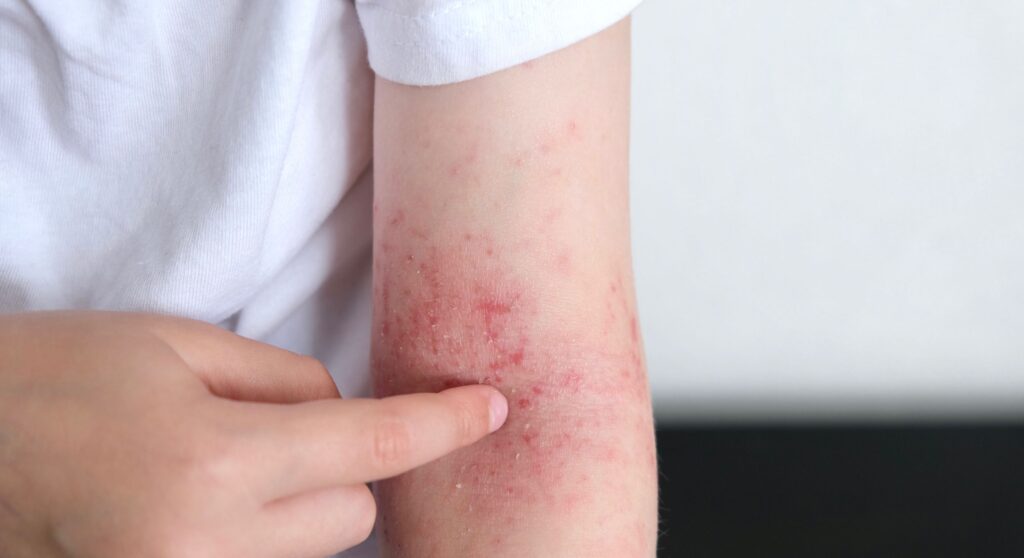
The timing of a skin reaction can offer important clues about its cause. You may notice that some rashes appear within hours of taking a new medication, while others develop days or even weeks later. Recognising when the reaction occurs helps dermatologists determine whether it is likely related to a drug or another factor.
- Immediate reactions: Reactions that appear within hours often involve allergic hypersensitivity. These can include hives, swelling, or redness shortly after taking a medication.
- Delayed reactions: Some reactions take days or weeks to appear. These typically involve immune mechanisms that require time to trigger, such as certain drug rashes or systemic reactions.
- Guides diagnostic evaluation: Knowing the timing helps dermatologists narrow down potential causes. A rash that appears soon after starting a new drug may point directly to that medication as the source.
- Supports further investigation: Understanding the timeline allows for targeted testing and monitoring. This ensures that the correct cause is identified and unnecessary treatments are avoided.
By paying attention to when a skin reaction develops, dermatologists can more accurately identify drug-related causes. This information is essential for providing effective and safe care.
Common Types of Drug-Induced Skin Reactions
Drug-induced skin reactions can take many different forms. One of the most common is a widespread red rash called a morbilliform eruption, which looks similar to rashes seen in viral infections. These rashes often appear several days after starting a new medication.
Other reactions may cause hives, swelling, or blistering. Certain drugs can trigger photosensitive rashes, which appear only on sun-exposed areas of the skin. Each type of reaction provides important clues for diagnosis.
Recognising these patterns helps dermatologists narrow down the possible causes. Visual assessment is usually the first step in identifying a drug-related reaction. Further tests or patient history may then confirm the diagnosis and guide treatment.
Morbilliform Drug Eruptions
Morbilliform eruptions are one of the most common types of drug-induced skin reactions. They usually present as widespread red spots or small bumps across the trunk and limbs. These rashes often appear several days after starting a new medication.
Itching is a common symptom that accompanies the rash. Although the appearance can look alarming, most cases are mild and self-limiting. The rash generally improves once the triggering medication is stopped.
Dermatologists identify morbilliform eruptions through careful visual examination. The pattern, distribution, and timing of the rash often provide clear diagnostic clues. Supportive treatments, such as soothing creams or antihistamines, can help relieve discomfort while the rash resolves.
Urticarial Drug Reactions
Some medications can trigger urticaria, commonly known as hives. These appear as raised, itchy welts on the skin that often change shape and move to different areas. The onset can be sudden, which may feel alarming. Despite their appearance, hives are usually temporary and manageable.
Urticarial reactions typically develop shortly after exposure to the drug. The immune system releases histamine and other inflammatory chemicals in response. This causes redness, swelling, and intense itching in the affected areas.
Although hives can be uncomfortable, they usually improve once the medication is stopped. Antihistamines can help control symptoms and provide relief. Consulting a doctor ensures that the reaction is managed safely and reduces the risk of complications.
Fixed Drug Eruptions
A fixed drug eruption is a distinctive type of medication-related skin reaction. You may notice a well-defined red or purple patch that appears in the same spot each time the drug is taken. These lesions can leave dark pigmentation after healing, making them easy to recognise once they recur.
- Rapid onset after exposure: Fixed drug eruptions usually develop within hours of taking the offending medication. This quick timing helps dermatologists link the reaction to the specific drug.
- Common locations: Lesions often appear on the lips, hands, or genital area. The consistent location across episodes is a key diagnostic clue.
- Recurrence pattern aids diagnosis: Because the rash returns to the same site each time the drug is used, dermatologists can identify the responsible medication more easily.
- Management and prevention: Avoiding the offending drug prevents future reactions. Topical treatments may help reduce inflammation and speed healing of the affected area.
Recognising the characteristic features of fixed drug eruptions allows dermatologists to act quickly. Early identification ensures appropriate management and helps you avoid repeated episodes.
Photosensitive Drug Reactions
Some medications can make your skin more sensitive to sunlight, leading to photosensitive drug reactions. When exposed to UV light, your skin may become red, burn, or even blister, often resembling a severe sunburn. Recognising these reactions early helps prevent discomfort and potential complications.
- Occurs on sun-exposed areas: The face, neck, and arms are commonly affected because they are most often uncovered. This distribution pattern provides a clue to the cause.
- Spares covered areas: Skin that remains covered by clothing typically stays unaffected. This clear distinction between exposed and protected areas helps dermatologists identify a photosensitive reaction.
- Symptoms resemble sunburn: Redness, burning, and occasional blistering mimic sunburn. Understanding this helps differentiate drug-related photosensitivity from other rashes.
- Sun protection is key: Avoiding direct sunlight, wearing protective clothing, and using broad-spectrum sunscreen are essential for managing symptoms.
By recognising the characteristic pattern of photosensitive drug reactions, dermatologists can provide targeted advice. Taking precautions against sun exposure reduces irritation and supports safer treatment while on the medication.
Severe Cutaneous Drug Reactions
Although most drug reactions are mild, some can be severe and potentially life-threatening. Conditions such as Stevens–Johnson syndrome or toxic epidermal necrolysis involve widespread skin damage. These reactions require urgent medical attention to prevent serious complications.
Severe cutaneous reactions often cause blistering, peeling skin, and intense redness. Patients may also experience systemic symptoms such as fever, fatigue, or body aches. Immediate discontinuation of the offending medication is essential to limit further harm.
Early recognition of these severe reactions greatly improves outcomes. Dermatologists often work closely with hospital specialists to manage these cases. Intensive medical care, sometimes including hospitalisation, is usually required to ensure patient safety and recovery.
Recognising Patterns in Drug Reactions
When evaluating drug reactions, dermatologists pay close attention to patterns in the skin. The shape, colour, and distribution of lesions provide important clues about the underlying cause. Recognising these visual features helps narrow down potential medications responsible for the reaction.
- Shape and colour of lesions: The appearance of a rash whether it is flat, raised, red, or purple can indicate the type of drug reaction. Different drugs often produce characteristic lesion types.
- Distribution on the body: Where the rash appears, such as on the trunk, limbs, or face, offers clues about the reaction. Some patterns are specific to certain medications.
- Drug-specific patterns: Antibiotics often cause morbilliform rashes, while anticonvulsants may trigger more complex immune-mediated reactions. Recognising these associations helps identify the culprit drug.
- Experience enhances recognition: Dermatologists develop the ability to spot these patterns quickly. This visual skill guides further investigation and informs treatment decisions.
By carefully analysing lesion patterns, dermatologists can efficiently determine the likely cause of a drug reaction. This approach ensures accurate diagnosis and helps prevent unnecessary treatments.
Taking a Detailed Medication History
Taking a detailed medication history is essential when evaluating skin reactions. Doctors ask about all recent prescriptions, over-the-counter medicines, and supplements. Even herbal or alternative products can sometimes trigger reactions.
The timing of each medication is compared with when symptoms first appeared. This helps clinicians pinpoint potential triggers. In some cases, multiple medications need to be assessed to determine the cause.
Accurate history-taking allows doctors to identify the most likely culprit. Patients may be advised to temporarily stop certain medications to see if symptoms improve. This approach helps confirm the diagnosis and guide further management.
The Role of Skin Biopsy
In some cases, a skin biopsy can help confirm a suspected drug reaction. The procedure involves taking a small sample of skin for microscopic examination. Pathologists then study the tissue structure and inflammatory patterns in detail.
Biopsy results can reveal characteristic features of drug-induced inflammation. These findings help distinguish medication reactions from other skin conditions. Combined with clinical assessment, the results support an accurate diagnosis.
Although a biopsy is not always required, it can provide valuable information when the cause of a rash is unclear. Dermatologists use this tool to guide treatment decisions. It ensures that management is targeted and appropriate for the specific reaction.
Managing Mild Drug Reactions
Most drug-related skin reactions are mild and improve once the offending medication is stopped. You may experience redness, itching, or mild swelling, which can be relieved with supportive treatments. These often include topical creams to reduce inflammation or oral antihistamines to ease itching.
- Stop the offending medication: Discontinuing the drug is the most important step in managing the reaction. Once the cause is removed, symptoms usually begin to settle.
- Use supportive treatments: Topical corticosteroids, soothing creams, or oral antihistamines can help reduce discomfort and inflammation. These measures make recovery more comfortable.
- Avoid future exposure: Patients should avoid the suspected drug in the future, and the reaction should be clearly documented in medical records. This prevents accidental re-exposure and potential recurrence.
- Monitor progress: Dermatologists will follow your symptoms until the rash fully resolves. Mild reactions typically improve within several days to a few weeks.
By following these steps, you can manage mild drug reactions safely and comfortably. Proper care and documentation help prevent future episodes and ensure your ongoing safety.
Treating Moderate Skin Reactions
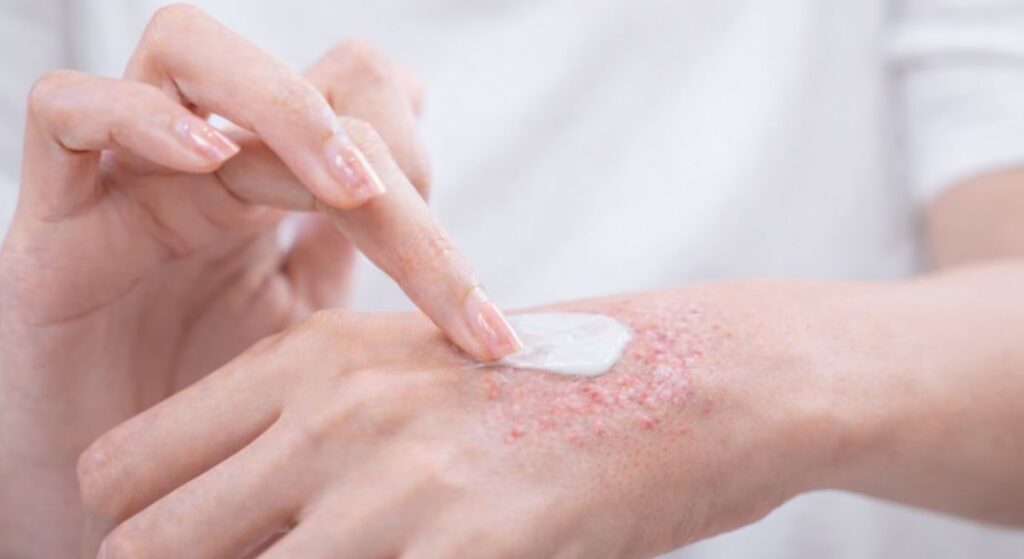
Moderate drug-induced skin reactions often require stronger anti-inflammatory treatments. Doctors may prescribe corticosteroids to reduce immune system activity and calm the skin’s response. These medications help relieve redness, swelling, and discomfort.
Patients are closely monitored during recovery to ensure that symptoms improve as expected. Follow-up appointments allow clinicians to assess progress and adjust treatment if necessary. Persistent or worsening symptoms may require further evaluation.
Supportive care also plays an important role. Keeping the skin well-hydrated and avoiding irritants helps protect the healing skin barrier. Gentle skincare promotes faster recovery and reduces the risk of additional complications.
Managing Severe Reactions
Severe drug reactions can be life-threatening and require urgent medical attention. These reactions may involve widespread skin damage, blistering, or systemic symptoms affecting organs. Immediate discontinuation of the offending medication is essential to prevent further harm.
- Hospital treatment may be necessary: In severe cases, patients often need inpatient care for close monitoring and supportive treatment. This ensures that both skin and systemic complications are managed safely.
- Control inflammation and immune response: Specialists may use systemic medications, such as corticosteroids or immunosuppressants, to reduce inflammation and regulate the immune system. Prompt treatment helps limit damage.
- Close monitoring is critical: Frequent assessment of vital signs, skin condition, and organ function allows clinicians to address complications early. This reduces the risk of long-term consequences.
- Early recognition improves outcomes: Identifying severe drug reactions quickly is vital for survival and recovery. Dermatologists play a key role in spotting warning signs and initiating rapid intervention.
By recognising and managing severe drug reactions promptly, healthcare professionals can stabilise patients and prevent serious complications. Swift action is crucial to ensure the best possible recovery.
Preventing Future Drug Reactions

Preventing future drug reactions starts with accurately identifying the medication that caused the initial reaction. Patients should inform all healthcare providers about any previous reactions. This helps ensure the same drug is avoided in the future.
Clear documentation in medical records is essential. Allergy or sensitivity information should be prominently recorded, and patients may also carry allergy identification cards. These measures help reduce the risk of accidental exposure during future treatments.
Education plays a key role in prevention. Understanding which medications caused past reactions allows patients to stay informed and vigilant. Being proactive improves safety and supports better long-term care.
The Importance of Dermatological Expertise
Diagnosing drug reactions can be complex and often requires specialist dermatological expertise. Skin patterns may resemble infections, autoimmune conditions, or other rashes, making subtle differences important to recognise. Experienced dermatologists can identify these nuances to provide an accurate diagnosis.
- Combine visual assessment with clinical history: Dermatologists consider your medical history, symptoms, and medication use alongside the appearance of lesions. This integrated approach helps pinpoint the likely cause.
- Use investigations to confirm diagnosis: Additional tests, such as blood work or skin biopsies, may be used when the reaction is unclear. These investigations support clinical findings and improve accuracy.
- Guide treatment and prevention: Expert evaluation ensures that you receive the correct treatment and know which medications to avoid in the future. This reduces the risk of recurrence or complications.
- Manage complex cases safely: Specialist knowledge is essential in severe or unusual drug reactions. Dermatologists can coordinate care and intervene promptly if complications arise.
Relying on dermatological expertise ensures that drug reactions are identified accurately and managed safely. This approach protects your health and supports effective, targeted treatment.
Advances in Understanding Drug Reactions
Medical research is continually improving our understanding of drug-induced skin reactions. Scientists are exploring how genetic factors affect individual susceptibility to these reactions. In the future, this knowledge may support personalised medicine approaches tailored to each patient.
Advances in immunology are also uncovering new mechanisms behind drug hypersensitivity. Understanding these pathways helps in developing more effective treatments and may improve early detection of severe reactions. This insight allows clinicians to intervene sooner and more safely.
As research progresses, management strategies for drug reactions continue to evolve. Dermatologists remain at the forefront of applying these findings in clinical practice. Improved understanding ultimately enhances patient care and outcomes.
Why Early Recognition Matters
Early recognition of drug reactions is crucial for preventing serious complications. If a rash or other skin changes appear shortly after starting a medication, prompt medical evaluation is important. Quick action can prevent the reaction from worsening.
Being aware of warning signs helps patients seek help without delay. Symptoms such as widespread rash, blistering, or fever need urgent attention. Early intervention significantly improves recovery and reduces risks.
Dermatologists play a key role in identifying drug-induced reactions. Their expertise allows them to determine the cause and recommend the most appropriate management. Early diagnosis is essential for protecting patient health and ensuring safe treatment.
FAQs:
1. What are cutaneous drug reactions?
Cutaneous drug reactions are changes in the skin that occur as a response to medications. These reactions can range from mild rashes to more serious inflammatory responses. The skin often shows symptoms first because it is highly visible and contains immune cells that respond rapidly to foreign substances, providing early clues about a drug’s effect on the body.
2. Why does the skin react before other organs?
The skin has a specialised immune system and is constantly monitoring for foreign substances, including medications. When a drug triggers an immune response, blood vessels and immune cells in the skin react quickly, producing visible changes such as redness, swelling, or itching. Other organs may be affected as well, but their symptoms are typically less immediately apparent.
3. How do dermatologists identify drug-induced rashes?
Dermatologists identify drug-induced rashes by examining the shape, colour, and distribution of lesions. They also consider the timing of the reaction relative to when a medication was started and assess the patient’s medical history. Patterns such as morbilliform eruptions, urticaria, fixed drug eruptions, or photosensitive reactions help clinicians narrow down which medication may be responsible.
4. What is a morbilliform drug eruption?
A morbilliform eruption is a widespread red rash that appears as small spots or bumps, often across the trunk and limbs. These rashes typically develop a few days after starting a new medication and may be accompanied by itching. Although they can look dramatic, most morbilliform eruptions are mild and resolve once the offending drug is discontinued.
5. How does timing help in diagnosing drug reactions?
The timing of a reaction is an important diagnostic tool because some reactions occur within hours, while others take days or weeks to develop. Immediate reactions often indicate an allergic hypersensitivity, whereas delayed reactions usually involve immune processes that take longer to manifest. Understanding the timeline allows dermatologists to pinpoint potential causes more accurately.
6. Can drug reactions be serious or life-threatening?
Yes, some drug reactions can be severe, such as Stevens–Johnson syndrome or toxic epidermal necrolysis, which involve widespread blistering and skin peeling. These conditions require urgent medical attention and hospitalisation. Early recognition and immediate discontinuation of the offending drug are critical for improving outcomes and preventing complications.
7. When is a skin biopsy needed for drug reactions?
A skin biopsy may be required when the appearance of a rash is unclear or atypical. The procedure involves examining a small sample of skin under a microscope to study the tissue structure and inflammatory patterns. Biopsy results can confirm or rule out a drug reaction and help distinguish it from other skin conditions, guiding accurate treatment.
8. How are mild and moderate drug reactions managed?
Mild reactions usually resolve once the medication is stopped, and supportive treatments like antihistamines or topical creams can relieve symptoms. Moderate reactions may require anti-inflammatory medications, such as corticosteroids, to control the immune response. Dermatologists monitor the patient closely and recommend gentle skincare to protect the healing skin barrier during recovery.
9. How can patients prevent future drug reactions?
Preventing future reactions begins with identifying the responsible medication. Patients should inform all healthcare providers about previous reactions and ensure their medical records clearly document any drug sensitivities. Using allergy identification cards and avoiding re-exposure to the offending drug are key preventive measures.
10. Why is dermatological expertise important in drug reactions?
Dermatological expertise is essential because drug reactions can mimic other conditions, including infections and autoimmune diseases. Experienced clinicians can recognise subtle patterns and differentiate between similar-looking rashes. Their knowledge allows for accurate diagnosis, appropriate management, and guidance on preventing future reactions, ensuring patient safety.
Final Thoughts: When to Seek Advice from a Dermatologist
Cutaneous drug reactions can vary from mild rashes to severe, potentially life-threatening conditions. Early recognition and proper management are essential to prevent complications and ensure your safety. Understanding the patterns, timing, and triggers of these reactions helps both you and your healthcare provider act promptly. If you experience a concerning skin reaction or want expert guidance on managing medication-related rashes, it’s best to consult a specialist. If you’d like to book a consultation with one of our dermatologists, you can contact us at the London Dermatology Centre. Their expertise ensures accurate diagnosis, effective treatment, and advice on preventing future drug reactions.
References:
- Del Pozzo‑Magaña, B.R. and Liy‑Wong, C. (2024) ‘Drugs and the skin: a concise review of cutaneous adverse drug reactions’, British Journal of Clinical Pharmacology, 90(8), pp. 1838–1855. Available at: https://pubmed.ncbi.nlm.nih.gov/35974692/
- Zalewska‑Janowska, A., Spiewak, R. and Kowalski, M.L. (2017) ‘Cutaneous manifestation of drug allergy and hypersensitivity’, Immunology and Allergy Clinics of North America, 37(1), pp. 165–181. Available at: https://pubmed.ncbi.nlm.nih.gov/27886905/
- Kowalska, J. and Wrześniok, D. (2024) ‘Skin‑Related Adverse Reactions Induced by Oral Antidiabetic Drugs A Review of Literature and Case Reports’, Pharmaceuticals, 17(7), 847. Available at: https://www.mdpi.com/1424-8247/17/7/847
- ‘Cutaneous Adverse Drug Reactions (CADRs) Statistical Analysis of the Causal Relationship between the Drug, Comorbidities, Cofactors, and the Cutaneous Reaction A Single‑Centered Study’, International Journal of Environmental Research and Public Health, 19(13), 7982. Available at: https://www.mdpi.com/1660-4601/19/13/7982
- Johnstone, P.A.S. (2021) ‘Cutaneous adverse drug reactions’, Medicine, 49(7), pp. 428–434. Available at: https://www.sciencedirect.com/science/article/abs/pii/S1357303921000955