



If you’ve ever waited months for a specialist appointment, it can feel baffling and frustrating. The reality is that dermatology faces significant workforce shortages, both in the UK and internationally. Rising patient demand, an ageing population, and increasingly complex cases have outpaced the growth of trained dermatologists. This imbalance means that access to timely care is inconsistent and often delayed.
These shortages have tangible consequences for patients. Long waits can postpone diagnosis, extend discomfort, and in some situations allow conditions to progress further than they would with prompt intervention. Chronic skin conditions, such as eczema or psoriasis, can worsen in the meantime, while urgent cases like skin cancers risk delayed treatment. For patients, these delays are stressful and can affect quality of life.
The data shows striking regional and systemic disparities. Some urban centres maintain relatively short wait times, while rural or underserved areas face months-long delays. Even within the same city, differences between NHS and private pathways can mean some patients access care almost immediately, while others struggle. Understanding these patterns helps explain the inconsistencies people experience in real life.
Rising Demand for Dermatology Services
Demand for dermatology has grown sharply over the past decade, driven by ageing populations and increased public awareness. Older patients require specialist input for chronic skin conditions, cancer checks, and post-treatment care, which consumes significant clinical time.
1. Ageing populations increase caseloads: Chronic conditions, skin monitoring, and preventive care for older adults create ongoing demand that stretches available resources.
2. Greater public awareness drives consultations: Education campaigns and online resources encourage earlier and more frequent visits, raising overall patient numbers.
3. Service pressures affect patient experience: Longer waiting lists, shorter consultations, and delayed follow-ups are common, even in well-resourced areas.
4. Alternative pathways ease strain: Private dermatology, teledermatology, and triage systems help manage demand and improve access for urgent or complex cases.
Understanding rising demand clarifies why patients may face delays and why strategic service expansion and alternative access models are increasingly vital for timely care.
Workforce Numbers in the UK
Recent figures show that the UK’s dermatology workforce has expanded only modestly, with consultant numbers rising by less than 2% per year over the last decade. Meanwhile, patient demand has increased much faster due to population growth, more referrals, and greater public awareness of skin health. This imbalance creates pressure on an already stretched system.
Regional disparities make access even more uneven. Urban centres, particularly London, tend to have more specialists, while rural and economically deprived areas face chronic shortages. Even in well-served regions, clinics often operate at or near full capacity, making timely appointments difficult to secure.
The limited workforce impacts all aspects of care. Routine consultations are delayed, and urgent referrals, including suspected skin cancer cases, compete for the same limited pool of consultants. As a result, non-urgent care can be postponed, highlighting the real-world consequences of workforce constraints for patients.
Training Bottlenecks and Capacity Constraints
One reason dermatology shortages persist is the slow pace of training expansion. Becoming a consultant takes over a decade, including foundation years, core medical training, and specialist registrar rotations. The long pathway makes it difficult to rapidly increase the workforce in response to rising demand.
Training posts are limited by funding, faculty availability, and the need to maintain high clinical standards. Expanding positions too quickly without proper supervision or infrastructure could compromise the quality of care. This creates a bottleneck where the system cannot produce enough fully trained specialists to meet patient needs.
Even after consultants qualify, workforce capacity is not guaranteed. Early retirement, part-time working, and portfolio careers reduce the number of patient-facing sessions available. Effective planning therefore requires considering not just headcount but the actual hours of clinical availability to deliver timely care.
The Impact of Shortages on Waiting Times
Waiting times are the most obvious consequence of dermatologist shortages. In many NHS regions, routine appointments can take months to secure, while follow-up consultations are often pushed even further back. This delay affects both patient experience and continuity of care.
Urgent referrals, such as the two-week-wait skin cancer pathway, add extra strain to an already pressured system. These cases are rightly prioritised, but the knock-on effect is longer waits for non-urgent patients. The imbalance between demand and capacity becomes apparent across routine and urgent care alike.
For patients, these delays are more than an inconvenience. Frustration, anxiety, and uncertainty about the severity of a condition are common. Prolonged waiting can allow conditions to worsen, necessitate more complex interventions, and negatively impact mental wellbeing, highlighting the human cost of workforce shortages.
Delayed Diagnoses and Clinical Consequences
Dermatologist shortages carry serious clinical implications beyond mere inconvenience. Delayed assessment can result in late diagnosis of skin cancers, worsening of chronic inflammatory conditions like eczema and psoriasis, and missed opportunities for early intervention. Timing can be critical, particularly for conditions where early treatment prevents progression.
Even so-called non-urgent conditions can deteriorate without timely specialist input. Persistent rashes, infections, or scarring disorders may lead to long-term physical changes and psychological impact. What starts as a manageable issue can become more complex and harder to treat.
For patients, it’s important to recognise that these delays stem from systemic constraints rather than negligence. Understanding this distinction helps manage expectations and informs decisions about alternative care pathways, including private consultations or digital dermatology services. Awareness empowers patients to navigate the system proactively.
Private Dermatology as a Pressure-Release Valve

When public systems are stretched, private dermatology offers an alternative route for patients. Appointments that might take months on the NHS can often be secured within days in private clinics, providing faster access to assessment and treatment. This can be particularly valuable for patients with persistent or worrying conditions.
However, reliance on private care also highlights systemic inequities. Many specialists split their time between NHS and private practice, which can reduce public availability in areas of high demand. While it improves access for those who can afford it, it does little to address the underlying workforce shortage.
For patients considering private care, quality is generally comparable to the NHS. The main difference lies in speed, convenience, and often longer consultation times. Choosing an experienced dermatologist in London or other major centres can provide reassurance and timely treatment, helping avoid delays while maintaining high standards of care.
International Workforce Comparisons
The UK is far from unique in facing dermatologist shortages. Across the globe, specialist density varies widely, with high-income countries generally offering better access, though urban-rural disparities remain significant. In many low- and middle-income nations, there may be fewer than one dermatologist per million people, leaving large populations without timely specialist care.
Migration patterns further intensify the problem. Specialists trained in low-income countries often move to higher-income systems for better opportunities, creating a brain drain that leaves their home populations underserved. This dynamic compounds existing inequalities and stretches remaining resources even thinner.
Recognising these international trends shows that dermatology shortages are structural and systemic. They are driven by workforce planning, training bottlenecks, and global mobility rather than isolated issues in any single country. Understanding this context helps frame solutions and highlights why coordinated strategies are essential.
Regional Disparities Within the UK
Even within the UK, access to dermatology services is highly uneven. London and other major cities tend to have a higher concentration of consultants, while northern regions and rural areas often face chronic under-supply. This imbalance creates significant differences in service availability depending on location.
As a result, waiting times and access to advanced treatments or subspecialty services vary widely. Patients in underserved regions may need to travel long distances or wait months for routine appointments, which can delay diagnosis and treatment.
Many turn to private services to bridge the gap, though this introduces financial considerations and highlights systemic inequities. For patients, understanding regional disparities can help set realistic expectations and inform decisions about where and how to seek care efficiently.
The Role of Digital Dermatology
Teledermatology has become an increasingly important tool to ease workforce pressures. Remote, image-based consultations allow urgent cases to be prioritised, reduce unnecessary in-person visits, and improve overall clinic efficiency. For many patients, this means quicker initial assessments and faster guidance on whether face-to-face care is required.
Despite these advantages, digital care has clear limitations. Physical examination, palpation, and dermoscopic assessment remain crucial for accurate diagnosis and treatment planning in many conditions. Images alone cannot capture texture, subtle colour changes, or other tactile cues that inform clinical decisions.
For patients, teledermatology is best viewed as a triage and convenience tool rather than a full replacement for in-person care. It can streamline access, guide next steps, and reduce unnecessary travel, but seeing a qualified specialist remains essential for complex, urgent, or unclear cases.
How Shortages Affect Chronic Disease Management
Chronic skin conditions like eczema, psoriasis, and acne need consistent specialist oversight to manage flares and adjust treatments. When dermatologists are in short supply, follow-up appointments are often delayed, leaving patients without timely guidance. Slow adjustments to therapy can undermine effectiveness and frustrate patients trying to manage their condition.
Delays and interruptions in care can trigger flare-ups and increase the risk of complications. Persistent symptoms may require more intensive treatment later, which can drive up long-term healthcare costs. Patients also face additional stress as their condition becomes harder to control, affecting both physical and mental wellbeing.
The emotional impact of these delays is significant. Anxiety, low confidence, and frustration are common, particularly when patients feel they are doing everything right but still cannot access timely care. Understanding the systemic nature of these delays helps patients make informed decisions about alternative pathways and self-management strategies.
Economic and Social Implications
Shortages in dermatology affect more than health they have wide-reaching economic and social consequences. Delayed treatment often necessitates intensive therapies, hospitalisation, or systemic medications that early intervention could have avoided, increasing healthcare costs.
1. Healthcare system burden rises: Late presentations and complex cases drive up resource use, straining already limited budgets.
2. Patients face financial strain: Time off work, travel to distant specialists, and reliance on private care all add economic pressure.
3. Social and psychological impact: Chronic or visible skin conditions can reduce confidence, limit social participation, and create stigma.
4. Quality of life is interconnected: Health delays cascade into economic and social challenges, showing how specialist access affects overall wellbeing.
Understanding these consequences highlights why workforce planning, innovative care pathways, and accessible dermatology services are essential for both personal and societal health.
Future Workforce Planning and Solutions
Tackling dermatologist shortages requires long-term, strategic planning. Expanding training posts, improving retention, and offering incentives for rural practice are key steps. Supporting portfolio careers that protect patient-facing hours also helps maintain consistent clinical capacity without overloading individual consultants.
International collaboration and telemedicine expansion can further ease pressure on services. Optimising referral pathways ensures that urgent cases reach specialists quickly while routine concerns are triaged efficiently. Balancing commitments between NHS and private practice is another way to maximise clinical capacity without undermining equity.
Effective workforce modelling must consider projected demand, part-time work patterns, and emerging health trends, including rising skin cancer incidence. Planning with these factors in mind allows healthcare systems to respond proactively, rather than reactively, and helps ensure timely, equitable care for patients in the years ahead.
What Patients Can Do
As a patient, taking a proactive approach can make a real difference. Requesting early referrals, preparing informed questions, and exploring digital or private care options helps you access timely assessment and treatment. Small actions like these can reduce frustration and improve outcomes.
Understanding the pressures on the system also helps set realistic expectations. Knowing that delays often reflect workforce constraints rather than individual oversight can reduce anxiety and support better decision-making.
Being aware of your options including access to a trusted dermatologist in London or other major centres can make a meaningful difference. Timely, informed choices help you navigate the system more effectively while maintaining confidence in the care you receive.
Patient Experience: How Shortages Affect Daily Life
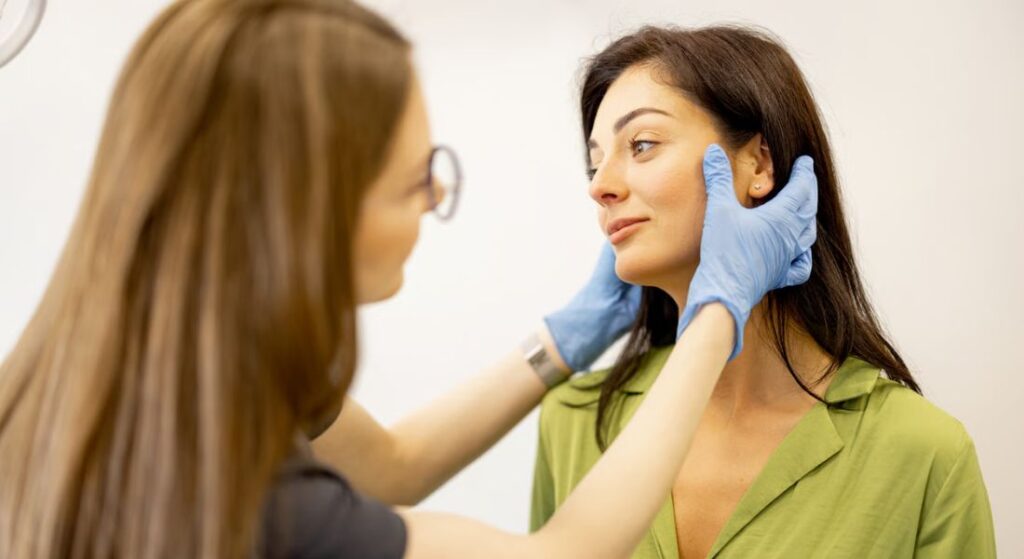
Waiting months for a dermatology appointment is more than an inconvenience it impacts daily life in tangible ways. Persistent rashes, acne flare-ups, eczema, or undiagnosed lesions can disrupt sleep, work, and social interactions. Anxiety often builds while waiting, as patients worry about the severity or progression of their condition.
Shortages also change how patients interact with primary care. GPs frequently manage complex dermatological issues by default, even when specialist input would be ideal. While most GPs provide excellent care, rare or complicated conditions can be harder to diagnose accurately, delaying effective treatment.
Many patients adapt by turning to over-the-counter remedies or alternative treatments. These can offer temporary relief but may mask worsening conditions, leading to further delays before a proper diagnosis is made. Understanding these challenges helps patients make informed decisions and navigate the system more effectively.
Specialist Burnout and Its Ripple Effects
Dermatologist shortages take a toll on the specialists themselves. High patient volumes, long hours, and constant pressure to meet referral targets contribute to burnout, which can reduce clinical effectiveness and increase absenteeism. In some cases, it even leads to early retirement, further worsening workforce gaps.
When consultants are overstretched, appointment slots shrink, follow-ups are delayed, and continuity of care suffers. Patients feel this impact directly through longer waits, shorter consultations, and less personalised attention.
Addressing shortages isn’t just about training more dermatologists; it’s also about supporting the existing workforce. Providing adequate resources, manageable caseloads, and professional support helps specialists remain productive, engaged, and able to deliver high-quality care.
Regional Shortages and NHS Pressures
Certain NHS regions experience particularly acute dermatology shortages, especially outside London and other major cities. Rural areas, northern England, and economically disadvantaged regions often have fewer clinics per capita, limiting patient access to specialist care.
As a result, patients in these areas may face long travel times, extended waits, or need to turn to private care if affordable. This explains why two patients with the same condition can have vastly different experiences depending on where they live.
Hospitals in shortage regions are under additional pressure to prioritise urgent referrals. Routine skin checks and ongoing management of chronic conditions may be postponed, affecting patient outcomes and continuity of care.
Global Comparisons: How the UK Stacks Up
The UK has a relatively strong dermatology workforce, but access challenges remain. Compared with countries like Germany, Japan, and South Korea, dermatologist-to-population ratios are lower, often resulting in longer waits for consultations and follow-ups.
1. Higher ratios improve access elsewhere: Nations with more dermatologists per capita typically offer shorter waiting times and greater service availability, particularly in cities.
2. Low- and middle-income countries face severe shortages: Some operate with fewer than one dermatologist per million people, leaving large populations without timely care.
3. Specialist migration impacts equity: Doctors moving from low-resource regions to higher-income countries improve care in destination areas but worsen shortages in their countries of origin.
4. Workforce planning must be global: Addressing access requires considering international flows of specialists and global disparities, not just local supply.
These comparisons underline that dermatology shortages are a worldwide challenge, influencing both care quality and timeliness across different health systems.
Teledermatology: Bridging the Gap

Teledermatology is increasingly used to ease pressure on overstretched NHS services. By submitting high-quality images, patients can have their cases triaged remotely, allowing urgent or complex conditions to be prioritised for in-person review.
While this approach speeds up initial assessments, it cannot replace face-to-face evaluation. Certain conditions require dermoscopy, palpation, or other physical examination techniques that digital platforms cannot replicate.
For patients, teledermatology offers faster guidance and helps determine which cases need urgent specialist attention. It is particularly useful in areas with limited local access, providing a practical bridge while waiting for in-person care.
FAQs
1. Why are dermatology appointments taking so long in the UK?
Workforce shortages, rising patient demand, and regional disparities mean many clinics operate at full capacity, delaying routine and follow-up appointments.
2. How do dermatologist shortages affect the diagnosis of serious conditions like skin cancer?
Delays in accessing specialists can postpone early detection and treatment, increasing the risk of disease progression.
3. What causes dermatology workforce shortages in the UK?
Factors include limited training posts, lengthy specialist pathways, early retirements, part-time working patterns, and regional imbalances.
4. Can private dermatology help reduce waiting times?
Yes, private clinics offer faster access, often within days, but availability depends on cost and does not solve systemic NHS shortages.
5. How does teledermatology work and can it replace in-person appointments?
Teledermatology enables remote triage and faster initial assessments but cannot replace full face-to-face evaluation for complex or urgent cases.
6. Why are rural and underserved areas particularly affected?
Fewer consultants and clinics per capita, combined with travel barriers, create longer waits and reduced access to advanced treatments.
7. How do dermatology shortages impact chronic skin conditions like eczema or psoriasis?
Delayed follow-ups and therapy adjustments can worsen symptoms, trigger flare-ups, and increase long-term treatment complexity.
8. What are the broader economic and social consequences of dermatology shortages?
Delayed care increases healthcare costs, causes financial strain for patients, and impacts quality of life, confidence, and social participation.
9. How do UK dermatologist numbers compare internationally?
High-income countries generally have better access, but urban-rural disparities exist worldwide. Many low- and middle-income nations operate with fewer than one dermatologist per million people.
10. What can patients do to navigate delays and access care more effectively?
Request early referrals, prepare questions in advance, explore private or digital dermatology options, and understand that delays often reflect systemic pressures, not negligence.
Final Thoughts: Navigating Dermatologist Shortages
Dermatologist shortages influence diagnosis, treatment speed, and overall patient wellbeing, making proactive steps essential. Exploring teledermatology, early referrals, or private care can reduce delays and improve outcomes.
These shortages also affect daily life, chronic condition management, and mental wellbeing, highlighting the need to understand system pressures. If you’d like to book a consultation with one of our dermatologists, you can contact us at the London Dermatology Centre for timely, expert care.
References:
- Alzahrani, S., et al. (2021) ‘A Comprehensive Evaluation and Benchmarking of Convolutional Neural Networks for Melanoma Diagnosis https://www.mdpi.com/2072-6694/13/17/4494
- Costa, D. (2026) ‘A Comprehensive Review of Medical Deserts’, Safety, https://www.mdpi.com/2305-6703/6/1/6
- Resneck Jr, J. and Kimball, A.B. (2004) ‘The dermatology workforce shortage’, Journal of the American Academy of Dermatology https://pubmed.ncbi.nlm.nih.gov/14699364/
- Buster, K.J., et al. (2023) ‘Limited Access to Dermatology Specialty Care: Barriers and Teledermatology’, Journal of Clinical and Aesthetic Dermatology, https://pmc.ncbi.nlm.nih.gov/articles/PMC9946088/
- Passby, L., Bardhan, A. and Griffiths, T., et al. (2025) ‘Findings of the British Association of Dermatologists career survey of dermatologists in training and new consultant dermatologists https://academic.oup.com/ced/article-abstract/50/4/845/7841117