



If you have ever wondered how doctors stay updated with the latest developments in skin care, a key part of the answer is dermatology conferences. These events bring together specialists, researchers, and clinicians to share new findings and practical experiences. While they may seem academic, their impact is very real in everyday clinical practice. They often shape how you are diagnosed and treated in clinics.
At these conferences, a dermatologist may present new research, review clinical studies, and discuss outcomes from emerging treatments. This information is carefully evaluated by other specialists to determine what is safe and effective. When strong evidence supports a new approach, it can gradually be introduced into standard clinical practice. This is how medical progress moves from research to real-world care for you.
Over time, these updates influence the treatments you receive during consultations. Doctors incorporate new techniques, medications, or diagnostic methods based on the latest evidence shared at these events. This ensures that your care continues to evolve and improve. In this way, dermatology conferences play an important role in bringing advanced medical knowledge directly into your treatment.
What Happens at Dermatology Conferences
At dermatology conferences, you see skin specialists from around the world coming together to share knowledge and stay updated on the latest developments in the field. These events play an important role in advancing medical understanding and improving your patient care. They work as a platform where clinical experience and scientific research come together.
At these conferences, you will find doctors presenting new research findings, sharing detailed clinical case studies, and discussing real-world treatment outcomes. A dermatologist may also demonstrate new treatment techniques and review how they perform in practice. This helps other specialists learn from recent advances and apply them in their own clinical work.
You will also notice that emerging technologies and innovative treatment approaches are a key focus of discussion. Experts evaluate new tools, medications, and procedures to determine how effective and safe they are. In this way, medical knowledge is continuously exchanged, tested, and refined. This ongoing collaboration helps improve the standards of dermatology care that you receive globally.
How Research Becomes Real Treatment
Not every new idea or finding presented at a medical conference is immediately used in your everyday clinical care. In eye care and other medical fields, research has to go through a careful and structured process before it becomes a standard treatment. This ensures that any new approach is both safe and effective for you as a patient. It also gives time for proper evaluation by multiple experts before it is widely adopted.
- Research is presented: New studies and findings are first shared at conferences or in medical journals. This allows researchers to introduce new ideas and potential treatments. At this stage, the focus is on sharing results and encouraging discussion among experts.
- Other experts review and critique it: Once it has been presented, other specialists carefully review the research. They assess the methods, results, and reliability of the findings. This peer review process helps ensure the information you receive is accurate and credible.
- Larger clinical trials may follow: If the initial research shows promise, larger clinical trials are carried out. These trials involve more patients and longer observation periods. This step helps confirm whether the treatment is truly effective and safe for you.
- Successful treatments are gradually introduced into clinics: Only after thorough testing and approval are new treatments introduced into everyday practice. Even then, adoption is usually gradual to maintain consistency and safety. This careful approach helps protect you while improving care over time.
This structured process ensures that only proven and reliable treatments reach you as a patient. It reduces risks and maintains high standards in medical care. By following this pathway, eye care professionals can confidently offer treatments based on strong scientific evidence. Ultimately, it helps ensure safer and more effective outcomes for you.
The Role of Evidence-Based Medicine
Modern dermatology is guided by evidence-based medicine, which means that your treatment decisions are based on reliable scientific research rather than opinion or tradition. This approach ensures that you receive care that has been properly tested and proven to work. It also helps maintain high standards of safety and effectiveness in clinical practice.
Before a treatment is widely adopted, it must be supported by strong clinical data collected through well-designed studies. These studies are reviewed to confirm that results are consistent and reproducible across different patient groups. A dermatologist relies on this evidence when deciding which treatments to use in practice, ensuring that your care is based on facts rather than assumptions.
Safety is also a major requirement, and treatments are only introduced when they have been thoroughly evaluated for potential risks and side effects. Dermatology conferences play an important role in sharing this evidence early, allowing specialists like your dermatologist to stay informed about new developments. This continuous exchange of research helps improve your care and keeps clinical practice up to date.
Advancements in Acne Treatment
One of the most frequently discussed areas at dermatology conferences is acne management, since it remains one of the most common skin conditions treated in your clinical practice. Ongoing research continuously improves how acne is understood and managed. This helps doctors refine treatment strategies for better outcomes for you as a patient.
A dermatologist may learn about new developments such as improved topical medications designed to target acne more effectively with fewer side effects. There are also advances in laser therapies that aim to reduce inflammation and improve your skin’s appearance. These treatments are typically developed through extensive clinical research before they are introduced into everyday practice.
Another important area of progress is the use of combination treatment approaches, where different therapies are used together to achieve better results for you. These innovations usually begin as research presentations at conferences, where early data is shared and evaluated by specialists. Over time, successful treatments become more widely available in clinics, helping to improve care for patients dealing with acne.
Breakthroughs in Skin Cancer Detection
Dermatology conferences place strong emphasis on skin cancer research because early detection is crucial for improving survival and treatment outcomes. These events help you stay updated on the latest diagnostic methods and technological advancements. This knowledge is then gradually introduced into clinical practice, improving your care over time.
A dermatologist may learn about improved early detection techniques that help identify suspicious skin lesions at a much earlier stage. Conferences also highlight the use of AI-assisted imaging tools, which can support more accurate analysis of skin changes. These technologies help doctors assess risk more efficiently and consistently for you.
In addition, advancements in biopsy methods are frequently discussed, with a focus on making procedures more precise and less invasive where possible. These innovations help ensure that suspicious areas are tested quickly and accurately. As a result, earlier diagnosis becomes more achievable for you, which can significantly improve outcomes and treatment success rates.
Improvements in Eczema and Psoriasis Care
Chronic skin conditions such as eczema and psoriasis are long-term inflammatory diseases that require continuous research and updated treatment approaches. Dermatology conferences play an important role in sharing new findings that help improve how these conditions are managed in your everyday clinical care. This leads to more effective and personalised treatment for you as a patient.
A dermatologist may learn about new biologic medications that target specific parts of the immune system responsible for inflammation. These treatments are usually developed through extensive research and clinical trials before they are introduced into practice. Conferences also highlight improved strategies for controlling inflammation more effectively and safely over time for you.
In addition, doctors are introduced to better long-term management techniques that focus on reducing flare-ups and improving your skin health over time. These advancements help you achieve more stable symptom control and a better quality of life. As research continues to evolve, treatment options for eczema and psoriasis become increasingly effective and more tailored to your individual needs.
The Impact on Cosmetic Dermatology
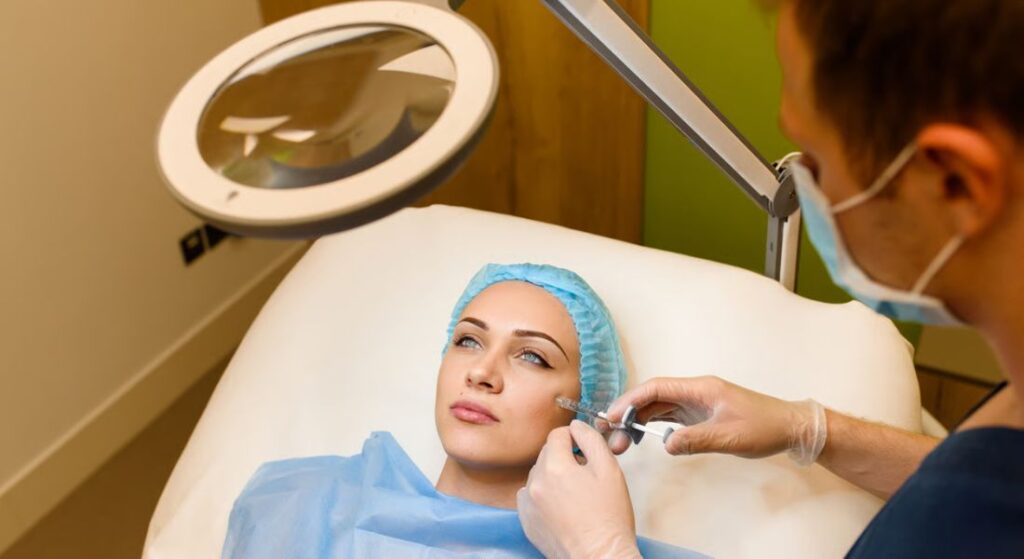
Cosmetic dermatology is strongly influenced by ongoing research shared at medical conferences. These events allow you to understand new techniques, products, and technologies that can improve both safety and results in aesthetic treatments. As new evidence becomes available, it gradually shapes how procedures are performed in clinics. This ensures that cosmetic treatments continue to evolve in line with scientific progress and your expectations.
- Safer injectables: Research helps improve the formulation and application of injectable treatments such as dermal fillers and botulinum-based products. These advancements aim to reduce side effects and improve predictability. As a result, you benefit from safer and more controlled outcomes.
- Improved laser technology: Laser treatments have become more precise due to ongoing technological development. Newer devices allow for better targeting of skin concerns with reduced risk of damage to surrounding tissue. This leads to more comfortable procedures and faster recovery times for you.
- More natural-looking aesthetic results: Modern techniques focus increasingly on achieving subtle and balanced results rather than exaggerated changes. This approach is guided by research into facial anatomy and ageing patterns. The goal is to enhance your appearance while maintaining a natural look.
These innovations have significantly improved both the safety and effectiveness of cosmetic dermatology procedures. You now have access to treatments that are more refined, predictable, and tailored to individual needs. Continuous research ensures that standards keep improving over time. This ultimately leads to better outcomes and higher satisfaction for you.
Technology Shaping Modern Dermatology
Technology plays a central role in modern dermatology, and it is one of the most important topics discussed at dermatology conferences. These advancements are transforming how your skin conditions are diagnosed, monitored, and treated in everyday clinical practice. As a result, you benefit from more precise and efficient care.
A dermatologist can now use high-resolution skin imaging systems to examine your skin lesions in much greater detail than before. Artificial intelligence tools are also being introduced to support diagnostic decisions by analysing patterns in skin changes and highlighting potential concerns. These innovations help improve accuracy and early detection for you.
In addition, advanced laser systems are widely discussed and refined at conferences, offering more targeted and effective treatment options for various skin conditions. These technologies allow dermatologists to make more informed clinical decisions in your care. Overall, technology continues to significantly enhance the quality and precision of dermatological treatment you receive.
How Doctors Apply Conference Knowledge
Once doctors return from dermatology conferences, they begin the process of carefully integrating newly acquired knowledge into your clinical practice. This is an important step in ensuring that medical progress actually benefits you in real-world care. It allows scientific developments to gradually become part of your everyday treatment.
A dermatologist may start by updating treatment protocols based on strong evidence presented at the conference. This can include introducing new therapies that have shown better outcomes in clinical studies or refining existing treatment approaches for you. In some cases, diagnostic methods are also adjusted to reflect the latest research findings.
However, any changes are always implemented cautiously and gradually to ensure your safety. Doctors evaluate the strength of the evidence and consider how it applies to your individual situation before making adjustments. This careful approach ensures that improvements in dermatology are both effective and safe when applied to your care.
Why Not All New Research Is Used Immediately
Even when a new treatment or technology shows promising results in early studies, it is not immediately introduced into your everyday medical care. In healthcare, especially in fields like dermatology and eye care, your safety is always the top priority. New ideas must go through several stages of evaluation before they are considered reliable enough for routine use. This careful process helps ensure that treatments are both safe and genuinely effective in the long term for you.
- Long-term safety data: Doctors need evidence that a treatment remains safe for you over an extended period of time. Short-term results alone are not enough to confirm lasting safety. Monitoring over months or years helps identify any delayed side effects or complications that could affect you.
- Regulatory approval: Before a treatment can be widely used, it must be approved by relevant health authorities. These regulatory bodies review clinical data to ensure that safety and effectiveness standards are met. Without this approval, treatments cannot be introduced into standard care for you.
- Real-world effectiveness: A treatment that works well in controlled studies may perform differently in your everyday clinical settings. Doctors need to see how it works across a broader and more diverse group of patients. This helps confirm that results are consistent and reliable in real-life conditions for people like you.
This cautious approach ensures that you are not exposed to unnecessary risks from unproven treatments. It also maintains high standards of medical care and trust within the profession. By thoroughly evaluating new research before adoption, doctors can make safer and more informed decisions for you. Ultimately, this process protects you while allowing medicine to advance responsibly.
The Importance of Clinical Trials
Before any new treatment becomes a standard part of dermatology practice, it must go through carefully controlled clinical trials. These trials are essential for ensuring that new therapies are both safe and effective before they are widely used on you as a patient. They form a key part of the evidence-based medical process.
A dermatologist may be involved in or review clinical trials that test new treatments on real patients under strict monitoring conditions. These studies often compare new therapies with existing standard treatments to determine whether they offer any real advantage for you. They also assess side effects and overall safety profiles in a controlled environment.
In addition, clinical trials measure long-term outcomes to understand how treatments perform over time, not just in the short term. Discussions at dermatology conferences often help shape the direction of these trials by highlighting promising research areas. This ensures that future treatments are guided by strong scientific evidence and real-world clinical needs for your care.
Continuous Medical Education for Dermatologists
Continuous medical education is an essential part of a dermatologist’s professional development. Medicine is constantly evolving, and new research, treatments, and technologies are regularly introduced. Because of this, dermatologists must continually update their knowledge and clinical skills throughout their careers. This ensures that you receive care aligned with the latest standards in patient treatment.
A dermatologist does this through a combination of activities such as attending conferences, completing advanced training courses, and regularly reviewing new scientific research. These opportunities allow them to stay informed about emerging treatments and updated clinical guidelines. They also help reinforce safe and effective decision-making in your care.
By engaging in continuous learning, dermatologists ensure that you benefit from the most up-to-date and evidence-based care available. This ongoing education helps improve your treatment outcomes and maintains high standards within the specialty. Ultimately, it ensures that clinical practice continues to evolve alongside medical advancements.
How Patients Benefit from Conference Research
Ultimately, the main purpose of dermatology conferences is to improve your care in real-world clinical settings. While these events may seem focused on researchers and specialists, the findings discussed often lead to meaningful improvements in your everyday treatment. Over time, new evidence is carefully reviewed, tested, and integrated into practice when proven safe and effective. This ensures that you directly benefit from ongoing medical progress.
- Faster diagnosis: New research and improved diagnostic techniques help doctors identify your skin conditions more quickly. Early recognition means your treatment can begin sooner, which often leads to better results. This reduces the risk of conditions becoming more severe over time for you.
- More effective treatments: Advances shared at conferences often lead to the development of more targeted and efficient treatments. These improvements can enhance how well your condition responds to therapy. As a result, you may experience better outcomes with fewer complications.
- Safer procedures: Ongoing research contributes to making dermatological procedures safer and more predictable for you. New techniques and technologies are designed to minimise risks and side effects. This helps ensure a higher standard of safety during your treatment.
- Better long-term outcomes: When diagnosis, treatment, and safety all improve, your long-term outcomes also get better. Conditions can be managed more effectively, reducing recurrence or progression. This leads to improved overall skin health and quality of life for you.
Medical progress from conferences gradually translates into better everyday care. Although changes may take time to become standard practice, they are based on strong scientific evidence. This careful integration ensures that improvements are both safe and reliable for you. Ultimately, you benefit from more advanced, effective, and safer dermatological care.
The Role of Specialist Clinics

Specialist dermatology clinics often play an important role in bringing new medical knowledge from conferences into your everyday care. These centres are typically more closely connected to ongoing research and are quicker to adopt validated innovations in diagnosis and treatment. This helps bridge the gap between academic findings and your clinical care.
A dermatologist working in a specialist setting, such as a dermatologist in London at London Dermatology Centre, may integrate advanced diagnostic tools or updated treatment protocols based on the latest research presented at conferences. This can include improved imaging techniques, newer medications, or refined procedural methods. These updates are only introduced after careful evaluation of safety and effectiveness for you.
By applying evidence-based advancements in this way, specialist clinics help ensure that you receive modern, up-to-date dermatology care. This approach supports more accurate diagnoses, improved treatment outcomes, and overall higher standards of care for you.
Collaboration Between Experts
Dermatology conferences play a key role in encouraging collaboration between specialists from different regions and healthcare systems. They create a platform where you can see how professionals share knowledge and learn from each other’s clinical experiences. This exchange of ideas helps improve consistency and quality in patient care worldwide.
A dermatologist attending these events may share treatment experiences, compare patient outcomes, and discuss complex or unusual cases with international colleagues. These discussions often provide new perspectives on challenging conditions and help refine clinical decision-making for your care. They also allow doctors to learn how different treatment approaches perform in various patient populations.
This global exchange of knowledge contributes to raising overall medical standards in dermatology. By working collaboratively, experts help ensure that best practices are identified, tested, and shared more widely. As a result, you benefit from more informed, effective, and up-to-date care across different healthcare settings.
Why Innovation Takes Time to Reach Clinics
Even when a breakthrough is presented at a dermatology conference, it does not immediately become part of your everyday clinical care. Medical innovation must go through a careful and structured process before it is widely adopted. This ensures that any new approach is both safe and effective for you as a patient.
A dermatologist may only begin using a new treatment or technique after further studies confirm its long-term safety and effectiveness. In many cases, additional research is required to validate the initial findings presented at conferences. Clinical guidelines also need to be reviewed and updated by professional bodies before changes are officially recommended for your care.
Training is another important step, as clinicians must be properly educated in how to use new technologies or treatments safely and correctly. This gradual process helps prevent errors and ensures consistent standards of care for you. Overall, the time taken to implement innovation is essential for maintaining reliability, safety, and high-quality patient outcomes.
The Future of Dermatology Care
Dermatology conferences continue to play a major role in shaping the future of your skin care by introducing new ideas, technologies, and treatment approaches. These developments gradually move from research settings into your everyday clinical care, improving how you are diagnosed and treated. This ongoing evolution ensures that dermatology remains a fast-moving and innovative field.
A dermatologist is likely to see increasing use of personalisedssss treatments that are tailored to your skin type, genetics, and medical history. Artificial intelligence is also expected to play a larger role in diagnostics, helping to identify your skin conditions more quickly and accurately. These tools can support clinical decision-making and improve early detection rates for you.
In addition, improvements in minimally invasive procedures are expected to make your treatments more comfortable, with shorter recovery times and better cosmetic outcomes. Over time, these advancements will continue to enhance your care and improve long-term results. The future of dermatology is therefore focused on precision, technology, and patient-centred treatment approaches for you.
Why Staying Updated Matters for Doctors

For dermatologists, staying updated with the latest medical knowledge is essential to providing safe and effective care for you as a patient. Medicine evolves quickly, and new research can significantly change how your skin conditions are diagnosed and treated. Without continuous learning, clinical practice can fall behind current standards.
A dermatologist who does not engage in ongoing education risks using outdated treatments or less effective diagnostic approaches for your care. This can potentially affect the accuracy of diagnoses and the quality of your outcomes. As medical evidence improves, older methods may no longer be considered best practice.
For this reason, dermatology conferences and continued medical education play a crucial role in keeping doctors informed. They ensure that clinicians are aware of the latest research, technologies, and treatment guidelines. This helps maintain high standards of care and ensures that you receive the most up-to-date and effective treatment available.
FAQs:
1. What is the main purpose of dermatology conferences?
Dermatology conferences are designed to share new research, clinical findings, and treatment developments among specialists. They help doctors stay updated and improve patient care.
2. Do dermatology conferences directly change patient treatments?
Not immediately. New findings are reviewed, tested, and validated before being introduced into everyday clinical practice. Over time, they do influence treatment approaches in clinics.
3. Why are dermatology conferences important for patients?
They ensure doctors are aware of the latest, safest, and most effective treatments. This leads to better diagnosis, improved therapies, and higher standards of care.
4. How does research from conferences become a treatment?
Research goes through peer review, clinical trials, and regulatory approval before it is adopted. Only proven and safe treatments are used in routine practice.
5. Do all new dermatology treatments presented at conferences get used?
No. Only treatments that show strong scientific evidence, safety, and effectiveness are eventually introduced into clinical use.
6. What role does evidence-based medicine play in dermatology?
Evidence-based medicine ensures that treatment decisions are based on scientific research rather than opinion, helping maintain safe and effective patient care.
7. How do conferences improve skin condition treatments like acne or eczema?
They introduce new medications, technologies, and combination therapies that are tested in studies and gradually improve long-term management of these conditions.
8. Why don’t doctors use new research immediately after conferences?
Because treatments must be proven safe, effective, and reliable through long-term studies and regulatory approval before being widely used.
9. How do patients benefit from dermatology research shared at conferences?
Patients benefit through earlier diagnosis, better treatment options, safer procedures, and improved long-term skin health outcomes.
10. Can patients receive care based on the latest conference research?
Yes, but only after it has been properly tested and approved. Specialist clinics may adopt new evidence-based techniques sooner when they are validated.
Final Thoughts: How Dermatology Conferences Shape Everyday Care
Dermatology conferences play a crucial role in turning scientific research into real-world patient care. Although the discussions begin in academic and specialist settings, the findings are gradually tested, validated, and introduced into everyday clinical practice. This ensures that treatment methods continue to improve in a safe and evidence-based way.
For patients, this means better diagnosis, more effective treatments, and safer procedures over time. The knowledge shared at these conferences ultimately helps dermatologists refine their approach and stay aligned with the latest medical advances, which directly benefits long-term skin health outcomes.
If you would like to book a consultation with one of our dermatologists, you can contact us at the London Dermatology Centre. If you would like to find out whether Dermatologist in London is suitable for your needs, feel free to contact us at the London Dermatology Centre to arrange a consultation.
References:
- Moore, H. and Stevenson, A. (2025) Breast and nipple dermatoses during lactation, Australasian Journal of Dermatology. Available at: https://pubmed.ncbi.nlm.nih.gov/40817612/
- Barrett, M.E., Heller, M.M., Stone, H.F. and Murase, J.E. (2013) Dermatoses of the breast in lactation, Dermatologic Therapy, 26(4), pp. 331–336. Available at: https://pubmed.ncbi.nlm.nih.gov/23914890/
- Melnik, B.C. and Weiskirchen, R. (eds.) (2025) Lactation and breast milk the role in postnatal development and maternal physiology, Nutrients. Available at: https://www.mdpi.com/journal/nutrients/special_issues/V6234JS3U5
- Moore, H. and Stevenson, A. (2025) Breast and nipple dermatoses during lactation, Australasian Journal of Dermatology, 66(7), pp. e386–e407. Available at: https://pmc.ncbi.nlm.nih.gov/articles/PMC12633704/
- Li, R., Zhang, L.X., Tian, C., Ma, L.K. and Li, Y. (2022) Successful management of a breastfeeding mother with severe eczema of the nipple: A case report, World Journal of Clinical Cases, 10(28), pp. 10155–10161. Available at: https://pmc.ncbi.nlm.nih.gov/articles/PMC9561575/