



If you are a patient, it is easy to assume that dermatology conferences are only relevant to doctors and researchers. These events often involve scientific presentations, clinical studies, and technical discussions that may feel far removed from everyday healthcare. However, their impact is much closer to your personal care than it might first appear.
An Dermatologist uses information shared at these conferences to stay updated with the latest evidence-based treatments, diagnostic methods, and safety guidelines. Over time, this knowledge is filtered into clinical practice, meaning that the care you receive in a consultation is often shaped by research first discussed in these professional settings. This includes everything from new medications to improved diagnostic techniques.
As a result, dermatology conferences indirectly influence your treatment outcomes, even if you never attend one yourself. They help ensure that your doctor is working with the most current medical information available. This ultimately leads to more accurate diagnoses, safer treatments, and better long-term results for patients.
What Dermatology Conferences Actually Are
Dermatology conferences are large professional gatherings where skin specialists come together to share, evaluate, and discuss the latest developments in their field. These events are an important part of medical progress, helping ensure that dermatology continues to advance through collaboration and research.
A dermatologist attending these conferences may present new research findings, review treatment outcomes from clinical practice, and exchange insights with colleagues from different regions. They also learn about emerging technologies and innovative approaches that are shaping modern skin care. This creates a valuable environment for professional learning and discussion.
In addition, these meetings allow doctors to compare clinical experiences and evaluate how different treatments perform in real-world settings. Over time, this collective exchange of knowledge helps refine medical understanding and improve your patient care. In simple terms, dermatology conferences are where knowledge is shared, tested, and continuously improved.
How This Affects Your Treatment
Even though you may never attend a dermatology conference yourself, the findings from these events often have a direct impact on the care you receive in the clinic. Medical knowledge shared and validated at these meetings gradually becomes part of everyday clinical practice. This ensures that treatment approaches continue to improve over time.
An Dermatologist may update the treatments they recommend based on new evidence, refine how certain conditions are diagnosed, and adopt newer technologies introduced through conference research. These changes are not immediate, but they become integrated into practice once they are proven to be safe and effective. This helps keep clinical decisions aligned with current medical standards.
As a result, the tools used in clinics, the way procedures are performed, and even diagnostic methods can all be influenced by conference findings. You may not see this process happening directly, but its effects reach your treatment room in the form of improved accuracy, safety, and outcomes. This is how ongoing medical education translates into better patient care.
Better Treatments Come from Shared Knowledge
One of the most important benefits of dermatology conferences is the sharing of clinical knowledge between specialists. When doctors exchange real-world experiences and research findings, it helps strengthen the overall understanding of how different skin conditions respond to treatment. This collective learning directly contributes to improvements in your patient care.
A dermatologist who shares successful treatment outcomes at conferences helps improve consistency in care across different clinics. When multiple specialists report similar positive results, it reduces uncertainty and limits unnecessary trial-and-error approaches in treatment planning for you. This makes clinical decision-making more efficient and evidence-based.
Shared knowledge also helps speed up the adoption of effective therapies once they are proven to work reliably. As a result, you benefit from quicker access to improved treatments and more standardised care approaches. In this way, conferences play a key role in ensuring that medical progress is translated into real-world patient benefits more quickly for you.
Improved Safety Standards
Safety is one of the most important priorities discussed at dermatology conferences. While new treatments and technologies are often highlighted, equal attention is given to how safe they are for you in both the short and long term. Specialists share their experiences, research findings, and clinical outcomes to better understand any potential risks. This collaborative approach helps improve overall standards of care in dermatology practice.
- Side effects of treatments: Doctors carefully review and discuss any known side effects associated with new or existing treatments. Understanding these reactions helps identify which patients may be at higher risk. This information is essential for making safer treatment decisions for you.
- Long-term outcomes: Conferences also focus on how treatments perform over extended periods of time. This includes monitoring for delayed effects or changes in effectiveness. Long-term data helps ensure that treatments remain safe and beneficial for you years after use.
- Risk reduction strategies: Experts share techniques and protocols designed to minimise risks during procedures. These strategies may include improved methods, better patient selection, or updated clinical guidelines. The aim is to make your treatments as safe and predictable as possible.
This focus on safety ensures that any new treatment introduced into clinics is not only effective but also thoroughly evaluated for your well-being. By learning from shared research and real-world experience, doctors can reduce complications and improve care standards. Over time, this leads to safer, more reliable dermatological treatments. Ultimately, you benefit from a higher level of protection and confidence in your care.
Faster Access to New Treatments
Without dermatology conferences, it would take much longer for new treatments and research findings to reach your everyday clinical care. These events act as a bridge between scientific discovery and patient care, helping to speed up the entire process of medical advancement. This ultimately benefits you through earlier access to improved therapies.
A dermatologist attending these conferences is exposed to the latest research data, including early results from clinical studies and real-world treatment outcomes. This allows promising treatments to be identified sooner and evaluated more efficiently for your benefit. As evidence builds, effective therapies can begin moving towards wider clinical use.
Because of this rapid sharing of knowledge, research spreads more quickly and clinical adoption happens at a faster pace once safety and effectiveness are confirmed. This means you may benefit from medical advancements sooner than in the past. Overall, conferences help ensure that innovation in dermatology reaches your clinic in a timely and structured way.
Why Doctors Attend These Events
Dermatology conferences are an essential part of a doctor’s professional development, and dermatologists attend them for several important reasons. These events are designed to keep clinicians up to date with the rapid changes taking place in medical research and clinical practice. This ongoing engagement helps ensure that your care continues to improve over time.
A dermatologist attends conferences to stay updated with the latest research, improve clinical skills, and learn new diagnostic and treatment procedures. These opportunities allow doctors to refine their practice based on the most recent scientific evidence. It also helps them stay confident in using modern techniques safely and effectively for your treatment.
In addition, conferences provide a valuable opportunity to network with other specialists, share experiences, and discuss complex cases. This exchange of knowledge strengthens clinical understanding across the profession. Ultimately, this continuous learning directly contributes to higher-quality care and better outcomes for you as a patient.
The Role of Evidence-Based Medicine
Modern dermatology is strongly guided by evidence-based practice, which ensures that treatment decisions are supported by reliable scientific data rather than opinion or tradition. This approach helps maintain consistency, safety, and effectiveness in your care. It also ensures that clinical decisions are grounded in the best available research.
A dermatologist selects treatments based on scientific research, clinical trial results, and real-world patient outcomes. Each of these sources of evidence helps determine whether a treatment is effective, safe, and suitable for wider use for you. Clinical trials are particularly important because they test new therapies under controlled conditions before they are introduced into routine practice.
Dermatology conferences play a key role in sharing this evidence among professionals from around the world. They allow doctors to review new data, discuss findings, and compare clinical experiences. This collaborative exchange ensures that medical knowledge is continuously updated and applied in a way that benefits you as a patient.
How Technology Improves Patient Care
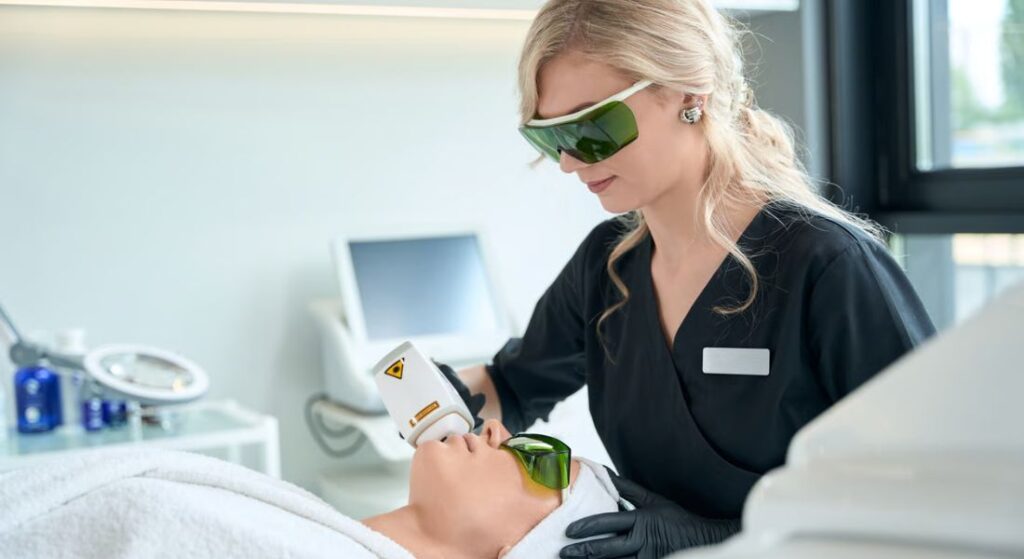
Technology plays a major role in modern dermatology, and many of the latest advancements are first introduced and discussed at medical conferences. These innovations help doctors improve the way your skin conditions are diagnosed, monitored, and treated. By sharing research and clinical results, specialists can evaluate how new tools perform in real-world settings. This ensures that only effective and reliable technologies are adopted into everyday practice for you.
- Advanced laser systems: New laser technologies allow for more precise and targeted skin treatments. These systems can treat specific skin concerns while minimising damage to surrounding tissue. This leads to safer procedures and improved recovery times for you.
- AI-assisted skin analysis: Artificial intelligence is increasingly used to support the analysis of skin conditions. These systems can help detect patterns and abnormalities that may not be immediately visible to the human eye. This improves diagnostic accuracy and supports earlier intervention for you.
- Improved diagnostic tools: Modern diagnostic equipment provides more detailed and accurate information about your skin health. These tools allow dermatologists to assess conditions with greater precision. As a result, treatment decisions can be made more confidently and effectively for your care.
These technological advancements significantly improve the quality of dermatology care you receive. They enable earlier diagnosis, more precise treatments, and better overall outcomes. By integrating new tools into clinical practice, doctors can offer more personalised and effective care for you. Ultimately, technology continues to enhance both safety and treatment success for patients.
Continuous Improvement in Skin Conditions Treatment
Skin conditions such as acne, eczema, and psoriasis are constantly being researched because they affect a large number of patients and can significantly impact your quality of life. Dermatology conferences play an important role in presenting new findings that help improve how these conditions are managed over time. This ongoing research ensures that treatment approaches continue to evolve for your benefit.
A dermatologist may learn about more effective medications that target the underlying causes of these conditions with greater precision. Conferences also highlight improved long-term management strategies that focus on reducing flare-ups and maintaining stable skin health for you. These updates help doctors refine treatment plans based on the latest evidence.
In addition, new research often focuses on reducing side effects while maintaining strong treatment results, making therapies safer and more tolerable for you as a patient. As a result, continuous improvements in dermatology care lead to better symptom control and an overall improvement in your quality of life.
The Importance of Clinical Experience Sharing
Dermatology is not guided by research alone; it also depends heavily on your real-world clinical experience. While studies and trials provide structured evidence, everyday patient care often reveals practical insights that cannot always be captured in controlled environments. This is why experience sharing is such an important part of dermatology conferences.
A dermatologist may present and discuss real patient cases to highlight what works effectively in routine clinical practice. These shared experiences help other specialists understand how treatments perform outside of research settings, where patients may have different lifestyles, skin types, or co-existing conditions. This makes the knowledge more practical and applicable for your care.
It also helps doctors identify rare side effects that may not appear frequently in clinical trials, improving overall awareness and patient safety for you. In addition, discussing real cases supports more consistent treatment approaches across different clinics. This exchange of real-world knowledge is extremely valuable in improving both the safety and effectiveness of dermatology care you receive.
Why Not Every New Idea Becomes Standard Treatment
It is important to understand that not every new idea presented at dermatology conferences becomes a standard treatment right away. These events often showcase early research, experimental techniques, and emerging technologies, but each of these must go through a careful evaluation process before being adopted in your everyday clinical care.
A dermatologist will carefully assess safety data, long-term effectiveness, and consistency of results before considering a new treatment for patients. Even if early findings are promising, they must be supported by strong and repeatable evidence. This helps ensure that treatments are both reliable and beneficial in real-world settings for you.
In addition, regulatory approval is required before many treatments can be widely used in clinics. Only therapies that meet strict safety and effectiveness standards are introduced into routine care for you. This careful filtering process ensures that your safety always remains the top priority in dermatology practice.
How Patients Benefit Without Realising It
Even if you never hear about dermatology conferences, they can still have a direct impact on the care you receive. Many improvements in modern skin care happen quietly in the background as medical knowledge is updated and refined by specialists. Over time, these changes filter into everyday clinical practice.
An Dermatologist regularly updates their clinical approach based on the latest research, training, and discussions shared at conferences. This means the treatments you receive may be more advanced than those available in the past, even if the consultation itself feels routine. Diagnostic methods may also become faster and more accurate as new techniques are adopted.
In addition, ongoing professional education helps improve overall patient safety by ensuring doctors follow the most up-to-date guidelines and evidence-based practices. As a result, care becomes more effective, efficient, and reliable. These gradual improvements often happen behind the scenes, but they significantly enhance patient outcomes over time.
The Role of Specialist Clinics

Specialist dermatology clinics often play an important role in translating research into your real-world care. Because they focus on skin conditions as their primary area of expertise, they are usually more closely engaged with the latest studies, technologies, and conference findings. This allows them to evaluate and adopt new developments more efficiently than general practice settings.
A dermatologist working in a specialist clinic may introduce updated diagnostic tools and treatment approaches that are based on the latest evidence shared at dermatology conferences. For example, a dermatologist in London at London Dermatology Centre may integrate advanced imaging systems, improved therapies, or refined clinical protocols once they have been validated through research. These updates are carefully assessed before being used in your treatment.
This early adoption of proven innovations helps ensure that you benefit from modern, evidence-based dermatology care. It can lead to more accurate diagnoses, improved treatment outcomes, and a higher standard of overall care for you. In this way, specialist clinics help bridge the gap between research and everyday clinical practice.
Better Understanding of Complex Conditions
Dermatology conferences also place strong emphasis on complex and rare skin conditions that may not be commonly seen in your everyday clinical practice. By bringing together specialists from different regions, these events help improve understanding of challenging cases and refine approaches to diagnosis and treatment. This collective learning directly benefits your care.
A dermatologist attending these conferences may review detailed case studies, discuss unusual presentations, and compare management strategies with other experts. This helps improve diagnostic accuracy for you, especially in cases where symptoms are unclear or overlap with other conditions. It also supports the development of more effective and tailored treatment plans for difficult cases.
In addition, increased awareness among specialists ensures that rare conditions are recognised earlier and managed more appropriately. Patients with uncommon or complex skin diseases benefit significantly from this shared expertise, as it leads to more informed decision-making and improved long-term outcomes for your care.
Why Medical Progress Is Continuous
Dermatology is a constantly evolving field, meaning that knowledge and treatment approaches are always being updated. Unlike static systems, medical science continues to grow as new research, technologies, and clinical experiences emerge. This ongoing development ensures that your patient care becomes safer, more effective, and more precise over time. Conferences play an important role in bringing these advancements together and sharing them with professionals worldwide.
- New studies are published: Every year, a large number of clinical studies and research papers are released. These studies explore new treatments, causes of skin conditions, and improved diagnostic methods. They help expand medical understanding and guide future practice for your care.
- Treatment methods improve: Existing treatments are continuously refined based on new evidence and clinical feedback. This can lead to better results, fewer side effects, and more efficient procedures for you. As a result, your care becomes more advanced and reliable.
- Technology advances: Innovations in medical technology support more accurate diagnosis and effective treatment. From imaging tools to laser systems, these advancements enhance how dermatologists assess and manage your conditions. Technology helps make your care more precise and personalised.
Conferences are one of the main reasons this progress happens efficiently, as they allow experts to share discoveries and evaluate new ideas quickly. This collaboration accelerates the process of turning research into real-world treatments for you. It also ensures that knowledge is spread across the medical community in a structured way. Ultimately, continuous progress leads to better outcomes for you over time.
What Would Happen Without Conferences?
Without dermatology conferences, the progress of medical knowledge would be significantly slower and less coordinated. These events act as a central platform where research findings, clinical experiences, and new technologies are shared among specialists. Without this structured exchange, important information would take much longer to reach your everyday clinical care.
A dermatologist would have fewer opportunities to quickly learn about new research, meaning that improvements in diagnosis and treatment could be delayed for you. As a result, the development and refinement of treatments would also take longer to reach patients, slowing overall medical advancement. This could limit how quickly effective therapies become widely available to you.
In addition, without conferences, there is a higher risk that outdated practices may remain in use for longer periods. You might not benefit from the latest evidence-based approaches as quickly as you should. This is why conferences are essential in preventing delays in medical progress and ensuring continuous improvement in your dermatology care.
Should Patients Pay Attention to Conferences?
You do not need to follow the details of every dermatology conference, but understanding their role can help you make sense of how modern treatments and advice evolve over time. These conferences are mainly for healthcare professionals, where new research and clinical findings are shared and evaluated. However, being aware of their importance gives you better insight into how medical decisions are made. It also helps you feel more confident in the care you receive.
- Why treatments change over time: Medical knowledge is constantly updated based on new research and evidence. Conferences play a key role in sharing these updates with specialists. This is why treatment approaches may change as better options become available.
- Why doctors update recommendations: Doctors regularly revise their advice to reflect the latest clinical findings. What was once standard practice may be improved or replaced by more effective methods. Conferences help ensure these changes are based on strong scientific evidence.
- Why new therapies become available: Many new treatments are first discussed and tested in conference settings before becoming widely used. Over time, successful therapies are introduced into everyday clinical practice. This process ensures that only safe and effective options reach patients.
Overall, understanding the role of conferences helps you see that changes in dermatology are based on continuous research and careful evaluation. It shows that your doctor’s recommendations are guided by up-to-date medical evidence. This transparency can build trust and reassurance in your treatment journey. Ultimately, it gives you greater confidence in the quality of care you receive.
Trust in Ongoing Medical Education

One of the most reassuring aspects of modern dermatology care is knowing that your doctors are continuously learning throughout their careers. Medicine is constantly evolving, and ongoing education ensures that clinical practice keeps pace with new discoveries, technologies, and treatment methods. This commitment to learning directly benefits your care.
A dermatologist regularly updates their skills through conferences, training, and review of new scientific research. This helps ensure that their clinical knowledge remains current and aligned with the latest evidence-based guidelines. As a result, the treatments you receive are more likely to reflect modern standards of care.
This continuous learning process helps maintain high levels of clinical accuracy, safety, and effectiveness in your treatment. It also supports ongoing improvements in patient outcomes as new techniques and therapies are introduced. Conferences are therefore a key part of lifelong medical education and play an important role in ensuring consistent, up-to-date dermatology care for you.
FAQs:
1. Do dermatology conferences really affect patient care?
Yes. They play an important role in shaping patient care. Dermatology conferences bring together research from around the world, allowing doctors to learn about new findings, improved techniques, and updated guidelines. Over time, this directly leads to better diagnosis, more effective treatments, and safer clinical practices for patients.
2. Why should patients care about dermatology conferences?
Patients should care because many of the treatments they receive in clinics are influenced by research first presented at these conferences. Even if you are not aware of them, they help shape the standards your doctor follows, ensuring that care is based on the latest scientific evidence rather than outdated methods.
3. Do doctors change treatments immediately after conferences?
No. Doctors do not change treatments straight away. Any new idea or therapy discussed must first go through rigorous clinical trials, peer review, and safety assessments. Only when there is strong evidence of effectiveness and safety will it be gradually introduced into medical practice.
4. How do dermatology conferences improve treatment quality?
They improve treatment quality by allowing experts to share clinical experiences, compare study results, and discuss what works best in real patients. This collaboration helps refine existing treatments, eliminate less effective approaches, and strengthen evidence-based care across the field.
5. Can conferences lead to safer treatments?
Yes. Safety is a major focus. Researchers and clinicians present data on side effects, long-term outcomes, and complications. By analysing this information collectively, doctors can identify risks earlier and adjust treatments or guidelines to make patient care safer and more predictable.
6. What types of advancements come from dermatology conferences?
These conferences often introduce a wide range of advancements, including new medications for skin conditions, improved laser and cosmetic technologies, better surgical techniques, and AI-assisted diagnostic tools. They also help refine protocols for conditions like acne, eczema, psoriasis, and skin cancer.
7. Do patients benefit from conferences even if they don’t attend them?
Yes, absolutely. Patients benefit indirectly. While they do not attend, the knowledge shared at conferences is later applied by dermatologists in everyday consultations. This means patients receive updated, more effective, and more evidence-based care without needing to engage with the conferences themselves.
8. Why do dermatologists attend conferences regularly?
Dermatologists attend conferences to stay current with rapidly evolving research, improve their clinical skills, and learn about emerging treatments and technologies. Medicine changes continuously, so regular participation helps ensure they are offering the best possible care to their patients.
9. How long does it take for conference research to reach clinics?
It usually takes several months to a few years. After initial presentation, research must go through further studies, peer review, regulatory approval, and sometimes large-scale clinical trials. This careful process ensures that only safe and effective treatments reach patients.
10. Are all conference findings used in real treatments?
No. Not all findings are adopted. Only those that are consistently proven to be safe, effective, and reliable through further research are eventually integrated into standard clinical practice. Some early-stage ideas may remain experimental or be modified before use.
Final Thoughts: Why Dermatology Conferences Ultimately Matter to Patients
Dermatology conferences may feel distant from everyday patient care, but their influence is actually very direct. They shape how doctors understand skin conditions, refine treatment approaches, and adopt safer, more effective technologies. Over time, this steady flow of shared medical knowledge translates into better outcomes for patients in clinics.
For patients, the most important takeaway is that the care they receive is not static. It is continuously updated as new evidence emerges and is carefully validated by specialists around the world. This means that treatments for conditions such as acne, eczema, psoriasis, and even skin cancer are constantly improving in safety, accuracy, and effectiveness.
In practice, this ongoing medical education ensures that dermatologists are working with the most current scientific understanding available. A Dermatologist in Londonbenefits from the same global research discussions and applies this knowledge in everyday consultations, helping ensure patients receive up-to-date, evidence-based care. If you’d like to book a consultation with one of our dermatologists, you can contact us at the London Dermatology Centre.
References:
- Chen, Y.-C., Foster, J., Wang, M.-L., Rohmah, I., Tseng, Y.-H. & Chiu, H.-Y. (2021) Global prevalence and risk factors of emergence delirium in paediatric patients undergoing general anaesthesia: a systematic review and meta-analysis, Journal of Paediatric Nursing, 77, pp. 74-80. Available at: https://pubmed.ncbi.nlm.nih.gov/34824181/
- Gupta, A., Sharma, P., Verma, S. and Kumar, R. (2023) Effects of article topic from S2212440323009446, Journal Name, volume(issue). Available at: https://www.sciencedirect.com/science/article/abs/pii/S2212440323009446
- Campolmi, P., Cannarozzo, G., Dragoni, F., Conti, R. & Moretti, S. (2016) Efficacy of rhodamine light in the treatment of superficial vascular lesions of the face, Medicina Princ Pract, 25(5), pp. 477-482. Available at: https://pmc.ncbi.nlm.nih.gov/articles/PMC5588436/
- Beg, K., Padmapriya, B., Noorul Shajar, S., Ahmad, M.M. and Faiyyaz, A.G. (2024) The bibliometric analysis of previous twenty-five years literature: A microfinance review, Heliyon, 10(3), e24979. Available at: https://www.sciencedirect.com/science/article/pii/S2352512623003181
- Cleary, J.D. & Stover, K.R. (2015) Antifungal-associated drug-induced cardiac disease, Clinical Infectious Diseases, 61, pp. S662-S668. Available at: https://pubmed.ncbi.nlm.nih.gov/26564080/