



If you’ve started noticing flat brown patches appearing over time, it’s completely natural to wonder whether they’ll eventually fade or disappear. These marks, often called liver spots, tend to develop gradually as your skin accumulates sun exposure over the years. They’re harmless from a medical standpoint, but that doesn’t mean you have to ignore how they look or how you feel about them.
You might assume they behave like temporary pigmentation, especially if you’ve seen other marks fade once your skincare routine improves or your sun exposure drops. In reality, liver spots don’t follow that pattern. The pigment responsible sits deeper in the skin, which means it doesn’t simply break down or lift away on its own in the same way more superficial discolouration might.
What this means for you is setting realistic expectations early. These spots usually don’t disappear without some form of targeted intervention, but their appearance can fluctuate slightly depending on how much sun your skin is exposed to. If you’re looking for noticeable change, you’re typically moving into treatment territory rather than waiting for natural fading.
What Are Liver Spots?
When you hear the term liver spots, you’re really looking at a very specific type of pigmentation that builds up over time rather than appearing suddenly. These marks, also known as age spots or solar lentigines, show up as flat patches on the skin and tend to develop in areas that get the most sun exposure, like your face, hands, shoulders, and arms. The colour can vary from a soft light brown to a deeper, more pronounced shade depending on how your skin responds to sun over the years.
What’s happening underneath is quite targeted. The cells responsible for pigment, called melanocytes, start producing excess melanin in certain spots rather than evenly across your skin. This isn’t random; it’s usually the result of repeated ultraviolet exposure accumulating over time, leading to these localised deposits of pigment that don’t disperse easily once they’ve formed.
It’s worth being clear about one common misconception straight away. Despite the name, liver spots have nothing to do with your liver or internal health. They’re entirely skin-related, but they do tend to become more noticeable as you get older because of the cumulative effect of sun exposure, not because of any underlying medical issue.
Do Liver Spots Fade Naturally?
In practical terms, you shouldn’t expect liver spots to fade on their own. They don’t behave like short-term pigmentation that gradually clears as your skin renews. Once these spots are established, the pigment sits deeper and remains relatively stable rather than breaking down naturally over time.
You might notice small shifts in how they look, particularly if your sun exposure changes. After time in the sun, they can appear darker and more defined, while periods of reduced exposure may make them look slightly lighter. That said, this is surface-level fluctuation rather than genuine fading, so it doesn’t reflect any real reduction in pigment.
What matters here is managing expectations. The pigment remains in place unless you actively intervene, which is why complete disappearance without treatment is unlikely. If visible change is your goal, you’re not waiting for nature to correct it you’re deciding whether to manage it or treat it.
Why Liver Spots Tend to Persist
When you look at why liver spots stick around, it comes down to how your skin is managing pigment at a cellular level. The melanocytes in those specific areas aren’t just overproducing pigment temporarily they’ve settled into a consistent pattern of excess melanin production. That creates a deposit that sits there long-term rather than cycling out with normal skin turnover.
The key difference from temporary pigmentation is that your skin doesn’t recognise this as something that needs fixing. There’s no active repair response, no trigger telling your body to clear it away. Instead, the pigment effectively becomes part of the skin’s baseline structure in that area, which is why it doesn’t gradually fade like post-inflammatory marks would.
What this means for you in real terms is that stability is expected. These spots can sit unchanged for years because nothing is actively breaking them down. Without targeted intervention, the pigment simply remains in place, so persistence isn’t unusual it’s exactly how this type of pigmentation behaves.
Can Liver Spots Get Lighter Over Time?
You might find that melasma returns even after it has improved, and in those cases, professional treatments become the more reliable route for maintaining results. This condition sits deeper in the skin than most at-home care can reach, so topical products alone often plateau. When you step into clinical treatments, you’re working with methods designed to target pigment at a deeper level and in a more controlled way. You’re also not taking a one-size-fits-all approach here. Melasma behaves differently depending on your skin type, triggers, and history, so treatment needs to be adjusted accordingly. The goal isn’t just short-term improvement it’s building a plan that keeps pigmentation stable over time.
- Professional treatments target deeper pigmentation: You’ll find that options like chemical peels or laser treatments are able to reach layers where melasma actually develops, making them more effective than surface-level products.
- Treatment plans are personalised to your skin: A specialist will assess your skin behaviour and triggers to choose an approach that suits you, rather than applying a generic solution.
- Repeat sessions are often required: You’re usually looking at ongoing or periodic treatments, as melasma tends to return if left unmanaged.
- Maintenance is part of long-term control: These treatments work best as part of a structured plan, helping you maintain results rather than chasing repeated flare-ups.
When you treat melasma as something that needs consistent management rather than a one-off fix, your results become far more stable. With the right structure and follow-through, you can keep pigmentation under control in a way that actually lasts.
The Role of Sun Exposure in Liver Spots
You’ll find that sun exposure sits right at the centre of how liver spots develop and behave over time. When your skin is exposed to ultraviolet radiation, it pushes melanocytes to produce more pigment as a protective response. That might not be obvious day to day, but over the years, that repeated stimulation builds up and starts to show as visible spots.
Even after those spots have formed, the relationship with the sun doesn’t switch off. Continued exposure can make them look darker or more defined, which often feels like they’re getting worse or spreading. What’s actually happening is that the existing pigment is being reactivated rather than new damage forming in that exact moment.
If you’re trying to keep things under control, daily sun protection becomes non-negotiable. It helps stop further darkening and lowers the chances of new spots appearing, which is where most people see long-term benefit. That said, it’s important to be realistic sun protection will stabilise the situation, but it won’t remove the pigment that’s already settled in your skin.
Age and Its Influence on Pigmentation
You’ll notice that age doesn’t just increase the likelihood of liver spots it changes how your skin manages pigment altogether. As you get older, the internal control over melanin production becomes less precise, so once pigment is triggered, it tends to linger rather than settle back down. That shift is subtle, but it’s exactly why pigmentation starts to feel more stubborn with time.
At the same time, your skin’s natural renewal process slows down, which directly affects how quickly pigmented cells are cleared. When turnover is slower, those darker cells sit on the surface for longer, making spots appear more fixed and harder to shift. What might have faded more easily in your younger years now holds its position with very little change.
This is why liver spots tend to become more noticeable as the years go on, even if your habits haven’t drastically changed. It’s not just about accumulated sun exposure it’s about how your skin responds to that history over time. That’s also where prevention becomes far more valuable, because once these changes are established, reversing them takes significantly more effort than maintaining control early on.
Differences Between Liver Spots and Other Pigmentation
You’ll quickly realise that not all pigmentation follows the same rules, and that’s where a lot of confusion starts. Some types, like freckles or post-inflammatory marks, are more reactive and tend to shift depending on what your skin is going through at the time. Liver spots behave differently because the pigment is more deeply established and far less responsive to short-term changes.
If you look at freckles, they often lighten when your sun exposure drops, especially during colder months or periods indoors. Post-inflammatory pigmentation can also gradually fade as your skin repairs itself and normal turnover resumes. With liver spots, you don’t see that same cycle they tend to hold their colour and position regardless of small environmental changes.
That distinction matters when you’re deciding how to treat them, because applying a general approach rarely gets you far. What works for temporary pigmentation won’t necessarily touch something more stable and long-standing. That’s why you need a more targeted strategy if you’re aiming for visible change, rather than relying on routines designed for lighter, short-term concerns.
Can Skincare Products Remove Liver Spots?
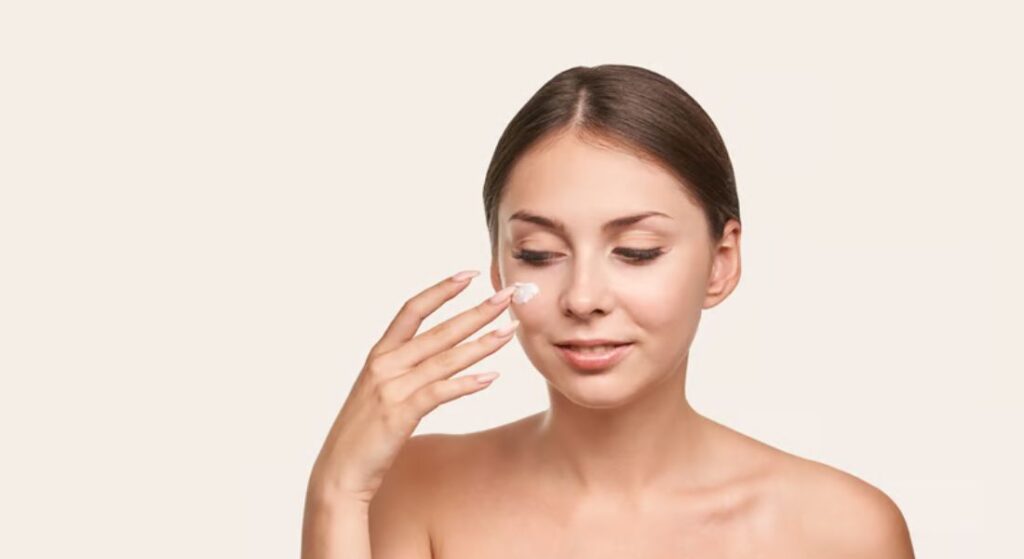
You can get some movement with topical skincare, but it’s important to keep your expectations grounded from the start. Ingredients like retinoids, vitamin C, and exfoliating acids can help soften the appearance of liver spots, especially when you use them consistently over time. That said, they rarely go far enough to fully remove what is already well established in the skin.
What these products are really doing is nudging your skin in the right direction rather than reversing the issue completely. They support faster cell turnover and help regulate pigment production, which can make spots look lighter and less defined. The limitation is that they don’t reach deeply enough to clear the pigment that’s already settled, so progress tends to be slow and fairly subtle.
You’re better off treating skincare as part of your maintenance strategy rather than your main solution. It plays a key role in keeping your skin stable, preventing further darkening, and improving overall tone, which absolutely matters. But if your goal is to significantly reduce or clear liver spots, you’ll need to think beyond topical products and look at more targeted approaches.
Professional Treatments for Liver Spots
You’re dealing with one of the most consistent triggers when it comes to liver spots, and that’s cumulative sun exposure over time, not just occasional sunburn. UV radiation directly stimulates melanocytes, increasing melanin production in targeted areas of the skin. If you don’t actively manage this exposure, existing spots tend to darken while new ones form more easily, making overall pigmentation harder to control.
- Cumulative UV damage over time: Liver spots don’t appear overnight; they develop from repeated sun exposure that builds up over years. Even low-level, daily exposure contributes to pigment formation, which is why these spots often appear later in life.
- Darkening of existing pigmentation: When your skin is exposed to sunlight, melanocyte activity increases, causing existing liver spots to become darker and more defined. This makes them more noticeable, even if they were previously faint.
- Formation of new spots: Without consistent protection, UV exposure continues to trigger new areas of pigmentation. This means that while you may be treating current spots, new ones can develop simultaneously if sun habits aren’t controlled.
- Increased skin sensitivity to light: Over time, sun-damaged skin becomes more reactive, meaning even short periods of exposure can accelerate pigmentation. This heightened sensitivity makes prevention more important than correction.
- Need for consistent protection strategies: Daily use of broad-spectrum sunscreen, combined with physical barriers like hats or shade, plays a critical role in limiting pigment activation. Inconsistent protection leads to inconsistent results, especially if you’re undergoing treatment.
When you treat sun exposure as a controllable factor rather than an unavoidable one, you start to stabilise how your skin behaves. This shift doesn’t just prevent worsening pigmentation it supports any treatment you choose, making results more predictable and longer lasting.
How Laser Treatments Work on Liver Spots
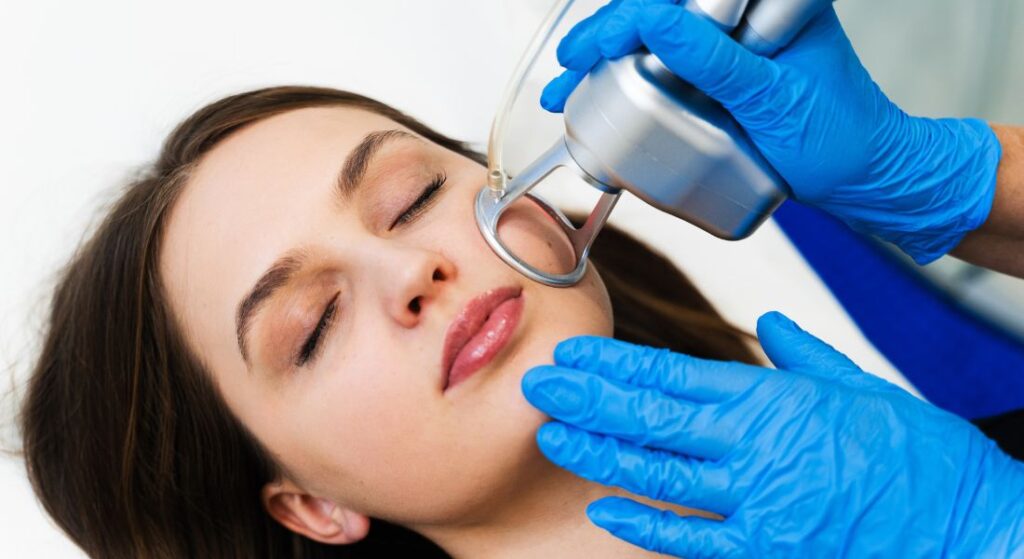
You’re working with a much more targeted approach when you move into laser treatments, and that’s where you start to see meaningful change. The technology is designed to deliver controlled light energy directly into the skin, where it’s selectively absorbed by melanin. That energy breaks the pigment into smaller fragments, which your body can then process and gradually clear.
What you’ll notice is that results don’t show up overnight, even though the treatment itself is precise. As your skin starts to clear those fragmented particles, the spot begins to lighten over the following weeks, rather than disappearing instantly. Depending on how dense or deep the pigmentation is, you may need a series of sessions to fully shift it to a level you’re happy with.
The real advantage here is control you’re targeting specific areas without disrupting the surrounding skin unnecessarily. When this is handled by an experienced clinician, you get a balance of effectiveness and safety that topical options simply can’t match. That’s why laser treatments tend to sit at the centre of most structured plans when you’re dealing with established liver spots.
Why Some Spots Return After Treatment
You’ll sometimes see liver spots come back after treatment, and it can feel like you’re back to square one. In reality, it’s rarely a failure of the treatment itself it’s the same underlying triggers continuing to act on your skin. Sun exposure remains the main driver, quietly stimulating pigment production again over time.
What’s happening here is less about the original spot returning and more about your skin repeating the same response pattern. If melanocytes are prone to overproducing pigment, they’ll continue to do so when triggered, especially without consistent protection. That’s why new spots can appear in similar areas, giving the impression that the issue was never fully resolved.
This is where maintenance stops being optional and becomes part of the plan. Daily sun protection, combined with a stable routine, is what helps you hold onto the results you’ve achieved. Treatment clears the existing pigment, but prevention is what keeps your skin from rebuilding it in the first place.
The Importance of Early Treatment
You’ll get far more predictable outcomes when you act early, before pigment has had time to settle and stabilise. Smaller, lighter spots tend to respond faster because the pigment is less dense and easier to break down, whether you’re using targeted skincare or clinical treatments. That usually means fewer sessions, less intensity, and a smoother overall process.
If you leave things to progress, you’re dealing with a very different situation. As spots darken and spread, the pigment becomes more established within the skin, which often requires stronger or repeated interventions to shift. That doesn’t make treatment ineffective, but it does make it more time-intensive and less straightforward to manage.
What makes the real difference is how you time your decisions. When you intervene early, you’re working with your skin while it’s still more responsive, rather than trying to reverse something that’s fully settled. It’s a more efficient route, and in most cases, it gives you results that are easier to maintain over the long term.
Can Liver Spots Be Prevented?
You can’t reverse what’s already established without intervention, but you can absolutely reduce the chances of new liver spots forming if you manage exposure properly. The biggest lever you’ve got is consistent sun protection, and that needs to be daily rather than occasional. When you apply a broad-spectrum sunscreen every morning and treat it as non-negotiable, you’re actively limiting the triggers that drive excess pigment production.
It’s not just about sunscreen though you’ll get better control when you layer your approach. Simple shifts like covering exposed areas, wearing a hat when you’re outdoors for longer periods, and avoiding peak UV hours all add up over time. These habits reduce the cumulative stress on your skin, which is what ultimately keeps melanocyte activity more stable.
Skincare then plays a supporting role rather than doing the heavy lifting on its own. A well-structured routine helps maintain skin function, improves resilience, and reduces the impact of environmental damage, even if it doesn’t stop ageing altogether. When you combine that with consistent protection, you’re putting yourself in the strongest position to prevent new spots rather than chasing them later.
When Should You Seek Professional Advice?
You shouldn’t take changes in pigmentation lightly, especially when the pattern, colour, or behaviour of a spot starts to shift in a way that feels different from what you’ve seen before. While liver spots are typically harmless, the risk lies in assuming all pigmentation behaves the same, which can delay proper assessment and, in some cases, miss early signs of more serious conditions.
- New or rapidly appearing spots: If you notice pigmentation developing suddenly or in clusters, it’s worth having it assessed rather than assuming it’s routine sun damage. Rapid onset can sometimes indicate underlying skin changes that need closer evaluation.
- Changes in shape, colour, or border: Spots that become irregular, darker in certain areas, or uneven around the edges should always be reviewed. These changes can signal atypical behaviour that requires a professional opinion to rule out risk.
- Increase in size over time: Gradual enlargement might seem harmless, but consistent growth is a key indicator that the lesion should be examined. Monitoring size alone isn’t enough you need clinical interpretation of what that growth represents.
- Unusual symptoms like itching or bleeding: Liver spots are generally asymptomatic, so any discomfort, irritation, or bleeding is not typical. These signs shift the situation from cosmetic to clinical and should be addressed promptly.
- Uncertainty about diagnosis: If you’re unsure whether a spot is a liver spot or something else, guessing isn’t a safe strategy. A specialist assessment gives clarity, ensuring you’re not overlooking something that needs medical attention.
When you approach pigmentation with a low threshold for professional input, you’re not overreacting you’re managing risk properly. Early evaluation doesn’t just protect your health; it also gives you clearer direction on treatment, so you’re not wasting time on the wrong approach.
Emotional Impact of Persistent Pigmentation
You’ll often find that the impact of liver spots goes beyond what’s happening on your skin. Even though they’re medically harmless, they can shift how you see yourself, especially when they make your complexion look uneven or older than you feel. That disconnect can quietly affect your confidence in day-to-day situations.
It’s completely valid to want to treat them for cosmetic reasons rather than medical ones. You’re not being superficial you’re responding to something that affects how comfortable you feel in your own skin. For many people, addressing pigmentation is less about perfection and more about restoring a sense of control over their appearance.
What tends to make a real difference is knowing that you’re not stuck with it. There are effective, well-established ways to manage and reduce persistent pigmentation safely when done properly. Once you understand your options and take a structured approach, it becomes much easier to move from frustration to something that actually feels manageable.
Do Hormonal Changes Affect Liver Spots?
You’ll find that hormones don’t sit at the root of liver spots, but they can still influence how visible and persistent they become. Unlike melasma, where hormonal shifts directly drive pigmentation, liver spots are primarily built on cumulative sun exposure. That said, when your hormones fluctuate, your skin’s behaviour changes and that can subtly alter how pigment shows up.
During phases like menopause, your skin often becomes thinner and more reactive, which changes how light reflects off it and how pigment is perceived. Spots that were always there can suddenly look darker or more defined, even though their structure hasn’t really changed. It’s less about new pigment forming and more about your skin making existing pigment easier to see.
You also need to factor in how hormones affect repair and renewal. When regeneration slows, pigmented cells sit in place for longer, which makes fading a much slower process than it used to be. So while hormones aren’t creating liver spots directly, they’re influencing the environment those spots sit in and that’s often enough to make them feel more prominent over time.
Does Skin Type Influence Whether Spots Fade?
You’ll see clear differences in how liver spots behave depending on your skin type, and that shapes both visibility and how easily they shift. If you have lighter skin, sun damage tends to show up more quickly and more obviously, which is why spots can appear earlier or stand out more. With darker skin, the contrast may be less immediate, but once pigment settles, it often holds its position far more stubbornly.
That comes down to how active your melanocytes are and how your skin responds to stimulation. In darker skin tones, melanocytes are more reactive, so once pigment is triggered, it’s more likely to persist and resist fading. This is also where treatment needs more control, because overly aggressive approaches can backfire and stimulate additional pigmentation rather than resolving it.
You also need to factor in sensitivity and tolerance when choosing your approach. Some skin types can handle stronger topicals or procedures without issue, while others require a slower, more measured plan to avoid irritation and rebound pigment. When you understand how your skin behaves, you make better decisions, set more realistic expectations, and avoid wasting time on approaches that aren’t suited to you.
Why Liver Spots Often Increase With Time
You’ll rarely see liver spots stay unchanged over time, and that’s because the process driving them doesn’t switch off. As the years go on, your skin keeps accumulating the effects of sun exposure, even if it’s not obvious day to day. That ongoing build-up is what gradually increases both the number of spots and how visible they become.
It’s easy to underestimate how much repeated, low-level exposure contributes to this. You don’t need intense sun damage for pigment to build small, consistent doses of ultraviolet light are enough to keep melanocytes active. Over time, that repeated stimulation reinforces pigment production, which is why spots tend to spread or deepen rather than fade on their own.
At the same time, your skin becomes less efficient at repairing and clearing that pigment. Regeneration slows, and the balance shifts so that pigment accumulates faster than it’s removed. What you end up seeing is a steady progression, where each year adds a little more to what’s already there, unless you actively interrupt that cycle.
Can Diet or Supplements Help Liver Spots Fade?

You’ll often see diet and supplements positioned as a solution for pigmentation, but when it comes to liver spots, that expectation doesn’t hold up under real-world outcomes. These spots are already established deposits of melanin within the skin, so while internal support can influence skin health, it doesn’t actively dismantle existing pigment in a way that leads to visible fading.
- Limited impact on existing pigmentation: Liver spots are not driven by short-term deficiencies or imbalances, so correcting your diet won’t reverse them. Once pigment is deposited and stabilised in the skin, it requires targeted intervention to break it down effectively.
- Role of antioxidants in prevention: Nutrients like vitamin C and vitamin E help reduce oxidative stress caused by UV exposure, which can slow down further pigment formation. This supports your skin’s defence system but doesn’t translate into clearing established spots.
- Support for overall skin resilience: A balanced diet contributes to better skin repair, barrier function, and recovery after exposure to environmental stressors. This can make your skin behave more predictably, especially if you’re undergoing professional treatments.
- Supplements as a maintenance tool: When used consistently, supplements can help reduce the likelihood of new pigmentation forming by supporting internal protection mechanisms. However, they work in the background and don’t replace active treatment strategies.
- Risk of misplaced expectations: Relying on diet or supplements alone often delays more effective treatment, as the changes you’re hoping to see simply don’t occur at a visible level. This can lead to frustration and prolonged management without meaningful improvement.
When you position diet and supplementation as supportive rather than corrective, your strategy becomes far more effective. You’re strengthening your skin’s ability to resist further damage while recognising that established liver spots require direct, targeted treatment if you want to see a real change.
How Long Do Liver Spots Last Without Treatment?
You should expect liver spots to stick around if you leave them alone, often for years or even decades without much real change. They’re not the kind of pigmentation that fades as part of a natural healing cycle, so once they’re established, they tend to hold their position. That persistence is exactly what defines them and why they become more noticeable over time.
You might see them shift slightly with the seasons, especially after periods of increased sun exposure. In summer, they can look darker or more pronounced, then soften a little when exposure drops. That variation can be misleading, because it gives the impression of movement, but the underlying pigment isn’t actually going anywhere.
Because of that stability, waiting rarely delivers the outcome you’re hoping for. These spots don’t resolve in the way temporary pigmentation does, so time alone doesn’t improve them. That’s usually the point where people move from passive management to seeking more targeted options, because that’s where visible change actually starts to happen.
Are Liver Spots a Sign of Skin Damage?
You should treat liver spots as a clear signal of cumulative sun damage rather than an isolated cosmetic issue. They reflect years of ultraviolet exposure influencing how your skin produces and stores pigment, even if that process wasn’t obvious at the time. While they’re medically harmless, they tell you that your skin has been under consistent environmental stress.
That doesn’t mean your skin is unhealthy across the board, but it does shift your priorities. Once these signs appear, protection stops being optional and becomes part of how you manage your skin long term. If you ignore that signal, the same exposure that caused the spots will continue to drive further changes.
What matters here is the wider impact of that damage. Sun exposure doesn’t just affect pigmentation it also breaks down collagen and reduces elasticity, which accelerates visible ageing. When you address it early and stay consistent with protection, you’re not just managing spots, you’re preserving the overall quality and resilience of your skin over time.
Why Some Treatments Work Better Than Others
You’ll get very different outcomes depending on how well a treatment matches the depth and stability of the pigment you’re dealing with. A lot of surface-level options can improve how liver spots look, but they rarely go far enough to remove them completely. That’s where people often feel stuck they’re seeing some change, but not enough to actually resolve the issue.
What separates more effective treatments is their ability to reach and disrupt pigment at a deeper level. When you use something like laser therapy, you’re not just working on the surface you’re actively breaking down the pigment so your body can clear it more efficiently. That shift in approach is what moves you from minor improvement to visible reduction.
The key decision is choosing the right level of intervention for your skin, rather than defaulting to what’s most accessible. When the treatment aligns with how your pigmentation behaves, results become far more predictable and consistent. That’s why a proper assessment matters, because a personalised plan will always outperform a generic approach when you’re dealing with established liver spots.
The Importance of Consistency in Skin Care
You won’t get stable results with liver spots unless your routine is consistent, even if you’re using the right products. Skincare on its own won’t fully remove established pigment, but it plays a critical role in maintaining any progress you’ve made. Without that consistency, you tend to see fluctuations that undo earlier improvements.
Daily sun protection sits at the centre of this, and it needs to be treated as a fixed part of your routine rather than something you apply occasionally. Even low levels of UV exposure can reactivate pigment, which is why inconsistency shows up so quickly in your results. When you keep protection steady, you create the conditions your skin needs to stay balanced.
The same principle applies to everything else you’re using. Skincare works through repetition, not intensity, so irregular use limits what those ingredients can actually achieve. When you stay consistent, your skin behaves more predictably, and that stability is what allows gradual improvements to hold rather than reset.
FAQs:
1. Do liver spots disappear on their own?
No, you shouldn’t expect liver spots to disappear naturally. Once the pigment is established, it tends to remain stable in the skin unless you actively treat it.
2. Can liver spots become cancerous?
Liver spots themselves are harmless and non-cancerous. However, you should always monitor any changes in colour, size, or shape and seek professional advice if something looks different.
3. Why do liver spots get darker over time?
They often darken due to continued sun exposure. Ultraviolet light stimulates pigment production, making existing spots appear more pronounced.
4. Are liver spots the same as freckles?
No, they behave differently. Freckles tend to fade when sun exposure decreases, whereas liver spots remain more stable and persistent.
5. Can skincare products remove liver spots completely?
Skincare can help lighten their appearance slightly, but it rarely removes them completely. For significant results, you usually need targeted treatments.
6. How long do liver spots last?
Without treatment, liver spots can last for many years or even decades. They don’t follow a natural fading cycle like temporary pigmentation.
7. Do liver spots increase with age?
Yes, they tend to become more common with age due to cumulative sun exposure and slower skin regeneration.
8. Can sunscreen prevent liver spots?
Sunscreen won’t remove existing spots, but it plays a critical role in preventing new ones and stopping current spots from getting darker.
9. Are professional treatments necessary?
Not always, but if you want noticeable reduction or removal, professional treatments like laser therapy or chemical peels are usually the most effective option.
10. When should you see a specialist about a liver spot?
You should seek advice if a spot changes in shape, colour, or size, or if it starts itching or bleeding. It’s always better to get an expert assessment rather than assume it’s harmless.
Final Thought: Taking Control of Liver Spots
Liver spots are a natural part of ageing and cumulative sun exposure, and while they rarely fade on their own, understanding their causes and persistence can help you manage them effectively. Consistent sun protection, a structured skincare routine, and professional interventions all play a role in keeping pigmentation under control. If you’re considering liver spots treatment in London, you can get in touch with us at London Dermatology Centre to explore personalised solutions that suit your skin and goals.
Here, taking early action and combining preventive care with targeted treatment is the most reliable way to achieve noticeable and lasting results.
References:
- Bujoreanu, F.C. (2025) Solar lentigos: benign hyperpigmented skin lesions reflecting chronic UV exposure and photoaging, Healthcare, 61(4), pp. 565–580. Available at: https://www.mdpi.com/1648-9144/61/4/565
- Choi, W., Yin, L., Smuda, C., Batzer, J., Hearing, V.J. and Kolbe, L. (2017) Molecular and histological characterization of age spots, Experimental Dermatology, 26(3), pp. 242–248 Available at: https://pubmed.ncbi.nlm.nih.gov/27621222/
- Makino, E.T. (2023) 12‑Week, single‑center study of a targeted pigment treatment for dark spots including solar lentigines, Dermatology and Therapy, 33(1), pp. 1–12. Available at: https://pmc.ncbi.nlm.nih.gov/articles/PMC10544009/
- Li, Y., Yang, X. and Zheng, Y. (2025) Pigmented skin spots: Morphological characteristics, common causes, and treatment with cosmetic ingredients, Journal of Dermatological and Cosmetic Treatments, 100125. Available at: https://www.sciencedirect.com/science/article/pii/S2950306X25000585
- Kovacs, D., Cardinali, G., Aspite, N., Cota, C., Luzi, F. and Bellei, B. (2010) Role of fibroblast‑derived growth factors in regulating hyperpigmentation of solar lentigo, British Journal of Dermatology, 163(5), pp. 1020–1027. https://academic.oup.com/bjd/article-abstract/163/5/1020/6644189