



Exosome skincare has become an increasingly visible topic in aesthetic dermatology and cosmetic skincare. You may have seen exosome serums, post-procedure treatments and clinic-based therapies promoted as ways to improve skin texture, support post-procedure recovery or reduce visible signs of ageing.
The interest is understandable because exosomes are involved in communication between cells. Scientists are studying whether these naturally occurring particles can deliver biological messages that influence signalling pathways involved in repair, inflammation and collagen-related processes. Your interest in these treatments may come from their potential to improve selected aspects of skin appearance or post-procedure recovery.
However, commercial enthusiasm has developed faster than the clinical evidence. If you are considering exosome skincare, you should understand that product quality, methods of application and research support can vary considerably. Your choice of treatment should be based on reliable evidence and advice from an appropriately qualified healthcare professional.
What Are Exosomes?
Exosomes are a proposed subtype of small extracellular vesicles formed through a particular cellular pathway. In many commercial products and studies, the broader term extracellular vesicle may be more scientifically appropriate because the particles’ origin has not been conclusively demonstrated. They can carry biological molecules between cells, which is why you may hear about them in regenerative skincare and advanced dermatology.
These particles can contain proteins, lipids and genetic material such as messenger RNA and microRNA. Their contents depend on the type of cell they come from, meaning the quality and source of exosome products can be important when you are considering treatment options.
Exosomes do not contain complete living cells and cannot reproduce independently. Their proposed effects relate to the biological molecules they carry and how these may influence skin repair processes, which is why researchers are continuing to study their role in skincare.
Evidence Note: Why Terminology Matters
International extracellular-vesicle guidance recommends caution when using the word “exosome”. Proving that an isolated vesicle formed through the specific endosomal pathway associated with exosomes can be difficult. Researchers may therefore use the broader term “extracellular vesicle” unless the particles’ origin has been demonstrated.
This distinction matters when assessing commercial products. A label describing an ingredient as an exosome does not by itself confirm its biological origin, purity, concentration or activity.
Why Cells Release Exosomes
Your cells constantly exchange information to coordinate tissue function and maintain normal biological processes. Exosomes are one of the communication systems that allow cells to send biological messages between nearby cells and, in some circumstances, more distant tissues.
A cell can package selected molecules inside an extracellular vesicle and release it into the surrounding environment. Another cell may then interact with or absorb the vesicle, which may influence the recipient cell’s activity.
Extracellular-vesicle communication is involved in processes such as immune regulation, tissue repair and inflammation. However, you should understand that naturally occurring exosomes are not always beneficial, as their effects depend on the signals they carry and the situation in which they are involved.
How Exosomes Became Relevant to Dermatology
Researchers became interested in exosomes in dermatology because skin repair depends on communication between different cell types. Your skin relies on keratinocytes, fibroblasts, immune cells and other cells working together to maintain structure and coordinate responses to injury.
Laboratory studies suggested that extracellular vesicles from selected sources may influence fibroblast activity, collagen-related pathways and angiogenesis in experimental models. Some research has also explored how exosomes may influence inflammation, oxidative stress and pigmentation pathways.
These findings have led researchers to investigate possible uses for skin ageing, scars, wounds, pigmentation and hair loss. If you are considering exosome-based treatments, you should know that research is promising, but further clinical studies and clearer regulation are still needed before clinical benefits and long-term safety can be established.
Where Skincare Exosomes Come From
Exosome preparations can come from different sources, including human cells, animal sources, plants or laboratory-designed systems. You may see human-derived products linked to mesenchymal stromal or stem-cell cultures from sources such as fat, bone marrow, placenta or umbilical tissue.
The source affects the proteins, lipids and genetic signals that exosomes contain. It can also influence safety considerations, ethical factors, manufacturing standards and how the product is regulated.
Some skincare products use the term exosome for plant-derived vesicles or synthetic delivery particles. While these may have potential uses, you should understand that they are not necessarily the same as human-derived extracellular vesicles studied in regenerative medicine.
How Exosomes May Influence Skin Repair
When your skin is injured, cells release signals that help coordinate immune responses, repair processes and tissue rebuilding. Researchers are exploring whether externally applied extracellular vesicles could influence selected aspects of this natural healing process.
Laboratory studies suggest that certain exosomes may affect fibroblasts, which contribute to collagen production and maintaining skin structure. They may also influence inflammation and the development of small blood vessels involved in tissue repair.
However, much of this evidence comes from laboratory and animal research rather than large human studies. If you are considering exosome skincare, you should understand that promising biological mechanisms do not always mean a commercial product will produce the same results in your skin.
Can an Exosome Serum Work Without a Procedure?
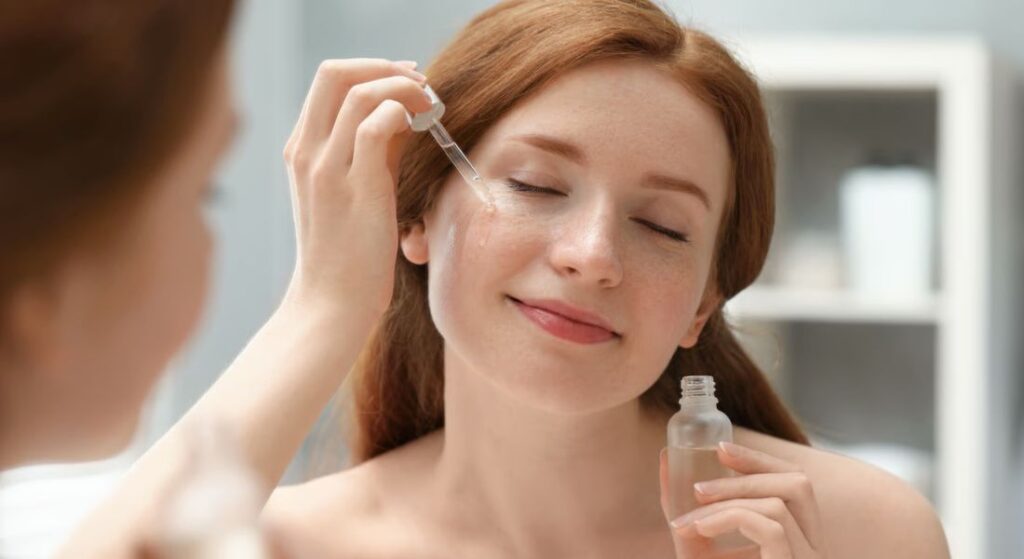
At-home exosome serums are becoming more widely available, but your skin barrier limits how effectively many biological particles can enter deeper layers. A serum may improve hydration because of its moisturising ingredients, even if the exosomes themselves do not reach the areas where they are intended to act.
Future formulation technologies may improve the stability and delivery of exosome-based products. Researchers are exploring options such as specialised carriers, gels and microneedle systems that may help extracellular vesicles reach targeted areas more effectively.
You should be cautious when a cosmetic serum claims to provide the same effects as a professional treatment. The presence of exosome-related terms on a label does not always confirm the concentration, stability or ability of the product to penetrate your skin.
The Possible Role in Skin Ageing
Visible skin ageing involves changes in collagen, elastin, hydration, pigmentation and the skin’s natural repair processes. Factors such as ultraviolet exposure, pollution, smoking and biological ageing can influence how your skin changes over time.
Exosomes are being studied because they may affect several pathways associated with skin ageing. Depending on their source, they may carry molecules involved in collagen-related processes, antioxidant activity and the regulation of enzymes that contribute to the breakdown of your skin’s supporting structures.
Recent systematic reviews have reported encouraging short-term findings for selected extracellular-vesicle preparations used for skin rejuvenation. Reported outcomes have included changes in hydration, elasticity, texture, pigmentation and wrinkle appearance.
However, the studies differed in vesicle source, manufacturing and characterisation, dose, treatment method and follow-up. Some combined the preparation with microneedling, laser treatment or another procedure, which makes it difficult to identify the added effect of the extracellular vesicles. These findings justify further research but do not show that every serum or clinic treatment marketed as containing exosomes is effective.
Why Microneedling Is Often Combined With Exosomes
Your skin is naturally designed to protect itself by limiting the movement of substances into deeper layers. This protective barrier can make it challenging for products containing larger or delicate biological particles to reach their intended target.
Microneedling creates controlled micro-injuries and temporary channels in the skin, which may temporarily alter the skin barrier and potentially increase exposure to topical preparations. The procedure itself also triggers your skin’s natural healing response, meaning improvements cannot always be linked only to the exosome product.
This makes research more complex to interpret. When microneedling and exosomes are combined, studies need proper comparison groups to understand how much benefit comes from the procedure itself and how much comes from the added exosome preparation.
Exosomes After Laser and Resurfacing Treatments
Fractional lasers and resurfacing procedures create controlled injury in the skin to encourage renewal and repair. After treatment, you may experience redness, sensitivity, swelling or peeling while your skin goes through the healing process.
Extracellular-vesicle preparations are sometimes applied after these procedures with the aim of influencing post-procedure recovery or inflammation. Some early studies suggest that this combination may help improve healing or cosmetic results, although more research is needed.
The evidence is not yet strong enough to establish one standard treatment approach. If you are considering this combination, factors such as the laser type, treatment depth, exosome source and timing of application should be carefully assessed for safety and effectiveness.
Product Quality Is a Major Scientific Challenge
Exosomes are not a single standardised ingredient that can be produced in the same way as a conventional skincare product. Their composition can vary depending on the source cells, growing conditions, collection methods and purification processes used.
Different laboratories may isolate extracellular vesicles using different techniques. This means a product may contain true exosomes alongside other vesicles, proteins or materials from the cell culture process, which can affect consistency.
This lack of standardisation remains a major challenge for research and clinical use. If you are considering an exosome-based treatment, you should understand that differences in product quality, dosing and available human evidence can influence how reliable the results are.
The Importance of Purity and Characterisation
Understanding the quality of an exosome product is important because different products may contain different components. Manufacturers should be able to provide information about what the product contains and how it has been tested. Clear characterisation helps assess composition, consistency and potential biological activity.
- Product Composition: Information about particle size, concentration, biological markers, and other components helps determine what is actually in the product.
- Verification Challenges: Not every particle labelled as an exosome can be confirmed to have the exact biological characteristics of a true exosome.
- Extracellular Vesicle Terminology: Researchers may use the broader term extracellular vesicle when the origin and properties cannot be fully verified.
- Conditioned Media Differences: Some products may contain conditioned media, which includes various cell-released substances rather than only purified extracellular vesicles.
Overall, purity and accurate characterisation are important when evaluating exosome-based treatments. Understanding what a product contains helps you make more informed decisions about potential benefits, limitations, and safety considerations. Clear information from manufacturers and clinicians is essential when considering these emerging treatments.
Stability and Storage Matter
Exosomes contain delicate biological material that can be affected by factors such as temperature, storage time and repeated freezing or thawing. Inadequate handling may alter vesicle integrity, concentration or measurable biological activity.
This is especially important when you buy a serum online or store it at room temperature for extended periods. You should not assume that an ingredient remains effective simply because it is still listed on the product packaging.
Manufacturers may use methods such as freeze-drying or other stabilisation techniques to protect exosomes. However, these processes need proper validation to demonstrate that the product retains its stated composition, stability and quality throughout its shelf life.
Are Exosome Treatments Safe?
Small clinical studies of selected topical or post-procedure extracellular-vesicle preparations have generally reported mild and temporary adverse effects, especially when used after procedures. However, the available research is still limited, so you should understand that uncommon or long-term risks cannot yet be fully excluded.
Possible concerns include irritation, inflammation, allergic reactions, infection and contamination. If you are considering treatment where exosomes are applied after skin procedures or introduced through a disrupted skin barrier, the potential risks may be higher.
Safety depends on factors such as the source of the material, how it has been screened and the purification process used. You should choose treatments carefully because poorly characterised biological products may contain substances that could trigger unwanted immune or cellular responses.
Why Injected Exosomes Require Particular Caution
Injecting an exosome product bypasses your skin’s natural protective barrier and places the material directly into deeper tissue. This means you may face risks that are different from those linked to topical products applied only on the skin’s surface.
Injectable treatments require strict standards for sterility, manufacturing quality, dosing and biological activity. You should remember that describing a treatment as natural or cell-free does not automatically mean it is proven to be safe or effective.
Regulatory authorities have raised concerns about unapproved exosome and regenerative medicine products. If you are considering an injectable exosome treatment, you should seek clear information about the product, evidence behind its use and the qualifications of the practitioner providing it.
What Exosome Skincare Is Supposed to Achieve
Exosome products are often promoted as supporting skin renewal rather than simply improving surface hydration. You may see claims about better firmness, smoother texture, improved hydration, reduced redness and a more even-looking complexion.
Some treatments are also marketed as supporting recovery after procedures such as microneedling or fractional laser treatments. The idea is that exosome-derived signals may influence signalling during the skin’s response to treatment after controlled damage.
However, results depend on factors such as the product source, concentration and delivery method. You should not assume that every cream or serum labelled as containing exosomes contains the same preparation or produces the same effects as products studied in clinical research.
Exosome Skincare Methods: Evidence and Safety Differences
| Method of use | What the treatment involves | Current evidence position | Main limitation or safety concern |
| Conventional topical serum | A product is applied to intact skin as part of a home skincare routine. | Evidence that extracellular vesicles can pass through an intact skin barrier and produce meaningful rejuvenation remains limited. Benefits may come partly from moisturisers or other ingredients in the formulation. | The label may not confirm vesicle identity, concentration, stability or penetration. |
| Topical application after microneedling | A preparation is applied after microneedling has created temporary microscopic channels in the skin. | Some small human studies report improvements in hydration, texture, pigmentation or wrinkles, but microneedling itself can produce changes. | Without an appropriate comparison group, it is difficult to determine how much benefit comes from the vesicle preparation rather than microneedling. Infection, irritation and pigment changes are possible. |
| Application after fractional laser treatment | A preparation is placed on skin after a laser has created controlled microscopic treatment zones. | Early studies have reported possible improvements in recovery and selected cosmetic outcomes, but protocols and products differ considerably. | A disrupted skin barrier may increase exposure to contaminants. Safety depends on product sterility, laser depth, skin type and aftercare. |
| Intradermal injection | A preparation is injected directly into the skin or deeper tissue. | Robust evidence for cosmetic injectable exosome treatment remains insufficient, and findings from topical studies cannot be applied to injection. | Injection bypasses the protective skin barrier and may increase the consequences of contamination, inflammation, infection or an unpredictable biological response. |
| Conditioned-media treatment | A mixture of substances released by cultured cells is applied to or introduced into the skin. | Conditioned media may contain growth factors, proteins and extracellular vesicles, but it is not the same as a purified vesicle preparation. | It may be unclear which component is responsible for any effect, making efficacy, dosing and safety difficult to assess. |
| Plant-derived vesicle product | Vesicle-like particles obtained from plants are incorporated into a cosmetic formulation. | This is an emerging research area, and evidence involving human-cell-derived extracellular vesicles cannot automatically support plant-derived products. | Plant vesicles differ biologically from human extracellular vesicles, and commercial terminology may not reflect how the material was isolated or characterised. |
| Synthetic exosome-like carrier | Laboratory-designed lipid particles are used to deliver cosmetic ingredients. | Synthetic delivery systems may be useful, but they are distinct from naturally released extracellular vesicles. | Marketing may blur the difference between a biological exosome and a manufactured nanocarrier. |
Regulation Has Not Kept Pace With Marketing
The way an exosome product is regulated can depend on factors such as its source, intended purpose, claims and method of use. A topical cosmetic designed to improve appearance may be treated differently from a product promoted as repairing tissue or changing biological processes.
Marketing language can sometimes make these differences unclear. Terms such as regenerative, cellular repair or medical-grade may sound impressive, but you should understand that they do not always mean the product has undergone the same testing required for medicines.
Regulatory approaches also vary between countries. If you are considering an exosome treatment, you should not assume that a product available elsewhere meets UK standards or has approval for injection or medical use. Always check the evidence, safety information and regulatory position before proceeding.
Why Long-Term Evidence Is Still Limited
Skin rejuvenation studies often follow participants for only a few weeks or months. This may help identify early cosmetic changes, but it may not show how long your results last or whether benefits continue over time.
Short follow-up periods also make it harder to assess delayed inflammation, pigmentation changes or less common side effects. If you are considering exosome treatments, you should know that larger and longer studies are needed to understand which products work best and who may benefit most.
Long-term research also needs to explore whether repeated treatments remain effective and safe. Your skin’s response may change over time, and the effects of regular exposure to the same preparation are still not fully understood.
Marketing Claims Versus Clinical Evidence
Exosome products are sometimes promoted as treatments that can reverse ageing, rebuild skin or create dramatic regeneration. You should be cautious with these claims because current human studies do not yet provide enough evidence to confirm such significant effects.
Improvements in hydration, texture or overall appearance do not necessarily mean that your skin has become biologically younger. A temporary cosmetic improvement is also different from permanent changes in tissue structure or regeneration.
Recent systematic reviews describe exosome research as promising but still developing. If you are considering these treatments, you should understand that they require further investigation and should not be viewed as a replacement for proven dermatological care.
How Exosomes Compare With Growth Factors
Growth factors are signalling proteins involved in cell growth, repair and communication. They have been used in some cosmetic and post-procedure skincare products for several years, and you may already be familiar with their role in supporting skin recovery.
Exosomes may contain multiple growth factors along with lipids, proteins and genetic material. This complex combination is one reason researchers believe exosomes could potentially influence several skin processes at the same time.
However, greater complexity can also make products more difficult to control and study. If you are considering exosome treatments, you should understand that researchers still need to identify which components create the benefits, the most suitable dose and how to minimise unwanted effects.
Why Better Trials Are Needed
Future studies need larger and more diverse groups of participants to understand how exosome treatments perform across different skin types and concerns. You should be aware that stronger evidence requires comparisons between exosomes, inactive preparations, established treatments and the procedures they are often combined with.
Researchers also need to use more consistent methods when measuring results. Standardised photography, hydration assessments, elasticity testing and validated scoring systems can help create more reliable comparisons.
Better-designed clinical trials will help you understand whether exosomes provide meaningful benefits beyond existing treatments. Until then, continued research is needed to establish their long-term effectiveness, safety and most suitable applications.
Trials should report the source, isolation method, concentration and storage conditions of the product. Without this information, even a positive study may be difficult for another research team to reproduce.
Why a Dermatological Assessment Is Valuable
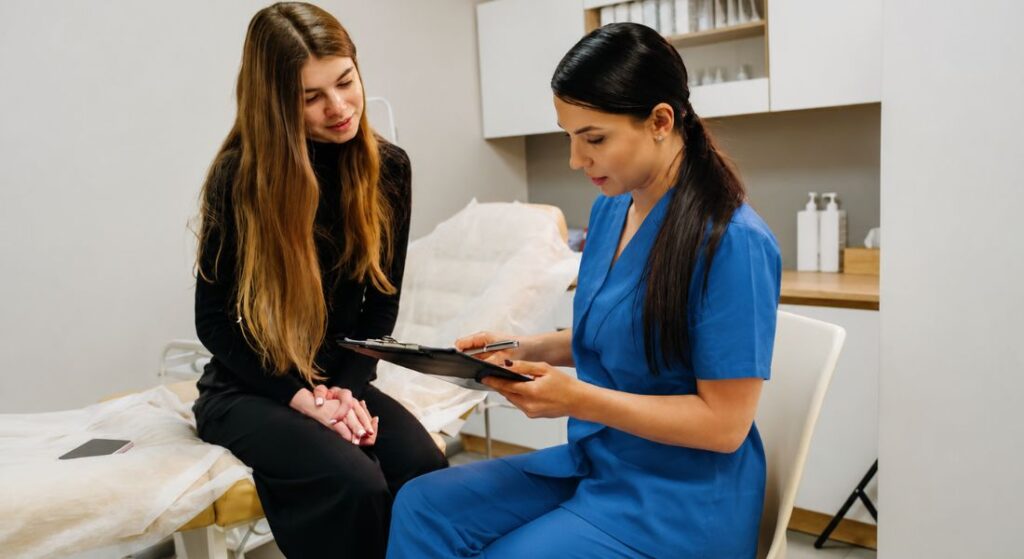
A professional assessment can help determine whether your concern is cosmetic or linked to an underlying skin condition. Persistent redness, pigmentation, roughness or scarring can have different causes, so you may need a tailored approach rather than a general rejuvenation product.
You may achieve better results from established options such as prescription skincare, consistent sun protection, suitable peels or evidence-based procedures. A dermatologist can help you understand which treatments are most appropriate for your skin.
Newer treatments can be exciting, but newer does not always mean more effective. You should consider the available evidence and choose an approach that supports your long-term skin health and individual goals.
FAQs:
1. What is exosome skincare?
Exosome skincare refers to treatments and products that use exosomes or extracellular vesicles, which are tiny particles released by cells that help carry biological signals. They are being studied for their potential role in supporting skin repair, reducing inflammation and improving aspects of skin quality. However, more research is still needed to confirm their long-term benefits.
2. How do exosomes work on the skin?
Exosomes may work by delivering biological messages between cells. These signals may influence processes involved in collagen production, inflammation control and tissue repair. However, the exact effects depend on factors such as the source, quality and formulation of the exosome product.
3. Can exosomes reduce wrinkles and signs of ageing?
Some early studies suggest exosomes may help improve skin texture, hydration, elasticity and the appearance of fine lines. However, current evidence is still developing, and exosome treatments should not be considered a proven way to reverse ageing or replace established anti-ageing treatments.
4. Are exosome skincare products safe?
Topical exosome products studied in clinical settings have generally shown mild temporary effects, but long-term safety data remain limited. Potential concerns include irritation, inflammation, allergic reactions and product contamination, especially when the product quality and manufacturing process are unclear.
5. Are exosome serums effective without professional treatments?
The effectiveness of at-home exosome serums is still uncertain. Your skin barrier limits how easily larger biological particles can penetrate, meaning some products may mainly provide benefits from other ingredients in the formulation rather than the exosomes themselves.
6. Why are exosomes often combined with microneedling or laser treatments?
Microneedling and laser procedures create controlled changes in the skin that may temporarily improve product delivery and activate natural healing responses. Exosomes are sometimes applied afterwards with the aim of supporting recovery, although research is still needed to determine how much benefit comes from exosomes compared with the procedure itself.
7. Are injectable exosome treatments approved and safe?
Injectable exosome treatments require particular caution because they introduce biological materials deeper into the skin. Safety depends on factors such as product quality, sterility, manufacturing standards and clinical evidence. You should always seek advice from a qualified medical professional before considering injectable treatments.
8. How are exosomes different from growth factors?
Growth factors are signalling proteins involved in cell communication and repair. Exosomes can contain growth factors along with other biological materials, including proteins and genetic signals. While this complexity may offer potential benefits, it also makes exosome products more difficult to standardise and study.
9. How long do exosome treatment results last?
The duration of results is not yet fully understood because many studies have only followed patients for short periods. Some people may notice improvements in hydration, texture or overall appearance, but longer-term research is needed to determine how long these effects continue.
10. Should you try exosome skincare for skin rejuvenation?
Exosome skincare is an exciting area of regenerative dermatology, but it is still an emerging treatment category. Before considering it, you should discuss your skin concerns with a qualified dermatologist who can explain whether exosomes are suitable or whether other evidence-based treatments may be more appropriate.
Final Thoughts: Understanding the Future of Exosome Skin Care
Exosome skincare represents an exciting area of regenerative dermatology, with ongoing research exploring how these biological messengers may support skin repair, inflammation control and healthy-looking skin. While early findings are promising, you should remember that exosome treatments are still developing, and current evidence does not yet support all of the claims made in commercial marketing.
The most important step is choosing treatments based on reliable scientific evidence rather than trends alone. Your skin concerns, medical history and long-term goals should always guide your decisions, whether you are considering exosomes, established skincare ingredients or professional procedures. If you’d like to book a consultation with one of our Dermatologists in London, you can contact us at the London Dermatology Centre.
References:
- Villarreal-Gómez, L.J. et al. (2025) ‘Use of exosomes for cosmetics applications’, Cosmetics. Available at: https://www.mdpi.com/2079-9284/12/1/9
- Thakur, A. et al. (2023) ‘Therapeutic values of exosomes in cosmetics, skin care, tissue regeneration, and dermatological diseases’, Cosmetics. Available at: https://www.mdpi.com/2079-9284/10/2/65
- Domaszewska-Szostek, A. et al. (2025) ‘Effectiveness of extracellular vesicle application in skin aging and rejuvenation’, International Journal of Molecular Sciences. Available at: https://pmc.ncbi.nlm.nih.gov/articles/PMC11899913/
- Dal’Forno-Dini, T. et al. (2024) ‘Exploring the reality of exosomes in dermatology’, Anais Brasileiros de Dermatologia. Available at: https://pmc.ncbi.nlm.nih.gov/articles/PMC11745280/
- Welsh, J.A. et al. (2024) ‘Minimal information for studies of extracellular vesicles 2023: From basic to advanced approaches’, Journal of Extracellular Vesicles. Available at: https://pubmed.ncbi.nlm.nih.gov/38326288/