



If you’re interested in dermatology, you might wonder what clinics will look like in the future. By 2030, advances in science and technology could change how your skin conditions are diagnosed and treated. You may see clinics using smarter diagnostic tools and advanced imaging to spot concerns earlier. This could help your dermatologist create quicker and more accurate treatment plans for you.
You may also benefit from the growth of personalised medicine. Instead of general treatments, you could receive therapies designed specifically for your skin’s needs. With progress in genetics and molecular science, dermatologists may better understand what influences your skin health. This could lead to more effective care for concerns such as acne, eczema, and pigmentation.
Digital technology may also change the way you interact with dermatology clinics. You might be able to book virtual consultations or use tools that help monitor your skin from home. Your dermatologist could review your progress remotely and guide you when needed. This may make managing your skin care more convenient and accessible for you.
Transforming Diagnostics Through Precision Medicine
One of the most exciting changes you may see in dermatology clinics is the rise of precision diagnostics. At the moment, many skin conditions are diagnosed through visual examinations and basic laboratory tests. In the future, clinics may rely more on molecular and genetic profiling to understand what is happening beneath the surface of your skin. This shift could make diagnosis far more accurate and detailed.
Imagine visiting a clinic where a small skin sample or simple blood test provides deeper insight into your condition. Instead of a general diagnosis, you may learn exactly which type of eczema, psoriasis, or other skin concern you have. This information could help your dermatologist understand how your skin behaves on a biological level. As a result, your treatment plan may be designed specifically for your individual needs.
Artificial intelligence may also play an important role in this process. Advanced systems could analyse complex medical data and identify patterns that are difficult for humans to detect. This may help dermatologists predict how your condition might develop over time. With this insight, you could receive earlier and more targeted care.
Overall, this approach could move dermatology away from trial-and-error treatments. Instead of trying multiple options to see what works for you, therapies may be chosen based on precise scientific information. This could make treatments more effective and reduce the time you spend managing ongoing skin concerns. In the future, you may experience faster results and more personalised care.
Digital Technology: Teledermatology and Remote Monitoring

Digital technology is already changing the way you interact with doctors, and dermatology is especially well suited to this shift. By 2030, many clinics may include teledermatology platforms that allow you to attend remote consultations and follow-up appointments. This means you could speak with your dermatologist from home while still receiving professional advice. It may make regular skin care support much easier to access.
You might also use your smartphone or wearable devices to help monitor your skin. High-resolution photos of your skin could be uploaded securely for your dermatologist to review. In some cases, AI-supported software may analyse these images and highlight any unusual changes. This technology could even help detect early warning signs or predict flare-ups of conditions such as acne or rosacea.
For you, this could mean fewer clinic visits for routine monitoring and more convenient care overall. Your dermatologist would still guide your treatment and interpret results carefully. However, digital tools may assist with early assessments and ongoing tracking. As a result, managing your skin health could become more flexible and efficient.
Artificial Intelligence in Diagnosis and Treatment Planning
Artificial intelligence is likely to become an important partner in dermatology over the coming years. Some AI systems can already detect certain skin cancers with accuracy similar to experienced clinicians. By 2030, you may see these tools used to help dermatologists evaluate a wider range of conditions, including pigment concerns and inflammatory skin diseases. This technology could support quicker and more detailed assessments of your skin.
For you, this could mean earlier detection of serious conditions such as melanoma and more timely treatment when needed. AI may also help your dermatologist create a treatment plan that considers factors like your genetics, lifestyle, and environment. Instead of a one-size-fits-all approach, your care could be tailored specifically to your needs. As these systems improve, you may benefit from more precise and personalised dermatology care.
Personalised Medicine and Molecular Treatments
You may have noticed that dermatology is gradually moving towards more personalised approaches to treatment. In the coming decade, therapies are expected to go beyond simply managing symptoms. Instead of relying on general medications, dermatologists may increasingly choose treatments based on your individual molecular profile.
1. Treatments tailored to your biology: Personalised medicine focuses on understanding the unique biological processes that affect your skin. By analysing molecular signals, doctors may identify which pathways are responsible for a particular condition. For you, this could mean receiving a treatment designed specifically for the way your body responds to disease.
2. Targeted therapies for inflammatory conditions: For conditions such as Psoriasis, newer biologic treatments already target specific immune pathways involved in inflammation. In the future, these therapies may be selected based on the exact cytokine signals driving your symptoms. For you, this approach may improve effectiveness while reducing unnecessary treatment options.
3. Genetic and microbiome insights guide care: Researchers are exploring how factors such as DNA, the skin microbiome, and epigenetic markers influence dermatological conditions. These insights may help doctors tailor treatments for concerns like Acne, Eczema, and certain inherited skin disorders. For you, this means future treatments could be guided by a detailed understanding of your individual skin biology.
4. More precise treatments with fewer side effects: When therapies are matched to the underlying cause of a condition, they tend to work more efficiently. This targeted approach may reduce trial-and-error prescribing and limit unnecessary side effects. For you, personalised medicine could make dermatology treatments more predictable and effective.
In the end, personalised dermatology aims to transform skin care from a generalised approach into a more precise science. For you, this shift could mean treatments that are carefully tailored to your biology, offering better results and a clearer path to managing skin conditions.
Integration of Wearable and Smart Devices
Wearable technology may become an important part of dermatology care in the future. Devices that track things like your UV exposure, skin hydration, and barrier health could provide useful information about how your skin responds to daily conditions. This data may help dermatologists understand your skin more clearly over time. As a result, your treatment plan could be adjusted with greater accuracy.
You might even use smart devices that send alerts when your skin needs attention. For example, a smartwatch could remind you to reapply sunscreen or warn you when UV exposure becomes too high. These reminders could help you protect your skin more consistently. At the same time, your dermatologist may be able to review this information remotely.
This kind of continuous monitoring could be particularly helpful if you have a chronic or high-risk skin condition. If you are managing severe eczema or have a history of melanoma, early changes in your skin could be noticed more quickly. Your dermatologist could then adjust your care before problems become more serious. Over time, this approach may help you manage your skin health more proactively.
Minimally Invasive and Non-Invasive Procedures
Dermatology is steadily moving towards treatments that prioritise comfort, precision, and minimal recovery time. As technology continues to advance, you are likely to see more procedures that work effectively without the need for surgery or significant downtime. Innovations in lasers, microneedling, and other energy-based technologies are already changing how dermatologists treat common skin concerns.
1. Laser-Based Skin Treatments: Modern laser systems allow dermatologists to target specific skin concerns with exceptional accuracy. These devices deliver controlled energy to areas such as pigmentation, sun damage, or visible blood vessels while leaving surrounding tissue largely unaffected.
2. Advanced Microneedling Techniques: Microneedling has evolved into a highly versatile treatment that stimulates your skin’s natural healing process. Tiny needles create controlled micro-injuries in the skin, encouraging collagen and elastin production. When combined with technologies such as radiofrequency or regenerative therapies, microneedling may help you improve acne scars, fine lines, and uneven skin texture while requiring little downtime.
3. Energy-Based Skin Tightening: Non-surgical skin tightening treatments using radiofrequency or ultrasound technology are becoming increasingly popular. These devices gently heat the deeper layers of your skin, which stimulates collagen regeneration over time. If you are looking to address mild skin laxity or enhance your facial contours without surgery, these treatments can provide gradual and natural-looking results.
4. Non-Invasive Pigmentation and Scar Treatments: New dermatological technologies are making it possible to treat pigmentation issues and certain types of scars without incisions or invasive procedures. For you, this means treatment options that reduce the risk of infection and allow you to return to normal activities more quickly.
As these technologies continue to develop, you may find that many skin concerns can be treated with increasingly comfortable and convenient procedures. Dermatologists will still play an important role in assessing your skin and recommending the most appropriate treatment for your needs. The main difference is that you will have access to solutions that focus on precision and faster recovery.
Regenerative Medicine and Stem Cell Therapies
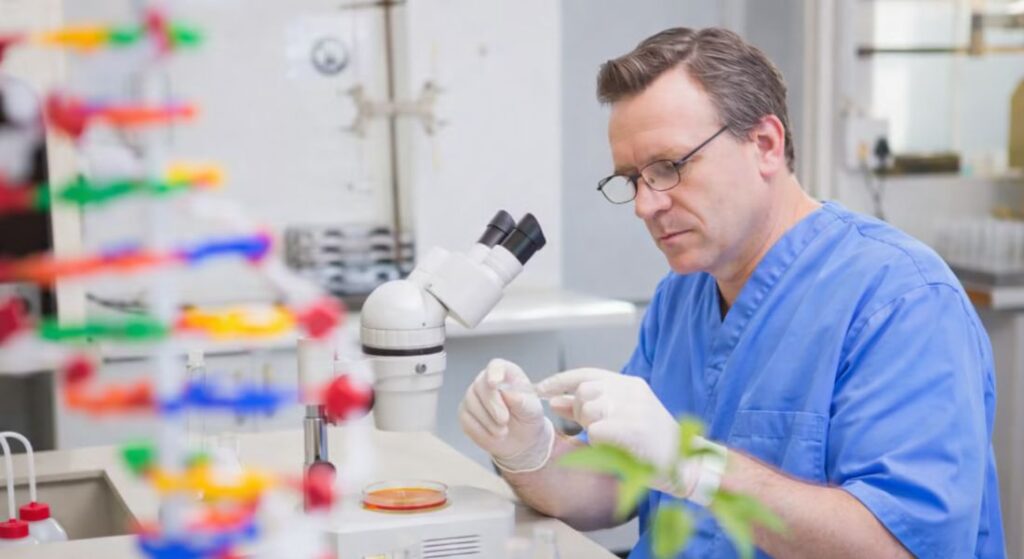
Regenerative medicine is another area that could transform dermatology in the coming years. Researchers are exploring how stem cell therapies and tissue engineering might help repair or replace damaged skin. Instead of only managing symptoms, these treatments may support your skin’s natural ability to regenerate. This could open the door to new possibilities in skin restoration.
By 2030, you may see therapies designed to restore pigment in conditions such as vitiligo or help repair skin damaged by severe burns. These treatments may work by encouraging healthy skin cells to grow and rebuild affected areas. In some cases, they could also help improve the appearance of scars. As research progresses, your dermatologist may have more advanced options to support skin healing.
For you, this could mean better recovery and improved aesthetic outcomes than were possible in the past. Treatments may focus not only on treating the condition but also on restoring the skin’s natural structure and appearance. Over time, regenerative dermatology may offer solutions that once seemed impossible. This could make future skin treatments more effective and restorative.
Data-Driven Patient Care
In the future, dermatology clinics may rely much more on data to guide patient care. Your medical records, skin images, genetic information, and even data from wearable devices could be connected within a single system. This integrated approach may give your dermatologist a clearer and more complete picture of your skin health. As a result, decisions about your care could be based on more detailed information.
With access to this data, your dermatologist may be able to track how your skin responds to treatments over time. Instead of relying only on occasional appointments, your progress could be monitored more consistently. This may help identify patterns or early changes in your condition. As a result, treatments could be adjusted more quickly if needed.
Large amounts of collected data may also support wider dermatology research. By analysing trends across many patients, clinics could improve existing therapies and develop new treatment strategies. This information might also help specialists anticipate emerging skin health concerns. Over time, this could lead to better and more effective dermatology care.
For you, this approach could mean more reliable and personalised treatment. Your care plan may evolve as new data becomes available about your skin’s response to different therapies. Instead of a fixed treatment path, your dermatologist could adapt your care based on real evidence. This may help ensure that your treatment remains suitable for your changing skin needs.
Education and Patient Engagement
As technology continues to shape dermatology, patient education may become even more important for you. Clinics could offer interactive apps, virtual tools, and personalised digital dashboards to help you understand your skin condition more clearly. These resources may explain your diagnosis, treatment options, and daily care routines in a simple and engaging way. This could help you feel more confident about managing your skin health.
By 2030, you might leave a dermatology clinic with a personalised care plan designed specifically for you. This plan could include clear, step-by-step guidance on how to manage your condition at home. With better access to information and digital support, you may play a more active role in your treatment journey. As a result, the relationship between you and your dermatologist could become more collaborative and supportive.
Sustainability and Clinic Design
In the future, dermatology clinics may place greater focus on sustainability as well as patient comfort. You might notice clinics designed with eco-friendly materials, energy-efficient systems, and smart lighting that creates a calmer atmosphere. These changes could help reduce environmental impact while also making your visit more relaxing. A well-designed space may improve the overall experience when you attend appointments.
Technology may also help clinics operate in a more efficient and sustainable way. You could check in digitally, manage appointments through smart scheduling systems, and receive reminders directly on your phone. Some consultations or follow-ups may even take place remotely when an in-person visit is not necessary. This approach could save time for both you and your dermatologist.
For you, this could mean a smoother and more pleasant clinic experience overall. Fewer unnecessary visits may make managing your skin care more convenient. At the same time, clinics may reduce energy use and resources through smarter systems. As a result, dermatology care in the future could feel both efficient and environmentally responsible.
The Expanding Role of the Dermatologist

Even with all these technological advances, your dermatologist will remain at the centre of your care. While AI and digital tools may assist with diagnosis and monitoring, they cannot replace professional experience and clinical judgement. Your dermatologist will still play a key role in understanding your symptoms, evaluating your skin, and deciding on the most suitable treatment. Technology will simply support the process rather than replace it.
By 2030, your dermatologist may work with a range of advanced tools and systems during your care. These technologies could help analyse data, track progress, and highlight potential concerns. However, it will still be your dermatologist who interprets the information and decides how it applies to your individual case. Their expertise will ensure that your treatment remains safe and effective.
You may also notice that dermatologists begin to take on a broader role in coordinating different technologies used in your treatment. They might combine traditional examination methods with digital diagnostics, AI insights, and wearable data. This could help create a more complete understanding of your skin health. As a result, your care plan may become more precise and personalised.
When you seek specialist dermatology care in the future, you may find professionals who balance medical expertise with modern innovation. Your dermatologist will guide you through new technologies while ensuring your treatment remains focused on your needs. This combination of human judgement and advanced tools could create a smoother and more effective care experience.
Challenges Ahead
While the future of dermatology looks promising, you should also recognise that several challenges need to be addressed as the field evolves. The introduction of advanced technologies such as artificial intelligence, genetic analysis, and digital health tools brings exciting possibilities, but it also requires careful planning and responsible implementation.
1. Integrating Complex Technologies into Clinical Practice: As dermatology adopts tools such as AI diagnostics, digital imaging, and genomic analysis, clinics will need to integrate these technologies smoothly into everyday practice. This means developing systems that support dermatologists without overwhelming them with technical complexity. For you as a patient, the goal is to ensure that technology enhances clinical expertise rather than replacing the personalised care and professional judgement that dermatologists provide.
2. Protecting Patient Data and Privacy: With more digital tools and data-driven treatments, protecting your personal and medical information becomes increasingly important. Dermatology clinics will need robust cybersecurity systems and clear data management policies to ensure that your health data remains confidential. Maintaining trust between you and your healthcare provider will be essential as more sensitive information, such as genetic or biometric data, becomes part of dermatological care.
3. Ensuring Equal Access to Advanced Treatments: One of the biggest challenges will be making sure that innovative dermatological treatments are accessible to everyone, not just a small group of patients who can afford them. Advanced technologies often come with higher costs, particularly in the early stages of adoption. Healthcare systems and clinics will need strategies to ensure that you, regardless of location or financial background, can benefit from these medical advancements.
4. Training the Next Generation of Dermatologists: As dermatology becomes increasingly sophisticated, future dermatologists will require new skills beyond traditional medical training. They will need to understand how to use AI tools, interpret genetic and molecular data, and apply personalised treatment strategies effectively.
Despite these challenges, the continued progress of dermatology offers significant opportunities to improve patient outcomes. By carefully addressing issues such as technology integration, data security, and accessibility, the field can move forward responsibly.
Preparing Patients for the Future
As a patient, there are a few steps you can take now to prepare for these changes in dermatology. Staying informed about new treatments and technologies can help you understand how future care may evolve. You might also find it helpful to discuss emerging options with your dermatologist during consultations. This can give you a clearer idea of how innovation may support your skin health.
You may also want to explore digital tools that are already becoming part of modern dermatology care. Telemedicine services, skin monitoring apps, and wearable technology can help you track your skin health more consistently. By becoming familiar with these tools, you may find it easier to adapt as clinics begin to adopt more advanced systems. This can make managing your skin care more convenient and proactive.
If you are seeking specialist advice, speaking with an experienced dermatologist who keeps up with emerging technologies may be especially valuable. A consultation could help you understand which treatments and monitoring approaches may become more common in the future. With the right guidance, you can prepare for new developments while continuing to care for your skin effectively.
FAQs:
1. How might dermatology clinics change by 2030?
By 2030, dermatology clinics may use advanced diagnostic tools, artificial intelligence, and digital systems to evaluate your skin more accurately. These technologies could help dermatologists detect conditions earlier and design more precise treatment plans. For you, this may mean faster diagnoses and more effective care.
2. What role will personalised medicine play in dermatology?
Personalised medicine aims to tailor treatments to your individual biology rather than using the same approach for everyone. By analysing factors such as genetics and molecular signals, dermatologists may select therapies that match your specific condition. For you, this could lead to more effective and predictable results.
3. How could artificial intelligence help diagnose skin conditions?
Artificial intelligence can analyse skin images and medical data to identify patterns linked to certain conditions. These systems may help dermatologists detect problems earlier and assess your skin more thoroughly. For you, this could mean quicker evaluations and more accurate diagnoses.
4. Will teledermatology become more common?
Teledermatology is expected to become increasingly common in the future. You may be able to attend consultations remotely, share images of your skin, and receive advice without visiting the clinic each time. This could make dermatology care more convenient and accessible for you.
5. How might wearable technology support skin health?
Wearable devices may track factors such as UV exposure and environmental conditions that affect your skin. This information could help dermatologists understand how your skin responds over time. For you, it may support better prevention and more personalised treatment planning.
6. What new dermatology treatments may appear by 2030?
Future treatments may include targeted biologic therapies, regenerative medicine, and improved laser technologies. Researchers are also exploring stem cell-based approaches to repair damaged skin. For you, this could mean more advanced options that address the underlying causes of skin conditions.
7. Will dermatology procedures become less invasive?
Yes, many new technologies focus on treatments that require minimal downtime and discomfort. Procedures using lasers, radiofrequency, or microneedling may become even more advanced and precise. For you, this means effective treatments that fit more easily into everyday life.
8. How will digital data improve dermatology care?
Digital health systems may combine your medical records, skin images, and monitoring data in one place. This can help dermatologists track changes in your skin and adjust treatments more effectively. For you, this may lead to more personalised and responsive care.
9. Will dermatologists still be important if technology improves?
Yes, dermatologists will remain central to your care. While technology can assist with diagnosis and monitoring, clinical expertise is still needed to interpret results and guide treatment decisions. For you, the combination of human expertise and advanced tools will improve overall care.
10. What challenges might future dermatology clinics face?
Future clinics will need to manage issues such as technology integration, patient data privacy, and equal access to new treatments. These challenges must be addressed carefully as the field evolves. For you, this helps ensure that innovation remains safe, reliable, and accessible.
Final Thoughts: A Smarter, More Personalised Future for Skin Care
The future of dermatology clinics is likely to be shaped by a combination of scientific innovation and patient-centred care. Advances in diagnostics, artificial intelligence, and personalised medicine may allow dermatologists to understand your skin in far greater detail than ever before. For you, this could mean earlier detection of skin conditions, more precise treatment plans, and therapies that are tailored specifically to your individual biology rather than relying on general approaches.
At the same time, digital technologies may make dermatology care more accessible and convenient. Remote consultations, wearable monitoring tools, and data-driven insights could help you manage your skin health more proactively. While technology will continue to evolve, the expertise and judgement of dermatology specialists will remain essential in guiding safe and effective treatment decisions for you.
If you’re considering seeing an experienced dermatologist in London, you can get in touch with us at London Dermatology Centre. Speaking with a specialist ensures your skin concerns are carefully assessed, your treatment options clearly explained, and your care plan supported by both clinical expertise and the latest advances in dermatology.
References:
1. McRae, C., Zhang, T. D., Seeley, L. D., Anderson, M., Turner, L. & Graham, L. V. (2025) Patient Perceptions of Artificial Intelligence and Telemedicine in Dermatology: Narrative Review, JMIR Dermatology, 8, e75454. https://pubmed.ncbi.nlm.nih.gov/40957015/
2. Tan, I. J., Podwojniak, A., Parikh, A. & Cohen, B. A. (2024) Precision Dermatology: A Review of Molecular Biomarkers and Personalized Therapies, Current Issues in Molecular Biology, 46(4), pp. https://pubmed.ncbi.nlm.nih.gov/38666916/
3. Khan, Y. et al. (2024) Skin sensing and wearable technology as tools to measure and monitor dermatological conditions, npj Digital Medicine (review article) discusses the role of biosensors and wearable devices in skin condition monitoring and their future potential in clinical use. https://pmc.ncbi.nlm.nih.gov/articles/PMC11442081/
4. Zhang, J., Zhong, F., He, K., Ji, M., Li, S. & Li, C. (2023) Recent Advancements and Perspectives in the Diagnosis of Skin Diseases Using Machine Learning and Deep Learning: A Review, Diagnostics, 13(23), 3506. https://www.mdpi.com/2075-4418/13/23/3506
5. Artificial intelligence in dermatology, Clinics in Dermatology, 39(4), pp. 657–666. https://www.sciencedirect.com/science/article/abs/pii/S0738081X21000560