



Hormonal acne can feel frustrating because it often behaves differently from ordinary teenage acne. You may notice breakouts around the jawline, chin, lower face, neck, chest or back, and they may flare around your menstrual cycle, stress, medication changes or underlying hormonal conditions.
For many people, standard acne treatments help to a point, but they do not always address the hormonal triggers behind the breakouts. That is why hormonal therapy continues to be an important topic at international dermatology conferences.
Major meetings such as the American Academy of Dermatology Annual Meeting and the European Academy of Dermatology and Venereology Congress often explore how acne treatment is changing. These discussions are useful because they bring together research, clinical experience, updated guidelines and real-world patient challenges.
In recent years, hormonal acne conversations have focused on spironolactone, combined oral contraceptives, topical anti-androgen therapy, antibiotic reduction, long-term safety and more personalised acne care. These updates matter because they help dermatologists decide which patients may benefit from hormonal treatment and how those treatments should be used safely.
Why Hormonal Acne Is Getting More Attention
Hormonal acne is not always caused by abnormal hormone levels. In many cases, your blood tests may look normal, but your skin may still be sensitive to normal androgen activity. Androgens can influence oil production, clogged pores, inflammation and breakouts. This is why some people continue to experience acne even after using cleansers, topical creams or antibiotics.
International conferences are paying more attention to this area because acne care is moving away from a simple “one treatment for everyone” approach. Dermatologists are now looking more closely at acne pattern, age, sex, menstrual history, previous treatment response, scarring risk and quality of life.
This is especially important for adult female acne. Many women continue to experience acne into their twenties, thirties or beyond, and hormonal factors may play a significant role. Conference discussions help clinicians recognise that adult acne is not just a cosmetic concern. It can affect your confidence, social life, work, relationships and emotional wellbeing.
The Shift Away From Long-Term Antibiotic Use
Modern acne treatment has moved away from using antibiotics for long periods. While antibiotics can still be useful for inflamed acne, they’re now used more carefully and usually only for short courses with regular review. This change mainly comes down to concerns about antibiotic resistance and the need to protect how well these medicines work in the long term.
- Reduced long-term antibiotic use: You may still be prescribed antibiotics if your acne is moderate to severe, but they’re not meant to be used continuously. Your doctor will usually limit how long you take them and review your treatment regularly. This helps reduce unnecessary use and keeps things safer overall.
- Antibiotic resistance concerns: A big reason for this shift is antibiotic resistance. If antibiotics are overused, bacteria can become less responsive to them over time. That’s why guidelines now encourage more careful and targeted prescribing.
- Greater use of combination therapy: Instead of relying on antibiotics alone, treatment now often combines options like topical retinoids, benzoyl peroxide, and other non-antibiotic treatments. This approach can improve results while reducing the need for antibiotics. It also helps keep your acne under better long-term control.
- Role of hormonal treatments in acne care: Hormonal treatments are also being considered more often, especially if your acne clearly follows a hormonal pattern. In some cases, they can reduce the need for repeated antibiotic courses. However, whether they’re suitable for you depends on things like your medical history, acne type, and overall health.
Overall, moving away from long-term antibiotics reflects a more modern and careful approach to acne care. The focus is now on treatments that are effective but also safe in the long run. By combining different therapies and considering hormonal factors where appropriate, your doctor can build a plan that’s more sustainable and tailored to your skin.
Patient Selection Is Becoming More Personalised

A strong message from international acne meetings is that hormonal therapy should be personalised. Not every person with acne needs hormonal treatment, and not every hormonal treatment suits every patient.
Dermatologists look for clues. These may include adult-onset acne, jawline acne, acne that flares before periods, oily skin, acne that returns after antibiotics or symptoms suggesting PCOS. Your treatment history also matters. If you have already tried several topical treatments or antibiotics without lasting control, your dermatologist may consider whether hormonal therapy should be part of the plan.
Personalisation also means thinking about your priorities. Some patients want to avoid oral medication. Others want a treatment that supports both acne control and contraception. A good consultation should help you understand the reasoning behind each option. You should not feel as though treatment is being chosen randomly.
Spironolactone as a Key Conference Topic
Spironolactone has become one of the most discussed hormonal acne treatments at recent dermatology conferences. It is not a new medicine, but its role in acne management is being reviewed again with fresh interest.
It works by reducing the effect of androgens (hormones) on the skin, and it is mainly used for women with persistent, relapsing, or hormonally influenced acne. You may be offered it if your acne affects the lower face, follows a cyclical pattern, or keeps returning after antibiotic treatment.
One reason it is gaining attention is because it may help you manage acne without repeated courses of antibiotics, which supports the wider move to reduce antibiotic use. However, it is not suitable for everyone and must always be used under medical supervision, with your dermatologist reviewing your health history and individual risk factors before recommending it.
Spironolactone Compared With Antibiotics
A key topic at recent dermatology conferences has been where spironolactone should sit in the acne treatment pathway. Traditionally, you may have been offered oral antibiotics if you had moderate inflammatory acne, as this has often been the standard first approach.
More recent discussions are asking whether some women with adult acne might actually do better with spironolactone instead. This is especially the case if your acne follows a hormonal pattern or keeps coming back after you stop antibiotics. Research suggests spironolactone can be effective and well tolerated, giving you another option to consider with your doctor.
The key question is not “which treatment is best overall”, but “which treatment is best for your acne pattern and your situation”. Your medical history, symptoms, and long-term goals all matter, which is why specialist assessment helps you get a more tailored approach.
Combined Oral Contraceptives in Acne Care
Combined oral contraceptives remain a well-established hormonal treatment option for suitable women with acne. They can help you by reducing androgen activity and supporting hormonal balance, which may improve breakouts over time.
At international conferences, their role is often discussed alongside other acne treatments such as topical therapies, spironolactone, antibiotics, and isotretinoin. You may be offered them if your acne is linked with menstrual flares, oily skin, polycystic ovary syndrome, or if you also need contraception.
However, they are not suitable for everyone. Factors such as your age, smoking status, migraine history, blood clot risk, blood pressure, and other health conditions all need to be carefully assessed before they are prescribed.
This is why hormonal acne treatment should never be chosen casually. A treatment that works well for one person may not be safe or appropriate for you, depending on your individual risks and medical history.
In some cases, dermatologists may also work closely with your GP, gynaecologist, or endocrinologist if your symptoms suggest a wider hormonal or health issue. Acne can sometimes be one part of a bigger picture that needs joined-up care.
Polycystic Ovary Syndrome and Acne
Polycystic ovary syndrome, often called PCOS, is frequently discussed in hormonal acne conversations. It can be linked with acne, irregular periods, excess facial or body hair, oily skin, and weight changes. Not everyone with hormonal acne has PCOS, but if your acne comes with other symptoms, it is worth asking your doctor for a proper assessment.
International dermatology meetings often highlight the importance of recognising when acne may be a sign of an underlying hormonal imbalance. You should not only focus on treating the spots, but also make sure there is no broader medical cause that needs attention.
If PCOS is suspected, your treatment may include topical therapy, hormonal medication, lifestyle support, and sometimes input from other specialists. Your plan will depend on your symptoms, fertility goals, and overall health, so a tailored approach is important for you.
Topical Anti-Androgen Therapy
Another important update from recent acne discussions is the growing role of topical anti-androgen therapy. You may find this interesting because it targets hormonal activity in the skin without the same level of systemic exposure as oral medications.
Clascoterone cream is an example of a topical androgen receptor inhibitor used in acne management in some settings. It works locally on the skin and may be used for suitable patients as part of a wider acne treatment plan, especially when hormonal influence is suspected.
This approach expands your options beyond traditional oral hormonal treatments like combined oral contraceptives and spironolactone. However, availability and suitability can vary, so your dermatologist will need to confirm whether it is appropriate and accessible for you.
Why Combination Treatment Still Matters
Hormonal therapy is rarely the only part of acne treatment. In most cases, you will get the best results when different treatments are combined to target acne from several angles. This is because acne develops through more than one process at the same time, so a single treatment often cannot fully control it on its own.
For example, topical retinoids can help you prevent blocked pores, while benzoyl peroxide can reduce acne-causing bacteria and inflammation. Hormonal treatments can also help if androgens are contributing to oil production and breakouts, giving you a more complete approach.
This combined strategy is widely discussed because acne is not caused by one single factor. It involves oil production, clogged pores, bacteria, inflammation, and sometimes hormonal sensitivity. That is why your dermatologist often builds a treatment plan using more than one option, while keeping it realistic for you to follow consistently.
Safety Conversations Around Hormonal Therapy
Safety is a major focus in conference discussions around hormonal acne treatments. These medicines can be very effective, but they need careful and thoughtful prescribing so that you are using the right option for your situation.
With spironolactone and combined oral contraceptives, your dermatologist will consider factors such as pregnancy avoidance, menstrual changes, blood clot risk, blood pressure, migraine history, smoking, and other health conditions before starting treatment. In some cases, blood tests or closer monitoring may also be needed depending on your individual risk.
Topical anti-androgen treatments may have a different safety profile, but you can still experience local irritation or sensitivity. The overall message is not that hormonal treatments are unsafe, but that they should be used for the right patient with proper counselling and follow-up to keep you safe and supported.
Pregnancy, Fertility and Treatment Planning
Hormonal acne treatment also needs careful discussion if pregnancy is possible or planned. Some acne medicines are not suitable during pregnancy, and this includes several common acne treatments beyond hormonal therapy.
Spironolactone is not recommended in pregnancy because of potential effects on a developing baby. Combined oral contraceptives are, by their nature, not used when trying to conceive. If you are planning pregnancy, your dermatologist needs to know this before treatment is prescribed. This allows them to suggest safer alternatives and avoid medicines that may not be appropriate.
Fertility goals can also affect treatment choices. A patient who wants long-term contraception may view combined oral contraceptives differently from someone who wants to conceive soon. This is another reason why acne treatment should be personal. The same acne pattern may require a different plan depending on your life stage.
Hormonal Acne in Teenagers
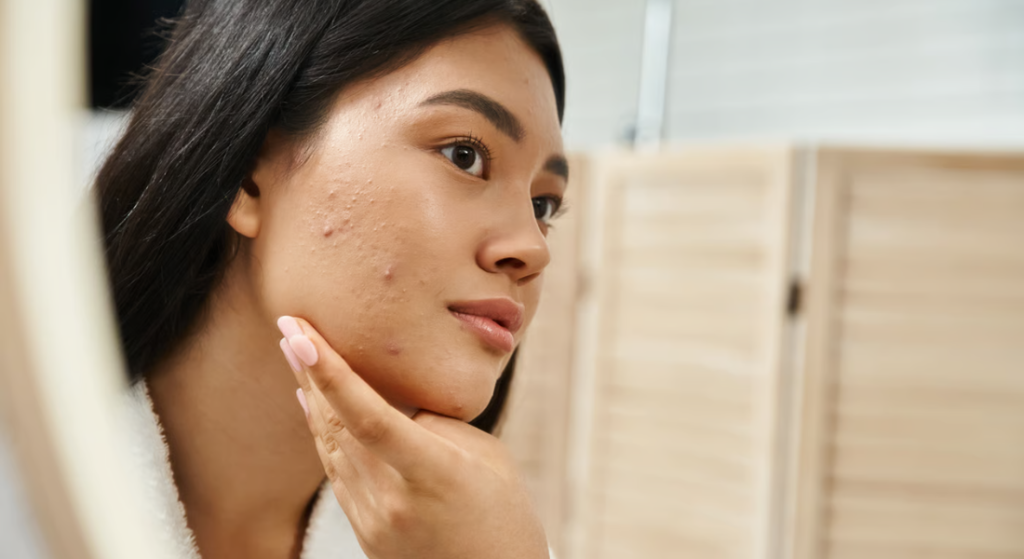
Hormonal changes play a big role in teenage acne, but the way it’s managed is usually quite different from adult acne. During puberty, your hormone levels naturally rise especially androgens and this increases oil production in your skin. That extra oil can clog pores and lead to breakouts. The good news is that for many people, this settles over time, and simpler treatments are often enough to keep things under control.
- Puberty-related hormonal changes: Your acne during the teenage years is often linked to normal hormonal changes in puberty. As androgen levels increase, your skin can become oilier, which makes spots more likely. In many cases, this improves gradually as your hormones balance out.
- Role of standard acne treatments: Most teenagers do well with straightforward treatments like topical retinoids, benzoyl peroxide, or sometimes antibiotic-based creams. These help reduce inflammation and prevent new spots forming. The key thing is consistency using your treatment regularly usually matters more than trying lots of different products.
- When hormonal therapy may be considered: In some cases, hormonal treatments such as the combined oral contraceptive pill may be considered for teenage girls. This is only after a proper medical assessment, where things like your menstrual cycle, acne severity, and overall health are taken into account. It’s always decided carefully with a clinician.
- Signs that need closer attention: Hormonal treatments may be considered more often if your acne is persistent, severe, or clearly linked to your menstrual cycle. Sometimes it may also lead your doctor to check for conditions like PCOS. These situations need a more detailed medical review.
Overall, the aim is to keep your treatment simple, effective, and suitable for your age. Many teenagers do really well with basic skincare and topical treatments alone. Getting early support can make a big difference, helping to reduce the risk of scarring and improving your confidence over time.
Adult Female Acne and Long-Term Management
Adult female acne is one of the strongest areas of interest in hormonal acne research. It often behaves differently from teenage acne and may need longer-term management rather than short bursts of treatment.
You may notice that your acne improves for a while and then returns when treatment is stopped. This can feel frustrating and emotionally tiring, especially when it feels like you are constantly starting from the beginning again.
Hormonal therapy may help some people achieve better long-term control, either on its own in selected cases or alongside topical treatments. Conference updates often focus on building a more stable long-term plan rather than only reacting to flare-ups as they happen.
The goal is to reduce future breakouts, protect your skin barrier, lower the risk of scarring, and make your routine something you can realistically maintain over time.
Hormonal Therapy and Isotretinoin Decisions
Isotretinoin remains one of the most effective treatments for severe acne, acne that causes scarring, or acne that has not responded to other therapies. However, it is not the right first choice for everyone, and your treatment needs to be tailored to your situation.
In hormonal acne discussions, dermatologists often consider when hormonal therapy might be tried before isotretinoin, and when isotretinoin is more appropriate. This decision depends on your acne severity, risk of scarring, how you have responded to previous treatments, and your own preferences.
For some women, hormonal therapy may be enough to control acne and delay or even avoid isotretinoin. For others, isotretinoin is still necessary, particularly if acne is severe, nodular, or already causing scarring.
These decisions are not a simple step-by-step ladder that everyone follows in the same way. Your dermatologist should explain clearly why a particular treatment is recommended for you and what other options are available so you can make an informed choice.
Mental Health and Quality of Life
Acne can affect your mental wellbeing more than many people realise. It can reduce your confidence, increase anxiety, and make you feel uncomfortable in social or professional situations.
International conferences increasingly recognise that acne treatment should not only focus on counting spots. It should also take into account how acne is affecting your daily life and overall wellbeing, especially when it continues into adulthood.
This emotional impact is important and should be taken seriously. If acne is affecting your self-esteem, mood, or daily life, you can mention this during your consultation so your dermatologist can consider both the physical and psychological impact when planning your treatment.
Skin Barrier and Tolerability
Another practical theme in modern acne care is protecting your skin barrier. Even though strong treatments can help improve acne, they can also irritate your skin if they are not used carefully or in the right combination.
This is particularly important when hormonal therapy is combined with topical retinoids, benzoyl peroxide, acids, or other active ingredients. If your skin becomes too dry, sore, or inflamed, you may stop treatment too early before it has a chance to work properly.
Conference discussions often focus on real-world success rather than just clinical trial results. That is why dermatologists often recommend simple supportive steps such as a gentle cleanser, a non-comedogenic moisturiser, and daily sunscreen, as these help you tolerate treatment and stay consistent long enough to see results.
Why Online Hormonal Acne Advice Can Be Misleading
Hormonal acne is widely discussed online, but not all of the advice you come across is accurate. You may see claims about supplements, diets, “hormone balancing” routines, or natural cures that promise quick results.
While some lifestyle changes can support your general health, they should not replace a proper medical assessment if your acne is persistent, painful, or causing scarring. Hormonal acne can have different underlying causes, and guessing what is driving it can delay effective treatment.
Online advice often oversimplifies hormones. You may be told that all jawline acne means PCOS or that every adult woman needs spironolactone, but neither of these statements is always true.
A dermatologist can properly assess your acne pattern, medical history, symptoms, and treatment goals before recommending a plan. This approach is much safer and more effective than trying multiple unproven treatments on your own.
What These Conference Updates Mean for Patients
The main message from recent international conference updates is that acne care is becoming more targeted and more thoughtful. Dermatologists are now paying closer attention to hormonal factors, especially in adult female acne.
Spironolactone is gaining more attention as a useful option for suitable women, alongside combined oral contraceptives when they are medically appropriate, and newer topical anti-androgen therapies that offer more localised treatment options.
There is also a clear effort to reduce over-reliance on long-term antibiotics. This does not mean antibiotics are no longer used, but they are being prescribed more carefully. For you, this means there may be more options than you realise if your acne keeps returning after standard treatment.
When to Seek Specialist Acne Care

You should consider specialist acne care if your acne is painful, persistent, scarring, or affecting your confidence. You may also benefit from a review if your acne keeps returning after antibiotics or topical treatments, as this often suggests you need a more tailored approach.
Adult female acne, jawline acne, menstrual flares, and acne linked with possible PCOS symptoms are also strong reasons to seek advice. These patterns can behave differently from typical acne and may need a more personalised treatment plan rather than a standard routine.
If you are looking for support from an acne clinic in London, you can speak to a dermatologist about whether hormonal therapy may be suitable as part of your wider acne treatment plan. The aim is not just short-term improvement, but better long-term control that fits your individual needs.
FAQs:
1. What is hormonal acne and how is it different from regular acne?
Hormonal acne is influenced by androgen hormones, which can increase oil production and trigger breakouts. It often appears on the lower face, jawline, chin, neck, chest, or back and may flare around menstrual cycles or hormonal changes. Unlike typical teenage acne, it can persist into adulthood and may need more targeted treatment.
2. Why is hormonal acne discussed at dermatology conferences?
Hormonal acne is a major focus at international dermatology conferences because treatment approaches are evolving. Experts discuss newer uses of spironolactone, combined oral contraceptives, and topical anti-androgens, as well as safer long-term strategies and reduced antibiotic use. These updates help improve personalised treatment approaches.
3. When might spironolactone be used for acne?
Spironolactone may be used in women with persistent or hormonally driven acne, especially when breakouts affect the lower face or recur after stopping antibiotics. It works by reducing the effect of androgens on the skin. It is only prescribed after medical assessment and is not suitable for everyone.
4. How do combined oral contraceptives help acne?
Combined oral contraceptives can help regulate hormones and reduce androgen activity, which may decrease oil production and breakouts. They are often considered for women with menstrual-related acne or PCOS symptoms. However, suitability depends on individual risk factors such as smoking, migraines, and clotting risk.
5. Why are doctors moving away from long-term antibiotics for acne?
Long-term antibiotics are being used less due to concerns about antibiotic resistance and reduced effectiveness over time. Instead, dermatologists now prefer combination treatments such as topical retinoids, benzoyl peroxide, and hormonal therapy when appropriate. This approach is safer for long-term acne control.
6. What is topical anti-androgen therapy?
Topical anti-androgen therapy targets hormone activity directly in the skin without affecting the whole body. A key example is clascoterone cream, which blocks androgen receptors locally to reduce acne. It may be used as part of a broader acne treatment plan, depending on availability and suitability.
7. Does hormonal acne always mean a hormone imbalance?
No, hormonal acne does not always mean abnormal hormone levels. Many people have normal blood tests but still experience acne due to increased skin sensitivity to normal hormone levels. This is why clinical assessment is more important than blood tests alone in many cases.
8. How is PCOS linked to hormonal acne?
Polycystic ovary syndrome (PCOS) can contribute to hormonal acne due to increased androgen levels. It may also cause irregular periods, excess hair growth, and oily skin. However, not all hormonal acne is caused by PCOS, so proper medical evaluation is needed before making a diagnosis.
9. What is the best treatment approach for hormonal acne?
There is no single best treatment for everyone. Dermatologists often use a combination approach, including topical treatments, hormonal therapy, and skincare support. The choice depends on your acne pattern, severity, medical history, and treatment goals.
10. When should I see a dermatologist for hormonal acne?
You should see a dermatologist if your acne is persistent, painful, scarring, or affecting your confidence. It is also important to seek help if acne does not respond to standard treatments or appears linked with hormonal symptoms such as menstrual flares or suspected PCOS.
Final Thoughts on Hormonal Acne Conference Updates
Overall, the latest discussions from international dermatology conferences show a clear shift towards more personalised and balanced acne care, especially when hormonal factors are involved. Treatments such as spironolactone, combined oral contraceptives and newer topical anti-androgen options are being used more thoughtfully, while long-term antibiotic use is being reduced in favour of safer combination approaches.
What stands out most is the move away from a one-size-fits-all method towards treatment plans that take your skin pattern, hormone sensitivity, medical history and lifestyle into account. This makes acne care more tailored, but also highlights the importance of proper clinical assessment before starting any hormonal therapy. If you’re considering acne clinic in London, you can get in touch with us at London Dermatology Centre.
References:
- Zaenglein, A.L., Pathy, A.L., Schlosser, B.J., Alikhan, A., Baldwin, H.E., Berson, D.S. et al. (2016) Guidelines of care for the management of acne vulgaris, Journal of the American Academy of Dermatology. Available at: https://pubmed.ncbi.nlm.nih.gov/26897386/
- Rao, A., Douglas, S.C. and Hall, J.M. (2021) Endocrine Disrupting Chemicals, Hormone Receptors, and Acne Vulgaris: A Connecting Hypothesis. Cells, 10(6), 1439. Available at: https://www.mdpi.com/2073-4409/10/6/1439
- Jung, J.Y., Kwon, H.H., Choi, J.W. and Yoon, J.Y. (2024) Exploring Acne Treatments: From Pathophysiological Mechanisms to Emerging Therapies. International Journal of Molecular Sciences, 25(10), 5302. Available at: https://www.mdpi.com/1422-0067/25/10/5302
- Trivedi, M.K., Shinkai, K. and Murase, J.E. (2017) A review of hormone-based therapies to treat adult acne vulgaris in women. International Journal of Women’s Dermatology, 3(1), pp.44–52. Available at: https://pmc.ncbi.nlm.nih.gov/articles/PMC5419026/
- Arowojolu, A.O., Gallo, M.F., Grimes, D.A. and Garner, S.E. (2012) Combined oral contraceptive pills for treatment of acne. Cochrane Database of Systematic Reviews. Available at: https://pmc.ncbi.nlm.nih.gov/articles/PMC11437354/