



Acne treatment is changing, and international dermatology conferences often give doctors an early view of where the field is heading. These meetings bring together dermatologists, researchers, pharmaceutical experts and clinical specialists to discuss new medicines, updated guidelines and real-world treatment challenges.
For you as a patient, this matters because acne care is no longer limited to the same few treatment options. Dermatologists now have more ways to think about acne, including inflammation, oil production, hormonal pathways, skin barrier health, bacterial balance, antibiotic resistance and long-term control.
International conferences do not usually change clinical practice overnight. However, they do help shape how dermatologists understand new acne medications, where they may fit into treatment plans and which patients may benefit most.
In this article, I’ll walk you through the new and emerging acne medications attracting attention among dermatology experts. I’ll also explain why these developments matter, what they may mean for patients and why specialist guidance is still important before starting any new acne treatment.
Why Acne Medication Updates Matter
Acne is very common, but that does not mean it is simple. It can affect teenagers, adults, women with hormonal flares, people with oily skin, and those who have already tried several treatments without lasting improvement.
You may have mild clogged pores, or you may be dealing with painful inflammatory spots, nodules, cysts, pigmentation marks, or even scarring. Because acne can behave so differently from person to person, treatment today needs to be more personalised than it was in the past.
This is why international dermatology conferences place so much focus on new medications. Experts are not just asking whether a treatment works, but also who it works for, how safely it can be used, how long it should be used for, and how it fits alongside other options you may already be using.
These questions matter because acne treatment can feel frustrating when you experience short-term improvement followed by repeated flare-ups. Newer treatments aim to fill the gaps where older options have not worked well enough or have not been suitable for you.
The Move Towards More Targeted Acne Treatment
Older acne treatment often focused on broad categories such as topical creams, antibiotics, hormonal treatment, and isotretinoin. These are still very important, but modern acne care is becoming much more targeted in how it is used for you.
Dermatologists now look more closely at what is actually driving your acne. This might include blocked pores, excess sebum, inflammation, bacteria, hormonal sensitivity, irritation from skincare products, or a weakened skin barrier. Newer medications are often designed to act on specific pathways, helping to treat your acne in a more precise way.
This does not mean older treatments are no longer useful. Benzoyl peroxide, topical retinoids, antibiotics, hormonal therapy, and isotretinoin still play a strong role in acne care. The main change is that your dermatologist now has more ways to combine, sequence, and personalise treatments for you, especially if your acne has not improved with standard routines.
Topical Clascoterone and Local Hormonal Targeting
One of the newer acne medications discussed in recent years is topical clascoterone. It is a topical androgen receptor inhibitor, meaning it targets androgen activity directly in the skin where acne develops.
Androgens can increase oil production and contribute to acne. Traditionally, hormonal acne treatment has often relied on oral options such as combined oral contraceptives or spironolactone, mainly for suitable female patients with hormonal patterns.
Topical clascoterone works locally on the skin rather than affecting the whole body, which is why it is an important topic in dermatology discussions. For you, it may be considered if your acne seems hormonally driven but oral hormonal treatments are not suitable or preferred.
Why Clascoterone Is Attracting Attention
Clascoterone is attracting attention because it represents a newer class of acne treatment. Instead of simply reducing bacteria or unclogging pores, it targets androgen signalling directly in the skin where acne develops.
This is important because oily skin and androgen sensitivity can play a major role in acne. If oil production stays high, your acne may keep coming back even when inflammation improves for a short time.
Conference discussions often focus on where clascoterone fits in the treatment pathway. It may be considered for you if you have mild to moderate acne where hormonal influence is suspected, or when dermatologists want to reduce reliance on oral antibiotics as part of antibiotic stewardship.
However, treatment success still depends on correct use and realistic expectations. Like many acne treatments, it may take several weeks before you start to see visible improvement.
Trifarotene and Newer Retinoid Therapy
Retinoids remain one of the most important groups of medicines in acne treatment. They help you prevent clogged pores, reduce comedones, and support longer-term control of acne.
Trifarotene is a newer topical retinoid that has been discussed in recent acne updates because of its selective activity on retinoic acid receptor gamma, which is found in high levels in the skin. This makes it a useful option in modern acne care, especially for both facial and body acne.
It has been studied for truncal acne, meaning acne on your chest, shoulders, and back, which can be difficult to manage and may affect confidence, clothing choices, and scarring risk. As with other retinoids, you may experience dryness or irritation early on, so dermatologists usually introduce it gradually with gentle skincare support.
Why Retinoids Still Matter in New Acne Discussions
Even though retinoids are not new as a medication group, they remain central in acne conference discussions because they form the foundation of many effective treatment plans. Newer options such as trifarotene show that this group is still evolving and being refined.
Retinoids are important because they act on one of the earliest stages of acne formation: blocked pores. If you only treat inflamed spots once they appear, you may miss the chance to prevent new breakouts from developing in the first place. This is why they are often used not just for active acne, but also for maintenance after improvement.
However, retinoids do need proper guidance. Using too much too quickly can irritate your skin, weaken your skin barrier, and sometimes make acne feel worse at the start. Your dermatologist can guide you on how to use them correctly, manage dryness, and stay consistent without stopping treatment too early.
Sarecycline and Narrower-Spectrum Antibiotic Treatment
Oral antibiotics are still used for inflammatory acne, but international conferences often highlight the importance of using them more responsibly. Repeated or long-term antibiotic use can contribute to antibiotic resistance, so dermatologists are focusing on reducing unnecessary exposure where possible.
Sarecycline is a newer tetracycline-class antibiotic that has been discussed in acne updates because it has a narrower spectrum compared with some older antibiotics. This means it is designed to target acne-related bacteria more specifically, with potentially less impact on other bacteria in your body.
However, this does not make it risk-free, and it is not suitable for every patient. It does show the direction modern acne care is moving in, with more careful treatment choices and less reliance on broad-spectrum antibiotics when they are not needed.
In practice, antibiotics are usually used for limited periods and are combined with topical treatments such as benzoyl peroxide or retinoids to improve results and reduce resistance risk. If you have needed repeated antibiotic courses, it may be worth discussing a longer-term plan with your dermatologist.
Antibiotic Stewardship in Acne Medication Updates
Antibiotic stewardship is one of the strongest themes in acne conferences and updated guidelines. The aim is not to stop antibiotics altogether, but to use them in the right way, for the right length of time, and with a clear treatment plan.
You may have been prescribed antibiotics for months or returned to them each time your acne flares. While this can help short term, it often does not address why your acne keeps coming back in the first place.
Because of this, dermatologists are now encouraged to combine antibiotics with other treatments and avoid using them as long-term maintenance. Options such as topical retinoids, benzoyl peroxide, clascoterone, hormonal therapy, and isotretinoin can help reduce the need for repeated antibiotic courses and support a more long-term plan for you.
Topical Minocycline and Local Antibiotic Delivery
Topical antibiotic treatments like minocycline are being developed to target acne more directly at the skin level. Instead of working through your whole system like oral antibiotics, these treatments are applied straight onto the skin. The idea is to deliver anti-inflammatory and antibacterial effects right where your acne is forming, while reducing overall exposure in the rest of your body.
- Targeted treatment at skin level: Topical minocycline works by acting directly on the affected areas of your skin. So rather than circulating through your bloodstream, it focuses on the spots themselves. This can make treatment more targeted and potentially more efficient for inflammatory acne.
- Reduced systemic exposure: Because you’re applying it to the skin, there’s generally less antibiotic exposure throughout your body compared with oral antibiotics. That can be helpful in some patients, although response and absorption can still vary from person to person.
- Need for combination therapy: Like most antibiotic-based acne treatments, topical minocycline usually works best when it’s used alongside other therapies. It’s not generally recommended as a long-term standalone option because of resistance concerns. Pairing it with other treatments often gives better and more stable results.
- Role of benzoyl peroxide in resistance control: Benzoyl peroxide is often used alongside antibiotics because it helps reduce acne-causing bacteria without leading to antibiotic resistance. This makes it an important part of combination treatment plans and helps improve long-term acne control.
Overall, topical antibiotics like minocycline offer a more targeted way of treating acne, but they still need to be used carefully. Even newer formulations don’t remove the need for responsible prescribing or combination approaches. The key is always choosing the right treatment for your skin at the right time, rather than relying on a single solution.
New Fixed-Dose Combination Treatments
Combination treatments are often discussed at dermatology meetings because acne usually involves several processes at the same time. Using more than one active ingredient together can make treatment more effective and easier for you to follow.
Fixed-dose combination products may include ingredients such as benzoyl peroxide, retinoids, or antibiotics in a single preparation. The aim is to simplify your routine while still targeting different pathways that contribute to acne.
This can be helpful because complicated skincare routines often do not work well in real life. If you are using too many products, you may miss steps, overuse actives, or stop treatment early if your skin becomes irritated. However, combinations can still cause irritation in some people, so your dermatologist may adjust how often you use them or add moisturiser support to keep your skin comfortable.
Isotretinoin Updates and Ongoing Conference Discussion
Isotretinoin is not a new medication, but it still comes up regularly in international dermatology conferences. It is one of the most effective treatments you can have for severe acne, acne that causes scarring, or acne that has not responded to other standard treatments.
A lot of current discussion focuses on how to use it more safely and effectively for you, including dosing approaches, blood test monitoring, mental health considerations, strict pregnancy prevention, and the kind of support you may need during treatment.
For many people, isotretinoin can be life-changing, but it is also a medicine that needs careful supervision. It can cause dryness, sun sensitivity, changes in blood results, and serious risks in pregnancy, so it should only be used under specialist care with proper monitoring throughout your course.
Hormonal Treatment Updates and Acne Medication Choices
Hormonal treatments still play an important role in modern acne care, especially if your acne is linked to hormonal fluctuations. While these treatments have been used for a while, ongoing research and conference discussions are refining exactly who benefits most and when they should be used. They’re particularly relevant if you have adult female acne, where breakouts often follow a hormonal pattern. The main focus now is on using them more carefully and selecting the right patients.
- Role of spironolactone and oral contraceptives: Spironolactone and combined oral contraceptive pills are commonly used in adult female acne. They can be especially helpful if your acne tends to flare around your menstrual cycle or affects the lower part of your face. These treatments work by reducing the effect of androgens on your skin, which helps lower oil production and breakouts.
- Targeting hormonal causes of acne: Unlike topical treatments or antibiotics that mainly deal with bacteria and inflammation, hormonal treatments work on the underlying hormonal trigger itself. That’s why they can be particularly useful if your acne keeps coming back after other treatments. In the right patients, they can offer better long-term control.
- Careful patient selection required: These treatments aren’t suitable for everyone, so your doctor will always assess you carefully first. Things like pregnancy plans, blood pressure, migraine history, clotting risks, and any other medications you’re taking all need to be considered. A full medical review is essential before starting hormonal therapy.
- Association with PCOS and hormonal symptoms: Sometimes hormonal acne can be linked with conditions like polycystic ovary syndrome (PCOS). In these cases, you might also notice other symptoms like irregular periods or increased facial hair growth. Spotting these patterns helps your doctor choose the most appropriate treatment approach.
Overall, hormonal treatments can be a very effective option if your acne is clearly hormone-driven. But they always need to be tailored to you as an individual. When used appropriately, they can improve long-term control and reduce the need for repeated antibiotics, while still keeping safety in mind.
Microbiome-Focused Acne Treatments
The skin microbiome has become an exciting area in acne research, and it is increasingly discussed at dermatology conferences. You may hear more about how the balance of bacteria and other microorganisms on your skin can influence acne development.
Older acne treatments often focused mainly on reducing Cutibacterium acnes. Modern research is more nuanced, looking instead at bacterial balance, inflammation, and overall skin barrier function rather than just targeting one type of bacteria.
This has led to growing interest in newer approaches such as probiotics, prebiotics, antimicrobial peptides, and even phage-based therapies. These are still emerging areas, and many are not yet part of routine acne treatment, but they show where future options may be heading for you.
The aim is not simply to eliminate bacteria, but to help rebalance the skin environment in a healthier way. However, it is important to be cautious, as not all “microbiome-friendly” skincare products have strong clinical evidence behind them, even if they are marketed that way.
Anti-Inflammatory Acne Medications

Inflammation is central to acne, especially when your spots are red, painful, swollen, or deep. Newer acne treatment discussions often focus on how to control this inflammation effectively while reducing unnecessary antibiotic use.
Some established treatments, such as retinoids and benzoyl peroxide, already have anti-inflammatory benefits. However, researchers are still exploring more targeted ways to influence inflammatory pathways in the skin so treatment can be more precise and better tolerated.
This is important because inflammation in acne can lead to pigmentation changes and scarring. For many people, the marks left behind can be just as distressing as the active breakouts, which is why early and effective treatment is so important for you.
Phage Therapy and Antimicrobial Peptides
Phage therapy is one of the more experimental areas being discussed in acne research settings. Phages are viruses that can target specific bacteria, and in theory, they could be used to focus more precisely on acne-related strains.
This approach may one day allow treatment to target the bacteria linked with breakouts more selectively than traditional antibiotics, while potentially causing less disruption to your skin microbiome. However, it is still early-stage research and not something used in routine acne treatment.
Antimicrobial peptides are another area of interest. These are small molecules involved in your natural immune defence that may help fight microbes and reduce inflammation. While not yet standard care, both approaches point towards more precise, future acne treatments tailored more closely to your skin.
Sebum-Targeting Treatments
Sebum, or skin oil, plays a major role in acne. When oil production is high, your pores can become clogged more easily, leading to the formation of blackheads, whiteheads, and inflammatory spots. This excess oil also creates an environment where bacteria can thrive, which can further worsen breakouts and inflammation.
International acne discussions often focus on how to control sebum safely. Isotretinoin is very effective at reducing oil production, but it is not suitable for every patient due to its side effects and monitoring requirements. Newer approaches aim to regulate sebum without the same level of systemic effect, including topical anti-androgen treatments that work more locally in the skin.
Researchers are also looking at the quality of sebum, not just the amount. Changes in oil composition may influence inflammation and acne development in ways that are still being understood. This is an important area of research because better sebum-targeting treatments could improve long-term control of acne for you.
Acne Medication for Truncal Acne
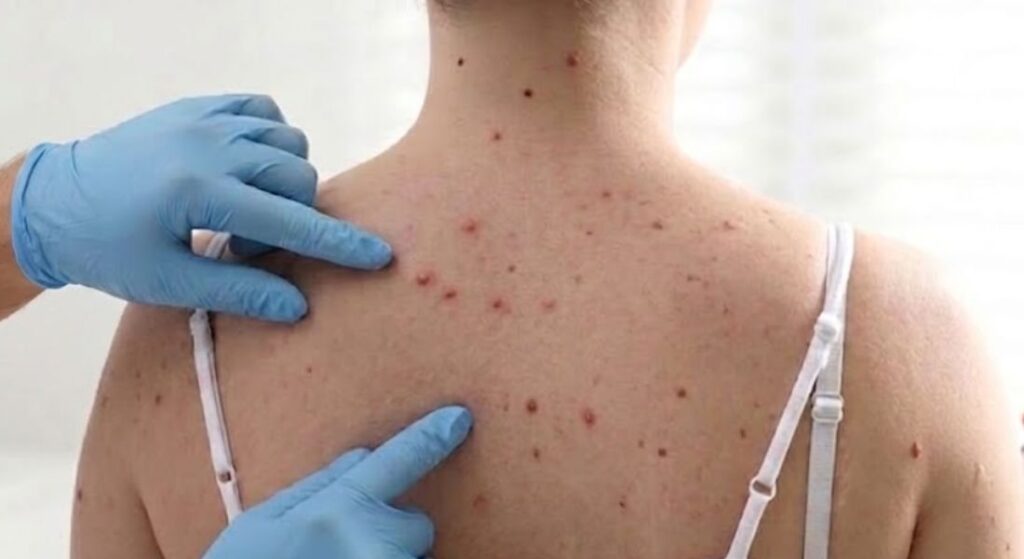
Body acne is getting more attention at conferences because it is often under-discussed. You may talk about facial acne more easily, but feel embarrassed about spots on your chest, back, or shoulders, even though these are very common.
Truncal acne can be painful, widespread, and more difficult to treat with small amounts of topical medication. It may also lead to scarring or pigmentation changes, especially if it is persistent or not managed early enough.
Newer topical treatments and retinoid options have helped bring body acne into the conversation. Dermatologists also consider practical factors such as how you apply treatment, clothing friction, sweating, and day-to-day comfort when planning care for truncal acne.
Treatments for Acne in Skin of Colour
Acne treatment in skin of colour is really important to think about carefully because it’s not just about clearing spots. You may also be more prone to post-inflammatory hyperpigmentation (those dark marks after a spot heals), uneven skin tone, and in some cases keloid or raised scarring. Even when the acne itself improves, these changes can sometimes linger, so treatment needs a slightly broader approach.
- Post-inflammatory hyperpigmentation (PIH): PIH is very common in skin of colour, where acne spots leave behind dark marks after they heal. These marks can sometimes last longer than the acne itself, which can understandably be frustrating. So treatment often focuses on both clearing active acne and reducing the risk of new pigmentation forming.
- Importance of gentle treatment choices: If your skin is more sensitive, harsh or irritating treatments can sometimes make pigmentation worse. That’s why dermatologists usually introduce acne treatments gradually and monitor how your skin responds. A gentler, steady approach often gives better long-term results without triggering extra dark marks.
- Role of azelaic acid and retinoids: Azelaic acid is often a go-to option because it can help with both acne and pigmentation at the same time. Retinoids are also commonly used since they speed up skin cell turnover and help prevent blocked pores. That said, both need to be introduced carefully to avoid irritation.
- Need for individualised treatment planning: With skin of colour, it’s not just about how many spots you have. Your risk of pigmentation, scarring tendency, and how sensitive your skin is all matter too. So treatment really needs to be tailored to you, rather than using a one-size-fits-all approach.
Overall, treating acne in skin of colour is about finding the right balance between clearing breakouts and protecting your skin from long-term marks. A careful, personalised plan can make a big difference to both your skin clarity and overall skin tone in the long run.
Why New Does Not Always Mean Better
New acne medications are exciting, but they are not automatically better for every person. A new treatment may be helpful for one acne pattern and unnecessary for another, depending on what is driving your breakouts.
Some newer medicines may also be more expensive, less available, or less familiar in certain healthcare settings. Because of this, guidelines often consider not just effectiveness, but also access, cost, and how practical a treatment is in everyday life for you.
That is why your dermatologist may still recommend established treatments first, since older options can be very effective when they are used correctly and consistently. The best acne medication is not always the newest one, but the one that fits your acne type, skin tolerance, medical history, and long-term goals.
How Dermatologists Use Conference Updates in Practice
When dermatologists attend international conferences, they do not simply copy every new idea into clinic. They evaluate the evidence, compare it with existing guidelines, and consider whether it is relevant for patients like you.
A medication may look promising in early research but still need more data before it becomes routine treatment. Another option may already be approved in one country but still unavailable or not licensed in another, which affects real-world prescribing.
Conference updates help doctors stay informed, but safe prescribing depends on regulation, clinical experience, and careful assessment of your individual acne type and medical history. In practice, your dermatologist uses this knowledge to refine treatment combinations, reduce unnecessary antibiotics, and better identify hormonal or difficult-to-treat acne patterns for you.
What Patients Should Ask About New Acne Medications
If you are interested in newer acne medications, it helps to ask clear questions during your appointment. You can ask whether your acne pattern makes you suitable for topical anti-androgen therapy, newer retinoids or alternative antibiotic options.
You can also ask whether your current routine is treating the main cause of your acne. If you are only treating active spots but still getting new breakouts, your plan may need adjustment. Ask how long a medication should be used before judging results. Many acne treatments need 8 to 12 weeks before meaningful improvement is clear.
It is also sensible to ask about side effects, pregnancy safety, irritation risk, cost and whether treatment is available in your location. A good consultation should leave you with a clear plan, not just another product to try.
When to Seek Specialist Acne Support

You should consider specialist acne support if your acne is painful, persistent, scarring or affecting your confidence. You may also need specialist advice if you have tried several over-the-counter or prescription treatments without lasting improvement.
Adult acne, hormonal acne, body acne and acne with pigmentation changes may all benefit from a more personalised treatment plan. These cases often need more than a basic skincare routine. If you are looking for support from an acne clinic in London, a dermatologist can assess your acne properly and explain whether newer medications may be suitable for your skin.
Specialist care can also help you avoid unnecessary treatment cycles. This is especially important if you have been using antibiotics repeatedly or changing products too often. The aim is not just to clear your skin for a few weeks. The aim is to build a plan that gives you more stable, long-term control.
FAQs:
1. What are new acne medications discussed at dermatology conferences?
New acne medications discussed at international conferences include topical anti-androgens like clascoterone, newer retinoids such as trifarotene, narrower-spectrum antibiotics like sarecycline, and emerging options like topical minocycline and microbiome-based therapies. These treatments aim to improve effectiveness while reducing side effects and antibiotic resistance.
2. Are new acne treatments better than traditional ones?
Not always. While newer treatments may offer more targeted action or improved tolerability, established options like retinoids, benzoyl peroxide, antibiotics, hormonal therapy, and isotretinoin remain highly effective. The best treatment depends on your acne type, severity, and how your skin responds rather than how new the medication is.
3. What is clascoterone and how does it work for acne?
Clascoterone is a topical anti-androgen that works directly on the skin by blocking androgen receptors. This reduces oil production and inflammation in acne-prone areas. It is particularly useful for mild to moderate acne where hormonal influence is suspected, and it may be an option when oral hormonal treatments are not suitable.
4. What makes trifarotene different from other retinoids?
Trifarotene is a newer topical retinoid that selectively targets retinoic acid receptor gamma, which is highly active in the skin. It helps prevent clogged pores and is also studied for body (truncal) acne on the chest, back, and shoulders. Like other retinoids, it may cause dryness initially but improves acne over time.
5. Why are antibiotics being used less in acne treatment?
Antibiotics are being used more cautiously due to concerns about antibiotic resistance and reduced long-term effectiveness. Dermatologists now prefer short courses combined with topical treatments like benzoyl peroxide or retinoids, rather than long-term antibiotic use. This helps protect future treatment effectiveness.
6. What is sarecycline and why is it different?
Sarecycline is a newer oral antibiotic with a narrower spectrum of activity compared with older tetracyclines. It is designed to target acne-related bacteria more specifically, potentially reducing disruption to the body’s natural microbiome. However, it is still used under medical supervision and is not suitable for everyone.
7. What are microbiome-based acne treatments?
Microbiome-based treatments aim to balance the skin’s natural bacteria rather than simply eliminating them. These include probiotics, prebiotics, antimicrobial peptides, and experimental phage therapies. While promising, many of these approaches are still in early research stages and not widely used in routine acne care.
8. How do combination treatments help acne?
Combination treatments target acne through multiple pathways at once, such as oil production, clogged pores, bacteria, and inflammation. For example, benzoyl peroxide may be used with a retinoid or antibiotic. This approach improves effectiveness, simplifies routines, and helps reduce the risk of resistance or treatment failure.
9. Are hormonal treatments still important in acne care?
Yes, hormonal treatments such as spironolactone and combined oral contraceptives remain important, especially for adult female acne or acne linked to menstrual cycles or PCOS. They work by reducing androgen effects on the skin and can be very effective when chosen appropriately after medical assessment.
10. When should I consider specialist acne treatment?
You should consider seeing a dermatologist if your acne is persistent, painful, scarring, or affecting your confidence. Specialist care is also important if standard treatments are not working or if acne keeps returning. A dermatologist can assess whether newer or combination therapies may be suitable for your skin.
Final Thoughts on New Acne Medications at Conferences
Overall, the latest international dermatology conference updates show that acne treatment is steadily moving towards more targeted, personalised and combination-based approaches. Rather than relying on a single “standard” medicine, dermatologists now have a wider range of options that act on different acne pathways, including oil production, inflammation, bacterial balance and hormonal influences.
Newer medications such as topical clascoterone, trifarotene, sarecycline and emerging microbiome-focused therapies reflect a broader shift in acne care. However, these treatments are not intended to replace established options. Instead, they expand the toolkit available to dermatologists so that treatment can be better matched to your specific acne type, skin sensitivity and long-term needs.
At the same time, there is a strong emphasis on reducing unnecessary long-term antibiotic use and improving treatment safety, especially for people who need ongoing or repeated acne therapy. This balanced approach aims to improve results while also protecting your skin health over time. If you are looking for an acne clinic in London, you can reach out to us at the London Dermatology Centre to book a consultation with one of our specialists.
References:
- Zaenglein, A.L. et al. (2016) Guidelines of care for the management of acne vulgaris. Journal of the American Academy of Dermatology, 74(5), pp.945–973.e33. Available at: https://pubmed.ncbi.nlm.nih.gov/26897386/
- Barbieri, J.S. and James, W.D. (2020) Acne Vulgaris: Pathogenesis and Treatment. Available at: https://pmc.ncbi.nlm.nih.gov/articles/PMC7780807/
- Ebede, T.L., Arch, E.L. and Berson, D. (2009) Hormonal treatment of acne in women. Journal of Clinical and Aesthetic Dermatology, 2(12), pp.16–22. Available at: https://pmc.ncbi.nlm.nih.gov/articles/PMC2923944/
- Del Rosso, J.Q. et al. (2021) Topical retinoids in acne vulgaris: mechanisms, efficacy and tolerability in modern acne therapy. Journal of Clinical Medicine, 10(14), 3125. Available at: https://www.mdpi.com/2077-0383/11/24/7535
- Baldwin, H. et al. (2023) Advances in acne vulgaris management: emerging therapies and combination approaches. Pharmaceuticals 16(4), 620. Available at: https://www.mdpi.com/1424-8247/19/4/620