


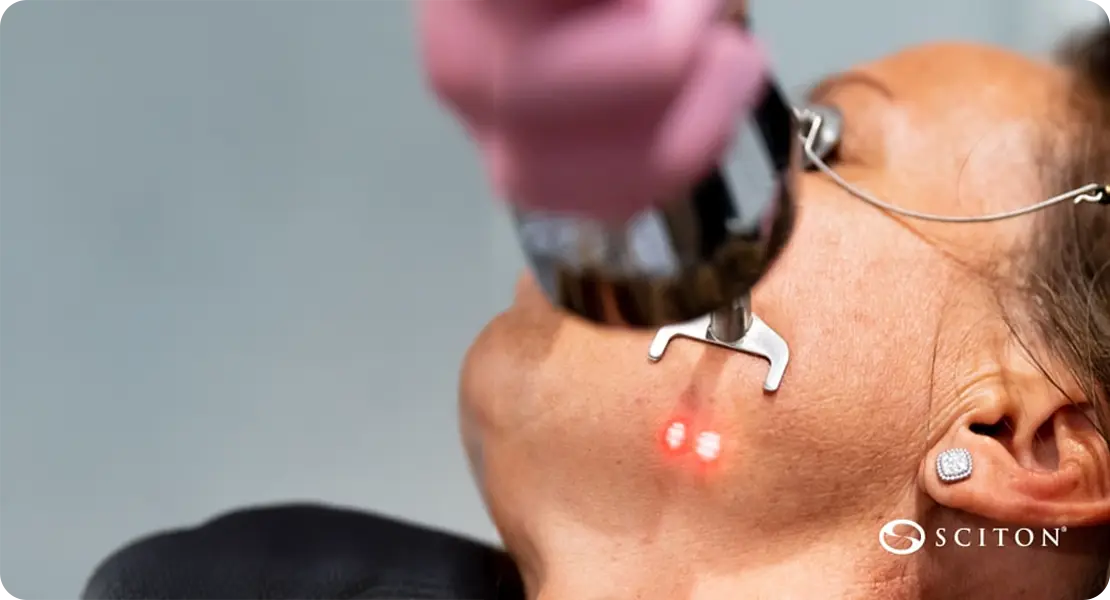
Laser acne scar treatment is widely promoted as safe and effective, and for many patients it is. When performed correctly, it can significantly improve skin texture, tone, and confidence. However, like any medical procedure, it is not completely risk-free.
What often causes anxiety isn’t the risks themselves, but the lack of clear explanation around them. Many patients only hear about best-case outcomes, not the possible complications or why certain people are more suitable than others.
This article takes a realistic, reassuring approach. I’ll explain the potential risks and complications of laser acne scar treatment, why they occur, how common they actually are, and how experienced dermatologists reduce those risks through careful planning and technique.
Why Risks Are Rarely Discussed Clearly
Many clinics place strong emphasis on successful outcomes, advanced technology, and positive patient experiences. This focus is understandable, as most people seeking treatment want reassurance rather than anxiety. However, when conversations centre only on benefits, important information about potential risks, side effects, and recovery timelines can be underexplored, leaving patients without a full understanding of what to expect.
Being informed about risks does not mean expecting problems. Instead, it helps patients recognise what is a normal part of healing and what may require medical advice. When temporary symptoms or unexpected sensations occur, patients who have been properly informed are less likely to panic or assume something has gone wrong.
Laser Acne Scar Treatment Is Safe But Not Risk-Free
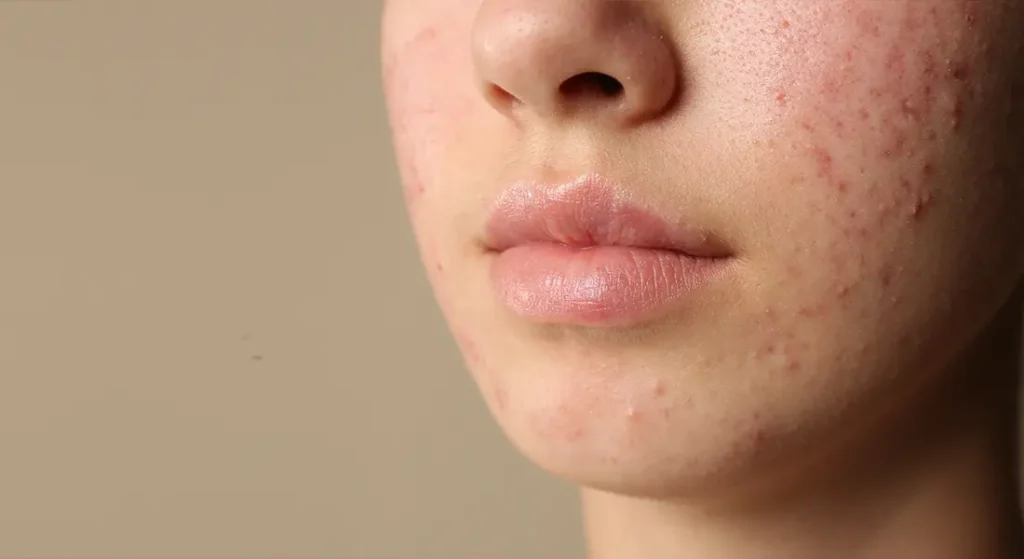
Laser acne scar treatment is widely regarded as safe when performed by experienced professionals, but it is not completely without risk. The procedure works by creating controlled micro-injuries in the skin, which stimulate the body’s natural healing response. Over time, this process encourages collagen remodelling and gradual improvement in the appearance of scars.
Because the skin is intentionally injured to trigger repair, some degree of reaction is expected. Redness, swelling, peeling, and sensitivity are common and usually represent normal stages of healing. These effects are typically temporary and settle as the skin recovers, but they still require proper aftercare and realistic expectations.
In some cases, side effects may be more pronounced or last longer than anticipated. Pigment changes, prolonged redness, or delayed healing can occur, particularly if the skin type, laser settings, or aftercare are not carefully matched to the patient. This is why thorough assessment and individualised treatment planning are essential.
The aim of laser acne scar treatment is not to eliminate all risk, which is unrealistic, but to minimise it as much as possible. Appropriate patient selection, skilled technique, and clear guidance before and after treatment significantly reduce complications and help achieve safer, more predictable results.
Pigmentation Changes: One of the Most Common Concerns
Pigmentation changes are among the most commonly discussed risks following laser skin treatments, particularly for individuals with medium to darker skin tones. These changes occur because pigment-producing cells in the skin can be sensitive to heat and inflammation. Understanding why pigmentation changes happen helps patients feel informed and reassured about both prevention and recovery.
Pigmentation changes may appear as:
1. Post-inflammatory hyperpigmentation (PIH): This occurs when treated areas temporarily become darker after inflammation triggers increased melanin production. While it can be concerning in appearance, PIH is usually temporary and fades gradually with appropriate skincare and sun protection.
2. Hypopigmentation: In rarer cases, the skin may become lighter if melanin production is reduced in the treated area. This is less common and is carefully minimised through conservative laser settings and expert treatment planning.
These pigmentation changes typically arise because melanocytes react to the inflammatory response caused by laser energy. With correct laser selection, tailored treatment settings, appropriate pre-treatment preparation, and diligent aftercare, the risk is significantly reduced.
In most cases, any pigmentation changes are temporary and improve gradually over time, allowing the skin to return to a more even and balanced tone.
Prolonged Redness and Sensitivity
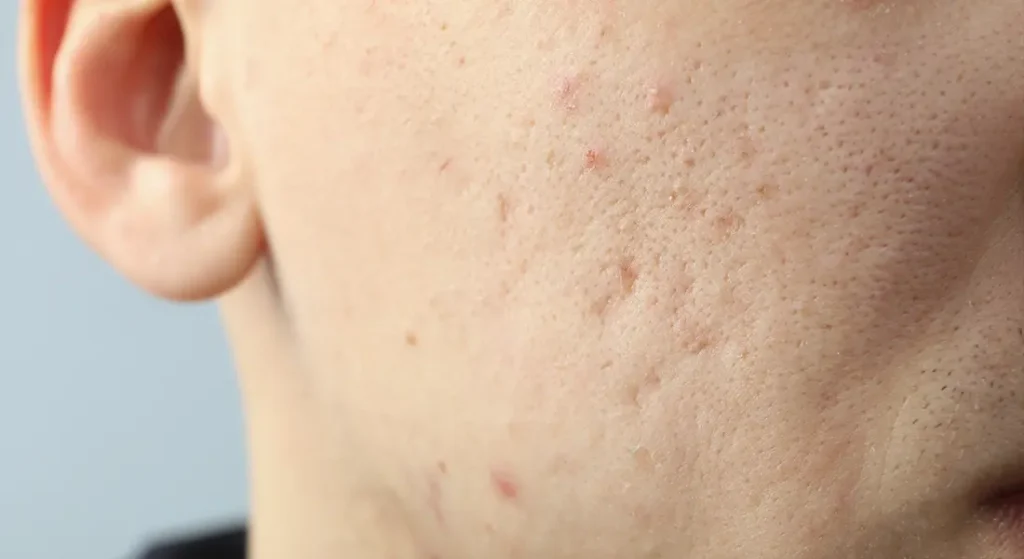
Redness and sensitivity are expected responses after laser acne scar treatment, particularly when resurfacing lasers are used. In most patients, this redness gradually fades over a period of days to a few weeks as the skin repairs itself and inflammation settles.
Occasionally, redness can persist for longer than anticipated. This is more likely after more intensive treatments or in individuals with naturally sensitive or reactive skin. Environmental factors, skincare products, and sun exposure can also influence how quickly the skin returns to normal.
Prolonged redness does not usually indicate permanent damage. Rather, it reflects a slower healing process that often improves with time, gentle skincare, and appropriate medical guidance. With supportive care and patience, the skin typically continues to settle and recover.
Temporary Texture Changes During Healing
It is not unusual for the skin to feel rough, uneven, or slightly bumpy during the healing phase after laser acne scar treatment. For many patients, this can be worrying, particularly if the skin feels worse before it looks better.
These temporary texture changes are usually a normal part of the recovery process. As the skin sheds damaged cells and begins to regenerate, the surface may feel irregular. At the same time, deeper layers of the skin are producing new collagen, which contributes to this altered texture in the short term.
As healing progresses, the skin gradually smooths out. The roughness typically settles as inflammation reduces and the skin barrier repairs itself. This stage can take several weeks, depending on the type of laser used and the depth of treatment.
Risk of Scarring: Rare but Understandable to Worry About
The thought of scarring from a treatment designed to improve scars can understandably feel worrying. However, true scarring following laser acne scar treatment is uncommon when procedures are performed correctly. Advances in laser technology and careful clinical assessment have made these treatments safer than ever.
Scarring is most likely to occur when certain risk factors are present, such as:
1. Incorrect laser settings: Using laser energy that is too aggressive for the skin can cause unnecessary tissue damage. Skilled practitioners carefully adjust settings to match your skin type and scar depth, significantly reducing this risk.
2. Inappropriate treatment for the skin type: Different skin tones and textures respond differently to laser treatment. Selecting the correct laser and technique for your skin type is essential to avoid complications.
3. Poor aftercare or infection: Not following aftercare instructions or developing an infection during healing can interfere with normal skin repair. Proper wound care and prompt management of any concerns help protect the skin as it heals.
Experienced dermatologists thoroughly assess your skin and medical history to avoid these situations. When established protocols are followed and aftercare is respected, the risk of scarring remains very low.
Infection and Delayed Healing
Any treatment that disrupts the skin’s natural barrier carries a small but real risk of infection. With laser acne scar treatments, this risk is kept low through careful sterile technique during the procedure and clear aftercare advice afterwards.
Infections are uncommon, but they are more likely if the treated skin is touched excessively, exposed to unclean environments, or if aftercare instructions are not followed. Early signs can usually be managed effectively when addressed promptly.
Delayed healing is another possible issue, particularly if the skin becomes irritated or stressed during recovery. Sun exposure, harsh skincare products, or returning to normal activities too quickly can all slow the healing process.
Most cases of delayed healing do not result in long-term problems, but they can prolong redness and discomfort. Following aftercare instructions closely, especially regarding sun protection and gentle skin care, plays a crucial role in reducing complications and supporting smooth recovery.
Why Skin Type Matters So Much
Skin type plays a major role in how the skin reacts to laser treatment. Factors such as natural pigmentation, sensitivity, and healing response influence how well the skin tolerates laser energy and how quickly it recovers. Some skin types are more prone to inflammation, prolonged redness, or pigmentation changes if treatment is not carefully tailored.
Because of this, experienced dermatologists adjust the laser type, energy levels, and depth of treatment to suit the individual. Using settings that are too aggressive, or the wrong laser altogether, can increase the risk of side effects without improving results. Careful planning helps balance effectiveness with safety.
A one-size-fits-all approach is inappropriate for laser skin treatments. Proper assessment ensures the treatment works with your skin’s characteristics rather than against them, reducing unnecessary risk and supporting a smoother, more predictable recovery.
Over-Treatment and Why More Isn’t Better
It is a common misconception that more aggressive laser treatment will deliver faster or better results. In reality, over-treatment is a leading cause of complications in laser acne scar therapy. The skin can only repair and remodel at a certain rate, and exceeding that threshold can create unintended side effects.
Applying too much energy or treating too large an area in a single session can significantly increase inflammation. This heightened response often prolongs redness, sensitivity, and discomfort, making the recovery period longer and less predictable.
Over-treatment also raises the likelihood of pigmentation changes, uneven texture, and, in rare cases, scarring. These effects can be frustrating and may require additional corrective procedures to manage, which could have been avoided with a more measured approach.
Combination Treatments and Risk Management
Laser acne scar treatment is frequently combined with other procedures, such as subcision or microneedling, to enhance overall results. When these combination approaches are carefully planned, they can complement each other, improving skin texture, reducing scar depth, and stimulating collagen production more effectively than a single treatment alone.
However, performing multiple procedures too closely together or without a strategic plan can place excessive stress on the skin. This increases the risk of prolonged redness, irritation, delayed healing, and even pigmentation changes. Proper timing and sequencing are therefore essential to allow each treatment to achieve its effect safely.
Experienced practitioners take a measured approach when combining treatments. They tailor the plan to the patient’s skin type, scar severity, and healing capacity, ensuring that each procedure supports recovery rather than overwhelms the skin.
What Normal Healing Can Be Mistaken for a Problem
Many patients feel concerned during recovery because the normal healing process is not always explained in detail beforehand. Without this context, even expected responses can be mistaken for complications, leading to unnecessary worry.
Redness is a common and normal part of recovery after laser acne scar treatment. The skin may also feel slightly swollen, dry, or tight as it repairs itself, and some areas may peel or flake. These reactions indicate that the skin’s natural healing processes are underway.
In some cases, scars or pigmented areas may temporarily darken before improving. This is a normal part of tissue remodelling and collagen formation, rather than a sign that the treatment has failed or caused harm.
Understanding what is typical during recovery helps patients feel more confident and reduces anxiety. It also prevents unnecessary interventions, allowing the skin to heal at its own pace and achieve the best possible long-term results.
When Symptoms Should Be Assessed Promptly
Although most side effects from laser or skin treatments are mild and temporary, certain symptoms warrant prompt attention. Early review helps ensure any complications are managed quickly, preventing minor issues from becoming more serious. Being aware of warning signs allows you to seek timely care and support optimal healing.
You should contact your clinic if you notice:
1. Increasing pain rather than gradual improvement: Mild discomfort is expected in the first few days, but pain that worsens over time may indicate an underlying issue. Prompt evaluation helps your clinician address any problems before they escalate.
2. Spreading redness or discharge: Redness and slight inflammation are normal immediately after treatment, but spreading redness or discharge can signal infection. Early intervention can prevent complications and support proper healing.
3. Worsening pigmentation weeks after treatment: Changes in skin colour should gradually improve, so worsening or new pigmentation may need professional assessment. Timely advice ensures appropriate treatment or adjustments can be made.
4. Skin breakdown or delayed healing: Any areas that fail to heal as expected should be examined by your clinician. Identifying healing problems early reduces the risk of scarring or long-term skin damage.
By recognising these warning signs and seeking prompt assessment, you help protect your skin’s health and ensure the best possible outcome from your treatment.
How Experienced Dermatologists Reduce Risk
Risk reduction in laser acne scar treatment begins well before the procedure itself. An experienced dermatologist conducts a thorough consultation to assess skin type, scar severity, and overall skin health. This evaluation allows for realistic goal-setting and ensures the patient understands the expected results, limitations, and potential side effects.
A detailed skin assessment also helps identify any factors that may increase the risk of complications, such as recent sun exposure, active acne, or sensitivities. By understanding these variables, the dermatologist can tailor the treatment plan to each individual, rather than using a standard approach for everyone.
During the procedure, careful selection of the laser type, energy settings, and treatment depth is crucial. Conservative, precise technique helps protect the skin while still stimulating collagen remodelling and improving scar texture. The focus is on balancing efficacy with safety to minimise the risk of prolonged redness, pigmentation changes, or delayed healing.
Why Clinic Experience Matters More Than Technology
While advanced laser technology can improve precision and results, it is not a substitute for clinical expertise. A sophisticated device cannot make judgment calls or adapt to individual patient needs; experience and skill remain the most important factors in achieving safe and effective outcomes.
Knowing when to proceed cautiously, when to pause a session, and how to adjust treatment plans based on the patient’s skin type, healing response, and scar characteristics is just as crucial as operating the laser itself. Without this nuanced decision-making, even the best technology may fail to prevent complications or suboptimal results.
This is why choosing a specialist clinic, such as the London Dermatology Centre, can make a significant difference. Experienced practitioners combine technical skill with personalised care, ensuring treatments are tailored, safe, and more likely to achieve the desired improvement in skin texture and appearance.
Setting Realistic Expectations Reduces Disappointment
Laser acne scar treatment can deliver significant improvement, but it is important to understand that it rarely removes scars completely. Patients who expect perfection may feel disappointed, even when the treatment has been successful. Setting realistic expectations helps prevent unnecessary worry and supports a positive experience.
The improvements from laser treatment are gradual and cumulative. Skin texture, scar depth, and pigmentation all change over time as healing progresses and collagen remodelling occurs. Immediate results are rarely reflective of the final outcome, which continues to evolve over several weeks or months.
By understanding what is achievable, patients can approach treatment with a balanced perspective. Clear communication about realistic outcomes protects emotional wellbeing, builds trust with the clinician, and ultimately increases satisfaction with the results.
Balancing Benefit Against Risk
Every medical treatment requires a careful balance between potential benefits and possible risks. For most patients who are suitable candidates, the benefits of laser acne scar treatment such as improved texture, reduced scarring, and increased confidence far outweigh the relatively low risk of complications. Understanding this balance helps patients approach the procedure with realistic expectations and confidence in the outcome.
Being aware of potential complications does not mean treatment should be avoided. On the contrary, informed patients are better equipped to follow aftercare instructions, recognise normal healing, and seek timely advice if needed. This knowledge often results in smoother recoveries and a more positive overall experience.
FAQs:
1. What are the main risks associated with laser acne scar treatment?
Laser acne scar treatment is generally considered safe, but it is not completely risk-free. Potential risks include temporary redness, swelling, sensitivity, and peeling as part of normal healing. Some patients may also experience pigmentation changes, such as post-inflammatory hyperpigmentation or, less commonly, hypopigmentation. Rarely, prolonged redness, delayed healing, infection, or scarring can occur, particularly if the procedure is not carefully planned or aftercare instructions are not followed.
2. Why do pigmentation changes happen after laser acne scar treatment?
Pigmentation changes occur because melanocytes, the cells responsible for skin colour, can react to heat and inflammation caused by the laser. Post-inflammatory hyperpigmentation is the most common form, where the treated areas appear temporarily darker following treatment, while hypopigmentation, or lightening of the skin, is less common. These changes are usually temporary and improve gradually with appropriate skincare, sun protection, and professional guidance.
3. How long does redness and skin sensitivity last after treatment?
Redness and sensitivity are expected responses after laser acne scar treatment and typically resolve over several days to a few weeks. In some cases, especially after more intensive procedures or for individuals with naturally sensitive skin, redness may persist longer. Environmental factors, sun exposure, and the use of certain skincare products can influence recovery time.
4. Is it normal for the skin texture to feel uneven or rough after treatment?
Yes, temporary texture changes are a normal part of the healing process. As the skin regenerates and new collagen is produced, it may feel rough, bumpy, or uneven before it smooths out. These changes typically resolve over several weeks as the skin’s surface repairs itself. Permanent worsening of skin texture is rare when the procedure is carefully planned and performed by an experienced clinician. Proper aftercare and realistic expectations help ensure the skin heals evenly.
5. Can laser treatment cause scarring?
True scarring from laser acne scar treatment is uncommon when procedures are performed correctly by experienced dermatologists. Scarring is more likely if the laser settings are too aggressive, the treatment is unsuitable for the patient’s skin type, or if aftercare is neglected. Careful patient assessment, individualised treatment planning, and adherence to post-treatment instructions significantly reduce this risk.
6. What role does skin type play in the risk of complications?
Skin type is a critical factor in determining how the skin responds to laser treatment. Factors such as natural pigmentation, sensitivity, and healing capacity influence the likelihood of inflammation, pigmentation changes, or prolonged redness. Experienced dermatologists adjust the laser type, energy settings, and treatment depth according to the individual’s skin characteristics to achieve the best results while minimising risk.
7. Why is over-treatment a concern in laser acne scar therapy?
More aggressive or excessive laser treatment does not necessarily produce better results and can increase the risk of complications. Over-treatment can lead to prolonged redness, increased sensitivity, pigmentation changes, uneven texture, and, in rare cases, scarring. Gradual improvement through multiple, carefully planned sessions is safer and more effective, allowing the skin to heal fully between treatments and ensuring optimal collagen remodelling over time.
8. Are combination treatments riskier than single laser sessions?
Combination treatments, such as laser therapy combined with microneedling or subcision, can enhance results when properly planned. However, performing multiple procedures too closely together or without a strategic approach can stress the skin and increase the risk of redness, irritation, delayed healing, and pigmentation changes.
9. What symptoms should prompt patients to seek medical advice?
While most side effects are mild and temporary, certain signs require prompt assessment. Patients should contact their clinic if pain increases rather than gradually improves, if redness spreads or discharge appears, if pigmentation worsens weeks after treatment, or if there are areas of delayed healing or skin breakdown.
10. How do experienced dermatologists reduce risks during laser acne scar treatment?
Risk reduction begins with a thorough consultation to assess skin type, scar severity, and overall skin health. The dermatologist tailors the treatment plan to individual needs, carefully selecting the appropriate laser, energy settings, and treatment depth. Skilled technique minimises unnecessary tissue damage, and detailed aftercare instructions, including sun protection and gentle skincare, support healing.
Final Thoughts: Safe and Effective Acne Scar Care
Laser acne scar treatment can significantly improve skin texture, tone, and overall appearance when performed by experienced dermatologists. While some temporary side effects such as redness, sensitivity, or pigmentation changes may occur, careful assessment, precise technique, and personalised aftercare help minimise these risks and ensure a safe, effective outcome. Understanding what is normal during recovery allows patients to feel more confident and reassured throughout the healing process. If you are thinking about acne scar treatment in London, book a consultation with our specialist at the London Dermatology Centre.
References:
1. Erbium Glass Laser in Acne Scar Treatment – Analysis of laser efficacy and effects on skin texture. https://www.mdpi.com/2076-3417/15/7/3954
2. Fractional CO₂ Laser Resurfacing Complications – Reviews typical side effects like erythema, swelling, and post‑inflammatory discoloration that usually resolve within weeks, and discusses infection risk. https://pmc.ncbi.nlm.nih.gov/articles/PMC12194615/
3. Fractional Carbon Dioxide Laser in Acne Scars – Details short‑term complications (infection, pigment changes). https://pmc.ncbi.nlm.nih.gov/articles/PMC4884248/
4. Fractional CO₂ Laser for Atrophic Acne Scars – Clinical study showing pigmentation changes, sensitivity, and persistent erythema as common adverse reactions after fractional laser surgery. https://pubmed.ncbi.nlm.nih.gov/35181995/
5. Comparison of Lasers for Acne Scars – Reviews adverse effects like infection, pigmentation issues. https://www.sciencedirect.com/science/article/abs/pii/S174868151500604X