


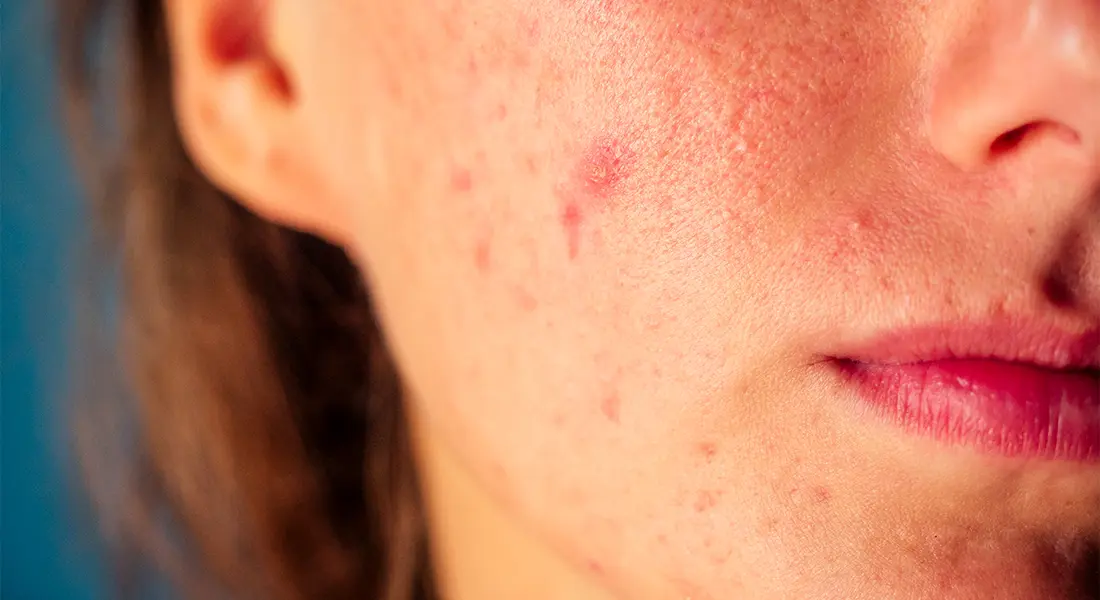
One of the most common questions patients ask before starting laser treatment for acne scars is how many sessions will be needed. It’s a fair concern, as laser treatment involves time, cost, and patience. Most people want a clear idea of commitment before they begin.
There is no single answer that applies to everyone. The number of sessions depends on scar type, depth, skin type, and how your skin responds to treatment. Dermatologists estimate sessions based on careful assessment rather than fixed packages.
Improvement is usually gradual rather than dramatic after one session. Laser treatment works by stimulating collagen over time, not instantly removing scars. Understanding this process helps set realistic expectations and prevents disappointment early on.
Why Acne Scar Treatment Is Never One-Session Fix
Acne scar treatments are often misunderstood as quick cosmetic fixes, especially when lasers are involved. While laser technology is powerful, acne scarring is a long-standing structural change within the skin, not a simple surface issue. Expecting dramatic results after a single session can lead to disappointment. Real improvement depends on gradual biological repair.
- Scarring is structural, not superficial – Acne scars develop deep within the skin over time and cannot be corrected instantly.
- Collagen remodelling takes time – Laser treatment stimulates controlled healing, which unfolds gradually rather than immediately.
- Multiple sessions are needed – Each treatment builds on the last to create cumulative improvement.
- Biological repair, not instant change – Lasers trigger regeneration rather than directly “fixing” scars in one step.
- Realistic treatment planning – Understanding the need for staged sessions helps set appropriate expectations.
Meaningful acne scar improvement is a process, not a single event. By allowing time for collagen to rebuild and treatments to work in sequence, patients achieve more natural, lasting results.
What Laser Treatment Actually Changes Over Time
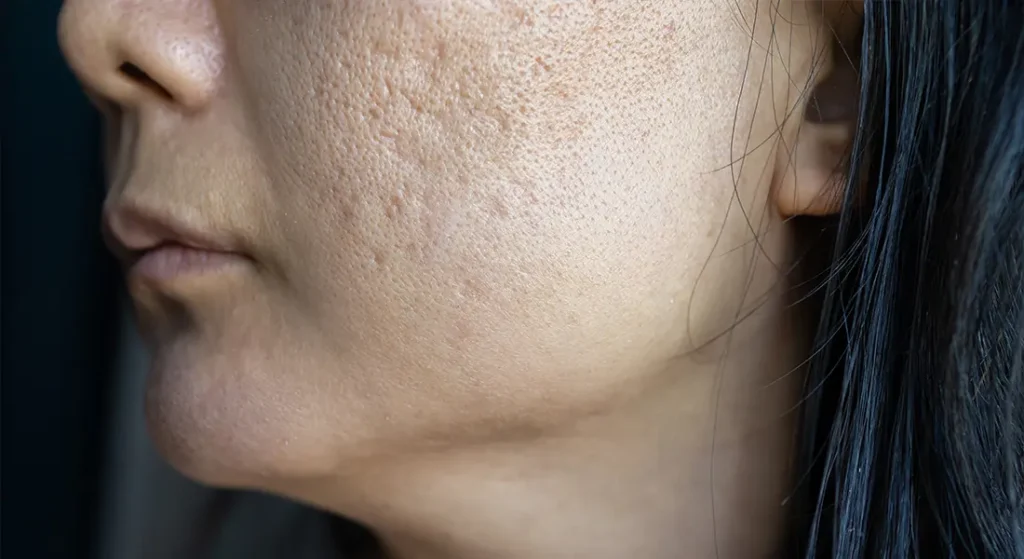
Laser resurfacing does not create instant structural change. Its primary effect is to stimulate collagen production deep within the skin, activating fibroblasts that gradually rebuild damaged tissue. This biological repair process takes time and continues well beyond the visible healing phase.
1. Collagen Remodelling Is Gradual – After each laser session, new collagen forms slowly over weeks rather than days. The skin may look healed on the surface, but internal restructuring is still ongoing.
2. Results Accumulate with Repetition – Each treatment adds to the previous one, creating a cumulative effect. This is why consistent spacing between sessions is more important than aggressive single treatments.
3. Intensity Is Not the Key Driver – Higher intensity does not speed up collagen formation and can increase risk without improving outcomes. Controlled, repeated stimulation produces more reliable long-term improvement.
Understanding this timeline helps set realistic expectations. Laser treatment changes skin quality progressively, not instantly, and patience is a crucial part of achieving meaningful results.
Why Scar Type Determines Session Numbers
Laser treatment does not affect all acne scars in the same way. The structure and depth of each scar type play a major role in how many sessions are required and how much improvement can be achieved. Matching the treatment to the scar is essential for effective results.
1. Rolling scars – Shallow, broad scars tend to respond more readily to laser treatment and often show improvement in fewer sessions.
2. Boxcar scars – Deeper or sharply edged boxcar scars usually require more sessions and may benefit from combination treatments.
3. Ice pick scars – These narrow, deep scars respond poorly to laser alone and typically need alternative techniques.
4. Structure-driven response – Laser effectiveness depends on whether the scar’s architecture is suitable for collagen remodelling.
5. Individualised treatment planning – Session numbers are tailored based on scar type, depth, and skin response.
Understanding scar structure helps set realistic expectations and guides treatment planning. When laser therapy is used for the right scar types, results are more predictable and sessions are used efficiently.
Why Skin Response Matters as Much as Scar Type
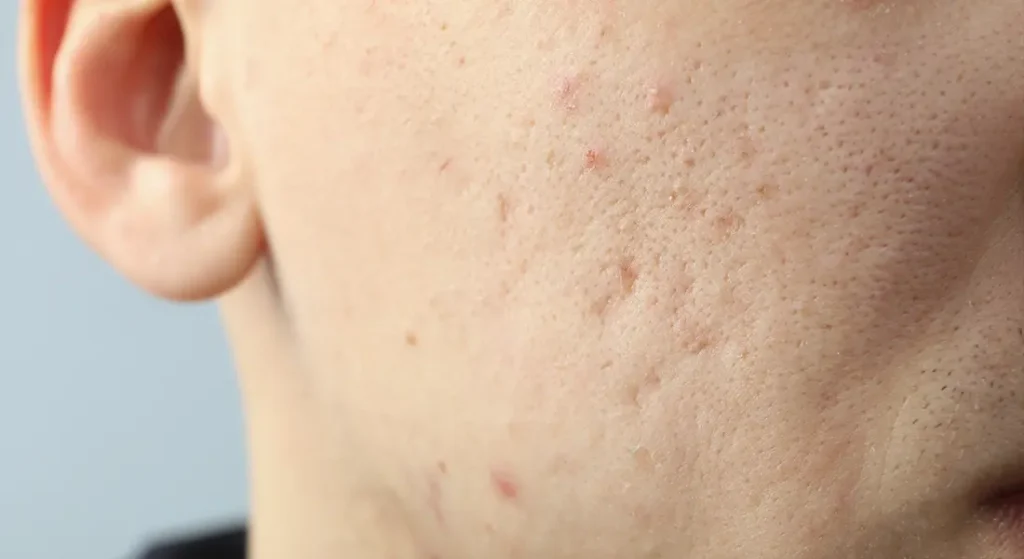
Everyone’s skin responds differently to laser stimulation. Some people generate new collagen efficiently, while others heal and remodel more slowly. This biological variation plays a major role in how quickly results appear.
Factors such as age, genetics, skin thickness, and overall healing capacity influence outcomes. Lifestyle habits, including smoking, sun exposure, and skincare routines, can further affect how well the skin repairs itself.
This is why two people with similar-looking acne scars may require different numbers of laser sessions. Treatment plans are based not only on the scars, but also on how your skin is likely to respond over time.
Typical Session Ranges for Laser Acne Scar Treatment
There is no single “correct” number of laser sessions for acne scars, because scarring varies widely between individuals. Depth, scar type, skin tone, and healing response all influence how much treatment is needed. That said, most patients do fall within a predictable range when expectations are realistic.
1. Mild Scarring (2–3 Sessions): Mild scars are usually shallow and respond more quickly to collagen stimulation. After two to three sessions, many patients notice smoother texture and softer edges, rather than complete disappearance.
2. Moderate Scarring (3–5 Sessions): Moderate scars often involve deeper collagen loss or mixed scar types. Multiple sessions are needed to build collagen gradually and improve overall skin structure in a visible, consistent way.
3. Severe Scarring (6+ Sessions or Combination Treatment): Severe scars are typically deep, tethered, or widespread. Laser alone is rarely sufficient, and six or more sessions are often combined with treatments such as subcision or microneedling for meaningful improvement.
These ranges reflect gradual, cumulative progress rather than total scar removal. Laser treatment aims to improve texture, depth, and overall skin quality over time, not to erase scars completely.
Why Spacing Between Sessions Is Important
Laser treatment sessions are intentionally spaced several weeks apart to allow the skin time to heal and respond. Collagen stimulation is not immediate; it develops gradually after each session. Rushing treatments does not speed up results and may actually interfere with recovery. Proper spacing ensures that each session builds effectively on the previous one. This timing plays a key role in both safety and long-term outcomes.
- Collagen remodelling takes time – New collagen forms and matures over weeks, not days, making rest periods essential between treatments.
- Prevents excess inflammation – Treating too frequently can increase redness, sensitivity, and irritation without improving results.
- Supports consistent progress – Balanced spacing helps maintain momentum while allowing visible improvement to develop naturally.
- Reduces risk of complications – Adequate healing time lowers the chance of prolonged inflammation or pigment changes.
- Accounts for individual healing response – Everyone’s skin recovers differently, so spacing is adjusted based on how your skin responds.
By respecting these intervals, laser treatments remain both effective and safe. Dermatologists plan session timing based on biological healing rather than convenience alone. This measured approach leads to more reliable results and better overall skin health.
Why Early Sessions Can Feel Underwhelming
Many patients feel discouraged after the first laser session because visible changes are often minimal. Skin texture may look similar, and scars can appear unchanged in the early stages. This initial lack of dramatic improvement can understandably lead to doubt or frustration.
However, this does not mean the treatment is ineffective. Early laser sessions are often focused on triggering biological processes beneath the surface. Collagen stimulation, inflammation control, and cellular signalling begin quietly before any clear external change is seen.
Laser treatment works cumulatively rather than instantly. Each session builds on the previous one, gradually strengthening the skin’s repair response. Improvements tend to become more noticeable only after several treatments have had time to compound.
Understanding this timeline is important for setting realistic expectations. Laser treatment for acne scars is a gradual process, not a quick fix. Patience during the early stages often leads to more meaningful and longer-lasting results over time.
Understanding Diminishing Returns
Laser treatment results do not improve in a straight line with every session. In the early stages, collagen stimulation is more noticeable, and changes tend to appear faster. As scars soften and remodel, progress naturally slows. This is a normal biological response rather than a treatment failure. Understanding this pattern helps patients approach treatment with realistic expectations.
- Early sessions show the biggest change – Initial treatments stimulate collagen in untreated tissue, leading to more visible improvement.
- Progress slows over time – As scar tissue improves, each additional session produces smaller, subtler gains.
- Normal biological response – Reduced improvement does not mean treatment has stopped working; it reflects healthy tissue remodelling.
- Helps prevent overtreatment – Recognising diminishing returns avoids unnecessary sessions that add little benefit.
- Supports realistic goal-setting – Patients can better judge when results are meaningful versus minimal.
By understanding diminishing returns, treatment plans can be adjusted thoughtfully. This ensures sessions remain purposeful and aligned with achievable outcomes rather than chasing perfection.
Why “Chasing Perfection” Leads to Disappointment
Many patients fall into the trap of chasing perfection, expecting laser treatment to completely erase acne scars. In reality, skin has biological limits, and even the best treatments aim for improvement rather than flawlessness. When expectations shift from realistic enhancement to absolute perfection, disappointment often follows.
There comes a point where additional laser sessions offer diminishing returns. The skin may have already achieved most of the collagen remodelling it is capable of, and further treatments add cost, downtime, and risk without meaningful benefit. At this stage, progress tends to plateau rather than accelerate.
Responsible care includes knowing when to stop. An experienced dermatologist will guide you honestly, helping you recognise when treatment has achieved its maximum safe benefit. This protects both your skin and your wellbeing, ensuring you leave treatment satisfied rather than frustrated.
Why Combination Treatment Changes Session Numbers
Laser treatment works best when it is part of a broader, targeted plan rather than a stand-alone solution. Acne scars form through different mechanisms, and no single treatment can address them all effectively. Combining techniques allows each method to correct a specific structural problem.
1. Subcision Reduces the Need for Repeated Laser – Subcision releases fibrous bands that tether scars down. Once these attachments are broken, laser treatment becomes more effective, often reducing the total number of laser sessions required.
2. Microneedling Enhances Collagen Response – Microneedling creates controlled micro-injuries that stimulate collagen through a different biological pathway. When combined with laser, this can amplify overall collagen production and improve texture more efficiently.
3. Fillers Address Volume Loss Directly – Some scars are caused by underlying volume deficiency rather than surface damage. Fillers correct this immediately, something laser cannot do, reducing reliance on repeated laser sessions for depth improvement.
Because each component targets a different limitation, combination plans often deliver stronger results with fewer laser sessions overall. This approach focuses on efficiency and outcome quality rather than simply increasing treatment numbers.
Why Laser Alone Can Inflate Session Counts
Laser treatment can be effective, but when used alone for complex or deep scars, its impact is often limited. Without addressing the underlying scar architecture, progress may be slow and subtle. This can lead to repeated sessions with diminishing benefit. Understanding this helps explain why some treatment plans become longer than expected.
- Limited effect on structural scarring – Laser primarily stimulates surface collagen and does not correct deeper tethering or volume loss.
- Incremental improvement per session – When core scar issues remain, each laser session delivers only small visible changes.
- Higher total session counts – Patients may require many treatments to achieve modest improvement when laser is used alone.
- Delayed treatment efficiency – Time and cost increase without proportional gains in outcome.
- Value of combination approaches – Treating structural issues first often allows laser to work more effectively afterward.
By addressing scar structure early, treatment becomes more efficient. This approach often reduces the overall number of laser sessions while producing more meaningful and lasting results.
How Dermatologists Estimate Session Numbers
During the initial consultation, dermatologists begin by closely assessing the type, depth, and distribution of your acne scars. Skin type, tone, and previous healing responses are also carefully considered, as these factors influence how safely and effectively laser energy can be used. Medical history and any prior treatments help complete this overall picture.
Rather than giving a fixed number of sessions, most dermatologists provide an estimated range. This approach reflects the reality that skin response varies from person to person and cannot be predicted with absolute certainty. The range allows flexibility, acknowledging that some patients respond more quickly while others require a slower, more gradual approach.
Treatment planning does not stop after the first session. Early responses are reviewed to see how your skin heals and how much collagen stimulation is occurring. Based on this reassessment, the plan may be adjusted, refined, or combined with other treatments to ensure results remain safe, realistic, and worthwhile.
Why Honest Consultation Matters
An honest consultation sets the foundation for realistic expectations and successful acne scar treatment. Skin responds biologically, not predictably, and no ethical clinician can promise exact outcomes within a fixed number of sessions. Understanding this early helps patients make informed, confident decisions.
1. Fixed Promises Ignore Biological Variability – Healing rates, collagen response, and scar behaviour differ from person to person. Clinics that guarantee precise results or session counts often oversimplify a complex process.
2. Improvement, Not Perfection, Is the Goal – A reputable provider offering acne scar treatment in London will focus on meaningful improvement rather than flawless skin. This approach reflects medical reality and leads to higher patient satisfaction.
3. Transparency Prevents Disappointment – Clear discussion about limitations, timelines, and possible need for combination treatment builds trust. When expectations are aligned from the start, patients are far less likely to feel misled.
Honest planning does not reduce confidence it strengthens it. Patients who understand what treatment can and cannot achieve are more likely to feel satisfied with their progress.
How Long Results Take to Fully Appear
Laser treatment stimulates collagen, but the skin’s response is gradual. Even after the final session, improvement continues as new collagen matures and remodels scar tissue. Patience is key, as visible results may take time to reach their full potential. Understanding this timeline helps set realistic expectations and avoid premature judgments.
- Ongoing collagen remodelling – Skin continues to produce and reorganize collagen for several months post-treatment.
- Delayed visible improvement – Final results often appear gradually rather than immediately after the last session.
- Optimal assessment window – Results should be evaluated at least three to six months after completing the series of sessions.
- Avoid premature conclusions – Assessing outcomes too early may underestimate the full effect of treatment.
- Supports realistic expectations – Knowing the timeline helps patients remain patient and satisfied with gradual improvements.
Allowing time for the skin to heal and remodel ensures a more accurate understanding of the treatment’s effectiveness. This approach helps both patients and dermatologists plan follow-up care thoughtfully and gauge true results.
Downtime and Its Impact on Treatment Planning
Laser treatments can require varying amounts of recovery time, which influences how sessions are scheduled and chosen. Some approaches prioritize minimal disruption, while others aim for faster results with more intensive treatment. Understanding downtime helps tailor a plan that balances effectiveness with patient lifestyle and preferences.
- Varies by laser type and settings – Aggressiveness and wavelength determine how much recovery is needed.
- Gentler treatments, more sessions – Lower-intensity options reduce downtime but may require additional sessions to achieve desired results.
- Longer downtime, fewer sessions – More aggressive treatments can produce faster results but involve more noticeable healing.
- Lifestyle considerations – Work, social commitments, and personal tolerance for downtime guide treatment choice.
- No one-size-fits-all approach – Both strategies are valid; the plan should fit individual needs and goals.
- Optimizes treatment adherence – Matching downtime expectations with patient lifestyle helps ensure consistent follow-through.
By factoring in downtime, dermatologists can design a treatment schedule that maximizes results while minimizing disruption to daily life. This ensures both satisfaction and safety throughout the laser journey.
Skin Tone and Session Planning
When planning laser treatment, skin tone plays a crucial role in determining session strategy. Darker skin is more prone to pigmentation changes, so dermatologists use gentler settings to minimise risk.
Because each session must be conservative, progress per treatment is often slower than in lighter skin tones. This careful approach ensures safety while still promoting collagen and texture improvement.
As a result, patients with darker skin may require more sessions to achieve the desired outcome. Patience and adherence to the treatment schedule are key to achieving safe, effective results over time.
Managing Expectations and Planning for Laser Acne Scar Treatment
Laser acne scar treatment is a gradual process, and maintenance sessions may sometimes be recommended. While laser improves existing scars, it cannot halt ageing or future collagen changes. Occasional touch-ups are optional and guided by your dermatologist based on long-term goals.
Multiple sessions can be emotionally demanding, particularly when early improvements seem subtle. Understanding that results accumulate over time helps maintain motivation and reduces treatment fatigue. Being informed about the process also supports a realistic outlook and confidence in the plan.
Financial planning is an important part of the treatment journey. Knowing the estimated number of sessions allows you to budget effectively, while a phased approach ensures reassessment before committing to further treatments. Reputable clinics focus on meaningful outcomes rather than pushing unnecessary session volume.
When Laser May Not Be the Best Option
For scars that are deep, tethered, or ice-pick in type, laser treatment alone often cannot achieve optimal results. These scars may require alternative or combination approaches to address underlying structural issues effectively.
In some situations, choosing not to use laser is the safest and most effective option. Honest discussion with a dermatologist ensures treatment aligns with both safety and realistic expectations.
When Laser May Not Be the Best Option
While laser therapy can be highly effective, it is not ideal for every type of scar. Certain structural characteristics limit its effectiveness, and alternative or combination treatments may provide better results. Recognizing when laser alone is insufficient helps patients avoid unnecessary procedures and manage expectations.
- Tethered or deep scars – Scars with significant tissue binding may not respond well to surface-focused laser treatment.
- Ice-pick scars – Narrow, deep scars often require targeted approaches beyond standard laser resurfacing.
- Combination therapies – Using fillers, subcision, or other interventions alongside laser can address structural issues more effectively.
- Avoiding ineffective treatment – Declining laser when it’s unlikely to help prevents wasted time, cost, and potential frustration.
- Personalized care – Dermatologists assess scar type and depth to recommend the most suitable intervention.
- Optimizes outcomes – Selecting the right treatment upfront enhances satisfaction and long-term results.
Understanding these limitations ensures treatment plans are realistic and focused on achieving meaningful improvement rather than pursuing procedures unlikely to help.
FAQs:
1. How many laser sessions are typically needed for acne scars?
The number of laser sessions varies significantly depending on the individual’s scar type, depth, and skin response. Shallow or mild scars may show noticeable improvement after two or three sessions, while moderate scars often require three to five sessions for meaningful changes. Severe scars, particularly those that are deep, tethered, or involve volume loss, usually need six or more sessions and often benefit from combination treatments to achieve substantial results.
2. Why doesn’t one laser session fully correct acne scars?
Acne scars are structural changes in the skin that develop over months or years, affecting deeper layers and collagen organization. Laser treatment stimulates collagen production gradually, but it cannot instantaneously rebuild lost tissue or release fibrous attachments. Each session contributes incrementally to the skin’s repair process, and meaningful results only appear after multiple treatments.
3. How does the type of acne scar affect the number of sessions needed?
Different scar types respond differently to laser therapy. Rolling scars, which are shallow and broad, tend to improve more quickly and may require fewer sessions. Boxcar scars, with defined edges and moderate depth, generally need more sessions to soften and remodel. Ice pick scars, which are narrow and deep, respond poorly to laser alone and typically require alternative or combination treatments.
4. Why does individual skin response influence session planning?
Each person’s skin heals and remodels differently, which affects how quickly results become visible. Factors such as age, genetics, skin thickness, and overall healing capacity play a role in collagen production after laser treatment. Lifestyle choices, including sun exposure, smoking, and skincare habits, also impact healing. Two patients with similar-looking scars may therefore need different numbers of sessions, and dermatologists tailor treatment plans to each patient’s biological response rather than relying solely on scar appearance.
5. What is the role of session spacing in effective laser treatment?
Laser sessions are intentionally spaced several weeks apart to allow the skin sufficient time to heal and remodel collagen. Rushing treatments does not accelerate results and can increase inflammation or irritation. Proper spacing ensures that each session builds on the previous one, creating cumulative improvement while minimizing the risk of complications. Adequate intervals also allow dermatologists to monitor how the skin responds and adjust the treatment plan if necessary, optimizing both safety and effectiveness.
6. Why can early sessions feel underwhelming?
After the first laser session, visible improvement is often minimal, leading some patients to feel discouraged. This is because early treatments primarily initiate biological processes beneath the surface, including collagen stimulation and tissue repair, which take time to manifest externally. The skin may appear similar to before the session, but the groundwork for cumulative improvement is being laid.
7. What does “diminishing returns” mean in the context of laser sessions?
As treatment progresses, the most significant improvements generally occur in the early stages, when untreated tissue responds most dramatically. Over time, each additional session produces subtler changes because the skin has already remodeled much of the damaged collagen. This slowdown is a normal biological response rather than a sign of failure.
8. How do combination treatments influence the number of laser sessions?
When laser therapy is combined with other procedures such as subcision, microneedling, or fillers, the total number of laser sessions required often decreases. Subcision releases fibrous bands that tether scars, making laser stimulation more effective. Microneedling enhances collagen production in areas lasers may not reach, and fillers restore lost volume immediately.
9. How do dermatologists estimate the number of sessions for an individual patient?
During the initial consultation, dermatologists evaluate scar type, depth, distribution, skin tone, and prior healing history. This detailed assessment allows them to provide an estimated range of sessions rather than a fixed number. Treatment plans are revisited after early sessions to assess the skin’s response and adjust the strategy if necessary.
10. How long does it take to see the full effect of laser acne scar treatment?
Even after completing the final session, results continue to develop as new collagen matures and scar tissue remodels. Visible improvement can take weeks to months to reach its full potential. Patients are encouraged to assess outcomes after three to six months post-treatment to understand the complete effect.
Final Thoughts: Setting Realistic Expectations for Laser Acne Scar Treatment
Laser acne scar treatment is a gradual process that requires patience, realistic expectations, and personalised planning. Results build over multiple sessions as collagen remodels and scars gradually soften. Understanding scar type, individual skin response, and the importance of session spacing helps ensure safe, effective, and long-lasting outcomes. If you’re considering acne scar treatment in London, you can contact us at the London Dermatology Centre to book a consultation with one of our specialists.
References:
1. Bhat, S.A., et al. (2023) Fractional laser resurfacing for acne scars: Our experience at tertiary care hospital of North India. Journal of Cutaneous and Aesthetic Surgery, 16(1), pp.43–49. https://pmc.ncbi.nlm.nih.gov/articles/PMC10298618/
2. Fractional laser therapy for acne scars: systematic review. (2022) Systematic review of evaluating the efficacy of acne scar treatment by fractional laser with or without adjunctive treatments. Acta Dermatovenerologica – Alpina, Pannonica et Adriatica. https://pubmed.ncbi.nlm.nih.gov/35109741/
3. Retrospective analysis of the effectiveness of laser therapy in acne scarring (2024) Journal of Pharmacy and Bioallied Sciences. https://pubmed.ncbi.nlm.nih.gov/39346285/
4. Fractional CO₂ laser resurfacing as monotherapy in acne scars (2014) Journal of Cutaneous and Aesthetic Surgery, Fractional CO₂ laser resurfacing as monotherapy. https://pmc.ncbi.nlm.nih.gov/articles/PMC4134658/
5. Pan, Z., Tang, Y., Hua, H., Hou, Z. and Zhou, B. (2023) “‘Multiple Mode Procedures’ of Ultra‑Pulse Fractional CO₂ Laser: A Novel Treatment Modality of Facial Atrophic Acne Scars”, Journal of Clinical Medicine, 12(13), p. 4388. https://www.mdpi.com/2077-0383/12/13/4388