


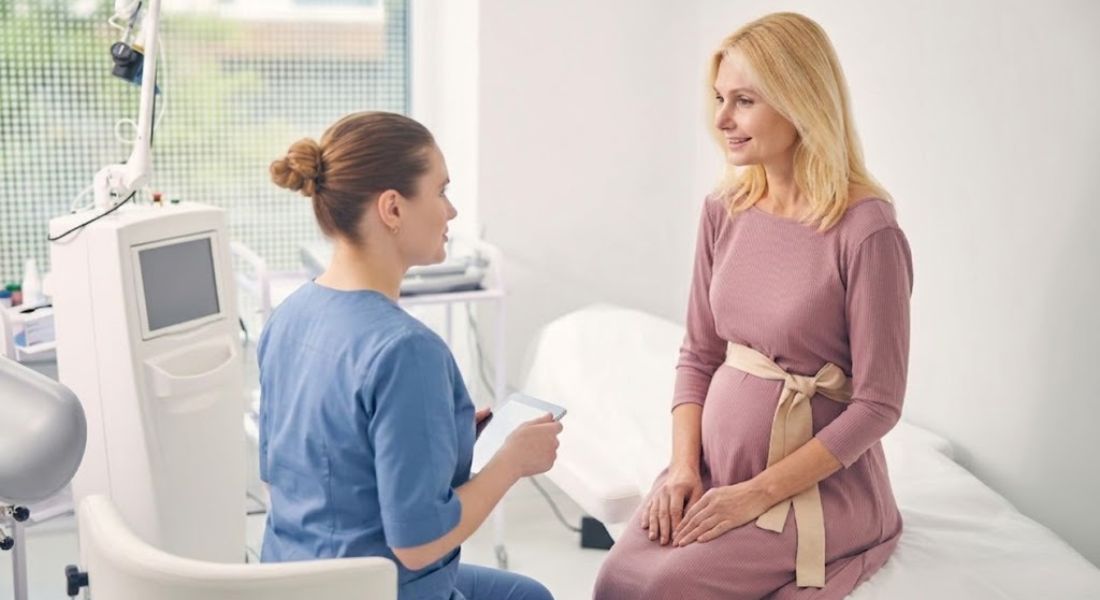
If you are pregnant, you may wonder whether it is safe to continue laser treatments for concerns such as unwanted hair, pigmentation, scars or visible blood vessels. Available reports have not identified a consistent pattern of harm following cutaneous laser treatment during pregnancy. However, the evidence is limited and mainly comes from case reports involving medically necessary procedures rather than elective treatments such as hair removal, tattoo removal or treatment for pigmentation. Most cosmetic laser procedures are therefore postponed as a precaution.
A medically necessary laser treatment may be considered differently if delaying it could affect your health. Your dermatologist and maternity team can weigh the potential benefits and uncertainties while considering how pregnancy-related changes in pigmentation, hair growth, blood vessels and skin response may make cosmetic results less predictable.
What Is a Laser Skin Treatment?
A laser skin treatment uses a concentrated beam of light to target a specific part of your skin, such as pigment, blood vessels or hair follicles. Different lasers are designed for different concerns, so the device used for hair removal is not the same as the one used to treat scars, tattoos or vascular marks.
Non-ablative lasers target selected structures within the skin without deliberately removing its surface. Ablative lasers remove controlled areas of the outer skin and usually involve more healing time. The depth and effect of treatment depend on the wavelength, device settings and condition being treated.
IPL is a light-based treatment rather than a true laser. Radiofrequency, ultrasound, HIFU and LED devices also use different forms of energy, so evidence or advice about skin lasers should not automatically be applied to these treatments.
Key Answer
Cosmetic laser and IPL treatments are normally postponed throughout pregnancy because pregnancy-specific safety evidence is limited and treatment results may be less predictable. Available reports have not identified a consistent pattern of fetal harm from medically necessary cutaneous laser procedures, but this is not the same as proving that elective treatment is safe. A medically necessary procedure may be considered after individual assessment by your dermatologist and maternity team.
Can Laser Energy Reach or Harm Your Baby?
Skin lasers use non-ionising light rather than the ionising radiation used in X-rays. They are designed to deliver energy to selected structures in or beneath the skin, and the depth of penetration depends on the wavelength and device. Because cutaneous lasers are designed to act locally within the treated skin, direct fetal exposure is not expected. However, this is a theoretical consideration and does not replace pregnancy-specific safety research.
Because large, controlled pregnancy studies have not been conducted, it is not possible to confirm that every cosmetic laser or IPL procedure is safe during pregnancy. The available evidence is more reassuring for selected medically necessary procedures, but it is not sufficient to recommend routine cosmetic treatment.
Evidence Note
A 2019 systematic review identified 22 publications describing laser treatment in 380 pregnant women across all trimesters. No consistent pattern of maternal or fetal harm was identified. However, the evidence consisted of case reports and small case series, and many procedures were performed for medical rather than cosmetic reasons. The findings provide some reassurance about reported cutaneous laser exposure, but they do not establish the safety of elective laser hair reduction, tattoo removal, IPL or laser treatment for melasma during pregnancy.
Why Are Cosmetic Laser Procedures Usually Postponed?

Most cosmetic laser treatments are postponed because they are not medically necessary and can usually be delayed without affecting your health. However, a new, changing, painful or persistently bleeding skin lesion should still be medically assessed rather than assumed to be a cosmetic concern.
Pregnancy can alter pigmentation, blood vessels and hair growth, and treatment responses may therefore be less predictable. Direct studies comparing laser side effects in pregnant and non-pregnant patients remain limited. Waiting until after pregnancy may help you avoid unnecessary side effects and reduce the chance of treating skin changes that improve naturally after delivery.
Treatment Comparison Table
| Treatment | Usual approach during pregnancy | Main reason |
| Laser hair reduction | Postpone | Limited safety data and pregnancy-related changes in hair growth |
| IPL hair reduction | Postpone | Limited pregnancy evidence and less predictable skin response |
| Laser tattoo removal | Postpone | Elective treatment with limited evidence about pigment breakdown during pregnancy |
| Laser treatment for melasma | Postpone | Pregnancy-related melasma may improve after delivery, although it can persist, and laser-related inflammation may worsen pigmentation. |
| Laser treatment for acne scars | Postpone | Cosmetic treatment can usually wait until acne and hormonal changes stabilise |
| Vascular laser for cosmetic redness | Usually postpone | Some pregnancy-related vascular changes improve naturally after delivery |
| Medically necessary laser treatment | Individual specialist decision | Potential benefit may outweigh the uncertainty if delaying treatment could affect health |
Does the Stage of Pregnancy Make a Difference?
No trimester has been established as a reliably safe period for elective cosmetic laser or IPL treatment. Postponing treatment throughout pregnancy avoids exposing you to a procedure that is not medically necessary when pregnancy-specific safety information remains limited.
If treatment is medically necessary, its timing will depend on the urgency of your condition, the procedure involved, any medicines or anaesthetic required, your ability to lie comfortably and other obstetric considerations. Your dermatologist and maternity team should make this decision individually rather than assuming that a particular trimester makes the laser itself safe.
Can You Have Laser Hair Removal While Pregnant?
Laser hair reduction works by targeting pigment in the hair follicles and using controlled heat to reduce future hair growth. Because pregnancy hormones can change your hair-growth pattern, the results may be less predictable, and some extra hair growth may settle naturally after your baby is born.
For this reason, most elective laser hair removal treatments are postponed during pregnancy. Temporary methods such as shaving, trimming, threading or waxing may be considered if they do not irritate your skin. Before using a depilatory cream, read the product instructions, carry out any recommended patch test and avoid applying it to broken or inflamed skin. Ask a pharmacist or healthcare professional if you are uncertain about a product.
Is IPL Hair Removal Different?
IPL is not the same as a laser because it uses multiple wavelengths of light rather than one focused beam. However, it works in a similar way by targeting pigment and creating heat, so the same caution applies during pregnancy due to limited safety evidence.
Pregnancy-related changes in skin tone and hair growth may make treatment settings and cosmetic results less predictable. Irritation, burns and pigmentation changes are recognised complications of IPL generally, although direct evidence showing that these complications are more common during pregnancy is limited.
What About Home Laser and IPL Devices?

Home-use laser and IPL devices should also normally be paused during pregnancy. A lower-powered consumer device is not the same as evidence that treatment is suitable during pregnancy, and individual manufacturers may advise against use while pregnant.
Follow the product instructions and do not use a home device over a changing mole, persistently bleeding lesion, broken skin or an unexplained rash. These changes need medical assessment rather than cosmetic treatment.
Can You Have Laser Tattoo Removal During Pregnancy?
Laser tattoo removal breaks tattoo pigment into smaller fragments that are gradually processed by the body. There is very little pregnancy-specific evidence about tattoo removal, including the breakdown and clearance of pigment. Because the procedure is normally elective and can also cause blistering, infection, pigment changes or scarring, it is usually postponed until after pregnancy.
Should Laser Treatment for Melasma Be Delayed?
Melasma is common during pregnancy and causes brown or greyish patches on your face due to hormonal changes and light exposure. Laser treatment is usually delayed because pregnancy-related melasma may improve during the months after delivery, although it can persist. Laser-related inflammation can also worsen pigmentation in some patients.
During pregnancy, the main approach is usually careful protection from sunlight and visible light. Use a broad-spectrum sunscreen with an SPF of at least 30 and high UVA protection, reapply it as directed and wear a wide-brimmed hat. A tinted sunscreen containing iron oxides may provide additional protection against visible light, and a gentle, fragrance-free skincare routine may help minimise irritation.
What About Lasers for Spider Veins and Facial Redness?
Pregnancy can make visible blood vessels, spider angiomas and facial redness more noticeable because of hormonal changes and increased blood flow. Vascular lasers target blood vessels in the skin, but many pregnancy-related changes improve naturally after delivery, so elective treatment is usually postponed.
Waiting also avoids unnecessary discomfort from bruising, redness or pigment changes while your skin is more sensitive. If visible vessels remain after childbirth, or a vascular-looking mark grows, bleeds, becomes painful or changes unexpectedly, you can ask a dermatologist for an assessment and suitable treatment options.
Can Laser Be Used for Acne or Acne Scars?
Laser and light treatments for acne or acne scars are usually postponed during pregnancy because there is not enough evidence to confirm their routine safety and benefit. Your acne may also change as your hormones settle, meaning the severity and scarring pattern may look different after delivery.
During pregnancy, the priority is usually to manage active acne with treatments considered appropriate for pregnancy and to reduce the likelihood of further scarring. After childbirth, a dermatologist can reassess your skin and discuss whether laser treatment or other scar treatments are appropriate for you.
Are All Laser Procedures During Pregnancy Unnecessary?
Laser treatment may occasionally be considered for a medical condition during pregnancy. Examples may include selected symptomatic warts, a persistently bleeding vascular lesion or another condition for which delaying treatment could cause significant symptoms or complications. The most suitable treatment may still be a different procedure rather than a laser.
A suspicious, changing or persistently bleeding lesion should be assessed promptly. Pregnancy is not a reason to delay examination or a medically necessary biopsy, and obtaining a diagnosis may be more important than choosing a cosmetic laser treatment.
What About Numbing Creams and Local Anaesthetic?

Some procedures use cooling, a numbing cream or local anaesthetic. NHS medicines information states that lidocaine skin cream is considered safe to use during pregnancy. However, not every numbing product contains lidocaine alone, and the amount used, ingredients, size of the treatment area and condition of your skin can affect absorption. Use only the product and amount advised by an appropriate healthcare professional.
Tell your practitioner that you are pregnant and share details of any medicines you take. Pain relief does not make an unnecessary cosmetic procedure suitable during pregnancy, so your treating clinician should consider the overall need, safety and alternatives before treatment.
Why May Laser Results and Side Effects Be Less Predictable During Pregnancy?
Pregnancy commonly affects pigmentation, blood vessels, hair growth and skin sensitivity. These changes create concern about irritation, post-inflammatory pigmentation and inconsistent cosmetic results, particularly if you are already prone to melasma.
However, direct studies comparing laser complication rates in pregnant and non-pregnant patients are limited. It is therefore more accurate to say that treatment responses may be less predictable rather than stating that every laser side effect is proven to be more common during pregnancy.
What If You Had Laser Treatment Before Knowing You Were Pregnant?
If you had a skin laser or IPL treatment before knowing that you were pregnant, try not to panic. Cutaneous laser treatments are intended to act locally, and the limited published reports have not identified a consistent pattern of fetal harm. However, those reports cannot guarantee that every procedure is completely risk-free.
Pause any further elective sessions and mention the treatment to your midwife, GP or obstetric team at your next appropriate appointment. Provide the date, treatment area, device used and details of any numbing cream, medicine or aftercare product. Seek prompt medical advice if you develop extensive blistering, severe or worsening pain, spreading redness, discharge, fever, eye exposure, vision changes or another significant reaction.
When Can Laser Treatment Resume After Childbirth?
There is no universal waiting period for restarting laser treatment after childbirth. Timing depends on your recovery, the condition being treated, whether pregnancy-related hair or pigment changes have settled and the type of procedure being considered.
Breastfeeding does not automatically rule out every cutaneous laser treatment because the light acts locally. However, the treatment area, any numbing cream, prescribed medicine, aftercare product and risk of broken skin or infection must be considered. Treatment on or close to the breast requires particular care. The baby should not come into contact with topical medicines, damaged skin or treatment residue, and cosmetic treatment of the nipple or areola should normally be avoided while breastfeeding. Tattoo removal should be discussed separately because evidence about pigment clearance during breastfeeding remains limited.
Some clinics have their own breastfeeding policies, but these should not be presented as universal medical rules. A dermatologist can explain what is known about the specific procedure and whether waiting is advisable in your circumstances.
How Can You Make an Informed Treatment Decision?
Before having any laser treatment during or after pregnancy, make sure you understand why the procedure is needed and whether your concern may improve naturally after delivery. Ask what alternatives are available, what happens if you wait and whether treatment is genuinely necessary at this stage.
Choose a practitioner with appropriate training, experience and insurance for the particular laser and condition being treated. For a medical skin condition, ensure that you are assessed by a registered healthcare professional who can diagnose the problem, discuss alternatives and manage complications.
UK Safety Note
Regulation of cosmetic laser and IPL services differs according to the reason for treatment and where the clinic is located. In England, exclusively cosmetic laser services are not automatically required to register with the CQC, although some local councils require registration or licensing. Ask who will assess you, what clinical qualifications and laser training they hold, whether the clinic is insured and how complications are managed. Medical treatment should be provided in an appropriately regulated clinical setting.
Key Takeaways
- Elective cosmetic laser and IPL treatments are usually postponed during pregnancy because pregnancy-specific safety evidence is limited.
- Cutaneous lasers use non-ionising light and are designed to act locally, but theoretical reassurance is not the same as evidence from controlled pregnancy studies.
- No trimester has been established as a reliably safe period for elective cosmetic laser treatment.
- A medically necessary laser procedure may sometimes be considered after individual specialist assessment.
- If you had treatment before knowing you were pregnant, pause further elective sessions and provide the treatment details to your maternity team.
- After childbirth, the timing of treatment depends on your recovery, the procedure, the treatment area, breastfeeding and any medicines or aftercare products required.
FAQs
1. Is laser treatment safe during pregnancy?
Most cosmetic laser treatments are not recommended during pregnancy because there is limited research confirming their safety. Although skin lasers do not use ionising radiation and are not expected to reach your baby, doctors usually advise postponing non-essential procedures until after childbirth.
2. Can laser hair removal be done while pregnant?
Elective laser hair removal is usually postponed during pregnancy because pregnancy-specific safety evidence is limited and hormonal changes may make treatment settings and cosmetic results less predictable. Temporary hair-removal methods may be considered instead if they do not irritate your skin.
3. Can IPL treatment be used during pregnancy?
Elective IPL treatment is usually postponed during pregnancy. Although IPL uses broad-spectrum light rather than a single laser wavelength, there is not enough pregnancy-specific evidence to establish its safety, and hormonal skin changes can make the response less predictable.
4. Can laser treatment harm my unborn baby?
The limited published reports have not identified a consistent pattern of maternal or fetal harm following cutaneous laser treatment. However, the evidence is based mainly on case reports and medically necessary procedures, so it cannot prove that every cosmetic laser treatment is safe. Elective treatment is normally postponed for this reason.
5. Why should laser treatments for melasma be delayed during pregnancy?
Melasma often develops or worsens during pregnancy because of hormonal changes. Laser treatment may irritate sensitive skin and can sometimes make pigmentation problems worse, so gentle skincare and sun protection are usually preferred until after delivery.
6. Can you have laser treatment for acne scars while pregnant?
Laser treatments for acne scars are usually postponed during pregnancy because pregnancy-specific safety evidence is limited and the procedure is normally elective. Pregnancy-related changes may also affect pigmentation and treatment response. Your skin can be reassessed after childbirth before a treatment plan is recommended.
7. What should I do if I had laser treatment before finding out I was pregnant?
If you had a laser procedure before you knew you were pregnant, try not to panic. Skin lasers act locally, and the available reports have not identified a consistent pattern of harm, although the evidence is too limited to guarantee that every procedure is risk-free. Pause further elective sessions and inform your midwife, GP or obstetric team about the procedure.
8. Can medically necessary laser treatment be performed during pregnancy?
A medically necessary laser procedure may sometimes be considered if delaying treatment could affect your health. Your dermatologist and maternity team will assess the benefits, risks and possible alternatives before deciding whether treatment is appropriate.
9. When can I restart laser treatments after giving birth?
There is no fixed waiting period. The appropriate timing depends on your recovery, the procedure, the treatment area, any medicines or numbing products required and whether pregnancy-related skin or hair changes have settled. Breastfeeding does not automatically prevent every skin laser procedure, but individual assessment is still important.
10. What skincare can I use instead of laser treatments during pregnancy?
A gentle cleanser, fragrance-free moisturiser and broad-spectrum sunscreen with an SPF of at least 30 may be appropriate for many people. Treatment for acne, melasma or another specific condition should be discussed with a dermatologist, GP or pharmacist because the suitability of active ingredients varies during pregnancy.
Final Thoughts: Making Safe Skin Treatment Choices During Pregnancy
Pregnancy can bring many changes to your skin, hair and body, and it is completely understandable to wonder whether your usual cosmetic treatments are still suitable. While most elective laser procedures are best postponed until after your baby is born, medically necessary treatments can sometimes be considered with advice from your dermatologist and maternity team.
If you are unsure whether a treatment is right for you, getting professional guidance can help you make a safe and informed decision. If you’re considering a Dermatologist in London, you can get in touch with us at London Dermatology Centre.
References:
- Allameh, F., Javadi, A., Dadkhahfar, S., Naeeji, Z., Moridi, A., Tadayon, N. and Alahyari, S. (2021) ‘A systematic review of elective laser therapy during pregnancy’, Journal of Lasers in Medical Sciences, 12, article e50. Available at: https://pmc.ncbi.nlm.nih.gov/articles/PMC8558736/
- Garg, A.M. and Mysore, V. (2022) ‘Dermatologic and cosmetic procedures in pregnancy’, Journal of Cutaneous and Aesthetic Surgery, 15(2), pp. 108–117. Available at: https://pmc.ncbi.nlm.nih.gov/articles/PMC9364454/
- Lai, D., Zhou, S., Cheng, S., Liu, H. and Cui, Y. (2022) ‘Laser therapy in the treatment of melasma: a systematic review and meta-analysis’, Lasers in Medical Science, 37(4), pp. 2099–2110. Available at: https://pubmed.ncbi.nlm.nih.gov/35122202/
- Trivedi, M.K., Kroumpouzos, G. and Murase, J.E. (2017) ‘A review of the safety of cosmetic procedures during pregnancy and lactation’, International Journal of Women’s Dermatology, 3(1), pp. 6–10. Available at: https://pmc.ncbi.nlm.nih.gov/articles/PMC5418954/
- Wilkerson, E.C., Van Acker, M.M., Bloom, B.S. and Goldberg, D.J. (2019) ‘Utilization of laser therapy during pregnancy: a systematic review of the maternal and fetal effects reported from 1960 to 2017’, Dermatologic Surgery, 45(6), pp. 818–828. Available at: https://pubmed.ncbi.nlm.nih.gov/30998530/