


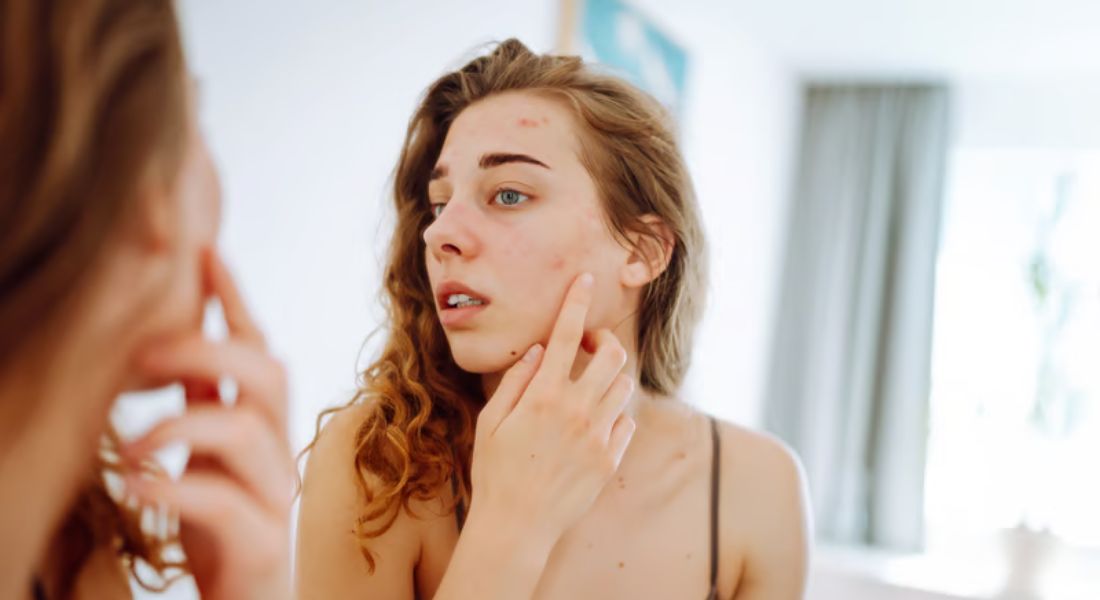
Your skin is constantly responding to internal changes in your body, and one of the most important influences is your menstrual cycle. Hormonal fluctuations throughout the month affect oil production, inflammation, hydration, and even how sensitive your skin feels. These changes can lead to noticeable differences in your skin from week to week.
If you have ever experienced breakouts before your period or noticed your skin looking clearer at certain times of the month, this is not a coincidence. Dermatologists recognise that these cyclical patterns are closely linked to hormonal shifts. Understanding these patterns allows for better management of recurring skin concerns.
In this article, we explore how your skin behaves during each phase of the menstrual cycle, why these changes occur, and how dermatological care can help you manage them effectively. By understanding your skin’s natural rhythm, you can take a more proactive approach to your skincare.
The Menstrual Phase and Skin Sensitivity
During your menstrual phase, your hormone levels, including oestrogen and progesterone, are at their lowest. This drop can make your skin feel more sensitive and reactive than usual. You may notice dryness, dullness, or increased irritation during this time.
Your skin barrier can also become slightly weaker, which makes your skin more vulnerable to environmental stressors. Products that normally suit you may start to feel irritating. This is why switching to a gentler skincare routine can help protect your skin during this phase.
Dermatologists often recommend focusing on hydration and barrier repair at this stage. You should try to avoid harsh exfoliants or strong active ingredients. Supporting your skin’s natural balance will help keep it calm and comfortable.
The Follicular Phase and Skin Recovery
After your period ends, your oestrogen levels begin to rise during the follicular phase. This hormone supports collagen production and helps improve your skin’s hydration. As a result, you may notice your skin looking brighter, smoother, and more balanced.
Higher oestrogen levels also help strengthen your skin barrier. This makes your skin more resilient and less likely to react to external irritants. You may find that your complexion looks clearer and feels healthier during this stage.
This is often a good time to introduce active skincare ingredients if needed. Your skin is usually more tolerant and responsive to treatments during this phase. Your dermatologist may recommend targeted products to maximise results.
Ovulation and Peak Skin Health
Around ovulation, your oestrogen levels reach their peak. This is often when your skin looks its best. You may notice a natural glow, smoother texture, and fewer breakouts during this phase.
The boost in hydration and collagen support helps your skin appear firmer and more even. Your skin barrier is also functioning well, which helps maintain balance and protect against irritation. Many people experience their clearest, healthiest-looking skin at this stage.
You might notice a slight increase in oil production as androgen levels rise. This can vary depending on your skin type. Overall, this phase is usually linked with optimal skin condition and a more radiant appearance.
The Luteal Phase and Increased Oil Production
After ovulation, your body enters the luteal phase, during which progesterone levels begin to rise. This hormonal shift can directly affect your skin, particularly by increasing oil (sebum) production. As a result, you may notice your skin feeling more oily, heavier, or slightly congested during this time. These changes are a normal part of your menstrual cycle, but they can still be frustrating to manage. As oil production increases, your skin may become more prone to breakouts and visible shine.
- Rise in progesterone and oil production: During the luteal phase, higher progesterone levels stimulate your sebaceous (oil) glands. This leads to an increase in oil on the surface of your skin. You may notice that your skin feels greasier than usual, especially in areas like the forehead, nose, and chin.
- Clogged pores and breakouts: Excess oil can mix with dead skin cells and block your pores. This creates the ideal environment for spots and breakouts to develop. This is why many people experience premenstrual acne in the days leading up to their period.
- Increased shine and skin congestion: You may also notice that your skin looks shinier or more uneven in texture. Congestion can make pores appear larger or more visible. These changes are temporary but can affect how your skin looks and feels.
- Managing oil with the right skincare: Keeping oil levels balanced is key during this phase. Dermatologists often recommend using lightweight, non-comedogenic products that do not block pores. Gentle cleansing, oil-control products, and consistent skincare can help keep your skin clearer and more comfortable.
Although these changes are linked to your natural hormone cycle, they can be managed effectively with the right approach. By adjusting your skincare routine during the luteal phase, you can reduce breakouts and maintain healthier-looking skin.
Premenstrual Acne and Hormonal Influence
Premenstrual acne is one of the most common skin concerns linked to your menstrual cycle. It usually appears a few days before your period begins, when hormone levels start to shift. These hormonal changes can increase oil production and trigger inflammation in the skin. As a result, you may notice breakouts that feel more persistent or inflamed than usual. These breakouts often follow a recognisable pattern and may behave differently from everyday acne.
- Hormonal changes driving breakouts: In the days leading up to your period, fluctuations in hormones particularly progesterone and androgens can stimulate oil production. This excess oil can clog pores and create an environment where acne develops more easily. Inflammation also plays a role, making spots appear redder and more swollen.
- Typical location of hormonal acne: Premenstrual acne commonly appears along the jawline, chin, and lower part of the face. This distribution is often associated with hormonal influences rather than external factors like skincare or environment. You may notice that breakouts tend to recur in the same areas each month.
- Deeper and more inflamed lesions: Hormonal acne can be more severe than typical surface-level spots. You might experience deeper, tender bumps under the skin that take longer to heal. These lesions can sometimes feel sore and may be more noticeable.
- Targeted treatment approaches: Dermatologists often recommend treatments that specifically address hormonal acne. These may include topical therapies to reduce oil and inflammation, or prescription medications in more persistent cases. Managing inflammation and keeping pores clear are key steps in reducing breakouts.
Although premenstrual acne can be frustrating, understanding its hormonal cause makes it easier to manage. With the right treatment plan and consistent skincare, you can reduce flare-ups and keep your skin more balanced throughout your cycle.
Changes in Skin Hydration
Hormonal fluctuations can affect how well your skin retains moisture throughout your cycle. During phases when your oestrogen levels are lower, you may notice your skin feels drier or tighter. Your hydration levels can shift from week to week, depending on these hormonal changes.
As your oestrogen levels rise, your skin tends to hold on to more moisture. This can improve elasticity and give your skin a smoother, softer feel. You may find that your complexion looks more plump and healthy during this time.
Adapting your skincare routine to match these changes can make a noticeable difference. Using more hydrating products during drier phases helps support your skin barrier. With consistent care, you can maintain better balance and comfort throughout your cycle.
Increased Skin Sensitivity During Hormonal Shifts
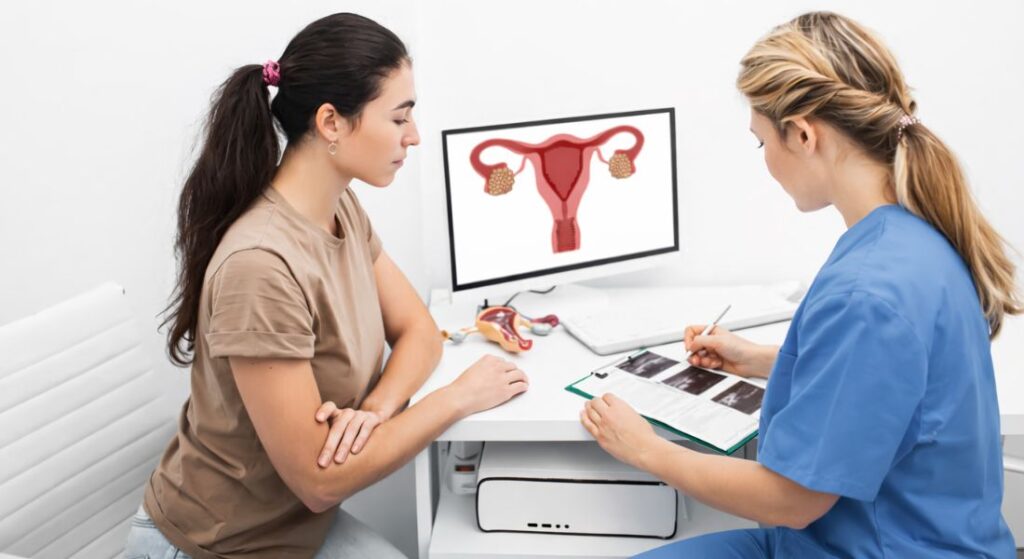
At certain points in your menstrual cycle, your skin may feel more sensitive than usual. These changes are often linked to hormonal fluctuations that can temporarily weaken your skin barrier. When this happens, your skin may react more easily to everyday triggers. You might notice redness, irritation, or a stinging sensation, even with products that normally suit you well. This sensitivity is usually temporary, but it can make your skin feel more reactive during these phases.
- Hormonal impact on the skin barrier: Changes in hormone levels can affect how well your skin retains moisture and protects itself. When the barrier becomes slightly compromised, your skin may feel drier, tighter, or more prone to irritation. This makes it easier for external factors to cause discomfort.
- Greater reaction to environmental factors: During sensitive phases, your skin may respond more strongly to weather changes, pollution, or sun exposure. You might notice increased redness or dryness after being outdoors. Even small environmental triggers can feel more noticeable than usual.
- Products may feel harsher than usual: Skincare products that you normally tolerate well may suddenly feel irritating. Ingredients like exfoliating acids or retinoids can cause stinging or redness during this time. This does not mean the products are unsuitable overall, but your skin may need a gentler approach temporarily.
- Switching to soothing and gentle care: Using calming, hydrating products can help support your skin while it is more sensitive. Dermatologists often recommend avoiding strong active ingredients during this phase. Gentle cleansers, moisturisers, and barrier-repair products can help reduce irritation and support recovery.
Although increased sensitivity can be frustrating, it is usually short-lived and linked to natural hormonal changes. By adjusting your skincare routine during these times, you can keep your skin comfortable and better protected.
The Role of Androgens in Skin Changes
Androgens are hormones that influence how much oil your skin produces. Although you have these hormones naturally, their effects can become more noticeable during certain phases of your cycle. When androgen activity increases, your skin may start to feel oilier than usual.
This rise in oil production can make your pores more likely to become clogged. You may notice more breakouts or a feeling of congestion, especially during the luteal phase. These changes are a common reason why acne can follow a cyclical pattern.
Understanding how androgens affect your skin helps you make sense of these fluctuations. Your dermatologist will often consider hormonal influences when planning your treatment. With the right targeted care, you can manage these changes more effectively.
How Inflammation Fluctuates Throughout the Cycle
Inflammation in your body does not stay constant throughout your menstrual cycle. Hormonal fluctuations can influence how your immune system responds, which in turn affects your skin. At certain times, your skin may become more prone to redness, irritation, or flare-ups. This can have a noticeable impact on conditions such as acne or rosacea. These changes may not always be obvious at first, but they can affect how your skin looks and heals.
- Hormonal influence on inflammation: Shifts in hormones, particularly oestrogen and progesterone, can affect inflammatory responses in your body. During some phases, lower oestrogen levels may allow inflammation to increase slightly. This can make your skin feel more reactive or sensitive.
- More severe or noticeable breakouts: When inflammation rises, breakouts may appear redder, larger, or more painful. Spots that might normally be mild can become more inflamed during certain phases of your cycle. This is why acne can feel worse at specific times of the month.
- Slower healing of the skin: Increased inflammation can also slow down how quickly your skin recovers. Blemishes may take longer to settle, and redness can linger for longer than usual. This can make skin concerns feel more persistent.
- Managing inflammation with targeted care: During flare-ups, dermatologists may recommend anti-inflammatory treatments to help calm the skin. These can include soothing topical products or prescription treatments if needed. Keeping your skincare routine gentle and consistent can also help reduce irritation.
Understanding how inflammation changes throughout your cycle can help you manage your skin more effectively. By adjusting your skincare and focusing on calming treatments when needed, you can support healthier, more balanced skin over time.
Impact on Existing Skin Conditions
Your menstrual cycle can influence many existing skin conditions. You may notice that issues such as acne, eczema, or rosacea flare up at certain times of the month. These changes are often linked to hormonal fluctuations throughout your cycle.
You might begin to see a pattern, with symptoms worsening just before your period. Tracking these changes can help you identify your personal triggers. Your dermatologist can then use this information to tailor your treatment more effectively.
Understanding these natural fluctuations allows you to manage your skin more confidently. Adjusting your skincare or treatment plan based on your cycle can lead to better results. Personalised care is key to keeping your skin stable and healthy.
Skincare Routine Adjustments
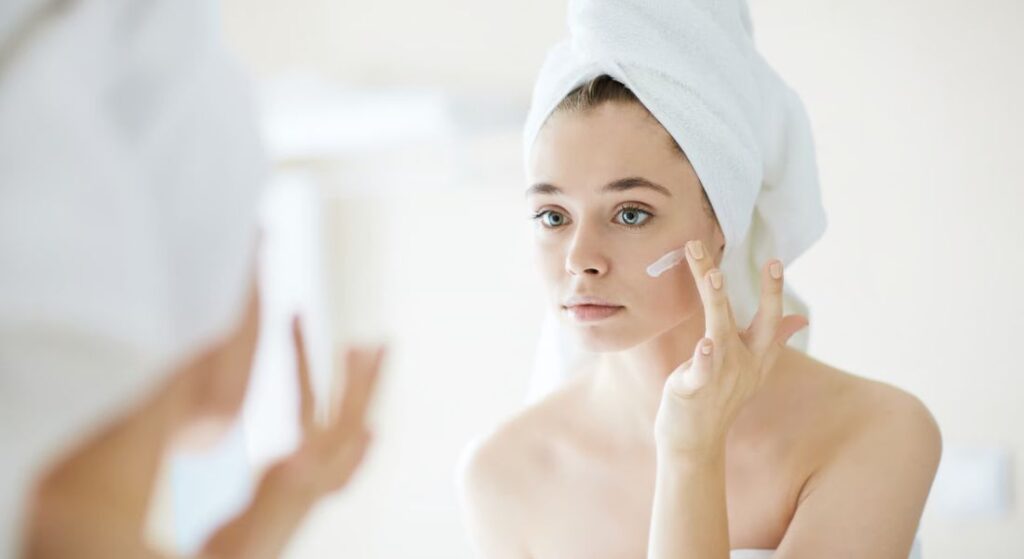
Your skin does not have the same needs every day, especially when hormonal changes are involved. Adapting your skincare routine to match different phases of your menstrual cycle can help you manage oil, dryness, and sensitivity more effectively. By making small adjustments at the right time, you can keep your skin more balanced and comfortable throughout the month. Rather than using the same products all the time, it helps to respond to what your skin needs in each phase.
- Adjusting for sensitive phases: When your skin feels more sensitive, it is best to keep your routine simple and gentle. You may benefit from using mild cleansers, fragrance-free moisturisers, and soothing ingredients. Avoiding strong actives like exfoliating acids or retinoids during this time can help prevent irritation.
- Managing oilier phases: During phases when your skin produces more oil, lightweight and non-comedogenic products are often more suitable. Gel-based moisturisers, gentle exfoliants, and oil-control formulations can help keep pores clear. This approach may reduce the risk of breakouts and congestion.
- Focusing on hydration when needed: At certain points in your cycle, your skin may feel drier or tighter. Adding hydrating serums or richer moisturisers can help restore moisture balance. Well-hydrated skin also supports a stronger skin barrier and reduces sensitivity.
- Balancing consistency with flexibility: While it is important to maintain a consistent basic routine, being flexible allows you to respond to changes in your skin. Dermatologists often recommend cycle-based adjustments to better manage hormonal effects. Small changes can make a noticeable difference over time.
By tailoring your skincare routine to your cycle, you can address your skin’s changing needs more effectively. This balanced approach helps you maintain healthier, clearer, and more comfortable skin throughout the month.
Hormonal Treatments and Skin Management
In some cases, your doctor may recommend hormonal treatments to help manage certain skin conditions. These treatments work by regulating your hormone levels and reducing fluctuations that can trigger symptoms. They are often used for conditions such as hormonal acne.
You may be prescribed oral medications that influence hormone activity in your body. The choice of treatment will depend on your individual needs and medical history. Close medical supervision is important to ensure the treatment is safe and effective for you.
Hormonal therapies are not suitable for everyone. Your dermatologist will carefully assess your condition before recommending this approach. Personalised care helps ensure you receive the most appropriate and safe treatment for your skin.
Psychological Impact of Cyclical Skin Changes
Cyclical changes in your skin can do more than affect appearance they can also influence how you feel day to day. Recurrent breakouts, oiliness, or sensitivity at certain times of the month may feel frustrating, especially when they seem difficult to control. These patterns can sometimes affect your confidence and how comfortable you feel in your own skin. Recognising that these changes are linked to hormones can make a meaningful difference in how you respond to them.
- Impact on confidence and self-image: When breakouts or irritation appear regularly, you may feel less confident about your appearance. This can affect social interactions or how you present yourself at work or in daily life. Even temporary skin changes can have a noticeable emotional impact.
- Frustration with recurring patterns: You might feel frustrated when the same skin concerns return each month, even with a consistent skincare routine. This can create a sense of lack of control over your skin. Understanding the pattern is the first step towards managing it more effectively.
- Reassurance through understanding: Learning that these changes are hormonally driven can help reduce worry. When you know what to expect, the changes can feel more predictable and less overwhelming. Education allows you to approach your skincare with more confidence.
- Support and professional guidance: Speaking with a dermatologist or healthcare professional can provide both practical solutions and reassurance. With the right treatment plan, you can manage symptoms more effectively. This support can improve not only your skin but also your overall confidence.
Looking after your emotional wellbeing is just as important as managing physical symptoms. By understanding your skin and seeking the right support, you can feel more in control and maintain a better quality of life throughout your cycle.
Importance of Tracking Skin Patterns
Tracking your skin changes throughout your menstrual cycle can give you valuable insight into how your skin behaves. By noting when flare-ups or improvements occur, you can start to recognise clear patterns. This information can help guide your treatment and skincare decisions.
Your dermatologist may encourage you to monitor your skin regularly. Understanding these patterns allows you to predict when changes are likely to happen. This makes it easier for you to take a proactive approach to managing your skin.
Tracking your progress also helps you see how well your treatments are working. You and your doctor can make adjustments based on these observations. This more data-driven approach can lead to better and more consistent results.
Advances in Dermatological Research
Research into hormonal skin changes is advancing rapidly, giving you a clearer understanding of why your skin behaves differently throughout your cycle. Scientists are exploring how hormones interact with skin cells, oil glands, and the immune system. This growing knowledge is helping to shape more effective and targeted treatment options for a range of skin concerns. As research progresses, new approaches are being developed to manage symptoms more precisely.
- Understanding hormone skin interactions: Researchers are studying how hormones like oestrogen, progesterone, and androgens affect your skin at a cellular level. These interactions influence oil production, inflammation, and skin barrier function. A better understanding of these processes helps doctors predict and manage cyclical skin changes more effectively.
- Development of targeted therapies: New treatments are being designed to act directly on hormonal pathways. These therapies aim to control oil production, reduce inflammation, and prevent breakouts more precisely. This targeted approach may lead to better results with fewer side effects compared to traditional treatments.
- Innovation in dermatology treatments: Advances in skincare formulations and prescription treatments continue to improve how skin conditions are managed. From improved topical therapies to new systemic options, innovation is making treatment more personalised and effective. These developments give you more options tailored to your specific needs.
- Improved patient care through research: Ongoing studies provide valuable insights into how cyclical skin changes develop and progress. This knowledge allows dermatologists to refine treatment plans and offer more individualised care. As a result, you can benefit from more informed, effective, and proactive management of your skin.
As dermatological research continues to evolve, the future looks promising. With better understanding and more advanced treatments, managing hormonal skin changes is becoming more precise, helping you achieve healthier and more balanced skin over time.
The Role of Diet and Lifestyle

Your diet and lifestyle can influence how your skin responds to hormonal changes throughout your cycle. Factors such as stress, sleep, and nutrition all play a role in your overall skin health. These elements can affect inflammation levels and oil production, which may impact how your skin looks and feels.
Maintaining a balanced diet and managing your stress levels can help support your skin from within. Staying well hydrated also plays an important role in keeping your skin functioning properly. These daily habits work alongside your skincare routine to improve overall results.
Your dermatologist may recommend a more holistic approach to managing your skin. By addressing both internal and external factors, you can achieve better outcomes. Supporting your overall health is an important part of maintaining healthy, balanced skin.
When to Seek Professional Advice
If you notice persistent or severe skin changes during your menstrual cycle, it’s important to seek professional advice. While minor fluctuations are normal, ongoing issues such as repeated breakouts, redness, or irritation may signal an underlying concern that requires attention. Early consultation with a dermatologist can help you manage symptoms effectively and prevent complications. Seeking help allows your skin to be evaluated accurately and treated appropriately.
- Persistent or severe symptoms: If your skin problems continue despite using gentle skincare or over-the-counter products, it’s a sign to see a professional. Recurrent breakouts, increased sensitivity, or unusual rashes may indicate that specialised care is needed.
- Medical management for certain conditions: Some hormonal or inflammatory skin issues may require prescription treatments or other medical interventions. Ignoring these symptoms can lead to worsening or more difficult-to-manage skin problems over time.
- Accurate diagnosis and treatment planning: A dermatologist can assess your skin, identify any underlying conditions, and develop a personalised treatment plan. This often includes considering your hormonal patterns, which can influence how symptoms appear and how treatments work.
- Support for effective long-term management: Consulting a professional ensures that your care is tailored to your needs. Expert guidance helps you manage flare-ups, reduce discomfort, and maintain healthier skin throughout your cycle. Regular follow-up also allows adjustments to your routine as your skin changes.
Reaching out for professional advice gives you the best chance of keeping your skin balanced and comfortable. With early intervention and personalised care, you can manage cyclical skin changes more effectively and support long-term skin health.
Managing Expectations
Understanding that skin changes are a normal part of your cycle can help you set realistic expectations. Not every fluctuation can be completely prevented, but many symptoms can be managed effectively with the right approach.
Your dermatologist’s goal is to reduce the severity of flare-ups and help your skin remain as consistent as possible. Even small adjustments to your routine or treatment can make a noticeable difference. Patience is important, as results may take time to appear.
Managing your expectations can also reduce frustration. Knowing that changes are often temporary provides reassurance. With consistent care, you can support your skin and gradually improve its overall condition.
Long-Term Skin Health
Maintaining your skin’s health over the long term requires a mix of medical care and lifestyle adjustments. Hormonal fluctuations will continue throughout your life, but their effects can be managed. Keeping a consistent skincare routine helps maintain stability and resilience.
Regular check-ups with your dermatologist allow you to monitor changes over time and ensure that your treatment remains appropriate. Professional guidance, combined with preventive care, can reduce flare-ups and improve overall outcomes.
Long-term management is all about keeping your skin in balance. By understanding how your skin reacts to different phases and triggers, you can respond more effectively. With ongoing care, you support healthy, well-functioning skin for years to come.
Why Understanding Hormonal Skin Changes Matters
Understanding how your menstrual cycle affects your skin allows you to take control of your skincare routine. By recognising patterns, you can respond proactively rather than just reacting to flare-ups. This approach often leads to better and more consistent results.
Your dermatologist can use this knowledge to create a personalised treatment plan for you. Considering hormonal influences helps improve the effectiveness of your care. Tailored treatments give you the best chance of maintaining healthy skin throughout your cycle.
By learning how your skin changes at different phases, you can make informed decisions about your routine and products. Knowledge empowers you to manage your skin with confidence. Understanding your cycle ultimately supports healthier, more balanced skin and better long-term outcomes.
FAQs:
1. Why does your skin change during the menstrual cycle?
Your skin changes during the menstrual cycle because your hormone levels are constantly shifting. Hormones such as oestrogen, progesterone, and androgens directly influence oil production, hydration, and inflammation, which can affect how your skin looks and feels at different times of the month.
2. When is your skin most likely to break out during the cycle?
You are most likely to experience breakouts during the luteal phase, just before your period starts. During this time, progesterone and androgen activity increase oil production, which can clog pores and lead to acne.
3. Why does your skin feel more sensitive during your period?
Your skin may feel more sensitive during your period because oestrogen levels are at their lowest. This can weaken your skin barrier, making it more prone to dryness, irritation, and reactions to products that you normally tolerate well.
4. When does your skin look its best during the cycle?
Your skin often looks its best around ovulation, when oestrogen levels peak. At this stage, your skin tends to appear more hydrated, smoother, and clearer, with fewer breakouts and a more even tone.
5. Can hormonal changes affect skin hydration?
Yes, hormonal fluctuations can significantly affect how well your skin retains moisture. When oestrogen levels are higher, your skin usually feels more hydrated and supple, while lower levels can lead to dryness and a dull appearance.
6. What is hormonal acne and where does it appear?
Hormonal acne is acne triggered by hormonal fluctuations, particularly increased oil production. You will often notice it along your jawline, chin, and lower face, especially in the days leading up to your period.
7. Should you change your skincare routine during your cycle?
Yes, adjusting your skincare routine based on your cycle can help you manage changes more effectively. You may benefit from using gentler, hydrating products during sensitive phases and switching to oil-controlling or clarifying products when your skin becomes more oily.
8. Can stress make menstrual-related skin issues worse?
Stress can worsen your skin symptoms because it increases inflammation and may disrupt hormone balance. This can make breakouts more severe and prolong healing, especially during already sensitive phases of your cycle.
9. When should you see a dermatologist for cycle-related skin issues?
You should consider seeing a dermatologist if your skin changes are severe, persistent, or affecting your confidence. Professional advice can help you manage symptoms more effectively and identify any underlying conditions that may need treatment.
10. Can tracking your cycle improve your skin care?
Tracking your menstrual cycle can help you understand your skin patterns better. By recognising when certain changes occur, you can adjust your skincare routine proactively and manage flare-ups more effectively.
Final Thoughts: Understanding Your Skin’s Natural Rhythm
Your skin is constantly evolving throughout your menstrual cycle, and recognising these changes can help you take a more informed and confident approach to your skincare. While hormonal fluctuations are a natural part of your body, their impact on oil production, sensitivity, and breakouts can feel frustrating if you are not sure what is happening.
By understanding how your skin behaves during each phase, you can adjust your routine to better support it. Simple changes, such as focusing on hydration during sensitive periods or managing oil during the luteal phase, can make a noticeable difference. Over time, this proactive approach can help you achieve more consistent and balanced skin. If you’re thinking about female dermatologist in London, you can contact us at London Dermatology Centre to book a consultation with one of our specialists.
References:
- Raghunath, R.S., Venables, Z.C. and Millington, G.W.M. (2015) ‘The menstrual cycle and the skin’, Clinical and Experimental Dermatology, 40(2), pp. 111–115. Available at: https://pubmed.ncbi.nlm.nih.gov/25683236/
- Lau, H.F., Poon, V., Cavallo, A. et al. (2025) ‘Physiological differences in sebum composition in regularly menstruating healthy women’, Journal of Dermatology. Available at: https://pubmed.ncbi.nlm.nih.gov/40878147/
- Wen, F. et al. (2025) ‘Menstrual cycle phases and acne flares: A retrospective analysis in Indian women’, Journal of Dermatologic Science and Cosmetic Technology. Available at: https://www.sciencedirect.com/science/article/pii/S2950306X2500041X
- Millington, G.W.M. (2015) ‘Menstrual cycle and the skin’, Clinical and Experimental Dermatology. Available at: https://academic.oup.com/ced/article/40/2/111/6621350
- Stoll, S., Shalita, A.R., Webster, G.F., Kaplan, R., Danesh, S. and Penstein, A. (2001) ‘The effect of the menstrual cycle on acne’, Journal of the American Academy of Dermatology, 45(6), pp. 957–960. Available at: https://pubmed.ncbi.nlm.nih.gov/11712049/