


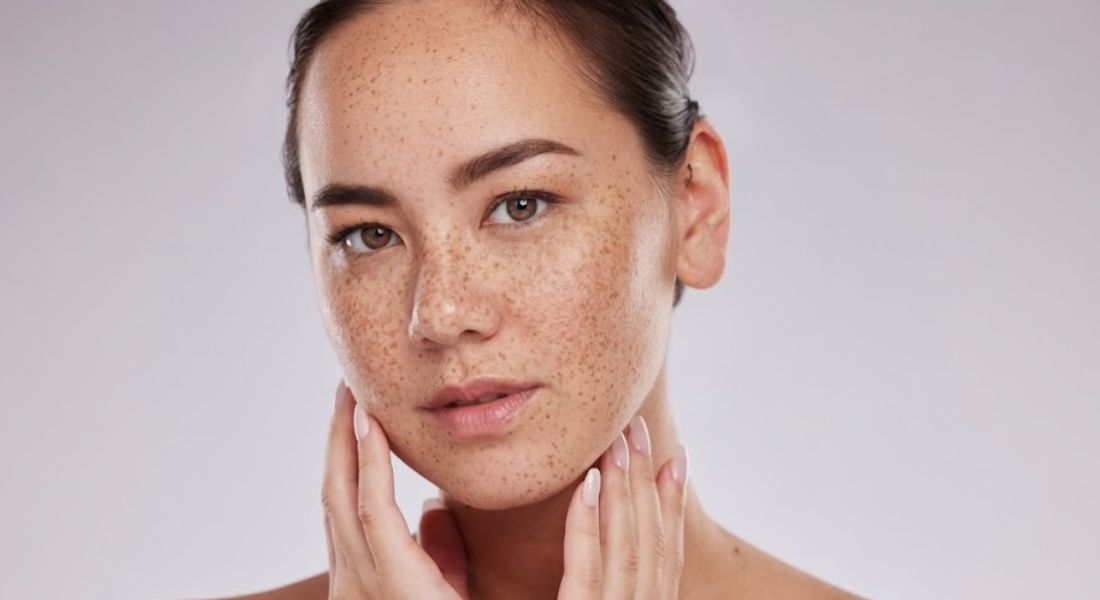
If you’re trying to get rid of liver spots naturally, you need to start with a clear expectation natural methods can improve appearance, but they rarely remove established pigmentation completely. These spots are the result of long-term melanin deposition in the skin, so you’re not dealing with something that fades quickly. What you can do is gradually lighten them and prevent them from becoming darker or more noticeable.
The most effective natural approach isn’t a single remedy it’s consistency in a few key areas. Sun protection is non-negotiable, because ongoing UV exposure will keep reinforcing the pigment. Alongside that, ingredients like aloe vera, green tea extract, liquorice, and vitamin C can help regulate pigmentation over time. These don’t work overnight, but when used regularly, they can soften contrast and improve overall skin tone.
Where most people go wrong is expecting visible change too quickly or relying on DIY treatments without structure. Natural remedies work best as part of a routine, not as occasional fixes. If your spots are deeply established or not responding after a few months, that’s your signal to consider professional options. You’re not failing the natural route you’re just recognising its limits and moving to something more targeted.
What Are Liver Spots and Why Do They Appear?
Liver spots develop when your skin responds to long-term sun exposure by producing excess melanin in specific areas. Instead of distributing evenly, the pigment clusters into flat, darker patches that become more visible over time. You’ll usually see them on sun-exposed areas like your face, hands, arms, and shoulders, where UV exposure has been most consistent.
They’re strongly linked to cumulative exposure rather than just age itself. You might associate them with getting older, but in reality, they reflect how much UV your skin has absorbed over the years. That’s why they can also appear earlier if you’ve had significant sun exposure without consistent protection.
Although liver spots are harmless, you shouldn’t assume every pigmented mark falls into that category. Some lesions can look similar in the early stages, and visual overlap is common. Before you focus on treatment natural or otherwise it’s important to be confident about what you’re dealing with, because accurate identification drives the right approach.
Can Liver Spots Be Removed Naturally?
Natural remedies can help with liver spots, but you need to be realistic about what they can actually achieve. They work on the surface gently exfoliating the skin or slightly slowing down melanin production so the effect is usually a gradual lightening rather than full removal. If your spots are well-established, you’re not going to eliminate them completely with home-based methods alone.
The limitation comes down to depth. Liver spots sit deeper in the skin than most natural ingredients can reach effectively, which is why results tend to be subtle and slow. You might notice a softening of colour or improved overall skin tone over time, but that requires consistent use over weeks or months, not quick fixes.
Where you need to stay sharp is in filtering out exaggerated claims. Many “natural cures” promise complete removal, which simply isn’t realistic. If you treat natural methods as a way to improve appearance and prevent worsening rather than a total solution you’ll make better decisions and avoid unnecessary frustration.
Lemon Juice and Natural Acids
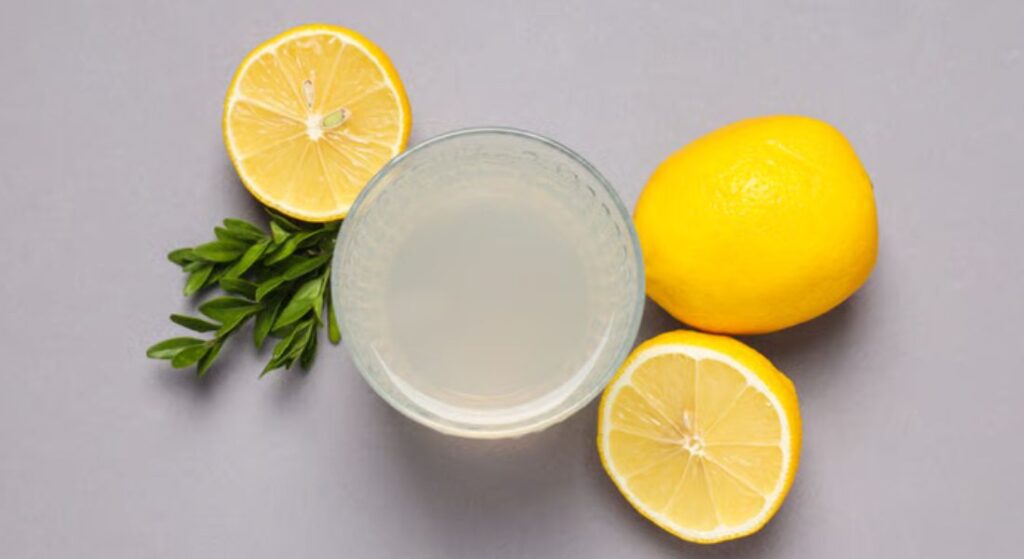
Lemon juice is often suggested for liver spots because it contains citric acid, which can lightly exfoliate the skin and help lift superficial pigment over time. In practice, this means you might see a slight brightening effect, but it’s limited to the outermost layers. You’re not addressing the deeper melanin deposits that actually define liver spots, so expectations need to stay grounded.
The bigger issue is irritation. Lemon juice is highly acidic and can disrupt your skin barrier if used frequently or applied directly, especially on sensitive areas like the face. This irritation can trigger inflammation, and inflammation is one of the fastest ways to worsen pigmentation rather than improve it. Add sun exposure on top of that, and you can end up with darker, more stubborn spots than you started with.
There’s also very little solid evidence supporting it as a reliable treatment. If you choose to use it, it needs to be diluted, used sparingly, and always followed by strict sun protection. Even then, results are modest at best, so it’s better positioned as a minor adjunct rather than a primary strategy.
Aloe Vera and Skin Repair
You’ll often come across aloe vera when you’re looking for gentler ways to support your skin, especially if you’re dealing with uneven tone or pigmentation. It’s not positioned as an aggressive treatment, but it does have a place if your priority is consistency and maintaining skin balance over time.
- Supports Melanin Regulation: Aloe vera contains naturally active compounds that may help influence how melanin is produced in the skin. This is why you’ll often see it recommended when you’re trying to manage mild pigmentation rather than aggressively treat it.
- Gradual Brightening Effect: You can see some improvement in hyperpigmentation with regular use, but it happens slowly. This isn’t something that delivers quick transformation, so you need to approach it with realistic expectations and a longer timeline.
- Low Risk of Irritation: One of the main advantages is how well most skin types tolerate it. You can use it consistently without triggering sensitivity, which makes it useful if your skin doesn’t respond well to stronger actives.
- Fits Easily Into Routine: Aloe vera works well alongside other skincare steps without disrupting them. Whether you’re layering it with serums or using it on its own, it integrates without adding complexity to your routine.
- Supports Overall Skin Health: Beyond pigmentation, it helps maintain hydration and calm the skin. While it won’t dramatically change deeper pigmentation, it contributes to a healthier, more stable skin environment.
When you use aloe vera with the right expectations, it becomes a supportive element rather than a primary solution, helping you maintain skin quality while you address pigmentation through more targeted approaches if needed.
Apple Cider Vinegar and Exfoliation
Apple cider vinegar is sometimes used for liver spots because its acetic acid provides mild exfoliation, helping to slough off dull surface cells and subtly improve skin tone. For some people, it can act as a natural toner and create the appearance of brighter, more even skin. However, the effect is superficial it doesn’t reach the deeper melanin deposits that form true liver spots.
The real risk comes from its acidity. Undiluted or overused, apple cider vinegar can easily irritate the skin, causing redness, dryness, or even chemical burns. Sensitive areas like the face and hands are particularly vulnerable, so careful dilution and controlled use are essential. Overenthusiastic application often backfires, making pigmentation more noticeable rather than less.
There’s limited scientific backing for apple cider vinegar as a liver spot treatment. While it may offer minor improvements in overall skin brightness, results are inconsistent and generally minimal. It’s best approached as a gentle adjunct to a broader sun protection and skin care routine, not a standalone solution.
Green Tea Extract and Antioxidants
Green tea extract is popular because it’s packed with antioxidants, especially polyphenols, which help protect your skin from oxidative stress and UV damage. By reducing environmental triggers, it can indirectly prevent new pigmentation from forming, but it won’t erase the spots you already have. Its role is largely protective rather than corrective.
Topical applications may also help regulate melanin production and calm minor inflammation, which can improve overall skin tone subtly. The effect on established liver spots is modest at best don’t expect dramatic fading. It’s more about supporting healthier skin while minimising further darkening.
The real value of green tea extract lies in prevention. Regular use as part of a broader sun protection and antioxidant strategy can slow additional pigmentation and maintain skin brightness, but it should be seen as a supportive measure rather than a primary treatment for existing liver spots.
Turmeric and Natural Brightening
Turmeric is often recommended for its natural brightening effect, thanks to curcumin, which has both antioxidant and anti-inflammatory properties. These effects can help even out skin tone over time, but they’re subtle and gradual. It’s not a treatment that specifically targets the deeper melanin in liver spots.
Small studies and anecdotal evidence suggest that consistent use may slightly reduce pigmentation, but results are variable and generally mild. You’re unlikely to see dramatic fading, so it works best as part of a routine that supports overall skin health rather than a standalone fix.
Another practical consideration is staining turmeric can leave a temporary yellow tint on the skin if used in high concentrations. Proper dilution and careful application are key. Think of turmeric as a supportive measure that enhances skin brightness, rather than a corrective solution for existing liver spots.
Yoghurt and Lactic Acid
Yoghurt can offer mild brightening thanks to its lactic acid content, which gently exfoliates dead skin cells and smooths texture. Over time, this can subtly improve the appearance of superficial pigmentation, making your skin look fresher. However, it doesn’t penetrate deeply enough to affect established liver spots significantly.
The concentration of lactic acid in yoghurt is low compared with clinical exfoliating products, so its impact is limited. You might notice slight softening or lightening, but it won’t deliver dramatic results. Consistency is key if you choose to use it, but patience is essential.
Think of yoghurt as a gentle, supportive approach rather than a true corrective treatment. It’s best incorporated into a broader skincare routine, ideally alongside sun protection and antioxidant support, to maintain overall skin health while providing modest brightening.
The Role of Sun Protection in Natural Treatment
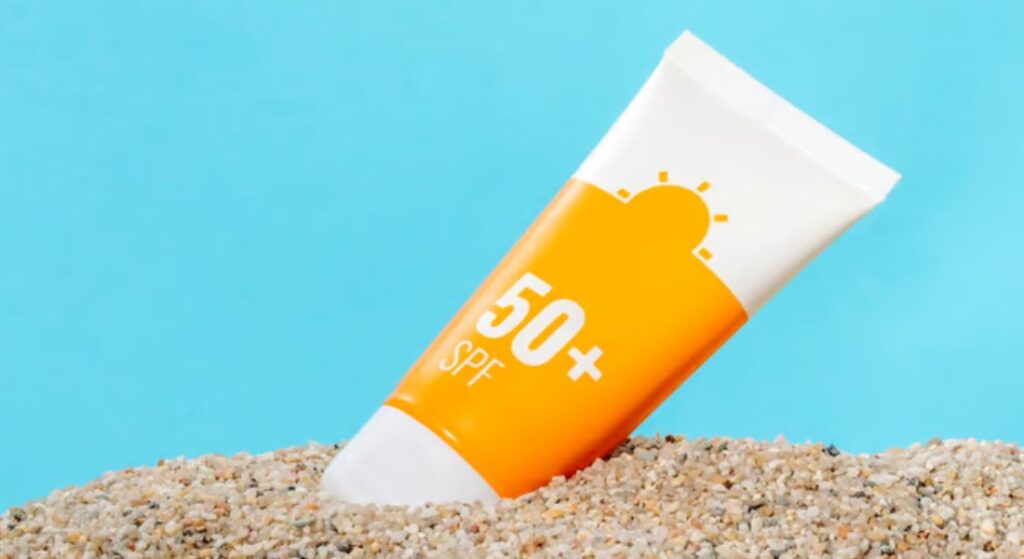
Sun protection is the cornerstone of any natural approach to managing liver spots. Even the most carefully applied remedies will be undermined if your skin is continuously exposed to UV rays, because sun exposure directly triggers melanin production. Without blocking that stimulus, any lightening achieved will be temporary at best.
A broad-spectrum sunscreen applied daily is non-negotiable. It prevents existing spots from darkening and helps reduce the formation of new ones. Consistent use, combined with protective clothing and avoiding peak sun hours, makes a far bigger impact than any home remedy alone.
Natural treatments are only supportive they cannot undo ongoing sun damage. By prioritising sun protection first, you create the conditions where gentle brightening measures, like antioxidants or mild exfoliants, have a chance to work. Consistency in this routine is what produces meaningful, lasting results over time.
Why Natural Remedies Work Slowly
When you choose natural remedies for skin concerns like liver spots, you’re working with your body rather than against it, which means results tend to come gradually. While this gentler approach can feel reassuring, it also requires patience because your skin needs time to respond and renew itself. Instead of quick, dramatic changes, you’ll usually notice subtle improvements building up over weeks or even months.
- They Follow Your Skin’s Natural Cycle: Natural treatments depend on your skin’s own renewal process, which typically takes several weeks to complete. Because of this, any visible improvement happens gradually as older, pigmented cells are shed and replaced with newer ones over time.
- Mild Ingredients Mean Subtle Changes: Most natural remedies use gentle, low-strength ingredients that don’t penetrate deeply into the skin. While this reduces the risk of irritation, it also means they work more slowly to lighten pigmentation or even out your skin tone.
- No Controlled Damage or Deep Stimulation: Unlike clinical procedures, natural methods don’t trigger strong repair responses in the skin. Without that deeper stimulation, the changes remain surface-level, which can limit how quickly and how much improvement you see.
- Results Can Plateau Over Time: With continued use, you may reach a point where progress slows or stops altogether. This happens because natural remedies can only influence pigmentation to a certain degree, especially for deeper or more stubborn spots.
- Consistency Matters More Than Speed: Because the effects are gradual, regular and long-term use is essential to see any benefit. Skipping applications or expecting fast results can make the process feel ineffective, even when small changes are happening beneath the surface.
Understanding this slower timeline helps you set realistic expectations and avoid frustration. If you stay consistent and give your skin the time it needs, you’re more likely to notice steady, if modest, improvements without exposing your skin to harsh treatments.Top of Form
Risks of DIY Skin Treatments
DIY skin treatments carry risks that are often underestimated. Highly acidic ingredients like lemon juice or vinegar can irritate or even burn the skin if used too often or in strong concentrations. Sensitivity varies, and what feels mild for one person can be damaging for another.
Irritation isn’t just uncomfortable it can trigger post-inflammatory hyperpigmentation, making liver spots appear darker rather than lighter. What begins as an attempt to improve pigmentation can backfire, creating new or more noticeable spots.
Caution is essential with any home remedy. Always patch test, use diluted formulations, and avoid overuse. Prioritising skin safety ensures you don’t unintentionally worsen the problem while seeking natural improvement.
When Natural Treatments Are Not Enough
Natural remedies can only do so much when it comes to well-established liver spots. If the pigmentation is deep or persistent, gentle home treatments are unlikely to make a significant difference. At this stage, more targeted clinical approaches like laser therapy or chemical peels are far more effective.
If you notice spots darkening, increasing in number, or changing in appearance, it’s a signal to seek professional assessment. A dermatologist can confirm whether the marks are indeed liver spots and advise on the safest, most effective treatment options. This ensures you’re not relying on methods that won’t work and avoids potential complications.
Think of natural treatments as supportive measures helpful for maintenance and prevention, but not as a replacement for professional care when stronger intervention is needed. Recognising this balance prevents wasted time and keeps your expectations realistic.
Clinical Treatments vs Natural Approaches
Clinical treatments are designed to reach deeper layers of the skin where liver spots form, offering precise and targeted pigment reduction. Procedures like laser therapy, chemical peels, and prescription-strength creams can produce faster, more noticeable results than home remedies. These approaches are particularly effective for stubborn or well-established spots.
Natural approaches, on the other hand, act on the skin’s surface and work gradually. They’re gentle and non-invasive, which makes them appealing, but their effects are limited and slow to appear. The choice between natural and clinical methods really comes down to the results you want and the timeline you’re comfortable with.
The most effective strategy often combines both. Consistent sun protection and supportive skincare can complement clinical treatments, enhancing results and maintaining improvements. Natural methods are best seen as adjuncts, not replacements, for professional intervention when deeper pigmentation is involved.
Maintaining Results Naturally
Maintaining results naturally starts with rigorous sun protection. Even the most effective treatments natural or clinical can be undone if your skin is exposed to UV rays without protection. Daily sunscreen, protective clothing, and avoiding peak sun hours are non-negotiable steps to prevent recurrence.
Supportive skincare plays a key role in keeping skin tone even. Ingredients like vitamin C and niacinamide help regulate pigment and provide antioxidant protection, while gentle exfoliation removes dead cells and promotes brightness. These measures don’t reverse spots but help maintain the improvements you’ve achieved.
Consistency matters far more than intensity. Small, daily habits like applying sunscreen, using antioxidant serums, and keeping your skin hydrated create cumulative benefits over time. Maintaining a routine protects your progress and ensures that any fading or improvement lasts.
Lifestyle Factors That Affect Pigmentation
Your daily habits have a bigger impact on your skin than you might realise, especially when it comes to pigmentation. While treatments can help, the way you look after your body and skin each day plays a key role in how those results develop and last. By making a few consistent, healthy choices, you can support your skin’s natural balance and reduce the chances of pigmentation becoming more noticeable over time.
- Sun Exposure Is the Biggest Trigger: UV exposure is one of the main reasons pigmentation appears and worsens over time. Without proper protection, even small amounts of daily sun can stimulate melanin production, making existing spots darker and encouraging new ones to form.
- Diet Supports Skin Health: Eating foods rich in antioxidants, such as fruits and vegetables, can help your skin defend itself against environmental damage. While this won’t remove pigmentation directly, it supports a healthier complexion and may improve how your skin responds to other treatments.
- Hydration Helps Skin Function Properly: Keeping your body well hydrated allows your skin to maintain its natural barrier and repair processes. Dehydrated skin can look dull and uneven, which may make pigmentation appear more prominent.
- Sleep and Stress Influence Repair: Poor sleep and high stress levels can disrupt your skin’s ability to repair and regenerate. Over time, this can affect overall skin clarity and may contribute to uneven tone or slower improvement in pigmentation.
- Consistent Skincare Makes a Difference: A simple, regular skincare routine tailored to your skin type helps maintain balance and protect against further damage. Using gentle, supportive products can improve overall tone, even if they don’t directly remove deeper pigmentation.
Taking a holistic approach to your lifestyle won’t erase pigmentation on its own, but it creates the right environment for your skin to look and feel healthier. When you combine these habits with the right treatments, you give yourself the best chance of achieving more even, resilient skin over time.Top of Form
Setting Realistic Expectations
Natural remedies can make liver spots less noticeable, but they are not a cure. Improvements are gradual and often partial, so expecting complete removal at home is unrealistic. Patience is key if you’re relying on these methods.
Being clear about your goals helps guide your approach. If subtle lightening and maintenance are your aim, natural methods may be sufficient. For more dramatic or rapid results, clinical treatments are generally necessary.
Setting realistic expectations prevents frustration. Understanding the limits of each approach allows you to make informed choices and stay satisfied with your results. Knowing what’s achievable keeps your skincare strategy practical and effective.
Can Diet Help Reduce Liver Spots Naturally?
Diet won’t erase liver spots, but it can support your skin’s natural repair mechanisms and slow further pigmentation. Nutrients that reduce oxidative stress, like vitamins and antioxidants, help protect against sun-induced damage, giving your skin a better chance to maintain even tone.
Eating antioxidant-rich foods berries, leafy greens, nuts can neutralise free radicals that contribute to pigmentation and premature ageing. This internal support complements topical care, making your overall skin routine more effective.
Staying well hydrated also aids skin turnover, helping your skin shed dead cells and renew itself efficiently. While diet alone won’t remove existing spots, it plays a valuable supportive role in maintaining healthier, brighter skin over time.
The Role of Vitamin C in Natural Brightening
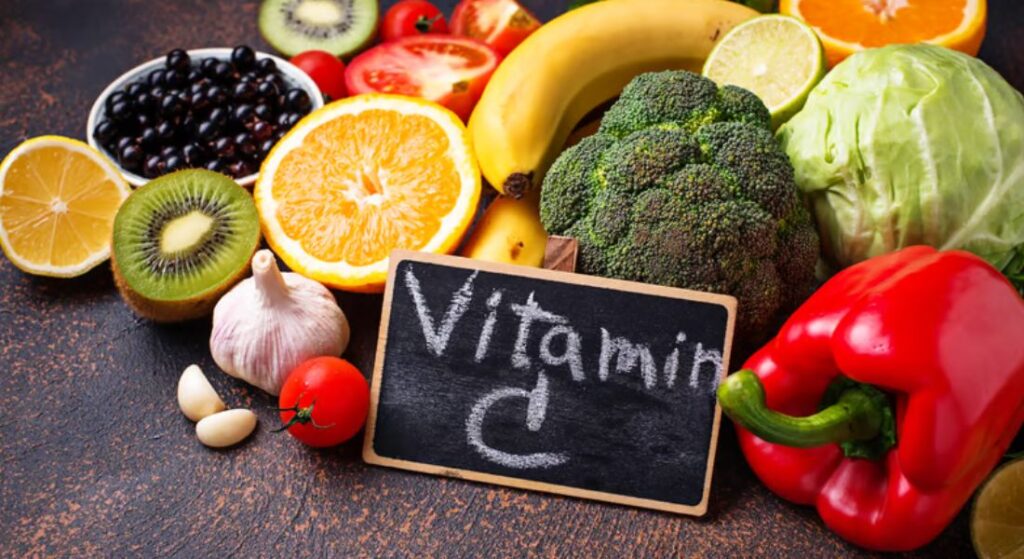
Vitamin C is a standout ingredient for brightening uneven skin tone, thanks to its ability to inhibit tyrosinase, the enzyme that drives melanin production. This makes it one of the most evidence-backed options for supporting natural lightening of mild pigmentation.
Topical vitamin C serums are far more effective than DIY citrus treatments. They’re formulated to be stable and gentle, allowing consistent use without the irritation raw juice can cause. Regular application can gradually improve overall brightness and even out skin tone.
Even so, vitamin C has its limits. For deep or long-standing liver spots, it won’t deliver dramatic fading. Its strength lies in improving general skin tone and supporting other natural or clinical approaches, making it a reliable addition to any maintenance routine.
How Skin Type Affects Natural Treatment Results
Your skin type greatly influences how effective natural remedies will be. Some people tolerate gentle exfoliation well and see subtle improvements, while others may experience irritation that can actually worsen pigmentation. This variability is often underestimated.
Darker skin tones are particularly susceptible to post-inflammatory hyperpigmentation. Even minor irritation from natural acids or harsh ingredients can trigger new dark spots, so selecting products carefully is crucial for these skin types.
Sensitive skin also requires extra caution. Frequent use of strong natural acids or aggressive treatments can compromise the skin barrier, causing redness and irritation. A gentle, consistent approach is always safer and more effective than intense or frequent applications.
Seasonal Changes and Liver Spots
You might find that your liver spots seem to change with the seasons, often becoming more noticeable at certain times of the year. This isn’t your imagination your skin responds directly to environmental changes, especially sunlight. Understanding these patterns can help you adjust your routine and stay one step ahead when it comes to managing pigmentation.
- Sun Exposure Increases Pigmentation: During spring and summer, stronger UV radiation stimulates melanin production in your skin. This can make existing liver spots appear darker and more defined, even if you’re only spending short periods outdoors.
- Winter Can Make Spots Look Lighter: In the colder months, reduced sunlight means less stimulation of pigment-producing cells. As a result, liver spots may appear to fade slightly, although they haven’t actually gone away beneath the surface.
- UV Damage Builds Over Time: Even if changes seem seasonal, the effects of sun exposure are cumulative. Each period of unprotected exposure adds up, gradually making pigmentation more persistent and harder to treat over the years.
- Skin Behaviour Varies With Climate: Changes in temperature, humidity, and overall environment can affect how your skin behaves. These shifts may influence how noticeable pigmentation appears and how your skin responds to skincare products.
- Adapting Your Routine Is Essential: Using higher SPF and reapplying sunscreen more frequently during brighter months can help prevent spots from darkening. In winter, maintaining protection and hydration supports overall skin balance and recovery.
Being aware of how the seasons affect your skin allows you to take a more proactive approach. By prioritising sun protection and adjusting your skincare throughout the year, you can reduce the risk of liver spots becoming more pronounced and maintain a more even-looking complexion over time.
Combining Natural Remedies Safely
It’s tempting to combine several natural remedies at once, but this can backfire. Using too many active ingredients simultaneously often irritates the skin, which may worsen pigmentation rather than improve it.
A safer strategy is to introduce one treatment at a time. This makes it easier to see how your skin reacts and allows you to adjust gradually if needed. Monitoring your skin’s response prevents unnecessary irritation.
Consistency beats intensity every time. A simple, well-structured routine is far more effective than an overloaded approach. Your skin benefits most from stability and gentle, regular care rather than aggressive experimentation.
The Importance of Professional Diagnosis
Not every brown patch is a harmless liver spot. Some pigmented lesions, including melasma or early skin cancers, can look very similar, so professional assessment is essential.
Attempting to treat an undiagnosed spot at home can delay proper care and potentially allow serious conditions to progress. A professional diagnosis ensures that you’re addressing the right issue safely.
Even if your goal is to use natural remedies, confirming the nature of the spot first gives you confidence and protects your long-term skin health. Knowing exactly what you’re treating is the safest foundation for any approach.
When to Transition From Natural to Clinical Treatment
There comes a stage when natural remedies simply aren’t enough. If you’ve been consistent for months with little to no improvement, it’s wise to reassess your approach. Persistent or stubborn pigmentation often requires more targeted intervention to achieve visible results.
Clinical treatments work at a deeper level than home remedies. Procedures like laser therapy or chemical peels can break down pigment efficiently, delivering faster and more noticeable improvements where natural methods fall short.
Moving to clinical options doesn’t mean abandoning natural care entirely. Combining professional treatments with supportive home routines like sun protection and gentle antioxidants often produces the best long-term results. Balance between approaches is crucial for maintaining clear, even skin.
FAQs:
1. Can liver spots disappear naturally?
Liver spots rarely disappear completely with natural methods. Gentle remedies like aloe vera, vitamin C, or green tea extract can gradually lighten appearance over time, but deep pigmentation usually requires professional treatment.
2. Are lemon juice and vinegar safe for liver spots?
They can provide mild exfoliation, but both are acidic and may irritate the skin. Overuse can worsen pigmentation, so always dilute, patch test, and use alongside sun protection.
3. How long does it take for natural remedies to show results?
Improvements are slow, often taking weeks or months. Consistency is key, and subtle changes like softened colour or improved tone are more realistic than full removal.
4. What role does sun protection play?
Sun protection is critical. Daily broad-spectrum sunscreen prevents existing spots from darkening and stops new ones forming, making any natural treatment more effective.
5. Can diet affect liver spots?
A diet rich in antioxidants, vitamins, and hydration supports skin repair and may reduce further pigmentation. It won’t remove existing spots but helps maintain a healthier, brighter complexion.
6. Which natural ingredients are most effective?
Top options include aloe vera for gentle support, vitamin C for brightening, and green tea extract for antioxidant protection. They work best as part of a structured routine rather than standalone fixes.
7. Should I combine multiple natural remedies?
It’s safer to introduce one at a time. Overloading your routine can irritate skin and worsen pigmentation, whereas gradual, consistent application supports steady improvement.
8. Can skin type affect results?
Yes. Sensitive and darker skin types may be more prone to irritation and post-inflammatory pigmentation. Tailor your routine to avoid strong acids or aggressive treatments.
9. When should I see a dermatologist?
If spots darken, increase in number, or fail to improve after months, professional assessment is recommended. This ensures you’re treating the right condition safely.
10. Can natural treatments replace clinical options?
No. They’re best for maintenance and mild improvement. Persistent or deep liver spots often require laser therapy, chemical peels, or prescription creams for noticeable results.
Final Thought: Managing Liver Spots Naturally and Effectively
Liver spots are rarely resolved with a single home remedy. Consistent sun protection, gentle skincare, and supportive natural treatments form the foundation for gradual improvement and maintenance. Early attention, combined with realistic expectations, prevents spots from darkening further and reduces the risk of frustration with slow or subtle results. Lifestyle factors such as hydration, diet, and sleep influence skin health, so integrating these into your routine enhances the effectiveness of any topical or natural approach.
For those looking for clearer, more even skin while maintaining a safe and measured approach, professional guidance is invaluable. Combining consistent home care with expert assessment ensures you’re targeting pigment appropriately and avoiding irritation or post-inflammatory darkening. If you’re considering liver spots treatment in London, contact us at London Dermatology Centre to book a consultation with one of our specialists.
References:
1. Mardani, G., Nasiri, M.J., Namazi, N., Farshchian, M. & Abdollahimajd, F., 2025. Treatment of solar lentigines: A systematic review of clinical trials analysing efficacy and safety of topical, laser and physical modalities. Journal of Cosmetic Dermatology. https://pubmed.ncbi.nlm.nih.gov/40145274/
2. Ortonne, J.-P., Pandya, A.G., Lui, H. & Hexsel, D., 2006. Treatment of solar lentigines: Consensus review offering evidence on physical therapies (cryotherapy, lasers) and topical combinations (mequinol, retinoids). Journal of the American Academy of Dermatology. https://www.sciencedirect.com/science/article/abs/pii/S0190962205049698
3. Rossi, A.M. & Perez, M.I., 2011. Mequinol and related agents in the clinical management of pigmentary disorders including solar lentigines: overview of mechanism and clinical utility. In: Facial Plastic Surgery Clinics of North America, Elsevier. https://www.sciencedirect.com/topics/medicine-and-dentistry/mequinol
4. Szymańczyk, J., Trzeciakowski, W., Ivonyak, Y., Tuchowski, P. & Szymańczyk, J., 2021. Blue Laser (450 nm) treatment of solar lentigines: Pilot clinical evaluation of a novel laser source for age spot removal. Journal of Clinical Medicine. https://www.mdpi.com/2077-0383/10/21/4919
5. Kim, H.O. et al., 2021. Evaluation of epidermal growth factor (EGF) ointment as an adjuvant to QS 532 nm Nd:YAG laser for treating solar lentigines: A prospective randomized controlled trial. Medicina (MDPI). https://www.mdpi.com/1648-9144/57/2/166