


Peptides are short chains of amino acids, which are the building blocks of proteins in your body. In skincare, certain peptides are included because they may influence signalling pathways associated with skin structure, repair or barrier function. Their effects depend on the specific peptide and formulation.
Peptides occur naturally throughout your body and are involved in a wide range of biological processes. Cosmetic products use selected peptides that are intended to influence particular skin-related pathways, although their effects depend on formulation stability, skin penetration and consistent use.
Understanding how peptides work helps explain why they are included in many anti-ageing skincare products. They are valued for their potential to support healthier-looking skin, improve texture, and help maintain a more youthful appearance.
How Peptides Work in Skincare
When formulated and delivered effectively, certain topical peptides may influence processes involved in collagen production, skin structure and barrier function. Some peptides have been studied for their potential to influence pathways associated with collagen or elastin synthesis, which are important proteins for maintaining skin firmness, structure, and smoothness.
The way peptides work is subtle, so topical peptides cannot completely replace professional treatments. They are designed to support your skin’s natural functions over time rather than create instant changes.
Consistency is key when using peptide-based skincare products. Regular use allows these ingredients to support your skin’s long-term health and may help improve overall texture, resilience, and appearance.
Common Types of Peptides
Different types of peptides work in different ways depending on their structure and purpose. Signal peptides are designed to support signalling pathways associated with collagen and elastin production, which may help support skin firmness and texture. Carrier peptides can bind and deliver trace elements, such as copper, which may participate in skin-related biological processes.
Enzyme-inhibitor peptides may help reduce the breakdown of important skin proteins, while neurotransmitter-inhibitor peptides are designed to influence signalling associated with muscle contraction and may help soften the appearance of some expression lines. Each category has a different proposed role within skincare formulations.
Understanding which type of peptide is included in your product can help you set realistic expectations. Peptides can support gradual improvements in skin quality, but they are not a replacement for professional treatments or a complete skincare routine.
Benefits for Skin
Peptides may help improve the appearance of skin firmness, elasticity, and texture by supporting important processes within your skin. With regular use, some well-formulated peptide products may contribute to a smoother and healthier-looking complexion over time.
Some peptide-containing formulations may help support skin-barrier function and hydration, although this depends on the specific peptide and the other ingredients in the product. Supporting the skin barrier may help your skin retain moisture and feel more comfortable, depending on the complete product formulation.
Although peptides may not create the dramatic effects associated with some stronger active ingredients, many peptide-containing formulations are well tolerated, although suitability depends on the complete ingredient list and your individual skin. Their gentle, supportive approach makes them a popular choice in long-term skincare routines.
Peptides vs Retinoids
Retinoids work by increasing skin cell turnover, which can help improve concerns such as fine lines and uneven texture. However, they can sometimes cause dryness, irritation, or sensitivity, particularly when you first introduce them into your skincare routine. Peptides generally work through different proposed signalling pathways and may provide a gentler option in some formulations.
You may be able to combine peptides with retinoids if your skin tolerates both ingredients. They may be used in the same routine because they work through different mechanisms, although the benefits and tolerability depend on the specific products and your skin.
The right combination depends on your skin type, concerns, and tolerance levels. Introducing active ingredients gradually and using appropriate skincare support can help you achieve the benefits while reducing the risk of irritation.
| Feature | Peptides | Retinoids |
| Main action | Support signalling pathways involved in skin maintenance | Increase cell turnover and influence collagen pathways |
| Best known for | Supporting firmness, hydration and skin quality | Improving wrinkles, uneven texture and pigmentation |
| Irritation risk | Often lower, depending on the formulation | Higher, especially when starting |
| Suitable for sensitive skin | May be suitable, depending on the complete formulation | May require gradual introduction |
| Evidence strength | Developing evidence base | Stronger clinical evidence |
How Peptides Are Delivered
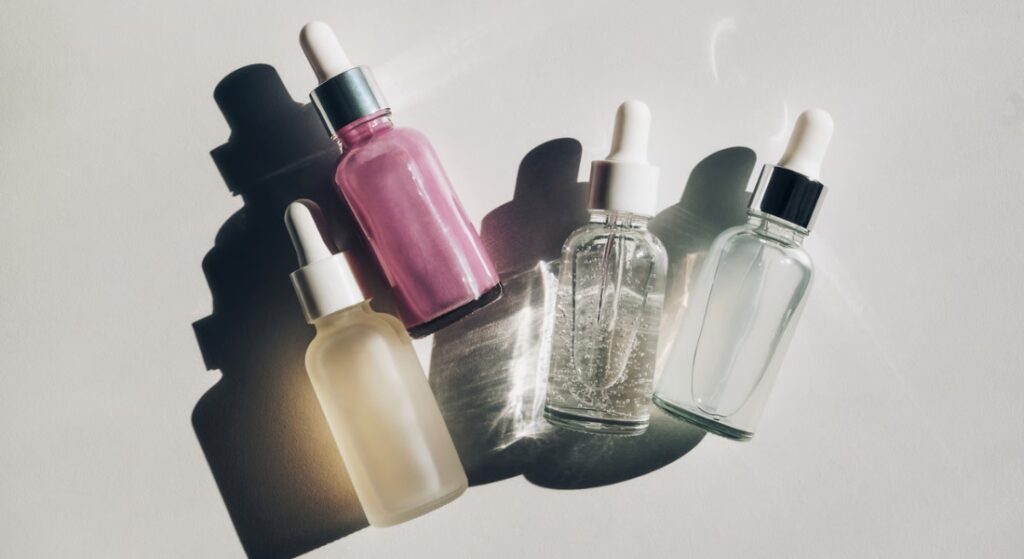
Peptides are commonly included in skincare products such as serums, creams, moisturisers, and masks. Serums are often designed as lightweight, targeted formulations, although they do not necessarily contain higher peptide concentrations than creams. Creams and moisturisers may focus more broadly on supporting hydration and overall skin health.
The formulation of a peptide product is important because some peptides need to be carefully stabilised to maintain their effectiveness. Factors such as ingredient quality, delivery system, and product formulation can influence how well peptides perform on your skin.
Reading the ingredient list and choosing products from reputable manufacturers may help you select a properly formulated and appropriately packaged product. A well-formulated product can support your skincare routine and help you achieve gradual improvements in skin quality over time.
Peptides and Collagen
Collagen is an important protein that provides your skin with structure, firmness, and elasticity. Some signal peptides have been studied for their ability to influence pathways involved in collagen production by skin cells such as fibroblasts. However, the effect depends on the specific peptide, formulation, and how effectively the ingredient reaches the skin.
With consistent use, peptide-based skincare may help improve the appearance of skin texture and firmness over time. These gradual changes can support a smoother, healthier-looking complexion and may help reduce the appearance of mild skin laxity.
However, topical peptides cannot reproduce the effects of every professional treatment, and their ability to influence deeper skin structures varies between formulations. They work best as part of a broader skincare approach that includes sun protection, healthy habits, and treatments suited to your individual needs.
Ideal Candidates
People looking to support skin firmness, improve texture, or maintain healthy-looking skin may consider peptide-based skincare as part of a wider routine. The suitability of any product depends on your skin type, concerns, and the formulation. Many peptide-containing products may be suitable for sensitive skin, although tolerability depends on the complete formulation and your individual skin response.
Mature skin may experience more gradual changes because collagen production and some aspects of skin renewal naturally decline with age. Younger adults may use peptide products as part of a maintenance-focused skincare routine, although these products are not essential for maintaining healthy skin.
If you have an active inflammatory skin condition or ongoing sensitivity, it is best to seek professional advice before introducing new skincare products. A specialist can help you choose ingredients that are appropriate for your skin type and concerns.
Combining Peptides With Other Ingredients
Peptide products can often be used alongside other skincare ingredients such as hyaluronic acid, antioxidants, and niacinamide. These combinations can support hydration, protect your skin from environmental stress, and improve overall skin health. Using complementary ingredients can help create a more balanced skincare routine.
Use caution when combining several potentially irritating active products, including frequent exfoliating acids, particularly if your skin is sensitive. Overuse of strong active ingredients may increase irritation and can make it harder for your skin to maintain a healthy barrier. Introducing products gradually can help your skin adjust more comfortably.
A simple, consistent routine often provides better results than using too many high-potency products at once. Choosing ingredients that work well together and applying them regularly can help support healthier-looking skin over time.
Clinical Tip:
If your skin is sensitive, introduce one new active ingredient at a time. This makes it easier to identify whether a product is helping your skin or causing irritation.
Evidence From Research
Studies of certain peptide-containing formulations suggest that they may improve selected features of skin appearance, including firmness, fine lines and texture. Research into certain peptide formulations has produced promising results, although outcomes depend on the peptide studied, its concentration, formulation stability and delivery.
However, research into topical peptides is still developing, and results can vary depending on the type of peptide, product formulation, and your individual skin concerns. More studies are needed to fully understand their long-term effects and how different peptide combinations perform.
You should view peptides as a gradual, supportive addition to your skincare routine rather than an instant solution. With consistent use, they may help improve your skin quality over time and support a long-term approach to maintaining healthy-looking skin.
Research Insight:
Clinical studies investigating peptide-containing skincare formulations have reported improvements in features associated with photoaged skin, including the appearance of fine lines and skin firmness. However, the evidence base is smaller than for ingredients such as retinoids, and results depend on the specific peptide formulation being studied.
Application Tips
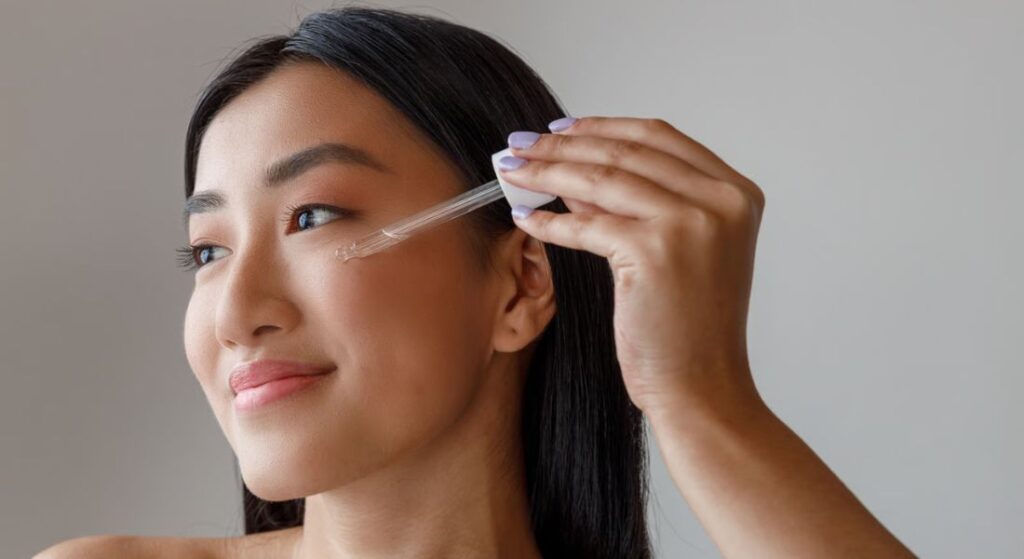
You should always follow the instructions provided with your specific product, as formulations can vary. Apply the product gently and evenly according to the manufacturer’s instructions, avoiding vigorous rubbing if your skin is sensitive.
Consistency is usually more important than applying large amounts. Using a small amount regularly allows peptides to support your skin over time and helps you maintain a steady skincare routine.
Using peptides consistently alongside other suitable skincare products may help you assess how well the formulation works for your skin over time.
Storage and Shelf Life
Some peptide formulations may be affected by environmental factors such as heat, light and air exposure. Packaging that limits unnecessary exposure may help maintain ingredient stability, although storage requirements vary between products.
Always check the expiry date and follow the manufacturer’s storage instructions. Keeping the product away from excessive heat and direct light, where advised, can help preserve its quality throughout its intended shelf life and reduce unnecessary waste.
Expected Timeline for Results
You should expect peptide skincare results to develop gradually rather than immediately. Some studies have reported visible improvements after several weeks of consistent use, although the timeframe varies depending on the peptide formulation, concentration, and individual skin factors.
Because peptides support your skin’s natural processes, changes are usually subtle and build over time. Patience and regular application are important when incorporating peptides into your long-term skincare routine.
You may find it helpful to track your progress with photographs taken at regular intervals. This can make gradual improvements easier to notice and help you understand how your skin responds to the product.
Cost Considerations
You may notice that peptide skincare products are often priced higher than standard moisturisers because of their advanced formulations. However, a higher price does not always mean better results.
- Price does not guarantee effectiveness: More expensive products are not always more beneficial for your skin.
- Focus on the formulation: Consider the type of peptides, ingredient quality, and formulation stability rather than cost alone.
- Choose products that suit your skin: The best option is one that addresses your individual skin concerns and fits into your routine.
- Consistent use is important: A suitable peptide product used regularly may be more useful than an expensive product that is used inconsistently.
Choosing a peptide skincare product should be based on its ingredients, suitability, and your budget. A simple, consistent routine is often the key to achieving the best long-term results.
Potential Side Effects
You may find that peptides are generally well tolerated and suitable for most skin types. Unlike some stronger active ingredients, they are usually considered gentle and are less likely to cause significant irritation when used correctly.
However, mild irritation, redness, or sensitivity can occasionally occur, particularly if you have sensitive skin or are using peptides alongside other active ingredients. Introducing new products gradually can help your skin adjust more comfortably.
Remember to patch test a new peptide product before applying it regularly. This can help you identify any potential reaction and choose products that are better suited to your individual skin needs.
Combining With Lifestyle Factors
You should remember that peptides work best as part of a wider approach to skin health. A balanced diet, adequate sleep and appropriate sun protection can support general health and help form part of a broader approach to caring for your skin.
Sun protection is especially important because UV exposure can damage collagen and contribute to premature skin ageing. Using suitable sunscreen alongside shade and protective clothing can help reduce this exposure.
You should think of peptides as one part of a holistic skincare approach rather than a standalone solution. Combining effective skincare ingredients with healthy lifestyle habits can help support your skin’s long-term health and appearance.
Common Myths About Peptides
You may have heard claims that peptides can produce instant anti-ageing results, but this is not usually the case. Peptides work gradually by supporting your skin’s natural processes, so visible improvements often develop over time with consistent use.
You should also know that not all peptide products are equally effective. The type of peptide, concentration, formulation, and stability of the product can all influence how well it performs on your skin.
Setting realistic expectations can help you get the most from peptide skincare. Understanding that results are gradual encourages consistent use and helps you make informed choices about your skincare routine.
Suitability for All Ages
You may be able to use peptide skincare at different stages of life, as peptides are generally suitable for most age groups. Younger adults may choose them as part of a maintenance-focused approach to supporting long-term skin health, while mature skin may benefit from their role in supporting firmness, texture, and repair.
If you are a teenager with acne-prone or sensitive skin, you may still be able to use mild peptide formulations, although it is helpful to seek guidance if you have ongoing skin concerns. Choosing products that suit your skin type is important to avoid unnecessary irritation.
You should choose an appropriate formulation and adjust the frequency of use and overall routine according to your skin’s needs and the product instructions. A gradual approach can help your skin adjust comfortably while allowing you to assess whether the product suits your skin.
When to Seek Professional Advice

You should consider speaking to a dermatologist if you experience persistent irritation, sensitivity, or uncertainty about how to introduce peptides alongside other active ingredients. Professional advice can help you understand which products are most suitable for your skin type and concerns.
A dermatologist can guide you on how to layer skincare ingredients safely and create a routine that supports your skin’s needs. This personalised approach can help you achieve effective results while reducing the risk of irritation.
Seeking professional guidance is especially helpful if you have existing skin conditions or are using multiple active products. The right advice can help you build a balanced skincare routine that supports long-term skin health.
Clinical Guidance Note:
If you have conditions such as rosacea, eczema, acne, or persistent irritation, introducing new skincare ingredients may require a more tailored approach. A dermatologist can help you choose products that support your skin without worsening sensitivity.
Integrating Peptides Into Your Routine
You should use peptides as part of a simple and consistent skincare routine rather than adding too many products at once. A balanced routine allows your skin to adjust and helps you understand which products are providing benefits.
You can generally apply peptide products after cleansing and before heavier moisturisers, creams, or oils. This allows the peptide formulation to sit closer to your skin and become part of your regular skincare routine.
Consistency and patience are key when using peptides. Because they support your skin gradually, regular application over time is important for achieving the best possible long-term benefits.
Myth and Fact
| Myth | Fact |
| Peptides provide instant anti-ageing results. | Any improvement is usually gradual and depends on the peptide and formulation. |
| Every peptide product works in the same way. | Different peptides have different proposed functions, and evidence varies considerably. |
| More expensive products are always better. | Price does not reliably indicate peptide concentration, stability or effectiveness. |
Key Takeaways
- Peptides are short chains of amino acids that may support signalling pathways involved in skin structure, repair and barrier function.
- Different peptides have different proposed roles, including signal, carrier, enzyme-inhibitor and neurotransmitter-inhibitor functions.
- The effectiveness of a peptide product depends on the specific peptide, concentration, formulation stability and how effectively it is delivered into the skin.
- Peptide skincare may gradually improve the appearance of firmness, texture and fine lines, but results vary and are usually subtle.
- Evidence for topical peptides is developing and is not as strong or consistent as the evidence supporting retinoids.
- Peptide products are often well tolerated, although irritation can still occur because of other ingredients in the formulation.
- Peptides can usually be combined with moisturisers, hyaluronic acid, niacinamide and antioxidants as part of a balanced skincare routine.
- Consistent use, realistic expectations and daily sun protection are important when using peptide skincare.
- Professional dermatology advice may be helpful if you have eczema, rosacea, acne, persistent sensitivity or difficulty combining active skincare ingredients.
FAQs:
1. What do peptides do for the skin?
Certain peptides may influence signalling pathways associated with collagen-related processes and skin barrier function. With regular use, peptide-based skincare may help improve the appearance of firmness, elasticity and overall skin texture.
2. Are peptides effective for anti-ageing skincare?
Certain peptides may support healthier-looking skin by influencing pathways associated with collagen or elastin activity, which naturally decline with age. While results are usually gradual rather than dramatic, consistent use may help reduce the appearance of fine lines and improve skin smoothness.
3. How long does it take to see results from peptide skincare?
Any visible improvement is likely to develop gradually over several weeks or months. There is no universal timeline because results depend on the specific peptide, formulation, skin condition, individual response and overall skincare routine.
4. Can peptides replace retinoids?
Peptides and retinoids work differently and are not direct replacements for each other. Retinoids increase cell turnover and can provide stronger anti-ageing effects but may cause irritation, while peptide-containing formulations may provide gentler support through proposed pathways associated with skin maintenance and repair.
5. Can peptides be used with other skincare ingredients?
Peptides can generally be combined with ingredients such as hyaluronic acid, niacinamide and antioxidants. Care should be taken when combining multiple strong active ingredients, as over-exfoliation or irritation may affect skin comfort and routine consistency.
6. Are peptide products suitable for sensitive skin?
Many peptide products are well tolerated and may be suitable for sensitive skin, although individual reactions can vary depending on the formulation and your skin type. They may be less irritating than ingredients such as retinoids or exfoliating acids, although reactions can still occur because of other ingredients in the formulation. Introducing any new product gradually and performing a patch test may help you identify potential irritation.
7. Can topical peptides support collagen production?
Certain signal peptides have been studied for their potential to influence fibroblast pathways involved in collagen synthesis. However, topical peptides cannot completely restore collagen levels or replace professional treatments designed to address deeper signs of ageing.
8. Should peptides be used in the morning or at night?
Peptides can usually be used either in the morning or evening, depending on the product instructions and the rest of the skincare routine. They are commonly applied after cleansing and before moisturiser in the order recommended by the product manufacturer.
9. Are expensive peptide skincare products more effective?
A higher price does not always mean better results. The effectiveness of a peptide product depends on factors such as the type of peptide used, concentration, formulation stability and how consistently it is applied.
10. When should professional advice be sought before using peptides?
A dermatologist can provide guidance if there is ongoing skin irritation, uncertainty about combining peptides with other active ingredients, or concerns about conditions such as acne, rosacea or eczema. Professional advice can help create a skincare routine suited to individual skin needs.
Final Thoughts: Understanding the Role of Peptides in Your Skincare Routine
Peptides can be a valuable addition to a consistent skincare routine, particularly if you are looking to support skin firmness, hydration and overall skin health. While they do not provide instant anti-ageing results, their potential to support natural skin repair processes makes them a gentle option for maintaining healthier-looking skin over time.
If you’re considering advice from a Dermatologist in London, you can get in touch with our specialist team at London Dermatology Centre for personalised guidance on choosing suitable skincare ingredients and creating a routine that matches your skin type and concerns. We can help you understand which treatments and products may be most appropriate for your individual needs while supporting your long-term skin health.
References:
- Schagen, S.K. (2017) ‘Topical peptide treatments with effective anti-ageing results’, Cosmetics, 4(2), article 16. Available at: https://www.mdpi.com/2079-9284/4/2/16
- Ferreira, M.S. et al. (2020) ‘Trending anti-ageing peptides’, Cosmetics, 7(4), article 91. Available at: https://www.mdpi.com/2079-9284/7/4/91
- Ngoc, L.T.N. et al. (2023) ‘Insights into bioactive peptides in cosmetics’, Cosmetics, 10(4), article 111. Available at: https://www.mdpi.com/2079-9284/10/4/111
- Waszkielewicz, A.M. et al. (2024) ‘Peptides and their mechanisms of action in the skin’, Applied Sciences, 14(24), article 11495. Available at: https://www.mdpi.com/2076-3417/14/24/11495
- Pintea, A. et al. (2025) ‘Peptides: Emerging candidates for the prevention and treatment of skin ageing’, Biomolecules, 15(1), article 88. Available at: https://pmc.ncbi.nlm.nih.gov/articles/PMC11762834/
- NHS (n.d.) ‘Sunscreen and sun safety’. Available at: https://www.nhs.uk/live-well/seasonal-health/sunscreen-and-sun-safety/