



Microbiome skincare has become increasingly visible in dermatology research and cosmetic marketing. You may have seen products described as probiotic, prebiotic, postbiotic, microbiome-friendly, or barrier-supporting, with claims that they can help balance your skin and improve its overall health. These products are often marketed to people dealing with dryness, sensitivity, acne, eczema, rosacea, or frequent irritation.
Your skin is home to a diverse community of bacteria, fungi, viruses, and other microorganisms. Together, these organisms form your skin microbiome. Research suggests that this microbial ecosystem plays an important role in supporting your skin barrier, helping regulate immune responses, and protecting your skin from potentially harmful organisms.
The idea behind microbiome skin care is straightforward: if your skin’s natural microbes contribute to healthy skin, supporting them may help improve resilience and comfort. While this area of research is growing rapidly, not every product claim is supported by strong evidence. Understanding how the skin microbiome works can help you make more informed decisions about which products may be useful and when professional dermatological advice may be more appropriate.
What Is the Skin Microbiome?
The skin microbiome refers to the community of microorganisms that live on your skin. These include bacteria, fungi, viruses, and other microscopic organisms that naturally exist across different areas of the body. Your face, scalp, hands, feet, and other skin regions each have their own unique microbial environment.
There is no single microbiome profile that defines healthy skin for everyone. The microorganisms present vary between individuals and body sites, and their effects depend on the species, strain, location and wider condition of the skin.
Your skin microbiome can be influenced by factors such as age, hormones, genetics, climate, skincare habits, medications, and underlying skin conditions. This means a product that works well for one person may not be the best choice for you. As a result, microbiome-focused skincare often needs to be tailored to individual skin needs rather than following a one-size-fits-all approach.
Why Skin Bacteria Matter
Skin bacteria are an important part of your skin’s natural defence system. Some resident microorganisms help limit the growth of potential pathogens and interact with the skin’s immune and barrier systems. However, the same microbial species may behave differently depending on its strain, location and the condition of the surrounding skin.
Your skin barrier and resident microorganisms influence one another. Barrier disruption may alter the local microbial environment, while microbial activity can also affect inflammation and barrier function.
Differences in microbial composition and function have been associated with conditions including eczema, acne, rosacea, psoriasis and impaired wound healing. Researchers are still determining when these differences contribute to disease, when they result from inflammation and when both processes occur together.
What Microbiome Skin Care Means
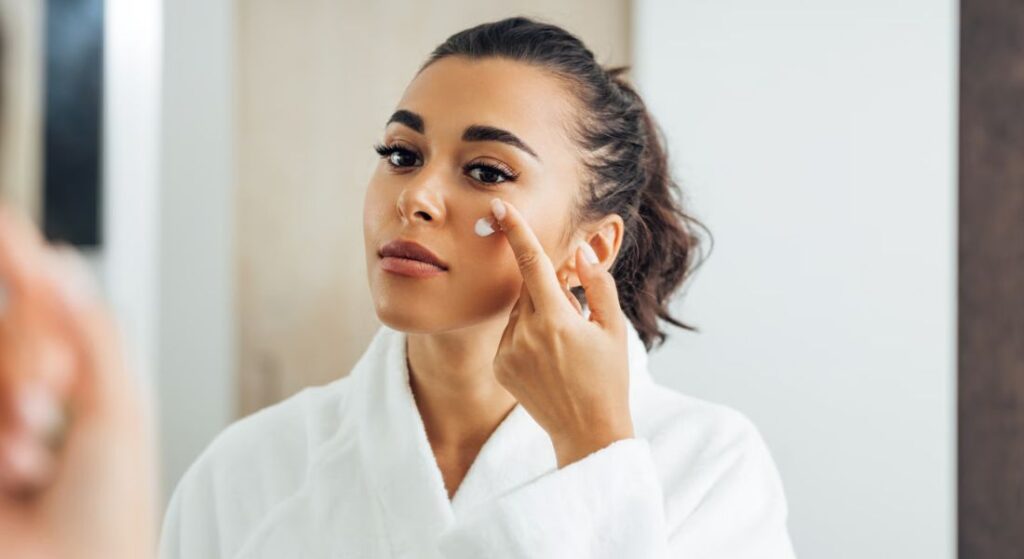
Microbiome skin care refers to products that are designed to support, protect, or influence the microbial environment on your skin. These products may aim to maintain a healthy balance of microorganisms, strengthen your skin barrier, and reduce irritation. The overall goal is to support the natural ecosystem that exists on the skin’s surface.
The term is quite broad and is not always used consistently across the skincare industry. Some products contain prebiotic ingredients that are intended to support beneficial microbes already living on your skin. Others contain inactivated microorganisms or microbial cell components that may qualify as postbiotics when a health benefit has been demonstrated. Ferments, filtrates and isolated microbial metabolites may have biological effects, but they do not automatically meet the accepted definition of a postbiotic.
You may also see products marketed as probiotic skincare. However, true live probiotic cosmetics can be difficult to formulate and preserve, so many products do not actually contain living microorganisms. This is why it is important for you to look beyond marketing claims and consider the ingredients, formulation, and available evidence behind a product.
Probiotics, Prebiotics and Postbiotics
Probiotics are live microorganisms that provide a demonstrated health benefit when used in adequate amounts. In skincare, products marketed as probiotics must contain viable microorganisms in the finished formulation, although many cosmetic products labelled as probiotic actually contain microbial derivatives rather than live organisms.
Prebiotics are substrates that are selectively used by host microorganisms and provide a health benefit. In topical skincare, ingredients may be marketed as prebiotic because they are intended to support particular resident microbes, but the effect must be demonstrated for the specific ingredient and formulation.
The International Scientific Association for Probiotics and Prebiotics defines a postbiotic as a preparation of inanimate microorganisms and/or their components that confers a health benefit on the host. A bacterial lysate may meet this definition if it contains microbial cells or cell components and has evidence of benefit.
Ferments, filtrates and purified microbial metabolites are not automatically probiotics or postbiotics. These ingredients may still have useful moisturising, soothing or antioxidant properties, but their effects should be judged according to evidence for the finished formulation rather than the marketing category alone.
What Microbiome Skincare Labels May Actually Mean
| Label | What It Should Mean | Important Limitation |
| Probiotic | Live microorganisms that provide a demonstrated health benefit when used in an adequate amount | Many cosmetic products use the term even when the organisms are no longer alive |
| Prebiotic | A substrate selectively used by particular microorganisms that provides a health benefit | A moisturising sugar or plant ingredient is not automatically a proven topical prebiotic |
| Postbiotic | A preparation containing inanimate microorganisms and/or their components with a demonstrated health benefit | Purified metabolites or fermentation by-products alone do not necessarily qualify |
| Ferment or filtrate | A material produced through microbial fermentation or separated from a fermentation mixture | It may have useful cosmetic properties but is not automatically probiotic or postbiotic |
| Lysate | Material produced by breaking open microbial cells | Evidence depends on the particular organism, preparation and formulation |
| Microbiome-friendly | A broad marketing description suggesting that a product respects the microbial environment | There is no universally accepted clinical definition or standard test for this label |
| Barrier-supporting | A product intended to reduce water loss or support the outer skin layer | Benefits may come from conventional ingredients such as emollients, humectants or ceramides rather than microbiome modulation |
The Skin Barrier and the Microbiome Work Together
Your skin barrier and microbiome are closely linked and work together to help keep your skin healthy. A strong skin barrier provides a stable environment for beneficial microbes to thrive. When the barrier is disrupted, your skin may become more vulnerable to dryness, irritation, allergens, and microbial imbalance.
If your skin barrier is damaged, you may notice symptoms such as tightness, roughness, itching, stinging, or increased sensitivity. You might also find that products you previously used without problems suddenly cause redness or discomfort. In this situation, adding multiple active ingredients can sometimes make the irritation worse.
For this reason, microbiome-friendly skincare often starts with protecting the skin barrier. Gentle cleansing, regular moisturising, and avoiding unnecessary harsh exfoliation may help support both your skin barrier and its microbial environment. Reducing exposure to irritating or heavily fragranced products may also benefit your overall skin health.
Why Harsh Cleansing Can Disrupt Skin Balance
Cleansing is an important part of skincare, but over-cleansing can sometimes do more harm than good. Strong foaming cleansers, frequent washing, hot water, and harsh exfoliants may remove natural oils and disrupt your skin barrier. While your skin may initially feel very clean, irritation and dryness can develop afterwards.
Frequent washing, harsh surfactants, hot water and repeated exfoliation can damage the skin barrier and may alter the skin’s microbial environment. The size and clinical importance of these changes vary between products and individuals.
If you have sensitive, dry, acne-prone, or inflamed skin, a gentle cleanser is often a better option. After washing, your skin should feel comfortable rather than tight, squeaky, or burning. For some people, this simple adjustment can make a greater difference than adding another trend-driven skincare product.
Microbiome Skin Care for Sensitive Skin
Sensitive skin is one of the main reasons many people become interested in microbiome skincare. If your skin reacts easily to products or environmental triggers, you may be looking for ways to reduce irritation and improve skin resilience. A microbiome-supportive approach can be helpful when it focuses on protecting the skin barrier and minimising unnecessary irritation.
However, a product described as “microbiome-friendly” is not automatically suitable for sensitive skin. Some products may still contain fragrance, essential oils, strong acids, or other ingredients that can trigger reactions. This is why you should look beyond marketing claims and consider the full ingredient list.
For sensitive skin, a simple routine is often the most effective approach. A gentle cleanser, fragrance-free moisturiser, and daily sunscreen may provide greater benefits than a complicated routine with multiple microbiome-focused products. If your sensitivity continues or worsens, a dermatologist can assess whether an underlying condition such as eczema, rosacea, or contact allergy may be contributing to the problem.
Microbiome Skin Care and Eczema
Eczema is one of the clearest examples of the relationship between the skin barrier and the microbiome. If you have atopic dermatitis, your skin barrier is often weakened, making the skin more vulnerable to irritation and inflammation. Flare-ups are commonly associated with increased levels of Staphylococcus aureus and a reduction in microbial diversity.
Researchers are studying topical microbiome-based preparations as possible additions to eczema care. Some early studies report improvements in dryness, barrier measures or disease severity, but products, microbial strains and study methods vary considerably. These approaches are not established replacements for emollients, topical corticosteroids, calcineurin inhibitors or other prescribed treatment.
Evidence for oral probiotics as a treatment for established eczema remains inconsistent and varies by microbial strain, age group and study design. They are not routinely used as a substitute for standard eczema treatment.
Microbiome Skin Care and Acne
Acne is also linked to the skin microbiome, although the relationship is more complex than simply having “bad bacteria” on your skin. Cutibacterium acnes naturally lives on the skin, particularly in oily areas, and is present whether you have acne or not. Some strains appear to be more closely associated with inflammation and acne development than others.
Microbiome-focused skincare for acne often aims to support your skin barrier and reduce unnecessary irritation. If you have acne, this can be important because treatment routines sometimes become too aggressive. Excessive exfoliation, frequent cleansing, and drying spot treatments may leave your skin more irritated and inflamed.
Researchers are investigating the potential role of prebiotics, probiotics, and postbiotics in acne management. Probiotics currently have a larger clinical evidence base than prebiotics or postbiotics in acne, but the studies use different strains, formulations, treatment combinations and outcome measures. These products may have a future role as adjuncts, but they should not replace treatments recommended according to acne severity.
Microbiome Skin Care and Rosacea
Rosacea is a chronic inflammatory skin condition that may cause flushing, persistent redness, bumps, burning, stinging, and sensitivity. If you have rosacea, you may find that certain products, environmental factors, or lifestyle triggers make your symptoms worse.
Many people with rosacea benefit from a gentle, barrier-supportive skincare routine. Mild cleansing, fragrance-free moisturising, and daily sun protection can help support your skin, while a microbiome-friendly approach may reduce the likelihood of irritation.
If you have rosacea, it is sensible to be cautious with trend-led skincare products and highly active ingredients. Strong acids, essential oils, ferments, and other potentially irritating ingredients may worsen symptoms and trigger flare-ups in some people.
Postbiotics in Skin Care
You may come across inactivated microorganisms, microbial cell fragments and lysates. Some of these preparations may qualify as postbiotics when a health benefit has been demonstrated. Fermentation-derived compounds without inanimate microbial cells or components should be described separately.
The appeal of postbiotics is that they may support skin comfort, barrier function, and inflammatory balance without requiring living organisms in the product. This makes them a practical option for cosmetic formulations and may help improve product stability. As with any skincare ingredient, the benefits you experience will depend on the specific formulation and the evidence supporting it.
Not all postbiotic products offer the same benefits or level of scientific support. If you are considering a postbiotic skincare product, it is worth looking beyond marketing claims and assessing the quality of the formulation. You should focus on product tolerance, ingredient selection, and realistic expectations rather than relying on buzzwords alone.
Fermented Ingredients and Skin Health
Fermentation can change an ingredient’s chemical composition and may produce compounds with useful cosmetic properties. However, fermented ingredients are not automatically more effective, and benefits depend on the specific ingredient, concentration and finished formulation.
You can first try a small amount on a limited area of intact skin to check immediate tolerability before using it more widely. This cannot rule out a delayed allergy and is not the same as formal patch testing performed by a dermatology service.
The Gut-Skin Axis
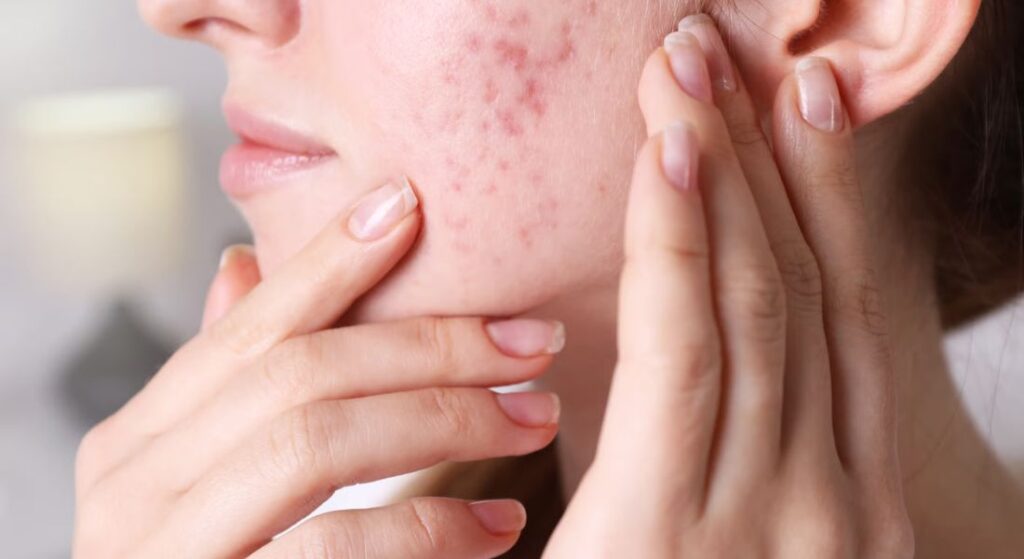
The gut-skin axis refers to the possible connection between gut microbes, immune function, inflammation, and skin health. Researchers are exploring how changes in the gut microbiome may influence conditions such as acne, eczema, rosacea, and psoriasis. If you are interested in the relationship between diet and skin health, this is one of the most active areas of current research.
Oral probiotics, prebiotics, and synbiotics have been studied for their potential effects on skin health. Results have varied between studies because outcomes can depend on the probiotic strain, dosage, skin condition, and study design. This means the benefits you experience may not be the same as those reported by someone else.
You should be cautious about claims that gut health supplements can automatically solve skin problems. While some people may benefit from targeted approaches, supplements are not a universal solution. For most people, a balanced diet and appropriate dermatological care remain more reliable foundations for healthy skin.
Diet, Microbiome and Skin
Diet can influence your overall health and may also affect the gut microbiome. Fibre-rich foods, a wide variety of plant foods, and fermented foods may help support microbial diversity in the digestive system. This may indirectly influence inflammation and contribute to overall wellbeing.
Some studies have reported associations between acne and dietary factors, but the findings are not sufficiently consistent to prescribe one diet for everyone. NICE advises that there is currently not enough evidence to recommend a specific diet as a treatment for acne.
If you think certain foods may be affecting your skin, it is usually best to monitor patterns over time rather than eliminate multiple foods at once. You may find that keeping a simple food and symptom diary helps identify potential triggers more effectively. A dermatologist or dietitian can provide guidance if dietary factors appear to be contributing to your skin concerns.
What the Evidence Supports So Far
The strongest evidence so far supports the idea that the microbiome plays an important role in skin health. Research has shown that your skin microbiome interacts with the skin barrier, immune system, and various skin conditions. The challenge is translating this growing knowledge into consistently effective skincare products and treatments.
Evidence for individual microbiome skincare products is more variable. If you notice improvements in hydration, comfort, or skin barrier function, it can be difficult to determine whether these benefits come from microbiome-focused ingredients or from the overall formulation. In many cases, a well-designed moisturiser may improve your skin regardless of any microbiome-related claims.
The most balanced conclusion is that microbiome skincare may have a useful role, but it is not a cure-all solution. You are likely to benefit most when these products are used alongside proven skincare practices and appropriate medical treatment when needed. Claims that a single product can “rebalance” all skin concerns should be viewed with caution.
Evidence Note: How Strong Is the Research?
A 2025 review in Nature Reviews Microbiology summarised major advances in understanding how bacteria, fungi, viruses and mites interact with the skin barrier and immune system. It also identified potential microbiome-based treatments, but highlighted important challenges including individual variation, strain-level differences, safety, formulation and the difficulty of translating laboratory findings into reliable therapies.
A 2026 systematic review examined 33 acne studies involving 2,112 participants. Treatment lasted between four and 25 weeks. The review included five prebiotic studies, 24 probiotic studies and seven postbiotic studies, with some studies comparing more than one approach. No serious adverse events were reported in the included studies.
For you, this means that microbiome-based products may have a supportive role, but evidence for one product cannot automatically be applied to another product carrying the same marketing label.
UK Guidance Note
NICE does not currently recommend probiotic, prebiotic, postbiotic or “microbiome-balancing” cosmetics as routine treatments for acne, eczema or rosacea. Management should remain based on the diagnosed condition, its severity and evidence-based treatment options.
For acne, NICE advises using a non-alkaline, pH-neutral or slightly acidic syndet cleanser twice daily and avoiding oil-based or comedogenic skincare products. NICE also states that there is not enough evidence to recommend a specific diet for treating acne. The acne guideline was last updated on 30 April 2026.
For atopic eczema, UK dermatology guidance continues to place regular emollient use, avoidance of irritants and appropriate anti-inflammatory treatment at the centre of care. For rosacea, NHS advice includes gentle skincare for sensitive skin, daily SPF 30 or higher and medical treatment where needed.
Microbiome skincare should therefore be described as an optional supportive approach rather than a guideline-recommended replacement for established dermatological treatment.
How to Choose a Microbiome Skin Care Product
When choosing a microbiome skincare product, start by considering your specific skin concern. Dryness, acne, eczema, rosacea, sensitivity, and pigmentation all have different needs, so the same product may not suit everyone. The best choice for you will depend on your skin type and the condition of your skin barrier.
If you are prone to irritation, look for products that are gentle, fragrance-free, and suitable for sensitive skin. Ingredients such as ceramides, glycerine, niacinamide, panthenol, and appropriate emollients may help support your skin barrier. Microbiome-related ingredients can be a useful addition, but they should never come at the expense of tolerability.
You should avoid choosing products based solely on marketing buzzwords. Terms such as probiotic, biome-balancing, natural, clean, or detoxifying do not automatically indicate that a product is safe or effective. Ultimately, how your skin responds is often more important than what is written on the label.
Clinical Tip: Introduce Products Without Overloading Your Skin
A new microbiome product may contain several conventional active ingredients as well as a ferment, lysate or claimed biotic ingredient. Introduce it carefully so you can tell whether it is helping or irritating your skin.
- Add one product at a time: Avoid starting several new products together because it becomes difficult to identify the cause of a reaction.
- Check the complete ingredient list: Fragrance, essential oils, acids, retinoids and some preservatives may irritate sensitive or inflamed skin regardless of microbiome claims.
- Test tolerability on a small area: Apply a small amount to intact skin for several days before wider use, but remember that this is not a diagnostic allergy patch test.
- Keep prescription treatment unchanged: Do not stop an acne, eczema or rosacea medicine unless your prescribing clinician advises you to do so.
- Monitor the condition that matters: Look for changes in dryness, itching, inflammation, spots or product tolerance rather than relying on a claim that the microbiome has been “balanced”.
- Stop after a significant reaction: Discontinue the product and seek advice if you develop marked burning, swelling, blistering, weeping or a spreading rash.
- Ask about persistent sensitivity: Recurrent reactions to different products may require assessment for eczema, rosacea or allergic contact dermatitis.
A simple routine makes it easier to judge whether a microbiome-focused product adds genuine value.
When Microbiome Skin Care May Not Be Enough
Microbiome skincare may help support healthy skin, but it cannot treat every skin condition. If you have persistent acne, eczema, rosacea, psoriasis, infections, unexplained rashes, or changing moles, you may need a medical assessment. Delaying appropriate treatment can sometimes allow symptoms to become more difficult to manage.
There are certain signs that should prompt you to seek specialist advice. These include pain, bleeding, crusting, oozing, spreading redness, severe itching, scarring, sudden skin changes, or symptoms affecting your eyes. You should also consider professional assessment if a rash continues to return despite careful skincare.
A skincare product should never be used as a substitute for an accurate diagnosis. While the microbiome plays an important role in skin health, many skin conditions are also influenced by immune, genetic, hormonal, inflammatory, environmental, and medication-related factors. If you have ongoing concerns, a dermatologist can help identify the underlying cause and recommend appropriate treatment.
A Simple Microbiome-Friendly Routine
A microbiome-friendly skincare routine does not need to be complicated. In many cases, the most effective approach is one that is gentle, consistent, and focused on protecting your skin barrier. Using too many products can make it more difficult for you to identify what is helping and what may be causing irritation.
In the morning, you may only need a gentle cleanse or rinse, followed by a moisturiser and sunscreen. In the evening, you can cleanse more thoroughly and apply a moisturiser suited to your skin type and needs. If you use active ingredients, they are usually best introduced gradually once your skin barrier is stable.
If you are using prescription treatments, your skincare routine should work alongside them rather than compete with them. The goal is to support your skin, minimise unnecessary irritation, and maintain consistency over time. A dermatologist can help you create a routine that combines medical treatment with appropriate skincare.
When to Speak to a Dermatologist
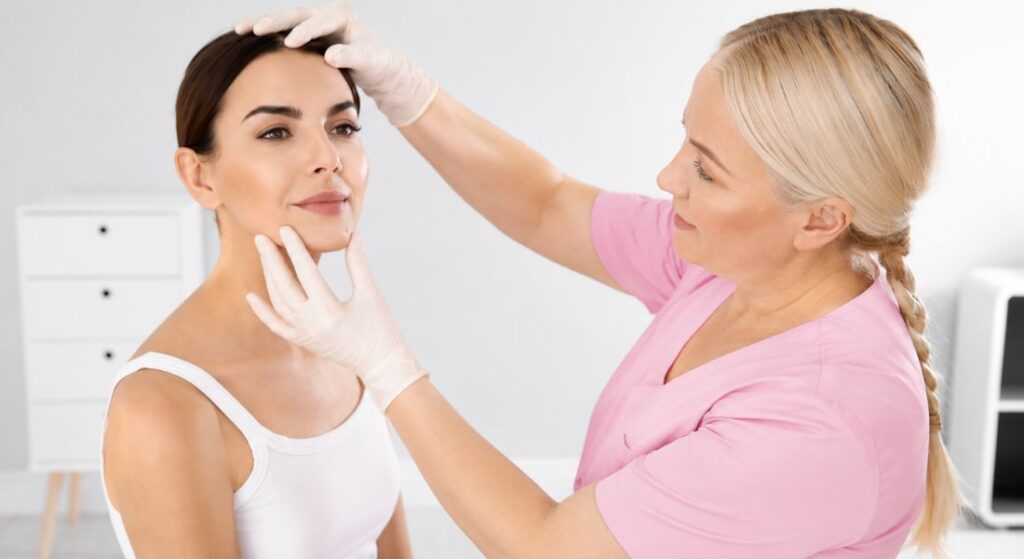
You should consider seeing a dermatologist if your skin is persistently inflamed, painful, itchy, sensitive, acne-prone, infected, or not improving despite careful skincare. A specialist can assess whether microbiome-focused products are appropriate for you or whether a specific skin condition requires medical treatment. This is particularly important if you have eczema, rosacea, psoriasis, recurrent infections, acne scarring, or sudden changes in your skin.
A dermatologist can also help you simplify your skincare routine and focus on what is most likely to benefit your skin. Many people continue adding new products when irritation is already present, which can further disrupt the skin barrier. Professional guidance can help you avoid unnecessary trial and error while creating a routine that is better suited to your skin’s needs.
Myth vs Fact
| Myth | Fact |
| All bacteria on your skin are harmful. | Many resident microorganisms contribute to normal skin functions, although their effects depend on species, strain and location. |
| Healthy skin always has the most diverse microbiome. | There is no single ideal microbiome, and microbial diversity varies naturally between body sites and individuals. |
| Every “probiotic” skincare product contains live bacteria. | Many contain ferments or lysates rather than live microorganisms. |
| Every ferment is a postbiotic. | A postbiotic must contain inanimate microorganisms or their components and provide a demonstrated health benefit. |
| Microbiome skincare can cure eczema. | It may support the barrier in some formulations but does not replace emollients or prescribed anti-inflammatory treatment. |
| Probiotics are a proven replacement for acne medication. | Research is promising, but microbiome therapies are currently considered potential adjuncts rather than standard replacements. |
| A product labelled microbiome-friendly is suitable for sensitive skin. | It may still contain fragrance, acids or other irritating ingredients. |
| Harsh cleansing removes only bad bacteria. | Over-cleansing can damage the barrier and alter the skin environment without selectively removing harmful organisms. |
| Fermented skincare is automatically more effective. | Benefits depend on the finished formulation and clinical evidence, not the fermentation label alone. |
| Gut supplements will solve every skin problem. | Gut-skin research is developing, but supplements are not universal treatments for skin disease. |
Key Takeaways
- Your skin microbiome includes bacteria, fungi, viruses, mites and other microorganisms.
- There is no single ideal microbiome profile that applies to every person or body site.
- Microbiome differences are associated with several skin conditions, but association does not always prove causation.
- A true probiotic contains live microorganisms with a demonstrated health benefit.
- A postbiotic must contain inanimate microorganisms or their components and provide a demonstrated benefit.
- Ferments, filtrates and lysates are not automatically probiotics or postbiotics.
- “Microbiome-friendly” is a broad marketing term rather than a standard medical diagnosis or guarantee.
- A gentle cleanser, suitable moisturiser and sun protection remain reliable foundations of skincare.
- Microbiome-focused products may support acne, eczema or sensitive skin, but evidence is product-specific and still developing.
- These products should not replace prescribed acne, eczema, rosacea or psoriasis treatment.
- Introduce one new product at a time and stop if significant irritation develops.
- Persistent inflammation, pain, infection, scarring, eye symptoms or unexplained rashes should be assessed professionally.
- The balance and activity of these microorganisms may be more important than diversity alone.
Frequently Asked Questions
1. What is microbiome skin care?
Microbiome skin care focuses on supporting the natural community of microorganisms that live on your skin. These products aim to protect the skin barrier, reduce irritation and maintain a healthier skin environment. The aim is not to remove all microorganisms but to use products that support the barrier or influence the microbial environment without causing unnecessary irritation.
2. Can microbiome skin care improve sensitive skin?
Microbiome-friendly products may help sensitive skin by supporting the skin barrier and reducing unnecessary irritation. However, not every product labelled as microbiome-friendly will suit sensitive skin. Choosing gentle, fragrance-free products is often more important than marketing claims. Any improvement may result from the moisturising and barrier-supporting formulation rather than direct alteration of the microbiome.
3. What are probiotics, prebiotics and postbiotics in skin care?
Probiotics are live microorganisms that provide a demonstrated health benefit when used in adequate amounts. Prebiotics are substrates selectively used by microorganisms that provide a benefit. Postbiotics are preparations containing inanimate microorganisms and/or their components that confer a health benefit. Ferments and isolated microbial metabolites do not automatically fit these definitions.
4. Can microbiome skin care help eczema?
Some microbiome-focused moisturisers and microbial preparations are being investigated as supportive options for eczema, but the evidence remains product-specific and developing. They should not replace regular emollient use, prescribed anti-inflammatory treatment or medical assessment of infected or poorly controlled eczema.
5. Does microbiome skin care treat acne?
Microbiome skin care may help support acne-prone skin by reducing irritation and maintaining a healthy barrier. Research suggests probiotics, prebiotics and postbiotics may have potential benefits, but they are not replacements for proven acne treatments. Persistent acne, scarring or inflammation may require specialist treatment.
6. Can harsh skincare products damage the skin microbiome?
Frequent washing, hot water, strong surfactants and excessive exfoliation can disrupt the skin barrier and may alter its microbial environment. The effect depends on the product, frequency of use and your skin condition.
7. Are microbiome skincare products suitable for everyone?
Microbiome skincare products can be suitable for many people, but they are not a universal solution for every skin concern. Your skin type, existing conditions and the product ingredients all influence whether a product will work well. People with eczema, rosacea or persistent irritation may benefit from professional advice.
8. Do fermented skincare ingredients improve skin health?
Fermented ingredients may provide benefits such as hydration, soothing effects or antioxidant support in some formulations. However, fermented does not automatically mean a product is better or safer. The overall formula and how your skin responds are more important than the ingredient label alone.
9. Can diet affect the skin microbiome?
Diet influences general health and the gut microbiome, and researchers are studying possible links with skin inflammation. However, there is no single microbiome diet proven to treat all skin conditions, and NICE does not recommend a specific diet for acne. Avoid unnecessary restrictive diets without professional advice.
10. When should you see a dermatologist for skin concerns?
You should seek specialist advice if your skin problem is persistent, painful, worsening or not improving with a suitable skincare routine. Conditions such as severe acne, eczema flare-ups, rosacea, infections, scarring or unexplained rashes may need medical treatment. A dermatologist can diagnose the cause and recommend the most appropriate care plan.
Final Thoughts: Is Microbiome Skin Care Worth Considering?
Microbiome skincare is a developing area of research that is improving understanding of how microorganisms interact with the skin barrier and immune system. However, knowing that the microbiome is important does not mean that every product marketed as probiotic, prebiotic, postbiotic or microbiome-friendly has proven clinical benefits.
For most people, a gentle cleanser, suitable moisturiser and daily sun protection remain the foundations of a skin-supportive routine. Microbiome-focused ingredients may provide additional benefits in some formulations, but results are product-specific and should be judged according to tolerability and reliable evidence. If you’d like to book a consultation with one of our dermatologists in London, you can contact us at the London Dermatology Centre.
References:
- Oh, J. and Voigt, A.Y. (2025) ‘The human skin microbiome: from metagenomes to therapeutics’, Nature Reviews Microbiology, 23(12), pp. 771–787. Available at: https://pubmed.ncbi.nlm.nih.gov/40760050/
- Han, Ju Hee and Kim, Hei Sung (2024) ‘Skin Deep: The Potential of Microbiome Cosmetics’, Journal of Microbiology, 62(3), pp. 181–199. Available at: https://pubmed.ncbi.nlm.nih.gov/38625646/
- Kwon, M.S., Lim, H.J., and Kim, Y.H. (2026) ‘The Skin Microbiome Revolution: The Science and Challenges of Prebiotics, Probiotics, and Postbiotics in Skincare’, Cosmetics, 13(1), article 43. Available at: https://www.mdpi.com/2079-9284/13/1/43
- Grice, E.A. and Segre, J.A. (2011) ‘The skin microbiome’, Nature Reviews Microbiology, 9(4), pp. 244–253. doi:10.1038/nrmicro2537. Available at: https://www.sciencedirect.com/science/article/abs/pii/S1471491411000232
- Kong, H.H. and Segre, J.A. (2012) ‘Skin microbiome: Looking back to move forward’, Journal of Investigative Dermatology, 132(3 Part 2), pp. 933–939. Available at: https://www.sciencedirect.com/science/article/pii/S0022202X15356438