


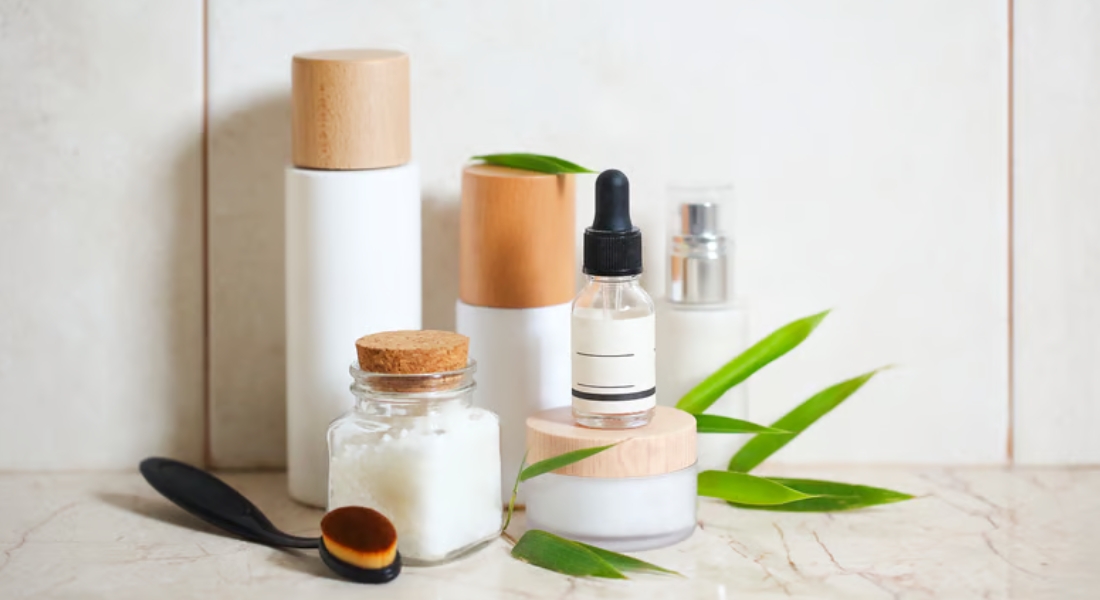
Multi-functional skin care products are becoming increasingly popular because many people are moving away from long and complicated routines. You may have seen moisturisers with sunscreen, cleansers containing active ingredients, tinted sunscreens, barrier creams with niacinamide, or serums that claim to hydrate, brighten, smooth, and protect your skin in one step. The appeal is understandable because using fewer products can save time, money, and effort.
A simplified routine can be helpful, especially if your skin feels irritated or overwhelmed by using too many products. Dermatology guidance often focuses on the basics of gentle cleansing, moisturising, and sun protection as key parts of everyday skin care. NHS guidance recommends using sunscreen with at least SPF 30 and applying it appropriately for effective protection.
However, fewer products are not automatically better for everyone. Your ideal routine depends on your skin type, concerns, medical history, tolerance, lifestyle, and whether you are managing a diagnosed skin condition. A Multi-functional product can be effective when it is well-formulated and suits your skin, but it may cause problems if it combines ingredients that your skin does not tolerate.
The goal is not to create the shortest routine possible. Instead, the aim is to choose the right number of products for your skin, with each product having a clear purpose and supporting your overall skin health.
What Are Multi-Functional Skin Care Products?
Multi-functional skin care products are designed to perform more than one role in your routine. For example, a moisturiser may also contain sunscreen, a serum may combine hydrating and brightening ingredients, or a cleanser may include exfoliating acids. These products are often marketed as convenient options that can save time.
The main idea is to reduce the number of separate products you need. Instead of applying several different layers, you may use a smaller number of products that provide multiple benefits and cover your basic skin care needs. This can make your routine simpler and easier to maintain.
However, multi-functional does not always mean better for every person. A product still needs to suit your skin type, contain ingredients that work well for your concerns, and be used correctly. Convenience should not come at the expense of skin comfort, tolerance, or adequate protection.
Why Minimalist Skin Care Has Become Popular
Minimalist skin care has become popular because many people feel overwhelmed by the growing number of products available. Social media routines often include multiple steps, such as cleansers, toners, serums, masks, exfoliants, and moisturisers, which can make skin care complicated and expensive. Using too many products may also increase the risk of irritation, especially when several active ingredients are combined. A simpler routine can help you identify what works for your skin, reduce potential triggers, and focus on consistent care with products your skin tolerates well.
| Reason for Popularity | How a Minimalist Routine May Help |
| Simpler Skin Care Routine | Reduces the number of products used daily, making your routine easier to follow and maintain. |
| Less Product Overload | Helps you avoid unnecessary steps and focus on products that support your skin’s needs. |
| Lower Risk of Irritation | Using fewer active ingredients may reduce the chance of sensitivity caused by combining multiple products. |
| Easier to Identify Skin Triggers | Makes it simpler to recognise which product may be causing irritation or unwanted reactions. |
| More Affordable Approach | Helps reduce spending on products that may not provide meaningful benefits for your skin. |
| Better Long-Term Consistency | A manageable routine is more likely to be followed regularly, which supports healthier skin habits. |
| Focus on Individual Skin Needs | Encourages selecting products based on your skin type, concerns, and tolerance rather than trends. |
The Core Routine Most Skin Needs

Most skin care routines are built around three basic needs: cleansing, moisturising, and sun protection. These steps help you remove dirt and excess oil, support your skin barrier, and reduce damage caused by ultraviolet exposure. Although they may seem simple, they form the foundation of healthy skin care.
A gentle cleanser can help you clean your skin without removing too much natural moisture. A moisturiser can help reduce dryness and support your skin barrier, while sunscreen helps protect you from sunburn, premature skin ageing, pigmentation and skin cancer risk.
Multi-functional products often aim to combine some of these essential steps. For example, a daytime moisturiser with SPF may reduce your need for a separate moisturiser and sunscreen in some situations. However, the product still needs to provide suitable protection and you need to apply enough of it for it to work effectively.
When Fewer Products Can Help
Fewer products may help if your skin is sensitive, dry, reactive, or easily irritated. A shorter routine reduces the number of ingredients your skin is exposed to each day, which may lower the chance of irritation from fragrance, preservatives, exfoliants, or active ingredients.
A simplified routine can also make it easier for you to stay consistent. You are more likely to follow a routine that feels realistic and manageable. A product that combines hydration and barrier support may be easier for you to use regularly than several separate steps.
This approach can be especially useful during a skin flare. When your skin feels sore, itchy, burning, or tight, reducing unnecessary products may help your skin barrier recover gradually. In these situations, a simple routine is often a more comfortable choice.
When Fewer Products May Not Be Enough
A minimalist routine may not be enough if you have a specific skin condition that needs targeted care. Conditions such as acne, eczema, rosacea, melasma, psoriasis, contact dermatitis, and recurrent infections may require more than a basic moisturiser or Multi-functional cosmetic product. While these products can support your skin, they may not treat the underlying cause of the problem.
Some skin concerns may need prescription medicines or specialist advice. For example, persistent acne may require treatments such as retinoids, benzoyl peroxide, antibiotics, hormonal treatments, or isotretinoin in selected cases. Rosacea may need medical creams, tablets, laser treatment, or help identifying and managing triggers.
It is important not to delay seeking medical advice because a product claims to do everything. If your skin concern is persistent, worsening, painful, or causing scarring, a dermatologist can help you understand the cause and recommend the most appropriate treatment.
The Benefit of Reducing Irritation
One major benefit of using fewer products is that it may reduce your risk of irritation. Many cases of irritated skin can be linked to overuse of strong active ingredients, harsh cleansing, frequent exfoliation, fragrance, or applying too many products together. The British Association of Dermatologists notes that cosmetics, fragrances, preservatives, sunscreens, and hair dyes can all contribute to contact dermatitis in some people.
When you use a simpler routine, your skin has fewer ingredients to react to. You may also find it easier to identify which product is causing a problem if you experience symptoms such as stinging, burning, itching, redness, dark marks, peeling, or swelling.
A shorter routine can be particularly helpful after a skin reaction. Many dermatologists recommend returning to gentle basics and gradually reintroducing products once your skin has recovered. This approach can help your skin settle and make future reactions easier to understand.
The Skin Barrier Should Come First
Your skin barrier is the outer protective layer of your skin. It helps keep moisture in while protecting your skin from irritants, allergens, and microbes. When your skin barrier is weakened, your skin may become dry, itchy, sensitive, or more prone to inflammation.
Multi-functional products can support your skin barrier when they contain ingredients such as glycerine, ceramides, squalane, panthenol, niacinamide, petrolatum, or suitable emollients. These ingredients can help improve hydration and comfort, and an effective barrier-supporting product does not need to be complicated.
However, some Multi-functional products may contain too many active ingredients for skin with a damaged barrier. If your skin is already irritated, a product containing acids, retinoids, fragrance, or multiple botanical extracts may not be suitable. Supporting your skin barrier should be a gentle process rather than an aggressive one.
Moisturiser With Sunscreen
A moisturiser with sunscreen is one of the most common Multi-functional skin care products. It can be convenient for daytime use because it combines hydration with UV protection, which may work well for your everyday routine when the product provides broad spectrum protection and you apply it correctly.
The main limitation is the amount you use. You may naturally apply moisturiser more sparingly than a dedicated sunscreen. If you apply too little, you may not receive the level of SPF protection stated on the label.
For stronger sun exposure, holidays, outdoor exercise, or spending long periods outside, a separate sunscreen may provide more reliable protection. The NHS advises using at least SPF 30 and applying enough sunscreen to achieve effective protection.
Tinted Sunscreen as a Multi-Functional Product
Tinted sunscreen can be useful because it combines sun protection with light cosmetic coverage. Some formulas also contain iron oxides, which may help protect against visible light. This can be particularly relevant if your skin is prone to pigmentation concerns.
If you have melasma, post-inflammatory hyperpigmentation, or darker marks after acne or eczema, tinted sunscreen may be a helpful part of your overall skin care approach. It can reduce your need for separate foundation or concealer during the day, making your routine simpler and more comfortable.
However, tinted sunscreen still needs to be applied in an adequate amount to provide the expected protection. If you apply only a thin layer for cosmetic coverage, your level of protection may be reduced. Cosmetic coverage and sun protection are linked, but they are not the same thing.
Cleanser With Active Ingredients

Some cleansers contain active ingredients such as salicylic acid, glycolic acid, lactic acid, benzoyl peroxide, or exfoliating particles. These products may be useful for certain skin concerns, particularly oily or acne-prone skin, and they can reduce the need for a separate exfoliating step in your routine.
However, active cleansers may irritate sensitive, dry, or easily inflamed skin. Because cleansers are rinsed off, the ingredients have less contact time with your skin compared with leave on treatments. This may make them gentler for some people, but they may also be less effective for certain concerns.
You should be cautious if you already use leave on retinoids, acids, or prescription acne treatments. Combining too many exfoliating or drying products can weaken your skin barrier and increase irritation. If your skin is inflamed, a gentle cleanser may be a better option.
Serum Moisturiser Hybrids
Serum moisturiser hybrids are designed to provide treatment ingredients and hydration in one step. They may contain ingredients such as niacinamide, hyaluronic acid, peptides, antioxidants, ceramides, or soothing ingredients. These products can be useful if you want to create a simpler and more streamlined routine.
A well-formulated hybrid product can reduce the need for multiple layers and may improve comfort if your skin feels heavy after using several products. It can also be helpful if your skin tends to pill when you apply too many products or if you want a quicker morning routine.
However, one product may not contain a high enough concentration of a specific active ingredient to target a particular concern. If you are treating acne, pigmentation, or more noticeable signs of ageing, you may still need a dedicated treatment product. The right choice depends on what you want your skin care routine to achieve.
Anti-Ageing Multi-Functional Products
Many anti-ageing products combine ingredients such as retinoids, peptides, antioxidants, moisturisers, and brightening agents. These products can appeal to you if you want to improve the appearance of skin texture, firmness and uneven tone without using several separate serums. When well tolerated, they can be a convenient addition to your routine.
However, anti-ageing products can become irritating if they contain too many strong active ingredients. Retinoids and exfoliating acids can be beneficial for certain skin concerns, but using them too frequently may cause dryness, peeling, redness, and sensitivity. More ingredients do not always mean better results.
A slow and consistent approach is usually more effective than an aggressive routine. Your skin needs time to adjust to active ingredients, and you may need to reduce how often you use them or simplify your routine if irritation develops. The best routine is one that supports your skin over time.
Multi-Functional Products for Acne-Prone Skin
For acne-prone skin, multi-functional products can be helpful when they are oil free, non-comedogenic, and gentle on your skin barrier. For example, a lightweight moisturiser with niacinamide may help support hydration while reducing the appearance of redness or excess oil. A cleanser containing salicylic acid may also suit some people with clogged pores.
However, acne is not always improved by simplifying your routine alone. Factors such as hormones, genetics, oil production, inflammation, bacteria, medication, stress, and your skin care habits can all contribute to acne. A multi-functional product may support your routine, but it may not replace proven acne treatments when they are needed.
You should also avoid using too many acne active ingredients without advice. Combining products containing benzoyl peroxide, salicylic acid, retinoids, exfoliating acids, or drying masks can increase irritation. Irritated skin may appear redder, darker, more inflamed, and more uncomfortable.
Multi-Functional Products for Dry Skin
If you have dry skin, you may benefit from products that combine humectants, emollients, and occlusives. Humectants help attract water, emollients help soften and smooth your skin, and occlusives help reduce moisture loss. A well-formulated moisturiser can provide several of these benefits in one step.
If your skin is dry or eczema prone, a simple moisturiser may be more useful than applying several lighter layers. Emollients are widely used to support your skin barrier and improve hydration in eczema care. National Eczema Society guidance explains that emollients can help restore barrier function and reduce the entry of irritants, allergens, and bacteria.
However, very rich products may feel heavy or may contribute to breakouts for some people. The texture of a product matters because you are more likely to use it consistently if it feels comfortable on your skin. If your dryness is severe, persistent, or difficult to manage, a dermatologist can help you choose suitable products.
Multi-Functional Products for Sensitive Skin
If you have sensitive skin, using fewer and gentler products may help reduce the risk of irritation. A multi-functional moisturiser can support your routine by providing hydration, helping maintain the skin barrier, and avoiding unnecessary ingredients.
- Choose simple formulations: Products with fewer ingredients may be easier for sensitive skin to tolerate. A fragrance-free moisturiser that hydrates and supports the skin barrier can be a useful option for many people.
- Be cautious with “natural” products: Natural or plant-based ingredients are not always suitable for sensitive skin. Essential oils, botanical extracts, fragrance blends, and active acids may trigger stinging, redness, or irritation in some individuals.
- Consider your skin barrier: When your skin barrier is weakened, even products labelled as gentle may cause discomfort. Choosing mild formulations and avoiding too many active ingredients can help reduce unnecessary irritation.
- Introduce products gradually: When trying a new skin care product, patch testing it on a small area can help identify potential reactions before applying it more widely.
- Add one product at a time: Introducing multiple new products together can make it difficult to understand what is causing a reaction. Adding products slowly allows you to identify what works best for your skin.
The Problem With Too Many Actives
Active ingredients can be useful for improving specific skin concerns, but using too many at once can overwhelm your skin. Retinoids, exfoliating acids, vitamin C, benzoyl peroxide, and strong brightening ingredients may all provide benefits, but they can also increase the risk of irritation.
The problem often comes from layering multiple products without a clear plan. You may use an acid cleanser, vitamin C serum, retinol cream, brightening serum, and exfoliating toner together without realising the extra stress this can place on your skin barrier. Irritation can then be mistaken for purging or a sign that “the product is working”.
A simplified routine can help you use active ingredients more effectively. Instead of applying everything at once, you can choose one main active ingredient and support it with gentle, barrier-friendly products. This approach is often easier for you to maintain and can help reduce unnecessary irritation.
Product Layering and Ingredient Conflicts
Using too many products can create practical problems as well as increase the risk of irritation. Your products may pill, feel sticky, leave residue, or interfere with makeup and sunscreen application. This can make your routine frustrating and harder to follow consistently.
Some ingredients may also not work well together for your skin. For example, combining exfoliating acids and retinoids may be too irritating for many people, while vitamin C products may sting if your skin barrier is already weakened.
Multi-functional products can help reduce layering issues because the ingredients have already been combined into a single formula. However, this only works if the product is well-formulated and suitable for your skin. An all-in-one product can still cause irritation if it contains ingredients your skin does not tolerate.
How to Build a Minimalist Routine
A minimalist routine should begin with your skin’s basic needs. In the morning, you may use a gentle cleanser or simply rinse your face, apply moisturiser if your skin needs it, and use sunscreen. In the evening, cleansing and moisturising are usually the foundation of a simple routine.
Once your skin is stable, you can add one targeted product if you need it. This may include a retinoid for acne or signs of ageing, azelaic acid for redness or pigmentation, or a prescribed treatment for a specific skin condition. The goal is to add products with a clear purpose rather than following every new trend.
Give each change enough time before introducing something else. If you change several products at once, it becomes difficult for you to know what improved your skin or what caused a reaction. A simple routine makes it easier to understand what works best for you.
How to Know If Your Routine Is Too Simple

A routine may be too simple if it does not address your actual skin concerns. If you have persistent acne, pigmentation, eczema, rosacea, or severe dryness, using only a cleanser and moisturiser may not be enough. Your skin may need targeted treatment or advice from a healthcare professional.
You may also need separate products when one formula cannot effectively do everything. For example, a moisturiser with SPF may be suitable for everyday incidental sun exposure, but you may need a dedicated sunscreen for outdoor activities or prolonged time outside. A serum moisturiser hybrid may provide hydration but may not be enough to treat stubborn pigmentation.
Your skin’s response is the best guide. If your skin feels comfortable, protected, and is improving, your routine may be working well. If your symptoms continue, worsen, or affect your confidence, it may be time to reassess your approach.
When to Speak to a Dermatologist
You should speak to a dermatologist if your skin is painful, inflamed, persistently itchy, scarring, infected, rapidly changing, or not improving despite following a sensible routine. You should also seek advice if you repeatedly react to products or cannot identify what is triggering your symptoms. Persistent contact dermatitis may require patch testing and specialist management.
A dermatologist can help you decide whether using fewer products is the right approach for your skin or whether you need more targeted treatment. They can also help you simplify your routine while keeping products that are genuinely beneficial. This is especially important if you use prescription treatments, have sensitive skin, or are managing a long-term skin condition.
Multi-functional skin care products can be useful, but they are not automatically the best choice for everyone. The ideal routine is the one that supports your skin barrier, fits into your lifestyle, addresses your actual concerns, and avoids unnecessary irritation.
Myth vs Fact
| Myth | Fact |
| Using more skincare products will always give better results. | A simpler routine with suitable products may be more effective because it reduces unnecessary irritation and helps you stay consistent. |
| Multi-functional skincare products are suitable for everyone. | These products can be helpful for some people, but your skin type, concerns, and tolerance determine whether they are appropriate. |
| A moisturiser with SPF always replaces sunscreen. | A moisturiser with SPF may be suitable for everyday use, but dedicated sunscreen may provide better protection during prolonged sun exposure. |
| Natural skincare products are always safer for sensitive skin. | Natural ingredients can still cause irritation or allergic reactions in some people. |
| If a product contains more active ingredients, it will work better. | More active ingredients can increase irritation risk. The right ingredients and correct formulation matter more than the number of ingredients. |
| A simple skincare routine cannot treat skin concerns. | A simple routine can support healthy skin, but conditions such as acne, eczema, rosacea, or pigmentation may require targeted treatment. |
| You should change your skincare routine frequently to improve results. | Consistency is important. Changing products too often can make it difficult to understand what benefits or irritates your skin. |
Key Takeaways
- Multi-functional skincare products can simplify your routine and reduce unnecessary steps.
- Fewer products are not always better because some skin concerns need targeted treatment.
- Protecting your skin barrier should be a priority when choosing skincare products.
- Using too many active ingredients together can increase irritation and sensitivity.
- The best skincare routine is one that suits your skin type, concerns, lifestyle, and tolerance.
- A dermatologist can help you choose suitable products if your skin is irritated or not improving.
Frequently Asked Questions
1. When should you see a dermatologist for your skin concerns?
You should speak to a dermatologist if your skin symptoms are persistent, painful, worsening, or not improving with a suitable routine. Signs such as ongoing itching, inflammation, scarring, infection, or sudden changes should be assessed. A dermatologist can help identify the cause and recommend appropriate treatment. Early advice can prevent some skin problems from becoming more difficult to manage.
2. Can a dermatologist help simplify your skincare routine?
Yes, a dermatologist can help you create a simpler and more effective skincare routine. They can identify which products are beneficial and which may be causing irritation. This can be especially helpful if you use many products or are unsure what your skin needs. A personalised routine can make skincare easier to manage.
3. Are Multi-functional skincare products suitable for everyone?
Multi-functional products can be useful for some people, but they are not always suitable for every skin type. Your skin may respond differently depending on sensitivity, existing conditions, and your specific concerns. A dermatologist can help you decide whether these products are appropriate. The best routine is one that supports your skin without causing irritation.
4. How do you know if a skincare product is irritating your skin?
Signs of irritation may include redness, burning, itching, dryness, or increased sensitivity after using a product. Sometimes reactions can develop gradually rather than immediately. If you repeatedly experience problems with products, a dermatologist can help identify possible triggers. They may recommend changes or testing if needed.
5. Can using fewer skincare products improve your skin?
Using fewer products can help some people, especially if their skin is becoming irritated or overwhelmed. A simpler routine can make it easier to identify what works and what does not. However, the right approach depends on your skin type and concerns. A dermatologist can help you find the right balance.
6. Do you need a dermatologist if you have sensitive skin?
Sensitive skin does not always require specialist care, but professional advice can be helpful if reactions are frequent or difficult to manage. A dermatologist can assess your skin and suggest suitable products or treatments. They can also help identify whether an underlying condition is contributing to sensitivity. This can make managing your skin more straightforward.
7. Can a dermatologist help with long-term skin conditions?
Yes, dermatologists regularly manage long-term skin conditions and can provide ongoing support. They can recommend treatments, monitor changes, and adjust your care plan when needed. Conditions such as persistent dermatitis or other chronic concerns may benefit from specialist input. Regular guidance can help you manage symptoms more effectively.
8. Should you stop using all skincare products if your skin reacts?
You do not always need to stop every product, but it may help to simplify your routine temporarily. Removing unnecessary products can make it easier to identify possible irritants. A dermatologist can guide you on which products to continue and which to avoid. Avoid making major changes without understanding what your skin needs.
9. Can a dermatologist recommend the right skincare products?
Yes, a dermatologist can recommend products based on your skin type, concerns, and medical history. They can suggest options that support your skin barrier and avoid unnecessary irritation. Professional advice can be particularly helpful if you have tried many products without success. The goal is to create a routine that works for your individual needs.
10. What happens during a dermatology consultation?
During a consultation, a dermatologist will discuss your skin concerns, symptoms, and current skincare routine. They may examine your skin and ask about products, triggers, or previous treatments. They can then suggest suitable options, which may include skincare changes, prescription treatments, or further tests. The aim is to help you understand your skin and manage it effectively.
Final Thoughts: Finding the Right Balance for Your Skin Care Routine
Multi-functional skin care products can be a convenient way to simplify your routine, reduce unnecessary steps, and support your skin barrier. However, fewer products are not always the answer for everyone. The right routine depends on your skin type, concerns, lifestyle, and whether you need targeted treatment for a specific condition.
A simple routine with well-chosen products can often be more effective than using multiple products without a clear purpose. If your skin is irritated, reactive, or not improving despite making changes, professional advice can help you understand what your skin needs.
If you would like to book a consultation with one of our dermatologists in London, you can contact us at the London Dermatology Centre.
References:
- Proksch, E., Brandner, J.M. and Jensen, J.M. (2008) ‘The skin: An indispensable barrier’, Experimental Dermatology, 17(12), pp. 1063–1072. Available at: https://pubmed.ncbi.nlm.nih.gov/19043850/
- Elias, P.M. and Feingold, K.R. (2006) ‘Skin barrier’, New England Journal of Medicine, 354(19), pp. 2028–2030. Available at: https://pubmed.ncbi.nlm.nih.gov/16687716/
- Loden, M. (2003) ‘Role of topical emollients and moisturizers in the treatment of dry skin barrier disorders’, American Journal of Clinical Dermatology, 4(11), pp. 771–788. Available at: https://pubmed.ncbi.nlm.nih.gov/14583052/
- Williams, H.C., Burney, P.G.J., Pembroke, A.C. and Hay, R.J. (1994) ‘The U.K. Working Party’s Diagnostic Criteria for Atopic Dermatitis. I. Derivation of a minimum set of discriminators for atopic dermatitis’, British Journal of Dermatology, 131(3), pp. 383–396. Available at: https://pubmed.ncbi.nlm.nih.gov/7921597/
- Thyssen, J.P. and Kezic, S. (2014) ‘Causes of epidermal filaggrin reduction and their role in the pathogenesis of atopic dermatitis’, Journal of Allergy and Clinical Immunology, 134(4), pp. 792–799. Available at: https://pubmed.ncbi.nlm.nih.gov/25282559/