


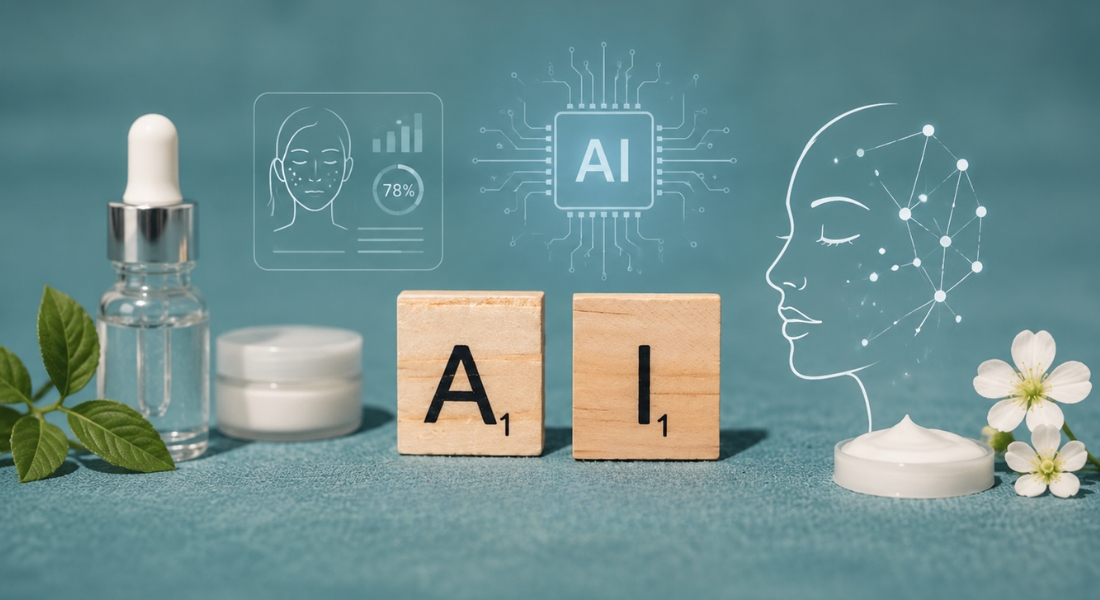
Artificial intelligence (AI) is becoming increasingly visible in modern skincare. You may already have encountered AI-powered skin analysis through mobile apps, online consultations, beauty devices, or personalised skincare recommendations. These technologies are changing how you assess and manage your skin from home.
AI uses computer systems to analyse information, recognise patterns, and make predictions based on large amounts of data. In skincare, it is being developed to help identify potential skin concerns, understand your individual skin characteristics, and recommend products or routines that are tailored to your needs.
Although AI can provide useful insights and support more personalised skincare, it cannot replace the expertise of a qualified dermatologist or skincare professional. Instead, it serves as a valuable tool that can complement professional assessment, making skincare more convenient, data-driven, and tailored to your individual goals.
How AI Skin Analysis Works
AI skin analysis tools work by examining photographs of your skin using advanced computer algorithms. These systems can assess visible features such as pigmentation, skin texture, redness, fine lines, pores, and uneven skin tone to identify patterns that may indicate specific skin concerns.
You may be asked to upload a photograph through a mobile app, website, or digital platform, where the AI software analyses your image. It compares visible skin features with patterns from large datasets to generate personalised insights and suggest possible skincare approaches and, in some cases, indicate whether professional advice may be appropriate.
You should remember that the accuracy of AI skin analysis depends on several factors. Image quality, lighting conditions, camera angle, the quality of the algorithm, and the data used to train the system can all influence the results. While AI can provide useful guidance, it should complement rather than replace an assessment by a qualified dermatologist or skincare professional.
The Rise of Personalised Skin Care
Traditional skincare recommendations often rely on broad skin types such as oily, dry, combination, or sensitive. While these categories provide a useful starting point, your skin is influenced by many individual factors, including your genetics, age, lifestyle, environment, and existing skin concerns. These differences mean that the same routine may not work equally well for everyone.
AI is helping move skincare towards a more personalised approach by analysing your individual skin characteristics rather than relying only on general skin types. Based on this information, you may receive tailored product recommendations, skincare routines, or advice that better reflects your specific needs and goals.
This shift reflects the growing focus on precision skincare, where treatments and routines are increasingly adapted to the individual. By combining data analysis with professional expertise, personalised skincare aims to help you make more informed decisions and achieve better long-term skin health.
AI-Powered Skin Condition Detection
One of the most widely discussed applications of AI in skincare is its ability to identify potential skin concerns from photographs. Some AI systems are designed to analyse visible skin features associated with concerns such as acne severity, pigmentation changes, uneven skin tone and signs of ageing. However, identifying a pattern does not confirm a medical diagnosis. These tools can provide personalised insights based on the features detected in your skin.
AI-powered analysis may help you become more aware of changes in your skin and encourage you to seek advice sooner if something appears unusual. By monitoring visible skin features over time, these tools can also help you track progress and evaluate how your skincare routine may be affecting your skin.
However, AI skin analysis should never be considered a medical diagnosis. If you notice a new, changing, or concerning skin feature, particularly one that is painful, bleeding, or changing in appearance, you should seek assessment from a qualified dermatologist or healthcare professional. AI is best viewed as a supportive tool that complements, rather than replaces, professional medical expertise.
AI and Personalised Product Recommendations
Choosing skincare products can feel overwhelming because there are thousands of options available. AI-powered recommendation systems aim to simplify this process by analysing information you provide about your skin characteristics, concerns and goals before suggesting possible ingredients or products. This can make it easier to build a skincare routine that is more closely matched to your individual needs.
For example, an AI tool may recommend ingredients that support hydration, strengthen the skin barrier, help control excess oil, or improve the appearance of uneven skin tone. Some platforms also adjust their recommendations over time as your skin changes or as you provide additional information about your skincare routine and results.
While these recommendations can be a useful starting point, you should view them as guidance rather than definitive advice. If you have persistent skin problems, worsening symptoms, or a complex skin condition, professional assessment by a qualified dermatologist or skincare specialist remains the most reliable way to choose appropriate treatment.
The Role of AI in Acne Management
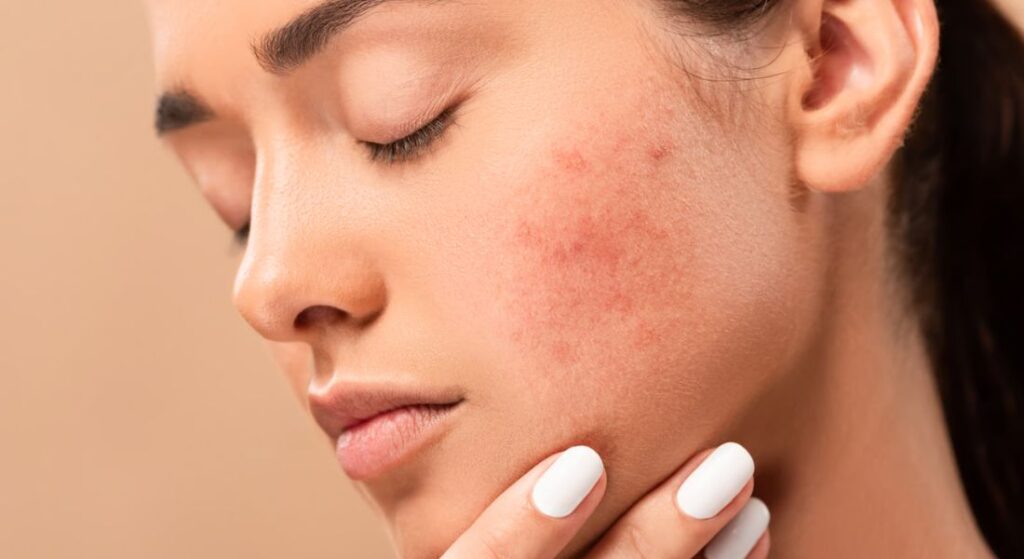
Acne is one of the skin conditions where AI technology is being explored most extensively. Some AI systems can analyse photographs of your skin to estimate the severity of acne, monitor changes over time, and assess how your skin responds to different skincare routines or treatments. This can provide a convenient way to track your progress between appointments.
Tracking your skin regularly can be helpful because acne often improves gradually rather than overnight. AI tools may help you identify trends, recognise changes in your skin, and stay consistent with your skincare routine. Seeing your progress over time can also help you understand whether your current approach appears to be working.
However, acne can have many underlying causes, including hormonal changes, genetics, lifestyle factors, medications, and skincare habits. While AI can support monitoring and provide useful insights, moderate or severe acne often requires assessment and treatment from a qualified dermatologist or healthcare professional to address the underlying cause effectively.
UK Guidance
AI tools used in healthcare should be developed and used responsibly, with attention to safety, accuracy, transparency and patient privacy. AI skincare tools should support healthcare decisions rather than replace professional clinical assessment.
AI for Monitoring Skin Changes Over Time
One of the advantages of AI-powered skincare tools is their ability to monitor changes in your skin over time. Instead of relying only on memory, you can compare photographs taken over weeks or months to observe changes in features such as pigmentation, texture, redness, or fine lines. This provides a more objective way to follow your skin’s progress.
Tracking your skin regularly may help you understand whether your current skincare routine is producing the results you expect. It can also help you recognise when your skin is changing and whether it may be appropriate to adjust your routine or seek professional advice.
Regular monitoring is particularly valuable because many skincare improvements develop gradually and may be difficult to notice from one day to the next. AI tools can support long-term tracking, but they should be used alongside professional guidance if you have persistent, worsening, or concerning skin changes.
AI and Anti-Ageing Skincare
AI is also changing how people approach ageing skin by analysing visible features such as fine lines, wrinkles, loss of firmness, uneven skin tone, and changes in texture. These insights can help create more personalised skincare recommendations based on your individual skin characteristics rather than your age alone.
Based on this analysis, AI tools may suggest routines that include ingredients such as retinoids, antioxidants, peptides, moisturising ingredients, or sunscreen to support healthy skin. Some platforms can also monitor changes over time, allowing you to see how your skin responds to your skincare routine and make informed adjustments where appropriate.
You should remember that ageing is a natural process that cannot be stopped completely. AI is best viewed as a tool that supports healthy skin and informed skincare choices rather than one that promises unrealistic results or reverses ageing. For concerns such as significant skin ageing or persistent skin problems, professional advice from a dermatologist remains important.
Improving Virtual Dermatology Consultations
AI is becoming increasingly integrated into virtual dermatology and skincare consultations. Some platforms use AI to gather information before you speak with a clinician by analysing photographs, asking questions about your symptoms, and collecting details about your medical history and skincare concerns. This information can help build a clearer picture of your skin before your appointment begins.
AI may also organise your responses, identify patterns in your skin images, or highlight areas that could require further discussion during your consultation. By presenting this information in a structured way, the technology can support more focused and efficient virtual assessments.
Although AI can improve the consultation process, it does not replace the judgement of a qualified dermatologist or healthcare professional. Instead, it acts as a supportive tool that helps clinicians spend more time discussing your individual concerns, answering your questions, and developing a personalised treatment plan.
AI and Professional Skin Care Decisions
AI is not designed to replace dermatologists or skincare professionals. Instead, it acts as a supportive tool by providing additional information, identifying patterns in your skin, and helping guide discussions about your skincare concerns. Clinical expertise remains essential when interpreting these findings and deciding on the most appropriate treatment.
A qualified dermatologist considers many factors that AI cannot fully assess, including your medical history, current medications, allergies, lifestyle, previous treatments, and personal skincare goals. They can also examine your skin in context, investigate underlying causes of symptoms, and recommend evidence-based treatments tailored to your individual needs.
If you are looking for personalised advice, consulting a Dermatologist in London can help you benefit from both clinical expertise and modern technology where appropriate. Combining professional assessment with AI-supported tools can provide a more comprehensive approach to maintaining healthy skin.
The Importance of Accurate Data
AI systems learn by analysing large amounts of data, so the quality of their recommendations depends on the quality of the information used to develop them. Accurate, diverse, and well-labelled data helps AI recognise skin features more reliably and provide more meaningful insights.
If an AI system is trained using limited or incomplete data, it may not perform equally well for everyone. Researchers are continuing to improve these technologies by using more diverse datasets and carrying out ongoing testing to help ensure AI tools are accurate across different skin tones, ages, and skin types.
As AI continues to evolve, high-quality data and rigorous validation will remain essential for creating reliable skincare tools. Although AI can support personalised skincare, it should always be used alongside professional clinical judgement when assessing significant or persistent skin concerns.
Limitations of AI Skin Care Technology
Although AI has exciting potential, it also has important limitations. A photograph can only assess visible features of your skin and cannot reveal everything happening beneath the surface. The accuracy of AI analysis may also be affected by factors such as image quality, lighting, and camera angle.
Many skin concerns are influenced by factors that image analysis alone cannot fully assess, including hormones, inflammation, allergies, medications, and underlying medical conditions. These issues often require a clinical assessment and, in some cases, additional investigations to reach an accurate diagnosis and recommend appropriate treatment.
You should also consider your privacy when using AI skincare apps. Photographs and personal information may be collected, stored, and processed by technology providers, so it is important to understand how your data will be used and protected before uploading sensitive information.
Benefits of AI in Skin Care
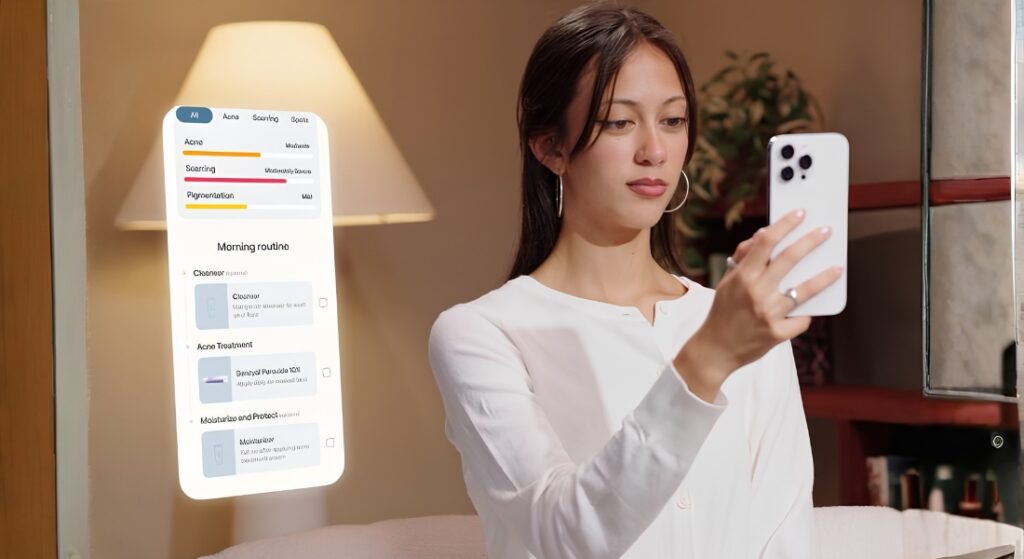
AI offers several potential benefits if you are looking for a more personalised approach to skincare. It can make skin analysis more accessible, help you understand your skin in greater detail, and provide recommendations that are tailored to your individual characteristics rather than broad skin type categories.
AI can also support long-term skin monitoring, encourage consistency with your skincare routine, and help you track how your skin responds to different products over time. By analysing your specific concerns, it may suggest ingredients or routines that are better suited to your needs than general recommendations.
You should remember that the best results usually come from combining technology with professional expertise, realistic expectations, and healthy skincare habits. AI can be a valuable tool for supporting your skincare journey, but it works best alongside evidence-based advice and personalised care from a qualified dermatologist or skincare professional.
AI and Smart Skin Care Devices
AI is now being incorporated into a growing range of smart skincare devices as well as mobile apps. Some of these technologies estimate factors related to skin hydration, environmental exposure, oil production or visible skin changes over time. The information collected can help you better understand how your skin responds to different conditions and routines.
Some smart devices provide real-time feedback and personalised recommendations based on the data they collect. This may help you adjust your skincare habits, monitor your progress more consistently, and make informed decisions about the products you use.
As these technologies continue to evolve, skincare is becoming increasingly interactive and data-driven. While AI-powered devices can offer valuable insights, they work best when combined with professional advice and a personalised skincare plan tailored to your individual needs.
Combining AI With Human Expertise
The future of skincare is unlikely to involve choosing between artificial intelligence and professional expertise. Instead, AI is expected to work alongside dermatologists and skincare professionals to support more accurate assessments and personalised treatment planning. Together, technology and clinical experience can provide a more complete understanding of your skin.
A qualified dermatologist can interpret AI-generated information within the wider context of your medical history, lifestyle, medications, skin type, and treatment goals. They can also determine whether further investigation or treatment is needed, something AI alone cannot do.
By combining advanced technology with professional judgement, you can benefit from a more personalised approach to skincare. AI can provide useful insights and ongoing monitoring, while a dermatologist ensures that recommendations are accurate, evidence-based, and tailored to your individual needs.
AI and Preventative Skin Health
One of the most promising applications of AI in skincare is its potential to support prevention rather than simply respond to existing concerns. By highlighting changes in your skin that may prompt closer monitoring or professional advice, AI tools may encourage you to pay closer attention to your skin health and seek advice when appropriate.
Preventative skincare focuses on maintaining healthy skin before concerns become more noticeable or more difficult to manage. AI can support this approach by helping you monitor changes over time, track your progress, and encourage consistent skincare habits tailored to your individual needs.
This reflects the growing emphasis on early awareness, skin protection, and personalised care in modern skincare. While AI can play a valuable role in supporting prevention, regular skin checks, daily sun protection, and professional advice remain essential for maintaining long-term skin health.
The Future of AI in Skin Care
AI technology is expected to continue evolving rapidly, bringing new opportunities for more personalised skincare. Future systems may become better at analysing complex skin patterns, predicting how your skin may respond to different treatments, and creating skincare routines that are tailored more closely to your individual needs.
Advances in machine learning and access to larger, more diverse datasets may improve the accuracy of AI-powered recommendations over time. As these systems continue to learn and develop, they may provide increasingly detailed insights while supporting both home skincare and professional clinical care.
You should remember that future progress will depend on responsible development, strong scientific evidence, and careful attention to privacy, safety, and fairness. AI has the potential to become an even more valuable tool in skincare, but it should continue to complement the expertise of qualified healthcare professionals rather than replace it.
Choosing AI Skin Care Tools Wisely
If you decide to use AI skincare technology, you should choose your tools carefully. Look for platforms that clearly explain how their technology works, what information they analyse, and how your personal data and photographs are collected, stored, and protected. Transparent information can help you make more informed decisions about the services you use.
You should also be cautious of AI tools that make unrealistic claims or suggest they can replace professional medical advice. Reliable platforms should present their recommendations as guidance rather than a diagnosis and encourage you to seek professional assessment if you have persistent, changing, or concerning skin problems.
A good AI skincare tool should help you understand your skin better without creating unnecessary anxiety or encouraging excessive product use. When combined with realistic expectations, healthy skincare habits, and advice from a qualified dermatologist, AI can become a useful part of your long-term skincare routine.
Clinical Tip:
Before relying on an AI skincare recommendation, consider whether your concern is cosmetic or medical. Persistent acne, changing moles, unexplained rashes or unusual skin changes should always be assessed by a qualified healthcare professional.
Creating a Balanced Skin Care Routine
Even with advances in AI technology, the foundations of good skincare remain the same. You should continue to follow a routine that includes gentle cleansing, regular moisturising, daily sun protection, and active ingredients that are appropriate for your skin type and concerns. These simple habits remain essential for maintaining healthy skin.
AI can help guide your skincare choices by providing personalised recommendations and monitoring changes over time, but it cannot replace consistency. Healthy skin is usually the result of long-term care, realistic expectations, and a routine that you follow regularly rather than quick fixes or constantly changing products.
Using AI alongside proven skincare principles can help you create a balanced approach that suits your individual needs. By combining technology with healthy habits and professional advice when needed, you can make more informed decisions and support your skin’s long-term health.
Who Can Benefit From AI Skin Care?
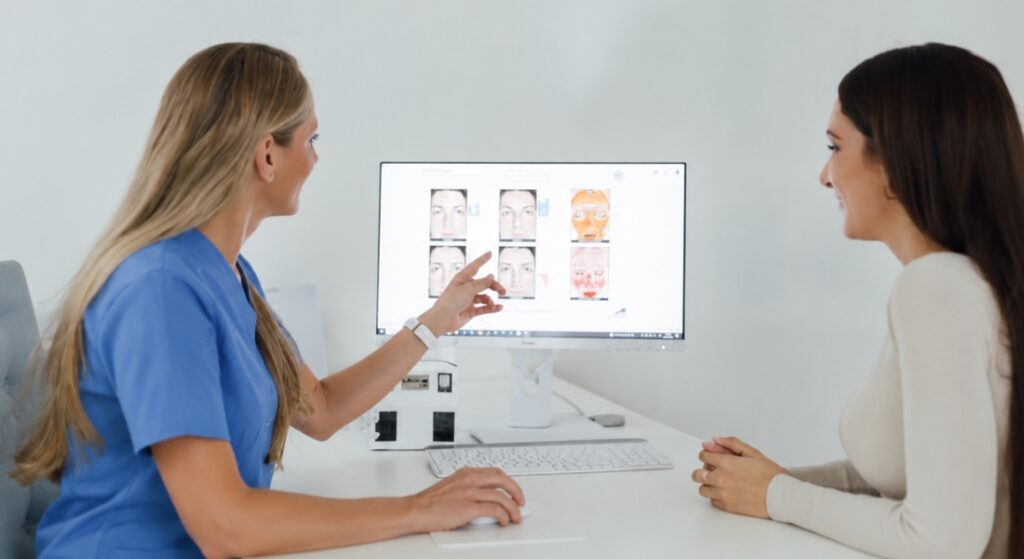
You may find AI skincare tools useful if you want additional guidance on your skincare routine, help tracking visible changes over time, or personalised product recommendations. These technologies can provide helpful insights into visible skin concerns and make it easier to monitor changes over time from the comfort of your home.
You may also benefit from AI if you are interested in tracking your skincare progress, learning more about ingredients, or building a routine that is tailored to your individual skin characteristics. By analysing your skin regularly, AI can help you make more informed decisions about your skincare habits.
However, you should not rely solely on automated recommendations if you have significant, persistent, or worsening skin concerns. A qualified dermatologist or skincare professional can provide a comprehensive assessment, identify underlying causes, and recommend treatments that are appropriate for your individual needs.
When to Seek Professional Advice
AI can provide useful insights about your skin, but it cannot replace a professional assessment in every situation. You should seek advice from a qualified dermatologist if you notice persistent irritation, a new or changing skin lesion, worsening symptoms, unexplained rashes, or any skin concern that does not improve with appropriate skincare.
A healthcare professional can carry out a detailed assessment, consider your medical history, examine your skin in person, and recommend investigations or treatments that are tailored to your individual needs. This level of evaluation goes beyond what AI tools and image analysis can provide.
Technology can be a valuable part of your skincare journey, helping you monitor your skin and make informed decisions. However, professional guidance remains essential for diagnosing skin conditions, managing complex concerns safely, and ensuring you receive the most appropriate treatment.
Myth vs Fact
| Myth | Fact |
| AI can diagnose all skin conditions accurately | AI can identify patterns but cannot replace a clinical diagnosis from a dermatologist. |
| AI skincare recommendations are always personalised perfectly | Recommendations depend on the quality of images, data and information provided. |
| AI will replace dermatologists in the future | AI is expected to support dermatologists rather than replace clinical expertise. |
| AI skincare tools are suitable for everyone | Accuracy may vary depending on skin type, technology and training data. |
Key Takeaways
- AI can help personalise skincare recommendations and track visible changes over time.
- AI tools provide guidance but cannot replace dermatologist assessment or medical diagnosis.
- The accuracy of AI depends on image quality, technology and the data used to train systems.
- Professional advice remains important for persistent, changing or concerning skin problems.
- Combining AI technology with evidence-based skincare can support healthier skin decisions.
Frequently Asked Questions
1. What is AI in skincare?
AI in skincare refers to the use of artificial intelligence to analyse skin images, identify visible skin concerns and provide personalised skincare recommendations. It can support decisions about skincare routines but does not replace professional medical assessment.
2. How accurate are AI skin analysis tools?
The accuracy of AI skin analysis depends on factors such as image quality, lighting, the technology used and the data the system was trained on. While these tools can provide useful insights, they may not identify every skin condition correctly and should not be relied on as a medical diagnosis.
3. Can AI diagnose skin conditions?
No. AI can identify patterns that may suggest certain skin concerns, but it cannot confirm a diagnosis. Persistent rashes, changing moles, unusual pigmentation or other concerning skin changes should always be assessed by a qualified dermatologist.
4. Can AI recommend suitable skincare products?
AI can suggest products or ingredients based on information about skin type and concerns. These recommendations may help narrow down suitable options, but they should be considered alongside professional advice, particularly for chronic or complex skin conditions.
5. Is AI skincare suitable for all skin types?
Many AI skincare platforms are designed to support a wide range of skin types. However, performance can vary depending on the diversity of the data used to train the system. Results may not always be equally accurate for every skin tone or skin condition.
6. Can AI help monitor acne or signs of ageing?
Yes. Some AI tools allow users to compare photographs over time, making it easier to monitor changes in acne, pigmentation, fine lines or skin texture. This can help track progress, although regular professional reviews may still be necessary.
7. Are AI skincare apps safe to use?
Most reputable AI skincare apps are safe when used appropriately, but it is important to review their privacy policies. As these apps often collect photographs and personal information, choosing platforms with clear data protection practices is recommended.
8. Can AI replace a dermatologist?
No. AI is designed to support, not replace, professional expertise. A dermatologist considers medical history, medications, lifestyle, examination findings and other factors that AI cannot fully assess when recommending treatment.
9. Who may benefit from AI skincare technology?
AI skincare tools may be useful for people who want personalised skincare guidance, help tracking changes over time or support in choosing suitable skincare products. They can also be helpful for monitoring progress as part of an established skincare routine.
10. When should professional advice be sought instead of relying on AI?
Professional advice should be sought if there are persistent skin problems, rapidly changing skin lesions, severe acne, unusual rashes, painful skin conditions or concerns that do not improve with routine skincare. AI should be viewed as a supportive tool rather than a substitute for expert medical care.
Final Thoughts: Using AI to Support Healthier Skin
Artificial intelligence is changing the way people understand and manage their skin by making personalised skincare guidance, progress tracking and product recommendations more accessible. While AI can provide valuable insights based on images and data, it cannot replace a thorough clinical assessment or the expertise of a qualified dermatologist. The best results come from combining innovative technology with evidence-based skincare and professional medical advice when needed.
If you are looking for expert advice from a Dermatologist in London, our specialist team can provide a comprehensive skin assessment, explain how AI-powered tools may complement your skincare journey and recommend the most appropriate treatments for your individual concerns. At London Dermatology Centre, we tailor every treatment plan to your skin type, lifestyle and long-term skin health goals, helping you make informed decisions with confidence while supporting healthier skin.
References:
- Esteva, A., Kuprel, B., Novoa, R.A., Ko, J., Swetter, S.M., Blau, H.M. and Thrun, S. (2017) ‘Dermatologist-level classification of skin cancer with deep neural networks’, Nature, 542, pp. 115–118. Available at: https://www.nature.com/articles/nature21056
- Groh, M., Harris, C., Soenksen, L., Lau, F., Han, R., Kim, A., Koochek, A. and Badri, O. (2021) ‘Evaluating deep neural networks trained on clinical images in dermatology with different skin tones’, Nature Medicine, 27, pp. 218–226. Available at: https://www.nature.com/articles/s41591-020-01233-1
- Han, S.S., Park, G.H., Lim, W., Kim, M.S., Na, J.I., Park, I. and Chang, S.E. (2020) ‘Deep neural networks show an equivalent and often superior performance to dermatologists in the classification of skin diseases’, Journal of Investigative Dermatology, 140(11), pp. 2299–2301. Available at: https://www.jidonline.org/article/S0022-202X(20)31841-1/fulltext
- National Institute for Health and Care Excellence (NICE) (2023) Evidence standards framework for digital health technologies. Available at: https://www.nice.org.uk/corporate/ecd7
- World Health Organization (WHO) (2021) Ethics and governance of artificial intelligence for health. Available at: https://www.who.int/publications/i/item/9789240029200