


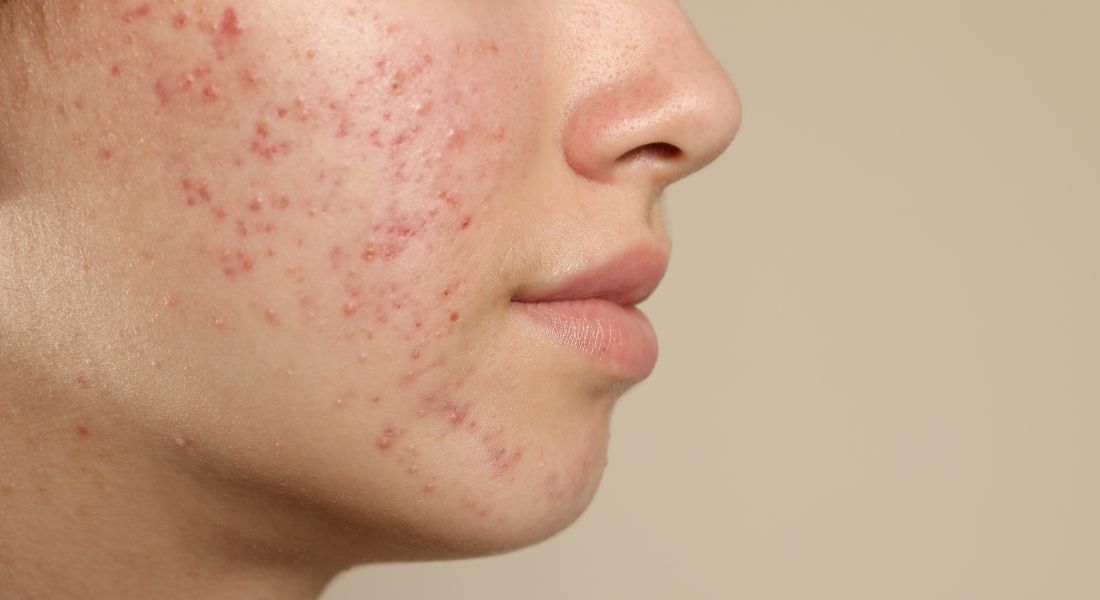
Rosacea is often associated with visible redness, but you may also experience burning or stinging sensations. These symptoms can sometimes appear even when there is no obvious flushing. This can make the condition feel confusing and unpredictable. Understanding that these sensations are part of rosacea can help you recognise what your skin is experiencing.
Skin sensitivity is a common feature of rosacea. It affects how your skin reacts to everyday products, weather changes, and environmental triggers. You may notice that your skin becomes irritated more easily than before. This heightened sensitivity is linked to changes in the skin barrier and nerve response.
Recognising the cause of burning or stinging sensations can help you manage your symptoms more effectively. It allows you to choose suitable skincare and avoid common triggers. With the right approach, discomfort can often be reduced. Awareness plays an important role in improving your skin’s comfort.
What Is Rosacea?
Rosacea is a long-term inflammatory skin condition that mainly affects your face. It can develop gradually and often varies from person to person, which is why symptoms don’t always look the same. Some people experience mild changes, while others may notice more persistent or noticeable symptoms. You may notice a range of visible and less visible signs.
- Facial redness and flushing: You might see persistent redness across your cheeks, nose, forehead, or chin. This can sometimes come and go, especially in response to triggers like heat or stress.
- Visible blood vessels: Small blood vessels under the skin may become more noticeable, giving the skin a slightly thread-like or flushed appearance.
- Spots or thickened skin: In some cases, you may develop spots that look similar to acne or areas where the skin becomes thicker over time. Not everyone experiences this, but it can happen in certain types of rosacea.
- Burning and stinging sensations: These symptoms are less visible but can be just as uncomfortable. You may feel warmth, tingling, or sensitivity, even when your skin looks relatively calm. This happens because rosacea often makes your skin more reactive.
Understanding both the visible and hidden symptoms is important. It helps you recognise early signs, manage triggers, and seek the right treatment to keep your skin as comfortable as possible.
Why Burning and Stinging Occur
Burning and stinging sensations in Rosacea are closely linked to increased skin sensitivity. Your skin may react more strongly to everyday stimuli such as temperature changes, skincare products, or even water. In some cases, these reactions can occur even with very mild triggers. This heightened response is due to changes in how your skin and nerves function.
The skin barrier is often weakened in rosacea. This outer layer normally protects your skin from irritants and helps retain moisture. When it becomes compromised, irritants can penetrate more easily. As a result, your skin becomes more prone to discomfort and sensitivity.
You may notice burning or stinging even when there is no visible redness. This can make the symptoms more difficult to recognise at first. Paying attention to how your skin feels is just as important as how it looks. Awareness helps you identify triggers and manage symptoms more effectively.
Role of the Skin Barrier
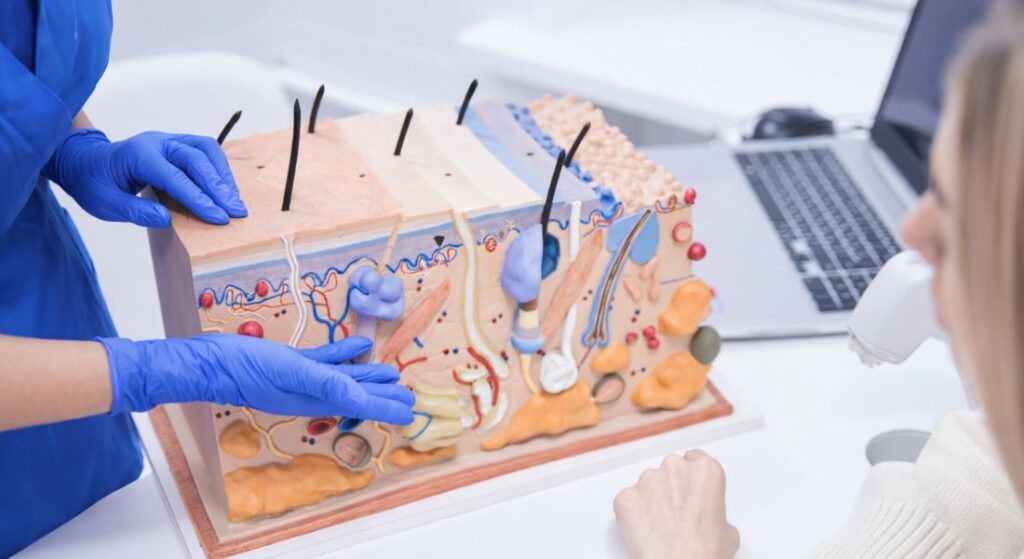
Your skin barrier acts as a protective shield, helping to keep irritants out while locking moisture in. In Rosacea, this barrier can become weakened or disrupted. When this happens, your skin is less able to defend itself against everyday environmental factors. As a result, sensitivity increases and discomfort becomes more noticeable.
When the barrier is compromised, your skin may react more easily to products or external triggers. You might notice stinging, burning, or irritation even with gentle skincare. This heightened reactivity is a common feature of rosacea-prone skin. It reflects how vulnerable the skin has become.
Restoring the skin barrier is an important part of managing your symptoms. Using suitable skincare and avoiding harsh ingredients can help rebuild this protective layer. As the barrier improves, your skin often feels calmer and more comfortable. Protecting your skin consistently plays a key role in long-term care.
Nerve Sensitivity in Rosacea
Rosacea can affect the tiny nerve endings within your skin. These nerves may become overactive and more responsive than usual. As a result, your skin can feel more sensitive to even mild stimuli. This heightened nerve activity contributes to the burning or stinging sensations you may notice.
You might experience burning, tingling, or discomfort even when there is no visible irritation. This happens because the nerves are reacting more strongly than normal. It is a recognised feature of rosacea and not always linked to visible redness. Understanding this can help explain why your symptoms sometimes feel disproportionate to what you can see.
Managing nerve sensitivity is an important part of reducing discomfort. Treatments and gentle skincare approaches can help calm these nerve responses over time. Avoiding known triggers also plays a role in minimising flare-ups. Understanding how nerve sensitivity works can help you manage your symptoms more effectively.
Inflammation and Its Effects
Inflammation is a key part of how Rosacea affects your skin. It sits at the centre of many symptoms you may notice, including redness, sensitivity, and the uncomfortable burning or stinging sensations that often come with the condition. Even when your skin looks relatively calm, underlying inflammation can still be present. You may find that your skin reacts more easily than usual.
- Ongoing low-level inflammation: Even mild inflammation can make your skin feel uncomfortable. You might notice a constant sense of warmth, tightness, or irritation, especially in areas like your cheeks and nose.
- Increased sensitivity: Because of inflammation, your skin barrier becomes more reactive. This means everyday factors such as weather changes, skincare products, or even touch can trigger discomfort more quickly.
- Burning and stinging sensations: These are common in rosacea and are often linked directly to inflammation affecting the skin’s nerve endings. You may feel these sensations even without visible redness.
- Impact on overall skin comfort: When inflammation is not controlled, it can make symptoms feel more intense and persistent. This can affect how your skin feels throughout the day.
Managing inflammation is a central part of treatment. By reducing inflammation, you can help calm your skin, improve comfort, and minimise visible symptoms over time. This is why consistent care and the right treatment plan are so important for long-term control.
Common Triggers for Burning Sensations
In Rosacea, certain triggers can make burning and stinging sensations worse. Common examples include heat, spicy foods, alcohol, and emotional stress. These factors can increase blood flow and sensitivity in your skin. Identifying your personal triggers can help you manage symptoms more effectively.
Skincare products can also play a role in triggering discomfort. Ingredients such as fragrances, alcohol-based formulas, or harsh exfoliants may irritate your skin. Even products labelled as “active” or “strong” can sometimes worsen sensitivity. Choosing gentle, soothing formulations is usually a better approach.
Avoiding known triggers can significantly reduce flare-ups. This helps your skin feel calmer and more comfortable over time. Keeping track of what affects your skin can be useful in building a routine that works for you. Awareness is an important step in improving long-term skin health.
Impact of Skincare Products
In Rosacea, some skincare products can make symptoms worse. Ingredients such as alcohol, strong acids, or heavily fragranced formulas may irritate your skin. This irritation can lead to burning or stinging sensations. Choosing the wrong products can therefore increase discomfort rather than improve your skin.
You may notice tingling, burning, or tightness shortly after applying certain products. This is often a sign that your skin is reacting or becoming irritated. Paying attention to these signals is important. Adjusting your routine based on how your skin responds can help prevent further sensitivity.
Using gentle, non-irritating products can help protect your skin barrier. Look for soothing formulations designed for sensitive skin. These products are less likely to trigger discomfort. Careful selection plays an important role in managing your symptoms and keeping your skin comfortable.
Environmental Factors
Environmental conditions can have a strong impact on Rosacea. Factors such as wind, cold weather, heat, and sun exposure can all trigger symptoms. Your skin may react quickly to these changes, sometimes within minutes. This can lead to increased sensitivity and discomfort.
These external factors can weaken your skin barrier and stimulate nerve responses. As a result, you may notice burning or stinging sensations after exposure. Even everyday activities like stepping outside on a windy day can affect your skin. This is why protection becomes especially important.
Using sunscreen daily and taking simple protective measures can help reduce the impact of environmental triggers. Wearing a hat, avoiding extreme temperatures, and using barrier-supporting skincare can all make a difference. Prevention plays a key role in keeping your skin calm. Over time, these habits can help improve overall comfort and skin health.
Psychological Stress and Symptoms
Stress can have a noticeable impact on your skin if you have Rosacea. You may find that your symptoms become more intense during periods of emotional or physical stress. This is because stress can trigger inflammatory responses in the body, which can directly affect your skin. When stress levels rise, your skin may react more easily.
- Triggering flare-ups: Stress can lead to sudden flushing or worsening redness. You might notice that your symptoms appear more quickly or last longer during stressful periods.
- Increased sensitivity: Your skin may feel more reactive than usual. Everyday factors such as heat, skincare products, or even light touch may cause discomfort.
- Burning or stinging sensations: Stress can make nerve endings in your skin more sensitive. This may increase feelings of burning, tingling, or irritation, even without obvious redness.
- Impact on overall skin balance: Ongoing stress can make it harder for your skin to recover from flare-ups. This may lead to more frequent or persistent symptoms over time.
Managing stress is an important part of controlling rosacea. Simple steps like regular exercise, good sleep, and relaxation techniques such as deep breathing or mindfulness can help calm your body’s response. By understanding how stress affects your skin, you can take practical steps to reduce flare-ups and improve overall comfort.
How Dermatologists Diagnose Sensitivity
When assessing sensitivity in Rosacea, your dermatologist will begin by discussing your symptoms in detail. You may be asked about common triggers, skincare products, and when you notice burning or stinging. This helps identify patterns in how your skin reacts. Understanding your experience is an important part of the diagnosis.
A clinical examination of your skin also provides valuable information. Your dermatologist will look for visible signs such as redness, dryness, or irritation. Even if your symptoms are not always visible, they are still taken into account. Sensitivity is assessed alongside both physical findings and your reported symptoms.
An accurate diagnosis helps guide the most suitable treatment plan for you. It ensures that your care is tailored to your skin’s specific needs. Professional evaluation also helps rule out other possible conditions. This makes it easier to manage your symptoms effectively and safely.
Treatment Options for Burning and Stinging
In Rosacea, treatment focuses on reducing inflammation and restoring your skin barrier. These steps help calm irritation and improve overall comfort. As your skin becomes more stable, burning and stinging sensations often decrease. Your treatment plan will be tailored to your specific symptoms and triggers.
Your dermatologist may recommend topical treatments to help soothe the skin and reduce sensitivity. These can include anti-inflammatory creams or barrier-repair products. Consistent use is important to achieve the best results. Over time, these treatments can help your skin feel less reactive.
Your care will be personalised based on how your skin responds. Adjustments may be made as your symptoms improve or change. Working closely with your dermatologist helps ensure effective and safe treatment. Expert guidance plays a key role in managing long-term skin sensitivity.
Role of Gentle Skincare
When you have Rosacea, using gentle skincare products is essential. Harsh cleansers, strong exfoliants, or heavily fragranced formulas can irritate your skin and worsen burning or stinging. Even products that feel “active” or powerful may not be suitable for sensitive skin. Choosing milder alternatives helps reduce the risk of flare-ups.
It is best to use products specifically designed for sensitive or rosacea-prone skin. These formulations are usually free from common irritants and focus on supporting the skin barrier. Keeping your routine simple can also make a difference. Fewer products mean fewer chances for irritation.
A consistent skincare routine helps your skin become more stable over time. Gentle cleansing, regular moisturising, and daily sun protection all contribute to improved comfort. As your skin barrier strengthens, sensitivity often decreases. Careful, consistent habits play an important role in managing symptoms.
Importance of Moisturisation
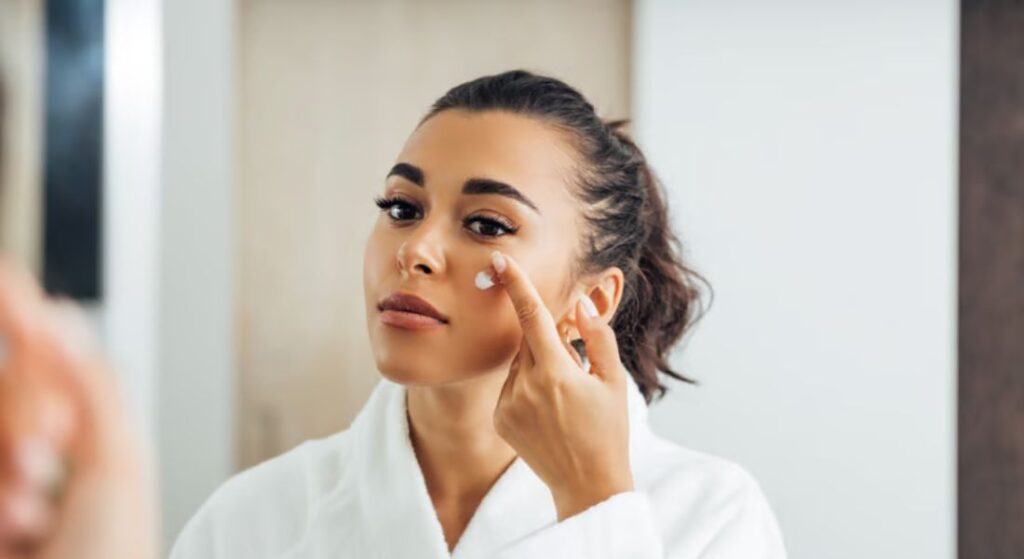
Keeping your skin well moisturised is an essential part of managing Rosacea. When your skin barrier is compromised, it becomes more prone to dryness, irritation, and sensitivity. A good moisturising routine helps restore this barrier and protect your skin from everyday triggers. You may notice a clear improvement in comfort with regular use.
- Restoring the skin barrier: Moisturisers help repair and strengthen your skin’s natural protective layer. This makes it easier for your skin to retain moisture and defend against irritants.
- Reducing dryness and sensitivity: Hydrated skin is less likely to feel tight, itchy, or reactive. Moisturising regularly can help calm sensitivity and reduce the likelihood of flare-ups.
- Improving daily comfort: Using the right moisturiser can soothe your skin and make it feel more balanced throughout the day. This can reduce burning or stinging sensations.
- Supporting long-term skin health: Consistent moisturisation helps maintain stability in your skin over time. It can lower the frequency of flare-ups and support more predictable, manageable symptoms.
Choosing a gentle, fragrance-free moisturiser and using it consistently can make a meaningful difference. With the right approach, you can keep your skin more comfortable, resilient, and better protected day to day.
Avoiding Over-Treatment
When you have Rosacea, using too many skincare products can actually make sensitivity worse. Layering multiple treatments or frequently trying new products may irritate your skin. Over-treating can disrupt the skin barrier and increase burning or stinging. Keeping your routine simple is often the best approach.
It is helpful to follow a minimal routine recommended by your dermatologist. This usually includes a gentle cleanser, a suitable moisturiser, and daily sun protection. Sticking to a few well-chosen products reduces the risk of irritation. Careful management helps your skin stay calm and balanced.
Avoid changing products too often, as your skin needs time to adjust. Frequent changes can trigger reactions and make it harder to identify what works for you. Consistency allows your skin to stabilise and respond better to treatment. Over time, a steady routine can improve comfort and reduce sensitivity.
Managing Flare-Ups
During flare-ups of Rosacea, your skin may feel more sensitive than usual. You might notice increased burning, stinging, or discomfort. Reducing exposure to known triggers, such as heat or irritating products, can help calm your skin. Taking a step back from anything that worsens symptoms is important.
Using soothing, gentle skincare can support your skin while it recovers. Stick to mild cleansers, fragrance-free moisturisers, and protective sunscreen. Avoid exfoliants or active ingredients until your skin settles. Gentle care helps reduce irritation and promotes healing.
If your symptoms persist or become more severe, it is important to seek professional advice. Your dermatologist can assess the situation and adjust your treatment if needed. Early intervention can prevent symptoms from worsening. Prompt action helps you regain comfort more quickly.
Long-Term Management Strategies
Rosacea is a long-term condition, so managing sensitivity requires ongoing care. You may find that your skin changes over time, which means your routine may need small adjustments. Staying consistent with gentle skincare and protective habits can make a significant difference. A steady approach helps keep symptoms under control.
Following your treatment plan as advised by your dermatologist is essential. Regular use of prescribed treatments and recommended products helps reduce flare-ups and maintain comfort. Over time, this consistency can improve your overall quality of life. Building a routine that works for your skin is an important part of long-term management.
Understanding your personal triggers also plays a key role. By recognising what causes your symptoms to worsen, you can take steps to avoid or minimise these factors. This awareness helps you stay in control of your skin health. With the right habits and care, long-term management becomes more manageable and effective.
When to Seek Professional Help
If burning or stinging symptoms from Rosacea persist or become more frequent, it’s important to consult a dermatologist. Professional guidance helps ensure an accurate diagnosis and appropriate care. You may be experiencing sensitivity that needs targeted treatment. Early intervention can prevent symptoms from worsening.
Severe or ongoing sensitivity should not be ignored. If your skin becomes increasingly reactive, painful, or difficult to manage, medical treatment may be necessary. A dermatologist can recommend suitable therapies to reduce inflammation and improve comfort. Timely care helps protect your skin from further irritation.
Seeking expert advice can significantly improve your outcomes. It allows your treatment plan to be tailored to your specific needs. With the right support, you can reduce discomfort and regain better control over your skin. Professional care plays a key role in managing long-term sensitivity.
FAQs:
1. Is burning or stinging a common symptom of rosacea?
Yes, burning and stinging are quite common if you have rosacea. You might notice these sensations even when your skin doesn’t look particularly red. This is because rosacea affects how sensitive your skin becomes. It’s an important symptom to recognise, even if it’s not visible.
2. Why does your skin feel like it’s burning with rosacea?
Your skin may feel like it’s burning because the protective barrier is weakened. This allows irritants to penetrate more easily and trigger discomfort. In addition, nerve endings in your skin can become more reactive. Together, these factors increase sensitivity.
3. Can you have rosacea without visible redness?
Yes, you can experience rosacea without obvious redness. Some people mainly notice burning, stinging, or general sensitivity instead. This can make it harder to identify the condition early. A dermatologist can help confirm the diagnosis.
4. What triggers burning sensations in rosacea?
Burning sensations can be triggered by things like heat, spicy foods, alcohol, and stress. Skincare products with harsh ingredients can also make symptoms worse. These triggers increase inflammation and skin reactivity. Identifying your personal triggers can make a big difference.
5. Can skincare products make rosacea worse?
Yes, certain skincare products can irritate your skin and cause stinging. Ingredients such as alcohol, fragrance, and strong acids are common triggers. Your skin may react quickly after applying them. Choosing gentle, fragrance-free products can help reduce irritation.
6. How can you soothe burning or stinging skin?
You can soothe your skin by using a gentle moisturiser that supports the skin barrier. Keeping your routine simple and avoiding known triggers is also important. In some cases, prescription treatments may be needed. A dermatologist can guide you on the best options.
7. Does stress affect rosacea symptoms?
Yes, stress can play a significant role in worsening rosacea symptoms. You may notice more burning or flare-ups during stressful periods. Stress can increase inflammation in the body, which affects your skin. Managing stress can help improve overall control.
8. Should you exfoliate if you have rosacea?
Exfoliation can sometimes do more harm than good if you have rosacea. Your skin may be too sensitive to tolerate physical scrubs or strong chemical exfoliants. Over-exfoliating can increase burning and irritation. It’s best to seek professional advice before using these products.
9. When should you see a dermatologist?
You should see a dermatologist if your symptoms are persistent or getting worse. Burning and stinging that don’t improve may need medical treatment. Early advice can help prevent more severe flare-ups. Professional guidance ensures you’re using the right approach.
10. Can rosacea-related sensitivity be controlled long-term?
Yes, rosacea sensitivity can be managed effectively with the right care. This includes a consistent skincare routine and avoiding triggers. Medical treatments can also help reduce inflammation and discomfort. With proper management, you can keep symptoms under control.
Final Thought: Understanding and Managing Rosacea Sensitivity
Burning and stinging sensations in Rosacea can be frustrating, especially when they occur without obvious redness. These symptoms are often linked to increased skin sensitivity, a weakened skin barrier, and underlying inflammation. Understanding what triggers your discomfort allows you to take better control of your skin and reduce flare-ups over time.
With the right combination of gentle skincare, trigger management, and professional guidance, these symptoms can be effectively managed. Early intervention and consistent care make a significant difference in improving both comfort and skin health. If you’re considering rosacea treatment clinic in London, you can get in touch with us at London Dermatology Centre.
References:
- Two, A.M., Wu, W., Gallo, R.L. and Hata, T.R. (2015), Rosacea: Part I. Introduction, categorisation, histology, pathogenesis, and risk factors, Journal of the American Academy of Dermatology, 72(5), pp. 749–758. https://pubmed.ncbi.nlm.nih.gov/25890455/
- Andrusiewicz, A., Khimuk, S., Mijas, D., Shmorhun, B. and Nowicka, D. (2025) Molecular mechanisms in the etiopathology of rosacea systematic review, International Journal of Molecular Sciences, 26(23), 11292. https://www.mdpi.com/1422-0067/26/23/11292
- Lonne-Rahm, S.B., Fischer, T. and Berg, M. (1999) Stinging and rosacea, Acta Dermato-Venereologica, 79(6), pp. 460–461. https://pubmed.ncbi.nlm.nih.gov/10598761/
- Schaller, M. et al. (2021) The importance of assessing burning and stinging when managing rosacea: a review, Acta Dermato-Venereologica, 101(10), p. adv00589. https://pmc.ncbi.nlm.nih.gov/articles/PMC9425614/
- Rainer, B.M., Kang, S. and Chien, A.L. (2017) Rosacea: epidemiology, pathogenesis, and treatment, Dermato-Endocrinology, 9(1). https://pmc.ncbi.nlm.nih.gov/articles/PMC5821167/