



Pregnancy can make choosing the right skin treatment feel confusing, especially if products you have used before suddenly come with safety warnings. You may also notice changes such as acne, eczema, dryness, pigmentation or more sensitive skin, and these can sometimes require a different skincare routine.
Pregnancy does not mean that every skin treatment must be stopped. Some products can be continued, some need their strength, formulation or treated area reviewed, and others must not be used during pregnancy.
Check the complete active-ingredient list before starting or restarting a medicated product. Do not stop a prescribed treatment automatically unless you have been given specific instructions, as leaving a significant skin condition uncontrolled may also affect your health and wellbeing.
What Does “Safe During Pregnancy” Actually Mean?
When a skin treatment is described as safe during pregnancy, it does not mean it can be used without limits. Your healthcare professional will consider the type of medicine, how it is applied, the dose, the size of the treatment area and how long you need to use it before deciding what is most appropriate for you.
Your stage of pregnancy, overall health and the severity of your skin condition can also influence which treatment is recommended. Check all prescription medicines, medicated acne products, skin-lightening preparations, combination creams and herbal remedies with a GP, pharmacist, dermatologist or maternity clinician.
Are Moisturisers and Gentle Cleansers Safe?
Yes, plain moisturisers, also known as emollients, and gentle cleansers are usually safe to use during pregnancy and are often recommended for dry, itchy or eczema-prone skin. Choosing an unperfumed moisturiser and washing with lukewarm water and a mild cleanser can help protect your skin barrier and reduce irritation.
Apply your moisturiser regularly rather than waiting until your skin becomes very dry. Stop using a newly introduced product and seek advice if it causes persistent burning, swelling or redness.
Emollient residue can build up on clothing, bedding and dressings, making the fabric ignite more easily and burn more rapidly. Keep treated fabrics away from cigarettes, candles, gas fires and other naked flames. This warning applies to paraffin-containing and paraffin-free emollients.
Can You Continue Using Sunscreen?
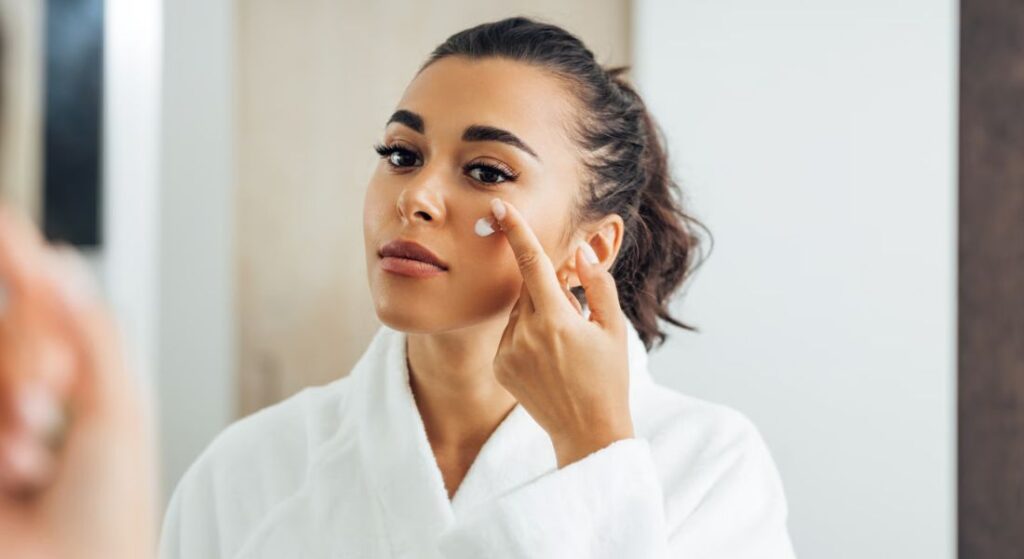
Continue using sunscreen during pregnancy because ultraviolet exposure can worsen pigmentation such as melasma. Choose a broad-spectrum sunscreen with at least SPF 30 and at least four-star UVA protection, or a recognised UVA-circle symbol.
Apply it generously to exposed skin and reapply approximately every two hours while outdoors, as well as after swimming, sweating or towel drying. Sunscreen should be used alongside shade, protective clothing and a wide-brimmed hat.
If you have sensitive skin, you may find mineral sunscreens containing zinc oxide or titanium dioxide more comfortable, and if you have melasma, a tinted sunscreen may provide additional protection against visible light.
Are Topical Corticosteroids Safe During Pregnancy?
Topical corticosteroids can be used during pregnancy to treat conditions such as eczema, contact dermatitis, psoriasis and some pregnancy-related rashes. They reduce inflammation and may help prevent skin damage, sleep disruption and infection caused by repeated scratching.
The clinician should select the potency according to the condition, body area, extent of affected skin and planned treatment duration. Apply the prescribed amount to active inflammation as directed. Very potent preparations, prolonged courses, use over large areas or treatment beneath occlusive dressings require closer supervision.
Tell the prescriber if you use more than one corticosteroid-containing product or think the skin may be infected. Topical-corticosteroid exposure does not normally require additional fetal monitoring for birth defects.
What About Tacrolimus and Pimecrolimus?
Tacrolimus ointment and pimecrolimus cream are prescription treatments that may be considered when topical corticosteroids are unsuitable or have not controlled inflammation adequately. They can be particularly useful on areas such as the face, eyelids and skin folds because they do not cause skin thinning.
Only small amounts are normally absorbed through the skin, and current BAD guidance states that topical calcineurin inhibitors are not known to affect an unborn baby when used as directed. Their use should still be reviewed with the prescribing clinician during pregnancy.
Which Antihistamines Can Be Used for Itching?
Antihistamines may relieve itching caused by allergies or hives, but they do not treat every cause of pregnancy itching or the underlying inflammation in conditions such as eczema.
NHS guidance states that loratadine and cetirizine can be taken during pregnancy. The most appropriate option still depends on your symptoms, other medicines and medical history, so ask a pharmacist, GP or maternity clinician before starting treatment.
Take an antihistamine only at the recommended dose, and do not combine different products unless a clinician has specifically advised you to do so. Antihistamines may relieve some types of itching, but they do not diagnose or treat intrahepatic cholestasis of pregnancy.
Contact your maternity unit urgently if itching is intense, keeps you awake, affects your palms or soles or becomes worse at night, particularly when there is no visible rash. Do not wait for a routine appointment or rely only on antihistamines or moisturisers.
Which Acne Treatments May Be Considered?

Benzoyl peroxide can be used during pregnancy and may help reduce inflamed spots and blocked pores. Azelaic acid is another non-retinoid treatment that may be considered, particularly when acne is accompanied by post-inflammatory pigmentation. Both can irritate the skin, so treatment may need to be introduced gradually.
A clinician may prescribe topical clindamycin or erythromycin as part of an appropriate combination treatment for inflammatory acne. NICE advises against using a topical antibiotic or an oral antibiotic as acne monotherapy and also advises against combining a topical antibiotic with an oral antibiotic.
Antibiotic-containing treatment should be reviewed after the initial course and should only continue beyond six months in exceptional circumstances. Check every active ingredient in combination products because some preparations also contain tretinoin or adapalene and must not be used during pregnancy.
Which Retinoids and Acne Medicines Must Be Avoided?
Oral isotretinoin must not be taken during pregnancy because it can cause miscarriage and serious harm to a developing baby. Oral retinoids such as acitretin and alitretinoin are also contraindicated. If you become pregnant while taking oral isotretinoin, stop taking it and contact the prescribing team immediately for urgent specialist advice.
Pregnancy-prevention requirements continue after oral retinoid treatment has stopped and differ between medicines. Pregnancy must be avoided for at least one month after the final dose of isotretinoin or alitretinoin and for at least three years after stopping acitretin.
Topical retinoids, including tretinoin, adapalene and tazarotene, should not be used during pregnancy. Stop an accidentally used topical retinoid and inform your healthcare professional, but do not assume that harm has occurred; most reported topical exposures have not resulted in a problem. Oral tetracycline antibiotics, including doxycycline and lymecycline, are contraindicated during pregnancy and when planning pregnancy. Spironolactone should also not be used to manage acne during pregnancy.
Which Pigmentation Treatments Require Caution?
Pregnancy can make pigmentation such as melasma, freckles and dark marks more noticeable, so protecting your skin from the sun is one of the most important steps you can take. You should avoid treatments containing hydroquinone and retinoids during pregnancy, and always check the ingredients in skin-lightening products before using them.
Some treatments, such as azelaic acid, may be suitable for you as part of an individual treatment plan, particularly if you also have acne. Before using any brightening or pigmentation product, you should speak to your GP or dermatologist, avoid unregulated products bought online and remember that pregnancy-related pigmentation often fades naturally after your baby is born.
Are Antifungal Skin Treatments Safe?
Some topical antifungal treatments can be used during pregnancy after the diagnosis has been checked. Clotrimazole is commonly used, and there is no evidence that topical terbinafine cream, gel or spray harms the baby. The correct choice depends on whether the condition is caused by a dermatophyte, yeast or another skin problem.
Terbinafine tablets are generally not recommended during pregnancy and should not be treated as equivalent to the topical product. Use the prescribed or recommended course, and do not add a corticosteroid to a suspected fungal infection unless a clinician has advised it, as steroids can alter its appearance or allow it to spread.
Can Antibiotics and Antiviral Treatments Be Used?
If you develop a skin infection during pregnancy, it is important to have it assessed rather than leaving it untreated. Your GP or dermatologist will choose the most appropriate antibiotic or antiviral treatment based on the type of infection, your symptoms and your medical history, as treating the infection is often safer than allowing it to worsen.
You should not use leftover antibiotics or antiviral medicines from a previous illness, as they may not be suitable for your current condition or stage of pregnancy. Seek same-day medical advice if you notice rapidly spreading redness, severe pain, pus, fever, widespread blistering or an infection affecting your face or around your eyes.
Which Psoriasis Treatments May Be Used?
Emollients and appropriately selected topical corticosteroids are commonly used to manage psoriasis during pregnancy. The steroid strength and treatment duration depend on the body area, plaque thickness and amount of skin involved.
Vitamin D analogues such as calcipotriol are not usually prescribed during pregnancy without specialist review, and tazarotene must not be used. Coal-tar preparations, salicylic acid products and combination treatments should be checked individually because suitability depends on their ingredients, concentration, treated area and frequency of application.
Is Phototherapy an Option During Pregnancy?
Narrowband UVB phototherapy may be considered for widespread eczema, psoriasis, vitiligo or another inflammatory skin condition that has not responded adequately to topical treatment. It is delivered in a supervised dermatology unit using controlled ultraviolet doses and is different from using a commercial sunbed.
Narrowband UVB can be used during pregnancy when clinically indicated, but tell the phototherapy team if you are pregnant or planning pregnancy. Follow standard pregnancy folic-acid advice and ask the team whether any additional supplementation is appropriate, particularly before conception and during early pregnancy.
PUVA, which combines psoralen with UVA, should not be used during pregnancy. Tell the phototherapy team if you are pregnant, planning pregnancy or have started any new medicine.
What About Tablets, Injections and Biological Medicines?

Systemic treatments require a medicine-specific pregnancy review because their recommendations differ considerably. Methotrexate should not be used to treat inflammatory skin disease during pregnancy. Mycophenolate can cause miscarriage and serious birth defects, while oral retinoids are also contraindicated.
If pregnancy occurs while using methotrexate, mycophenolate or an oral retinoid, contact the prescribing team urgently for instructions about the next dose and specialist pregnancy advice.
Other medicines, including ciclosporin or dupilumab, may sometimes be continued or started when a specialist considers treatment necessary. Advice about biological medicines and the baby’s live vaccinations depends on the exact product and the timing of exposure.
Dupilumab may be continued or started during pregnancy when a specialist considers that the benefits outweigh the uncertainties. Pregnancy evidence remains limited. Because it is unclear whether exposure after the first trimester affects the baby’s immune system, the timing of live vaccines may be changed as a precaution. Rotavirus vaccination may not be offered, and BCG may be delayed when it is required. Ensure that the maternity, neonatal and primary-care teams know that dupilumab was used and when the final dose was given.
Should Cosmetic Procedures Be Delayed?
Elective cosmetic procedures are usually postponed until after pregnancy because pregnancy-specific safety evidence is limited and hormonal changes may alter skin sensitivity, pigmentation, healing and treatment results.
Chemical peels, microneedling, laser resurfacing, intense pulsed light, cosmetic botulinum toxin and dermal fillers should therefore normally be delayed until after pregnancy. A procedure required to diagnose or treat a medical condition should not be delayed solely because of pregnancy and should instead be assessed individually by the dermatologist and maternity team.
If you have a suspicious mole, possible skin cancer, an abscess or another concerning skin problem, you should not delay seeking medical advice because these conditions may need prompt assessment and treatment. Always tell your dermatologist how many weeks pregnant you are so they can plan the safest approach for you and your baby.
How Should You Check a Treatment Before Using It?
Before using any skin treatment during pregnancy, check the active ingredients rather than relying on claims such as natural, organic or pregnancy-friendly. You should also tell your GP, pharmacist or dermatologist where you plan to apply the product, how often you will use it and whether you are using any other prescription or over-the-counter skincare products.
Arrange prompt medical assessment for widespread blistering, peeling skin, severe skin pain, fever, mouth sores or a rapidly spreading infection. Contact your maternity unit urgently for intense itching without a rash, particularly when it affects your palms or soles or becomes worse at night.
Myth vs Fact
| Myth | Fact |
| Every topical product is safe because it is applied only to the skin. | Absorption varies according to the ingredient, body area, skin condition, amount and duration of use. |
| Pregnancy means every prescription skin treatment must be stopped. | Many emollients, topical corticosteroids and selected other treatments can be continued or adjusted. |
| All acne treatments bought without a prescription are pregnancy-safe. | Some anti-ageing and acne products contain retinol, adapalene or other retinoids that should not be used. |
| Tacrolimus and pimecrolimus have been proven completely safe in pregnancy. | Absorption is generally low, but pregnancy evidence is limited, so use should be based on specialist advice. |
| All antifungal medicines have the same pregnancy advice. | Topical clotrimazole or terbinafine may be appropriate, while oral antifungal treatment requires separate review. |
| Severe itching can always be managed with moisturiser or antihistamines. | Intense night-time itching or itching of the palms and soles needs urgent maternity assessment for ICP. |
Key Takeaways
- Emollients, gentle cleansers, sunscreen and appropriately selected topical corticosteroids can usually be used during pregnancy.
- Benzoyl peroxide can be used, while azelaic acid may also be suitable for pregnancy-related acne.
- Oral isotretinoin must never be taken during pregnancy, and topical retinoids should also be avoided.
- Pregnancy evidence for tacrolimus and pimecrolimus is limited, so they should be used according to specialist advice.
- Methotrexate should not be used for inflammatory skin disease during pregnancy, while mycophenolate and oral retinoids carry serious pregnancy risks. Contact the prescribing team urgently if pregnancy occurs during treatment.
- Contact your maternity unit urgently for intense itching without a rash, particularly when it affects the palms or soles or becomes worse at night. Seek same-day medical assessment for widespread blistering, peeling skin, fever or severe skin pain. Call 999 for tongue or throat swelling, severe breathing difficulty, collapse or reduced responsiveness.
Frequently Asked Questions
1. Can skincare products still be used during pregnancy?
Yes. Many skincare products remain suitable during pregnancy, particularly moisturisers, emollients and gentle cleansers. However, every prescription and over-the-counter product should be reviewed because some active ingredients require caution or should be avoided.
2. Which skincare ingredients should be avoided during pregnancy?
Oral isotretinoin must not be used during pregnancy, and topical retinoids such as tretinoin, adapalene and tazarotene should also be avoided. Hydroquinone should not be used, and oral tetracycline antibiotics, including doxycycline and lymecycline, are contraindicated during pregnancy. Contact the prescribing team immediately if pregnancy occurs while you are taking oral isotretinoin.
3. Can moisturisers and emollients be used throughout pregnancy?
Yes. Unperfumed moisturisers and emollients are considered safe for regular use during pregnancy and help restore the skin barrier, reduce dryness and relieve itching.
4. Which acne treatments may be suitable during pregnancy?
Benzoyl peroxide can be used during pregnancy, while azelaic acid may also be suitable. A clinician may prescribe selected topical or oral antibiotics for more inflammatory acne, but the complete ingredient list must be checked because some combination products contain a topical retinoid.
5. Is sunscreen important during pregnancy?
Yes. Daily use of a broad-spectrum sunscreen helps protect against ultraviolet radiation and may reduce the worsening of pregnancy-related pigmentation such as melasma. Wearing protective clothing and seeking shade provide additional protection.
6. Are topical corticosteroid creams safe during pregnancy?
Topical corticosteroids can generally be used during pregnancy when the strength, amount and duration are appropriate for the condition and body area. Very potent preparations, treatment over large areas or prolonged courses require closer medical supervision.
7. Can pregnancy change existing skin conditions?
Yes. Pregnancy can cause conditions such as eczema, psoriasis, rosacea and acne to improve, remain stable or become worse. A review with a healthcare professional is recommended if symptoms change significantly.
8. Should cosmetic skin procedures be postponed during pregnancy?
Yes. Elective cosmetic treatments, including chemical peels, laser resurfacing, microneedling, dermal fillers and cosmetic botulinum toxin, are usually postponed until after pregnancy because pregnancy safety data are limited.
9. Are natural or herbal skincare products automatically safe during pregnancy?
No. Natural or herbal products may still contain ingredients that irritate the skin or are not recommended during pregnancy. The ingredient list should always be checked before use.
10. When should urgent medical advice be sought for a skin problem during pregnancy?
Contact your maternity unit urgently for severe itching without a rash, particularly on the palms or soles or at night. Seek same-day medical assessment for widespread blistering, peeling skin, severe pain, fever or rapidly spreading infection. Call 999 for swelling of the tongue or throat, severe breathing difficulty, collapse or reduced responsiveness.
Final Thoughts: Choosing Safe Skin Treatments During Pregnancy
Pregnancy does not mean you have to stop caring for your skin or avoid every skincare product and treatment. Many moisturisers, emollients and appropriately prescribed medicines can be used safely, while others require careful review or should be avoided. The key is to treat your skin condition effectively without exposing you or your baby to unnecessary risk.
If your skin condition is changing, becoming more severe or you are unsure whether a treatment is suitable during pregnancy, seek professional advice before making changes to your routine. If you’re considering a dermatologist in London, you can get in touch with us at London Dermatology Centre.
References:
- Alhomieed, M.F., Al Hartany, L.O., Alghorab, M.A., Alsharif, A., Kaleemullah, A., Wasaya, H.I., Alsubaie, K.A., Al Jehani, A.N., Kayali, A.M. and AlBasri, S.F. (2025) ‘The effect of pregnancy on dermatological disorders: A systematic review’, Clinics and Practice, 15(4), article 68. Available at: https://www.mdpi.com/2039-7283/15/4/68
- Biskanaki, F., Tertipi, N., Andreou, E., Sfyri, E., Kefala, V. and Rallis, E. (2024) ‘The risk of using cosmetics and cosmetic procedures during pregnancy’, Applied Sciences, 14(21), article 9885. Available at: https://www.mdpi.com/2076-3417/14/21/9885
- Bosma, A.L., Gerbens, L.A.A., Middelkamp-Hup, M.A. and Spuls, P.I. (2021) ‘Paternal and maternal use of dupilumab in patients with atopic dermatitis: A case series’, Clinical and Experimental Dermatology, 46(6), pp. 1089–1092. Available at: https://academic.oup.com/ced/article/46/6/1089/6598437
- Chi, C.C., Kirtschig, G., Aberer, W., Gabbud, J.P., Lipozencic, J., Karpati, S., Haustein, U.F., Zuberbier, T. and Wojnarowska, F. (2011) ‘Evidence-based (S3) guideline on topical corticosteroids in pregnancy’, British Journal of Dermatology, 165(5), pp. 943–952. Available at: https://academic.oup.com/bjd/article/165/5/943/6644006
- Deleuran, M., Dézfoulian, B., Elberling, J., Knutar, I., Lapeere, H., Lossius, A.H., Schuttelaar, M.L.A., Stockman, A., Wikström, E., Bradley, M., de Bruin-Weller, M., Gutermuth, J., Mandelin, J.M., Schmidt, M.C., Thyssen, J.P. and Vestergaard, C. (2024) ‘Systemic anti-inflammatory treatment of atopic dermatitis during conception, pregnancy and breastfeeding: Interdisciplinary expert consensus in Northern Europe’, Journal of the European Academy of Dermatology and Venereology, 38(1), pp. 31–41. Available at: https://pubmed.ncbi.nlm.nih.gov/37818828/