



Pregnancy can affect your eczema in different ways, and there is no single pattern that applies to everyone. You may find that your skin improves, stays the same or flares more often, while some people experience eczema symptoms for the first time during pregnancy because hormonal and immune system changes can make the skin more sensitive.
Managing eczema during pregnancy can feel challenging, especially if you are unsure whether your usual treatments remain appropriate. Eczema does not normally need to be left untreated solely because you are pregnant.
A GP, pharmacist or dermatologist can review your current products and recommend options such as emollients and appropriately selected topical corticosteroids according to the severity, location and extent of your eczema.
What Is Eczema?
Eczema is a common inflammatory skin condition that causes dry, itchy and irritated skin. If you have atopic eczema, also known as atopic dermatitis, your skin’s natural barrier does not work as effectively, making it easier for moisture to escape and for irritants to trigger inflammation.
You may notice that your eczema comes and goes, with calmer periods followed by flare-ups that leave your skin itchy, sore or cracked. Eczema can affect different areas of your body, and while pregnancy may change where it appears, it is not contagious and cannot be passed to your baby or anyone else through skin contact.
Can Pregnancy Make Eczema Better or Worse?
Pregnancy can make your eczema better or worse, and it is not possible to predict how your skin will respond. You may notice more frequent flare-ups, increased itching or wider areas of inflammation, while others find that their skin becomes calmer and needs less treatment during pregnancy.
Your eczema may also change after your baby is born, even if it improves during pregnancy. These changes are often linked to natural shifts in hormones, your immune system and your skin barrier, rather than anything you have or have not done.
Why Do Hormonal and Immune Changes Affect Eczema?
During pregnancy, your body goes through natural hormonal and immune system changes to support your developing baby. These changes can affect your skin barrier and inflammatory responses, which may make your eczema improve, worsen or behave differently from before.
You may find that your skin becomes drier, more sensitive or easily irritated by products, heat, sweat or friction that never caused problems in the past. Tiredness, stress and disrupted sleep can also make itching feel more difficult to manage, creating a cycle that can trigger or prolong eczema flare-ups.
When Can Eczema Flare During Pregnancy?
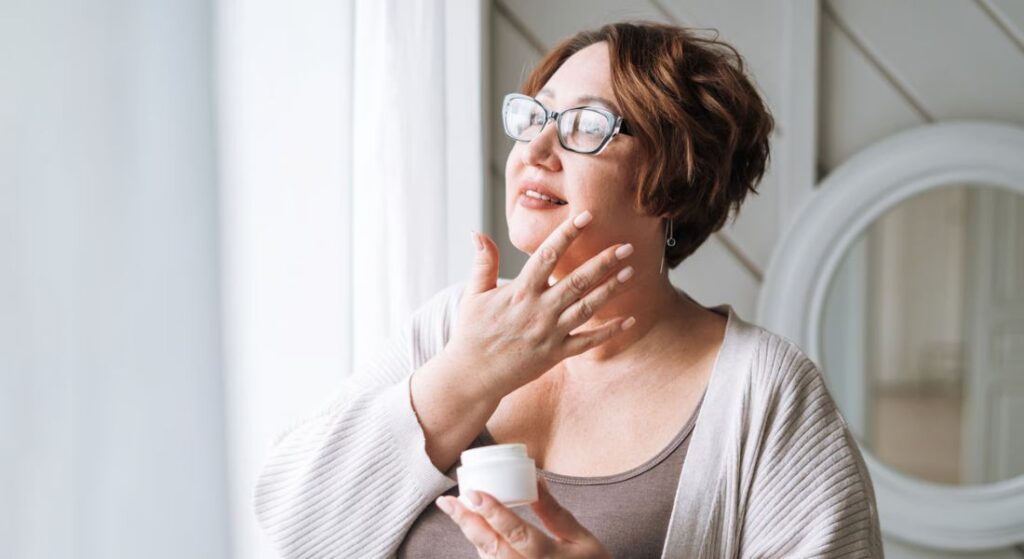
Your eczema can flare at any stage of pregnancy, and there is no set time when changes are most likely to happen. You may notice symptoms early in pregnancy or later as your body temperature rises, sweating increases and your skin becomes more sensitive to friction or everyday irritants.
Your eczema may also change after your baby is born, especially if frequent handwashing, lack of sleep and caring for your newborn put extra strain on your skin. Keeping up with your skincare routine, applying emollients regularly and protecting your hands from excessive water exposure can help support your skin barrier during this time.
What Does Eczema Look and Feel Like During Pregnancy?
During pregnancy, your eczema may cause dry, itchy and inflamed skin that can feel rough, tight, sore or even painful if the skin becomes cracked. Depending on your skin tone, the affected areas may appear red, pink, purple, grey or darker than the surrounding skin, and some flare-ups may become weepy or develop thicker patches from repeated scratching.
Your eczema may affect only a small area, but it can still have a big impact on your comfort, sleep and daily activities. If you notice a rash that looks different from your usual eczema or your symptoms change suddenly during pregnancy, you should arrange a medical assessment to make sure another skin condition is not causing the problem.
Can Eczema Begin for the First Time During Pregnancy?
You can develop eczema or eczema-like symptoms for the first time during pregnancy, even if you have never had skin problems before. Your rash may appear as dry, itchy patches on areas such as your face, neck or skin creases, or you may notice small, intensely itchy bumps on your body or limbs.
Eczema-like inflammation and atopic eruption of pregnancy are not generally associated with adverse effects on the baby. However, you should not assume that every new rash is eczema.
Arrange a medical assessment when the rash is new, severe, blistering or different from a typical eczema flare so that pregnancy-specific rashes, infection, contact dermatitis and other conditions can be considered.
Which Factors Can Trigger a Pregnancy Eczema Flare?
Your usual eczema triggers can still affect you during pregnancy, and you may find that your skin becomes more sensitive than before. Everyday factors such as soaps, fragranced products, detergents, heat, sweat, frequent handwashing and rough fabrics can all trigger or worsen a flare, even if they have not caused problems in the past.
You can often reduce flare-ups by using gentle skincare products, applying emollients regularly and wearing loose, breathable clothing to minimise heat and friction. If you are unsure what is triggering your eczema, keeping a simple diary of your symptoms, skincare products and daily activities may help you identify patterns without making your routine feel overwhelming.
How Can You Tell Eczema from Another Pregnancy Rash?
Your eczema will usually cause dry, itchy and inflamed patches that feel familiar if you have experienced flare-ups before. However, pregnancy can also cause other types of rashes, and some conditions may look similar even though they need different treatment.
If you notice a new rash, severe itching, blisters or symptoms that are different from your usual eczema, you should arrange a medical assessment. Your doctor can identify the cause and make sure you receive the most appropriate treatment, especially if the rash could be linked to a pregnancy-specific skin condition.
When Might Itching or a Rash Not Be Eczema?
Contact your maternity unit urgently if you develop intense itching without a visible rash, particularly when it affects your palms or soles, becomes worse at night or interferes with sleep. These symptoms can occur with intrahepatic cholestasis of pregnancy and require maternity assessment and blood tests rather than dermatology treatment alone.
A rash that begins around your belly button and later develops firm blisters needs prompt dermatology and obstetric assessment for pemphigoid gestationis. A rash beginning within abdominal stretch marks while usually sparing the belly button may be polymorphic eruption of pregnancy, but new pregnancy rashes should be assessed when the diagnosis is uncertain.
Myth vs Fact
| Myth | Fact |
| Every itchy rash during pregnancy is eczema. | ICP, polymorphic eruption of pregnancy, pemphigoid gestationis, infections and contact reactions can also cause itching. |
| Eczema must be left untreated during pregnancy. | Emollients and appropriately selected topical corticosteroids can usually be used during pregnancy. |
| Topical corticosteroids should never be used during pregnancy. | Topical corticosteroids can be used during pregnancy when the potency, amount, body area and duration are selected appropriately. Very potent preparations, prolonged treatment and use over large areas require closer clinical supervision. |
| Severe itching without a visible rash is always a normal pregnancy change. | Intense itching without a primary rash, particularly when it affects the palms or soles, becomes worse at night or disturbs sleep, requires urgent maternity assessment for ICP. |
| Eczema herpeticum is simply a severe eczema flare. | It is a potentially serious viral infection that usually causes rapidly worsening painful blisters or sores and requires urgent treatment. |
| Paraffin-free emollients carry no fire risk. | Residue from paraffin-free as well as paraffin-containing emollients can make clothing and bedding burn more rapidly. |
How Should You Care for Eczema-Prone Skin Each Day?
Keep your routine simple and consistent by washing with cool or lukewarm water and using an unperfumed soap substitute or suitable emollient wash. Apply a leave-on emollient after bathing and whenever the skin feels dry, but avoid aqueous cream as a leave-on moisturiser because it can irritate eczema-prone skin.
You can also reduce irritation by wearing soft, breathable clothing, avoiding fragranced or harsh skincare products and keeping your showers short. Even when your eczema looks under control, continuing your daily skincare routine can help strengthen your skin barrier and reduce the chance of future flare-ups.
Clinical Tip
Take photographs when a flare begins and record where it appeared, possible product or heat exposure, sleep disruption and which treatments you used. Bring this information and a list of your medicines to appointments, but do not stop a prescribed eczema treatment without discussing it with the prescribing clinician.
Can You Use Emollients During Pregnancy?
Emollients are an important part of eczema treatment and can be used throughout pregnancy. Apply them frequently enough to keep the skin comfortable and choose a lotion, cream or ointment according to the area, severity of dryness and what you can use consistently.
Emollient residue can build up on clothing, bedding and dressings and make fabric catch fire and burn more rapidly. Keep treated fabrics away from cigarettes, candles, gas fires and other naked flames. This warning applies to paraffin-containing and paraffin-free emollients, and washing fabric may reduce but does not completely remove the residue.
Can You Use Topical Corticosteroids During Pregnancy?
Topical corticosteroids can be used during pregnancy when they are clinically appropriate. The clinician will select the potency according to the severity of inflammation, body area, amount of skin involved and planned duration, with milder preparations generally preferred for thinner areas such as the face and skin folds.
Apply the prescribed amount to active eczema as directed rather than stopping treatment because of fear about pregnancy. Very potent preparations, prolonged courses or treatment over large areas require closer supervision, but using an appropriate topical corticosteroid can control inflammation and reduce the need for systemic treatment.
Evidence Note
UKTIS advises that topical corticosteroids can be used during pregnancy. When they are used according to the recommended instructions, only small amounts are normally absorbed into the bloodstream.
Topical-corticosteroid use does not usually require additional fetal monitoring for birth defects. Treatment should still be matched to the affected area, severity and amount of skin involved, and very potent preparations, prolonged courses or unusually large quantities should be reviewed by the prescribing clinician (UK Teratology Information Service, 2023).
What Other Topical Treatments and Anti-Itch Medicines May Be Used?

Tacrolimus ointment or pimecrolimus cream may be considered for selected areas, particularly where repeated topical-corticosteroid treatment is unsuitable. These prescription treatments should be started or continued according to advice from the prescribing clinician.
Do not apply them to infected skin, and tell the clinician that you are pregnant. Although only small amounts are normally absorbed through the skin, the decision should still consider the area being treated and whether another treatment would be more appropriate.
An antihistamine may occasionally be recommended when itching is severe or affects sleep, although it does not treat the underlying eczema inflammation. Ask a pharmacist or doctor to select a pregnancy-compatible medicine rather than using an old prescription or an over-the-counter sleep product.
What If Creams and Ointments Are Not Enough?
When eczema remains moderate or severe despite appropriate topical treatment, a dermatologist may consider narrowband UVB phototherapy. This is a controlled medical treatment delivered by a phototherapy service and is different from using a commercial sunbed.
Narrowband UVB can be used during pregnancy when clinically indicated, but tell the phototherapy team that you are pregnant or planning pregnancy. Follow standard pregnancy folic-acid advice and ask the team whether any additional supplementation is appropriate, particularly before conception and during early pregnancy.
Severe eczema may occasionally require systemic treatment after assessment by a dermatologist and maternity team. Depending on the individual circumstances, options may include a short course of an oral corticosteroid, ciclosporin or another specialist treatment.
Dupilumab and other biologic treatments require an individual benefit-and-risk assessment because pregnancy information remains more limited. The decision should consider eczema severity, previous treatment, pregnancy stage and the effects of leaving substantial inflammation uncontrolled.
Which Eczema Medicines Need Reviewing During Pregnancy?
Ask for a medicine review before trying to conceive or as soon as you learn that you are pregnant if you use tablets, injections or an advanced eczema treatment. Methotrexate should not be used to treat inflammatory disease during pregnancy, and mycophenolate can increase the chance of miscarriage and serious birth defects.
If pregnancy occurs while you are using methotrexate or mycophenolate, contact the prescribing team urgently for instructions about your next dose rather than waiting for a routine appointment.
Ciclosporin and dupilumab require individual specialist review during pregnancy. Oral JAK inhibitors used for atopic dermatitis, including abrocitinib, baricitinib and upadacitinib, are contraindicated during pregnancy. If you become pregnant while taking one, contact the prescribing team urgently before your next dose and follow their instructions.
When Could Eczema Be Infected or Need Urgent Care?
Request urgent GP or NHS 111 assessment if your eczema becomes increasingly painful, warm or swollen, suddenly spreads, leaks fluid, develops yellow crusts or pus-filled spots, or occurs with fever or feeling generally unwell. These symptoms can indicate bacterial infection and may require treatment in addition to your usual eczema care.
Seek same-day urgent assessment for rapidly worsening painful groups of blisters or uniform punched-out sores, particularly with fever or eye involvement, because these can indicate eczema herpeticum. Call 999 for swelling of the tongue or throat, severe breathing difficulty, collapse or reduced responsiveness. Antiviral treatment such as aciclovir may be used during pregnancy when eczema herpeticum is diagnosed.
What Should You Know About Your Baby, Breastfeeding and Specialist Care?
| Topic | Key Information | Why It Matters | Practical Advice |
| Baby’s eczema risk | Eczema, asthma and hay fever can run in families, but your baby may not develop eczema | Family history increases risk but is not a guarantee | Discuss any concerns with your healthcare professional |
| Diet during pregnancy | Restrictive diets and unproven supplements have not been shown to prevent eczema | Unnecessary dietary changes may not be beneficial | Follow a healthy, balanced diet unless advised otherwise |
| Breastfeeding | Most emollients and suitable topical treatments are compatible with breastfeeding | Allows treatment while continuing to breastfeed | Follow your prescribed treatment plan |
| Applying treatments | Wash your hands after applying creams and avoid your baby touching freshly treated skin | Reduces accidental exposure to medicines | Let treatments absorb before handling your baby |
| Tacrolimus and pimecrolimus | Do not apply these medicines to areas that may come into contact with your baby’s mouth | Helps prevent accidental ingestion | Use only as directed by your healthcare professional |
| Corticosteroids on the breast | Apply after feeding and wash off with warm water before the next feed | Helps protect your baby while maintaining treatment | Creams may be easier to remove than ointments |
Key Takeaways
- Eczema can improve, worsen or remain unchanged during pregnancy.
- Emollients and appropriately prescribed topical corticosteroids can usually be used during pregnancy.
- Intense itching without a rash, especially on the palms or soles or at night, requires urgent maternity advice.
- Methotrexate and mycophenolate should not be used to treat eczema during pregnancy; exposure requires urgent specialist review.
- Painful, rapidly spreading blisters or punched-out sores may indicate eczema herpeticum and need same-day treatment.
- Breastfeeding is usually possible, but medicated products should not be left where the baby’s mouth or skin can contact them.
FAQs
1. Can pregnancy make eczema worse?
Yes. Pregnancy can make eczema worse, improve it or have no noticeable effect. Hormonal and immune-system changes affect everyone differently, so it is difficult to predict how your skin will respond.
2. Can I use eczema creams during pregnancy?
Emollients and appropriately selected topical corticosteroids can generally be used during pregnancy. Tacrolimus, pimecrolimus, combination creams and other medicated products need individual review according to their ingredients, potency and the area being treated.
3. Can eczema start for the first time during pregnancy?
Yes. Eczema-like inflammation may develop for the first time during pregnancy and may be described as atopic eruption of pregnancy. Because other pregnancy-related rashes can look similar, a new severe, blistering or unusual rash should be medically assessed.
4. What are the most common eczema triggers during pregnancy?
Common triggers include dry skin, heat, sweating, fragranced products, harsh soaps, detergents, rough fabrics, frequent handwashing and emotional stress. Pregnancy may make your skin more sensitive to these irritants.
5. Can untreated eczema affect my pregnancy or baby?
Eczema itself is not generally expected to affect the baby directly. However, severe uncontrolled eczema can substantially affect your sleep, skin integrity, emotional wellbeing and risk of infection. Appropriate treatment is normally preferable to leaving a significant flare uncontrolled, but the treatment plan should be reviewed according to the severity of your symptoms and stage of pregnancy.
6. How can I reduce eczema flare-ups while pregnant?
Use fragrance-free emollients regularly, avoid known triggers, keep showers short and lukewarm, wear breathable clothing, moisturise after washing and follow your prescribed treatment plan.
7. Is eczema contagious during pregnancy?
No. Eczema is not contagious and cannot be passed to your baby, partner or other people through skin contact.
8. When should I seek medical advice for eczema during pregnancy?
Arrange a review when eczema is severe, repeatedly infected, affecting sleep or daily life or not responding to treatment. Seek urgent care for rapidly spreading pain, blistering, punched-out sores, fever or eye involvement. Contact your maternity unit urgently for intense night-time itching or itching of the palms or soles without a rash.
9. Can I breastfeed if I have eczema?
Most people with eczema can breastfeed while using suitable treatment. Wash your hands after application and prevent the baby from contacting treated skin. If a topical corticosteroid is prescribed for the breast or nipple, apply it after feeding and wash it off before the next feed as instructed.
10. Does having eczema mean my baby will develop eczema too?
Not necessarily. A family history increases your baby’s risk of developing eczema or other allergic conditions, but many children with a family history never develop eczema.
Final Thoughts: Managing Eczema Safely During Pregnancy
Eczema may improve, worsen or remain unchanged during pregnancy, but effective treatment does not usually need to stop. Regular emollient use, appropriately selected topical treatment and early management of infection can protect your skin, sleep and wellbeing.
For persistent, severe or difficult-to-control symptoms, consulting an experienced dermatologist in London at London Dermatology Centre can help confirm the diagnosis and create a pregnancy-appropriate treatment plan.
References:
- Alcantara-Luna, S., Ruiz-Villaverde, R., Domínguez-Cruz, J., Galán-Gutiérrez, M., Navarro-Triviño, F., Pereyra-Rodriguez, J.-J. and Armario-Hita, J.-C. (2022) ‘Validation of a questionnaire to assess the perception of women with atopic dermatitis in family planning’, International Journal of Environmental Research and Public Health, 19(17), article 10753. Available at: https://www.mdpi.com/1660-4601/19/17/10753
- Alhomieed, M.F., Al Hartany, L.O., Alghorab, M.A., Alsharif, A., Kaleemullah, A., Wasaya, H.I., Alsubaie, K.A., Al Jehani, A.N., Kayali, A.M. and AlBasri, S.F. (2025) ‘The effect of pregnancy on dermatological disorders: A systematic review’, Clinics and Practice, 15(4), article 68. Available at: https://www.mdpi.com/2039-7283/15/4/68
- Balakirski, G. and Novak, N. (2022) ‘Atopic dermatitis and pregnancy’, Journal of Allergy and Clinical Immunology, 149(4), pp. 1185–1194. Available at: https://www.sciencedirect.com/science/article/pii/S0091674922000781
- Bosma, A.L., Gerbens, L.A.A., Middelkamp-Hup, M.A. and Spuls, P.I. (2021) ‘Paternal and maternal use of dupilumab in patients with atopic dermatitis: A case series’, Clinical and Experimental Dermatology, 46(6), pp. 1089–1092. Available at: https://academic.oup.com/ced/article/46/6/1089/6598437
- Deleuran, M., Dézfoulian, B., Elberling, J., Knutar, I., Lapeere, H., Lossius, A.H., Schuttelaar, M.L.A., Stockman, A., Wikström, E., Bradley, M., de Bruin-Weller, M., Gutermuth, J., Mandelin, J.M., Schmidt, M.C., Thyssen, J.P. and Vestergaard, C. (2024) ‘Systemic anti-inflammatory treatment of atopic dermatitis during conception, pregnancy and breastfeeding: Interdisciplinary expert consensus in Northern Europe’, Journal of the European Academy of Dermatology and Venereology, 38(1), pp. 31–41. Available at: https://pubmed.ncbi.nlm.nih.gov/37818828/