



The skincare industry continues to evolve rapidly, with new ingredients, technologies and treatment approaches emerging every year. If you are interested in improving your skin, you have probably noticed a growing focus on maintaining healthy skin rather than simply covering imperfections. Advances in dermatology and increasing access to reliable information are also helping you make more informed skincare choices.
In 2027, many skincare trends are expected to focus on prevention, skin barrier protection, personalised routines and technologies that support long-term skin health. While some innovations are supported by strong scientific research, others become popular through marketing and social media before sufficient clinical evidence is available. Understanding the difference can help you choose products and treatments more confidently.
This article explores the biggest skincare trends expected in 2027, highlighting which developments appear most promising and which should be approached with caution. By focusing on evidence-based skincare and selecting products that suit your individual skin type, you can build a routine that supports healthier skin without following every new trend.
The Shift Towards Skin Health
One of the biggest changes in skincare is the growing focus on maintaining healthy skin rather than chasing perfection. Instead of trying to achieve flawless skin overnight, more people are choosing routines that support long-term skin health and realistic results.
Greater attention is now being given to protecting the skin barrier, maintaining hydration and preventing future skin problems rather than relying on quick cosmetic fixes. This approach can help you keep your skin stronger, more comfortable and better able to cope with everyday environmental stress.
This shift is supported by increasing dermatological research, which shows that healthy skin is built through consistent care rather than frequent changes in products or routines. By focusing on evidence-based skincare, you can create a routine that delivers lasting benefits rather than following short-lived trends.
Personalised Skincare
Personalised skincare can be useful when products are selected according to your skin type, diagnosis, tolerance, existing medicines and treatment goals. However, the term “personalised” does not itself prove that a recommendation is accurate or evidence-based.
Automated questionnaires and photographs may help organise product choices, but they cannot reliably diagnose every skin condition. Persistent acne, eczema, rosacea, pigmentation changes or a suspicious lesion may require medical assessment rather than a customised product bundle.
Advances in digital assessment tools are making personalised skincare increasingly accessible. These technologies may help you understand your skin better, although advice from a qualified dermatologist remains important if you have persistent skin concerns or a diagnosed skin condition.
Artificial Intelligence in Skincare
Artificial intelligence is expected to become more visible in skincare applications, imaging systems and clinical support tools during 2027. Depending on the technology used, AI may help you track visible skin changes, compare photographs over time and identify patterns that could require further professional assessment.
However, the accuracy of AI tools is not the same across every system. Results can be influenced by factors such as lighting conditions, camera quality, image angle, your skin tone, the type of concern being assessed and the diversity of the information used to train the algorithm.
AI-generated skincare advice should not replace professional medical assessment. If you notice a changing mole, unexplained rash, persistent pigmentation or another concerning skin change, you should seek advice from a qualified healthcare professional who can provide an accurate diagnosis and appropriate treatment guidance.
Skin Barrier Repair
Skin barrier repair is an important part of modern skincare because it supports long-term skin health rather than focusing only on visible concerns. A strong barrier helps your skin retain moisture, tolerate everyday products and protect itself from environmental stress.
- Ceramides: These lipids help strengthen the skin barrier and reduce moisture loss.
- Cholesterol and Fatty Acids: These ingredients support the natural lipid structure needed for healthy barrier function.
- Improved Hydration: A well-supported barrier helps your skin hold water more effectively and feel smoother.o
- Reduced Dryness and Sensitivity: Strengthening the barrier may make your skin less prone to irritation, tightness, and discomfort.
Ceramides, cholesterol and free fatty acids are natural components of the outer skin barrier. Products containing these lipids may support hydration and reduce moisture loss, particularly when the skin is dry or irritated. However, benefits depend on the complete formulation rather than the inclusion of one fashionable ingredient alone.
Exosome-Based Skincare
Exosome-based skincare continues to attract considerable interest as one of the emerging trends in dermatology. If you are exploring advanced skincare options, you may come across products and treatments that claim to support skin renewal using exosome technology.
Scientists are investigating whether exosomes may help support skin repair, stimulate collagen production and promote tissue regeneration. Early research has shown promising results, particularly in aesthetic medicine, but scientists are still working to understand their long-term effectiveness and the best ways to use them.
Although clinical evidence is growing, further high-quality research remains necessary before exosome-based skincare becomes part of routine practice. If you are considering an exosome treatment, it is best to discuss the available evidence with a qualified dermatologist to determine whether it is appropriate for your skin concerns.
Research Insight: Exosomes Remain Experimental
Exosomes are being investigated for wound healing, inflammation, hair loss and skin rejuvenation. However, much of the current evidence comes from laboratory or animal research, and products can differ considerably in their source, purification, contents and method of use.
Human evidence is increasing, but it remains too heterogeneous and limited to treat exosome-based rejuvenation as a single established, standardised therapy. Safety, product standardisation and regulatory status should be checked carefully, particularly when exosome products are applied after procedures that disrupt the skin barrier or are introduced into the skin.
Microbiome-Friendly Products
Researchers continue exploring the relationship between the skin microbiome and overall skin health. Your skin naturally contains beneficial microorganisms, and the skin microbiome plays an important role in barrier function, immune signalling and interactions with potential pathogens. However, translating this biology into effective cosmetic products remains complex.
Products marketed as prebiotic, probiotic, postbiotic or microbiome-friendly vary considerably in formulation and intended action. Evidence for one formulation should not be assumed to support every product using the same marketing terminology. Gentle cleansing and avoiding unnecessary irritation may support the skin environment more reliably than choosing a product solely because it carries a microbiome claim.
Although this area of skincare is promising, the research is still developing. While some microbiome-friendly products may be beneficial, you should choose products supported by scientific evidence and seek advice from your dermatologist if you have ongoing skin concerns.
Regenerative Medicine
Regenerative medicine is expected to play an increasingly important role in skincare during 2027. If you are interested in advanced skincare treatments, you may see growing interest in therapies that aim to support your skin’s natural repair processes rather than simply improving its appearance.
Researchers are investigating growth factors, stem-cell-derived technologies and other regenerative approaches that may help improve your skin quality, stimulate collagen production and support tissue regeneration. These emerging treatments may offer new possibilities for you, but many are still being carefully evaluated through clinical research.
Although the early findings are encouraging, many regenerative treatments remain under active clinical investigation. More evidence is needed to confirm their long-term safety and effectiveness before they become part of routine skincare. If you are considering these treatments, you should discuss the available evidence with your dermatologist to determine whether they are suitable for your skin.
Vitamin C Remains Popular
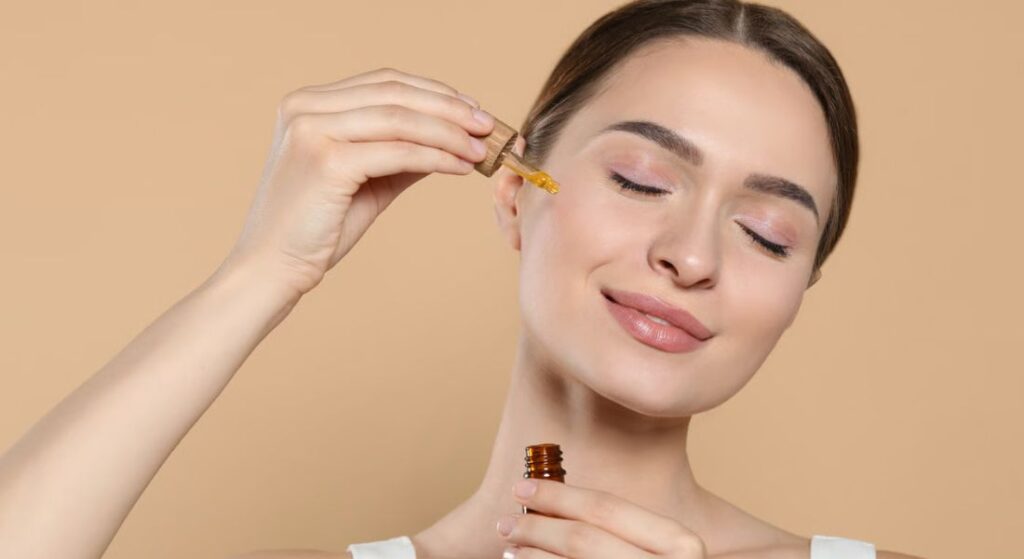
Vitamin C continues to be one of the most widely recommended skincare ingredients because of its powerful antioxidant properties. If you want to protect your skin from everyday environmental damage, adding a vitamin C product to your routine may provide long-term benefits.
Regular use may help brighten your skin tone, support natural collagen production and reduce the visible effects of sun exposure and pollution. You may also notice a more even complexion and healthier-looking skin when vitamin C is used consistently as part of your daily skincare routine.
Choosing a stable formulation is important if you want to achieve the best results. If you are unsure which product is most suitable for your skin, your dermatologist can recommend a formulation that matches your skin type and skincare goals.
Collagen-Stimulating Treatments
Rather than providing only temporary correction, many modern treatments aim to stimulate your body’s natural collagen production. If you are looking for longer-lasting improvements in skin quality, collagen-stimulating treatments may offer a more gradual and natural approach to rejuvenation.
Collagen stimulators continue to grow in popularity because they can help improve your skin’s firmness, texture and overall quality over time. Instead of creating an immediate but short-lived effect, collagen-stimulating treatments may help you maintain a refreshed appearance while supporting gradual improvements over time.
Natural-looking rejuvenation remains a key objective for many people seeking aesthetic treatments. By supporting your skin’s own regenerative processes, collagen-stimulating therapies may help you maintain a refreshed appearance while avoiding results that look overly artificial or exaggerated.
Medical-Grade Skincare
Medical-grade skincare products formulated with clinically studied ingredients continue to gain attention as more people look for evidence-based skincare. If you are trying to improve specific skin concerns, these products may offer more targeted results than many standard cosmetic formulations.
These products are often marketed with higher concentrations of active ingredients or clinically studied formulations and are designed to address concerns such as acne, pigmentation, fine lines and uneven skin texture. Choosing the right formulation for your skin type is important, as stronger ingredients may not be suitable for everyone.
Professional guidance can help you select products that match your skin’s needs and treatment goals. If you are considering medical-grade skincare, your dermatologist can recommend a routine that is both effective and appropriate for your skin while helping you avoid unnecessary irritation or misuse of active ingredients.
Retinoids Continue to Lead
Retinoids remain among the most scientifically supported skincare ingredients and continue to play a leading role in evidence-based skincare. If you want to improve your skin over time, a retinoid may help address several common concerns with one well-studied ingredient.
By encouraging healthy skin cell turnover, retinoids can help improve your skin’s texture, reduce pigmentation, soften fine lines and support the treatment of acne. You may notice gradual improvements with regular use, although results usually develop over several weeks or months.
Consistent use is generally more important than choosing the highest concentration available. If you are new to retinoids, introducing them gradually and following your dermatologist’s advice can help your skin adjust while reducing the risk of irritation and dryness.
UK Safety Note: Retinoids and Pregnancy
Retinol, retinaldehyde, adapalene and tretinoin all belong to the wider retinoid family, but they differ in strength, evidence and regulatory status. Prescription retinoids should only be used as directed, and irritation is common when treatment is started too quickly.
UK safety guidance advises that topical retinoids should not be used during pregnancy and should be avoided when planning a pregnancy. Ask a doctor or pharmacist for individual advice if you are pregnant, breastfeeding or trying to conceive.
Daily Sun Protection
Daily sunscreen remains the single most important anti-ageing skincare habit you can follow. If you want to keep your skin looking healthy over time, protecting it from the sun should be a key part of your daily routine, regardless of the weather or the season.
Protecting your skin from ultraviolet (UV) radiation helps reduce pigmentation, slow premature ageing and lower your risk of developing skin cancer. By applying sunscreen consistently, you can help prevent sun damage before it occurs and support the long-term health of your skin.
No emerging skincare trend can replace the benefits of regular sun protection. If you are investing in skincare products or professional treatments, using a broad-spectrum sunscreen every day will help protect your results and keep your skin healthier for years to come.
Research Insight: Why Daily Sun Protection Still Matters
In a randomised study involving 903 adults, people assigned to daily sunscreen use showed approximately 24% less progression of visible skin ageing over four and a half years than those who used sunscreen only when they felt it was necessary. This does not mean sunscreen can prevent every sign of ageing, but it provides useful evidence that consistent protection can make a meaningful difference over time.
For everyday UK use, choose a sunscreen with at least SPF 30 and good UVA protection, such as a four- or five-star UVA rating. Sunscreen should be used alongside shade, clothing and sensible sun avoidance rather than as permission to remain in strong sunlight for longer.
Simplified Skincare Routines
Many dermatologists now recommend simpler skincare routines instead of using numerous active ingredients at the same time. If you are trying to improve your skin, a consistent routine with a few well-chosen products is often more effective than following complicated trends.
A gentle cleanser, a suitable moisturiser, daily sunscreen and carefully selected active ingredients are usually enough to support healthy skin. By choosing products that match your skin type, you can build a routine that is both effective and easy to maintain over the long term.
Using too many active ingredients at once may increase irritation, dryness and sensitivity without providing additional benefits. If you are unsure which products your skin really needs, your dermatologist can help you create a routine that delivers the best results while keeping your skin healthy and balanced.
Skincare Trends for 2027: Evidence and Caution Guide
| Trend or approach | Current evidence position | Is it worth considering? | Main caution |
| Daily broad-spectrum sunscreen | Strong evidence supports protection against UV damage, skin cancer risk and progression of visible photoageing. | Yes. This remains one of the most valuable foundations of a skincare routine. | Sunscreen should be used alongside shade and protective clothing rather than to extend time in strong sunlight. |
| Gentle cleansing and moisturising | Strongly established as a practical foundation for maintaining hydration and supporting barrier function. | Yes, particularly if your skin is dry, sensitive or affected by irritating active ingredients. | Heavily fragranced or harsh products may still cause irritation despite being marketed as gentle. |
| Barrier-supporting lipids | Ceramides, cholesterol and free fatty acids are important components of the skin barrier. Benefits depend on the complete formulation. | Often worthwhile when the skin is dry, irritated or barrier-impaired. | The presence of one fashionable ingredient does not guarantee that the formulation will repair every barrier problem. |
| Topical retinoids | Strong evidence supports selected retinoids for acne and photoageing, although evidence and potency differ between products. | Often worthwhile when selected appropriately and introduced gradually. | Dryness and irritation are common. Topical retinoids should not be used during pregnancy or when planning pregnancy. |
| Vitamin C products | There is reasonable evidence for antioxidant activity and selected pigmentation or photoageing benefits, but stability and skin penetration vary widely. | May be useful when the formulation is stable, tolerable and suited to your concern. | A high percentage does not automatically mean better results and may increase irritation. |
| Personalised skincare | Matching products to your diagnosis, skin type, tolerance and goals is sensible. | Yes, when personalisation is based on a proper assessment rather than an automated sales questionnaire. | A product recommendation generated from a photograph cannot diagnose a medical skin condition. |
| Microbiome-focused products | The skin microbiome is biologically important, but commercial product evidence remains formulation-specific and is still developing. | Possibly, especially when products are gentle and barrier-supportive. | Terms such as “microbiome-friendly”, “prebiotic” and “postbiotic” do not by themselves prove a clinical benefit. |
| AI skin analysis | AI may quantify or classify visible image features and assist with monitoring in selected settings. | Potentially useful as a support tool. | Performance varies with the algorithm, image quality, skin tone and intended purpose. It must not replace medical diagnosis. |
| Home LED devices | Some individual devices have evidence for selected concerns, but wavelengths, output and protocols differ considerably. | Possibly, after checking the device, evidence and suitability for your concern. | Results from one device cannot be applied to every LED mask. Eye protection and contraindications must be considered. |
| Home radiofrequency or microcurrent devices | Evidence is more limited and device-specific than marketing often suggests. | Approach cautiously and expect subtler results than professional treatment. | Incorrect use may cause irritation, burns or other unwanted effects. Medical implants and certain conditions may affect suitability. |
| Collagen-stimulating procedures | Established procedures may improve selected concerns when performed appropriately, although benefits and risks vary by treatment. | Potentially, following a clinical consultation and realistic discussion of outcomes. | These are medical or aesthetic procedures, not interchangeable skincare products. Complications remain possible. |
| Exosome-based treatments | Early human studies are emerging, but products, sources, processing and delivery methods vary substantially. | Best regarded as experimental rather than routine skincare. | Long-term safety, standardisation, regulation and comparative effectiveness remain uncertain. |
| Stem-cell-derived or regenerative skincare | Laboratory and early clinical research may be promising, but many commercial claims go beyond the available evidence. | Approach cautiously. | “Stem cell”, “growth factor” and “regenerative” are broad terms and do not confirm that a product contains active living cells or produces tissue regeneration. |
| “Medical-grade” skincare | This is commonly a marketing description rather than a defined UK regulatory category. | Judge each product individually. | Higher price, exclusivity or concentration does not guarantee superior safety or effectiveness. |
Avoiding Excessive Exfoliation
Over-exfoliation continues to be one of the most common skincare mistakes. If you are trying to achieve smoother or brighter skin, it can be tempting to exfoliate frequently, but doing so may cause more harm than good.
Using too many exfoliating acids or harsh scrubs can weaken your skin barrier, leading to dryness, redness and increased sensitivity. When your skin barrier becomes damaged, you may also notice irritation, breakouts and discomfort that can take time to improve.
Gentle, controlled exfoliation usually provides better long-term results than aggressive treatments. By choosing the right exfoliating product for your skin type and using it only as recommended, you can keep your skin healthier while reducing the risk of unnecessary irritation.
Social Media Skincare Trends

Social media remains a major source of skincare advice, with new products and routines becoming popular almost overnight. If you are looking for skincare recommendations online, you may find useful tips, but it is important to remember that not every trend is suitable for your skin.
Many viral products and skincare routines gain attention through marketing or personal experiences rather than strong scientific evidence. What works well for someone else may not produce the same results for you, and some trends may even cause irritation or damage if used incorrectly.
It is sensible to evaluate skincare trends critically before introducing them into your routine. If you are unsure whether a product or treatment is appropriate for your skin, seeking advice from a dermatologist can help you make informed decisions based on evidence rather than social media popularity.
Myth vs Fact:
| Myth | Fact |
| A viral skincare product is likely to work for everyone. | Skincare results depend on your skin type, the complete formulation, how the product is used and the concern being treated. Social media popularity does not prove that a product is clinically effective or suitable for your skin. |
| “Medical-grade” automatically means that a product is stronger or more effective. | “Medical-grade” is often a marketing description rather than a recognised UK regulatory category. Product quality depends on its ingredients, formulation, supporting evidence and appropriate use. |
| Using more active ingredients will produce faster results. | Combining several retinoids, exfoliating acids or other strong active ingredients can increase dryness, redness and irritation. A simple routine with carefully selected products is often safer and easier to maintain. |
| AI skin analysis can diagnose acne, pigmentation or skin cancer. | Some AI tools may help identify visible patterns or monitor changes, but their accuracy varies. They cannot replace assessment by a GP or dermatologist when a medical diagnosis is needed. |
| Exosome skincare is already an established anti-ageing treatment. | Exosome-based products and procedures remain an emerging area. Evidence, product standardisation, long-term safety and UK regulatory status require further clarification before these treatments can be considered routine skincare. |
| Expensive skincare products always work better. | Price does not guarantee effectiveness. A reasonably priced product with a suitable, well-formulated ingredient may provide more benefit than a luxury product supported mainly by branding or promotional claims. |
| Every predicted 2027 trend will become established dermatological practice. | The article describes emerging directions based on evidence available in 2026. Some may gain better support, while others may prove ineffective, unsafe or commercially short-lived. |
| A product described as regenerative has been proven to regenerate skin. | “Regenerative” is a broad marketing and scientific term. The precise product, source, mechanism, clinical evidence and regulatory status must be assessed individually. |
At-Home Beauty Devices
At-home beauty devices, including LED masks, radiofrequency tools and microcurrent devices, continue to improve as technology becomes more advanced. If you are looking for convenient ways to support your skincare routine, these devices may offer additional benefits when used correctly and consistently.
Some home-use devices have shown encouraging evidence for selected concerns such as mild signs of ageing, acne or skin texture. However, the results you achieve will depend on the quality of the device, how regularly you use it and whether it is suitable for your particular skin concerns.
Professional treatments generally deliver more predictable and noticeable results because they use higher-powered equipment under expert supervision. If you are considering an at-home device, your dermatologist can help you decide whether it is appropriate for your skin or whether a professional treatment may be a better option.
Sustainable Skincare
Sustainable skincare continues to attract growing interest as more people consider the environmental impact of the products they use. If you are choosing new skincare products, you may also be looking for options that are both effective for your skin and kinder to the environment.
Sustainable packaging, refillable containers and responsibly sourced ingredients are becoming increasingly common across the skincare industry. These developments allow you to support brands that are working to reduce waste while still providing high-quality skincare products.
Environmental responsibility is now an important consideration alongside product performance. By choosing well-formulated products from companies with sustainable practices, you can care for your skin while also making more environmentally conscious purchasing decisions.
Ingredients to Be Cautious About
Not every fashionable skincare ingredient is supported by strong scientific evidence. If you are considering a new product, it is worth looking beyond marketing claims and asking whether the ingredient has been shown to be both safe and effective in well-conducted clinical studies.
Some ingredients become popular through social media, advertising or celebrity endorsements long before enough research is available to confirm their benefits. While a product may work well for some people, it does not necessarily mean it will deliver the same results for you or suit your skin type.
Looking for products supported by well-designed clinical studies can help you make more informed skincare choices. If you are unsure about a particular ingredient or treatment, your dermatologist can help you separate evidence-based options from short-lived trends and recommend products that are appropriate for your skin.
Why Professional Advice Still Matters
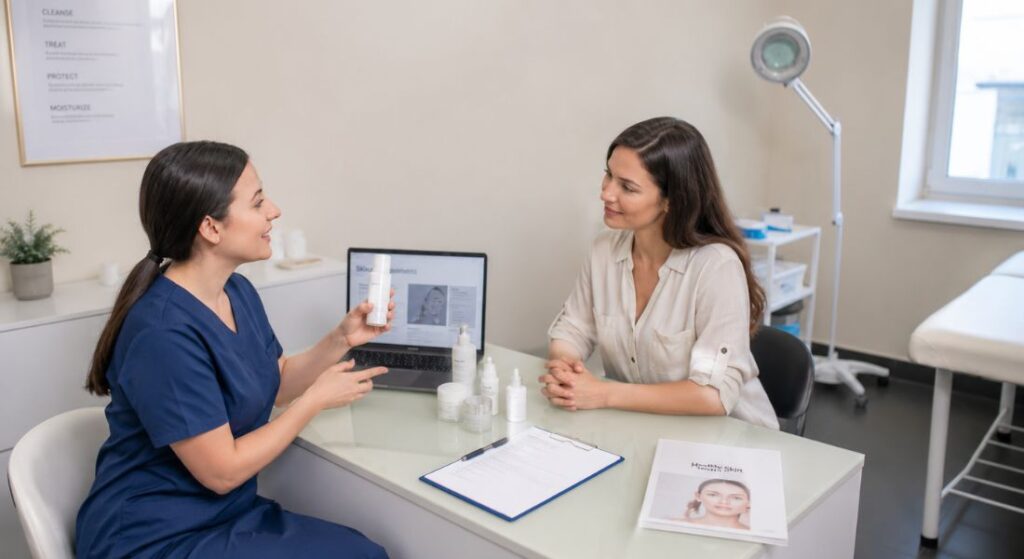
Even with the rapid advances in skincare technology, professional advice remains an essential part of maintaining healthy skin. If you have a persistent skin concern, a qualified dermatologist can assess your symptoms accurately and recommend a treatment plan that is tailored to your individual needs.
Persistent acne, pigmentation, eczema, rosacea, suspicious moles or unexplained rashes should always be assessed by a specialist rather than being treated with over-the-counter products alone. While skincare products may improve some symptoms, they cannot replace a proper medical diagnosis when an underlying skin condition is present.
Early diagnosis often leads to more effective treatment and better long-term outcomes. If you notice changes in your skin that do not improve or continue to worsen, seeking professional advice can help you receive the right treatment sooner and avoid unnecessary complications.
Looking Ahead
Skincare in 2027 is expected to become increasingly personalised, evidence-based and focused on maintaining long-term skin health rather than following short-lived trends. If you are building a skincare routine, choosing products and treatments supported by scientific research is likely to provide more reliable and lasting results than chasing every new trend.
Innovations such as artificial intelligence, regenerative medicine, microbiome research and collagen-stimulating treatments show considerable promise for the future of skincare. As research continues, you may benefit from more personalised approaches that address your skin’s individual needs while improving both effectiveness and safety.
Despite these exciting developments, simple habits remain the foundation of healthy skin. By protecting your skin with daily sunscreen, following a gentle skincare routine and using scientifically proven ingredients, you can support your skin’s long-term health and make informed choices that continue to benefit you well into the future.
Key Takeaways
- Daily sun protection, gentle cleansing, moisturising and carefully selected active ingredients remain more valuable than constantly changing your routine.
- Barrier-supporting products and retinoids have a stronger evidence base than many newer skincare trends, although the right product will depend on your skin and retinoids are not suitable during pregnancy.
- AI tools and at-home devices may be useful in selected situations, but their performance varies and they should not be treated as replacements for professional diagnosis.
- Microbiome products are promising, but evidence is specific to individual formulations rather than the entire product category.
- Exosome and stem-cell-derived skincare should still be regarded as experimental because clinical evidence, standardisation and regulatory clarity remain limited.
- New, changing or persistent skin problems require proper assessment rather than repeated experimentation with viral products or increasingly complex routines.
FAQs:
1. What are the biggest skincare trends expected in 2027?
Some of the biggest skincare trends include personalised skincare, skin barrier repair, AI-assisted skin analysis, microbiome-friendly products, regenerative medicine, collagen-stimulating treatments, and simplified skincare routines. Many of these trends are supported by growing scientific research, while others still require further evidence.
2. Is personalised skincare better than using standard skincare products?
Personalised skincare may provide better results because products and routines are selected according to your skin type, concerns, lifestyle, and environment. However, the quality of the ingredients and consistency of your routine remain just as important as personalisation.
3. Is artificial intelligence replacing dermatologists in skincare?
No. AI can help analyse photographs of your skin and identify possible concerns, but it cannot replace a dermatologist. A qualified specialist is still needed to diagnose skin conditions accurately and recommend appropriate treatment.
4. Why is skin barrier repair receiving so much attention?
A healthy skin barrier helps keep moisture in while protecting your skin from irritants, allergens, and environmental damage. Ingredients such as ceramides, cholesterol, and fatty acids can support barrier function and improve overall skin health.
5. Are microbiome skincare products scientifically proven?
Research into the skin microbiome is promising, but it is still developing. Some microbiome-friendly products may help support healthy skin, although more high-quality clinical studies are needed before their full benefits are understood.
6. Are exosome-based skincare products worth trying?
Exosome technology is an exciting area of regenerative medicine, and researchers are investigating its potential role in skin repair and collagen production. While early findings are encouraging, further clinical research is still needed to confirm its long-term effectiveness and safety.
7. Do I still need sunscreen if I use anti-ageing skincare products?
Yes. Daily sunscreen remains the most important step in protecting your skin from premature ageing, pigmentation, and skin cancer. Even the best anti-ageing ingredients cannot reverse the ongoing damage caused by ultraviolet (UV) exposure without adequate sun protection.
8. Can using too many skincare products damage my skin?
Yes. Using multiple active ingredients at the same time or exfoliating too frequently can weaken your skin barrier and increase irritation, redness, and sensitivity. A simple, consistent routine is often more effective than an overly complicated one.
9. Are at-home skincare devices as effective as professional treatments?
Some home-use devices, such as LED light therapy and microcurrent devices, have shown benefits for selected skin concerns when used correctly. However, professional treatments generally provide stronger, more predictable results because they use more advanced technology and are performed under expert supervision.
10. When should I see a dermatologist instead of trying new skincare trends?
You should seek professional advice if you have persistent acne, rosacea, eczema, unexplained rashes, new or changing moles, severe pigmentation, or skin problems that do not improve with over-the-counter products. A dermatologist can diagnose the underlying cause and recommend treatments supported by clinical evidence.
Final Thoughts: The Future of Skincare in 2027
Skincare in 2027 is expected to focus increasingly on prevention, personalisation and evidence-based approaches rather than chasing every new trend. While innovations such as artificial intelligence, microbiome research, exosome technology and regenerative medicine offer exciting possibilities, many of these areas are still developing and require further research.
The strongest foundations of healthy skin remain simple and consistent habits, including daily sun protection, gentle cleansing, barrier support and scientifically supported ingredients such as retinoids when appropriate. By choosing treatments and products based on reliable evidence rather than marketing claims, you can build a skincare routine that supports your skin’s long-term health. If you’d like to book a consultation with one of our Dermatologist in London, you can contact us at the London Dermatology Centre.
References:
- Villarreal-Gómez, L.J., Origel-Lucio, S., Hernández-Hernández, D.A. and Pérez-González, G.L. (2025) ‘Use of exosomes for cosmetics applications’, Cosmetics, 12(1), article 9. Available at: https://www.mdpi.com/2079-9284/12/1/9
- Chia, J., Carma, A., Alwyn, A., Cho, R., Hill, D.S. and Borrello, M.T. (2026) ‘The skin microbiome revolution: The science and challenges of prebiotics, probiotics, and postbiotics in skincare’, Cosmetics, 13(1), article 43. Available at: https://www.mdpi.com/2079-9284/13/1/43
- Hughes, M.C.B., Williams, G.M., Baker, P. and Green, A.C. (2013) ‘Sunscreen and prevention of skin aging: A randomized trial’, Annals of Internal Medicine, 158(11), pp. 781–790. Available at: https://pubmed.ncbi.nlm.nih.gov/23732711/
- Daneshjou, R., Vodrahalli, K., Novoa, R.A. et al. (2022) ‘Disparities in dermatology AI performance on a diverse, curated clinical image set’, Science Advances, 8(32), article eabq6147. Available at: https://pubmed.ncbi.nlm.nih.gov/35960806/
- Pullar, J.M., Carr, A.C. and Vissers, M.C.M. (2017) ‘The roles of vitamin C in skin health’, Nutrients, 9(8), article 866. Available at: https://pmc.ncbi.nlm.nih.gov/articles/PMC5579659/