


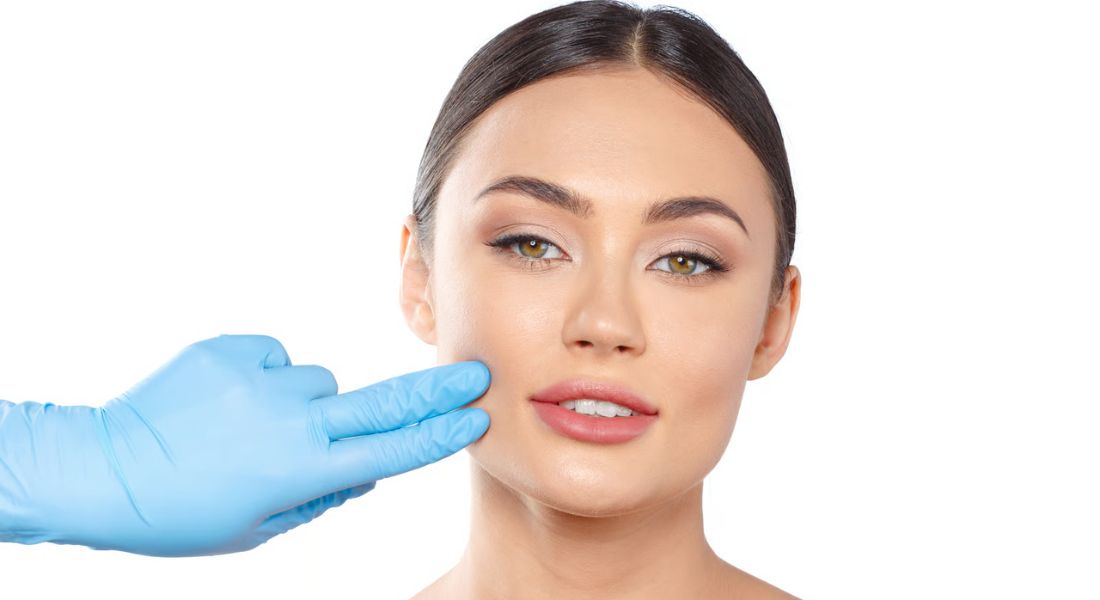
If you are thinking about getting a thread lift, one of the first things you will naturally want to understand is how long the recovery takes and what the healing process actually feels like. It is important that you are clear about this before you decide to go ahead. Recovery is not just about taking time off, it is also about knowing what changes your face will go through step by step.
A thread lift is often described as a “lunchtime lift”, which can make it sound very quick and simple. However, in reality, the healing process happens gradually over a few weeks. You may see an immediate lifting effect, but this is not the final result. Your face continues to settle and improve as the weeks pass.
In this guide, you will be taken through what to expect during recovery in a clear and simple way. This helps you feel more prepared for each stage of healing. The aim is to make sure you understand the process properly so you can feel confident and comfortable with your decision.
What Happens Immediately After a Thread Lift
Right after your thread lift, it is normal for your skin to feel tight, slightly tender, and a little uneven in some areas. You should not be alarmed by this, as it is simply your skin reacting to the threads that have been placed beneath the surface. This is a common part of the early healing stage.
You may also notice mild swelling or a slight “pulled” feeling in your face. This can feel a bit strange at first, but it is usually temporary. In most cases, these effects start to settle within a few days as your skin adjusts.
At this point, it is important not to focus too much on how things look straight away. What you are seeing is not your final result, and your face will continue to change as it heals. Give it time, as the real outcome becomes clearer once the initial swelling goes down.
The First 24 Hours of Recovery
The first 24 hours after a thread lift are the most important stage of recovery, as your body begins the initial healing process. During this time, rest and gentle care play a key role in ensuring a smooth outcome. It is normal to experience mild discomfort as your skin adjusts to the treatment. Proper aftercare during this period can significantly reduce swelling and improve comfort.
- Prioritise rest and limit movement: In the first day, it is important to avoid any unnecessary physical activity. Resting helps your body focus on healing rather than strain or stress. Gentle movements only are recommended to prevent disturbing the treated areas.
- Keep your head elevated: Sleeping or resting with your head slightly raised helps reduce swelling. This position improves blood circulation and prevents fluid build-up around the treated areas. It also supports a more comfortable recovery during the night.
- Manage discomfort with cold compresses: Mild discomfort is common, but it should remain manageable and not severe. Cold compresses can be used to soothe the area and reduce swelling. However, it is important not to apply direct pressure on the treated skin.
- Allow your body to adjust naturally: Your face will feel different as it begins to adapt to the threads. This is a normal part of the healing process and should not cause concern. The first 24 hours simply mark the beginning of your recovery journey.
The first 24 hours after a thread lift set the foundation for a smooth recovery. Taking proper rest, managing swelling, and following simple care steps can make a noticeable difference. While mild discomfort is expected, it usually settles quickly with correct aftercare. This early stage is all about allowing your body to adjust and begin healing naturally.
Swelling and Bruising Timeline
Swelling and bruising are among the most common side effects after a thread lift, and you can expect them to be most noticeable within the first 48-72 hours. This is a normal response from your body as it begins to heal. During this time, the area may look slightly more pronounced than expected, but this is only temporary.
After the initial peak, the swelling and bruising will gradually start to reduce. You will usually notice a steady improvement each day as your skin begins to settle. It is a slow but consistent process, so there is no need to worry if changes do not happen overnight.
Most people see a clear improvement within about one week, although a small amount of swelling can sometimes last a little longer depending on your skin type and healing speed. It is also very normal if one side of your face heals faster than the other, as each side can respond slightly differently.
Pain and Discomfort Expectations
After a thread lift, you should not experience significant pain. Most people find the feeling is more like tightness or pressure rather than real pain. This is a normal part of the healing process as your skin adjusts. It usually feels manageable and not severe.
You may notice mild soreness when you smile, chew, or move your facial muscles. This is expected in the first few days after the procedure. The sensation is generally gentle and gradually improves. It should not stop you from doing light daily activities.
If you feel anything sharp, unusual, or if the discomfort starts getting worse, you should pay attention to it. This is not typical healing and should be checked properly. In such cases, it is best to contact your practitioner for advice. They can make sure everything is healing as it should.
When You Can Return to Work
Most people are able to return to work within 2-5 days after a thread lift. This mainly depends on how noticeable your swelling or bruising is. Everyone heals slightly differently, so your timeline may vary a little. It is usually a fairly quick return for most people.
If your job is non-physical and does not involve a lot of facial movement, you will likely feel ready sooner. Office-based or remote work is often easier to resume quickly. You can usually get back to normal tasks without much difficulty. Just make sure you feel comfortable before returning.
If you work in a client-facing role, you may prefer to give yourself a few extra days. This allows your face more time to look settled and natural. Taking a little longer can help you feel more confident when meeting others. It is all about choosing what feels right for you.
Sleeping Positions After Treatment

Sleeping position plays an important role in your recovery after a thread lift. Many people underestimate its impact, but the way you rest at night can directly affect swelling and healing. Keeping the face stable and supported helps protect the treated areas during the early stage of recovery. A few simple adjustments can make a noticeable difference in your results.
- Sleep on your back with head elevated: It is strongly recommended to sleep on your back for at least 5-7 days after treatment. Keeping your head slightly raised helps reduce swelling and promotes better fluid drainage. This position also prevents unnecessary strain on the treated areas.
- Use extra pillows for support: Elevating your head can be made easier by using one or two extra pillows. This helps maintain a stable position throughout the night. A consistent sleeping angle ensures your face remains undisturbed while healing.
- Avoid side or stomach sleeping: Sleeping on your side or stomach can place pressure on the threads. This may interfere with their settling and affect the final result. It is best to consciously avoid these positions during the early recovery phase.
- Support proper healing and comfort: Good sleeping posture not only protects the threads but also improves comfort. It allows your body to heal without unnecessary disturbance. Maintaining this routine for the first week supports a smoother recovery overall.
Correct sleeping positions are a simple but essential part of post-treatment care. By resting on your back with your head elevated, you help minimise swelling and protect the treated areas. Avoiding pressure on the face ensures the threads settle properly. These small adjustments during sleep can significantly support better healing and results.
Facial Movements You Should Avoid
In the first week after your thread lift, you should avoid exaggerated facial expressions. This includes actions like wide yawning, chewing tough or hard foods, and laughing excessively. These movements can place unnecessary strain on the treated area. It is important to be a little more mindful during this early healing stage.
These kinds of strong movements can affect the threads before they have fully settled and anchored in place. Because of this, they may interfere with the healing process. Being careful at this stage helps support better results. It also reduces the risk of discomfort or uneven healing.
You do not need to keep your face completely still or expressionless. Gentle and natural movement is absolutely fine and expected. The key is to avoid anything too forceful or extreme. This balanced approach helps your skin heal properly while still allowing normal daily activity.
Eating and Drinking Precautions
For the first few days after your thread lift, it is better to stick to softer foods. This helps reduce the amount of chewing your facial muscles need to do. Softer meals are gentler on the treated area and support smoother healing. It also helps you avoid unnecessary discomfort.
You can choose foods like soups, yoghurt, smoothies, and other soft meals. These are easier to eat and do not put strain on your face. Avoid anything that is very hard, crunchy, or overly chewy during this time. This helps prevent extra tension around the threads.
It is also important to stay well hydrated throughout your recovery. Drinking plenty of water supports your body’s natural healing process. Good hydration can also help you feel better overall. Keeping things simple with food and fluids will make recovery more comfortable.
How Threads Settle Under the Skin
Once the threads are placed, they start working immediately to support your facial structure. This gives an early lifting effect right away, although it is not the final result. Your skin begins responding to the treatment straight after the procedure. However, the real changes continue to develop over time.
The settling process happens gradually over several weeks. During this period, the threads integrate with your tissues and become more stable. This is why your face may continue to look different as healing progresses. Patience is important, as the full result does not appear instantly.
Your body also naturally produces collagen around the threads as part of the healing response. This collagen helps strengthen the skin and improve firmness over time. It is one of the key reasons results continue to improve after the initial treatment. The overall effect becomes more natural and refined as weeks pass.
When You Start to See Results
After a thread lift, you may notice an immediate lifting effect, but this is only the beginning of the process. The early change is mainly due to the placement of the threads and initial tissue support. However, the final and more natural-looking outcome takes time to develop. Your skin gradually improves as healing progresses beneath the surface.
- Immediate lifting effect after treatment: Right after the procedure, you will likely see a visible lift in the treated areas. This early result is temporary and mostly linked to the mechanical support from the threads. It gives a preview of the improvement to come.
- Noticeable improvement after 2-4 weeks: Within a few weeks, swelling starts to reduce and the skin begins to settle. This is when results become more refined and natural-looking. The face gradually appears smoother and better contoured during this stage.
- Collagen production enhances results: As the threads stimulate collagen production, skin quality continues to improve. This process helps strengthen and firm the treated areas over time. It is one of the key reasons results look more natural as weeks pass.
- Full results develop over 6-12 weeks: The final outcome is usually seen after 6-12 weeks once healing is complete. By this stage, swelling has fully resolved and collagen support is established. The skin appears tighter, lifted, and more balanced overall.
Thread lift results develop gradually rather than instantly reaching their final stage. While an immediate lift is visible, the true improvement appears over several weeks as swelling reduces and collagen builds. The skin continues to refine and strengthen during this period. With patience, the full effect delivers a natural and long-lasting enhancement.
Exercise Restrictions Timeline
I always recommend that you avoid intense exercise for at least 1-2 weeks after your thread lift. This gives your skin enough time to start healing properly. Pushing yourself too soon can interfere with the early recovery stage. It is best to take things slowly during this period.
Light walking is generally fine and can help with gentle circulation. However, you should avoid anything that significantly increases your heart rate or blood flow. This includes running, gym workouts, and high-intensity training. Even yoga positions that involve inversions should be paused for now.
Avoiding these activities helps reduce the risk of swelling and discomfort. It also supports the threads staying in the correct position while they settle. Giving your body this rest period helps improve overall results. Once healing is more stable, you can gradually return to your normal routine.
Makeup and Skincare After the Procedure

You should avoid applying makeup for at least 24-48 hours after your thread lift. This allows your skin to stay clean and reduces the risk of irritation or infection. It also gives the small entry points in the skin time to close properly. Keeping this short rest period is important for safe healing.
Once your skin has started to settle, you can slowly return to a gentle skincare routine. It is best to keep things light and soothing at first. Avoid anything that feels harsh or heavy on the skin. This helps your skin recover without unnecessary stress.
You should avoid aggressive exfoliation or strong active ingredients for at least a week. This includes products with acids, retinol, or strong scrubs. Your skin needs time to calm down and rebuild its balance. A gentle approach will support better healing and more comfortable recovery.
Signs of Normal Healing
During normal healing after a thread lift, you may notice mild swelling and light bruising. These are common in the first few days and are part of your body’s natural response. You might also feel a sense of tightness in the treated area. All of this is expected and usually improves gradually.
It is also normal to notice slight asymmetry in the early stage. One side of your face may look or feel a little different from the other. This happens because each side heals at its own pace. Over time, this usually balances out as the healing progresses.
You may even notice small dimples or a slightly uneven texture in some areas. These can look concerning at first, but they are typically temporary. As the threads settle under the skin, these changes usually smooth out. They are simply part of your skin adjusting to the treatment.
Warning Signs to Watch For
After a thread lift, most people recover smoothly without any issues. However, it is still important to be aware of warning signs that may indicate something is not healing as expected. Early recognition helps ensure that any concerns are addressed quickly and safely. Paying attention to your body during recovery is always the right approach.
- Increasing pain instead of gradual improvement: Mild discomfort is normal in the first few days, but it should slowly reduce over time. If the pain becomes worse or does not improve, it should not be ignored. This may indicate that the area needs professional review.
- Persistent or severe swelling after several days: Some swelling is expected initially, but it should gradually decrease. If swelling becomes more severe or continues beyond the usual recovery period, it may be a concern. This is a sign that you should consult your practitioner.
- Signs of infection such as redness and warmth: Redness, warmth, or tenderness around the treated area may suggest infection. These symptoms are not typical of normal healing and should be checked promptly. Early treatment helps prevent further complications.
- Trust your instincts and seek advice early: If something feels unusual or “off”, it is always better to get it checked. Waiting too long can sometimes make issues harder to manage. Contacting your practitioner early ensures peace of mind and proper care.
Although complications after a thread lift are rare, being aware of warning signs is essential for safe recovery. Changes such as worsening pain, prolonged swelling, or signs of infection should never be ignored. Acting early and seeking professional advice helps protect your results. Staying attentive ensures a smoother and more confident healing experience.
How Long Threads Last in the Skin
PDO threads typically dissolve within 6-9 months after being placed under the skin. This is a normal part of the treatment process and happens gradually over time. Even though the threads dissolve, they continue to support your skin during the early stages. This helps kick-start the healing and lifting effect.
The lifting results can actually last much longer than the threads themselves. This is because your body produces collagen around the threads while they are in place. Collagen is what helps keep the skin firmer and more lifted. So even after the threads dissolve, the structure they helped create remains.
In many cases, results can last around 12-18 months depending on your skin type. Factors like age and lifestyle habits can also influence how long the effects continue. Good skincare and healthy habits may help extend the results. This is why outcomes can vary from person to person.
Factors That Affect Recovery Speed
Your recovery speed after a thread lift can vary depending on several personal factors. These include your age, skin elasticity, overall health, and how well your body naturally heals. Each person’s skin responds differently to the procedure. This is why recovery timelines are not exactly the same for everyone.
How closely you follow your aftercare instructions also plays a very important role. Taking care of your skin properly in the early days can support smoother and quicker healing. Avoiding strain, following skincare guidance, and resting when needed all make a difference. Good aftercare can noticeably improve your recovery experience.
Lifestyle habits can also affect how quickly you heal. For example, smokers or people with slower healing tendencies may notice that recovery takes a little longer. Your body’s ability to repair itself plays a big role in the overall process. Following proper aftercare consistently helps support the best possible outcome.
Age and Skin Condition Impact
Recovery after a thread lift can vary from person to person, and age along with overall skin condition plays a major role in this. Skin that is healthier and more elastic generally responds more quickly to treatment. However, thread lifts can still be effective across different age groups when expectations are realistic. Understanding how your skin may respond helps you feel more prepared during recovery.
- Younger skin typically heals faster: Younger skin usually contains higher levels of collagen and natural elasticity. This allows the healing process to progress more quickly and smoothly. As a result, swelling may reduce sooner and results may appear earlier.
- Collagen levels influence recovery speed: Collagen plays a key role in skin repair and tightening after treatment. Higher collagen levels support faster tissue recovery and better structural support. This is why skin condition can be just as important as age.
- Thread lifts work well for mature skin too: Even though healing may take a little longer in mature skin, the treatment is still highly effective. The threads continue to stimulate collagen production over time. This leads to gradual but noticeable improvements in firmness and contour.
- Realistic expectations are essential: Every individual heals differently based on their skin type and overall health. Understanding this helps avoid unnecessary concern during recovery. Setting realistic expectations ensures a more positive experience with the results.
Age and skin condition can influence how quickly you recover after a thread lift, but they do not limit the effectiveness of the treatment. Younger skin may heal faster, while mature skin benefits from gradual collagen stimulation over time. The key is understanding your own healing pace. With realistic expectations, both younger and older patients can achieve satisfying, natural-looking results.
Importance of Follow-Up Appointments

Follow-up appointments are an important part of your recovery after a thread lift. They are not just routine visits, but a way to make sure your healing is progressing as expected. Your practitioner will check how the threads are settling under your skin. This helps confirm that everything is healing correctly.
These appointments also allow your practitioner to assess your results as your face continues to settle. Since healing changes over time, this check-in is useful for tracking progress. It also ensures that any minor concerns are picked up early. This adds an extra level of safety and reassurance during recovery.
This is also your chance to ask any questions about your healing or results. You can discuss anything you are unsure about, no matter how small it seems. Getting clear guidance can help you feel more confident during recovery. It ensures you fully understand what to expect in the next stages.
PDO vs Other Threads Recovery
The type of threads used in your treatment can slightly affect how your recovery feels. While all threads work in a similar way, differences in material and thickness can influence how much swelling, tightness, or sensitivity you notice. You may find that some threads feel a bit more noticeable in the first few days. Even so, your overall recovery process is usually quite similar regardless of the type used.
PDO threads are the most commonly used option, and there are good reasons for this. They are considered safe, effective, and naturally dissolve in your body over time. You are likely to find that they offer a more predictable and comfortable recovery experience. This is why many practitioners choose them for facial lifting treatments.
If you are exploring options such as a thread lift in London, you will often see PDO threads recommended for their balance of safety and results. Your practitioner will tailor the treatment based on your facial structure and what you want to achieve. This personalised approach helps make your recovery smoother and more manageable. It also ensures the treatment is suited to your individual needs and expectations.
Tips to Speed Up Healing
You can actively support your recovery by giving your body enough rest after the procedure. Proper rest allows your skin to repair itself more efficiently. Staying well hydrated is also important as it supports natural healing processes. Avoiding alcohol during this period can further help reduce swelling and irritation.
Following your aftercare instructions carefully makes a big difference to how smoothly you heal. These guidelines are designed to protect your results and reduce complications. Even small actions, like being gentle with your face, can support better recovery. Consistency in aftercare is key during the first few days and weeks.
Using cold compresses can help reduce swelling and provide comfort in the early stages. Sleeping on your back is also recommended to avoid pressure on your face. You should try to avoid facial strain such as excessive expressions or pressure on the skin. These simple steps can make your healing process more comfortable and efficient.
Realistic Recovery Timeline Summary
To summarise, most of your visible recovery happens within the first 7-10 days after a thread lift. During this time, swelling and bruising gradually reduce, and your face starts to look more settled. However, internal healing is still continuing beneath the surface. This means your results are still developing even after the early changes fade.
By around 2 weeks, you will generally feel much more like yourself. Most of the tightness and discomfort will have eased, and your day-to-day activities should feel normal again. Any minor swelling or unevenness usually becomes less noticeable at this stage. Overall, you should feel comfortable and confident in your appearance.
By 6 weeks, your results will start to look more refined and natural. This is when the threads have fully integrated and collagen production continues to support the lift. Your facial contours will appear smoother and more balanced. At this point, the outcome is much closer to the final result.
By around 3 months, you will see the full benefit of the treatment. The skin will have fully settled, and the lifting effect will look at its best. Collagen support helps maintain firmness and structure. This is when the final, long-lasting result becomes clear.
FAQs:
1. How long does thread lift recovery take?
Thread lift recovery usually takes a few weeks, but most visible swelling and bruising settle within 7-10 days. Full healing and final results develop gradually over 6-12 weeks.
2. What happens immediately after a thread lift?
Right after treatment, it is normal to feel tightness, mild swelling, and slight tenderness. These effects are temporary and usually start improving within a few days.
3. When does swelling go down after a thread lift?
Swelling is usually highest in the first 48-72 hours. It gradually reduces within a week, although minor swelling may last slightly longer depending on the individual.
4. Is pain normal after a thread lift?
Mild discomfort, tightness, or pressure is normal after the procedure. Severe pain is not expected and should be checked with your practitioner if it occurs.
5. When can I go back to work after a thread lift?
Most people return to work within 2-5 days depending on swelling and bruising. Non-physical or remote jobs usually allow an earlier return.
6. How should I sleep after a thread lift?
You should sleep on your back with your head slightly elevated for at least 5-7 days. This helps reduce swelling and protects the treated areas.
7. When can I exercise again after a thread lift?
Light walking is fine, but intense exercise should be avoided for 1-2 weeks. Strenuous activities can increase swelling and affect healing.
8. When will I see final results?
You may notice an immediate lift, but real improvement develops over time. Final results are usually visible after 6-12 weeks as swelling reduces and collagen builds.
9. How long do thread lift results last?
Results typically last around 12-18 months depending on skin type, age, and lifestyle. PDO threads dissolve in 6-9 months but collagen support continues longer.
10. What are warning signs after a thread lift?
Increasing pain, persistent swelling, or signs of infection like redness and warmth are warning signs. If these occur, you should contact your practitioner immediately.
Final thoughts: How Your Skin Heals After a Thread Lift
Recovery after a thread lift is a gradual process, even though you’ll see an immediate lifting effect right after treatment. Swelling, tightness, and mild bruising are completely normal in the first few days and usually settle within 7-10 days. The skin then continues to refine as collagen develops beneath the surface over the following weeks.
Most people find they feel largely back to normal within around two weeks, although subtle improvements continue well beyond that. The final result typically becomes most visible between 6-12 weeks as everything fully settles and the tissues adapt to the threads. How closely you follow aftercare advice plays a big role in how smooth and comfortable your recovery feels. If you’re considering thread lift in London, you can get in touch with us at London Dermatology Centre.
References:
- Hong, G.-W., Wan, J., Yoon, S.-E., Wong, S. and Yi, K.-H. (2025) Anatomical consideration for double chin thread lifting, 24(6), e70238. https://pubmed.ncbi.nlm.nih.gov/40511636/
- Bhatnagar, A., Rai, R., Kumar, S., Mitra, B., Chopra, A., Singh, G.K., Mitra, D., Patil, C. and Sandhu, S. (2022) Safety and efficacy of restoring facial symmetry using polydioxanone thread face lift technique in patients with facial palsy, 15(2), pp. 26-29. https://pmc.ncbi.nlm.nih.gov/articles/PMC8884188/
- Zhukova, O., Khoroshun, E., Bolshakova, I., Pashkova, A. and Khoroshun, M. (2022) A new complex minimally invasive thread lift method for one-time three-step fixation of the face and neck soft tissues, 15, pp. 713-722. https://pmc.ncbi.nlm.nih.gov/articles/PMC9142270/
- Alghoul, M., Alkhawaldeh, K., Abu-Hammad, S. and Alzoubi, K.H. (2025) Thread lift for facial rejuvenation: A comprehensive review of techniques, outcomes, and complications, 87, 109034. https://www.sciencedirect.com/science/article/pii/S2352587825001342
- Rezaee Khiabanloo, S., Nabie, R. and Aalipour, E. (2020) Outcomes in thread lift for face, neck, and nose; A prospective chart review study with APTOS, 19(11), pp. 2867-2876. https://pubmed.ncbi.nlm.nih.gov/32267994/