


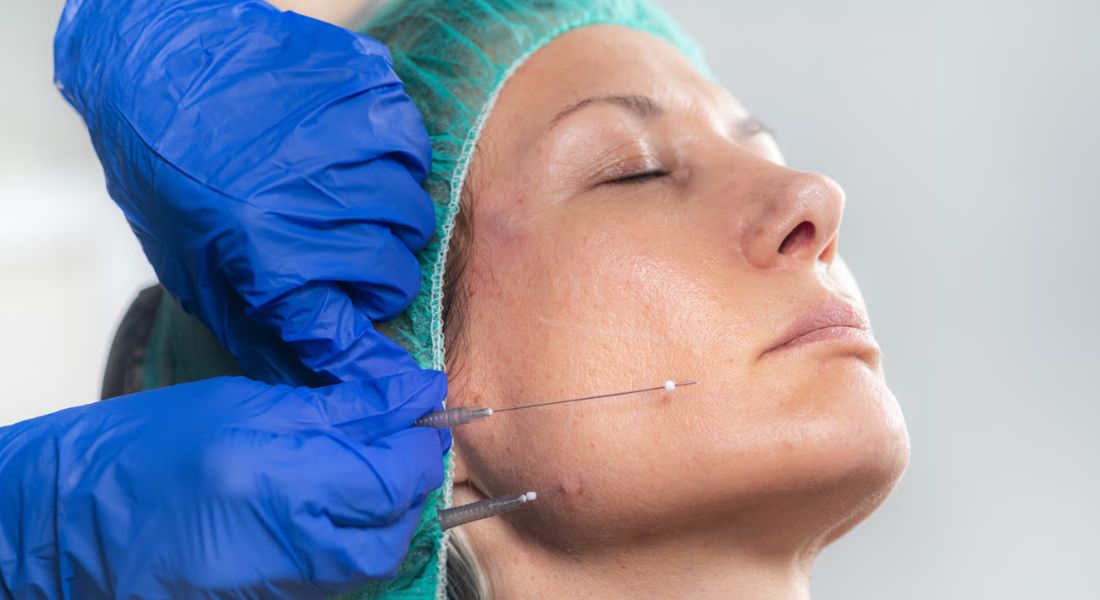
If you are considering a thread lift, you are likely looking for a minimally invasive way to lift and tighten your face without undergoing surgery. It can be an appealing option because it usually involves less downtime and a quicker recovery. However, while it is generally considered safe when performed by a skilled professional, it still comes with certain risks. Understanding these risks helps you make a well-informed and confident decision.
Most side effects associated with a thread lift tend to be mild and temporary, which can make the procedure feel less intimidating. You may experience some swelling, bruising, or slight discomfort shortly after the treatment, but these typically settle within a few days. Knowing what to expect in advance allows you to prepare both physically and mentally. It also helps you distinguish between normal healing signs and symptoms that may require medical attention.
A thread lift is widely used in aesthetic medicine because of its convenience and relatively low recovery time. Even so, the overall safety and success of the procedure depend greatly on how it is performed. The practitioner’s experience, the technique used, and the quality of aftercare all play a crucial role in your results. Paying attention to these factors can significantly improve both your safety and satisfaction with the outcome.
Common Side Effects After Treatment
After a thread lift, you can expect to notice some mild swelling, which is a common and normal response. This swelling usually appears within the first few days after the procedure and then gradually subsides on its own. It is simply part of your body’s natural healing process as it adjusts to the threads. In most cases, it does not require any special treatment and settles without complications.
You may also experience some bruising around the treated areas, which can vary from person to person. This often depends on your skin sensitivity as well as the technique used during the procedure. While it may look concerning at first, it is generally harmless and fades over time. Most bruising tends to resolve within one to two weeks.
In addition, you might feel a sense of mild tightness or tenderness in the treated areas. This is a normal sensation as the threads begin to settle into place beneath your skin. It can feel slightly unusual at first, but it typically becomes more comfortable over time. In most cases, this discomfort is temporary and easy to manage.
Mild Pain and Discomfort
After the treatment, some patients may notice a mild level of discomfort. This is often described as a pulling or tight sensation in the treated area, especially when moving facial muscles. The feeling can be slightly more noticeable during everyday expressions such as smiling or speaking. However, it is generally manageable and part of the normal recovery process.
- Sensation of Tightness: Patients commonly report a feeling of tightness or slight pulling in the skin. This occurs because the threads are adjusting and supporting the tissue beneath the surface. The sensation is temporary and tends to ease as the skin settles into its new position.
- Minimal Pain Levels: Pain following the procedure is usually very mild and does not interfere with daily activities. Most individuals find that the discomfort does not escalate beyond a tolerable level. Strong pain medication is rarely required in such cases.
- Use of Basic Pain Relief: If needed, over-the-counter pain relief can help manage any lingering discomfort. Simple options are often enough to provide relief without the need for prescription medication. This makes the recovery process more convenient and less stressful.
- Quick Improvement During Healing: Discomfort gradually decreases as the healing process progresses. Within a few days, most patients begin to feel significantly more comfortable. Recovery is typically smooth, allowing individuals to return to normal routines quite quickly.
In conclusion, mild pain and discomfort after the treatment are expected but usually short-lived. The sensations are manageable and tend to improve steadily over time. With minimal care and, if necessary, basic pain relief, most patients recover without difficulty. Overall, the experience is considered straightforward and well-tolerated by the majority of individuals.
Swelling and Inflammation
Swelling is one of the most common reactions you may notice after a thread lift. It happens as your skin responds to the placement of the threads beneath the surface. This reaction is expected and forms part of the natural healing process. In most cases, it is temporary and gradually improves on its own.
The level of swelling can vary from person to person, depending on how your body responds. You might notice only slight puffiness, or you may experience more visible swelling in the treated areas. Both responses are considered normal and usually do not indicate any problem. The key is to monitor how it changes over the first few days.
Following the recommended aftercare instructions can help reduce swelling more quickly. Simple steps, such as keeping your head elevated while sleeping and avoiding pressure on your face, can make a noticeable difference. Being gentle with your skin during this period also supports proper healing. In most cases, the swelling settles within a few days.
Bruising and Skin Discolouration
Bruising can occur when small blood vessels are affected during the treatment process. This is more likely if you have sensitive skin or if the threads are placed in areas where the tissue is thinner. Although it may look concerning at first, it is generally a normal response. In most cases, it is not a cause for concern and resolves on its own.
The appearance of bruising can vary depending on how your body reacts. You might notice light discolouration, or in some cases, slightly darker or more visible marks. Both are considered normal and part of the healing process. Over time, the colour gradually fades as your skin recovers.
You can usually apply make-up after a short period, as advised by your practitioner. This can help you conceal any visible bruising while your skin heals. It allows you to feel more comfortable during recovery without interfering with the results. Using gentle products is often recommended to avoid irritation.
Thread Visibility or Palpability
In some cases, you may be able to feel the threads slightly under your skin after the procedure. This can happen if your skin is thinner or if there is still some swelling in the treated area. While it may feel unusual at first, it is generally not a cause for concern. As healing progresses and the swelling reduces, this sensation usually improves.
On rare occasions, the threads may become slightly visible beneath the skin. This is more likely if they have been placed too close to the surface. However, when the procedure is performed with proper technique, this risk is significantly reduced. Choosing an experienced practitioner plays an important role in preventing this issue.
If you do notice any visibility or persistent discomfort, you should consult your practitioner for an assessment. They can examine the area and determine whether any small adjustments are needed. In some cases, minor corrections may be possible to improve the result. Most situations tend to resolve naturally as your skin continues to heal.
Asymmetry After Treatment
After the treatment, some patients may notice slight asymmetry in their facial appearance. This is usually temporary and occurs during the early stages of healing when the tissues are still adjusting. Swelling can affect one side more than the other, which may make the results look uneven at first. Although this can be concerning, it is generally a normal part of the recovery process.
- Uneven Swelling Effects: Swelling does not always develop evenly across both sides of the face. One side may appear slightly fuller or more lifted than the other in the initial days. This imbalance is typically due to natural variations in how the body responds to the procedure.
- Early Healing Phase Changes: During the early healing phase, the threads and surrounding tissues are still settling into place. This can temporarily affect the overall balance of the face. As the tissues adapt, the appearance gradually becomes more even.
- Improvement Over Time: As healing progresses, swelling begins to reduce and the threads integrate with the skin. This helps restore a more symmetrical look to the face. Most patients notice steady improvement within a short period.
- When to Consider Review: If the asymmetry does not improve over time, it can be assessed by the practitioner. In some cases, minor adjustments may be suggested to refine the results. However, most instances resolve naturally without the need for any intervention.
In conclusion, temporary asymmetry after treatment is a common and usually harmless occurrence. It is mainly caused by uneven swelling and the natural healing process. As the face settles, symmetry typically returns without any additional steps. Overall, patience during recovery is key, as most cases improve on their own.
Infection Risk
Infection is a rare but possible risk that you should be aware of when considering a thread lift. It can occur if bacteria enter the treated area during or after the procedure. However, this risk is significantly reduced when proper hygiene standards and sterile techniques are followed. Choosing a qualified and experienced practitioner plays an important role in keeping this risk low.
You should watch for signs that may indicate an infection, as early awareness is important. Symptoms can include redness, warmth, swelling that worsens, or increasing pain in the treated area. If you notice any of these changes, it is important to seek medical attention promptly. Early treatment helps prevent complications and supports quicker recovery.
Following your aftercare instructions carefully can help you reduce the risk of infection. Avoid touching or disturbing the treated area unless necessary, as this can introduce bacteria. Keeping the area clean and protected is essential during the healing phase. With proper care, your skin can heal safely and effectively.
Thread Migration
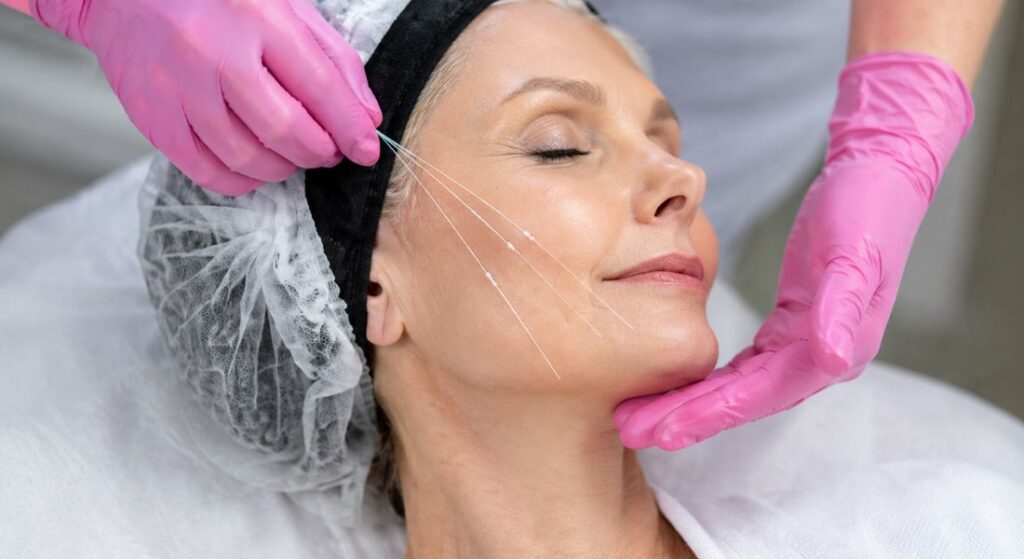
Thread migration refers to the movement of the threads away from their original placement under your skin. This is uncommon, but it can happen in rare cases and may affect the overall lifting result. While it may sound concerning, it is not something most people experience. Understanding it helps you take the right precautions during recovery.
Migration can occur if there is trauma to the treated area or if there is excessive facial movement too soon after the procedure. This is why following your aftercare instructions carefully is so important. Limiting pressure on your face and avoiding exaggerated expressions can help keep the threads stable. Giving your skin time to heal properly supports better results.
If you suspect that thread migration has occurred, you should consult your practitioner for an assessment. They can evaluate the area and determine whether any correction is needed. In some cases, minor adjustments may be possible to improve the outcome. Focusing on prevention during the healing phase is the most effective approach.
Thread Breakage
Threads used in a thread lift are designed to be both flexible and strong, allowing them to support the skin while adapting to natural movement. However, in rare cases, a thread may break after the procedure. When this happens, it can reduce the lifting effect in the specific area where the breakage has occurred. Although this may sound concerning, it is not something that commonly happens.
Breakage is more likely if there is excessive pressure on the treated area or too much movement during the early healing phase. This is why following aftercare guidance carefully is important for maintaining the results. When the procedure is carried out with proper technique, the risk of breakage remains very low. In most cases, the threads stay intact and function as intended.
If a thread does break, it may slightly affect the overall outcome, depending on the area involved. You should consult your practitioner so they can assess the situation properly. They can advise whether any additional treatment or adjustment is needed. Overall, this is an uncommon issue and can often be managed effectively if it occurs.
Skin Irregularities or Dimpling
After the treatment, some patients may notice slight skin irregularities such as dimpling. This can happen when the threads pull the skin unevenly during the early stages of healing. The appearance may seem more noticeable initially, especially in certain lighting or facial movements. However, this is usually temporary and part of the normal adjustment process.
- Cause of Dimpling: Dimpling often occurs due to uneven tension created by the threads beneath the skin. As the threads lift and support the tissue, small indentations may form on the surface. This is a common response while the skin is adapting to the new structure.
- Impact of Early Healing: During the early healing phase, swelling and tissue adjustment can make irregularities more visible. The skin has not yet fully settled, which can temporarily affect its smoothness. These changes are typically short-term and improve as healing continues.
- Gradual Smoothing Over Time: As swelling reduces, the skin begins to even out naturally. The tissues adjust around the threads, leading to a smoother and more balanced appearance. Time plays an important role in allowing the skin to return to normal.
- When Correction May Be Needed: If dimpling does not improve, it can be addressed during follow-up appointments. Minor corrections may be considered to refine the results if necessary. However, most cases resolve on their own without any additional treatment.
In conclusion, skin irregularities or dimpling after treatment are generally temporary and part of the healing process. They are often caused by initial tension and swelling in the treated area. As the skin adjusts and healing progresses, these effects typically fade. Most patients experience natural improvement without needing further intervention.
Allergic Reactions
Allergic reactions to thread materials are extremely rare, which can be reassuring if you are considering this treatment. The threads used are typically biocompatible and designed to be safely absorbed by your body over time. This means they are well tolerated in most cases and unlikely to cause a reaction. As a result, the overall risk remains very low.
If an allergic reaction does occur, you may notice symptoms such as redness, irritation, or sensitivity in the treated area. While these signs are uncommon, they should not be ignored. It is important to have them assessed by your practitioner as soon as possible. Early management helps prevent further discomfort and supports proper healing.
A thorough pre-treatment assessment helps reduce this risk even further. Your practitioner will review your medical history and check for any known sensitivities before proceeding. This step ensures that the treatment is suitable for you. Careful safety screening is an essential part of the process.
Nerve Irritation
Temporary nerve irritation can occur in rare cases after a thread lift. You may notice mild numbness, tingling, or a slightly altered sensation in the treated area. While this can feel unusual, it is usually not a cause for concern. In most cases, it resolves on its own as your skin heals.
This can happen because small nerves may be slightly affected during the placement of the threads. The impact is typically minimal and does not cause lasting harm. As your body recovers, normal sensation gradually returns. This process may take a little time, but it improves steadily.
Persistent nerve issues are extremely uncommon, especially when the procedure is performed correctly. Choosing a skilled and experienced practitioner significantly reduces this risk. If any symptoms last longer than expected, it is important to seek professional advice. Most people recover fully without any long-term effects.
Prolonged Swelling or Healing Delay
In some cases, you may notice that your healing process takes a little longer than expected after a thread lift. This can depend on several factors, including your age, skin type, and overall lifestyle. Habits such as smoking or conditions that affect circulation can also slow down recovery. These variations are normal and simply reflect how your body responds to treatment.
Prolonged swelling does not usually indicate a serious problem, even if it lasts longer than anticipated. It often means that your body is taking more time to heal and adjust. While it may feel concerning, it is typically part of a slower but still healthy recovery process. Keeping an eye on your symptoms can help you stay reassured.
If you feel that your healing is delayed, it is always a good idea to consult your practitioner. They can assess your progress and ensure everything is healing as expected. In some cases, they may suggest supportive care to aid recovery. Most situations improve naturally with time and proper care.
Overcorrection or Tight Appearance
In some cases, the skin may appear overly tight immediately after the treatment. This is usually due to swelling or the early stage of tissue adjustment as the threads begin to settle. The face may look slightly over-lifted or firm at first, which can feel unusual. However, this effect is generally temporary and improves as healing progresses.
- Initial Tightness After Treatment: The skin may feel and look tighter than expected in the beginning. This happens because the threads are actively lifting and supporting the tissues. It is a normal early response and not usually a cause for concern.
- Effect of Swelling and Adjustment: Swelling can exaggerate the tight or overcorrected appearance during the first few days. As the tissues adapt to the threads, the facial contours may temporarily seem more pronounced. This stage is part of the natural healing process.
- Gradual Softening Over Time: As swelling reduces and the tissues settle, the appearance becomes softer and more natural. The skin adjusts to its new position, creating a more balanced look. Most patients notice steady improvement within a short period.
- When Reassessment Is Needed: If the tight appearance remains for longer than expected, it can be reviewed by a practitioner. In rare cases, minor adjustments may be considered to refine the outcome. However, healing alone is usually enough to resolve the concern.
In conclusion, an overcorrected or tight appearance after treatment is typically a temporary phase. It is mainly caused by swelling and the early positioning of the threads. As the healing process continues, the skin softens and settles into a more natural look. Most cases improve without any need for further intervention.
Underwhelming Results
While not a physical side effect, you may feel that the results of a thread lift are more subtle than expected. This is often linked to expectations rather than any complication with the procedure itself. Thread lifts are designed to provide a natural-looking enhancement rather than a dramatic transformation. Understanding this from the start can help you feel more satisfied with the outcome.
The degree of lift you achieve can depend on your skin condition and the level of sagging present. If your skin shows more advanced laxity, the results may be less noticeable compared to someone with mild to moderate concerns. This does not mean the treatment has failed, but rather that its effects have limits. Discussing these factors with your practitioner beforehand is important.
Having a clear understanding of what a thread lift can and cannot achieve helps prevent disappointment. When your expectations are realistic, you are more likely to appreciate the subtle improvements it provides. Open communication with your practitioner plays a key role in this process. Clarity before treatment often leads to greater overall satisfaction.
Importance of Practitioner Skill
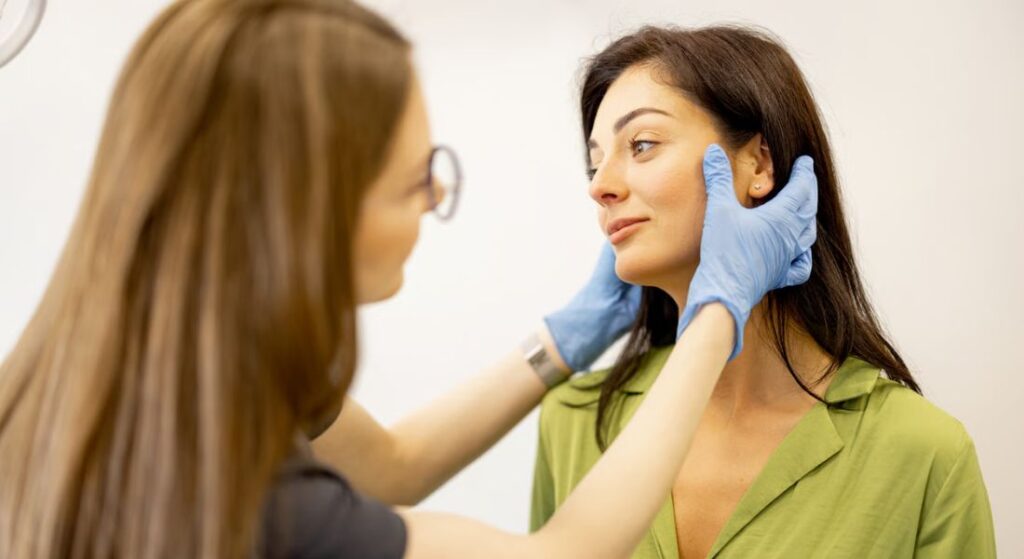
Many of the risks associated with a thread lift can be significantly reduced when you choose an experienced practitioner. Proper placement of the threads and the technique used during the procedure are essential for both safety and effectiveness. These factors directly influence how natural your results look and how smoothly your recovery progresses. In skilled hands, the procedure is far more predictable and controlled.
Incorrect placement or poor technique can increase the likelihood of complications. You may experience uneven results, discomfort, or issues such as visible threads if the procedure is not performed correctly. This is why training, precision, and a strong understanding of facial anatomy are so important. The practitioner’s skill level plays a key role in avoiding these problems.
Choosing a qualified and reputable provider is one of the most important decisions you will make. It affects every stage of your treatment, from consultation to aftercare. Taking time to research credentials and experience can make a meaningful difference. In most cases, higher expertise leads to safer procedures and better overall results.
Role of Aftercare in Reducing Risks
Aftercare plays a major role in how well you recover after a thread lift. Following the instructions given by your practitioner helps reduce the risk of complications and supports smoother healing. It also contributes to achieving better and more stable results. Taking this stage seriously can make a noticeable difference in your overall outcome.
You are usually advised to avoid placing pressure on your face, especially during the early healing period. Limiting excessive facial movements, such as wide expressions or heavy chewing, is also important. These precautions allow the threads to settle properly beneath your skin. Giving your face time to adjust helps maintain the intended lift.
Good aftercare supports higher-quality healing and reduces the chances of unwanted side effects. You may notice that recovery feels more comfortable when you follow the recommended guidelines closely. Small actions during this period can have a lasting impact on your results. Consistency and compliance are essential for the best possible outcome.
Managing Expectations for Safety and Results
Understanding the potential risks of a thread lift helps you make more informed and confident decisions. While the procedure is generally considered safe when performed correctly, it is important to remember that no treatment is entirely risk-free. Being aware of both the benefits and possible drawbacks allows you to approach it with clarity. This balanced understanding supports a safer and more positive experience.
Balancing your expectations is an important part of the process. You should have a clear idea of what the treatment can achieve, as well as its limitations. Thread lifts are designed to provide subtle, natural-looking improvements rather than dramatic changes. When your expectations align with reality, you are more likely to feel satisfied with the results.
A thorough consultation plays a key role in setting these expectations. It gives you the opportunity to ask questions and discuss any concerns you may have. Your practitioner can explain the procedure in detail and assess whether it is suitable for you. Having the right information helps you feel confident and make better decisions moving forward.
When to Seek Medical Advice

After treatment, it is important to monitor your recovery and be aware of any unusual changes. While most side effects are mild and expected, certain symptoms may require medical attention. Increasing pain, swelling, or redness can sometimes indicate a complication rather than normal healing. Seeking advice early helps ensure any concerns are properly assessed and managed.
- Signs of Possible Complications: Symptoms such as worsening pain, persistent swelling, or spreading redness should not be ignored. These may suggest infection or other complications that need attention. Early recognition makes treatment more effective and reduces risks.
- Difference Between Normal and Unusual Symptoms: Mild discomfort and slight swelling are common after treatment and usually improve within a few days. However, symptoms that intensify or do not settle as expected may not be part of normal healing. Paying attention to these differences is important for your safety.
- Importance of Professional Review: Consulting a qualified practitioner ensures that any issues are correctly diagnosed. They can provide guidance, reassurance, or treatment if needed. Professional evaluation helps avoid unnecessary worry and supports a smooth recovery.
- Acting Promptly for Better Outcomes: Quick communication with your provider can prevent minor concerns from becoming more serious. Early action allows for simple and effective management. This approach helps maintain both safety and treatment results.
In conclusion, knowing when to seek medical advice is an essential part of the recovery process. Although most side effects are temporary, unusual or worsening symptoms should always be taken seriously. Prompt consultation ensures proper care and peace of mind. Overall, prioritising safety helps achieve the best possible outcome.
How Risks Compare to Surgical Options
Thread lifts generally carry fewer risks than surgical facelifts, which is one of the reasons they appeal to many patients. As a minimally invasive procedure, they involve less disruption to the skin and underlying tissues. You can usually expect a shorter recovery period and fewer complications compared to surgery. This makes them a suitable option if you are looking for a quicker and less intensive treatment.
However, surgical facelifts tend to provide longer-lasting and more dramatic results. They involve a more complex procedure, often requiring anaesthesia and a longer healing period. With this increased complexity comes a higher level of risk and commitment. It is important to weigh these factors carefully before making a decision.
Your choice should depend on your personal priorities and what you hope to achieve. You need to consider aspects such as safety, downtime, and how long you want the results to last. Each option offers its own set of advantages and limitations. Understanding your goals will help you choose the approach that suits you best.
FAQs:
1. What are the most common side effects of a thread lift?
The most common side effects you may notice include mild swelling, bruising, and tenderness around the treated areas. These are completely normal and part of your body’s natural healing response. They usually settle within a few days to two weeks.
2. Is a thread lift painful?
You should not experience significant pain during the procedure as it is carried out under local anaesthetic. After treatment, you may feel mild tightness or a pulling sensation, but this typically improves within a few days. Most people find any discomfort very manageable.
3. How long does swelling last after a thread lift?
Swelling is usually most noticeable in the first few days after treatment. For most people, it gradually improves within a week, although mild puffiness can sometimes last a little longer. Following aftercare advice helps speed up recovery.
4. Is bruising normal after a thread lift?
Yes, bruising is a normal side effect and happens when small blood vessels are affected during treatment. It can vary from mild discolouration to more visible marks depending on your skin sensitivity. Most bruising fades naturally within one to two weeks.
5. Can threads be felt under the skin?
In some cases, you may feel slight tightness or notice the threads under the skin during early healing. This is usually temporary and improves as swelling reduces and the threads settle. If anything feels unusual long-term, your practitioner can assess it.
6. What is the risk of infection after a thread lift?
Infection is very rare but still a possible risk with any skin procedure. You might notice signs such as increasing redness, warmth, or pain if it occurs. Following proper aftercare instructions significantly reduces this risk.
7. Can a thread lift result in asymmetry?
Yes, you may notice temporary asymmetry due to uneven swelling on each side of the face. This is common in early healing and usually corrects itself as the swelling settles. If it continues, your practitioner can review it.
8. How safe is a thread lift overall?
A thread lift is generally considered safe when performed by an experienced and qualified practitioner. Most side effects are mild and temporary, such as swelling or bruising. Serious complications are uncommon but can be reduced with proper technique and aftercare.
9. What should you avoid after a thread lift?
You should avoid excessive facial movements, pressure on the treated areas, and vigorous exercise for a short period. This helps the threads settle properly and reduces the risk of complications. Your practitioner will give you specific aftercare instructions.
10. When should you contact a doctor after a thread lift?
You should contact your practitioner if you notice increasing pain, worsening swelling, redness, or any unusual symptoms. While most side effects are mild, it’s always better to get checked if something doesn’t feel right. Early advice ensures safe recovery.
Final Thoughts: Understanding Thread Lift Risks and Safe Decision-Making
A thread lift is a minimally invasive procedure that can offer noticeable yet natural-looking facial lifting, but it is important to understand that it still comes with potential risks and side effects. Most people experience only mild and temporary issues such as swelling, bruising, tightness, or slight discomfort, which typically settle within a short recovery period. More uncommon complications like infection, thread movement, or asymmetry are rare and can usually be minimised by choosing a skilled practitioner and following proper aftercare instructions.
Ultimately, the success and safety of a thread lift depend not only on the procedure itself but also on your expectations, the expertise of your practitioner, and how well you care for your skin during recovery. When you approach the treatment with realistic expectations and a clear understanding of what it can achieve, the results are far more likely to feel satisfying and balanced. If you’re considering thread lift in London, contact us at London Dermatology Centre to book a consultation with one of our specialists.
References:
- Park, S.Y., Wan, J., Yoon, S.E., Kim, S.B. and Yi, K.H. (2025) Facial thread lifting complications: Underlying causes, Journal of Craniofacial Surgery, 36(2), pp. 547–552. Available at: https://pubmed.ncbi.nlm.nih.gov/39787499/
- Hong, G.-W., Wan, J., Yoon, S.-E., Wong, S. and Yi, K.-H. (2025) Pre- and post-procedural considerations and thread types for thread lifting, Life, 15(1), 85. Available at: https://www.mdpi.com/2075-1729/15/1/85
- Pham, C.T., Chu, S., Foulad, D.P. and Mesinkovska, N.A. (2021) Safety profile of thread lifts on the face and neck: An evidence-based systematic review, Dermatologic Surgery, 47(11), pp. 1460–1465. Available at: https://pubmed.ncbi.nlm.nih.gov/34699439/
- De Vita, R. et al. (2025) Evolution of thread lifting: Advancing toward bioactive polymers and sustained hyaluronic acid delivery, Cosmetics, 12(3), 127. Available at: https://www.mdpi.com/2079-9284/12/3/127/
- Complications of thread lift about skin dimpling and thread extrusion, Dermatologic Therapy, 33(4), e13446. Available at: https://pmc.ncbi.nlm.nih.gov/articles/PMC7507174/