



Breastfeeding is a natural and important phase after childbirth, but it also brings a new set of hormonal and physiological changes that can affect your skin. As your body adjusts to lactation, hormone levels shift again, influencing hydration, oil production, and even how your immune system responds. These changes can lead to new skin concerns or trigger flare-ups of existing conditions.
If you notice your skin behaving differently while breastfeeding, you’re not alone. Many women experience dryness, increased sensitivity, pigmentation changes, or worsening of conditions such as eczema during this time. While these changes are usually temporary, they can still feel uncomfortable or unexpected.
In this article, you’ll explore how breastfeeding affects your skin, why these changes happen, and how dermatologists manage these concerns safely during lactation. Understanding these patterns helps you take a more confident and informed approach to your skincare, while keeping both your health and your baby’s safety in mind.
Hormonal Changes During Lactation
During breastfeeding, your hormone levels shift again to support milk production. Oestrogen levels remain lower than usual, while prolactin increases. These changes directly affect how your skin functions, including its hydration levels and oil balance, which is why your skin may behave differently compared to during pregnancy.
Lower oestrogen can reduce your skin’s ability to retain moisture. As a result, you may notice dryness, tightness, or a rougher texture. Some people also find that their skin becomes more sensitive and reactive during this phase.
These hormonal adjustments are a normal part of the postpartum process. As your body gradually stabilises, your skin often begins to improve as well. Understanding this transition helps you make sense of these temporary changes and manage them more effectively.
Skin Dryness and Dehydration
Dry skin is one of the most common concerns you may notice while breastfeeding. Lower oestrogen levels can weaken your skin barrier, making it harder for your skin to retain moisture. As a result, you might experience flaking, a rough texture, or increased irritation.
Dehydration can also affect how your skin feels. Since your body uses extra water to produce breast milk, overall hydration may drop if you’re not replenishing fluids adequately. Staying well-hydrated is especially important during this time to support both your skin and overall health.
Using moisturising skincare products can help restore balance and improve comfort. Dermatologists often recommend gentle, hydrating formulations that support your skin barrier. Consistent care, along with adequate fluid intake, helps keep your skin healthier during this phase.
Increased Skin Sensitivity
Many women notice that their skin becomes more sensitive during breastfeeding. A temporarily weakened skin barrier can make your skin more reactive to environmental factors and even everyday skincare products. This may lead to redness, irritation, or a general feeling of discomfort.
You might find that products you previously used without any issues now cause stinging or irritation. Ingredients such as fragrance, exfoliating acids, or strong actives can become harder for your skin to tolerate. These changes are usually temporary and improve as your body readjusts.
Switching to a gentle, minimal skincare routine can help calm your skin. Dermatologists often recommend focusing on soothing and barrier-supporting products during this time. Protecting your skin barrier is key to reducing sensitivity and supporting recovery.
Eczema and Dermatitis Flare-Ups
During breastfeeding, you may notice that existing skin conditions such as eczema or dermatitis become more active. Hormonal shifts and ongoing immune system changes can trigger flare-ups during this period. In addition, stress and disrupted sleep both common after childbirth can make symptoms feel more intense or harder to manage. These flare-ups can be uncomfortable, but recognising the signs early helps you take the right steps to control them.
- Common symptoms to look out for: You may experience itching, redness, dryness, or inflamed patches of skin. The affected areas can feel irritated, sensitive, or even sore. These symptoms may appear in familiar areas or sometimes develop in new locations.
- Hormonal and lifestyle influences: Hormonal changes during breastfeeding can affect your skin’s barrier and immune response. At the same time, lack of sleep and increased stress can weaken the skin’s ability to protect itself. Together, these factors can trigger or worsen flare-ups.
- Managing triggers effectively: Identifying and avoiding triggers is key to controlling symptoms. Triggers may include harsh skincare products, certain fabrics, temperature changes, or prolonged dryness. Keeping your routine simple and consistent can help reduce irritation.
- Safe treatment and skincare during breastfeeding: Dermatologists can recommend treatments that are safe to use while breastfeeding. Gentle skincare, regular moisturisation, and prescribed treatments when needed can help calm inflammation. Early intervention can make flare-ups easier to control and improve comfort.
Although flare-ups can feel frustrating, they are often manageable with the right approach. With consistent care and appropriate treatment, you can keep your skin more stable and comfortable during the breastfeeding period.
Acne During Breastfeeding
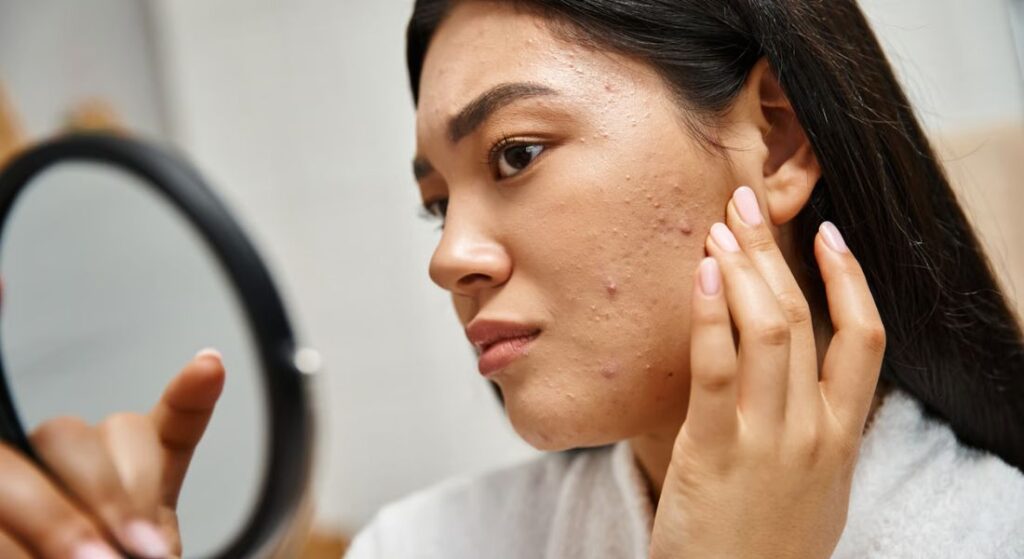
Some women experience acne while breastfeeding due to ongoing hormonal imbalance. Increased androgen activity can stimulate oil production, which may lead to clogged pores and breakouts. This shift can make your skin feel oilier than usual.
These breakouts often appear around the lower face and jawline, which is typical of hormonal acne. You may also find that these spots are more persistent or inflamed compared to other types of acne. Inflammation plays a key role in how severe the breakouts become.
Treatment during lactation needs to be chosen carefully to ensure safety. Dermatologists usually recommend gentle, breastfeeding-safe topical treatments when needed. Managing excess oil and reducing inflammation can help improve your skin while keeping your care routine safe.
Pigmentation Changes During Lactation
Pigmentation changes that developed during pregnancy can continue while you are breastfeeding. Conditions such as melasma may remain visible, as hormonal fluctuations during lactation still influence how pigment is produced in your skin. This means uneven patches or darkened areas may take longer to fade.
Sun exposure can make pigmentation more noticeable and persistent. Even brief exposure can deepen existing patches, so consistent use of a broad-spectrum sunscreen is essential. Protecting your skin from UV light plays a key role in supporting gradual improvement.
Dermatologists may recommend treatment options that are safe during breastfeeding to help even out your skin tone. These approaches are usually gentle and focus on gradual results rather than quick fixes. Patience and consistency are important, as pigmentation often improves slowly over time.
Changes in Oil Production
Hormonal fluctuations can influence how much oil your skin produces, especially during periods such as pregnancy, postpartum recovery, or breastfeeding. You may notice that your skin becomes oilier at times, while at other points it may feel dry or tight. These shifts are normal, but they can affect how your skin looks and behaves from day to day. Understanding these changes can help you adjust your skincare routine more effectively.
- Increased oil production and breakouts: When your skin produces more oil, it can lead to a greasy feeling, particularly in the T-zone. Excess oil can mix with dead skin cells and clog pores, increasing the likelihood of breakouts. You may notice spots appearing more frequently during these phases.
- Reduced oil production and dryness: At other times, your skin may produce less oil, leading to dryness, flakiness, or sensitivity. Your skin might feel tight or uncomfortable, especially after cleansing. This can also make your skin more prone to irritation.
- Need for balance in skincare: Because your skin’s needs can change, maintaining balance becomes important. Using products that support your current skin condition whether that means controlling oil or boosting hydration can help keep your skin stable and comfortable.
- Personalised product selection: Choosing skincare products suited to your skin type and current concerns is key. Lightweight, non-comedogenic products can help during oilier phases, while richer, hydrating products may be better during drier periods. Dermatologists can guide you in making the right adjustments.
Although these changes can feel unpredictable, they are usually temporary and manageable. By adapting your routine and seeking professional advice when needed, you can maintain healthier, more balanced skin over time.
Impact of Sleep Deprivation on Skin
Sleep deprivation is very common during breastfeeding, and it can have a noticeable effect on your skin. When you don’t get enough rest, your body has less time to repair and restore the skin. This can affect how your skin looks, feels, and responds to everyday stressors. Although this phase can be challenging, understanding its impact can help you manage your skin more effectively.
- Reduced skin repair and regeneration: Your skin carries out important repair processes while you sleep. When sleep is limited, these processes slow down. This can lead to dullness, uneven texture, and skin that feels less refreshed.
- Increased sensitivity and reactivity: Lack of sleep can weaken your skin barrier, making it more prone to irritation. You may notice that your skin reacts more easily to products or environmental factors. Redness and sensitivity can become more noticeable during this time.
- Dark circles and tired appearance: Sleep deprivation often shows around the eyes first. You may develop dark circles, puffiness, or a generally tired appearance. These changes are common and usually improve as your sleep pattern stabilises.
- Effect of stress hormones on the skin: When you are sleep-deprived, stress hormones such as cortisol may increase. This can contribute to inflammation, breakouts, or flare-ups of existing skin conditions. Managing stress alongside sleep is important for overall skin health.
While it may not always be possible to get uninterrupted sleep, even small improvements can help. Short rest periods, staying hydrated, and maintaining a gentle skincare routine can support your skin during this time. These lifestyle adjustments work alongside your skincare to promote healthier, more balanced skin.
Avoiding Irritating Products
During breastfeeding, your skin may become more sensitive than usual. Products that once worked well for you might now cause irritation. This is often due to hormonal and immune changes that affect how your skin reacts to different ingredients. Being mindful of what you apply to your skin can help prevent unnecessary discomfort.
- Common irritants to avoid: Ingredients such as alcohol, added fragrances, and strong exfoliants can disrupt your skin barrier. These may lead to redness, stinging, or dryness. Avoiding harsh formulations helps keep your skin calm and balanced.
- Switching to gentle formulations: Using mild, fragrance-free products can significantly reduce the risk of irritation. Creamy cleansers and soothing moisturisers are often better tolerated. Simpler formulations tend to be more suitable during this time.
- Keeping your routine simple: Using too many products can overwhelm your skin and worsen sensitivity. A basic routine with just a few essential steps is often more effective. This approach allows your skin to recover without added stress.
- Focusing on essential skincare steps: Gentle cleansing and consistent hydration are the foundation of good skincare during breastfeeding. These steps help maintain the skin barrier and support natural healing. Dermatologists often recommend prioritising these basics over complex routines.
Although it may be tempting to try new products, sticking to gentle and reliable options is usually the best approach. Minimising irritation allows your skin to stabilise and recover more comfortably over time.
Safe Skincare Ingredients During Breastfeeding
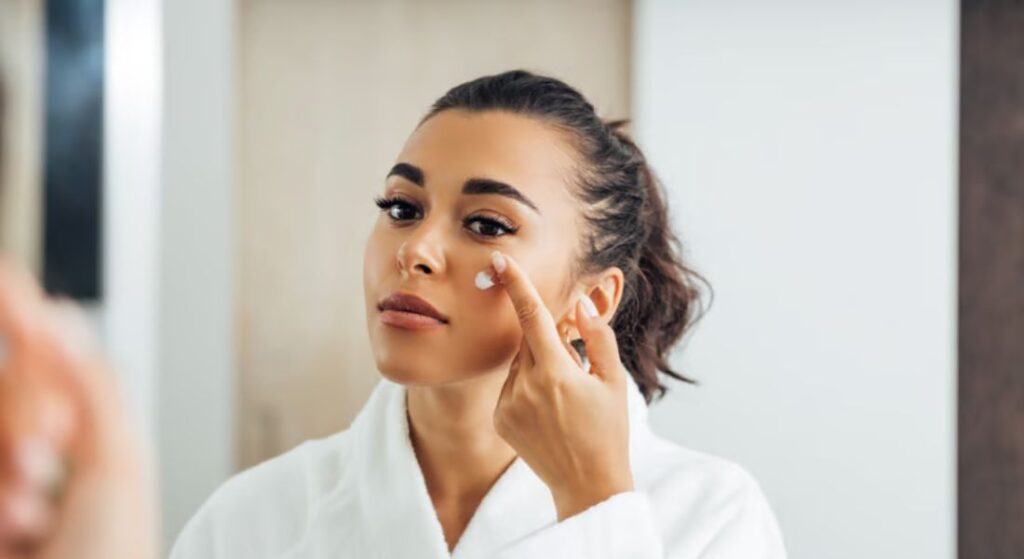
Choosing safe skincare products during breastfeeding is essential, as some ingredients may not be recommended during this time. Your skin may also be more sensitive, which makes careful product selection even more important. Dermatologists can guide you towards options that are both effective and safe.
Gentle cleansers, hydrating moisturisers, and broad-spectrum sunscreen are generally considered safe and form the foundation of a good routine. However, stronger active ingredients should be used with caution, especially without professional advice. Keeping your routine simple can help reduce the risk of irritation or unwanted exposure.
It’s always a good idea to consult a dermatologist before starting any new treatments while breastfeeding. This ensures that the products you use are suitable for both you and your baby. With the right guidance, you can care for your skin confidently and safely during this period.
The Importance of Sun Protection
Sun protection is particularly important during breastfeeding, especially if you have pigmentation changes such as melasma. UV exposure can make these patches darker or more noticeable, so daily sunscreen use is essential to prevent further damage.
Using a broad-spectrum sunscreen protects your skin against both UVA and UVB rays. Reapplying it throughout the day helps maintain effectiveness and provides consistent protection. This simple step supports overall skin health and helps your skin tone remain more even.
Dermatologists emphasise sun protection as a key part of your skincare routine. Shielding your skin from the sun not only helps prevent worsening pigmentation but also supports long-term skin health. Prevention is always better than treatment when it comes to UV-related changes.
Managing Stress and Skin Health
Stress can have a noticeable impact on your skin, particularly during the postpartum period when your body and emotions are adjusting. Elevated stress levels can influence hormone balance and immune responses, which in turn may trigger flare-ups, increased sensitivity, or breakouts. Understanding this connection can help you take steps to support both your skin and overall wellbeing. Taking proactive measures to manage stress can make a real difference in how your skin behaves.
- How stress affects the skin: Stress can raise levels of hormones like cortisol, which may increase oil production and inflammation. This can make your skin more prone to breakouts or exacerbate existing conditions. You may also notice that your skin feels tighter, redder, or more reactive during stressful periods.
- Relaxation and self-care techniques: Simple stress-reducing activities can help support skin health. Gentle exercise, mindfulness practices, deep breathing, or even short moments of rest can lower stress hormone levels and calm the skin. These small steps are often surprisingly effective.
- Connection between emotional wellbeing and skin: Your mental state and skin condition are closely linked. When stress is managed, flare-ups may become less frequent, and your skin can recover more quickly. Conversely, unmanaged stress can prolong irritation or inflammation.
- Holistic and personalised care: Dermatologists often recommend combining skincare treatments with lifestyle adjustments. This holistic approach considers both physical and emotional factors, helping you achieve more stable and comfortable skin. Balanced care improves both short-term relief and long-term outcomes.
By managing stress alongside your skincare routine, you give your skin the best chance to recover and remain healthy. Supporting your emotional wellbeing is just as important as following treatments or product regimens.
When to Seek Dermatological Advice
If you notice that skin changes are persistent, worsening, or causing significant discomfort, it’s important to seek professional advice. While some fluctuations are normal, ongoing issues may indicate an underlying condition that requires attention. Early consultation with a dermatologist can help you manage symptoms safely and effectively. Getting expert guidance ensures that your skin concerns are addressed promptly and appropriately.
- Persistent or worsening symptoms: Breakouts, redness, dryness, or irritation that do not improve with gentle care may need professional evaluation. Early assessment can prevent issues from becoming more severe or difficult to manage.
- Medical management for specific conditions: Some postpartum or hormonal skin changes may require prescription treatments or other medical interventions. Ignoring symptoms could lead to complications or prolonged flare-ups. Professional care ensures your skin is treated safely.
- Personalised treatment planning: Dermatologists consider hormonal fluctuations, lifestyle factors, and individual skin type when recommending care. This personalised approach allows for tailored treatments that address your specific needs.
- Support for effective skin management: Consulting a dermatologist provides reassurance and guidance. Expert advice can help you manage flare-ups, reduce irritation, and maintain healthier skin over time. Regular follow-up ensures that your treatment plan is adjusted as needed.
Seeking dermatological advice early allows you to manage skin changes proactively. With professional support, you can achieve better outcomes and maintain both the health and comfort of your skin.
The Role of the Immune System

Your immune system continues to adjust during breastfeeding, and these changes can directly affect your skin. This shift may influence inflammatory skin conditions, meaning some may improve while others can temporarily worsen.
During this phase, your immune response can become more reactive. This may contribute to flare-ups of conditions such as eczema or acne. However, these responses vary from person to person, so your experience may be different from others.
Understanding how your immune system is changing helps guide effective treatment. Dermatologists take these factors into account when managing your skin. A personalised approach ensures that your care is both safe and suited to your individual needs during lactation.
Long-Term Skin Recovery
Skin changes during breastfeeding are often temporary, and many symptoms improve as your hormone levels stabilise. How quickly your skin recovers can vary between individuals, so it’s important to be patient with the process.
Some changes, such as dryness or mild breakouts, may resolve naturally over time. Others, like persistent pigmentation or flare-ups of pre-existing conditions, might require treatment to improve. Understanding that recovery takes time helps set realistic expectations.
Long-term care focuses on maintaining balance and supporting your skin’s natural barrier. Consistent skincare routines combined with professional guidance from a dermatologist can help your skin recover more effectively. Regular monitoring ensures that any issues are addressed promptly, improving outcomes in the long run.
Psychological Impact of Skin Changes
Visible skin changes during breastfeeding can affect your confidence and self-esteem. Adjusting to these changes while also managing the demands of a newborn can feel challenging. Your emotional well-being is an important part of overall recovery.
Recognising that many skin changes are temporary can provide reassurance. Support from healthcare professionals, including dermatologists, can help you manage both symptoms and concerns. Feeling informed and supported often improves confidence.
Holistic care considers emotional support alongside medical treatment. Taking steps to manage your skin health can positively impact your overall well-being. With time and proper care, confidence often improves as your skin recovers.
Individual Variation in Skin Changes
Breastfeeding affects everyone differently, and the changes you notice in your skin may not be the same as someone else’s. Factors such as genetics, lifestyle, diet, and overall health all influence how your skin responds during this period. While some women may experience only minor changes, others may notice more pronounced effects such as dryness, breakouts, or sensitivity. Recognising that variation is normal can help you approach these changes with less worry and more understanding.
- Genetic and lifestyle influences: Your skin type, inherited traits, and daily habits all contribute to how your skin reacts. These factors can determine whether you experience oiliness, dryness, flare-ups, or increased sensitivity while breastfeeding.
- Differences in symptom severity: Some women notice only subtle fluctuations in their skin, while others may have more noticeable changes. The timing, duration, and intensity of symptoms can vary widely from person to person.
- Importance of personalised care: Because every individual’s skin is unique, dermatologists tailor treatments to your specific needs. This ensures that interventions address your particular concerns and skin type rather than following a generic approach.
- Better outcomes with individualised management: Personalised care helps manage symptoms more effectively, reduces discomfort, and supports long-term skin health. By focusing on your unique situation, dermatologists can provide guidance that leads to more consistent and positive results.
Understanding that skin changes during breastfeeding are highly individual allows you to approach your care with confidence. Personalised support and treatment help you manage your skin effectively, no matter how mild or pronounced the changes may be.
Advances in Dermatological Care
Research into hormonal skin changes during breastfeeding is continually evolving. Scientists are developing new treatments that specifically target inflammation and pigmentation, improving the options available for managing postpartum skin concerns.
Targeted therapies focus on particular pathways involved in skin conditions, allowing for more precise and effective treatment. This approach helps reduce side effects while improving results. Innovation in dermatology continues to enhance patient care.
Ongoing research means better options are becoming available for patients. Future treatments may offer even greater benefits, making management of postpartum skin changes more effective. Progress in this field continues to shape how dermatologists approach care.
Importance of Consistent Skincare
Consistency is essential when managing skin changes during breastfeeding. Using the right products regularly helps maintain your skin’s balance and prevents additional irritation. Sudden changes in routine can disrupt recovery.
Simple, gentle routines are often more effective than complex ones. Focusing on cleansing, hydration, and protection supports your skin barrier and encourages healing. Consistent care allows your skin to stabilise over time.
Dermatologists emphasise the importance of routine care as part of overall treatment. Maintaining healthy skincare habits improves outcomes and ensures long-term skin stability.
Why Understanding Skin Changes During Breastfeeding Matters
Understanding how breastfeeding affects your skin helps you manage changes more effectively. When you recognise patterns in dryness, sensitivity, or breakouts, you can respond proactively rather than reactively, which often leads to better outcomes.
Dermatologists use this knowledge to guide treatment strategies tailored to your needs. By addressing hormonal shifts and immune system changes, care becomes more precise and effective, supporting long-term skin health.
Knowing what your skin is experiencing allows you to make informed decisions about your care. This understanding builds confidence and helps you manage your skin with greater control, improving both comfort and quality of life.
FAQs:
1. Why does your skin change during breastfeeding?
Your skin changes during breastfeeding because your hormone levels shift, particularly with lower oestrogen and higher prolactin. These changes can affect hydration, oil production, and how your skin reacts to inflammation, leading to noticeable differences in your skin.
2. Is it normal to have dry skin while breastfeeding?
Yes, it is completely normal for your skin to feel drier during breastfeeding. Lower oestrogen levels can reduce your skin’s ability to retain moisture, which may lead to dryness, tightness, or flaking.
3. Can breastfeeding cause acne?
Yes, you may experience acne during breastfeeding due to hormonal imbalances that increase oil production. This type of acne often appears around your jawline and lower face and can feel more persistent.
4. Why is your skin more sensitive during lactation?
Your skin may become more sensitive because the skin barrier can be temporarily weakened. This makes your skin more reactive to products, weather changes, and environmental factors.
5. Does eczema get worse during breastfeeding?
Yes, eczema can flare up during breastfeeding due to hormonal and immune system changes. Stress and lack of sleep may also contribute to worsening symptoms.
6. Can pregnancy pigmentation stay while breastfeeding?
Yes, pigmentation such as melasma can persist during breastfeeding. Hormonal fluctuations can continue to affect your skin, and sun exposure may make pigmentation more noticeable.
7. What skincare ingredients should you avoid while breastfeeding?
You should avoid certain strong active ingredients unless advised by a dermatologist. It’s best to be cautious with retinoids, high-strength acids, and other potent treatments. Always seek professional guidance before starting new products.
8. What is the safest skincare routine during breastfeeding?
A simple routine is usually the safest. Focus on gentle cleansing, regular moisturising, and daily sun protection. Using mild, fragrance-free products helps reduce the risk of irritation.
9. How long do skin changes during breastfeeding last?
Skin changes during breastfeeding can last for several months, depending on how long hormonal fluctuations continue. Many symptoms improve gradually as your hormone levels stabilise.
10. When should you see a dermatologist during breastfeeding?
You should see a dermatologist if your skin concerns are persistent, worsening, or affecting your comfort or confidence. Professional advice ensures you receive safe and effective treatment options during lactation.
Final Thoughts: Caring for Your Skin During Breastfeeding
Your skin can go through a range of changes while you are breastfeeding, and these shifts are closely linked to hormonal fluctuations and your body’s ongoing recovery after pregnancy. From dryness and sensitivity to acne and pigmentation, these concerns are common and often temporary, even if they feel frustrating at the time.
Understanding how your skin responds during this phase allows you to take a more confident and balanced approach to your skincare. By keeping your routine simple, focusing on hydration, and choosing gentle, safe products, you can support your skin while avoiding unnecessary irritation. Over time, as your hormone levels stabilise, many of these changes will gradually improve. If you’re looking for female dermatologist in London, you can reach out to us at the London Dermatology Centre to book a consultation with one of our specialists.
References:
- Moore, H. and Stevenson, A. (2025) ‘Breast and nipple dermatoses during lactation’, Australasian Journal of Dermatology. Available at: https://pubmed.ncbi.nlm.nih.gov/40817612/
- Barrett, M.E., Heller, M.M., Stone, H.F. and Murase, J.E. (2013) ‘Dermatoses of the breast in lactation’, Dermatologic Therapy, 26(4), pp. 331–336. Available at: https://pubmed.ncbi.nlm.nih.gov/23914890/
- Melnik, B.C. and Weiskirchen, R. (eds.) (2025) ‘Lactation and breast milk the role in postnatal development and maternal physiology’, Nutrients (MDPI Special Issue). Available at: https://www.mdpi.com/journal/nutrients/special_issues/V6234JS3U5
- Moore, H. and Stevenson, A. (2025) ‘Breast and nipple dermatoses during lactation’, Australasian Journal of Dermatology, 66(7), pp. e386–e407. Available at: https://pmc.ncbi.nlm.nih.gov/articles/PMC12633704/
- Li, R., Zhang, L.X., Tian, C., Ma, L.K. and Li, Y. (2022) ‘Successful management of a breastfeeding mother with severe eczema of the nipple: A case report’, World Journal of Clinical Cases, 10(28), pp. 10155–10161. Available at: https://pmc.ncbi.nlm.nih.gov/articles/PMC9561575/