


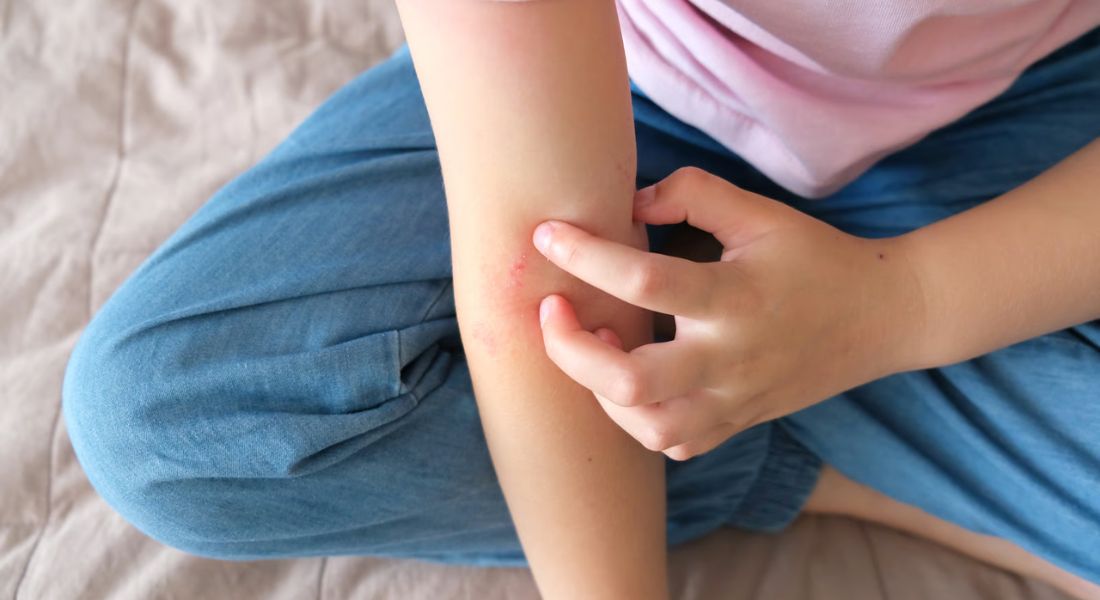
Childhood cutaneous lupus is a rare autoimmune skin condition that causes inflammation in the skin. It can lead to rashes, scaling, changes in skin colour, and increased sensitivity to sunlight. Because the condition is uncommon, you may initially think the symptoms are linked to eczema, psoriasis, allergies, or another common skin problem.
Although cutaneous lupus mainly affects the skin, some children may also have systemic lupus erythematosus (SLE), which can affect other parts of the body. These may include the joints, kidneys, blood, lungs, heart, or brain. A thorough assessment can help determine whether your child’s symptoms are limited to the skin or part of a wider autoimmune condition.
As a parent, it can be worrying when your child develops a rash that does not improve or keeps coming back. Lupus-related skin changes can become worse after sun exposure and may sometimes cause pigmentation changes or scarring. Early diagnosis and treatment can help protect your child’s skin, control inflammation, and support their long-term health.
What Is Childhood Cutaneous Lupus?
Childhood cutaneous lupus is a form of lupus that affects the skin in children and teenagers. It is an autoimmune condition, which means your child’s immune system mistakenly attacks healthy skin tissue and causes inflammation.
The condition can cause several different types of skin rashes. You may notice that some rashes become worse after sun exposure and then fade, while others can last longer and may lead to changes in skin colour, hair loss, or scarring if they are not treated.
It is important to know that cutaneous lupus is not contagious. Your child cannot catch it from another child or pass it on through everyday activities such as sharing towels, swimming, attending school, or normal physical contact.
How Cutaneous Lupus Differs from Systemic Lupus
Cutaneous lupus mainly affects the skin, whereas systemic lupus can affect several parts of your child’s body, including the joints, kidneys, blood, heart, and lungs. Some children only develop skin symptoms, while others may have cutaneous lupus as part of a wider autoimmune condition.
Understanding the difference is important because your child’s treatment and monitoring needs may vary. If the condition is limited to the skin, dermatology care may be sufficient, but children with signs of systemic lupus may also need assessment from a paediatric rheumatology specialist.
To check whether other parts of your child’s body are affected, doctors may recommend blood tests, urine tests, and a detailed clinical assessment. Early evaluation can help ensure your child receives the most appropriate treatment, support, and ongoing care.
Why Childhood Lupus Can Be Missed
Childhood cutaneous lupus can sometimes be difficult to recognise because it is rare and often looks similar to more common skin conditions. As a parent, you may think the rash is eczema, sunburn, psoriasis, an allergy, a fungal infection, or another everyday childhood skin problem.
The appearance of lupus can also vary depending on your child’s skin tone. In lighter skin, the affected areas may look red or pink, while in darker skin tones they may appear brown, purple, greyish, or darker than the surrounding skin.
If your child’s rash keeps coming back, becomes worse after sun exposure, causes hair loss, leaves marks, or leads to scarring, it is worth seeking specialist advice. A dermatologist can look for signs that may not be obvious during a routine examination and help confirm the correct diagnosis.
How Lupus-Related Rashes Can Differ from Other Childhood Skin Conditions
| Condition | Possible Appearance | Other Helpful Clues |
| Cutaneous lupus | Photosensitive facial rash, ring-shaped lesions or persistent scaly patches | May leave pigmentation changes, scarring or permanent scalp hair loss |
| Eczema | Dry, itchy, inflamed or cracked skin | Often affects skin creases and may occur with asthma or allergies |
| Psoriasis | Well-defined, thick or scaly patches | May affect the scalp, elbows, knees or nails |
| Fungal infection | Scaly or inflamed patches, sometimes with broken hairs | May itch and can spread to other people |
| Alopecia areata | Smooth, clearly defined areas of hair loss | Usually has no scaling or scarring |
| Dermatomyositis | Purple-red rash around the eyelids, knuckles or sun-exposed skin | May occur with muscle weakness or difficulty with everyday movements |
The Main Types of Cutaneous Lupus
Cutaneous lupus is usually divided into three main types: acute, subacute, and chronic cutaneous lupus. If your child has acute cutaneous lupus, they may develop the well-known butterfly-shaped rash across the cheeks and nose, while subacute cutaneous lupus often causes scaly or ring-shaped rashes on areas exposed to sunlight.
Chronic cutaneous lupus includes discoid lupus erythematosus, which can cause persistent scaly patches that may leave scars over time. These patches often affect the face, scalp, ears, or lips, but they can also develop on other parts of your child’s body.
Acute cutaneous lupus is commonly associated with systemic lupus, while subacute cutaneous lupus can also occur alongside systemic disease. These patterns therefore require careful assessment for symptoms or signs affecting other parts of the body. This does not mean that every child with a lupus-related rash has systemic disease, but blood tests, urine tests and clinical follow-up may be recommended.
Not every child fits neatly into one category when symptoms first appear. As your child’s condition develops, the pattern may become clearer based on how the rash responds to sunlight, treatment, and changes in disease activity, which is why regular follow-up appointments can be important.
Butterfly Rash on the Face
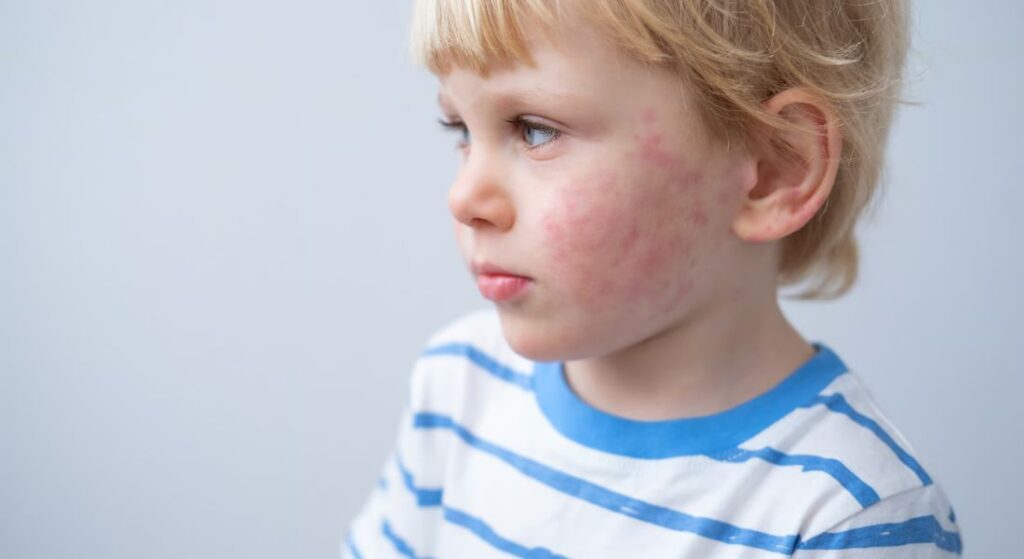
A butterfly rash is one of the most recognised skin signs of lupus. If your child develops this type of rash, you may notice it spreading across both cheeks and the bridge of the nose, creating a butterfly-like shape. It often becomes more noticeable after time spent in the sun.
The rash can look red, pink, purple or darker than the surrounding skin, depending on your child’s skin tone. It may be flat or slightly raised and usually affects both cheeks and the bridge of the nose, sometimes sparing the folds beside the nose. However, its exact appearance can vary from one child to another.
It is important to remember that a butterfly rash does not automatically mean your child has lupus. Conditions such as eczema, allergic reactions, infections, and sun-related skin irritation can cause similar facial rashes, which is why a specialist assessment is often recommended.
Discoid Lupus Patches
Discoid lupus causes round or oval patches that may look scaly, thickened, inflamed, or different in colour from the surrounding skin. You may notice these patches on your child’s face, scalp, ears, lips, arms, or other areas of the body, and they can become more defined over time.
This type of cutaneous lupus is important to recognise because it can sometimes cause permanent scarring. If your child’s scalp is affected, ongoing inflammation may damage the hair follicles and lead to lasting hair loss if treatment is not started early.
As a parent, you may first notice a stubborn patch that does not improve with ordinary creams or skincare products. If the patch keeps returning, causes discomfort, leads to hair loss, or shows signs of scarring, it is important to seek a specialist assessment.
Subacute Cutaneous Lupus
Subacute cutaneous lupus can cause ring-shaped, scaly, or psoriasis-like patches on your child’s skin. These rashes often appear on areas exposed to sunlight, such as the arms, shoulders, chest, neck, or upper back, while the face may be less affected than in other forms of cutaneous lupus.
The condition is usually highly sensitive to sunlight, which means ultraviolet (UV) exposure can trigger or worsen symptoms. You may notice flare-ups after your child spends time outdoors, takes part in sports activities, goes on holiday, or is exposed to sunlight for extended periods.
Because subacute cutaneous lupus can sometimes be linked to wider lupus activity, your child may need further assessment. A specialist may recommend a skin examination, blood tests, and urine tests to check for signs of systemic lupus and help guide the most appropriate treatment.
Sun Sensitivity and Photosensitivity
Photosensitivity is one of the most important signs of lupus-related skin disease. It means your child’s skin reacts strongly to ultraviolet (UV) light, causing a rash to appear or become worse after sun exposure. In some cases, the reaction may not develop until several hours or even days later.
You may notice flare-ups after your child has been playing outdoors, swimming, taking part in sports, going on school trips, or spending time on holiday. Even on cloudy days, UV rays can still affect the skin, which is why sun protection is an essential part of managing cutaneous lupus.
Protecting your child from excessive UV exposure can help reduce flare-ups and prevent skin damage. Alongside sun protection measures, your child’s specialist may recommend treatments such as medicated creams or other therapies to help control inflammation and manage symptoms.
Scalp Lupus and Hair Loss
Cutaneous lupus can affect your child’s scalp and may cause scaly patches, tenderness, itching, changes in skin colour, or areas where the hair starts to thin. You might notice these changes developing gradually, particularly if the condition has been present for some time. Discoid lupus is especially important to recognise because it can cause scarring and permanent hair loss if left untreated.
Hair loss linked to lupus can happen in several different ways. Your child may experience hair loss due to scarring on the scalp, inflammation within the body, systemic lupus activity, medication side effects, or increased hair shedding during flare-ups.
If you notice patchy hair loss along with scaling, redness, crusting, pain, or signs of scarring, it is important to seek specialist advice. Although lupus is one possible cause, other conditions such as fungal infections, alopecia areata, eczema, and psoriasis can produce similar symptoms, so an accurate diagnosis is essential.
Mouth and Lip Changes
Some children with lupus develop changes inside the mouth or on the lips. You may notice mouth ulcers on your child’s cheeks, gums, palate, tongue, or lips, and these can be either painless or uncomfortable.
Lupus-related lip symptoms can include scaling, cracking, ongoing soreness, or changes in skin colour. In some cases, discoid lupus can affect the lips and may initially look like chapped lips or simple irritation, making it easy to overlook.
Mouth ulcers are common in children and do not automatically mean your child has lupus. However, if ulcers occur alongside a photosensitive rash, fatigue, joint pain, fever, or other concerning symptoms, it is important to seek medical advice and further assessment.
Colour Changes and Scarring
Cutaneous lupus can leave changes in your child’s skin colour after the inflammation has settled. You may notice that the affected area becomes darker, lighter, or uneven in tone, and these changes can be more noticeable in children with darker skin tones.
Some forms of cutaneous lupus can also cause scarring. This is particularly common with discoid lupus, especially when patches are persistent, thickened, or affect the scalp, where permanent hair loss may occur.
Early treatment aims to control inflammation and reduce the risk of long-term marks or scarring. If your child has a persistent skin patch that is not improving, it is best to seek specialist advice rather than relying on over-the-counter creams without a clear diagnosis.
Symptoms Beyond the Skin

You should seek prompt medical advice if your child develops a lupus-like rash alongside persistent fever, joint swelling, marked tiredness, facial or leg swelling, changes in their urine, or other unexplained symptoms. Seek urgent assessment if your child has difficulty breathing, severe chest pain, blood in their urine, a significant reduction in urine output, confusion, collapse, or appears seriously unwell.
In some children, lupus can affect organs such as the kidneys or cause changes in blood test results. These problems are not always obvious in the early stages, which is why blood and urine tests may be recommended even when a skin rash is the main concern.
How Cutaneous Lupus Is Diagnosed
Diagnosing cutaneous lupus usually begins with a detailed medical history and skin examination. Your dermatologist will ask when your child’s rash first appeared, whether it becomes worse after sun exposure, whether it leaves marks, and whether there are any symptoms affecting other parts of the body.
During the examination, the skin will be assessed for features such as scaling, scarring, pigmentation changes, and damage to hair follicles. Your specialist may also ask about medications, infections, family history, and other autoimmune conditions that could be relevant to your child’s symptoms.
To confirm the diagnosis, your child may need blood tests, urine tests, and sometimes a skin biopsy. No single test can always diagnose cutaneous lupus on its own, so doctors usually combine several findings to build a complete picture of your child’s condition.
Blood and Urine Tests
Blood tests can help your child’s doctor look for signs of autoimmunity and inflammation. Depending on your child’s symptoms, these may include tests such as antinuclear antibodies (ANA), anti-dsDNA, anti-Ro, anti-La, complement levels, a full blood count, kidney function tests, and inflammatory markers.
Urine tests are also an important part of the assessment because lupus can sometimes affect the kidneys. A simple urine sample can check for blood or protein, and if any abnormalities are found, your child may need further investigations.
It is important to remember that blood and urine test results are only one part of the diagnostic process. Abnormal results do not always mean your child has severe disease, and normal results do not rule out every condition, so they must be interpreted alongside your child’s symptoms and examination findings.
Skin Biopsy and Specialist Assessment
A skin biopsy may be recommended if your child’s diagnosis is uncertain or if further confirmation is needed before starting stronger treatments. The procedure involves taking a small sample of skin under local anaesthetic, which is then examined under a microscope.
A biopsy can help your dermatologist distinguish cutaneous lupus from other skin conditions that may look similar. These can include eczema, psoriasis, fungal infections, lichen planus, dermatomyositis, and other inflammatory skin diseases.
Not every child with suspected cutaneous lupus will need a biopsy. If your child’s symptoms, examination findings, and test results clearly point to the diagnosis, it may be possible to confirm the condition without one, and your dermatologist will explain the most appropriate approach.
Evidence Note
Cutaneous lupus includes several clinical subtypes that differ in appearance, risk of scarring and association with systemic lupus. Research involving children suggests that acute and subacute cutaneous lupus require particularly careful assessment for wider disease involvement.
Diagnosis is based on the overall pattern of symptoms, clinical examination and selected investigations. Blood tests or a skin biopsy may support the diagnosis, but no single result should be interpreted without considering your child’s symptoms, examination findings and wider health.
Sun Protection as Treatment
Sun protection is one of the most important parts of managing cutaneous lupus. By reducing your child’s exposure to ultraviolet (UV) light, you can help lower the risk of flare-ups and protect inflamed skin from further damage. This usually involves using broad-spectrum sunscreen, wearing protective clothing and hats, seeking shade, and avoiding strong midday sun whenever possible.
Your child may also need additional support with sun protection at school. You may need to ensure sunscreen can be reapplied during outdoor activities and help teachers understand why access to shade and protective clothing is important during sports, trips, and playground time.
Sun protection does not mean your child has to avoid outdoor activities altogether. The goal is to follow sensible and consistent sun safety measures so your child can continue to enjoy everyday activities while reducing the risk of lupus flare-ups.
Clinical Tip
If your child has photosensitive lupus, speak to their school or nursery about practical sun protection. Your child may need permission to reapply sunscreen before outdoor activities, use shaded areas, wear a hat and protective clothing, or modify prolonged activities during periods of strong sunlight.
Keep a small supply of suitable sunscreen at school and ask your child’s specialist whether a written healthcare plan would be helpful. Consistent protection is usually more effective than relying on sunscreen only during holidays or very sunny weather.
Topical Treatments for Skin Lupus
Topical treatments are often used when cutaneous lupus affects a limited area of your child’s skin. These may include corticosteroid creams or ointments that help reduce inflammation and improve the appearance of rashes. The type, strength, and duration of treatment will depend on the affected area, the severity of the rash, and your child’s age.
In some cases, your child’s specialist may recommend topical calcineurin inhibitors such as tacrolimus or pimecrolimus. These treatments can be particularly useful on delicate areas such as the face, where long-term use of steroid creams may need extra caution.
It is important to remember that treatment should be tailored to the specific type and location of the rash. A cream that works well on a thicker patch of skin elsewhere on the body may not be suitable for areas such as the eyelids, lips, or face, which is why specialist guidance is essential.
Hydroxychloroquine and Systemic Treatment

Hydroxychloroquine is often used when your child’s cutaneous lupus is widespread, persistent, causing scarring, or linked to systemic lupus. It works by helping to regulate the immune system and reduce inflammation, making it an important treatment option for many children with lupus.
If hydroxychloroquine is prescribed, the dose will be calculated using your child’s actual body weight and specialist paediatric guidance. The clinical team will assess the risk of retinal toxicity and arrange annual eye monitoring after five years of treatment. Monitoring may begin from one year after treatment starts when additional risk factors are present, and your child’s specialist monitoring plan should always take priority.
Some children with more severe skin disease or wider lupus involvement may need additional treatments. Depending on your child’s symptoms, this may include short courses of oral steroids or other immune-modifying medicines, with treatment tailored to their specific needs.
UK Guidance Note
Current UK guidance recommends consistent use of a high-factor, broad-spectrum sunscreen that provides protection against both UVA and UVB radiation. Protective clothing, shade and reduced exposure during periods of strong sunlight should be used alongside sunscreen.
UK guidance recommends timely dermatology involvement when cutaneous lupus is scarring, persistent or difficult to control. Depending on the affected area, severity and whether systemic lupus is present, treatment may include appropriately selected topical corticosteroids, topical calcineurin inhibitors and systemic medicines such as hydroxychloroquine.
Children with suspected systemic involvement should receive coordinated care, which may include paediatric dermatology, paediatric rheumatology, ophthalmology and other specialists according to the organs affected and the medicines being used.
Living with Childhood Cutaneous Lupus
A diagnosis of cutaneous lupus can affect your child emotionally as well as physically. Visible rashes, changes in skin colour, scarring, sun protection measures, and regular medical appointments can sometimes feel overwhelming. Your child may worry about looking different or answering questions from friends and classmates.
Open and honest conversations can help your child understand their condition. You can explain that their immune system is causing inflammation in the skin, that lupus is not contagious, and that treatment is aimed at protecting their skin and reducing flare-ups.
Creating a simple daily routine can make managing cutaneous lupus much easier. You may find that sunscreen, hats, moisturisers, prescribed treatments, school communication, and appointment reminders gradually become part of your child’s everyday care, helping them stay confident and active.
Myth vs Fact
| Myth | Fact |
| Every butterfly-shaped facial rash is lupus. | Several skin conditions can cause a similar facial rash, so a specialist assessment is needed. |
| Cutaneous lupus is contagious. | Lupus is an autoimmune condition and cannot spread between children. |
| Cutaneous lupus always affects internal organs. | Some children have skin-limited disease, while others have or later develop systemic involvement. |
| Sunscreen is only needed on hot, sunny days. | UVA and UVB exposure can occur on cloudy days, so regular protection is important. |
| A positive antibody test confirms lupus by itself. | Blood-test results must be interpreted alongside symptoms, examination findings and other investigations. |
| Scalp hair always grows back after lupus treatment. | Hair may regrow when follicles remain intact, but scarring discoid lupus can cause permanent hair loss. |
| Hydroxychloroquine is only an antimalarial medicine. | It is also widely used to control inflammation in cutaneous and systemic lupus. |
| Stronger treatment means a child’s lupus is untreatable. | Treatment intensity is adjusted according to disease severity, scarring risk and wider involvement. |
When to See a Paediatric Dermatology Specialist
You should seek specialist advice if your child has a persistent facial rash, a rash that becomes worse after sun exposure, scaly patches, scalp involvement with hair loss, scarring, unexplained changes in skin colour, or mouth ulcers accompanied by a rash. Early assessment is particularly important if the rash is spreading, recurring, or leaving lasting marks on the skin.
You should also arrange a specialist review if your child develops symptoms such as joint pain, fever, unusual tiredness, swelling, or other signs that may suggest lupus is affecting more than just the skin. These symptoms may require further investigation to rule out wider disease involvement.
A paediatric dermatology specialist can assess whether your child’s symptoms are caused by cutaneous lupus or another skin condition. They can also advise whether blood tests, urine tests, a skin biopsy, topical treatments, hydroxychloroquine, or referral to other specialists may be needed to support your child’s health and wellbeing.
Key Takeaways
- Childhood cutaneous lupus is an uncommon autoimmune condition that primarily affects the skin.
- Rashes may become worse after ultraviolet exposure and can look different across skin tones.
- Acute, subacute and chronic cutaneous lupus have different appearances and associations with systemic disease.
- Persistent scalp inflammation can cause scarring and permanent hair loss.
- Diagnosis may involve clinical examination, blood tests, urine tests and, in selected cases, a skin biopsy.
- Sun protection is an essential part of treatment rather than an optional skincare measure.
- Topical medicines may be suitable for limited disease, while hydroxychloroquine or other systemic treatment may be needed for persistent or widespread disease.
- Children with symptoms beyond the skin may require paediatric rheumatology assessment.
- Early treatment may help control inflammation and reduce the risk of pigmentation changes, scarring and permanent hair loss.
- Treatment and monitoring should always be personalised to your child’s diagnosis, age and overall health.
Frequently Asked Questions
1. What is childhood cutaneous lupus?
Childhood cutaneous lupus is a rare autoimmune condition that causes inflammation in the skin. It can lead to rashes, scaling, skin colour changes, and increased sensitivity to sunlight.
2. Is cutaneous lupus the same as systemic lupus?
No, cutaneous lupus mainly affects the skin, while systemic lupus can affect other parts of the body such as the joints, kidneys, heart, and lungs. Some children have skin-only disease, while others may develop systemic involvement.
3. What does a lupus rash look like in children?
A lupus rash can appear as a butterfly-shaped rash across the cheeks and nose, scaly patches, or ring-shaped lesions. The appearance may vary depending on your child’s skin tone and the type of cutaneous lupus.
4. Can sun exposure make lupus worse?
Yes, many children with cutaneous lupus are sensitive to ultraviolet (UV) light. Sun exposure can trigger new rashes or worsen existing symptoms, making sun protection an important part of treatment.
5. Can cutaneous lupus cause hair loss?
Yes, lupus can affect the scalp and may cause hair thinning or patchy hair loss. If discoid lupus leads to scarring on the scalp, some hair loss can become permanent without early treatment.
6. How is childhood cutaneous lupus diagnosed?
Diagnosis is based on your child’s medical history and a careful skin examination. Blood tests and urine tests may be recommended to look for wider lupus involvement, and a skin biopsy may be considered when the diagnosis remains uncertain or needs further confirmation.
7. Is childhood cutaneous lupus contagious?
No, cutaneous lupus is not contagious. Your child cannot catch it from someone else or pass it on through normal contact, school activities, or sharing everyday items.
8. What treatments are available for childhood cutaneous lupus?
Treatment may include sun protection, medicated creams, and medicines such as hydroxychloroquine for more persistent or widespread disease. The treatment plan will depend on the severity of your child’s symptoms and whether other organs are affected.
9. Can childhood cutaneous lupus cause permanent skin changes?
Yes, some forms of cutaneous lupus can lead to scarring or long-term changes in skin colour. Early diagnosis and treatment can help reduce the risk of lasting skin damage.
10. When should a child see a dermatologist for a suspected lupus rash?
You should seek specialist advice if your child has a persistent rash, a rash that worsens after sun exposure, unexplained hair loss, or skin changes that leave scars or marks. A paediatric dermatologist can assess the cause and recommend appropriate investigations and treatment.
Final Thoughts: Recognising the Signs of Childhood Cutaneous Lupus Early
Childhood cutaneous lupus is an uncommon condition, but recognising the early warning signs can make a significant difference to your child’s skin health and overall wellbeing. Persistent rashes, increased sensitivity to sunlight, scalp involvement, hair loss, pigmentation changes, or scarring should not be ignored, particularly if symptoms continue to return or do not respond to standard treatments. Early assessment can help confirm the diagnosis and reduce the risk of long-term skin damage.
While cutaneous lupus primarily affects the skin, some children may require further investigation to determine whether there is wider autoimmune involvement. Prompt diagnosis, appropriate treatment, regular monitoring, and consistent sun protection can help control inflammation and support your child in leading an active and confident life. If you’re considering paediatric dermatologist in London, contact us at London Dermatology Centre to book a consultation with one of our specialists.
References:
- O’Kane, D. et al. (2021) ‘British Association of Dermatologists guidelines for the management of people with cutaneous lupus erythematosus 2021’, British Journal of Dermatology, 185(6), pp. 1112–1123. Available at: https://academic.oup.com/bjd/article/185/6/1112/6599926
- Tsang, V., Leung, A.K.C. and Lam, J.M. (2021) ‘Cutaneous lupus erythematosus in children’, Current Pediatric Reviews, 17(2), pp. 103–110. Available at: https://pubmed.ncbi.nlm.nih.gov/33655840/
- Md Yusof, M.Y. et al. (2026) ‘The 2026 British Society for Rheumatology guideline for the management of children, young people and adults with systemic lupus erythematosus’, Rheumatology, 65(6), article keag223. Available at: https://academic.oup.com/rheumatology/article/65/6/keag223/8713811
- Yusuf, I.H., Foot, B. and Lotery, A.J. (2021) ‘The Royal College of Ophthalmologists recommendations on monitoring for hydroxychloroquine and chloroquine users in the United Kingdom (2020 revision): executive summary’, Eye, 35(6), pp. 1532–1537. Available at: https://pmc.ncbi.nlm.nih.gov/articles/PMC8169737/
- Fijałkowska, A., Kądziela, M. and Żebrowska, A. (2024) ‘The spectrum of cutaneous manifestations in lupus erythematosus: a comprehensive review’, Journal of Clinical Medicine, 13(8), article 2419. Available at: https://www.mdpi.com/2077-0383/13/8/2419